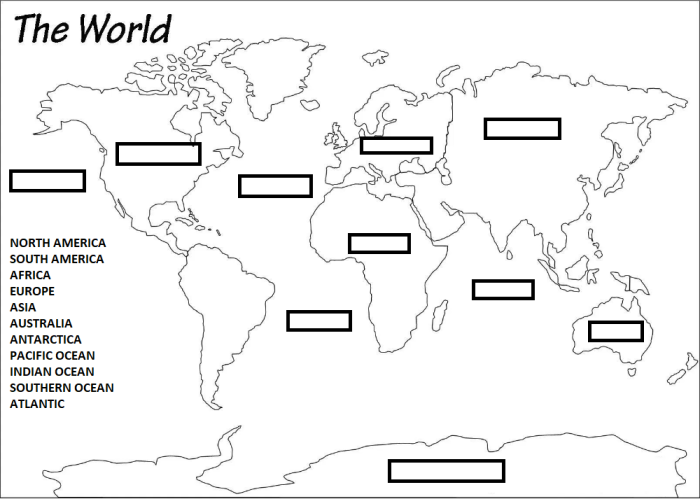
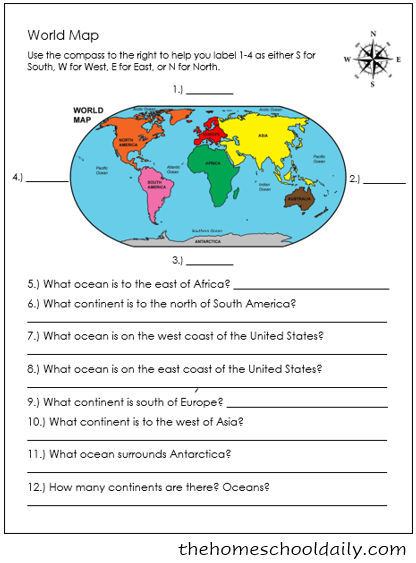
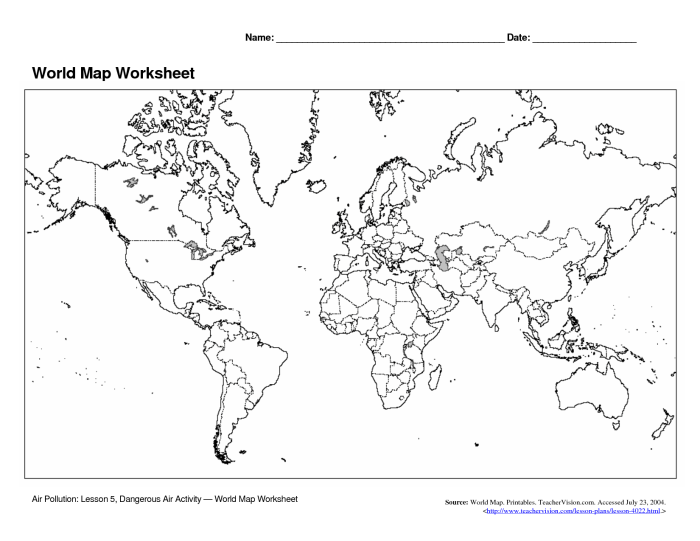
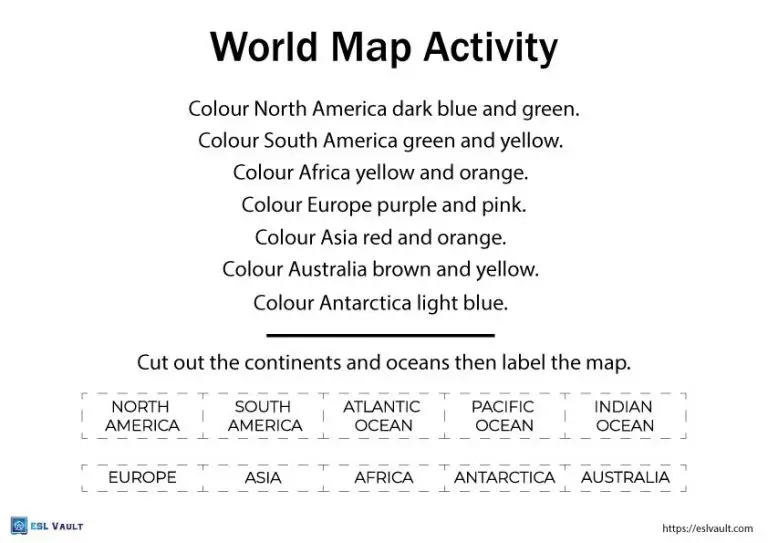
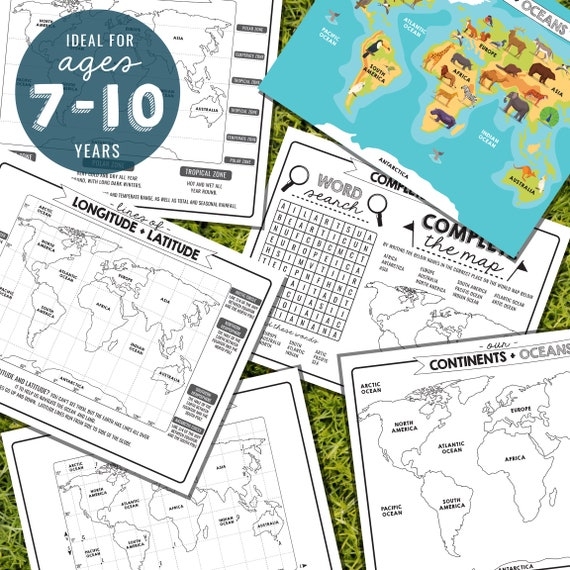
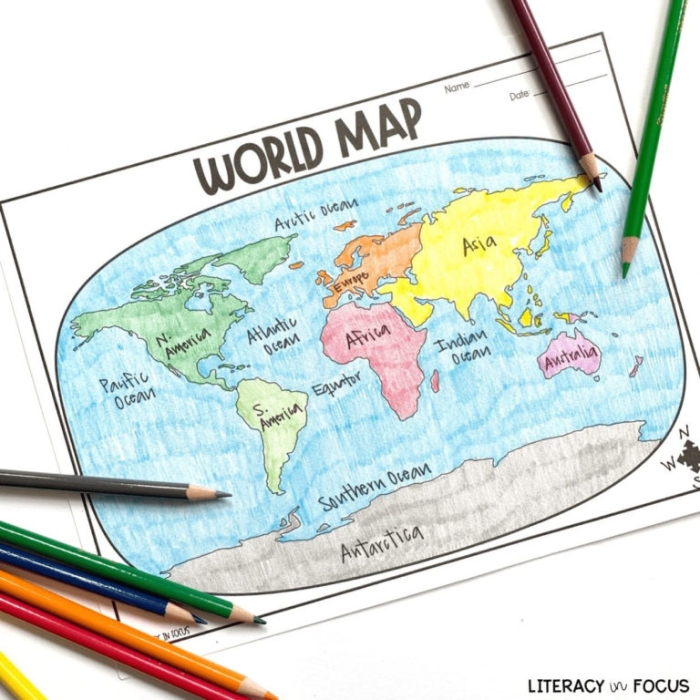
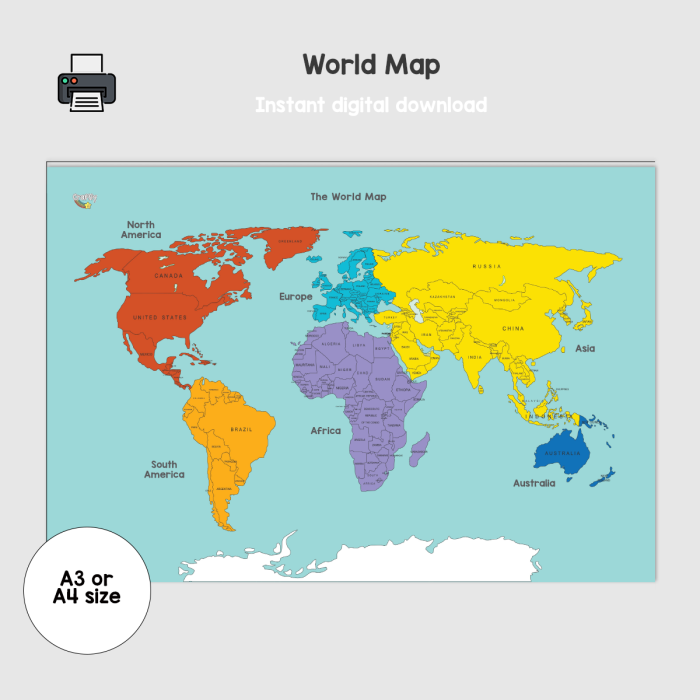
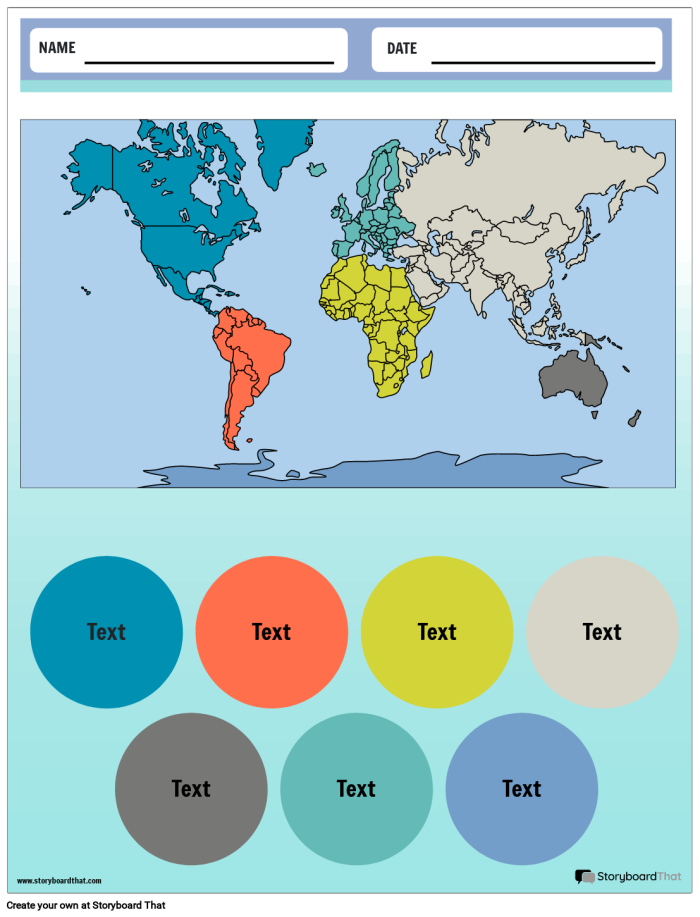
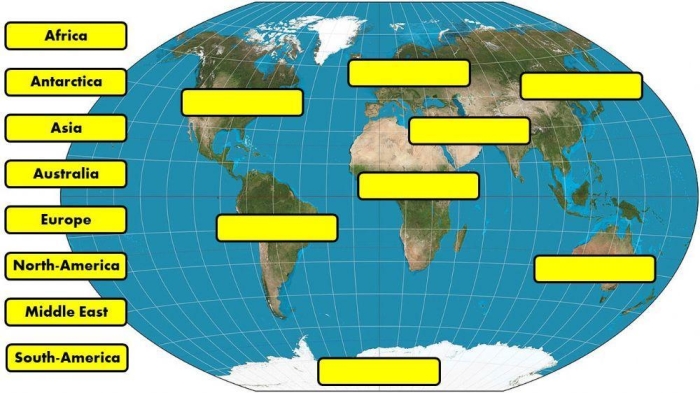
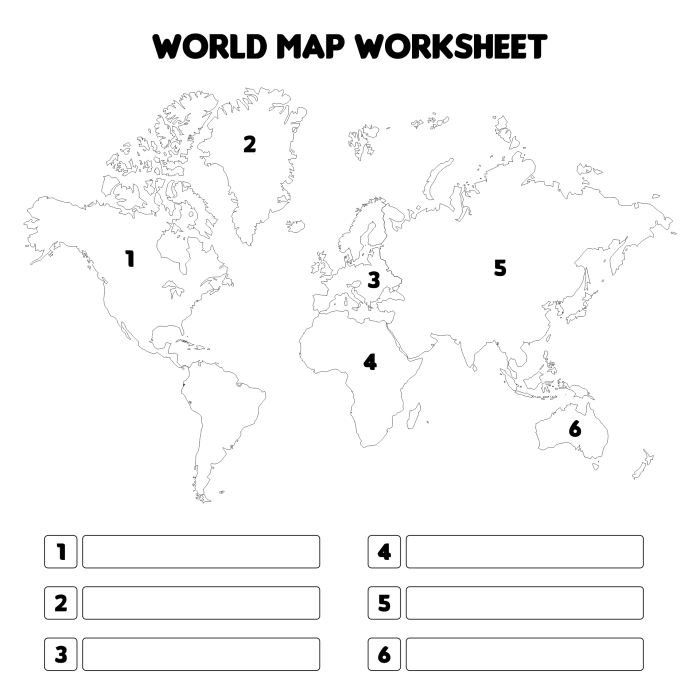
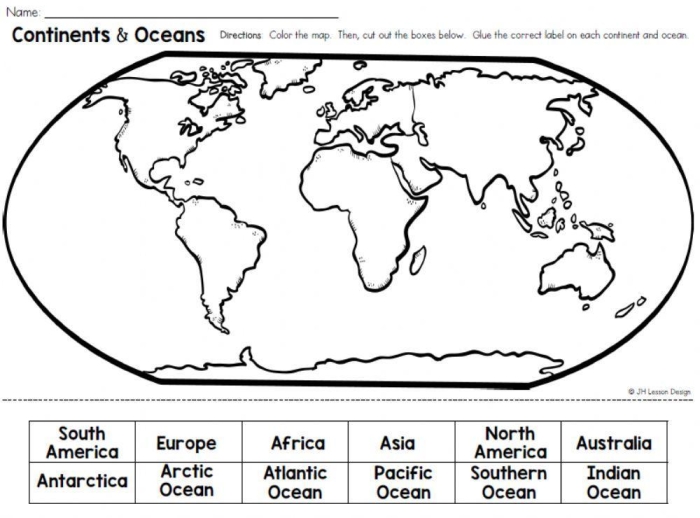
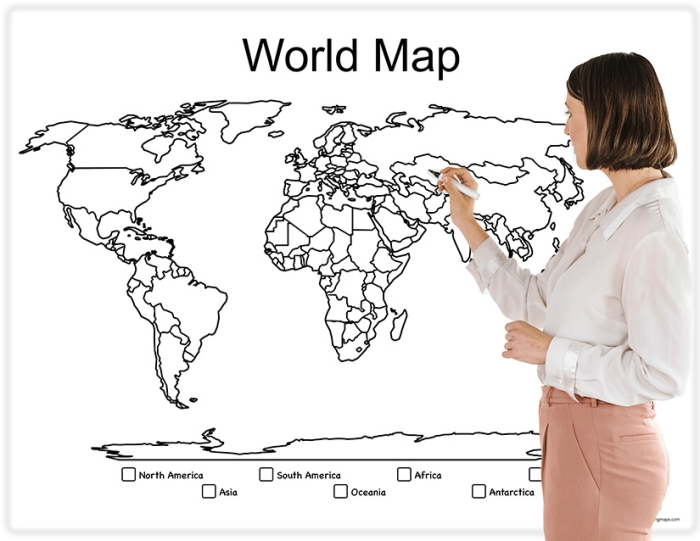
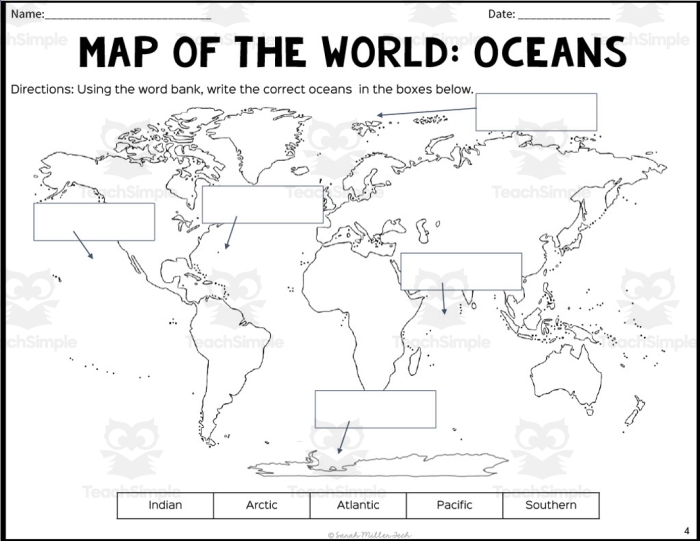
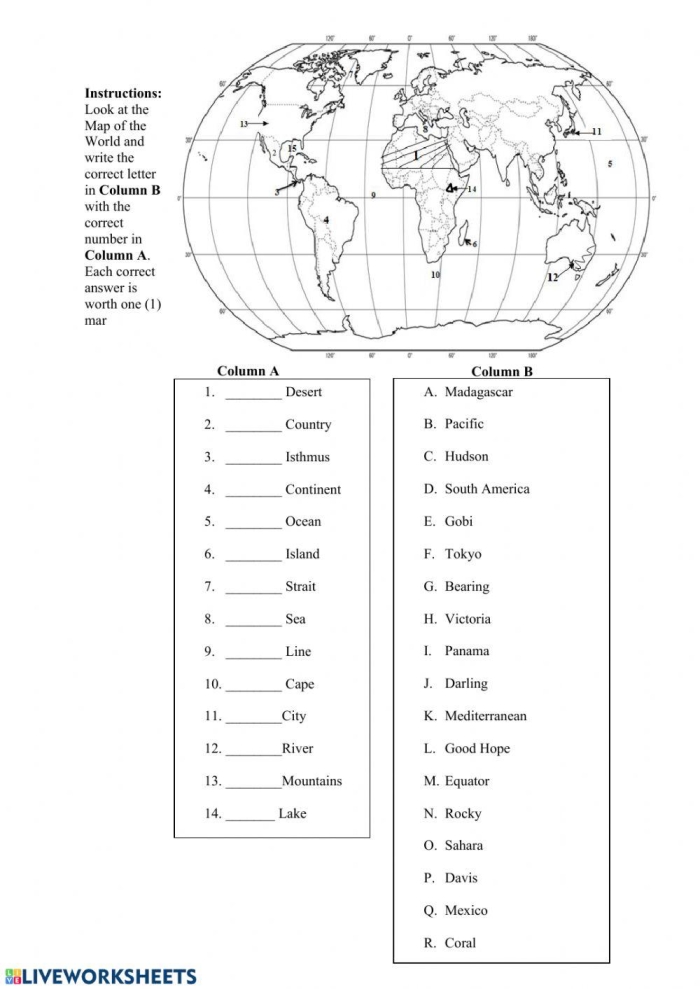
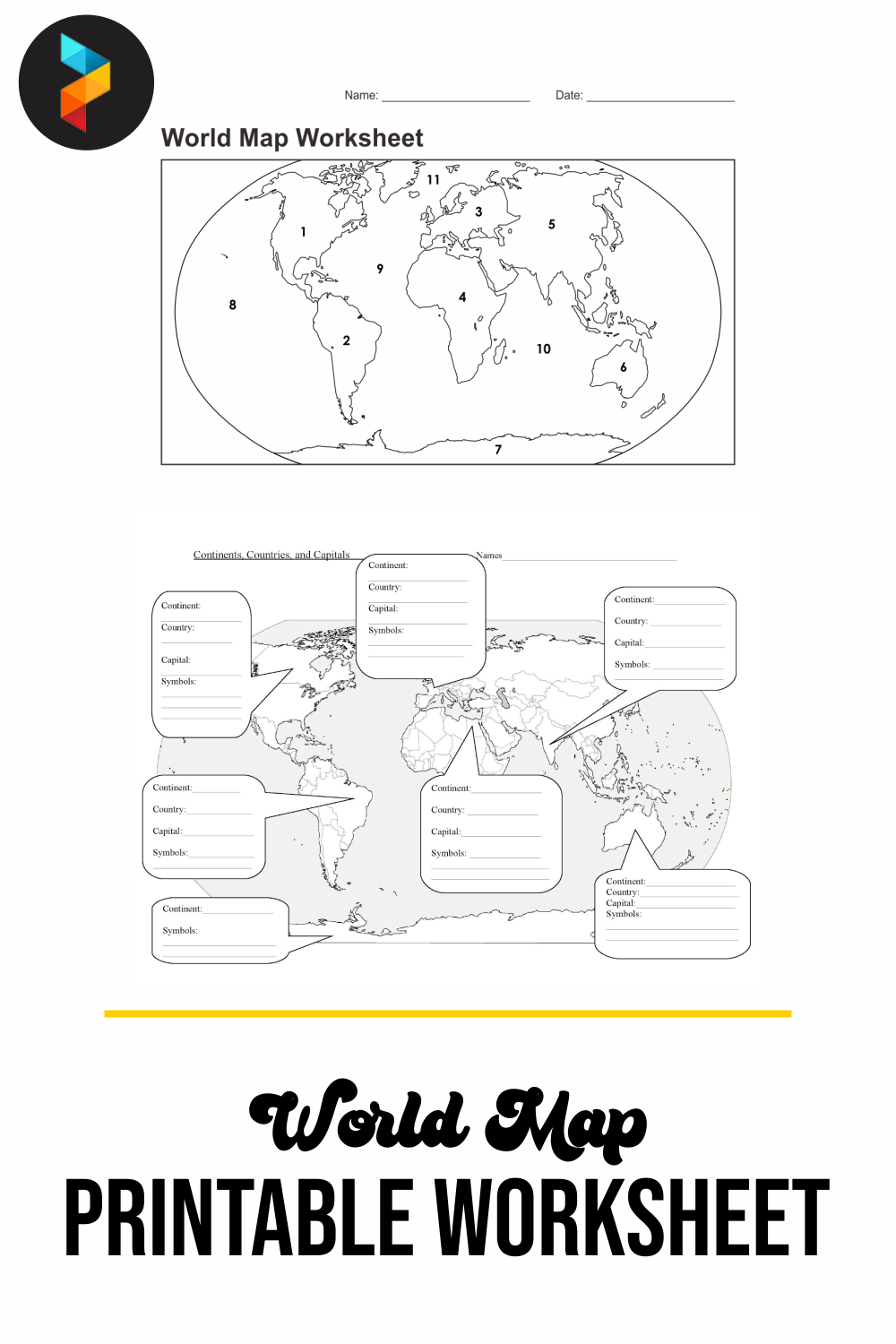
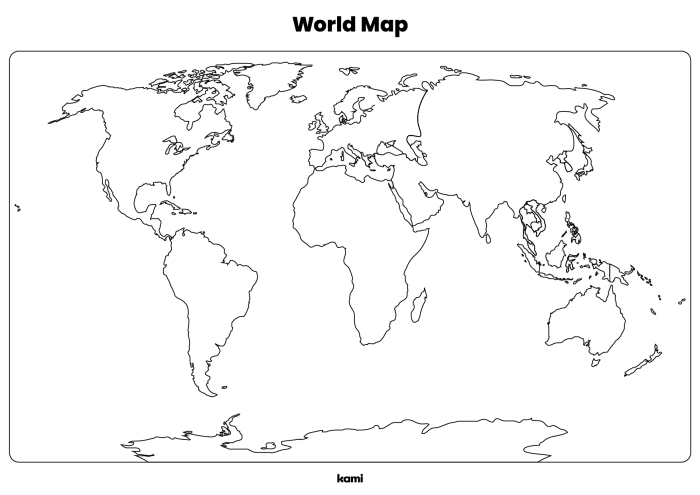
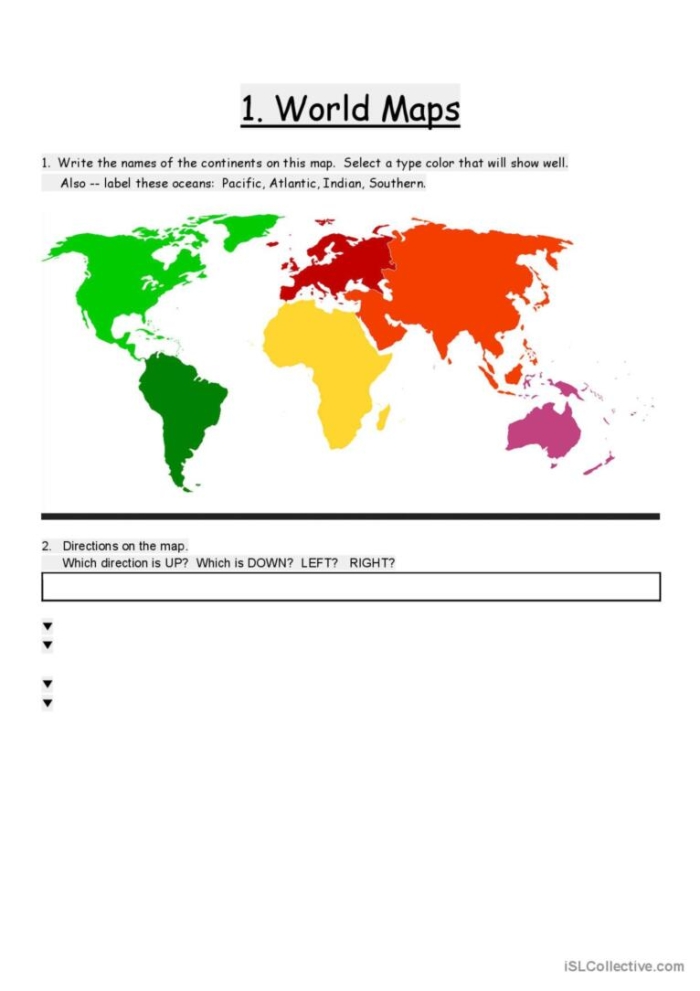
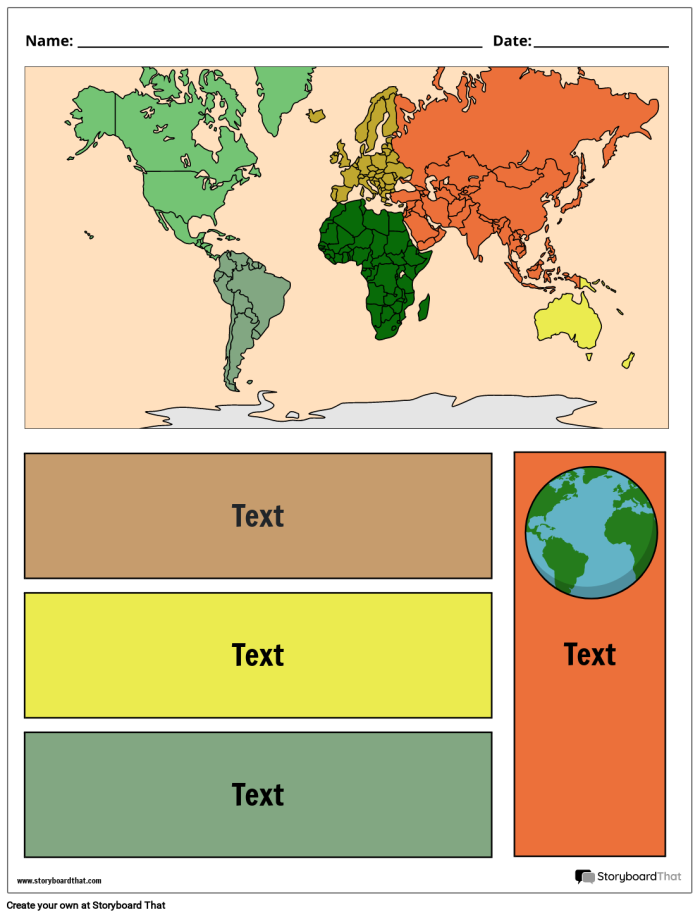
A blank world map sitting in front of your second grader is more than just a piece of paper, it’s an invitation to discover how our planet is organized. When children color and label continents, countries, and major cities themselves, something shifts in how they understand geography. They’re not passively reading about places, they’re actively constructing their own mental map of the world.
The act of coloring engages a different part of the brain than reading alone. Your child’s hands are moving, their eyes are tracking, and their mind is making connections between the name of a place and its location on the globe. This combination of visual, motor, and cognitive activity creates stronger memory pathways. When they label the Atlantic Ocean or mark where Australia sits, they’re building spatial awareness that will stick with them far longer than facts memorized from a textbook.
World map activities work particularly well for second graders because they’re at an age where they can handle more complex tasks but still benefit from hands-on learning. The coloring element keeps the activity engaging and fun, while the labeling component introduces basic geography vocabulary and map-reading skills. It’s the kind of activity that feels like play but delivers real educational value.
You can enhance this learning by pairing map work with other subjects. After your child completes their world map, try incorporating array practice activities to reinforce multiplication concepts, or explore community service topics that connect geography to real-world understanding. These connections help children see how different subjects relate to one another.
The beauty of a personalized world map is that it becomes a reference tool your child created themselves, making them more likely to return to it and use it when learning about different regions and cultures.
Try These Printable Worksheets