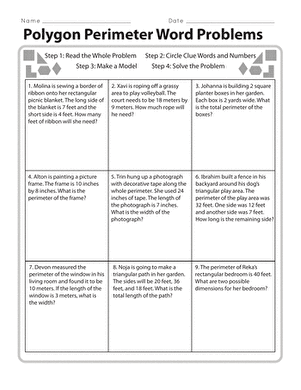
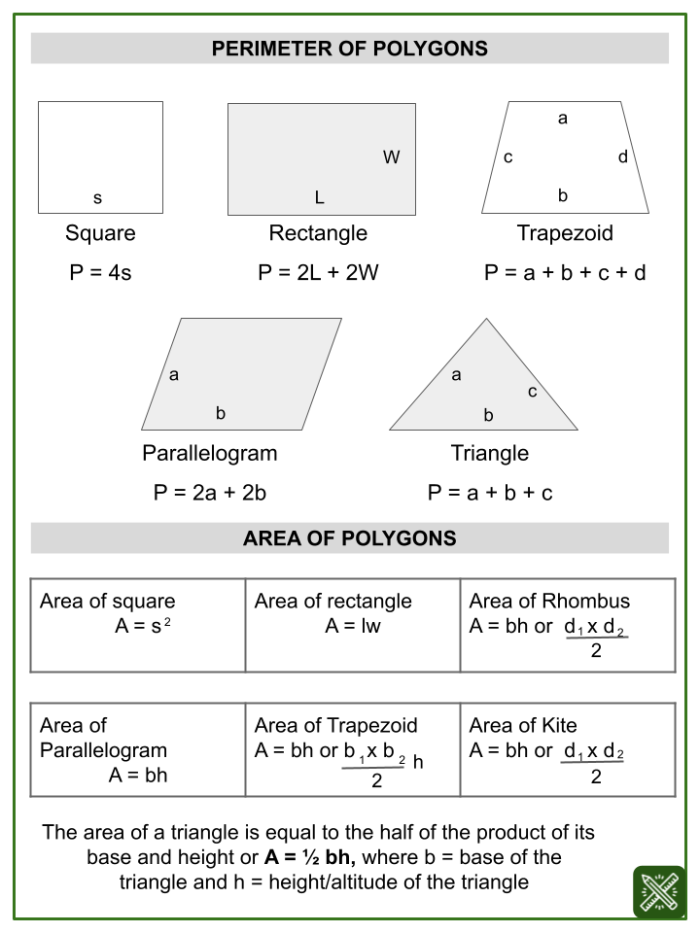
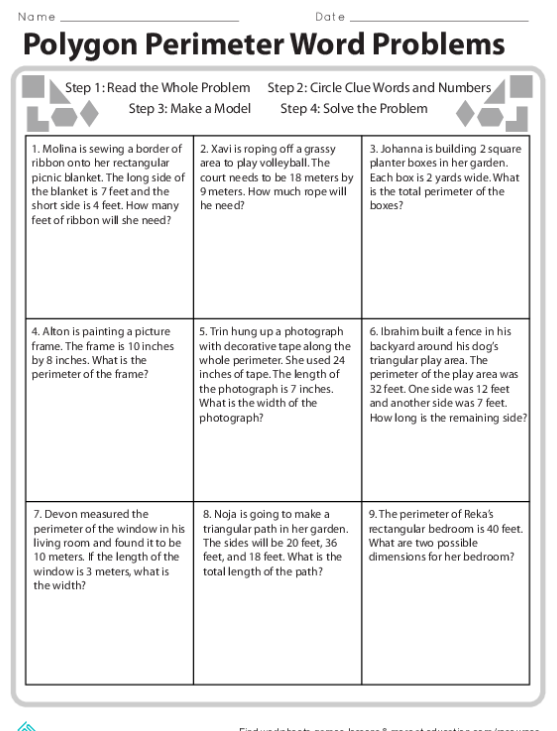
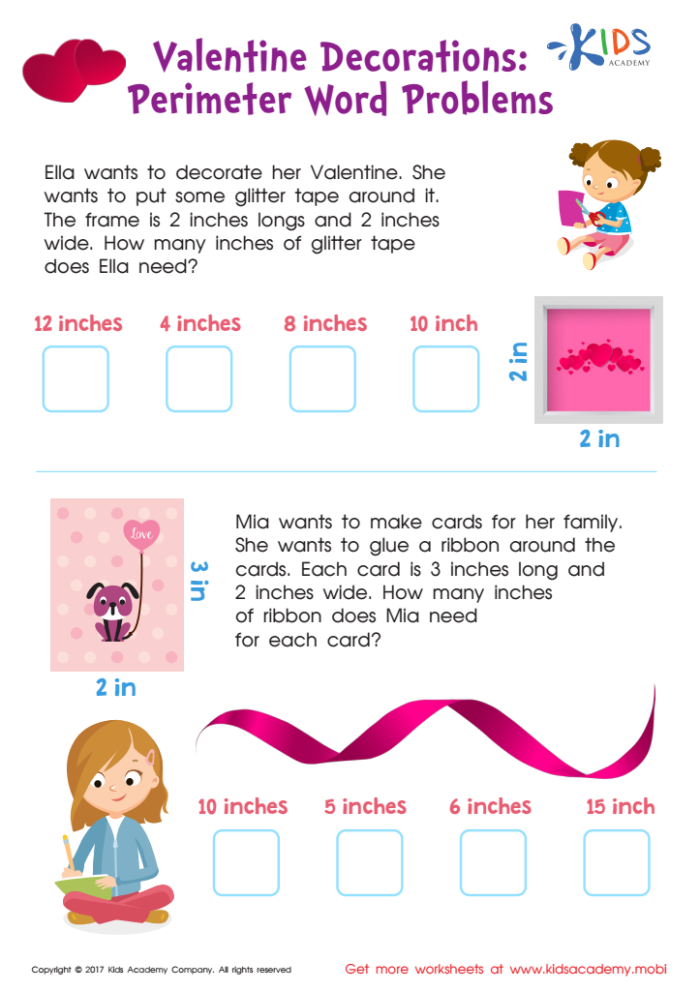
Finding the perimeter of polygons can be a fun challenge for fourth graders. In a recent worksheet designed for this purpose, students are guided through four clear steps to tackle word problems involving polygon perimeters. This structured approach not only enhances their understanding of geometry but also helps them develop problem-solving skills that are essential in mathematics.
The first step focuses on reading the problem carefully. Students need to identify the shapes involved and the lengths of their sides. For example, a question might state, “A triangle has sides measuring 3 cm, 4 cm, and 5 cm. What is the perimeter?” Recognizing these dimensions is crucial, as they form the foundation for the next steps.
In the second step, students are encouraged to visualize the polygons. Drawing a quick sketch can be incredibly helpful. By representing the triangle in this case, they can better understand how the sides connect and relate to one another. This visual aid enhances their comprehension and retention of the material.
The third step involves performing the calculations. Here, students learn to add the lengths of all sides. Using the triangle example, they would calculate 3 cm + 4 cm + 5 cm to find the perimeter, which totals 12 cm. This reinforces basic addition while connecting it directly to geometry.
Finally, students write a complete answer, reinforcing their communication skills. They learn to clearly state their findings, such as “The perimeter of the triangle is 12 cm.” This reinforces the importance of presenting work in a clear and understandable way.
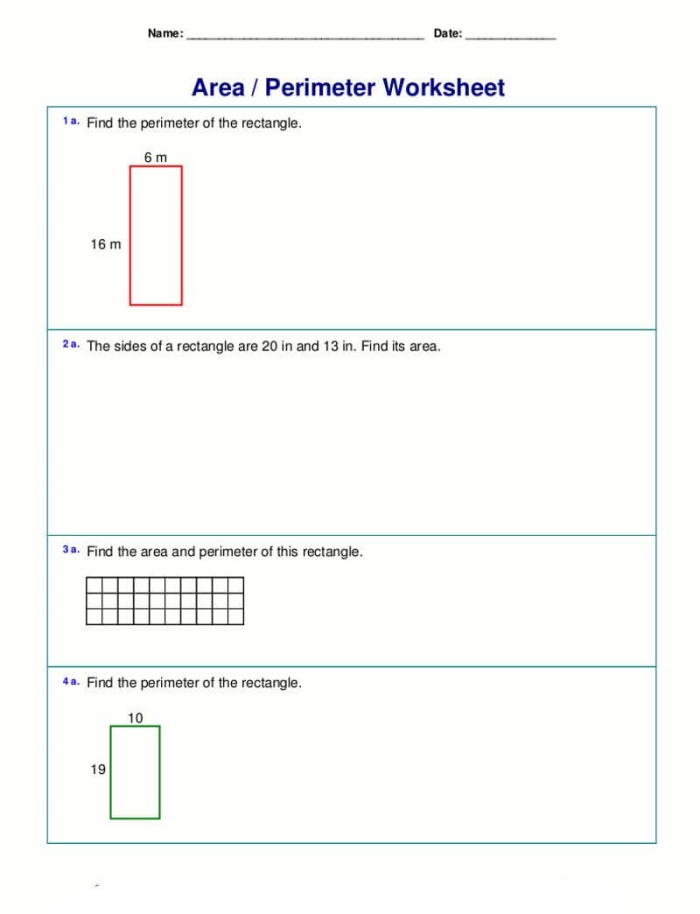
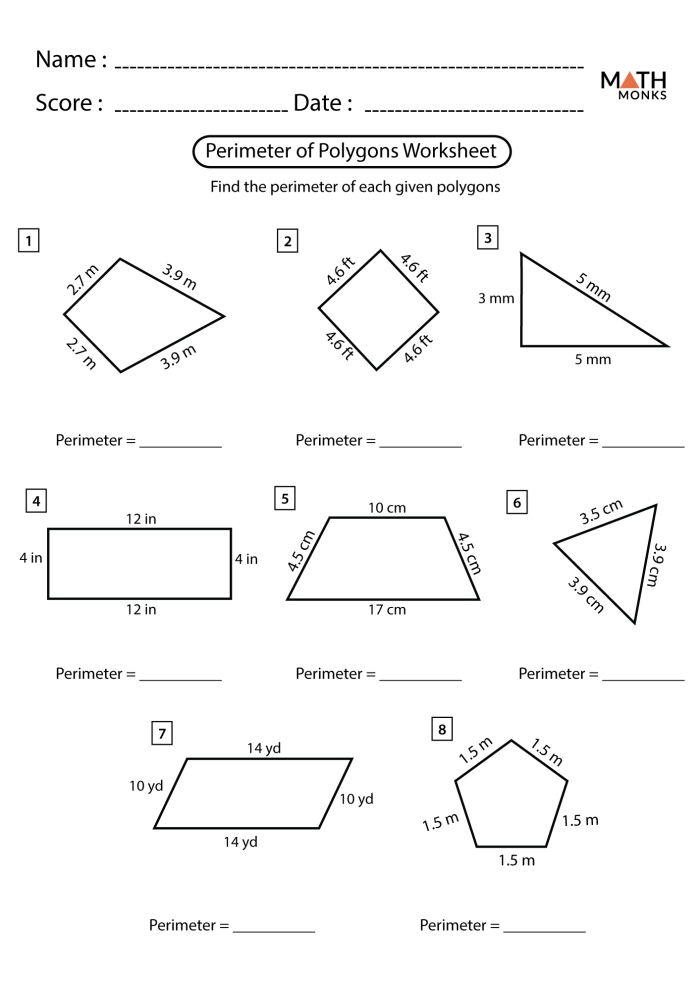
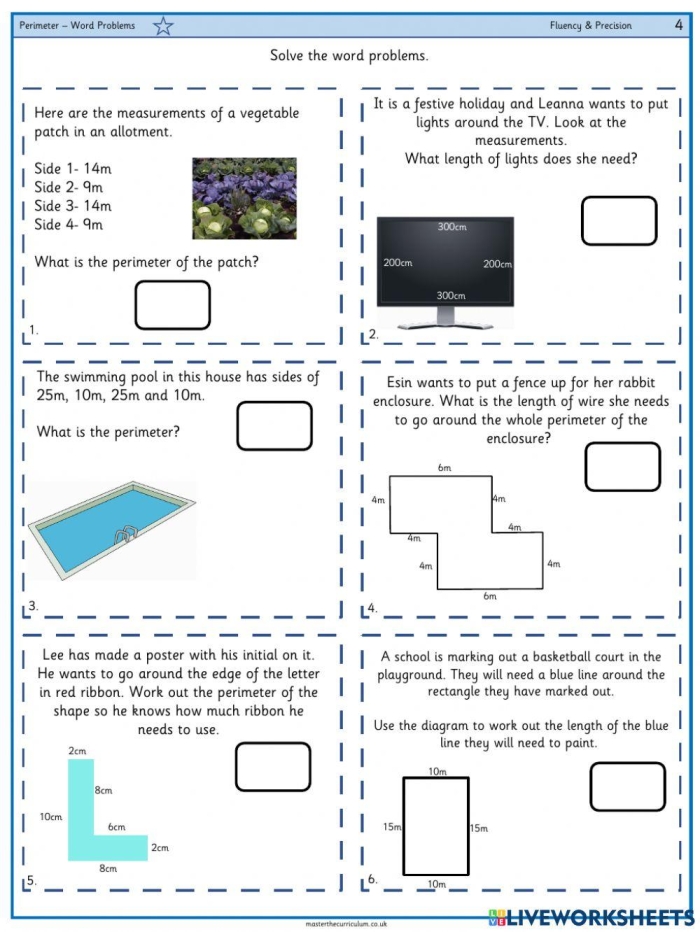
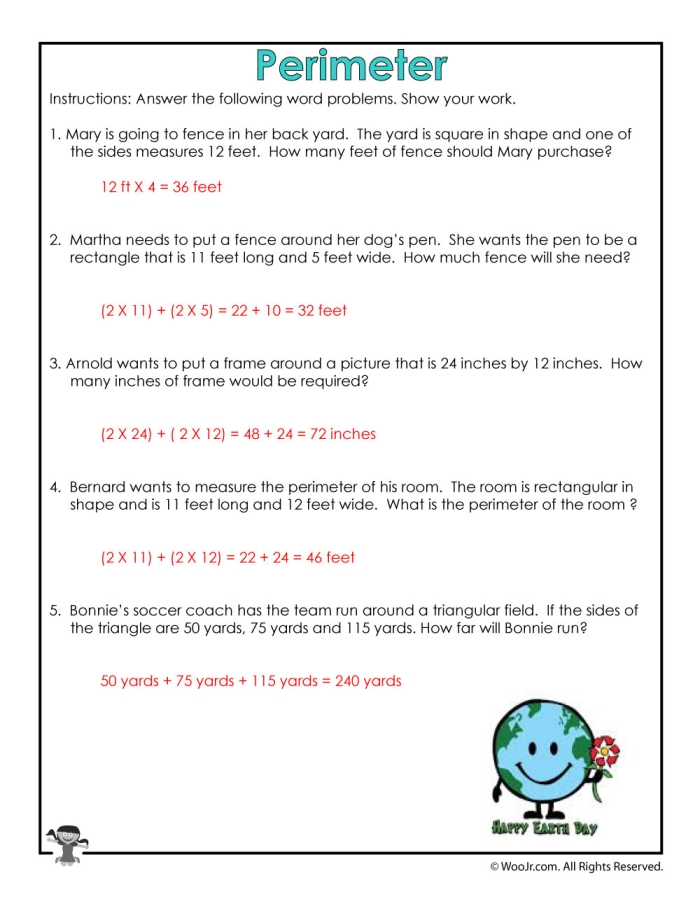
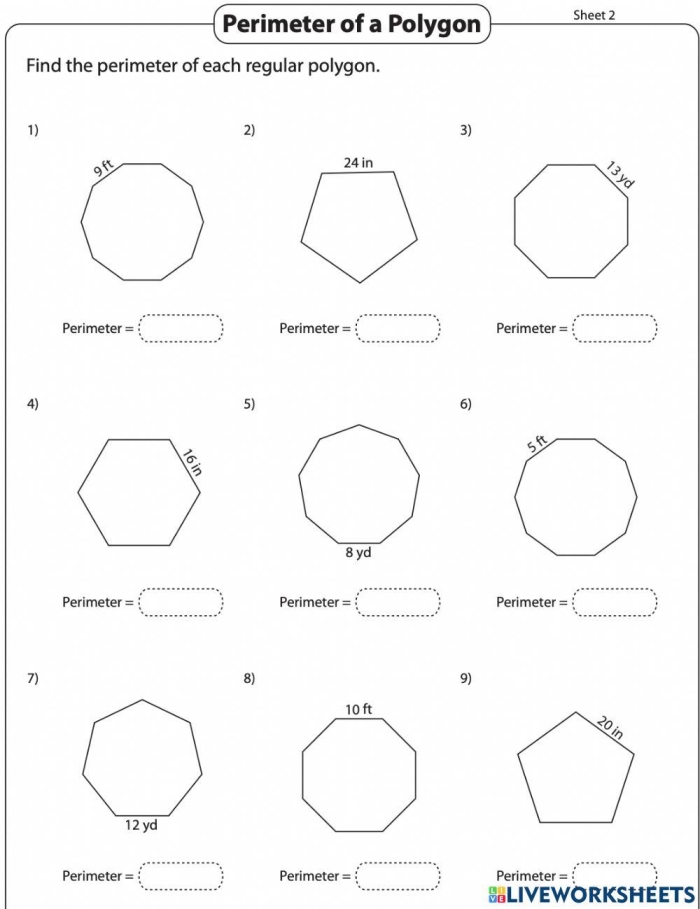
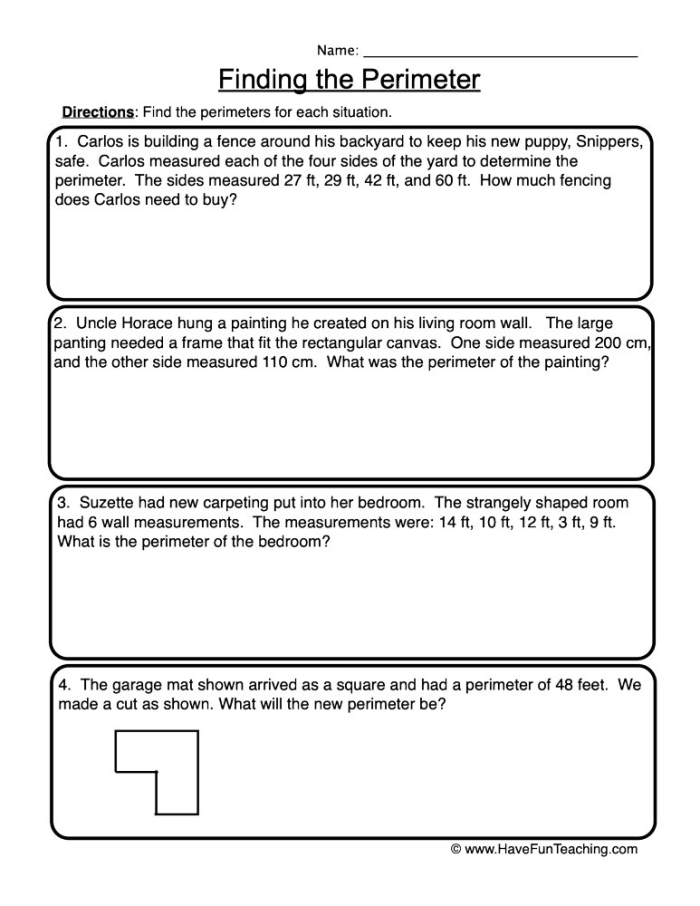
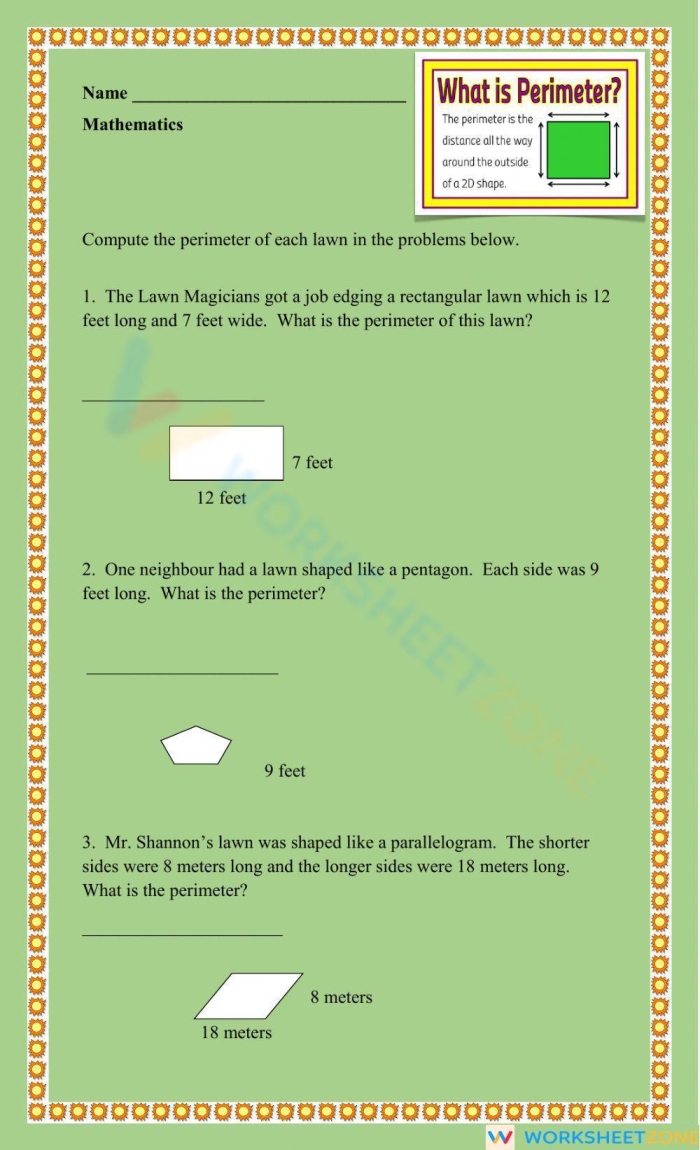
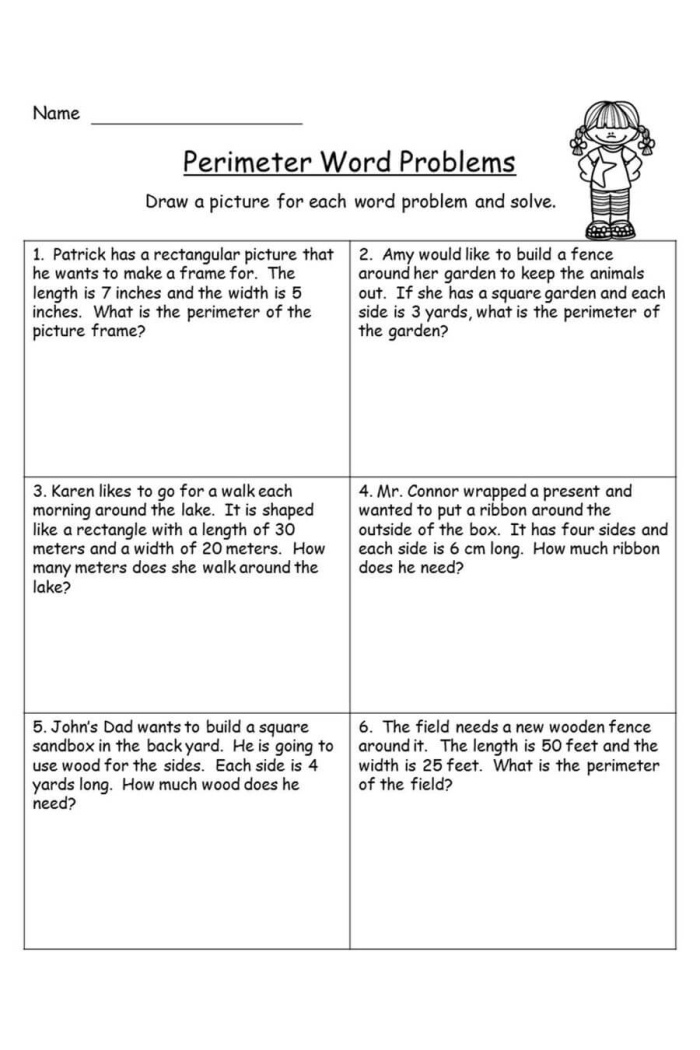
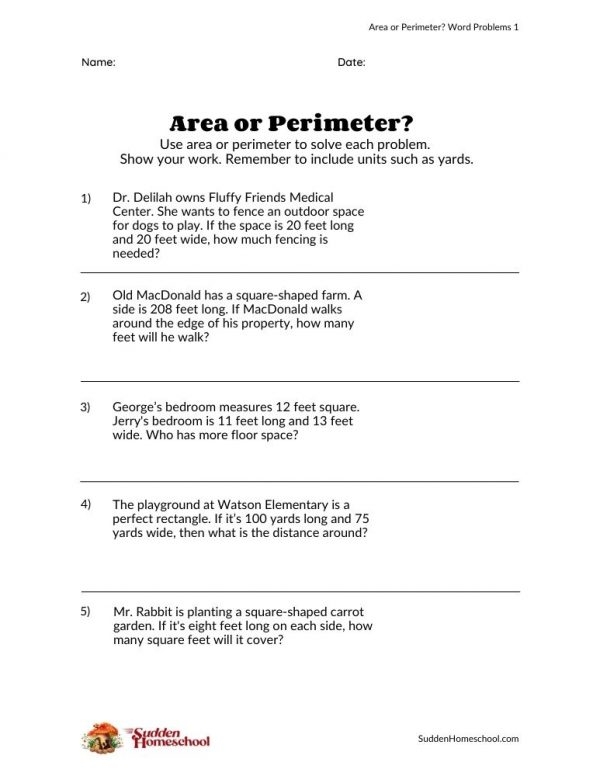
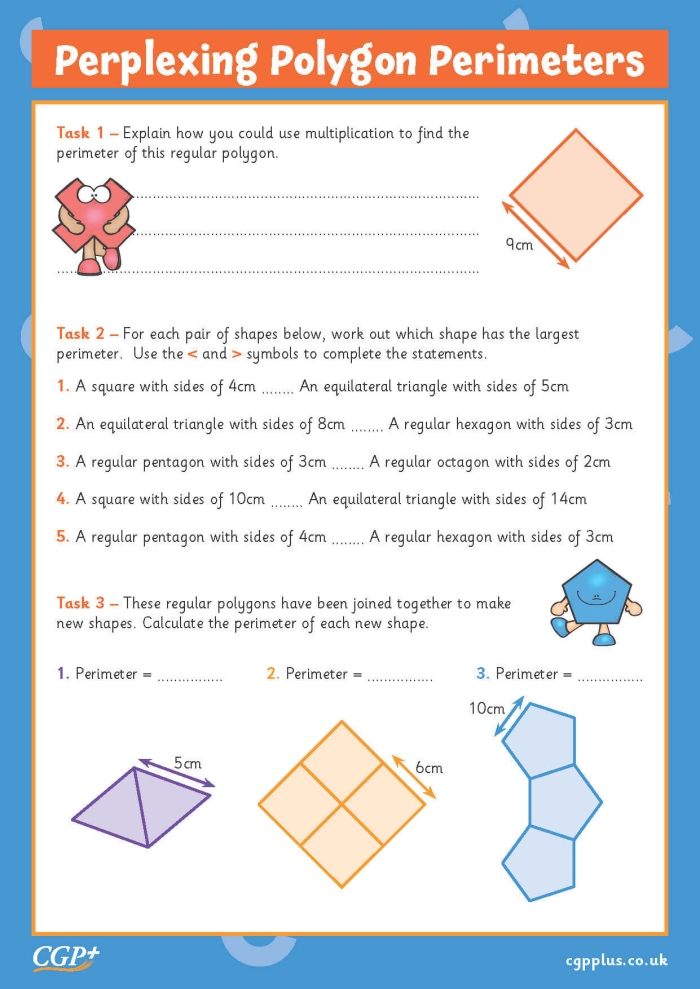
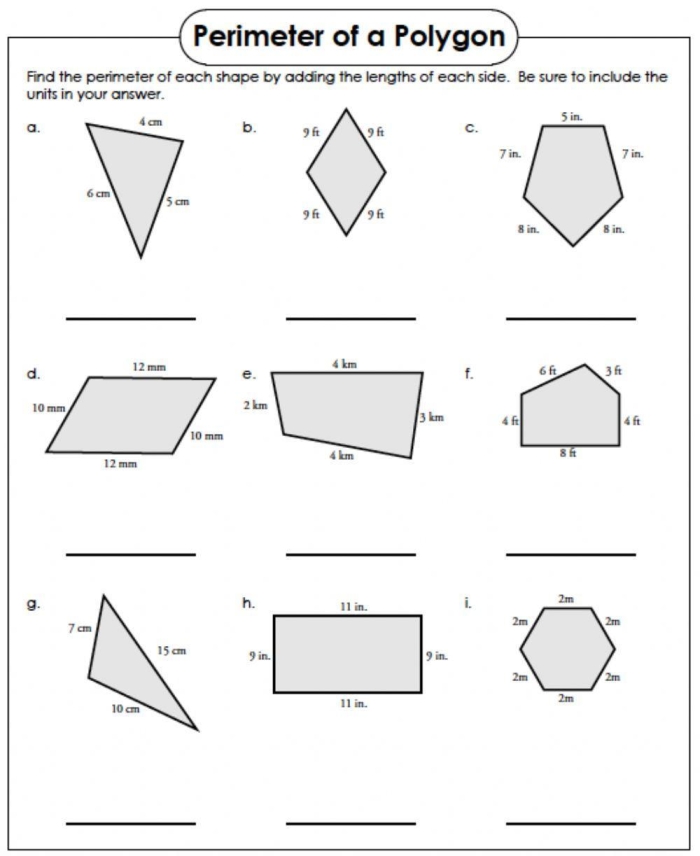
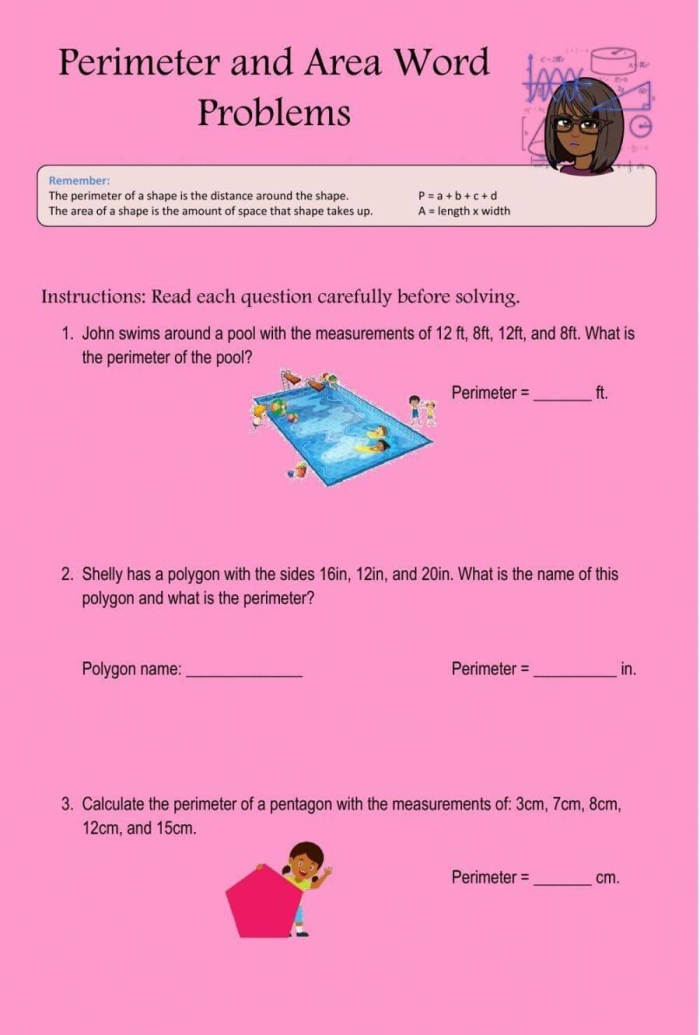
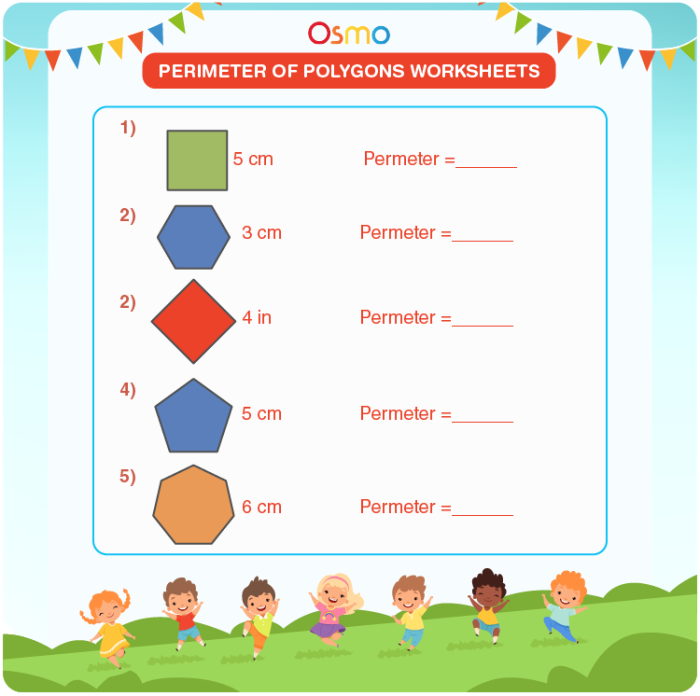
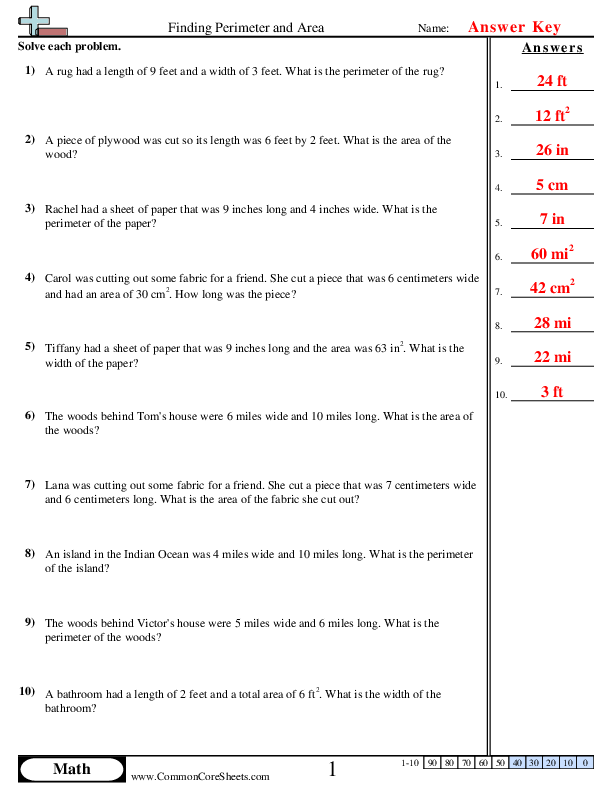
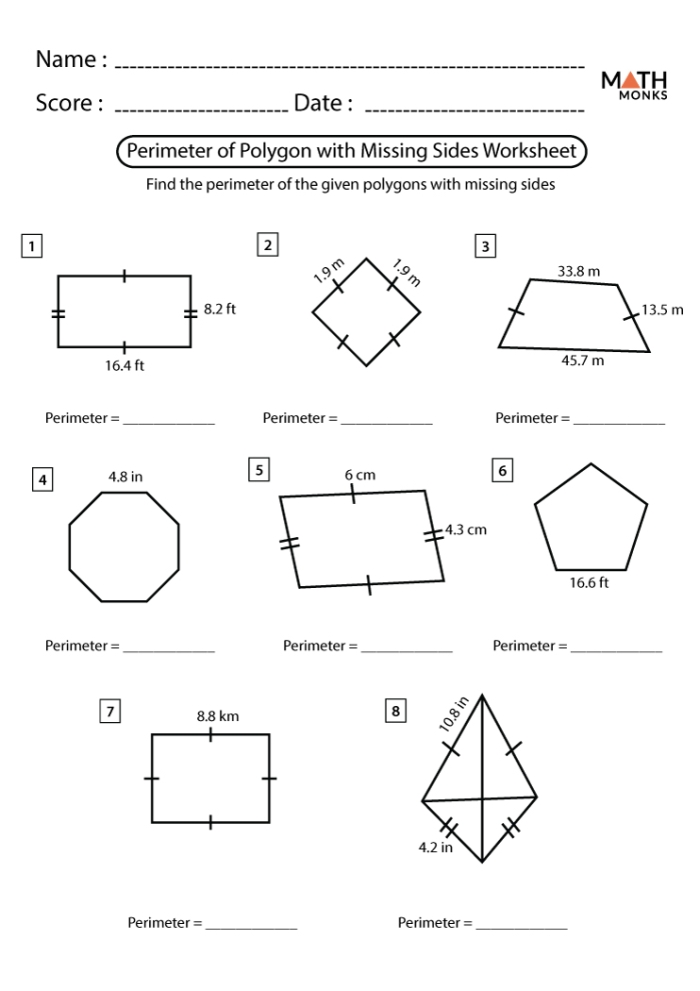
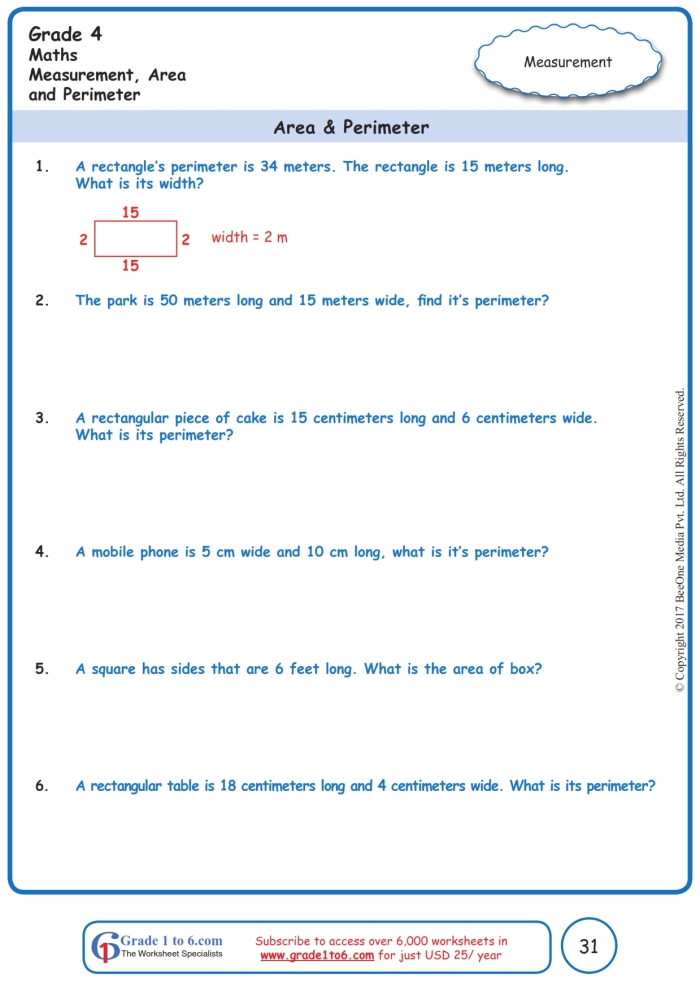
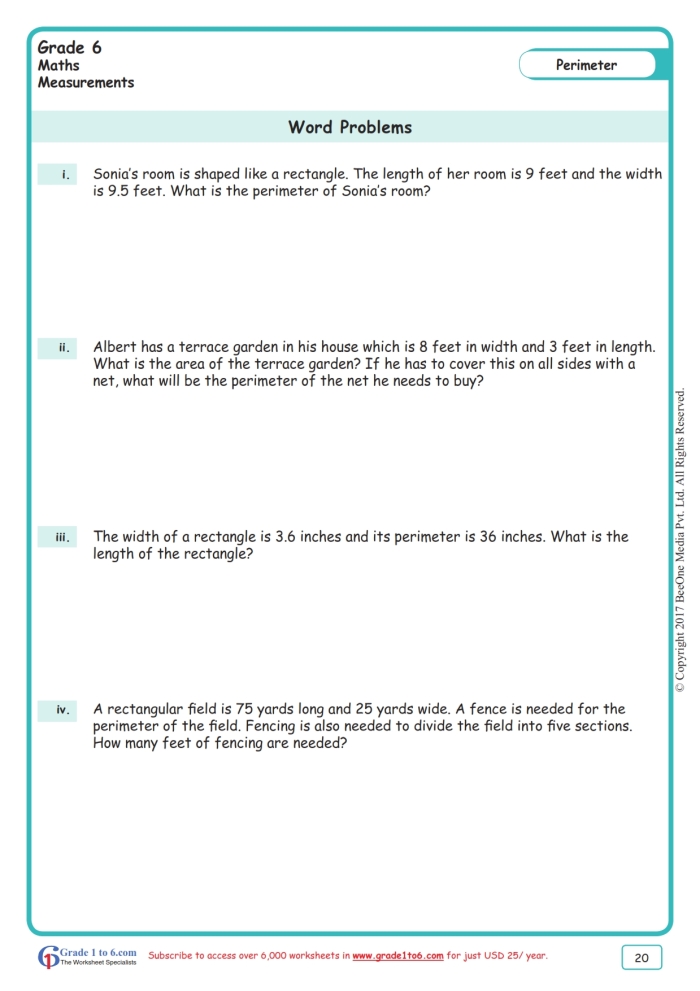
Practicing these steps through various problems, like those found in the Printable Polygon Perimeter Word Problems Worksheets, helps solidify these concepts. By engaging with geometry in a structured manner, fourth graders can build a strong foundation for future math challenges.
Worksheet Practice Section