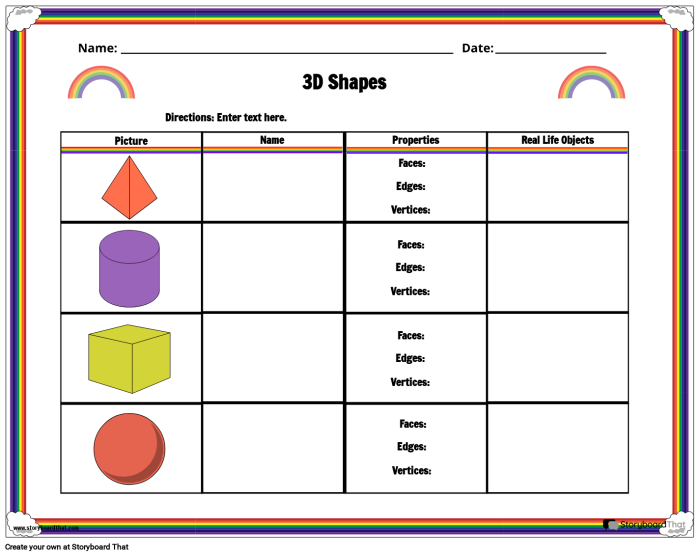
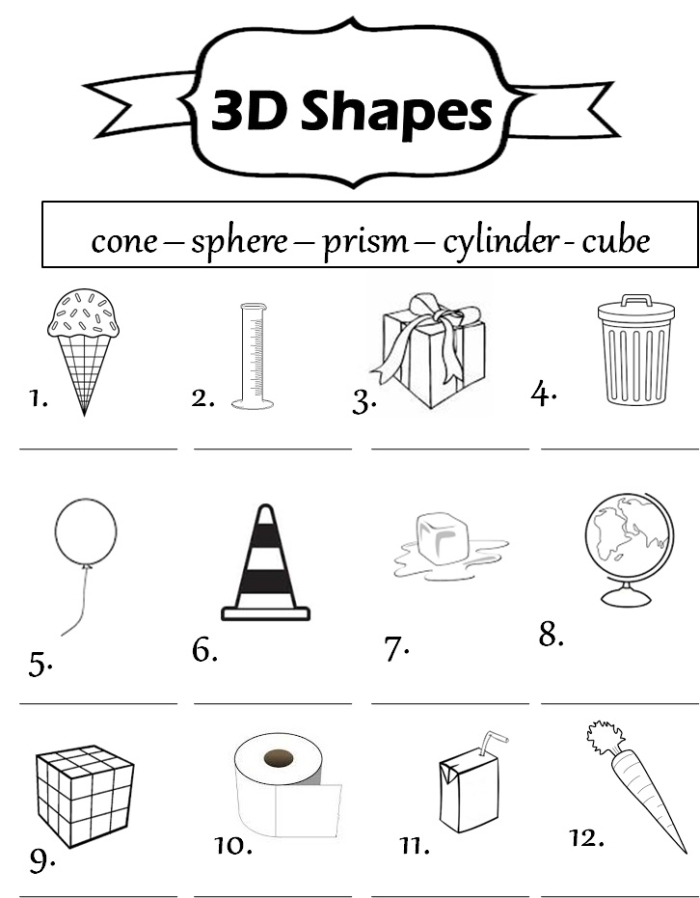
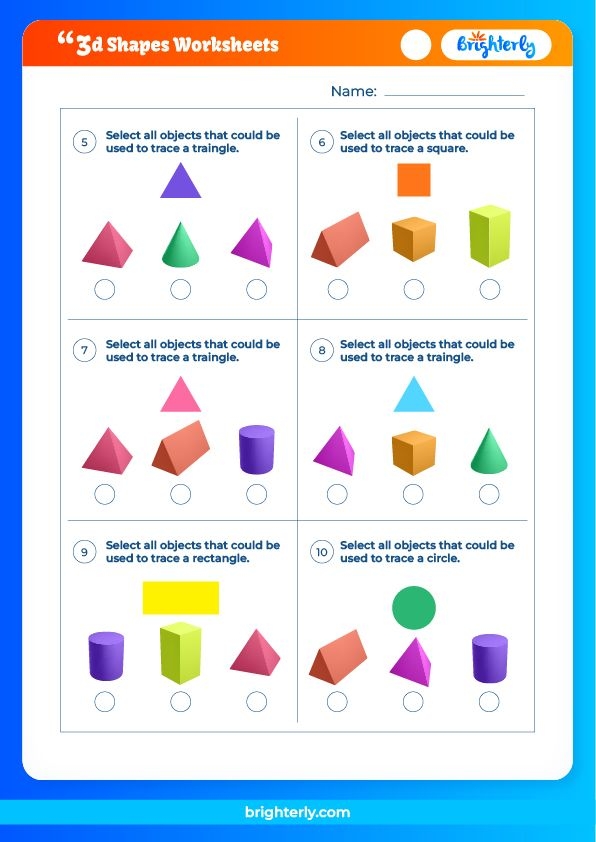
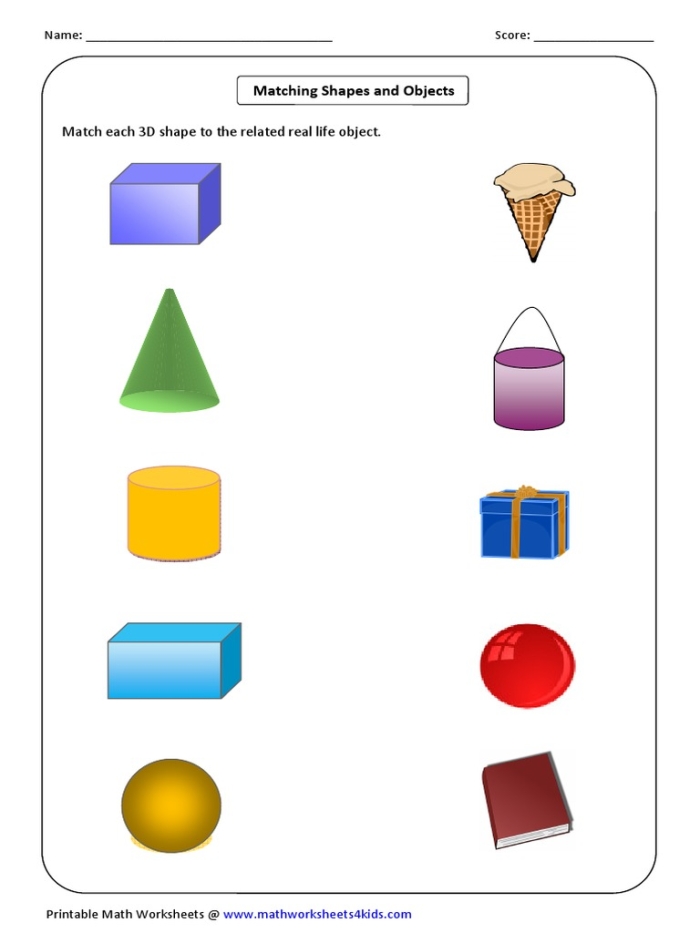
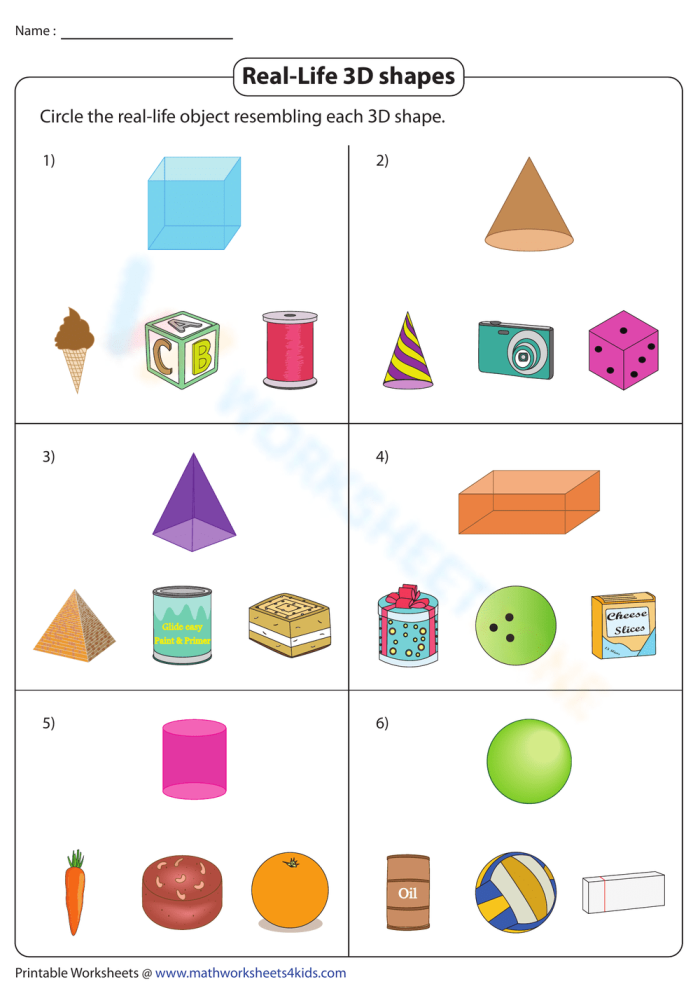
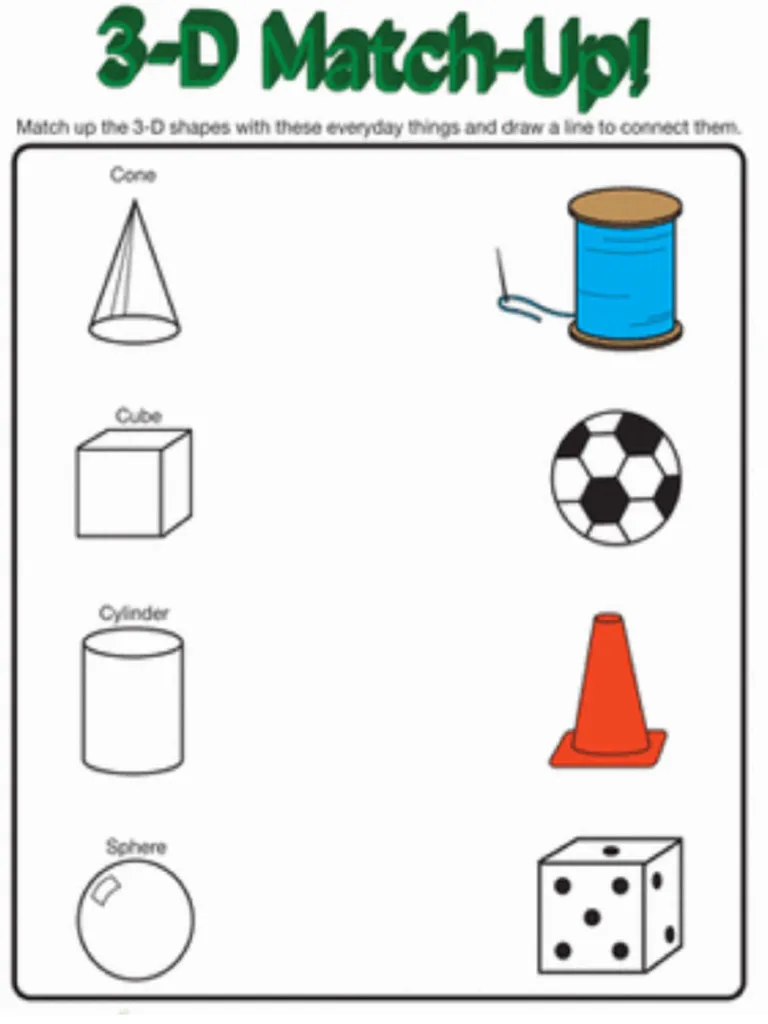
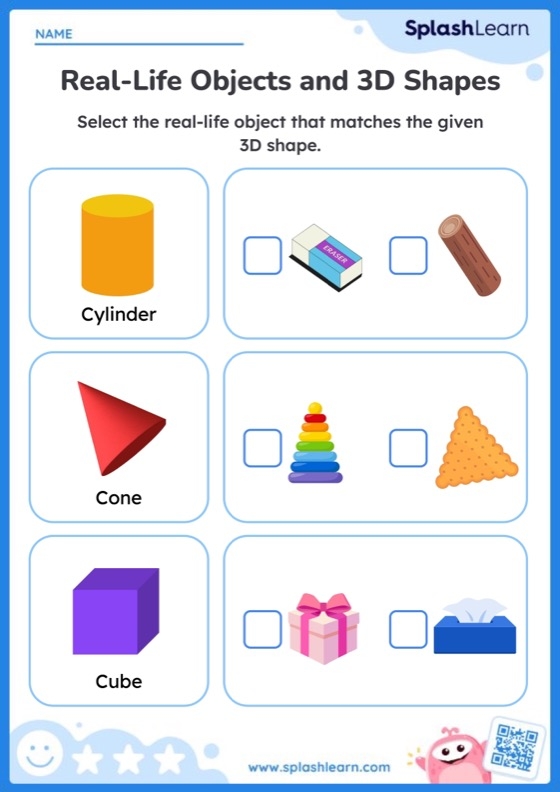
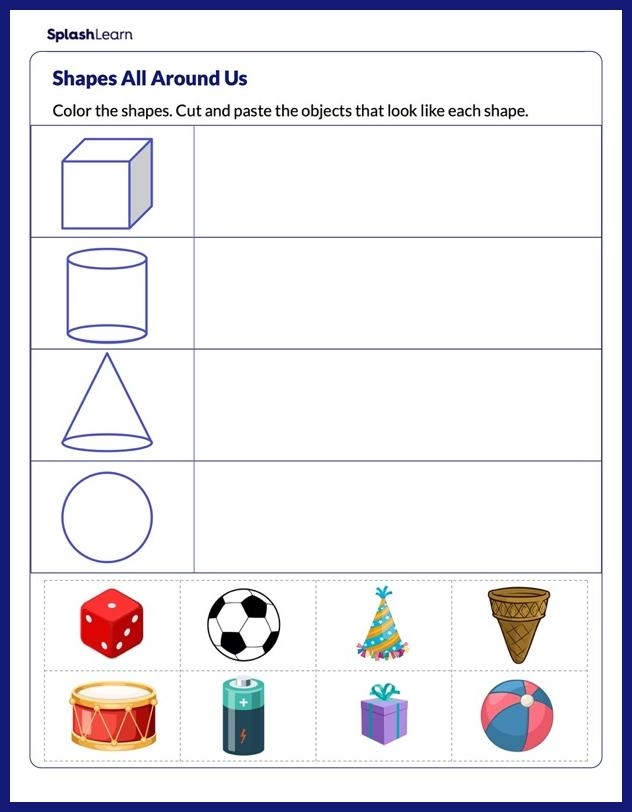
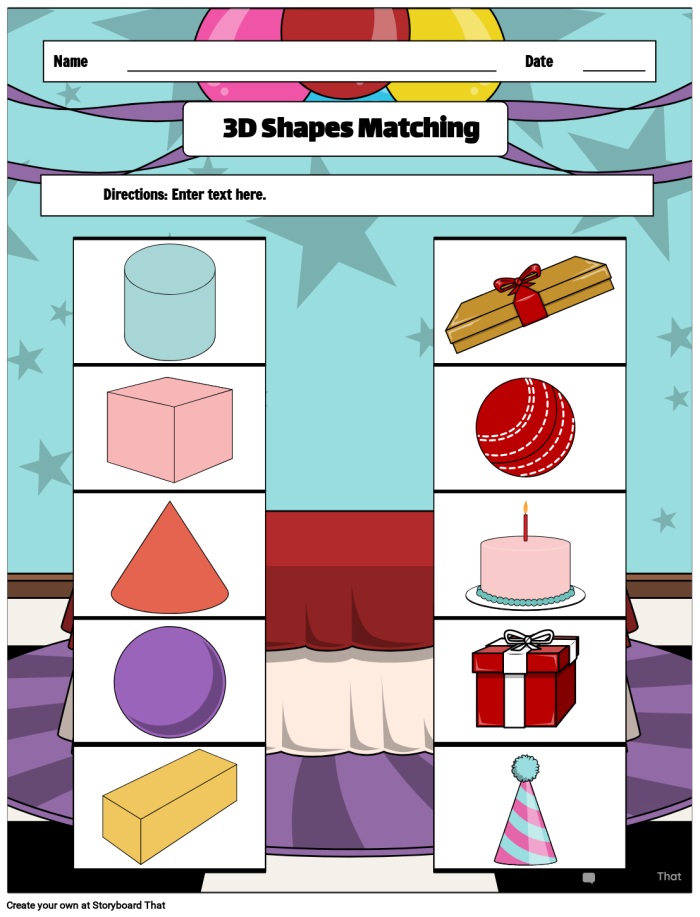
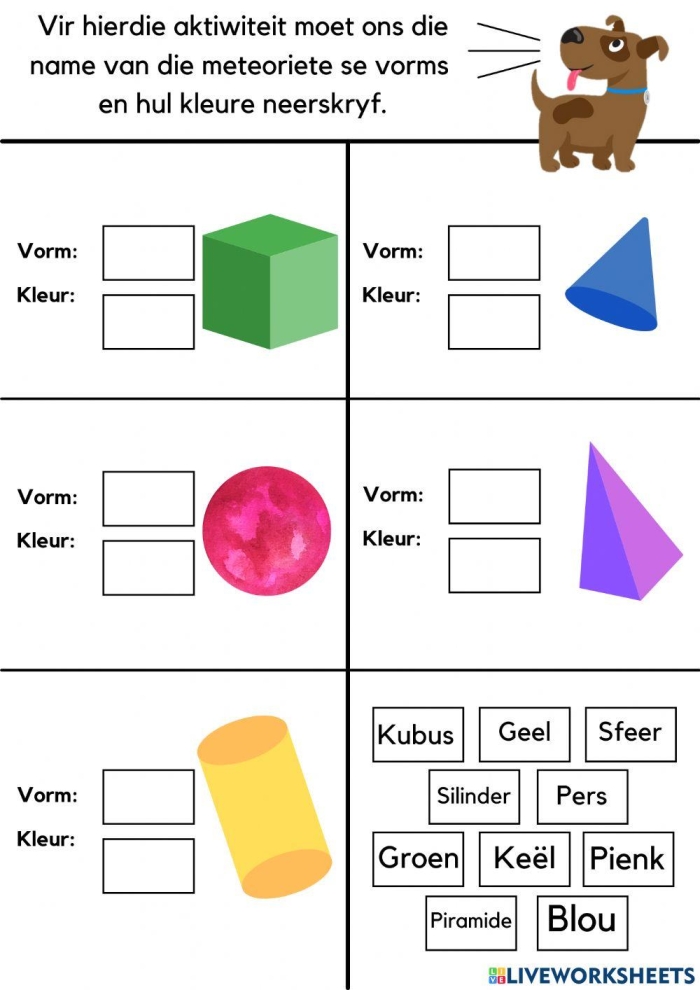
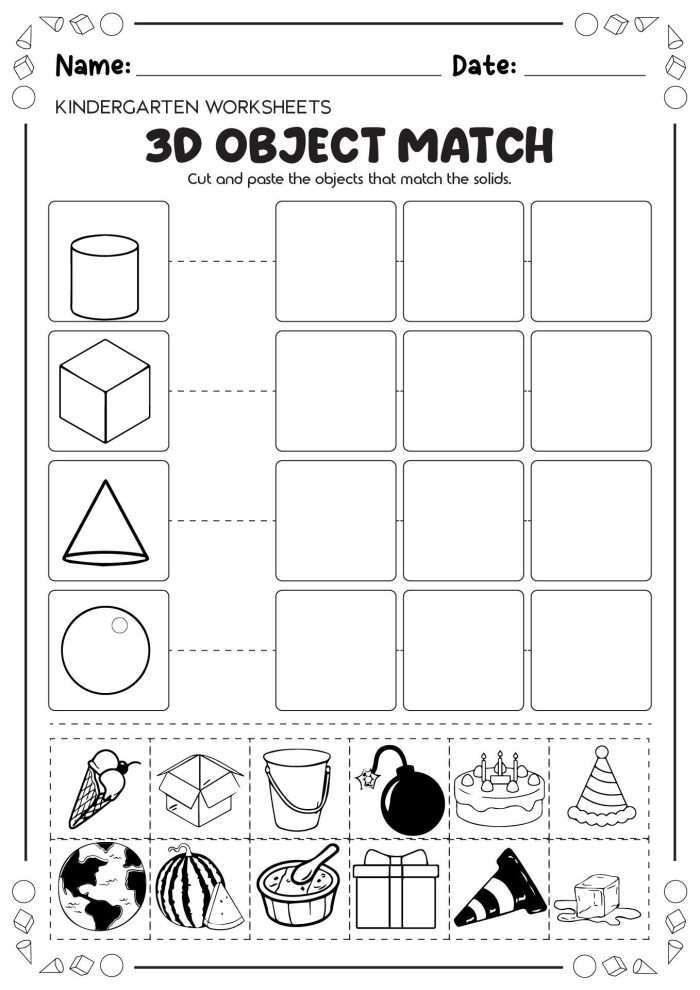
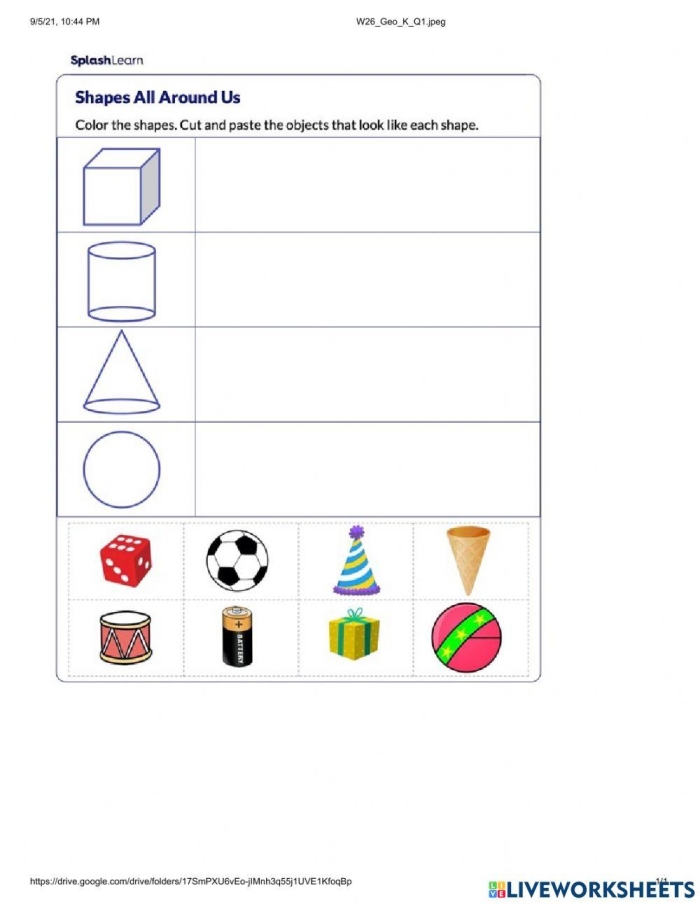
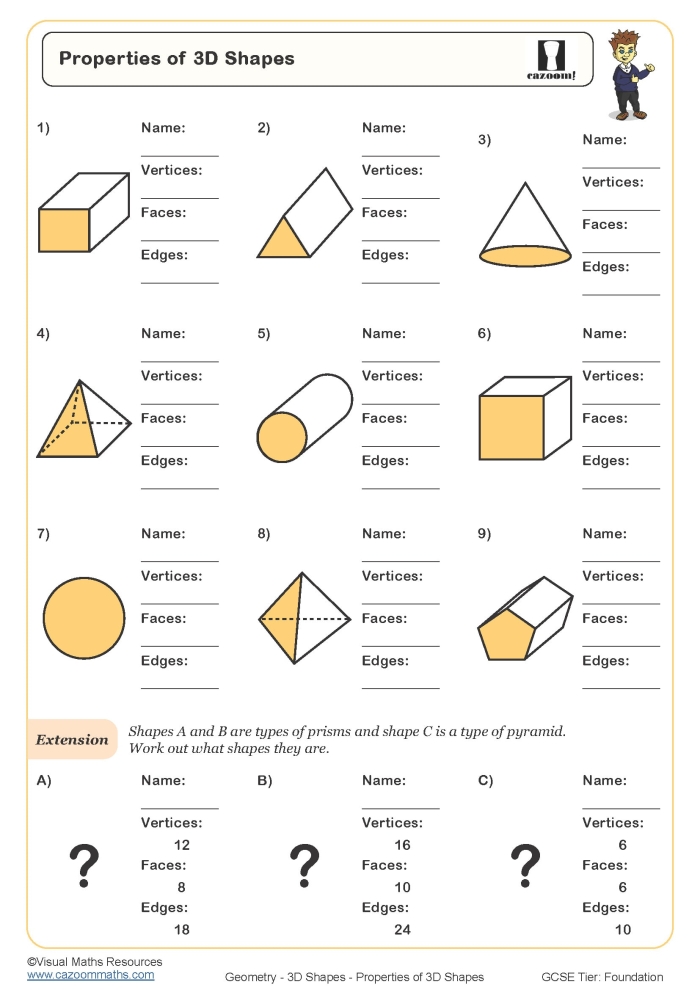
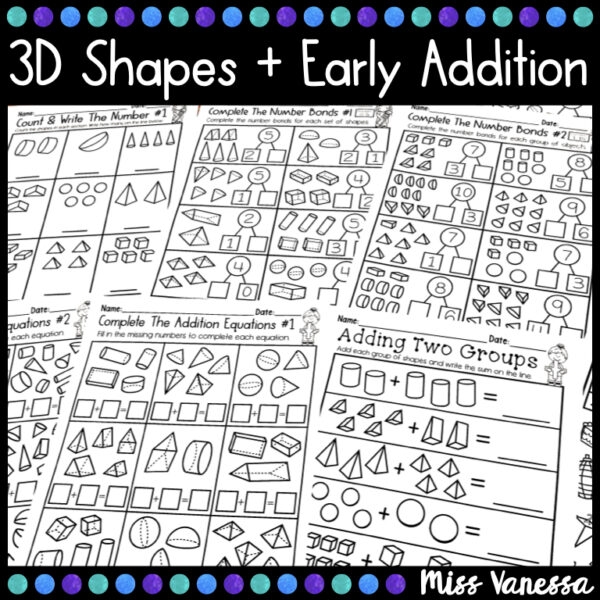
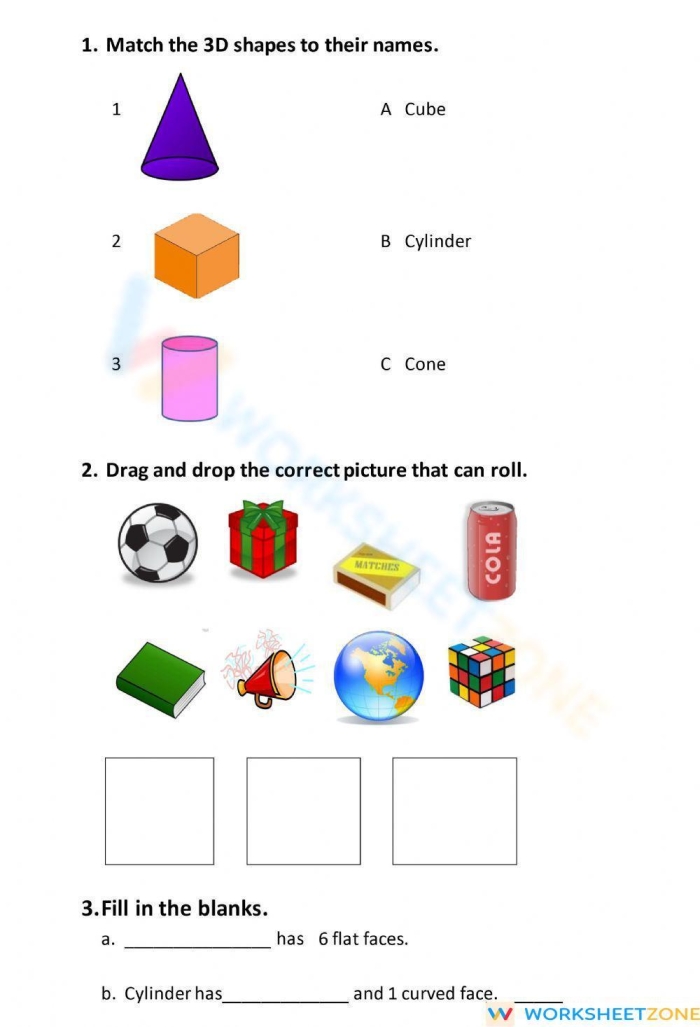
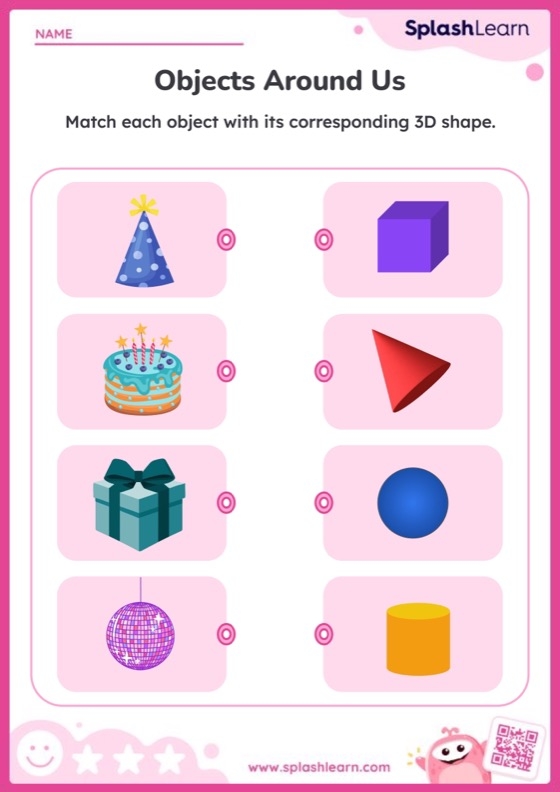
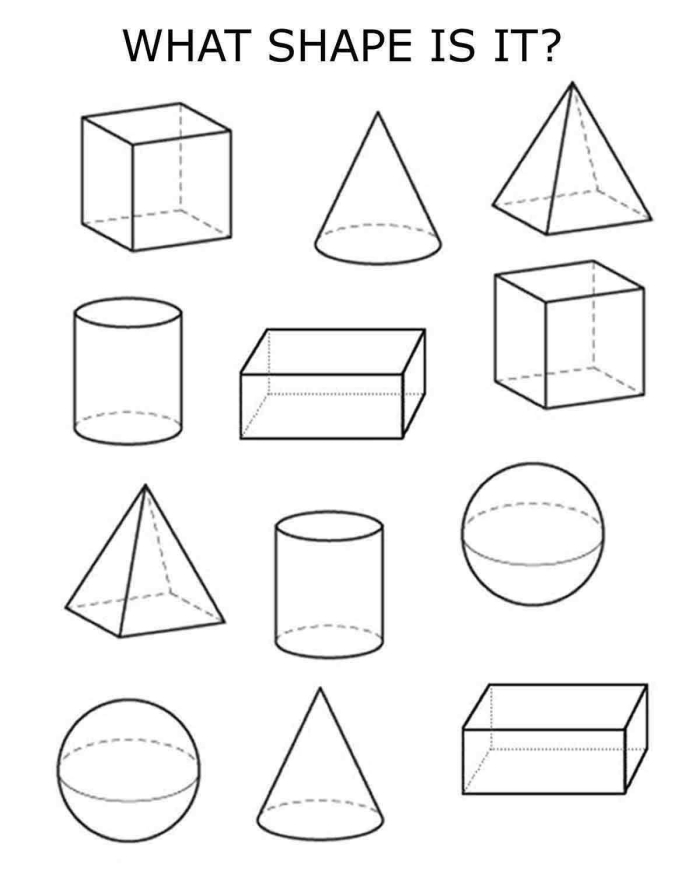
Introducing kids to the world of shapes can be a delightful experience, especially when they can see how these shapes relate to the world around them. This engaging worksheet brings 3D shapes to life, featuring familiar forms like a sphere, cube, cone, and cylinder. By incorporating these shapes into fun activities, children can explore their properties and how they fit into various contexts, particularly in economics.
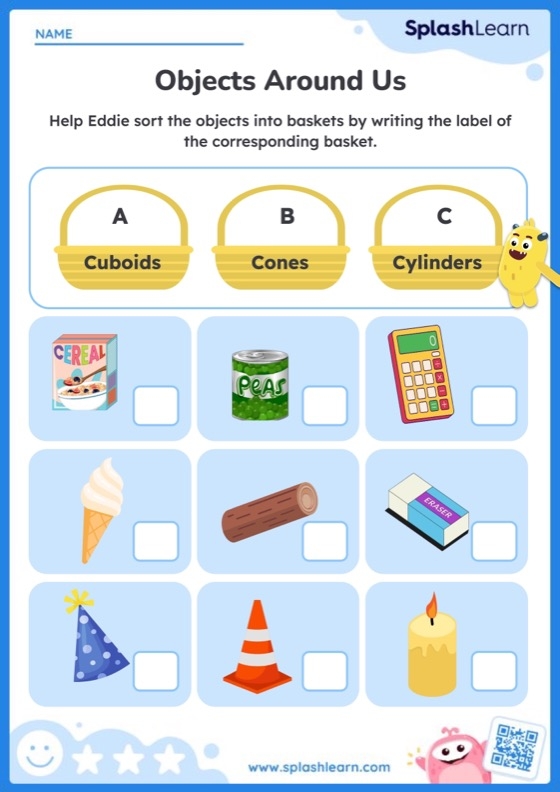
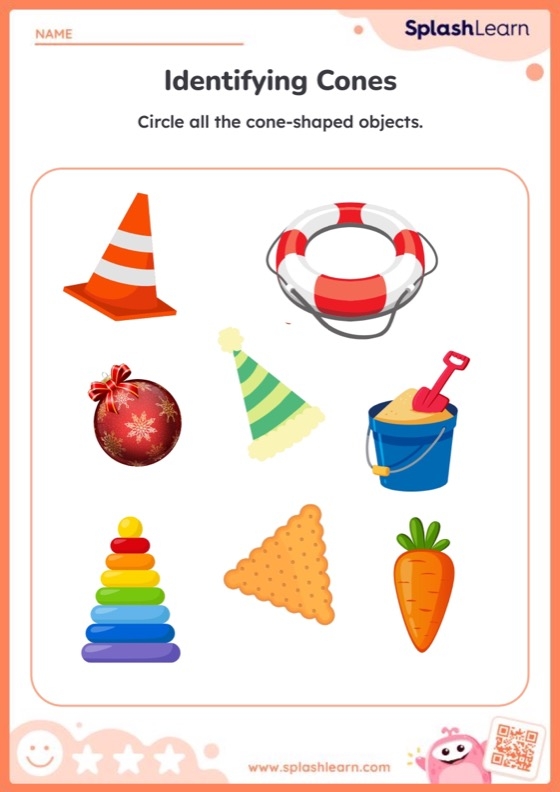
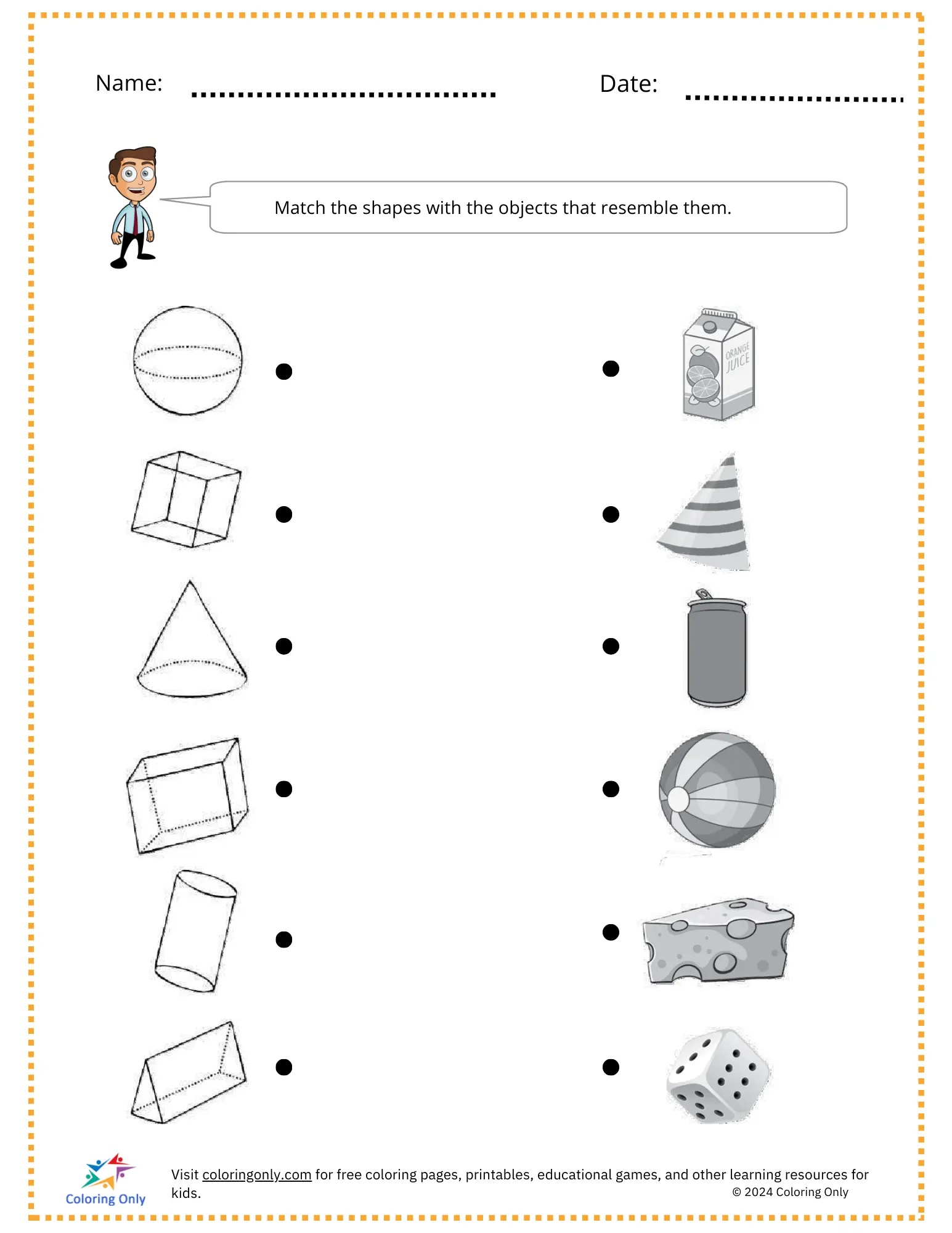
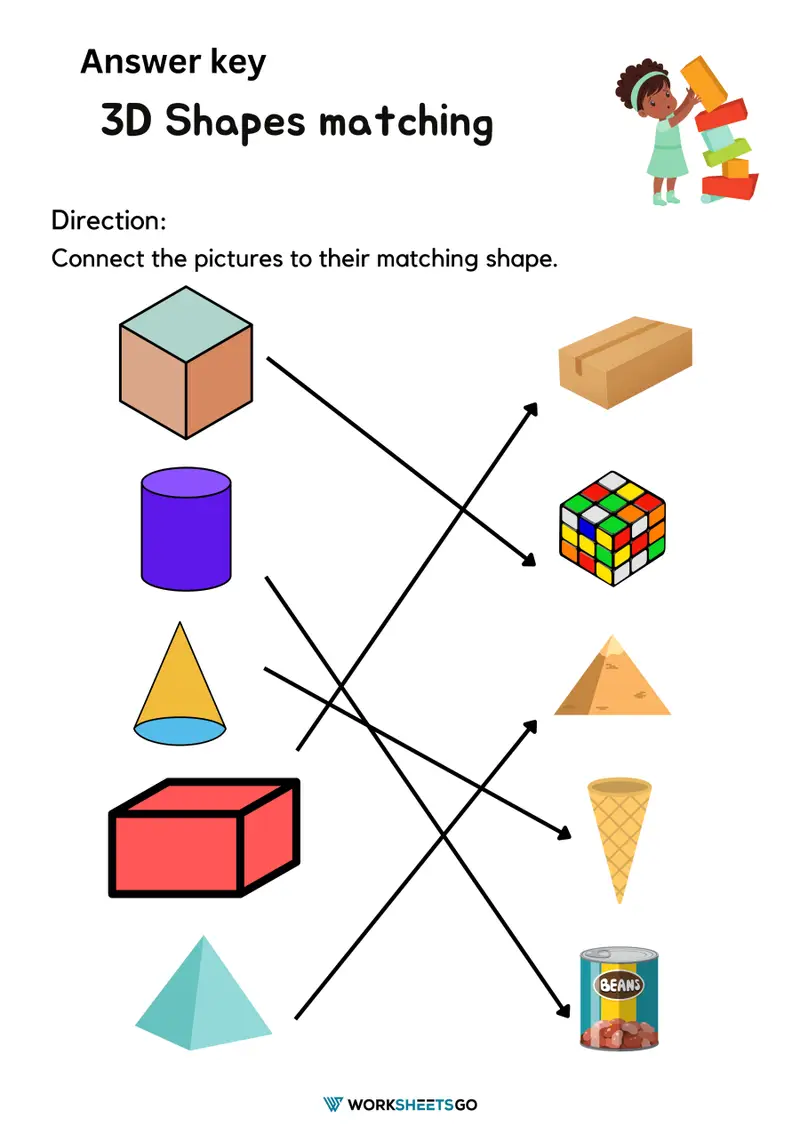
Using a combination of visual aids and hands-on exercises, this worksheet helps young learners understand the basics of 3D shapes. For instance, a sphere can represent a basketball, while a cube might remind them of dice. The cone can evoke thoughts of ice cream cones, and the cylinder could be associated with cans or tubes. Such relatable examples make learning more meaningful and enjoyable. Children can color, cut, and assemble these shapes, transforming abstract concepts into tangible objects they can manipulate.
This interactive approach not only enhances shape recognition but also introduces foundational economic principles. For example, when children create a model of a store using these 3D shapes, they can learn about inventory (cubes as boxes of toys or cones as ice cream products) and price comparison. These basic economic concepts are essential for young learners, as they lay the groundwork for future understanding of money, value, and trade.
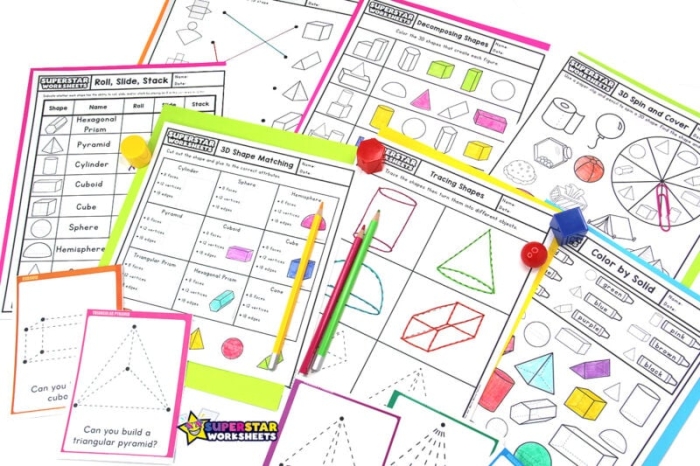
Printable 3D Shapes to Life worksheets can be found online, offering a variety of activities tailored for Pre-K students. Integrating these worksheets into lesson plans can create a dynamic classroom environment where learning is both fun and educational. To explore more resources, check out our collection of worksheets designed for young learners, including a Jackie Robinson coloring page and various 3D shapes activities that make economics engaging.
Try These Printable Worksheets