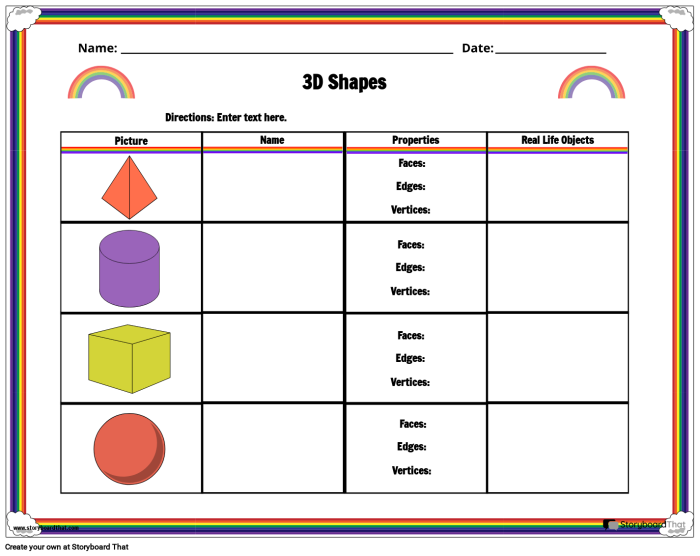
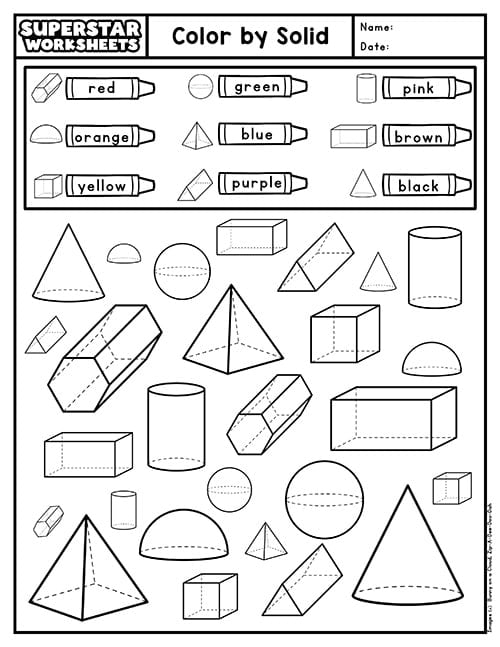
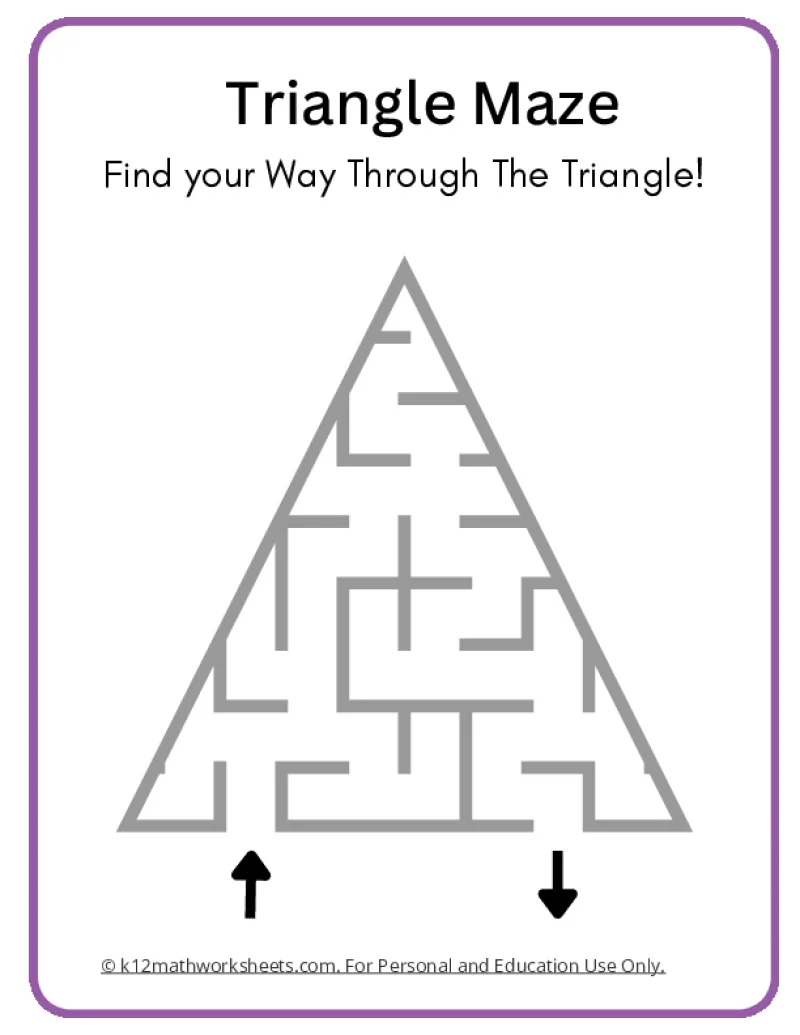
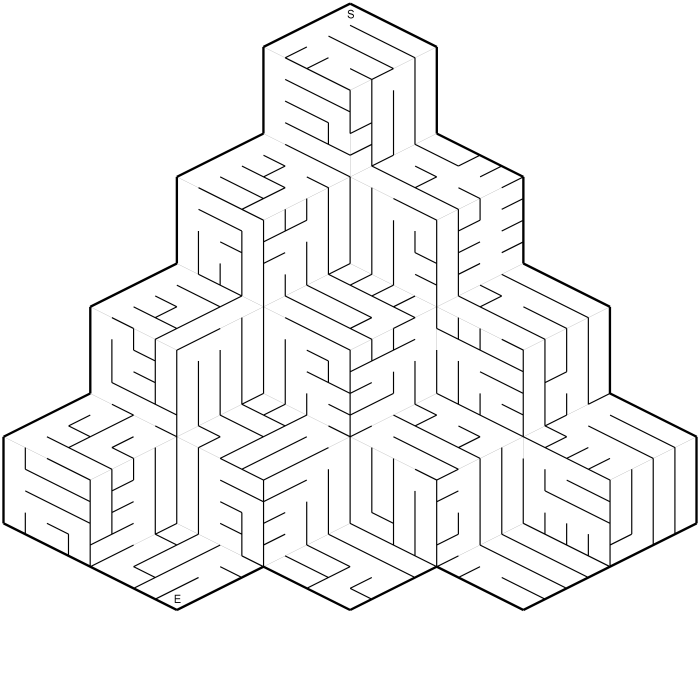
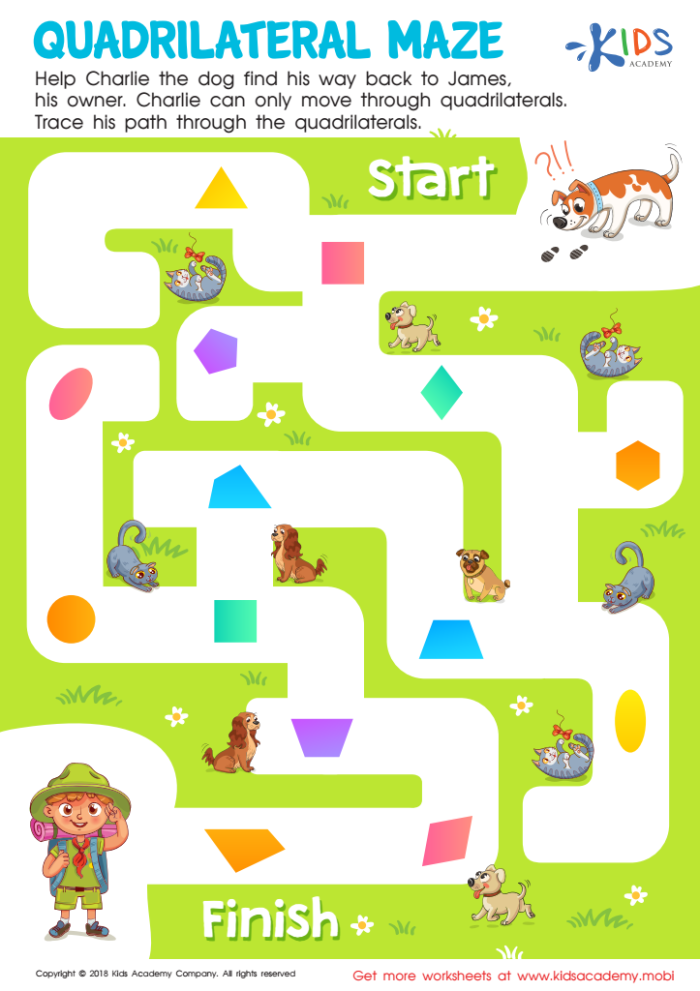
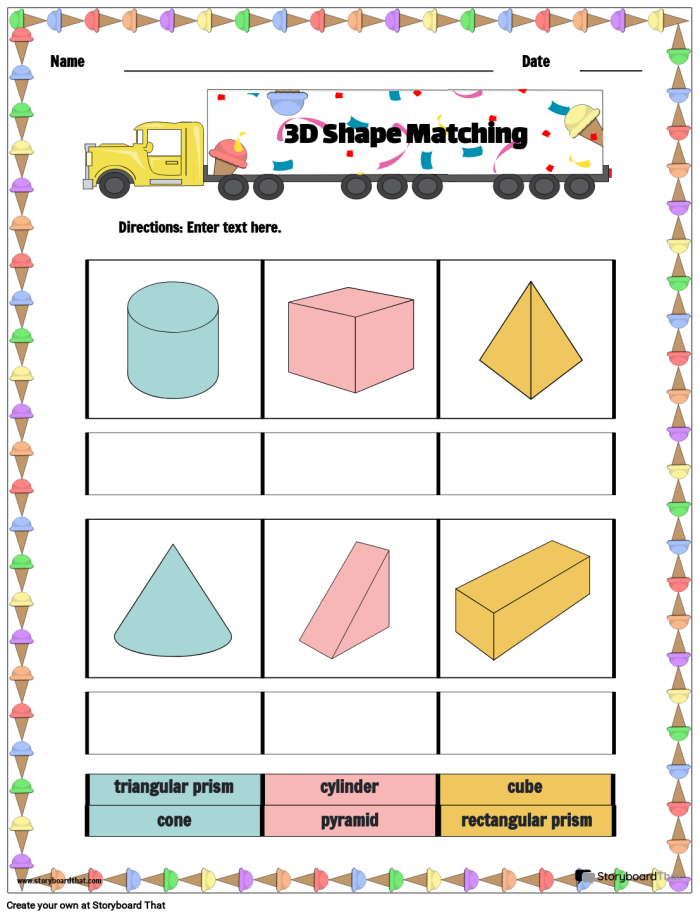
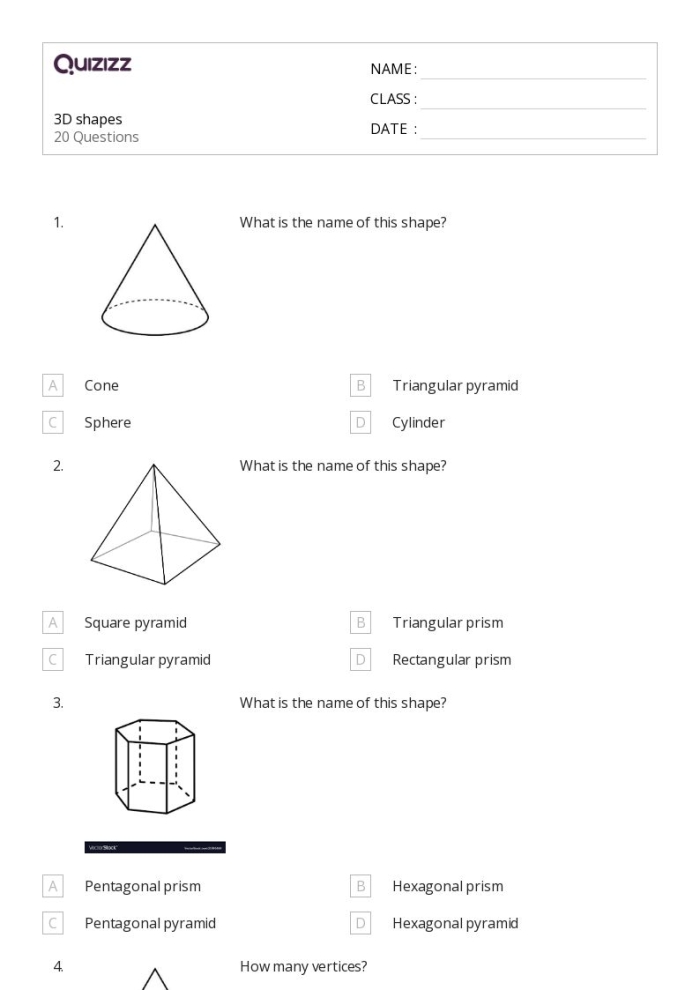
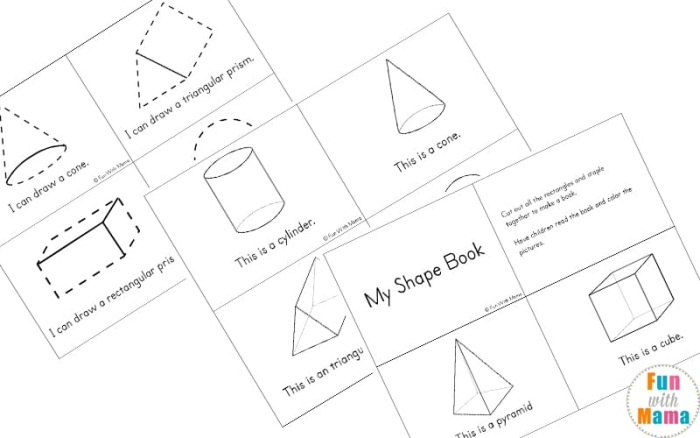
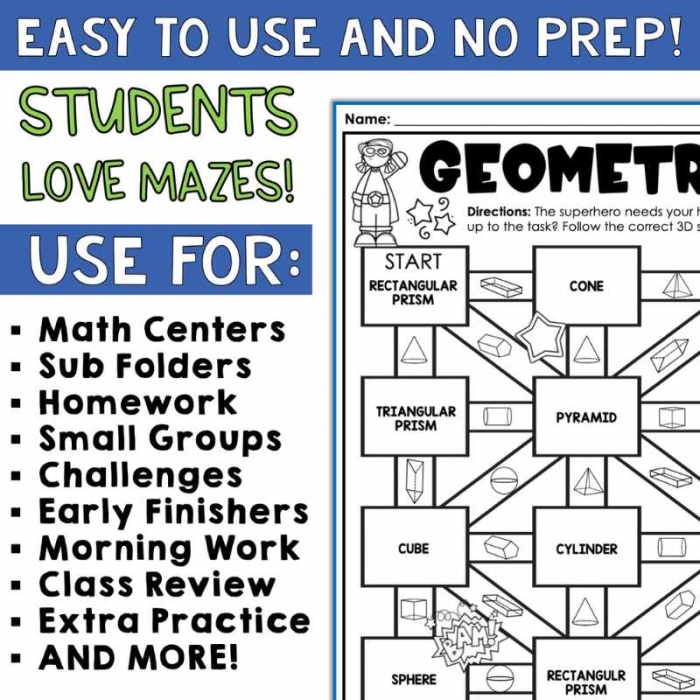
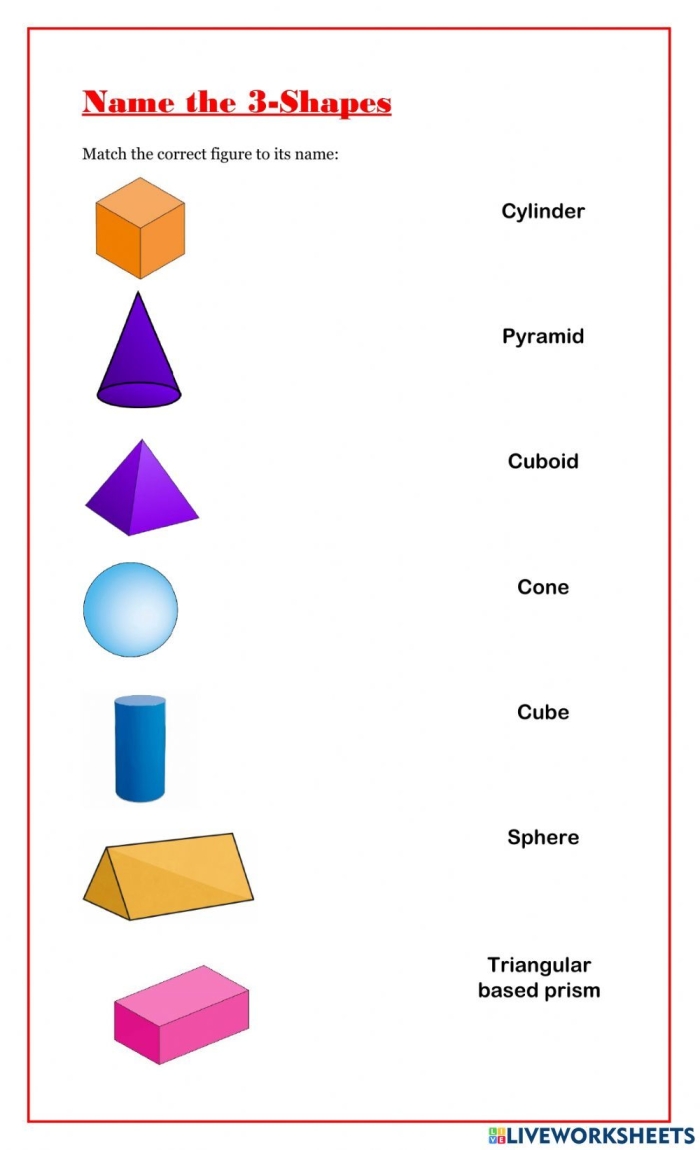
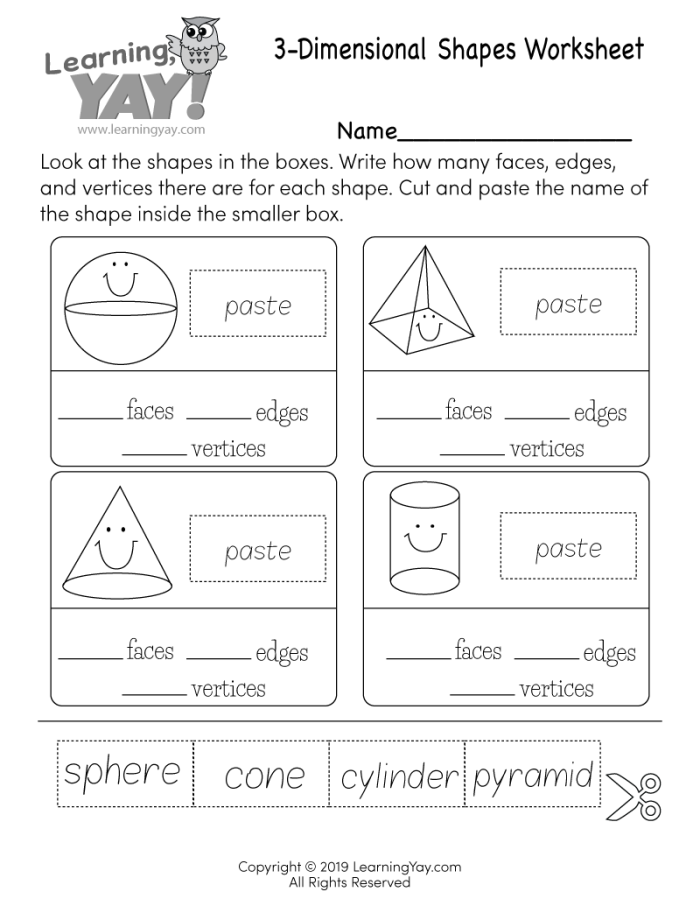
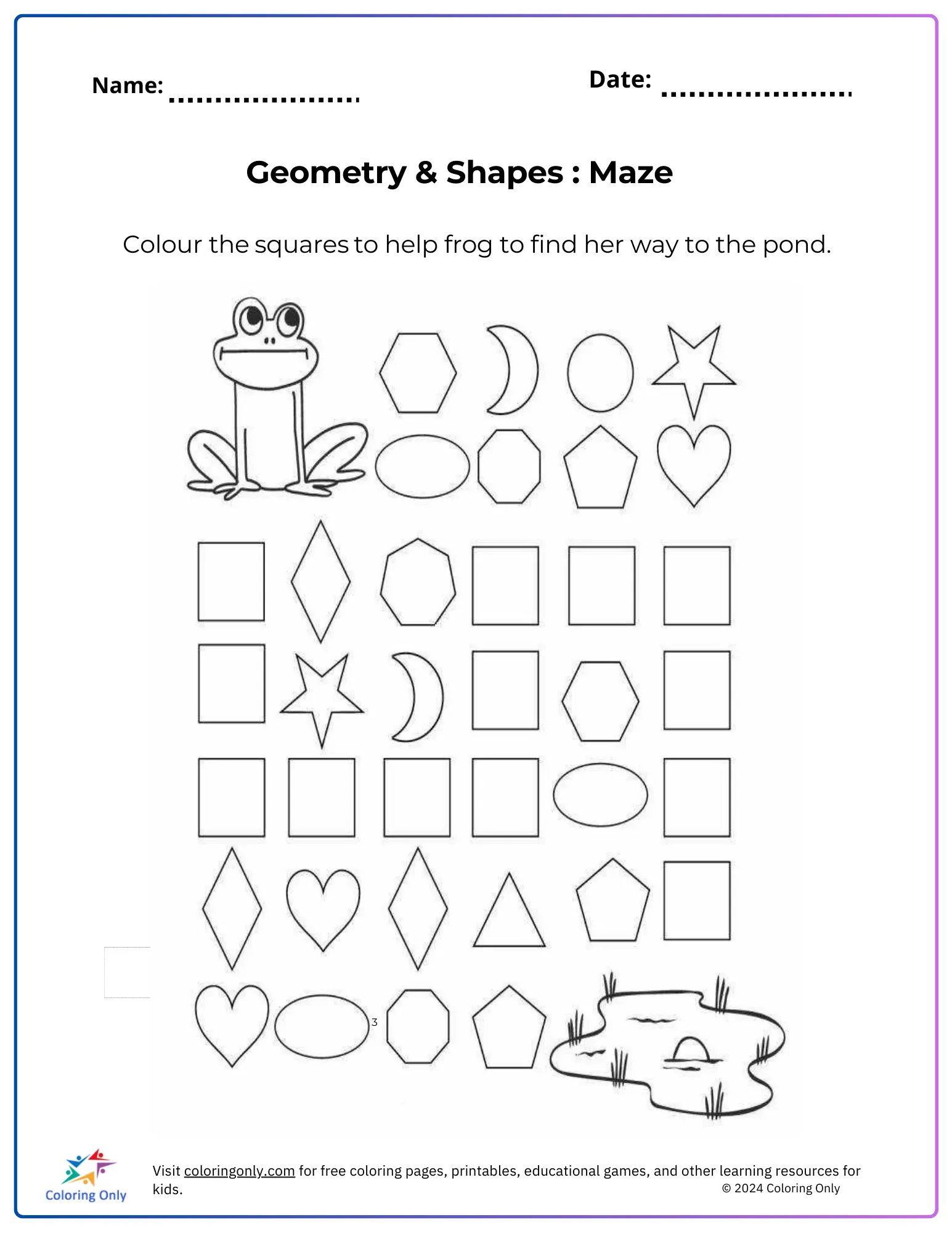
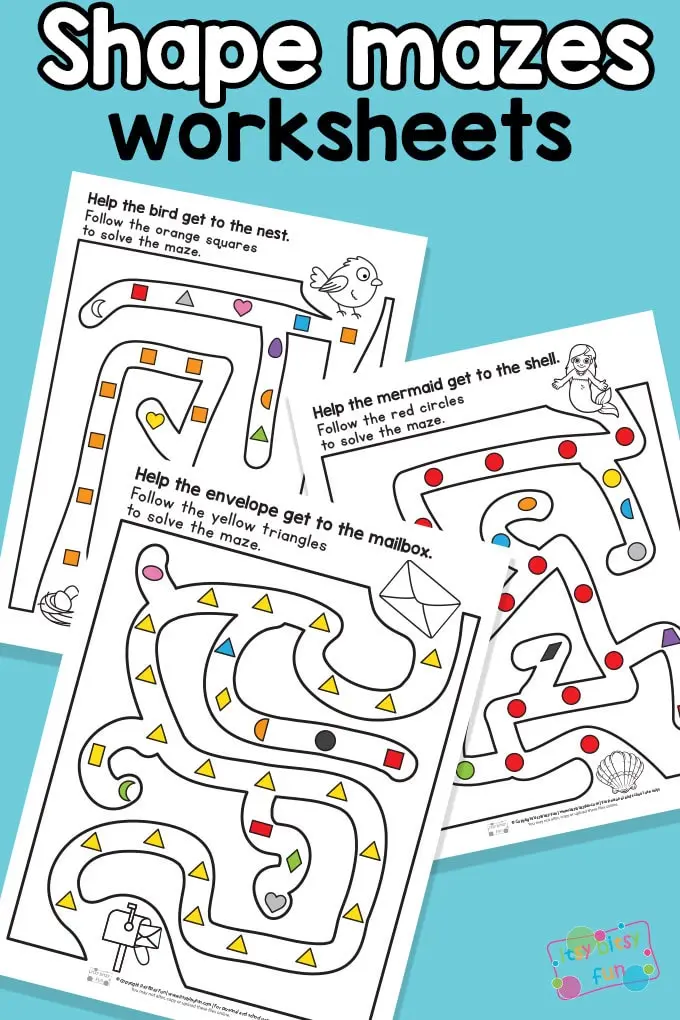
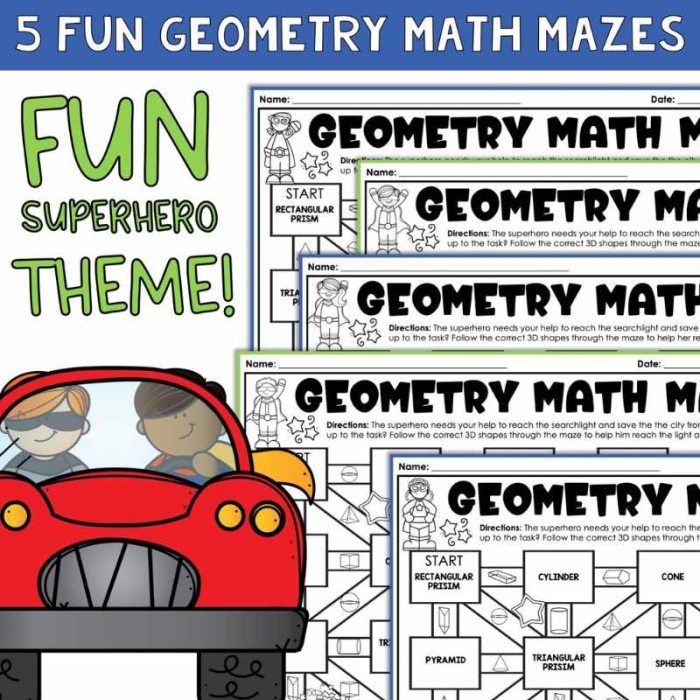
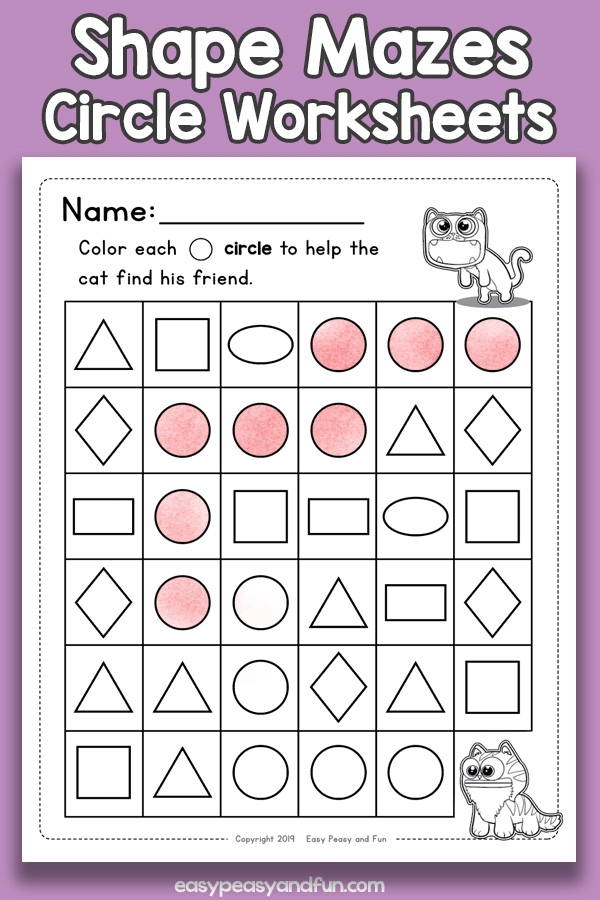
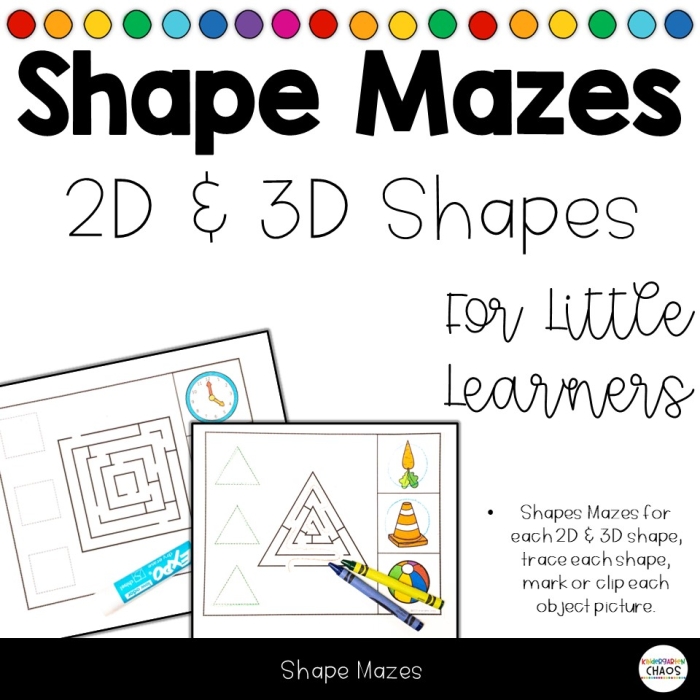
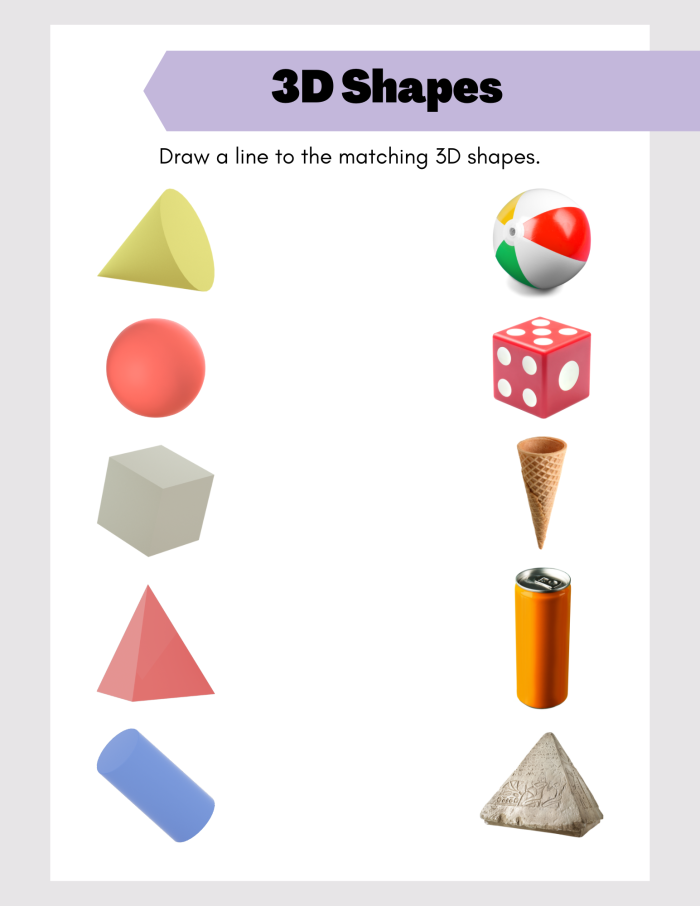
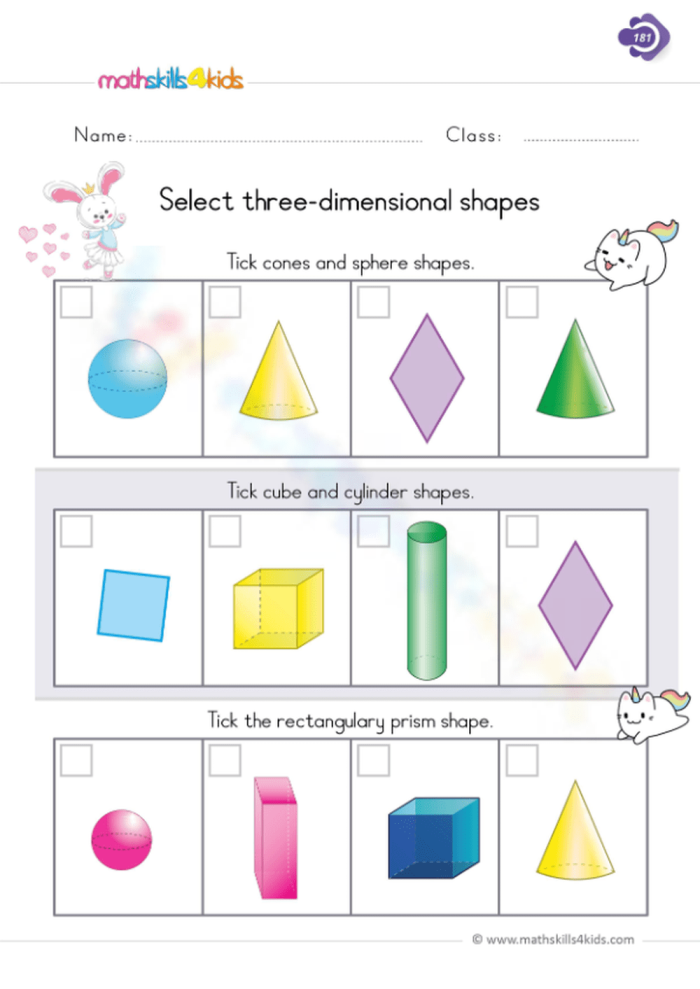
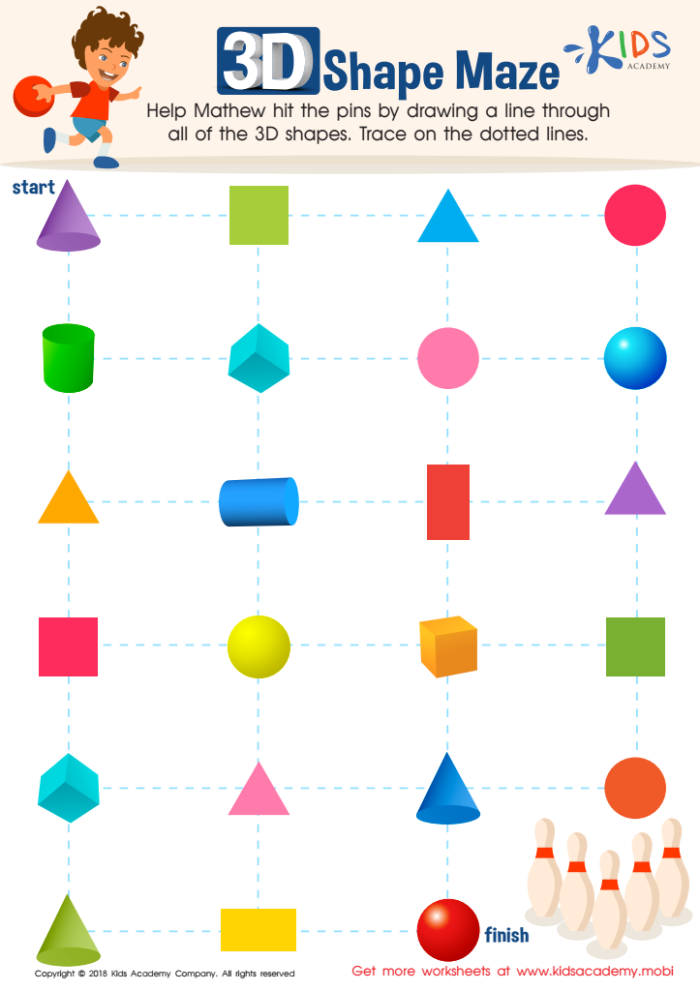
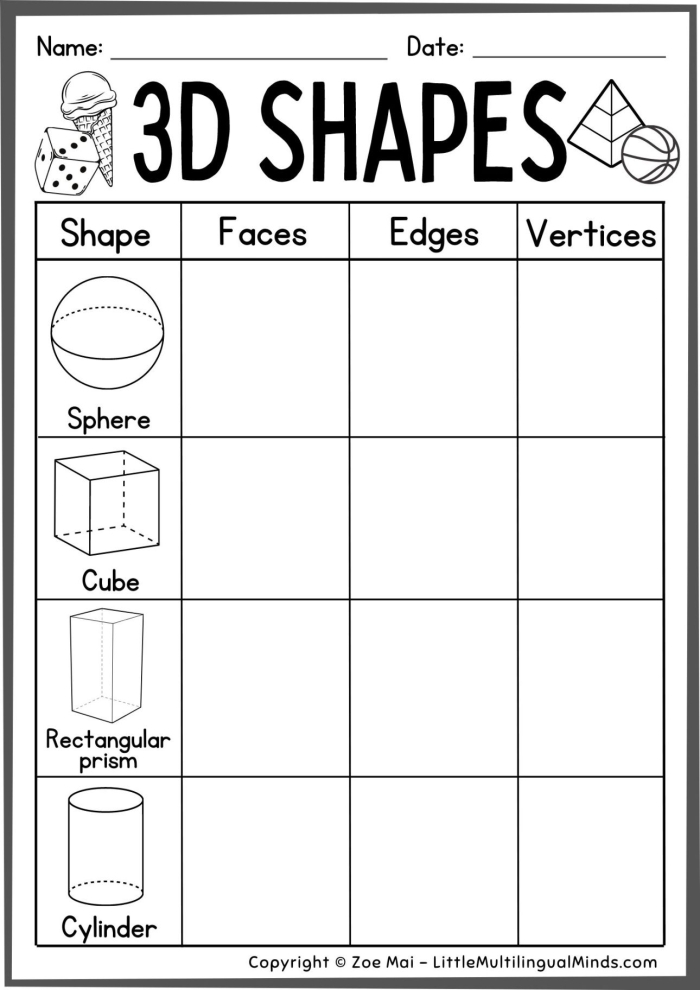
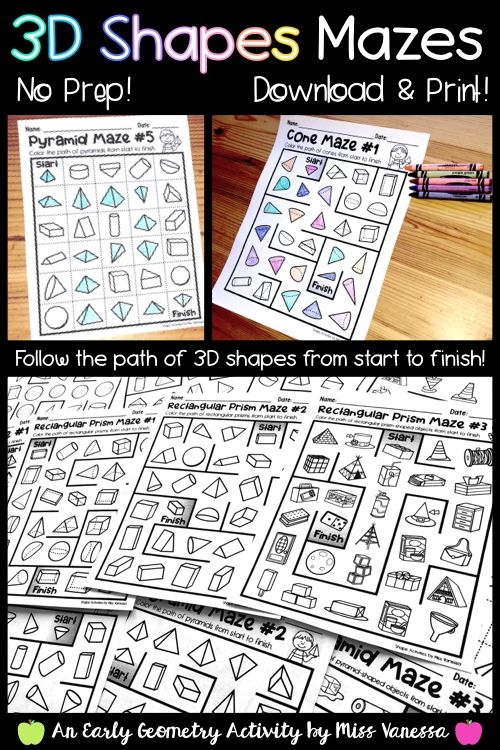
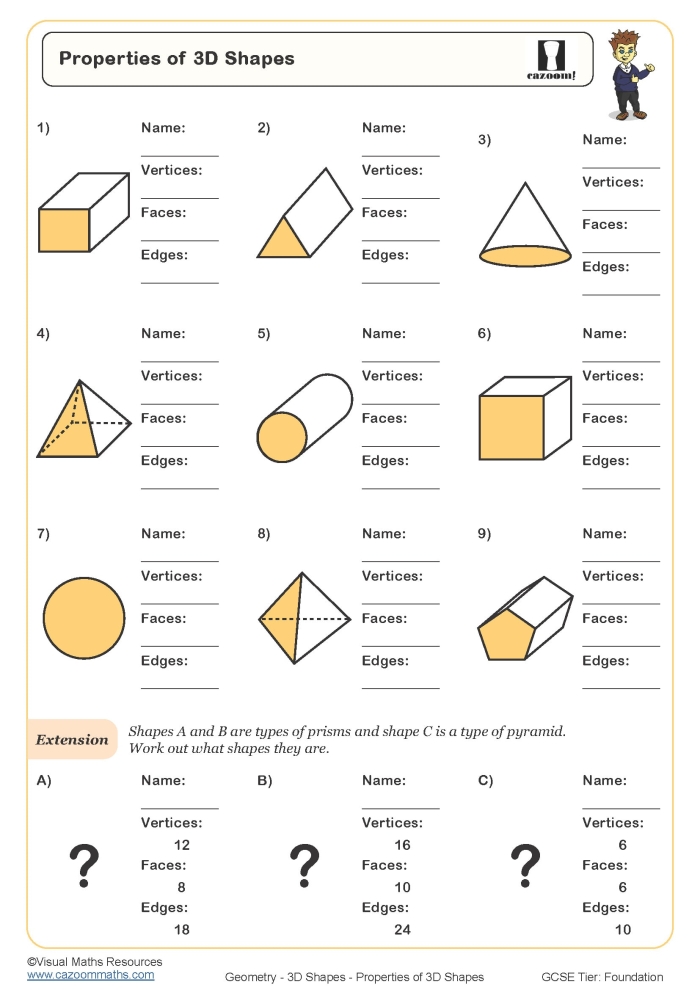
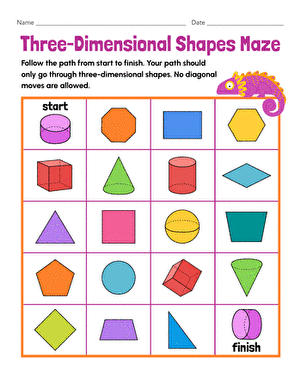
When kindergarten students trace their fingers along a winding path filled with cubes, spheres, and cylinders, something clicks. They’re not just moving through a maze; they’re learning to see the world in three dimensions. A printable three-dimensional shapes maze worksheet does exactly this, combining movement, visual recognition, and spatial reasoning into one engaging activity.
The core challenge for young learners in geometry is understanding the difference between flat shapes and solid objects. A square lives on paper. A cube lives in space. This distinction doesn’t come naturally to five-year-olds, who often see a picture of a cube and call it a square without hesitation. A maze built entirely from 3D shapes forces them to look more carefully, to notice the depth and dimension that separates a circle from a sphere.
In practice, these mazes work because they combine two things kindergarteners love: movement and color. The path winds through bright blues, warm oranges, and vibrant greens, each shape distinctly rendered to show its three-dimensional nature. As children follow the route from start to finish, they naturally begin to recognize patterns. They notice that spheres are round all over, that cubes have flat sides meeting at corners, that cones come to a point.
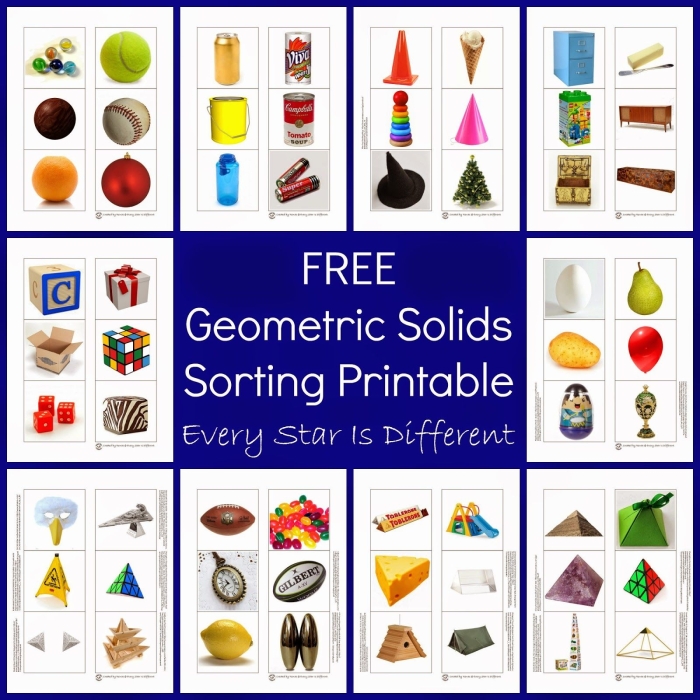
Teachers often pair these mazes with other hands-on geometry activities. Some classrooms combine them with tactile shape sorting, where students handle actual wooden blocks. Others integrate them into broader learning sequences, pairing shape recognition with activities like matching activities for data and graphing or addition practice to build multiple skills simultaneously.
The beauty of this approach is its simplicity. No special materials needed. Just a worksheet, a pencil, and five minutes of focused attention. By the time children reach first grade, distinguishing 3D shapes becomes automatic, freeing their minds for more complex spatial reasoning.
Hands-On Worksheet Activities