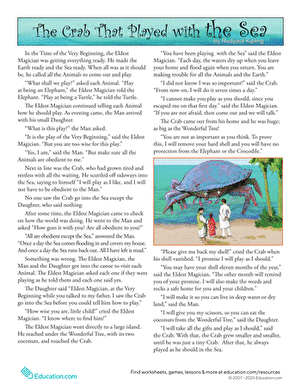
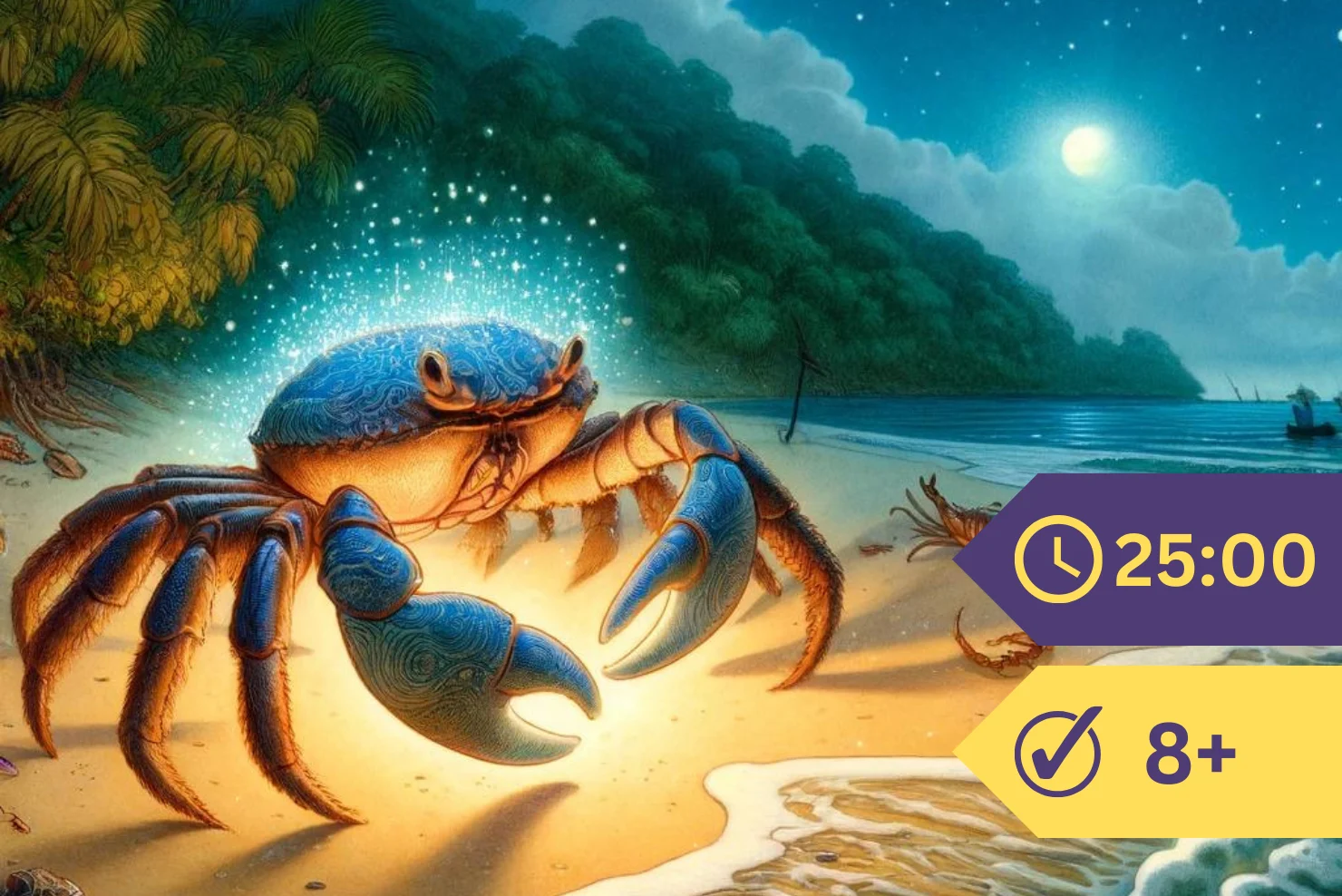
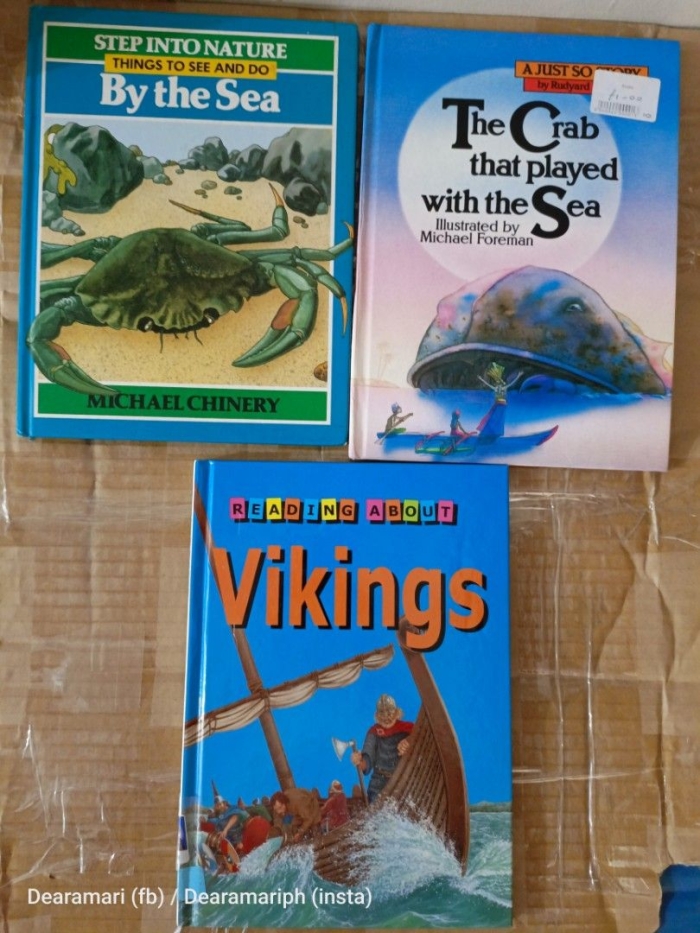
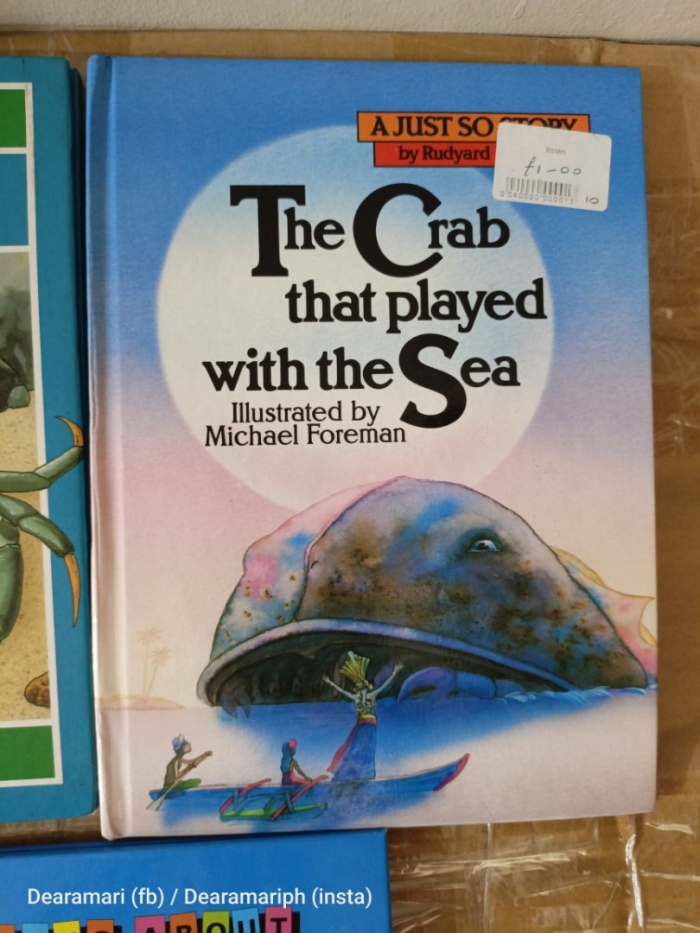
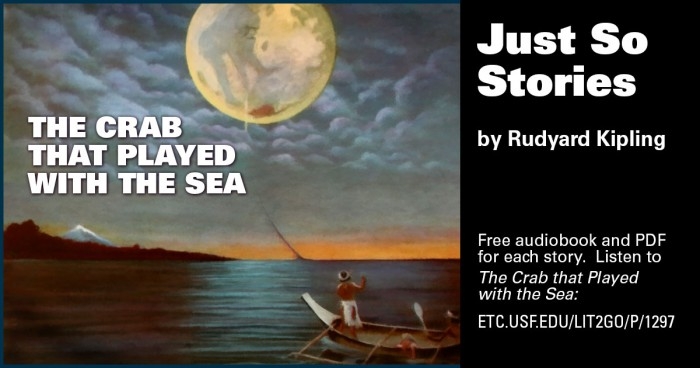
Rudyard Kipling’s “The Crab That Played with the Sea” stands out as one of those rare stories that captures a child’s imagination while teaching something genuine about language and storytelling. Part of his collection Just So Stories, this tale explains how the Crab became the only creature allowed to play with the sea, creating tides in the process. Fourth grade readers often encounter this story as part of phonics instruction, where Kipling’s rhythmic prose and invented words make learning pronunciation patterns feel like play rather than work.
The story works particularly well for young readers because Kipling uses repetition and sound patterns that stick in memory. Words like “Eldest Magician” and “Pau Amma” (the Crab’s name) have a musicality that helps with word recognition and retention. When teaching fourth grade phonics, this narrative approach beats isolated drills. Children naturally absorb spelling patterns and pronunciation rules when embedded in a story they actually want to read.
What makes this tale especially useful for classroom learning is how it combines entertainment with language development. The Crab’s journey to the sea involves wordplay and descriptive language that expands vocabulary while maintaining engagement. Pairing the story with activities focused on possessives and grammar reinforces core skills naturally. Students can also explore word problems that develop reading comprehension alongside mathematical thinking.
Introducing your child to Kipling’s work early creates a foundation for appreciating classic literature. The story’s whimsical explanations for natural phenomena appeal to curious minds, encouraging questions and deeper reading. This approach to fourth grade phonics instruction proves far more effective than traditional worksheets alone, giving children both skills and stories worth remembering.
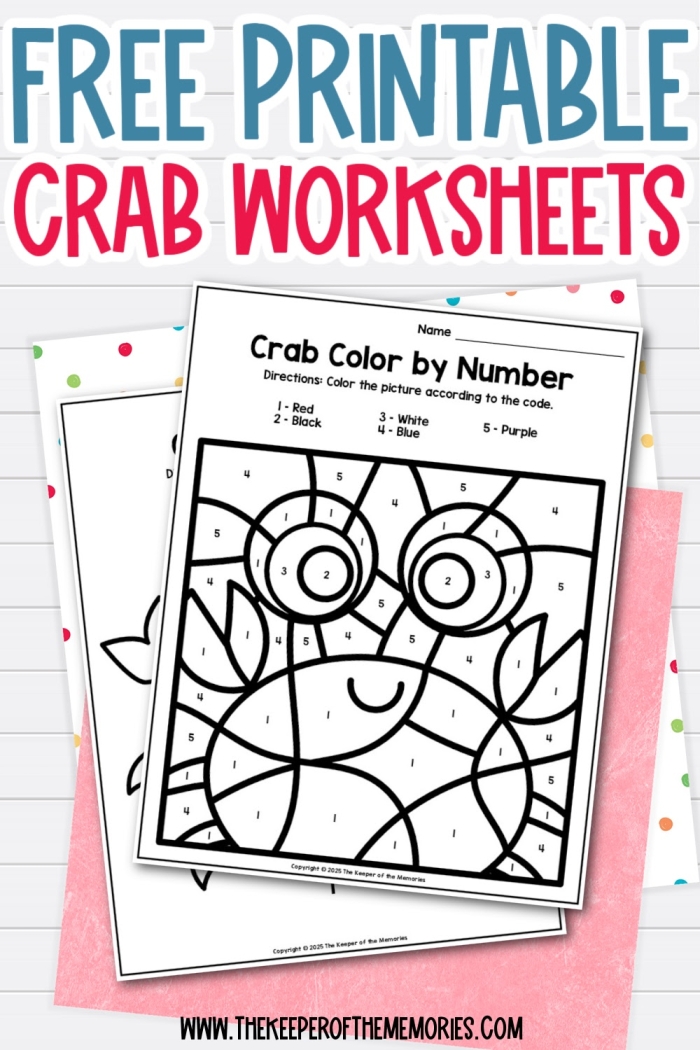
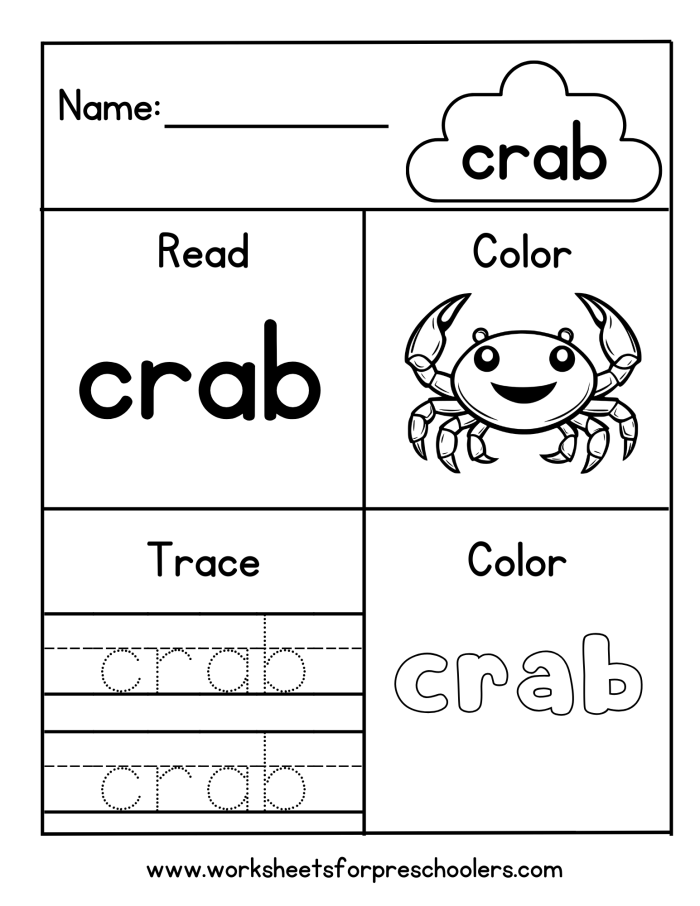
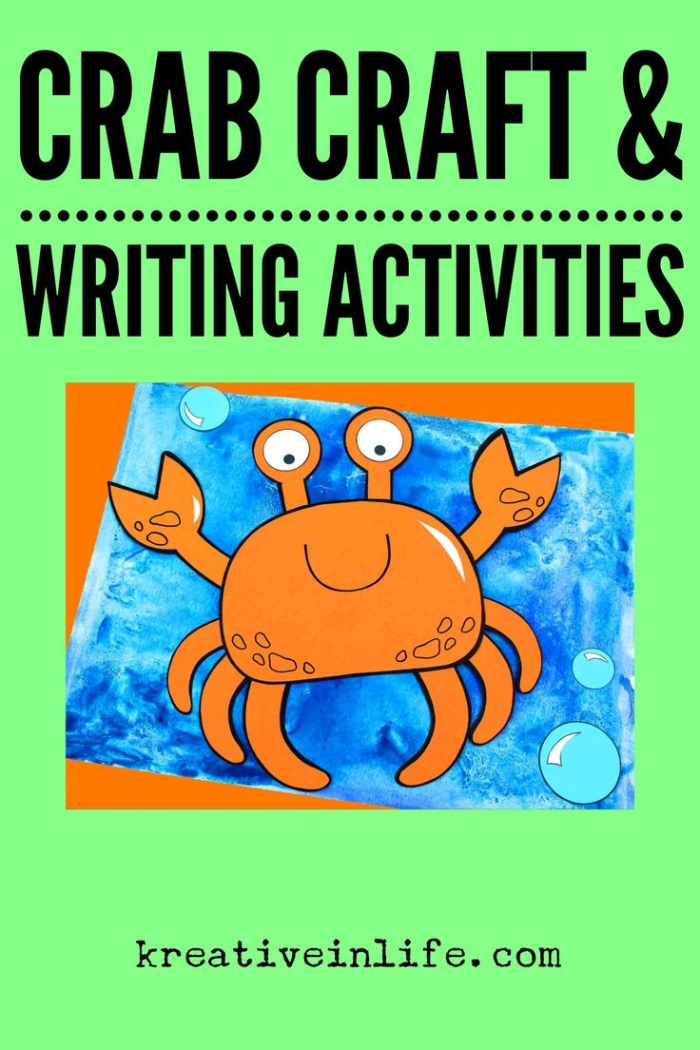
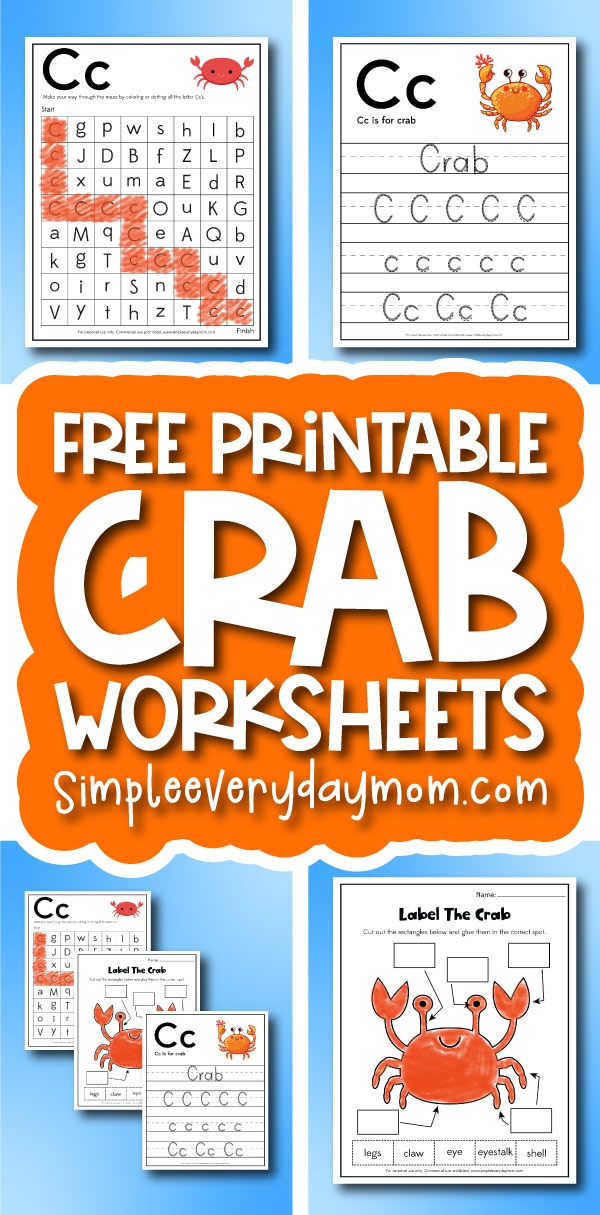
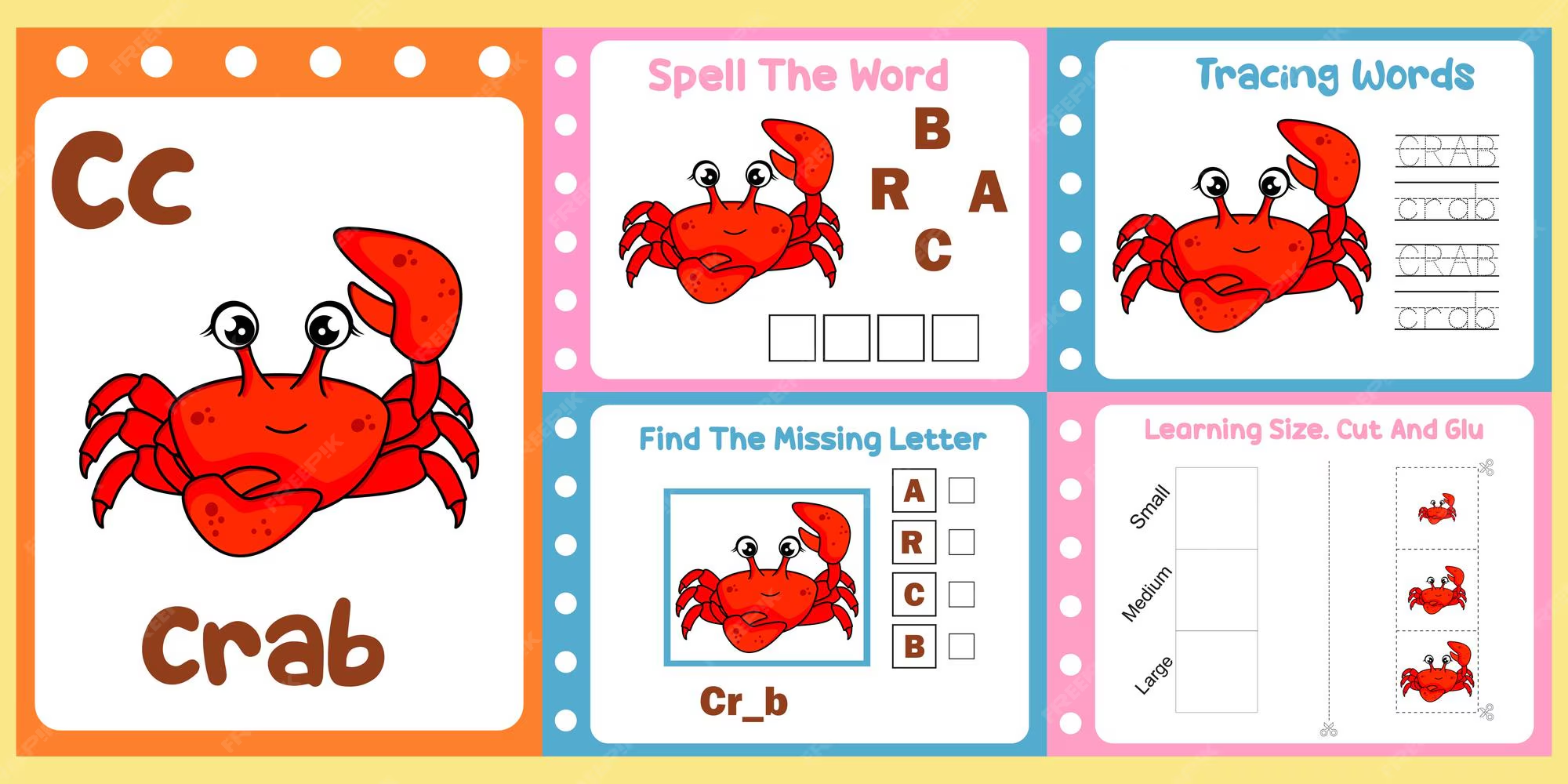
Start Practicing with These Worksheets