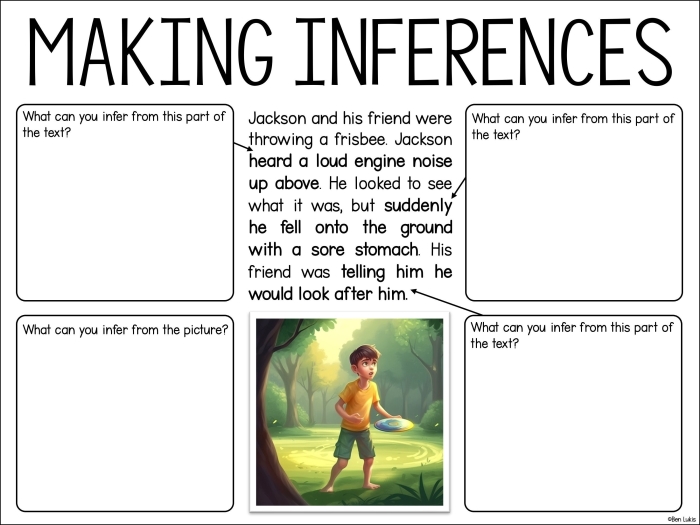
Encouraging your child to read deeper into a story can significantly enhance their comprehension skills. One effective way to achieve this is by helping them practice making inferences about what happened in the narrative. Inferences allow readers to connect the dots between what is explicitly stated and what is implied, adding richness to their reading experience.
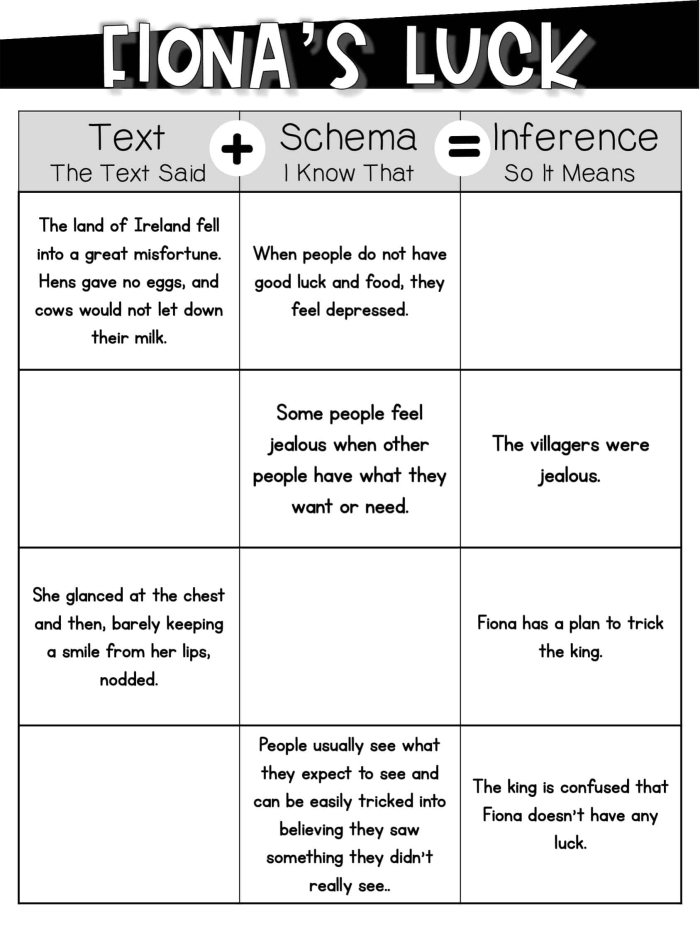
When children read a story, they often encounter situations where the author does not spell everything out. For instance, if a character is seen carrying an umbrella, your child might infer that it is likely raining, even if the text doesn’t directly mention the weather. This skill of reading between the lines not only fosters critical thinking but also makes reading more engaging and interactive.
To help your first grader develop this skill, you can use simple questions to guide their thinking. Ask them questions like, “Why do you think the character made that choice?” or “What do you think will happen next based on what we’ve read?” These prompts encourage children to think beyond the text and draw on their prior knowledge and experiences.
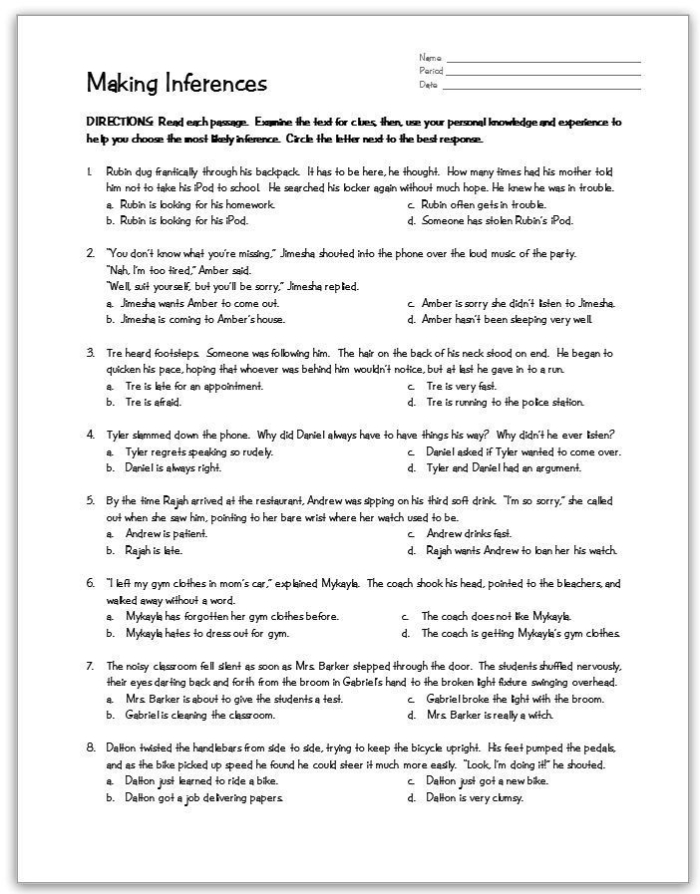
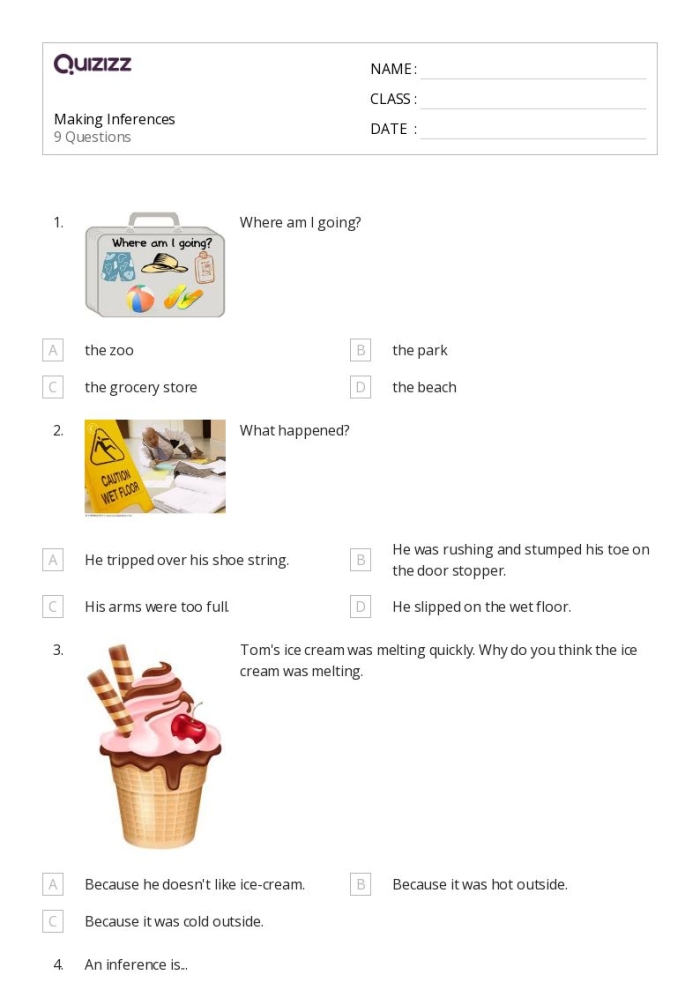
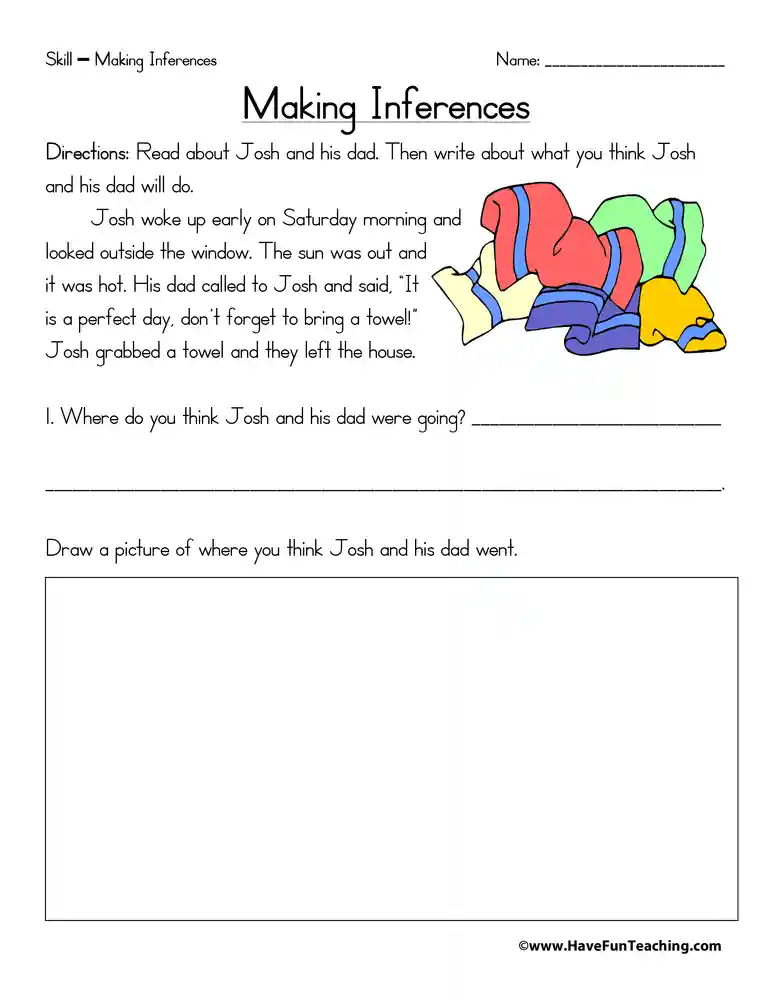
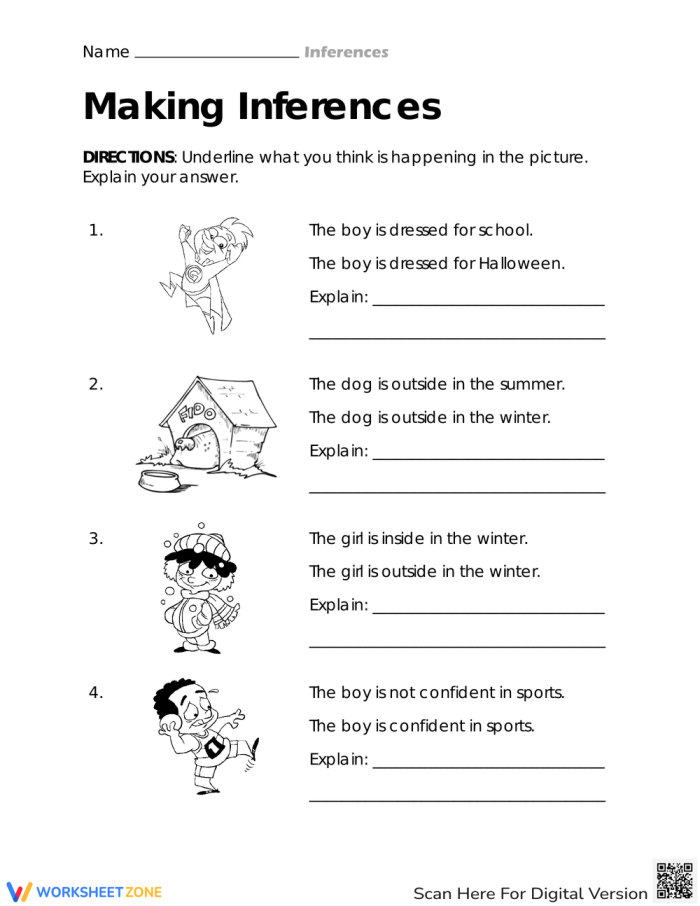
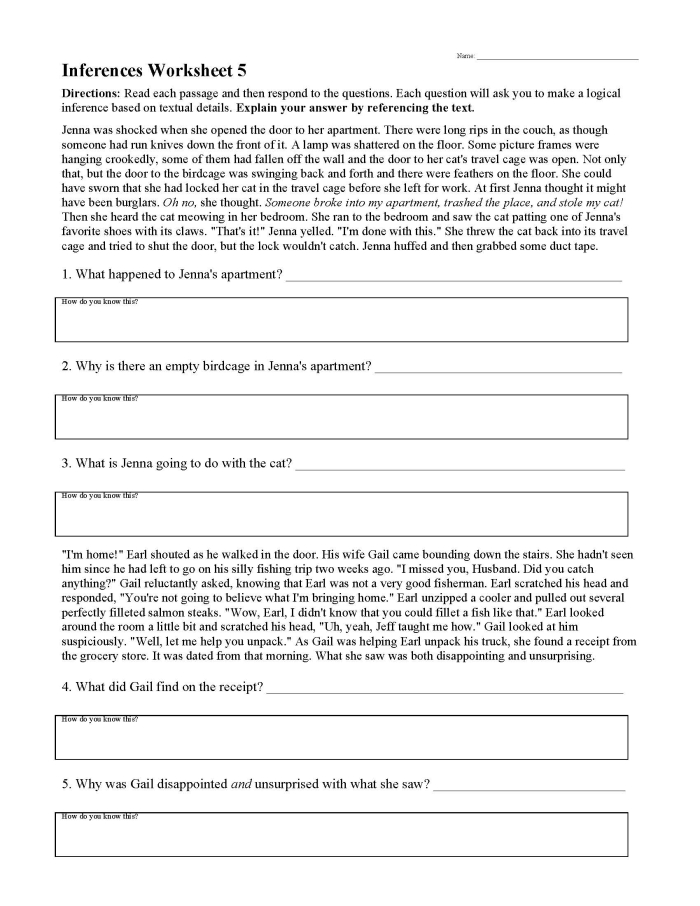
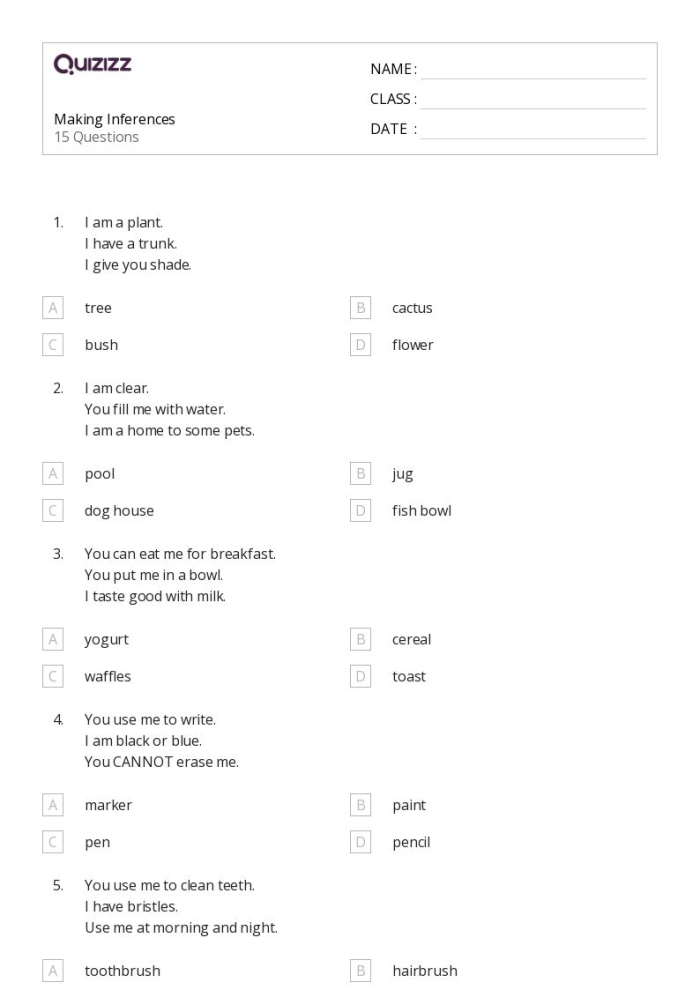
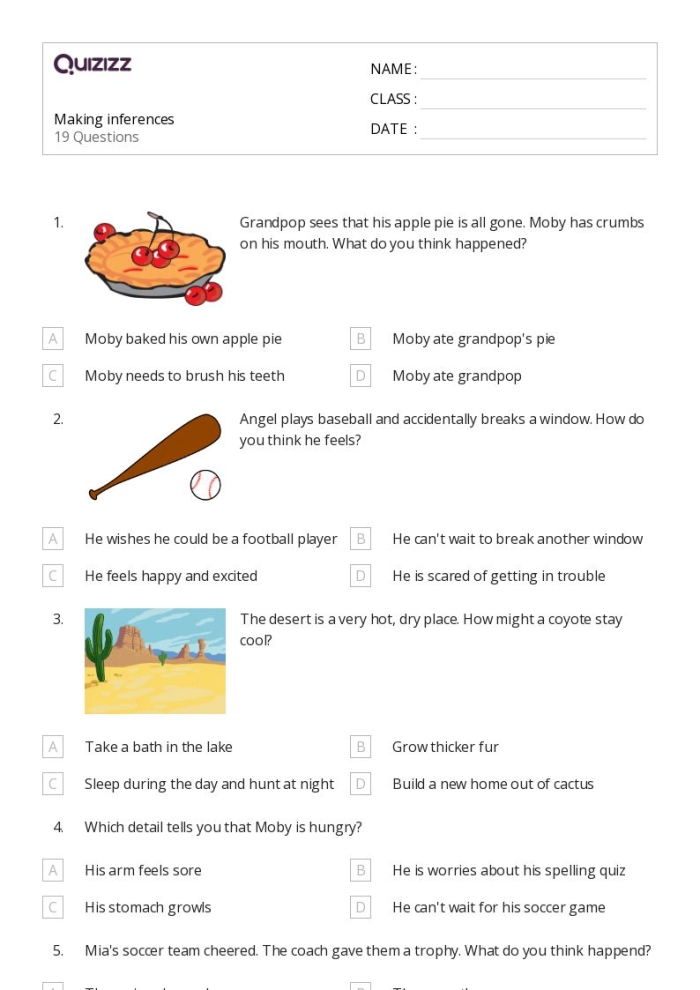
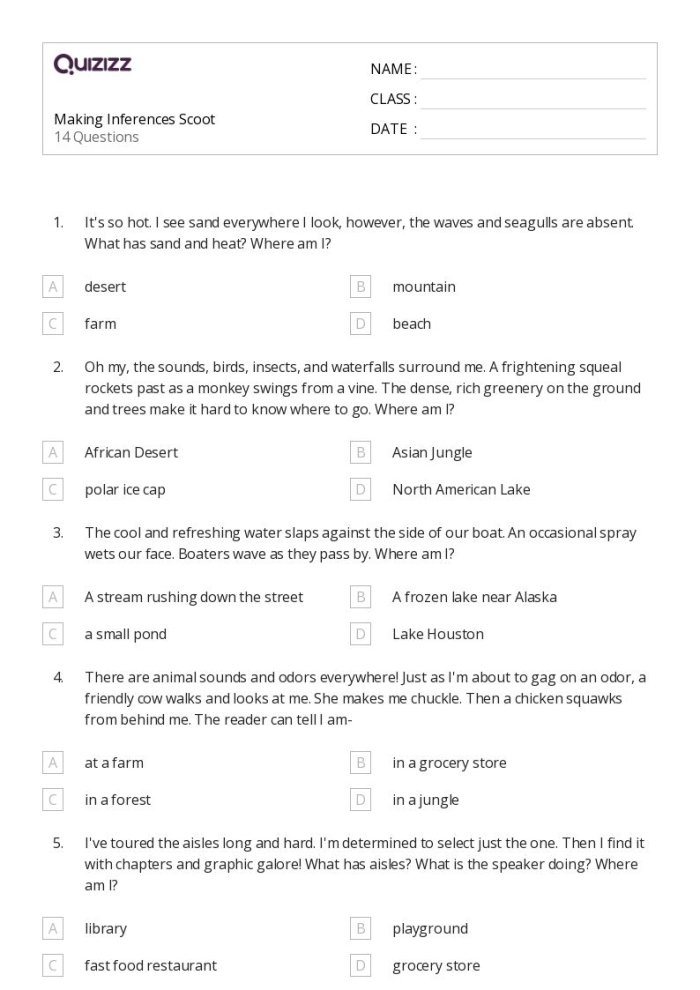
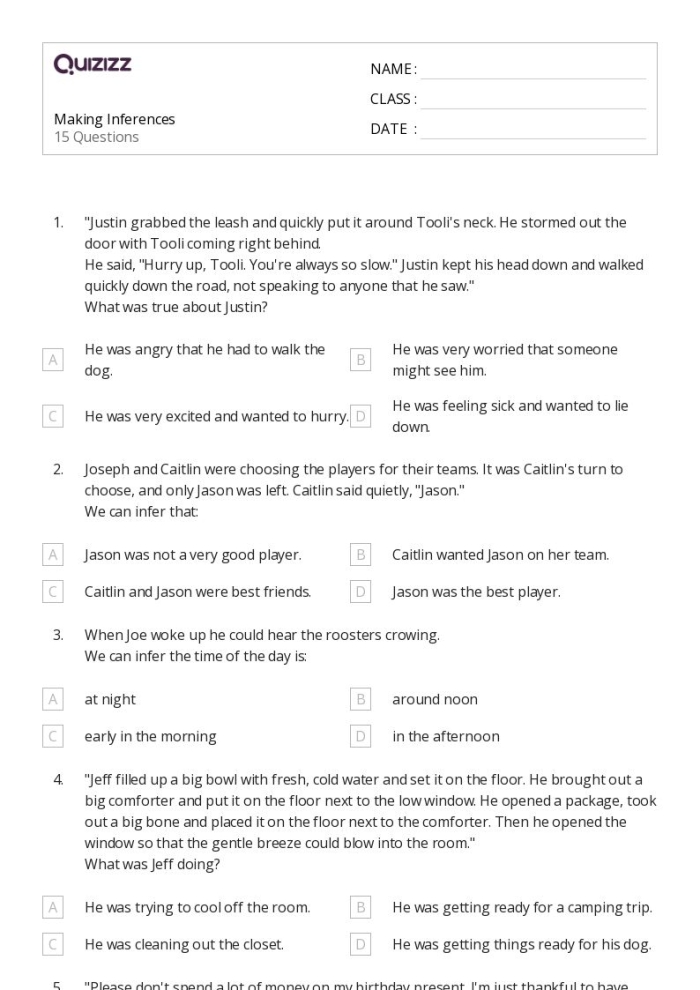
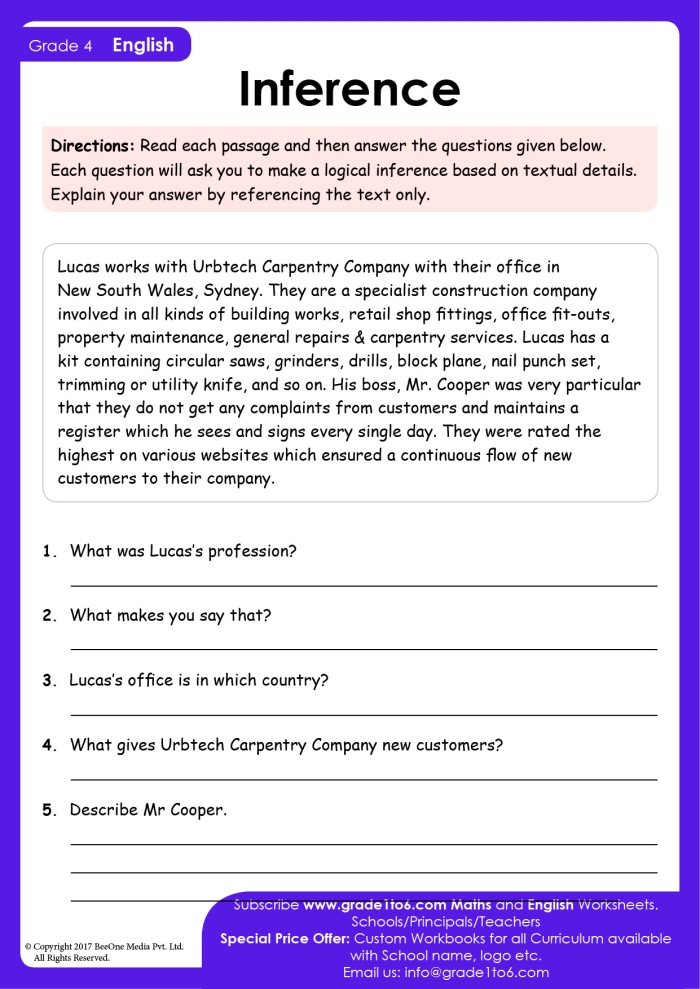
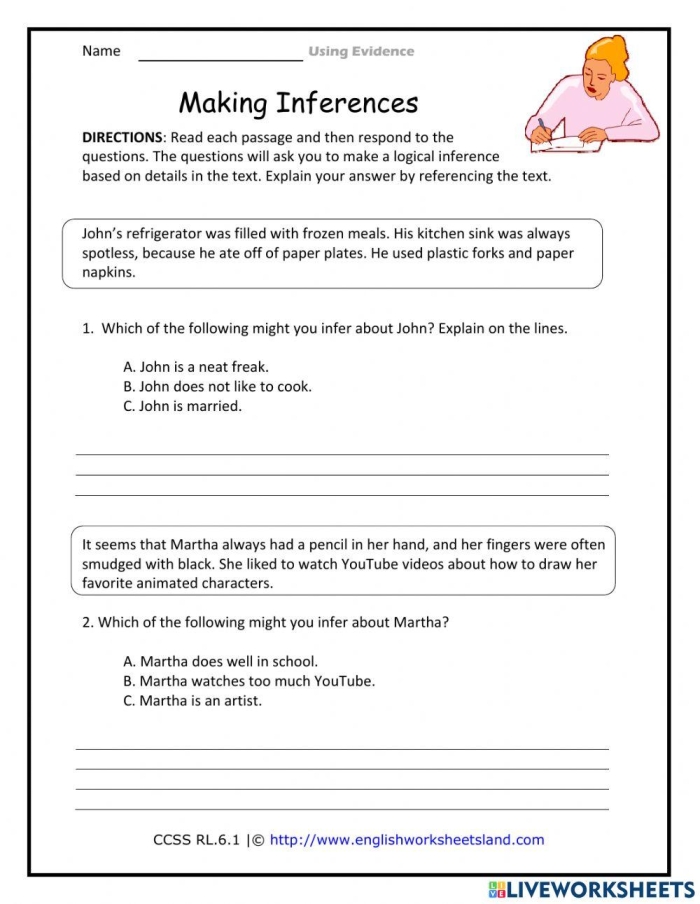
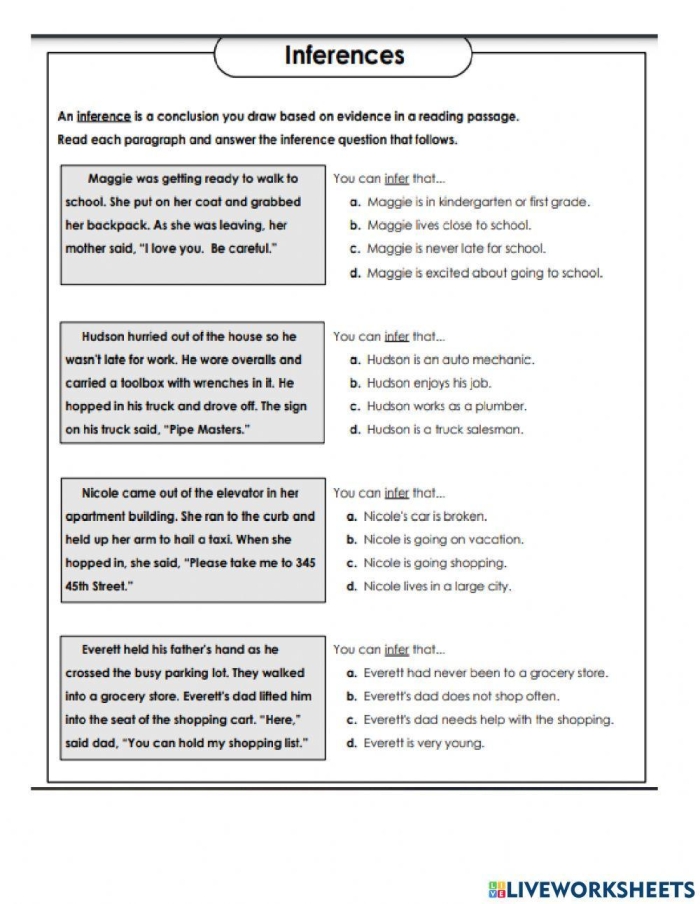
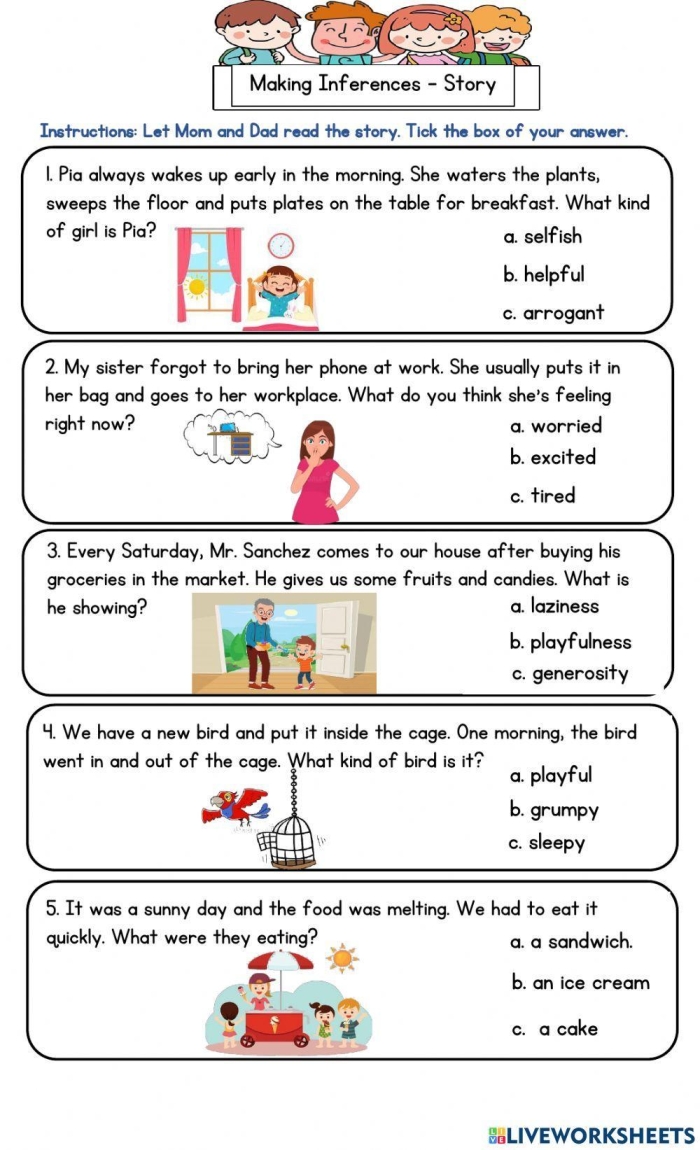
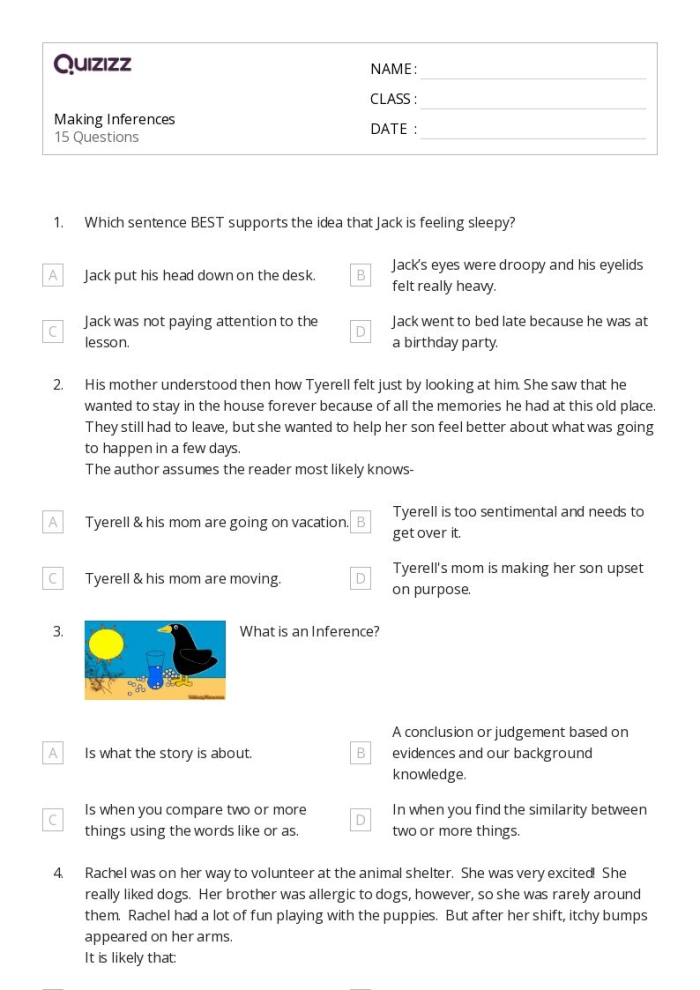
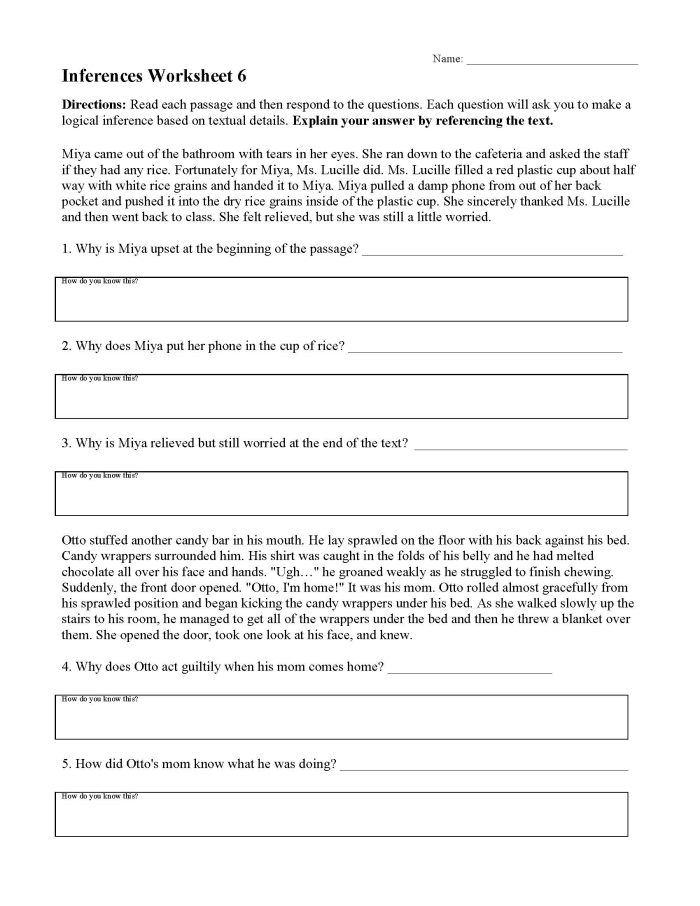
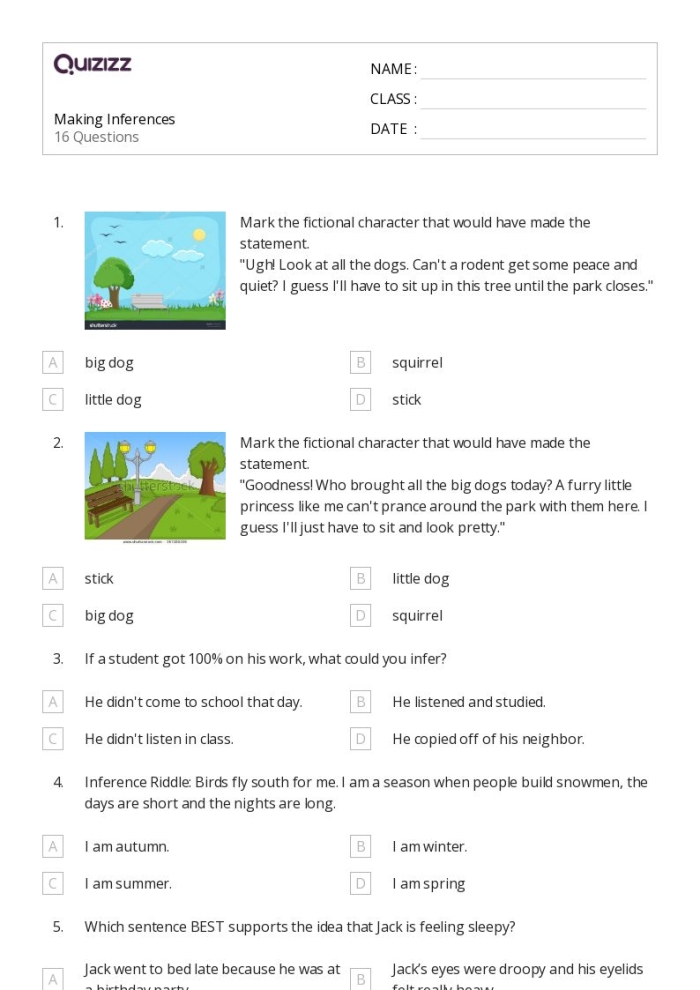
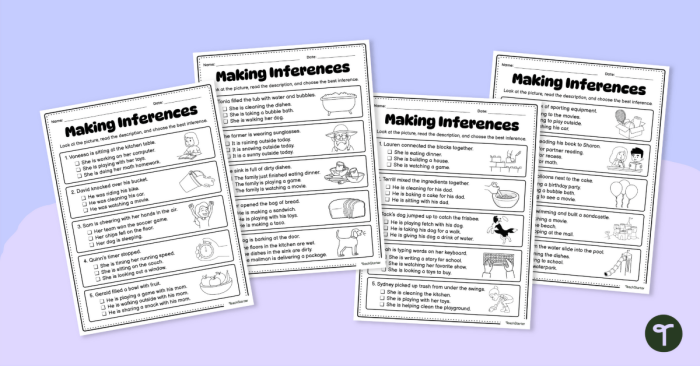
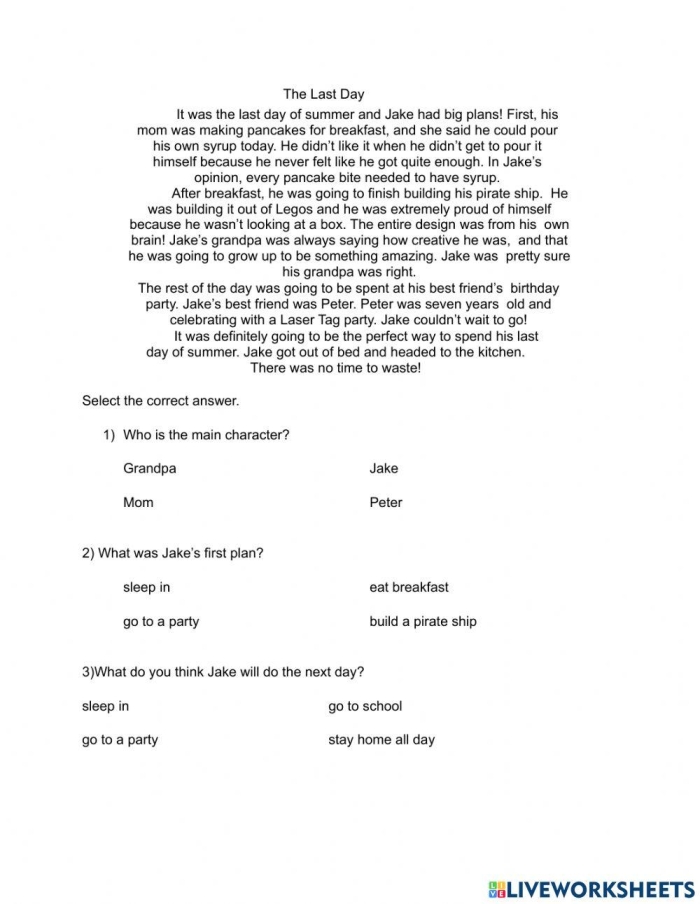
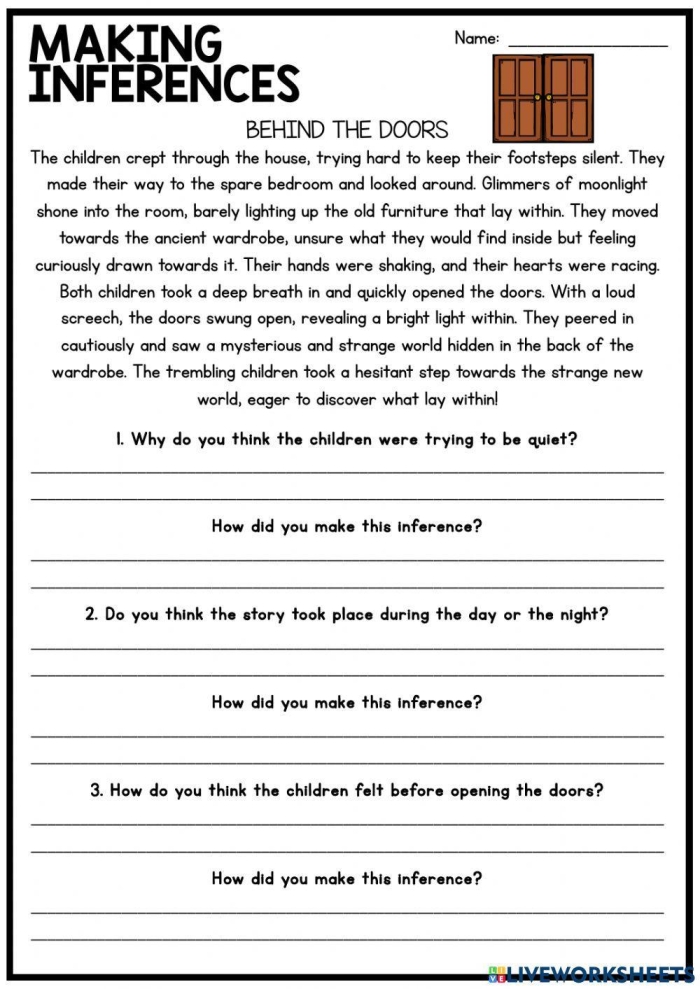
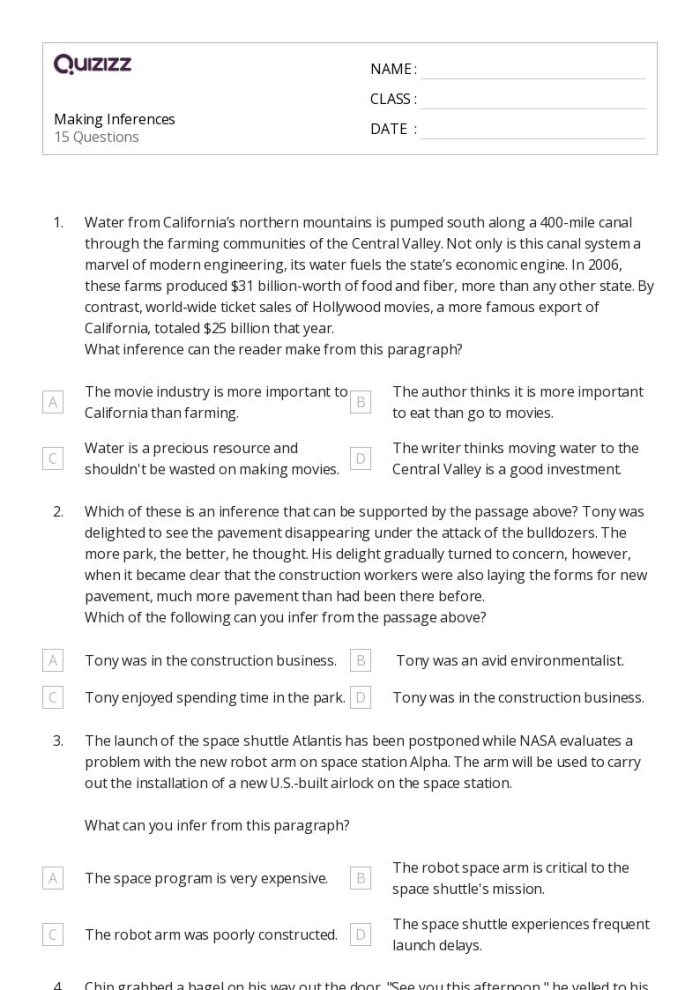
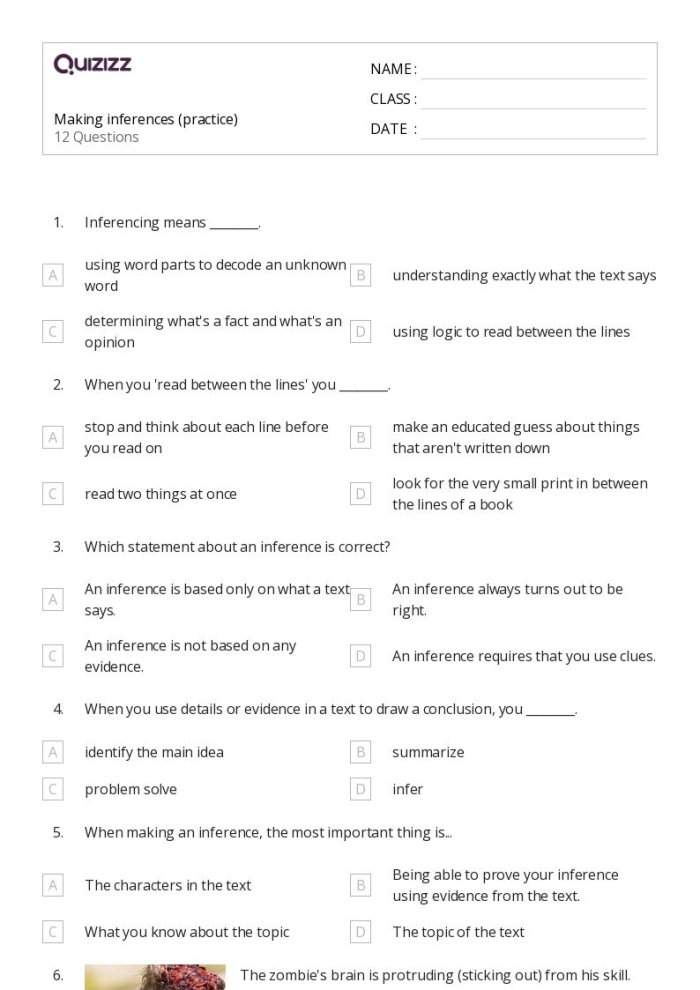
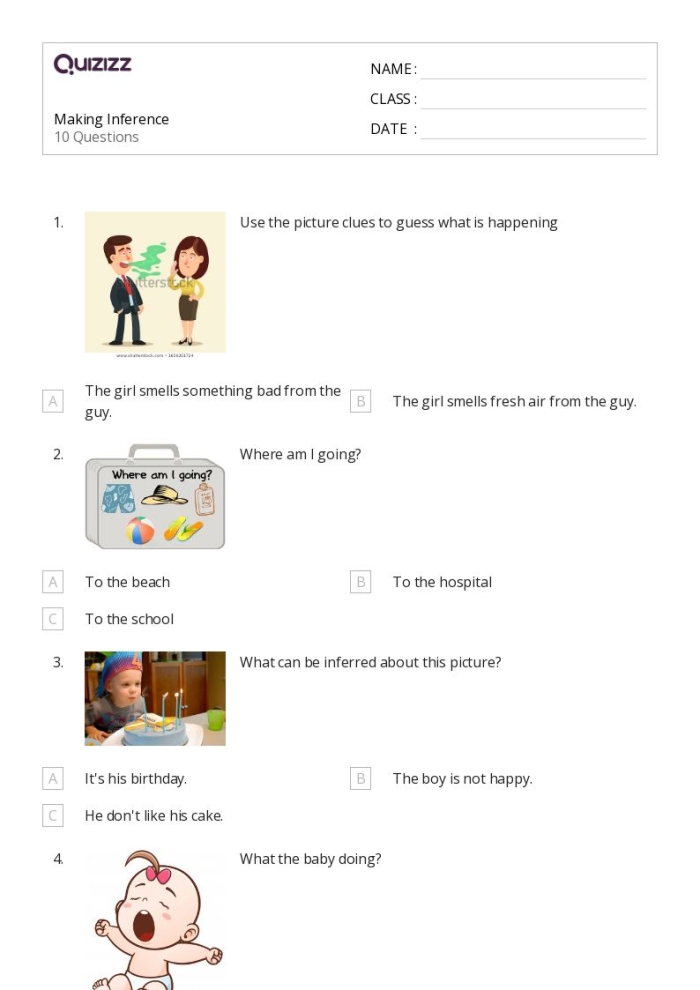
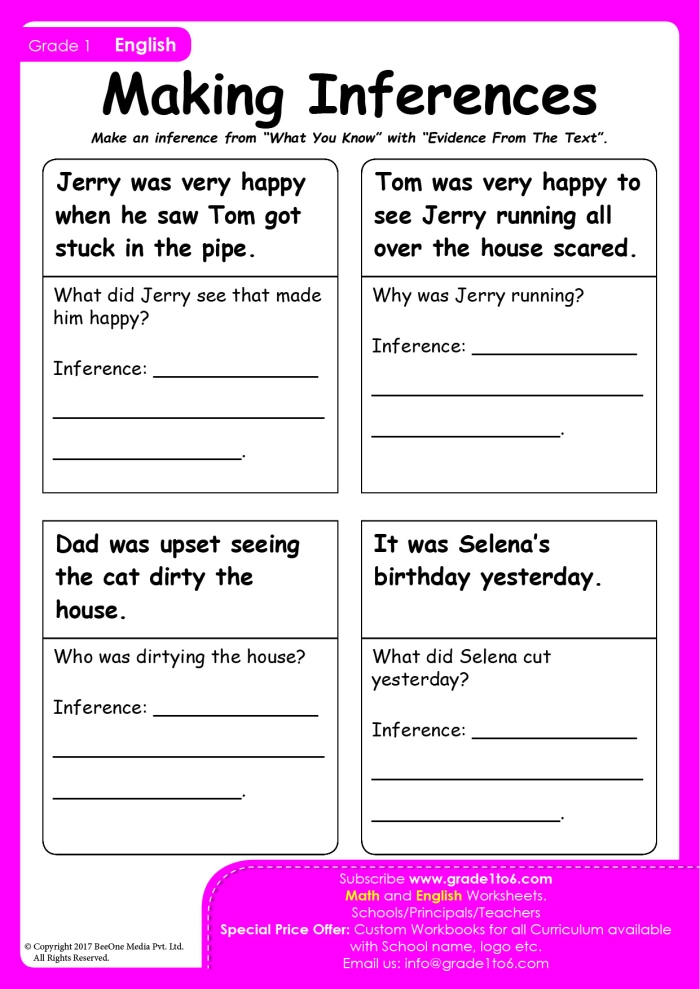
Additionally, utilizing resources such as printable Making Inferences worksheets designed for first-grade students learning Chinese can be particularly beneficial. These worksheets provide structured exercises that challenge children to practice making inferences in a fun and engaging way. They can work through scenarios that require them to think critically about characters’ motives and plot developments.
Involving your child in discussions about the stories they read can also enhance their understanding. Share your thoughts and ask for theirs, creating a dialogue that encourages deeper engagement with the material. This collaborative approach not only strengthens their inference skills but also builds a love for reading that will last a lifetime.
Download These Worksheets for Practice