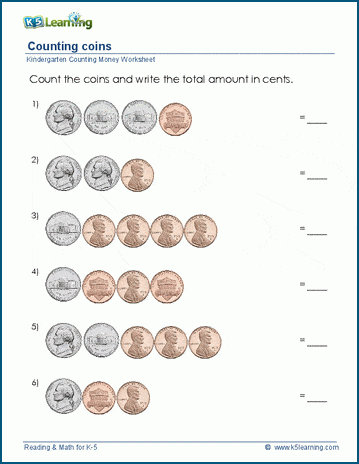
Counting coins can be a fun and engaging way to enhance your child’s math skills. For first graders, mastering coin values is more than just learning to add; it’s about building a solid foundation in understanding money. As you sit down with your youngster, you’ll discover that this practical activity not only teaches math but also imparts essential life skills.
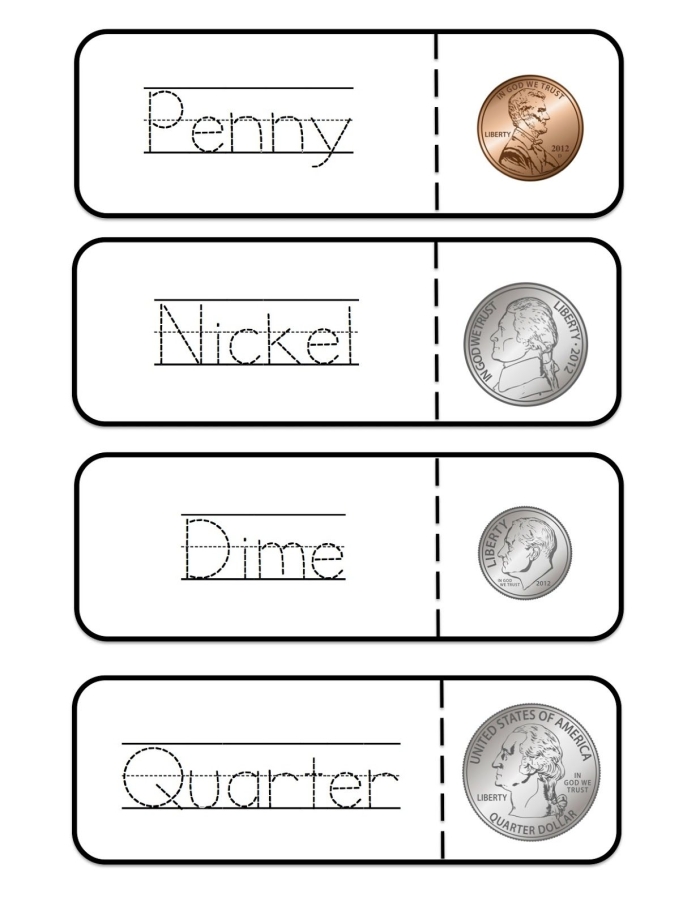
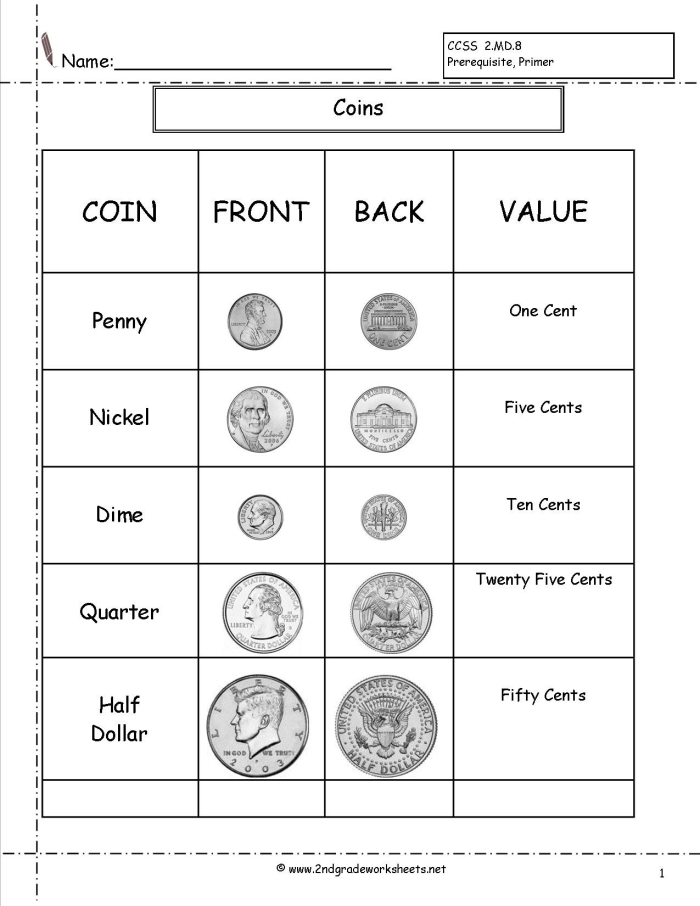
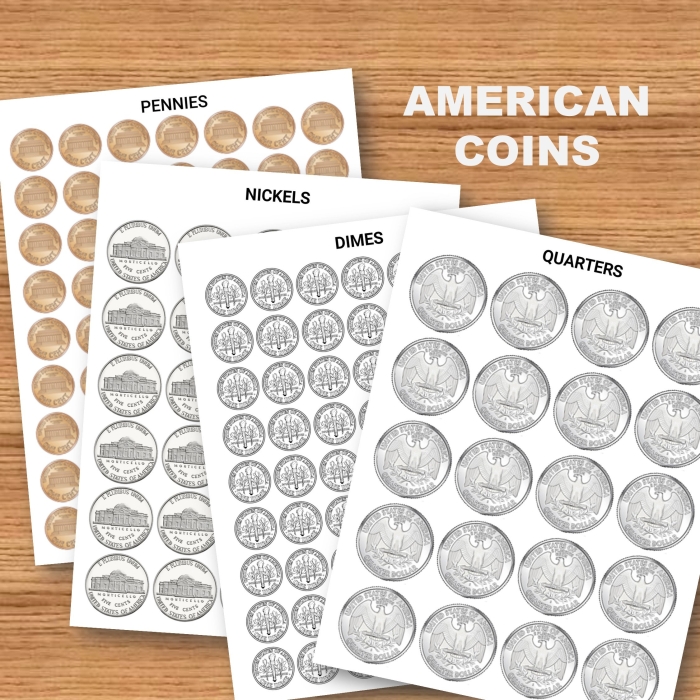
Start by gathering a mix of coins: pennies, nickels, dimes, and quarters. Let your child explore the different sizes and colors while discussing their values. For example, explain that a penny is worth one cent, a nickel five cents, a dime ten cents, and a quarter twenty-five cents. This hands-on experience makes learning memorable and enjoyable.
Next, you can introduce simple exercises. Ask your child to count a small pile of pennies and then challenge them to see how many nickels would equal the same value. This practice not only reinforces their counting skills but also helps them understand the concept of equivalency in money. You can create scenarios where they have to make change for a small purchase, like a toy costing 50 cents. This encourages them to think critically and apply what they’ve learned.
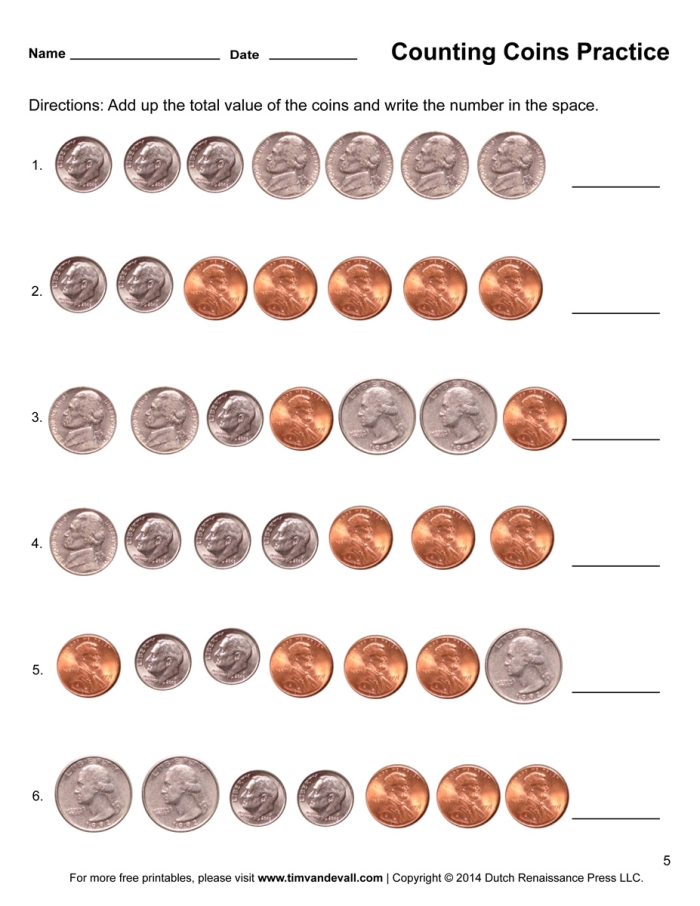
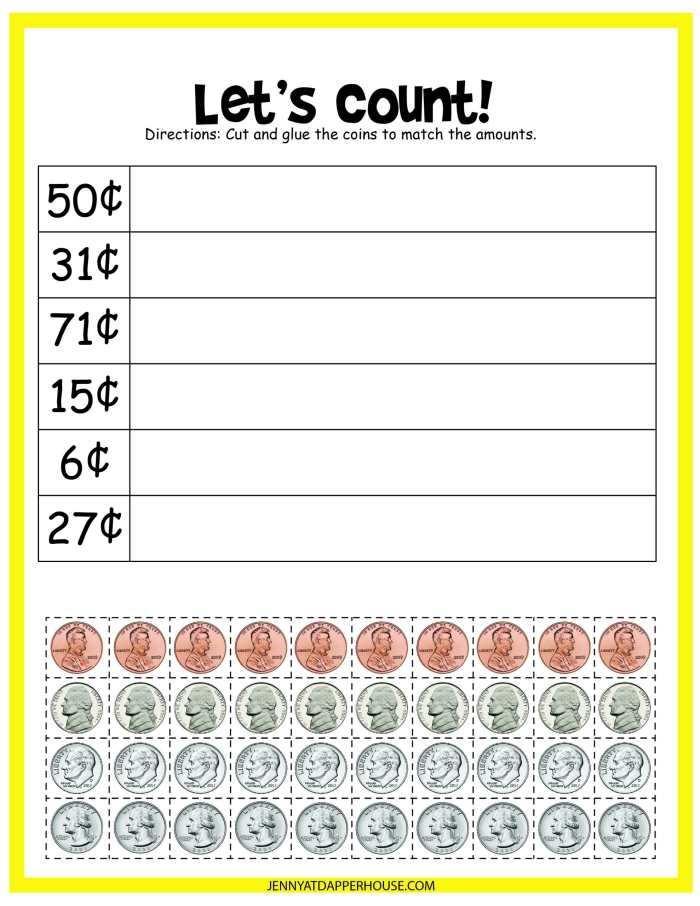
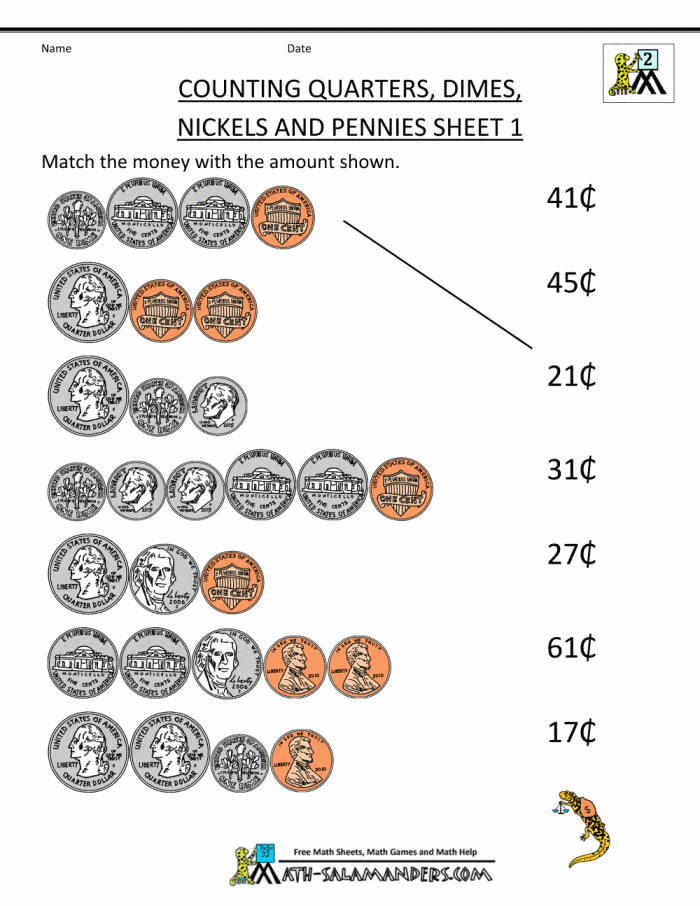
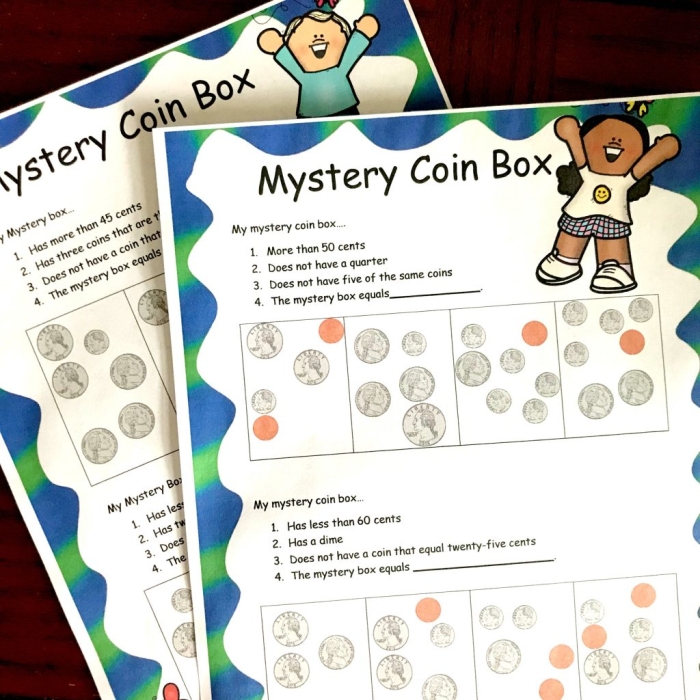
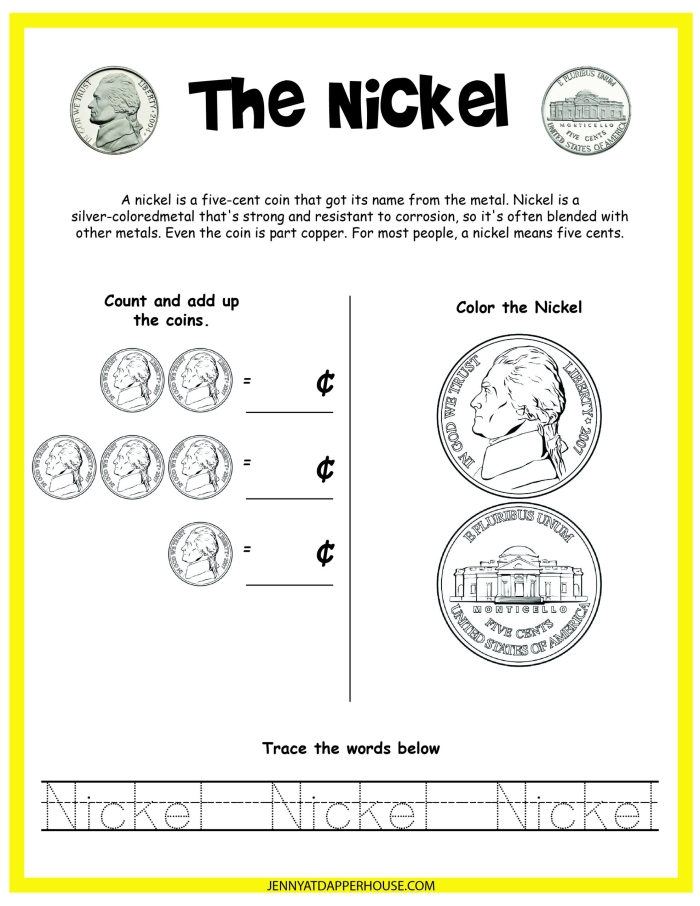
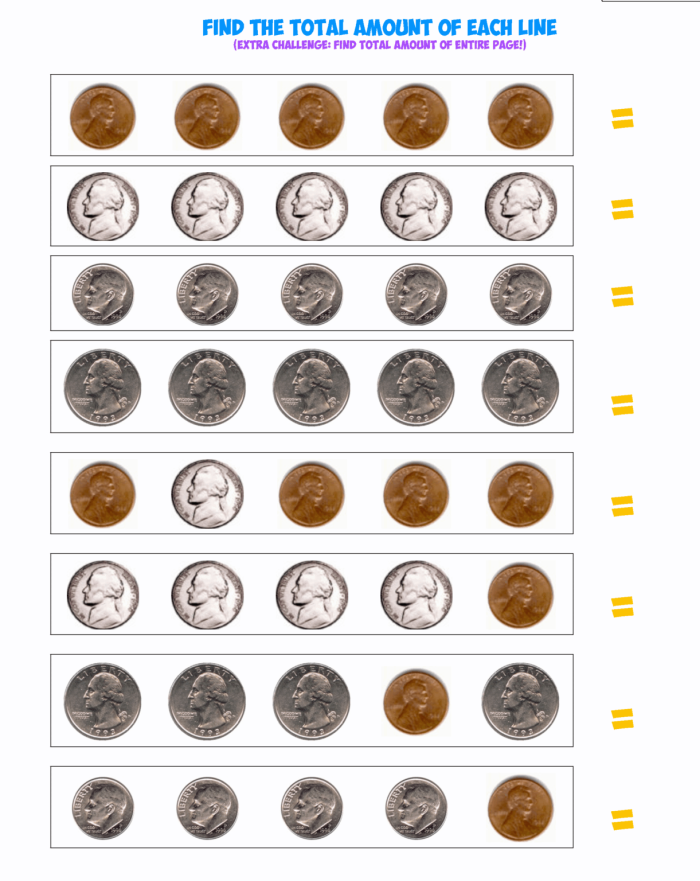
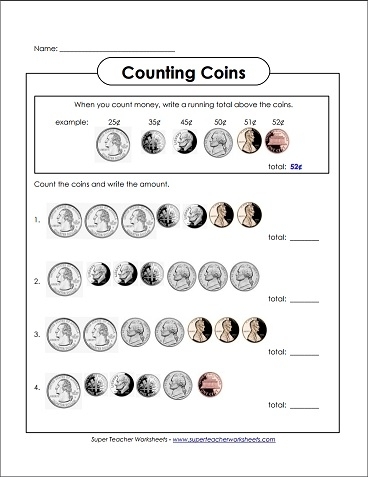
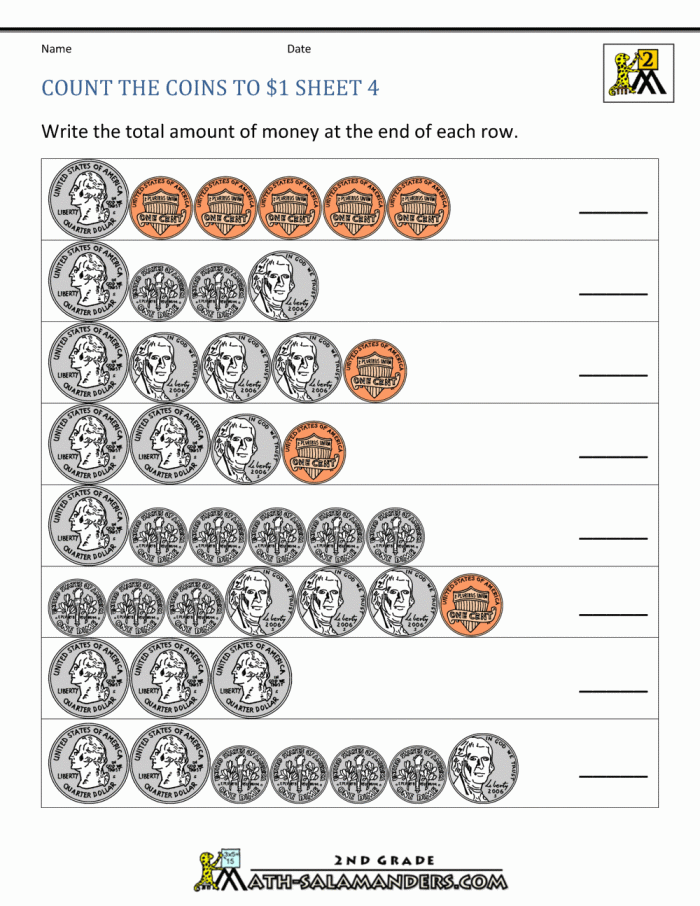
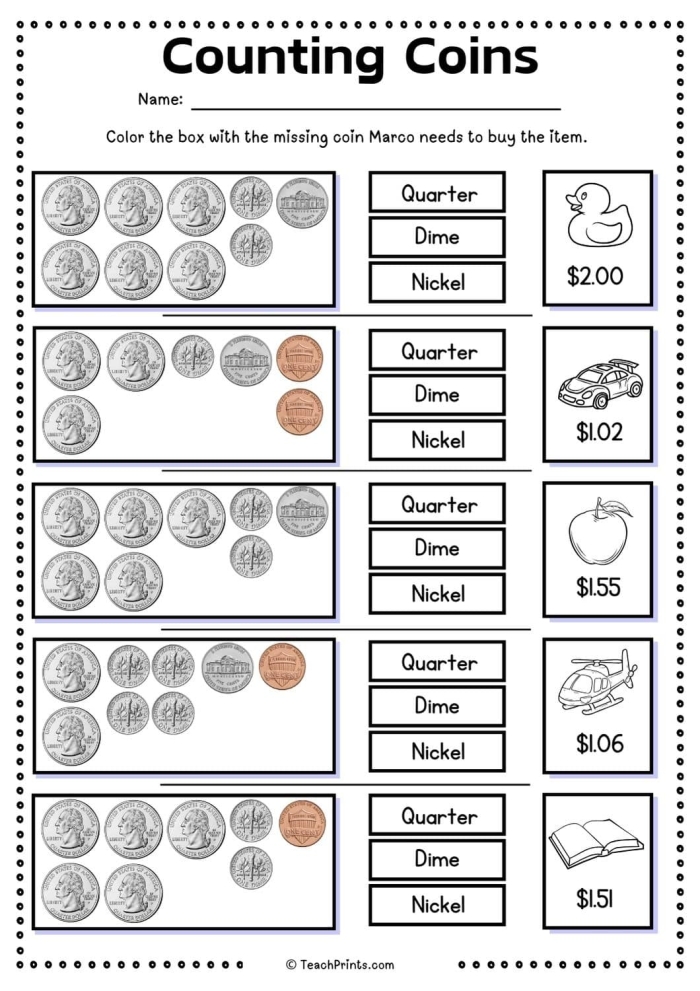
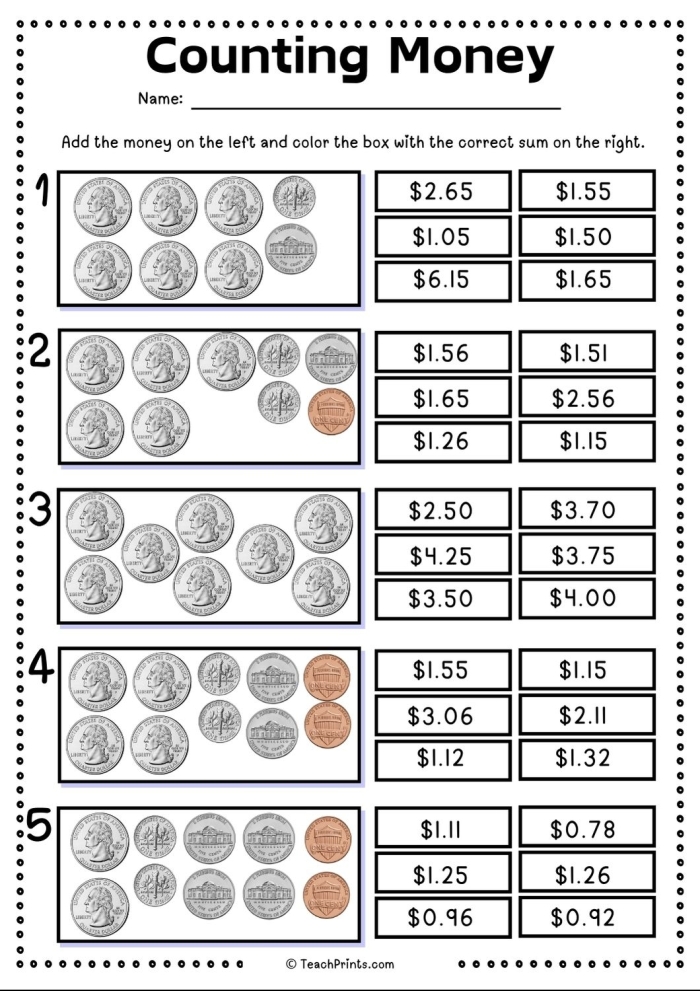
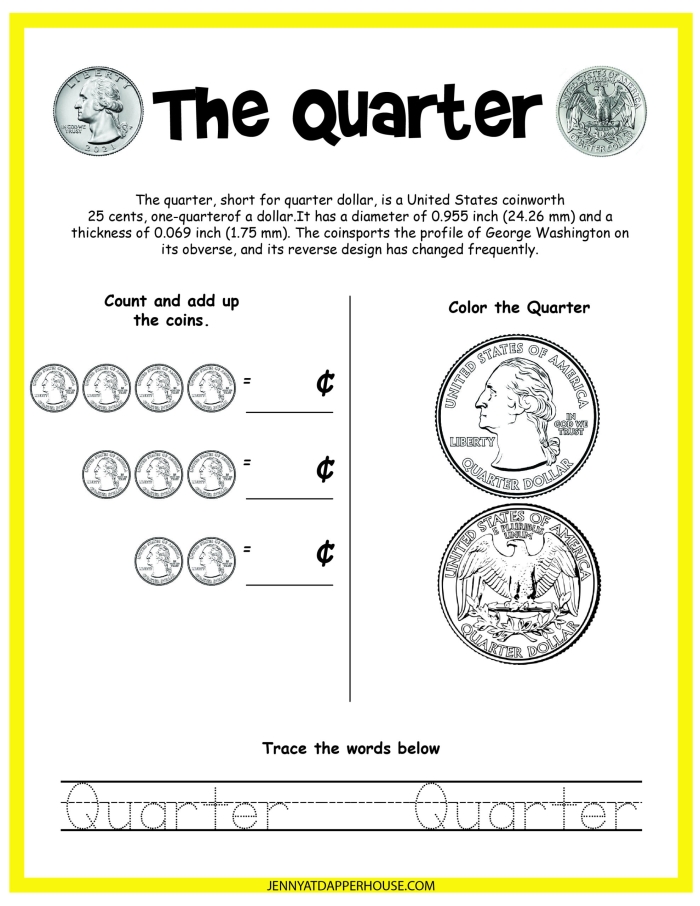
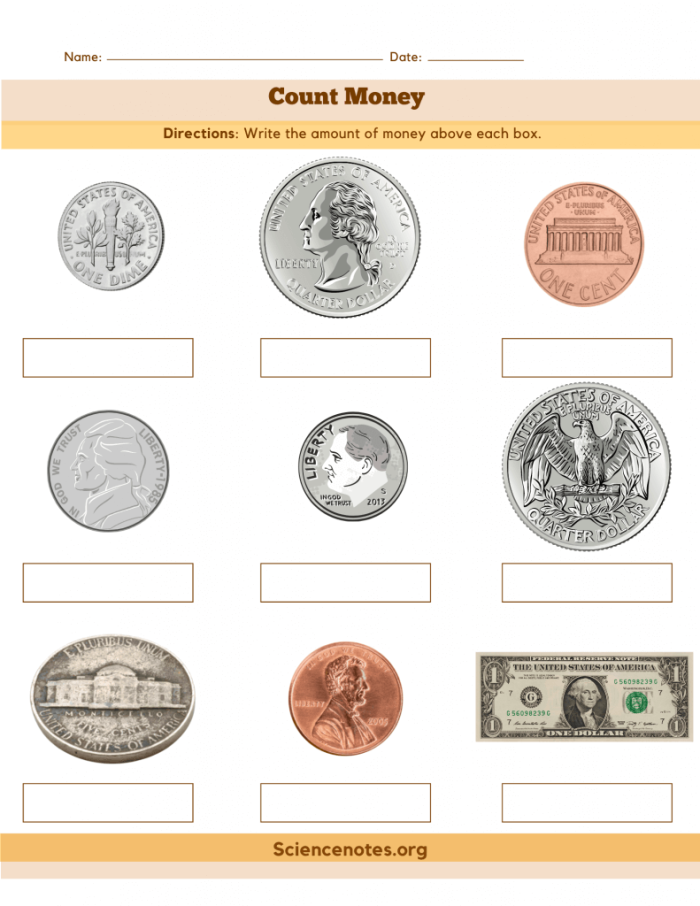
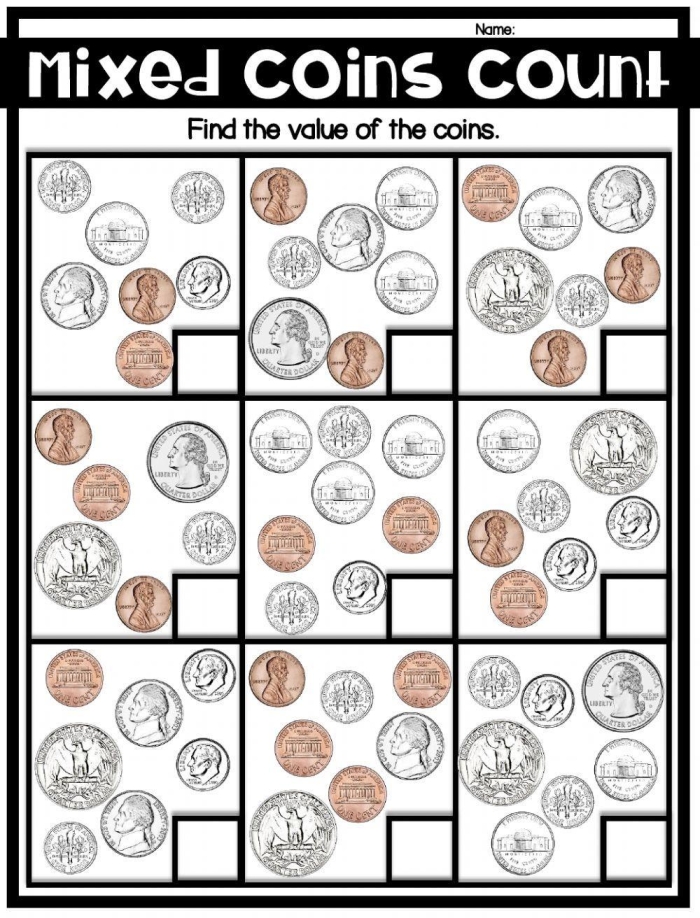
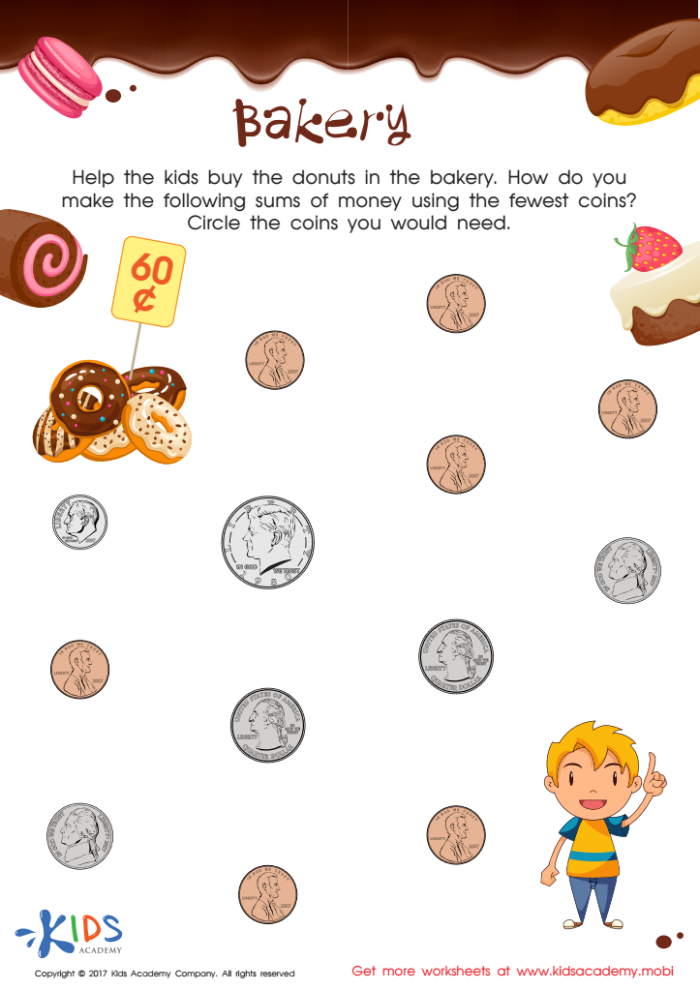
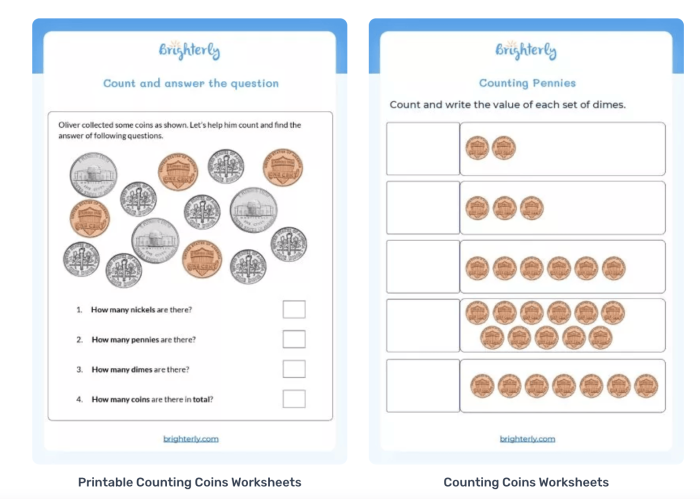
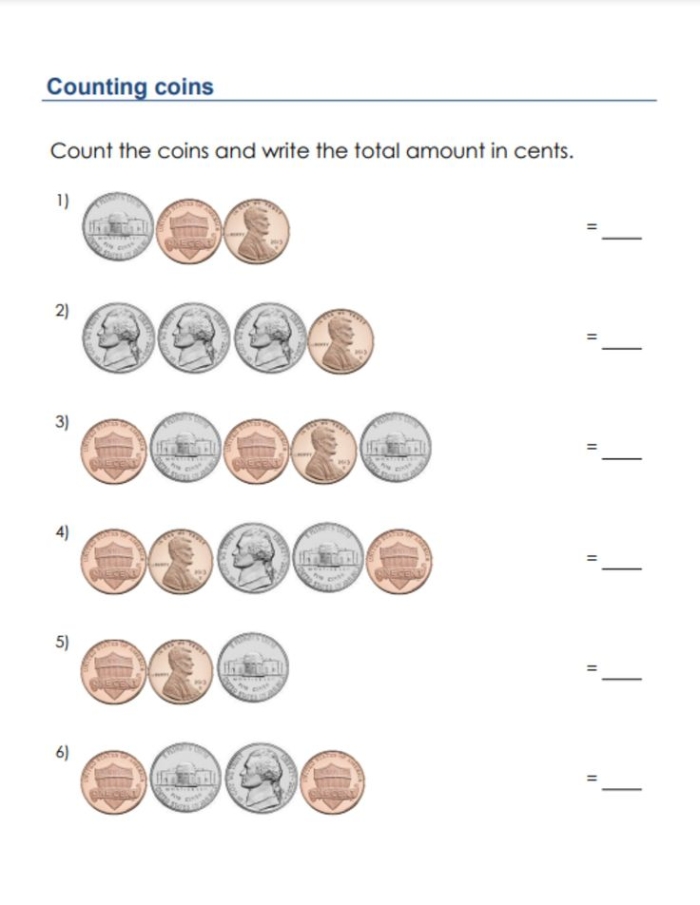
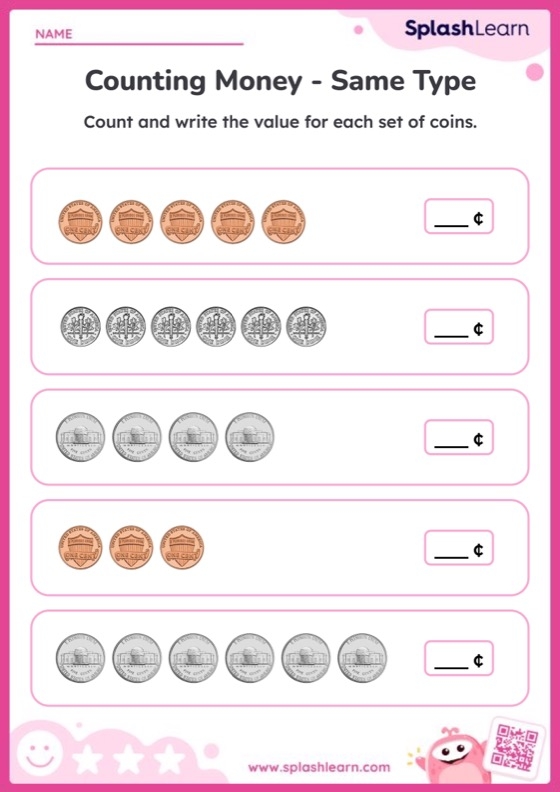
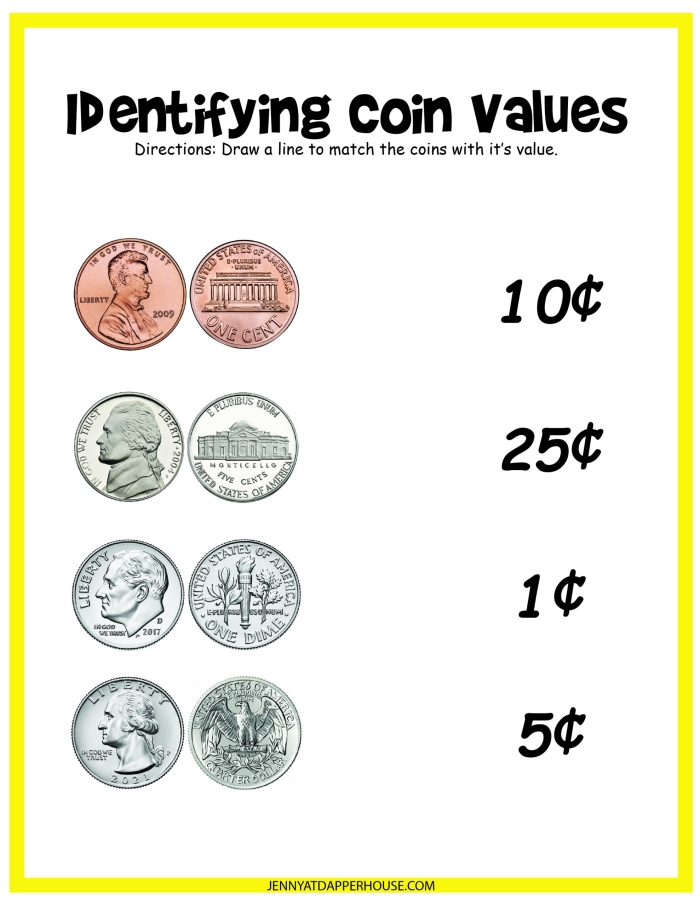
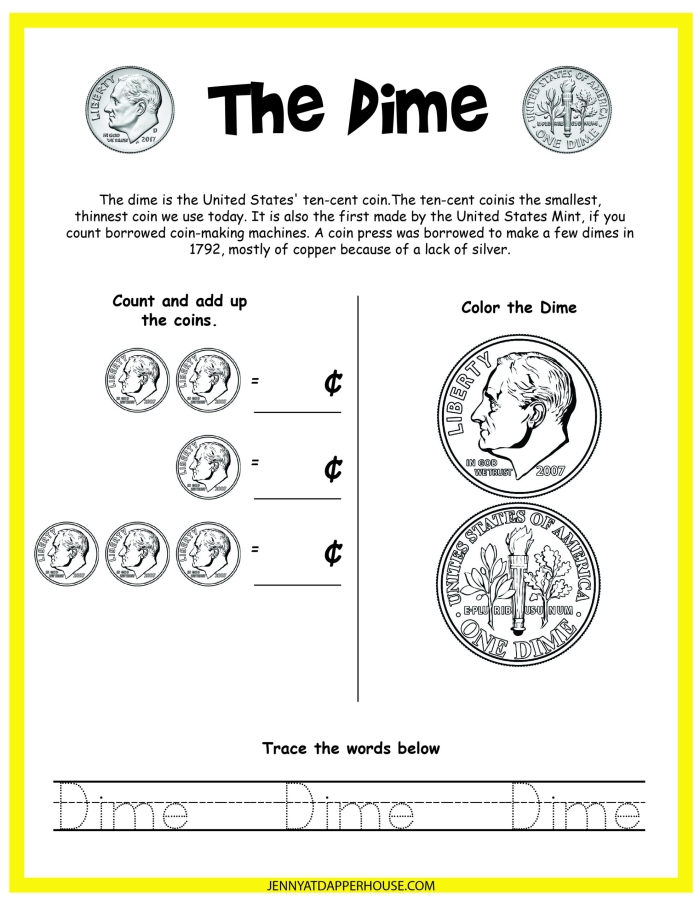
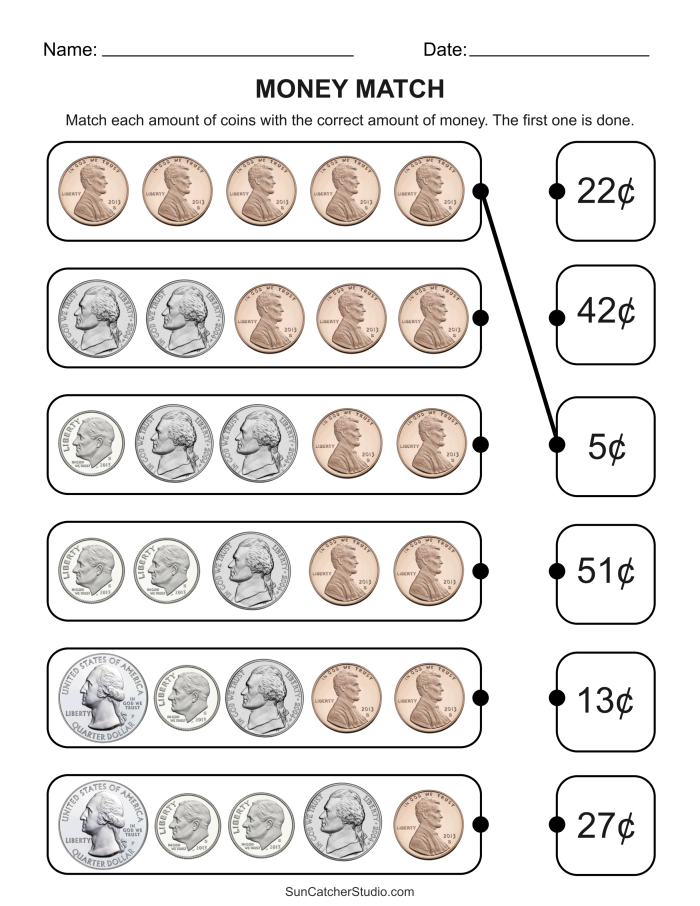
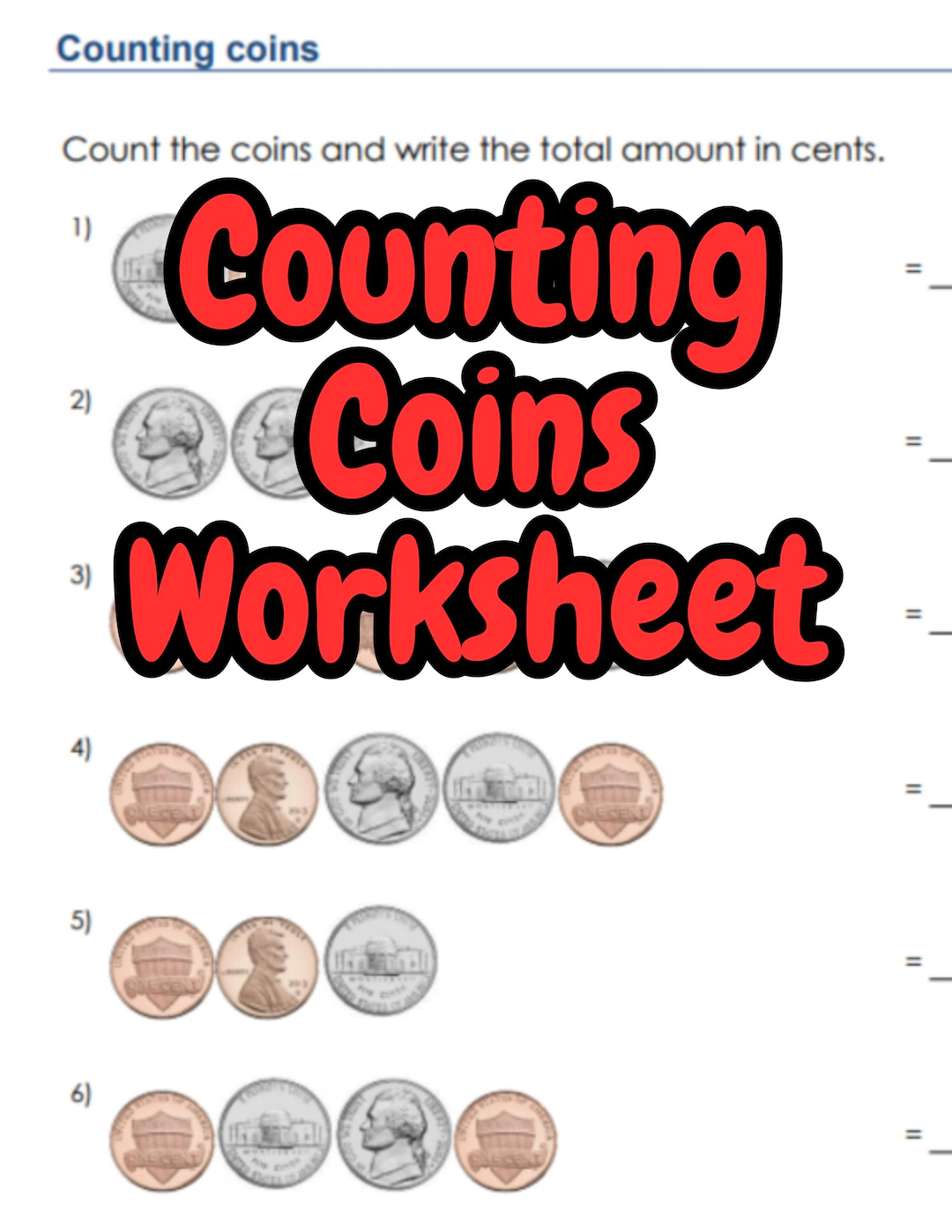
To supplement your counting practice, consider using printable counting coin practice worksheets. These worksheets can provide structured exercises to help your child gain confidence in their abilities. Mixing worksheets with hands-on practice keeps the learning experience fresh and engaging.
Lastly, make it a routine. Incorporate coin counting into your daily life—perhaps during a trip to the store or while playing with toy money. With consistent practice, your first grader will not only become proficient at counting coins but will also develop a practical understanding of money management that will serve them well in the future.
Practice with These Worksheets