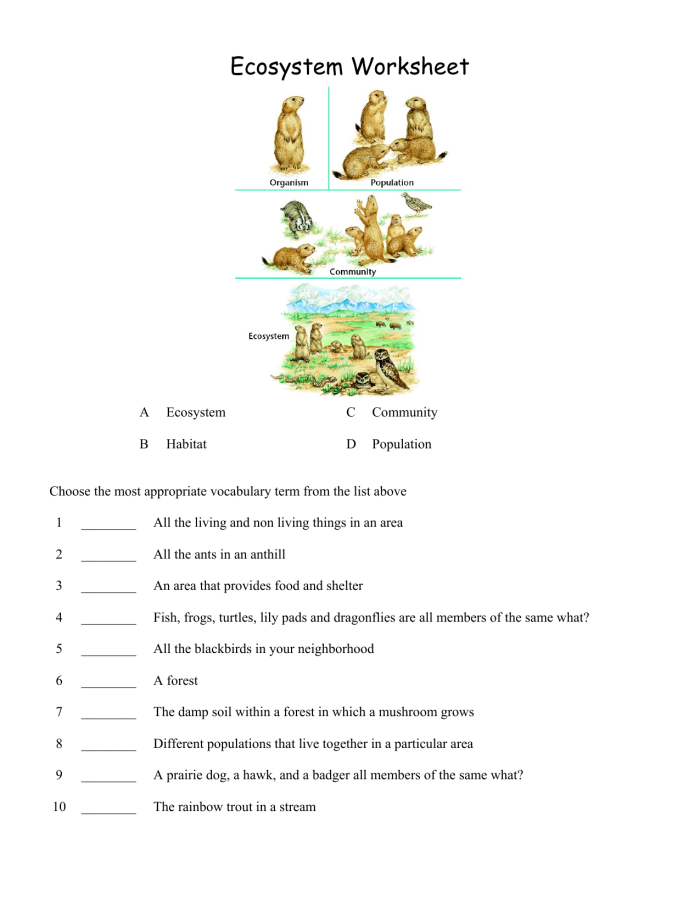
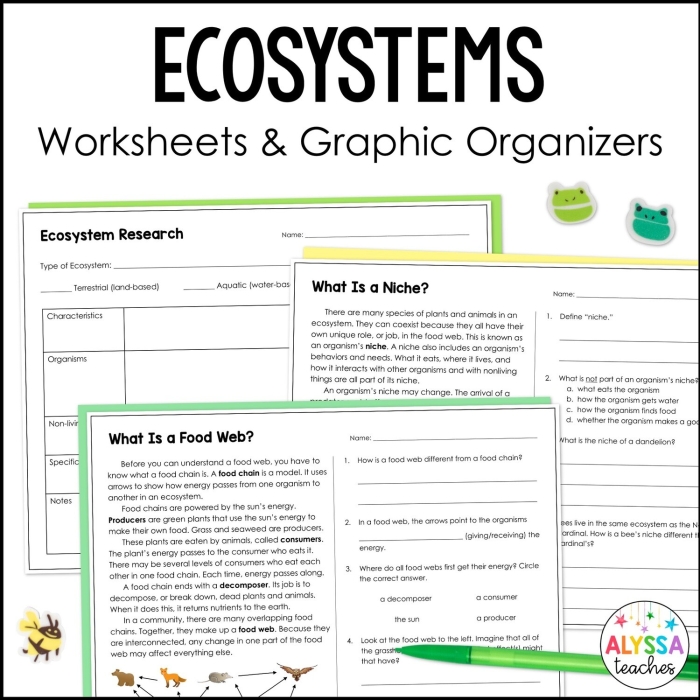
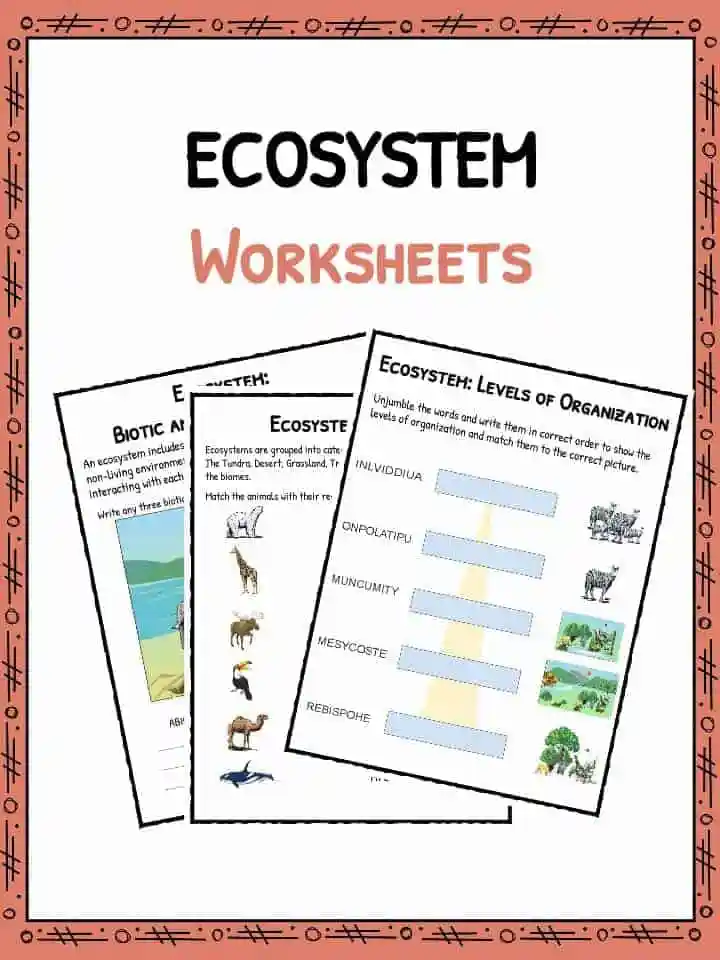
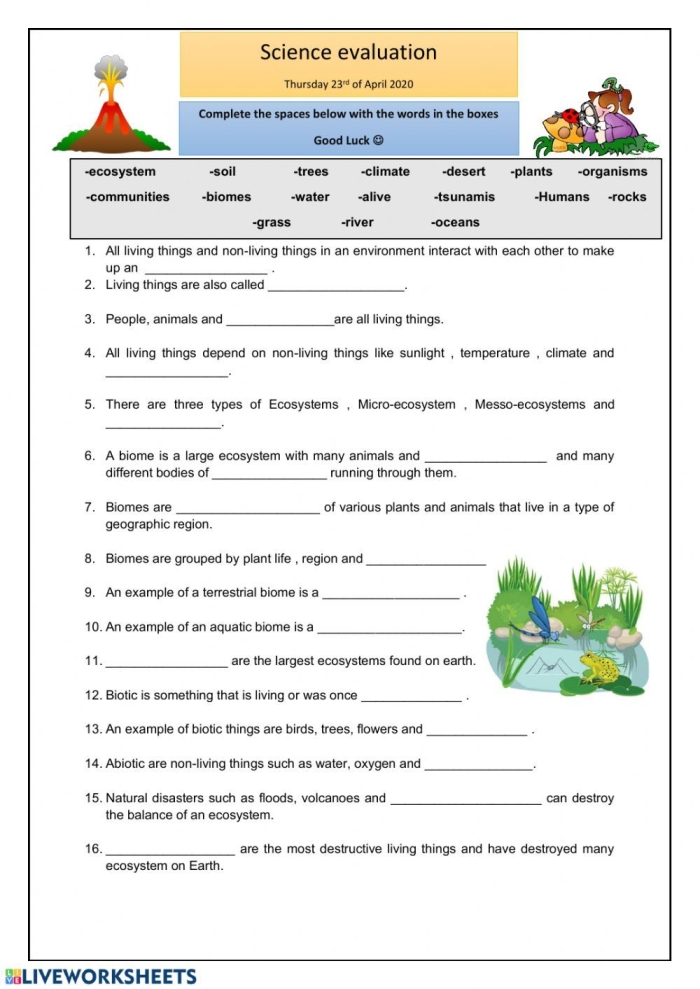
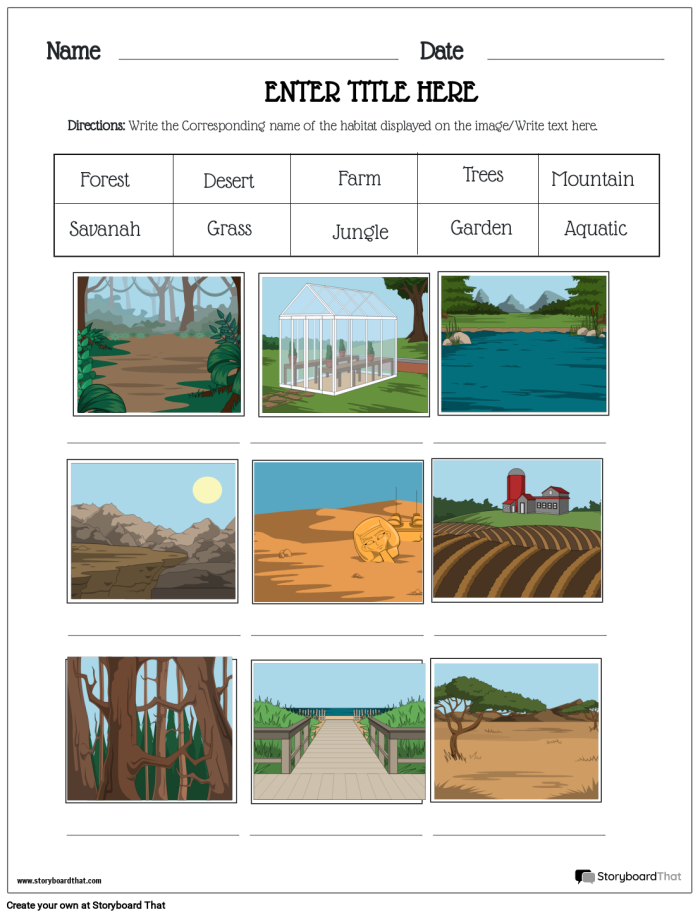
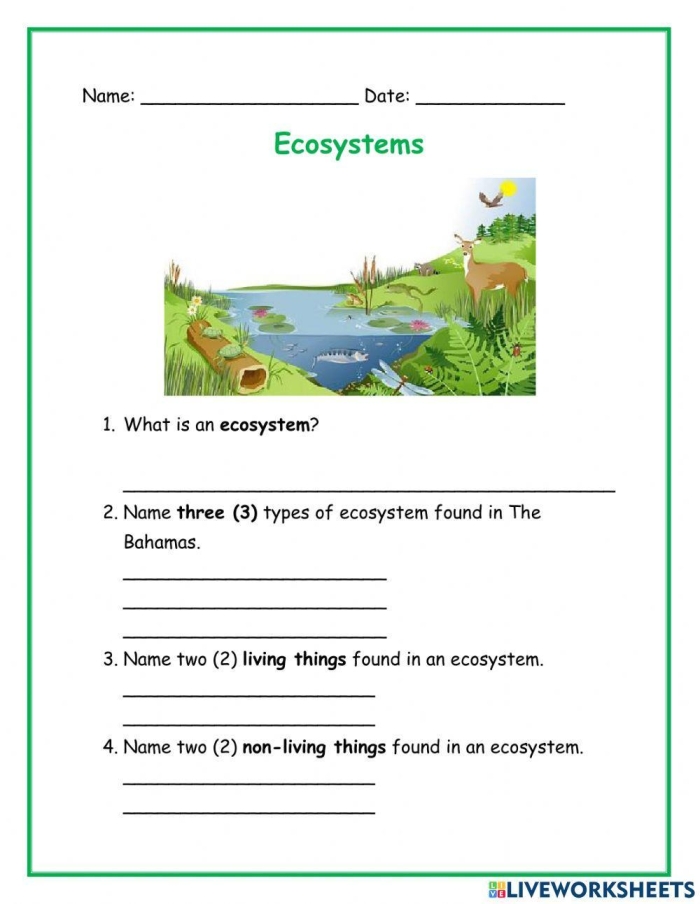
When sixth grade students choose their own ecosystem to research, something shifts in how they approach the assignment. Instead of passively reading about biomes, they become investigators uncovering the specific relationships between organisms, climate, and geography that make their chosen environment unique. This hands-on approach transforms a standard life science worksheet into a genuine exploration of how ecosystems function.
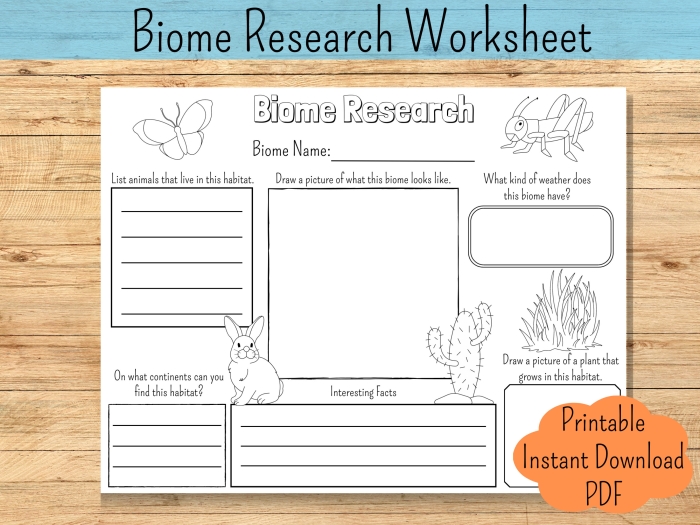
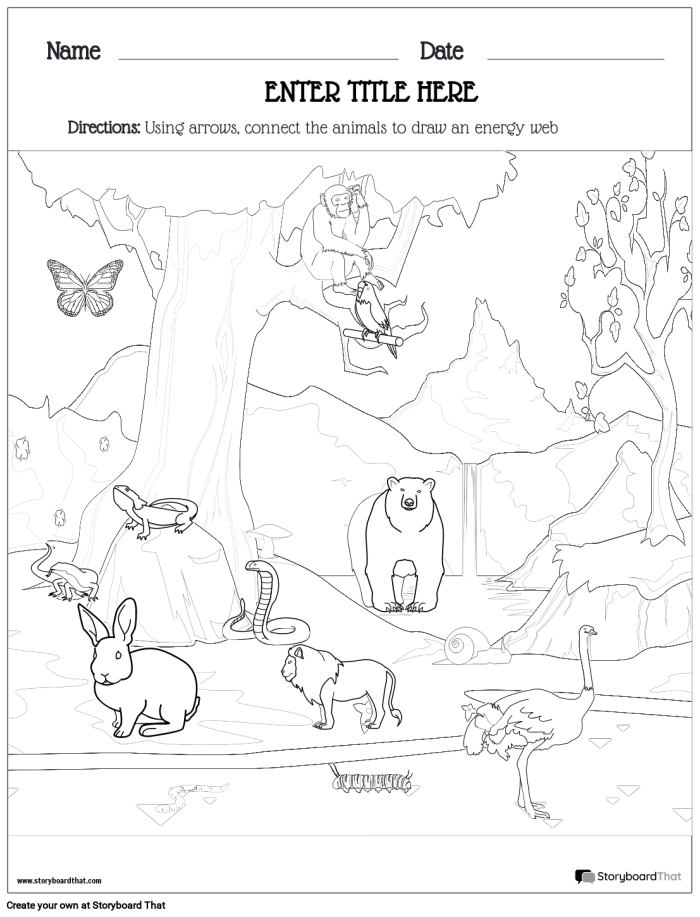
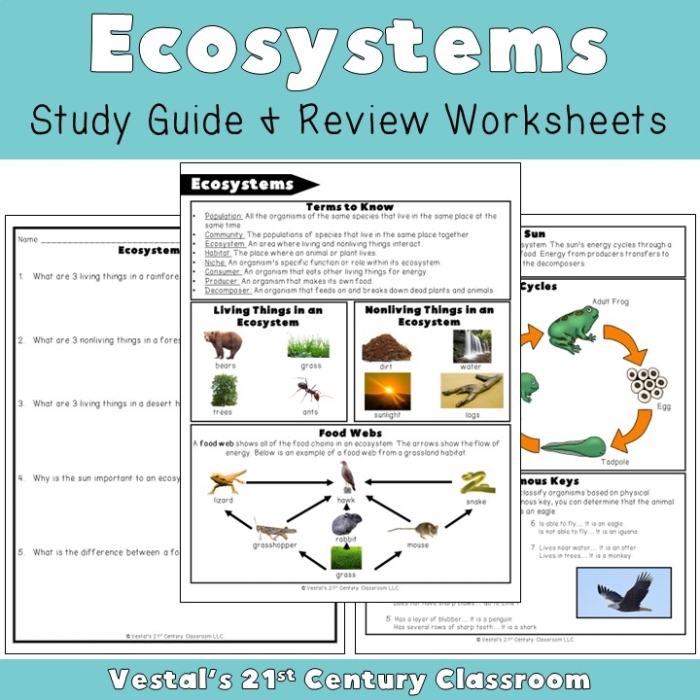
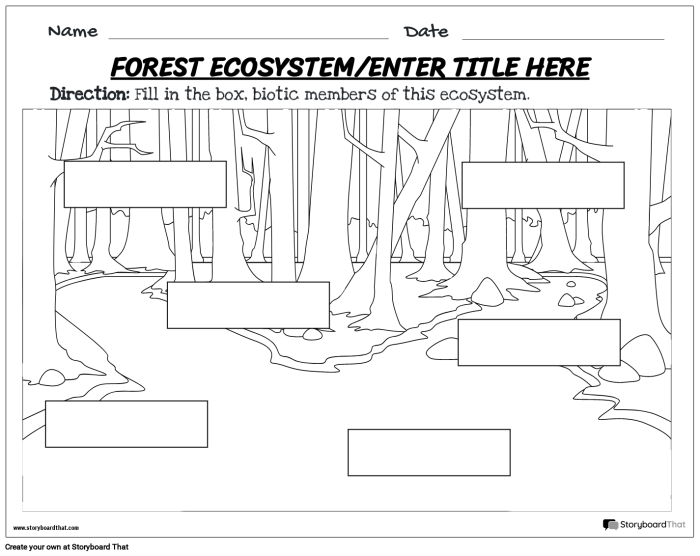
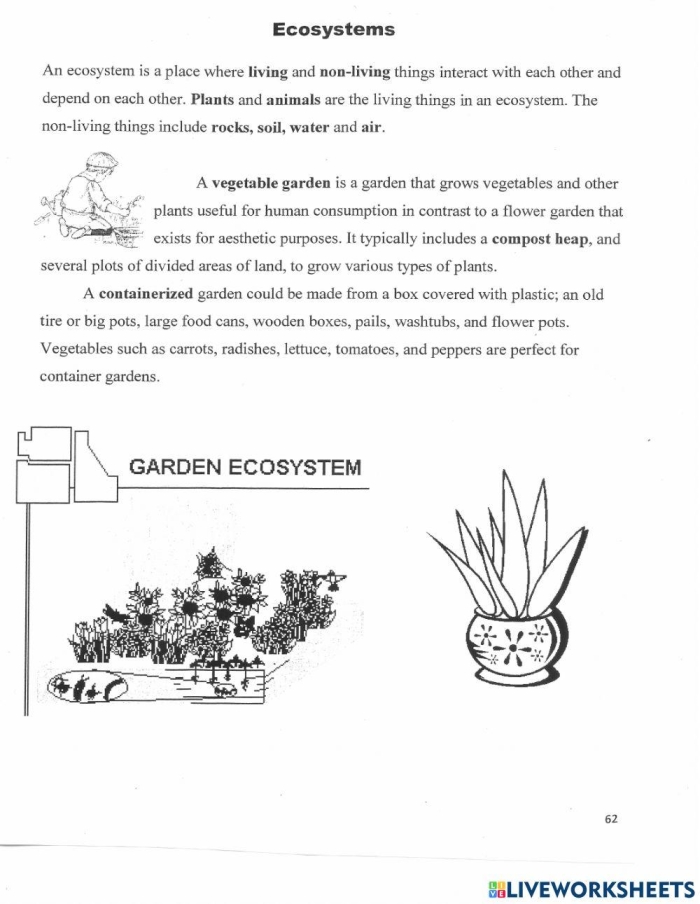
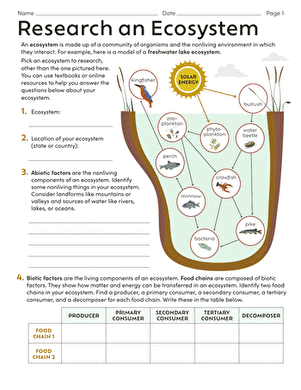
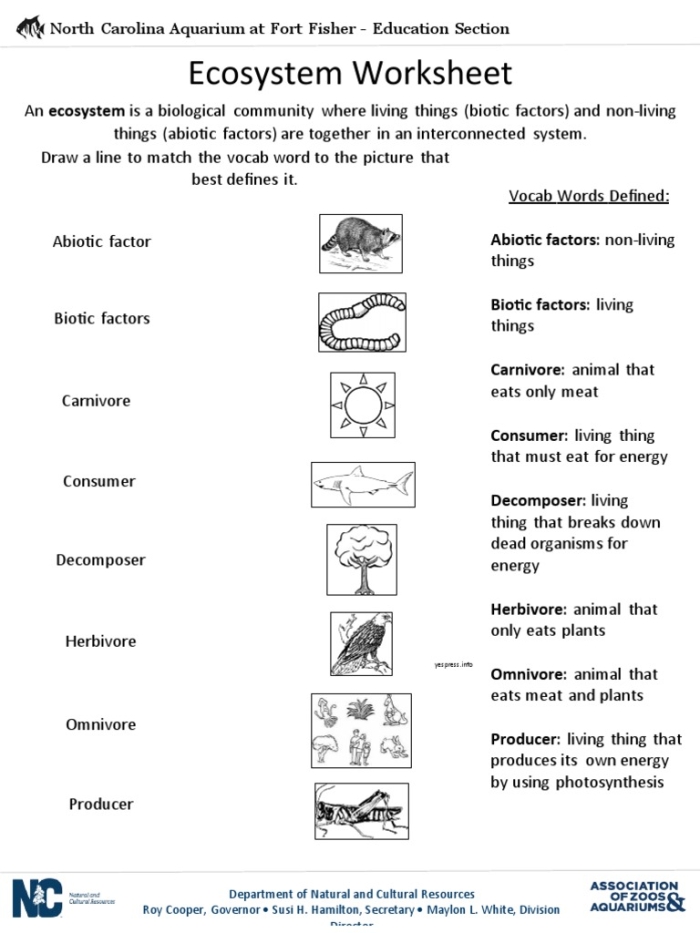
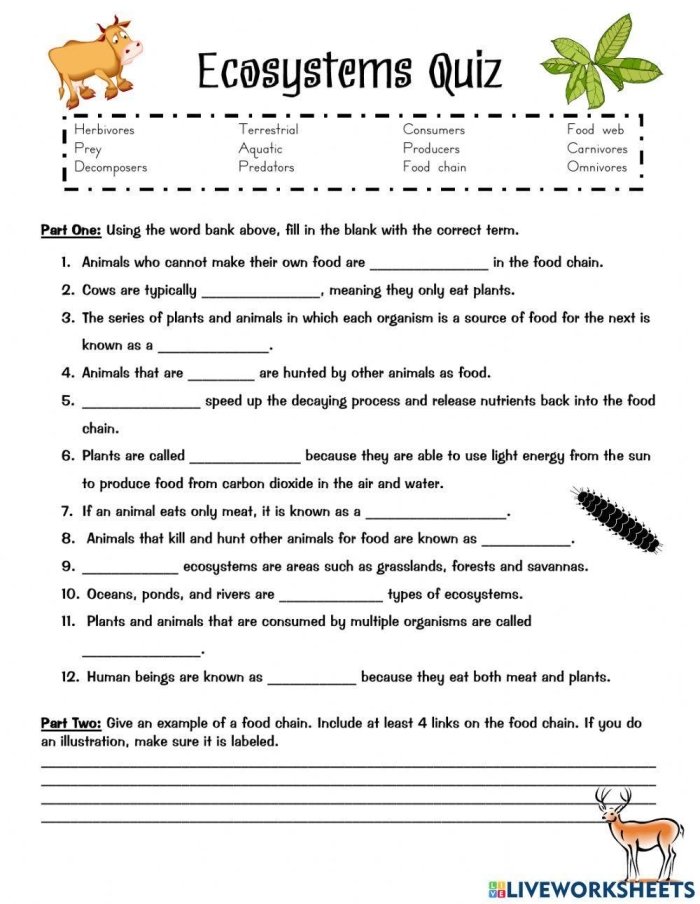
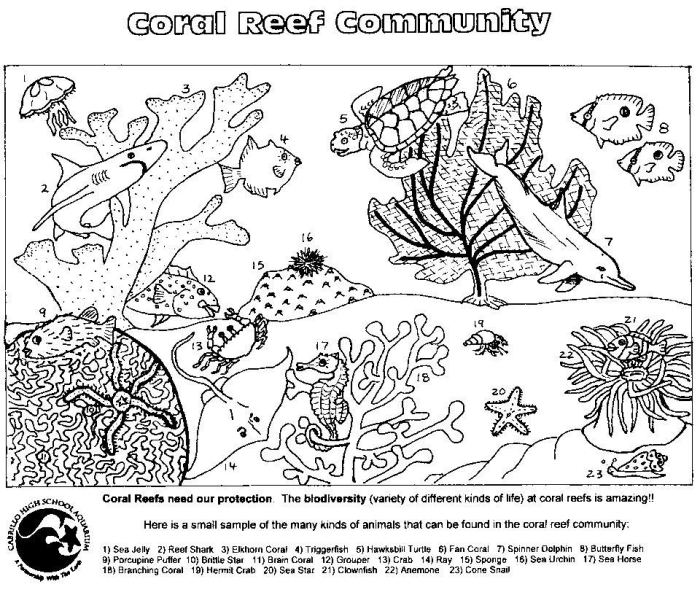
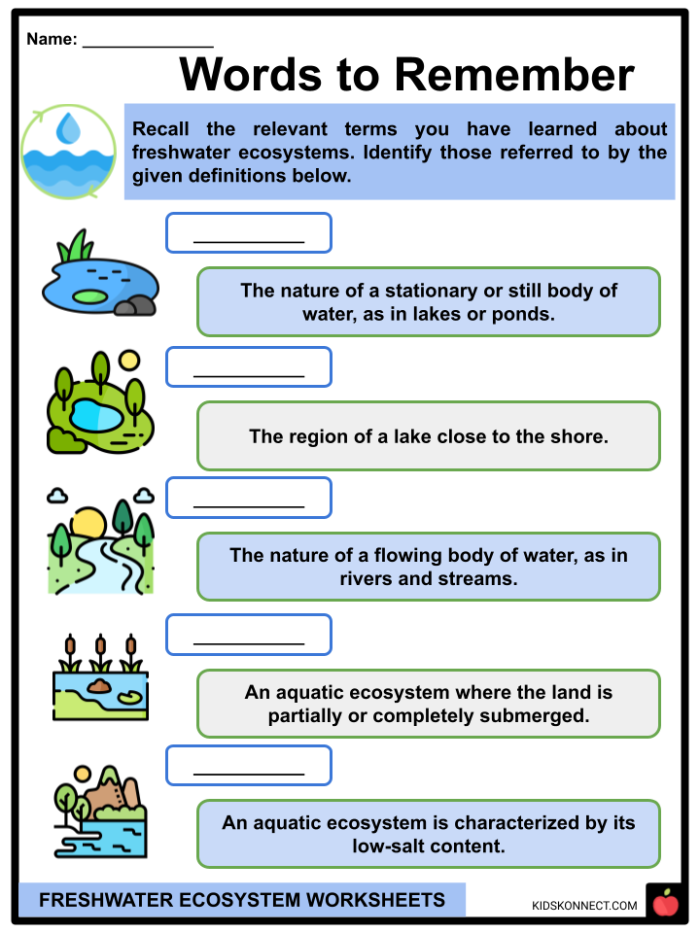
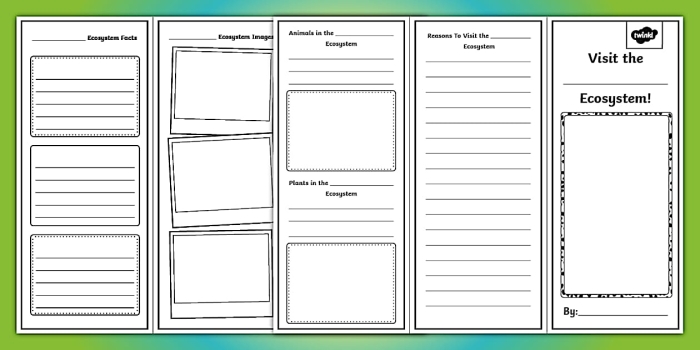
The research phase requires students to gather real information about their selected ecosystem, whether that’s a coral reef, temperate forest, desert, or freshwater pond. They need to identify the key species, understand food chains, and examine how energy flows through the environment. This process naturally builds research skills and deepens ecological literacy. Creating an ecosystem model afterward gives students a concrete way to demonstrate what they’ve learned. Some students build three-dimensional representations using recycled materials, while others create detailed diagrams or digital presentations showing the relationships between different organisms.
What makes this assignment particularly effective is how it connects to broader learning goals. While working through the research and model-building process, students practice organizing information, identifying patterns, and communicating findings—skills that extend far beyond life science. The project also pairs well with other sixth grade subjects. Students might incorporate variable expressions to model word problems when calculating population dynamics, or use data and graphing skills to represent ecosystem statistics.
The beauty of letting students choose their own ecosystem lies in the ownership it creates. A student fascinated by ocean life will invest differently in researching a kelp forest than if assigned a generic biome. That personal connection makes the learning stick longer and makes the final model something students actually care about completing well.
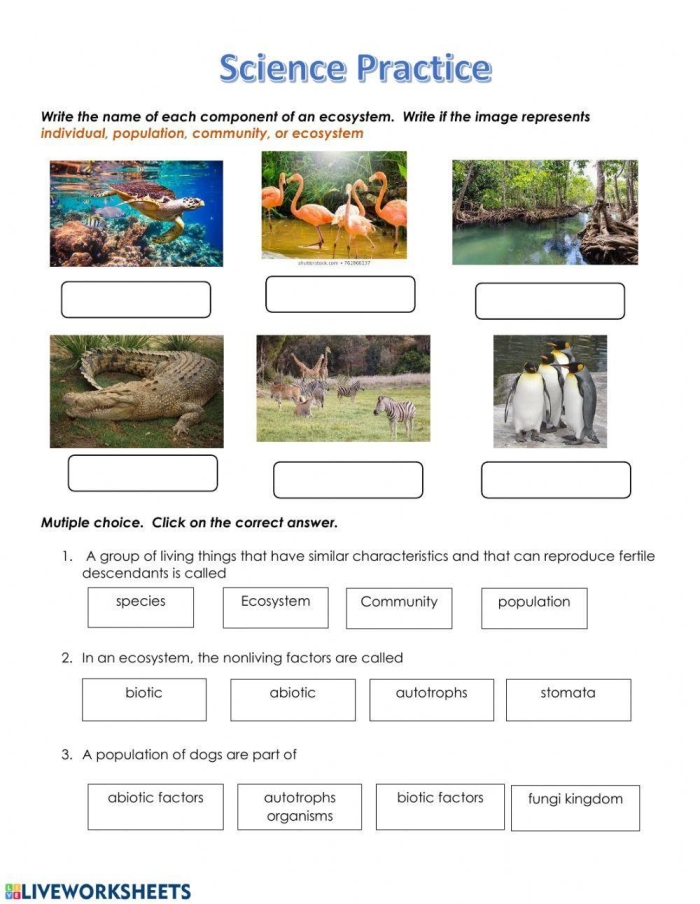
Worksheet Practice Section