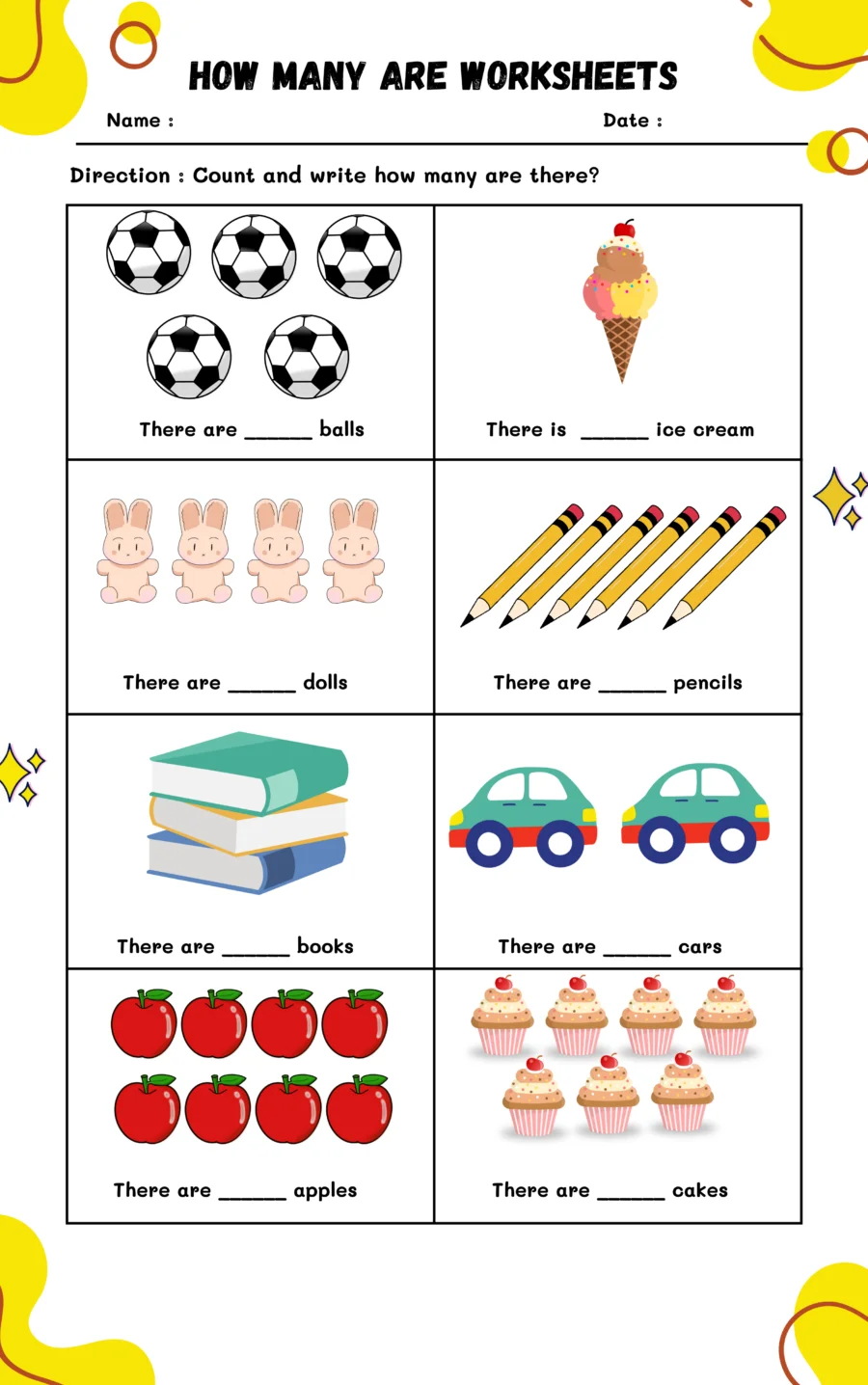
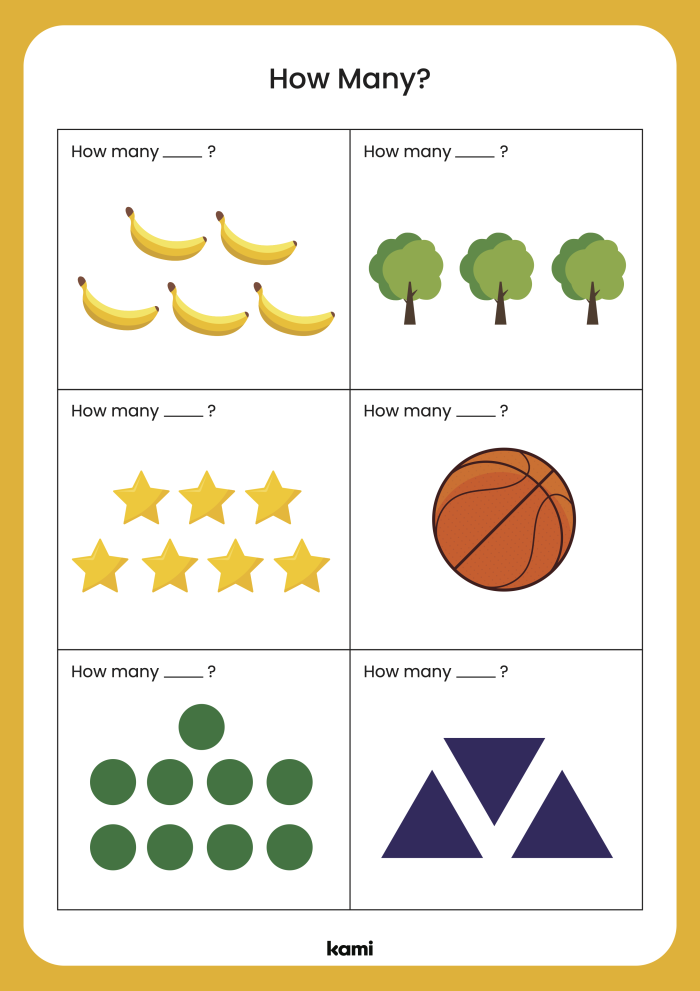
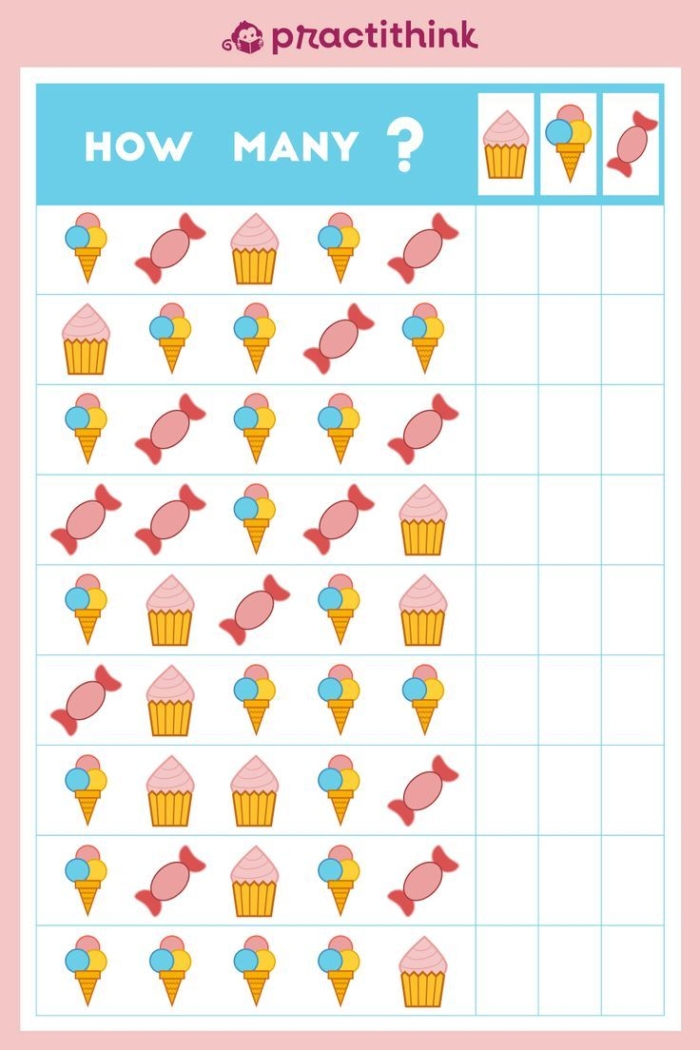
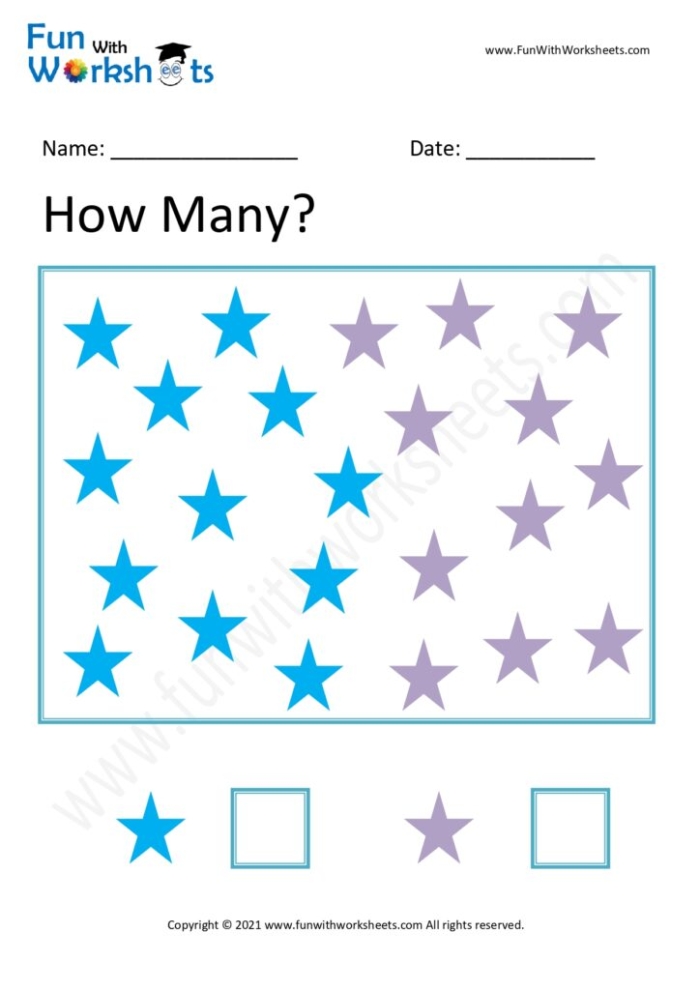
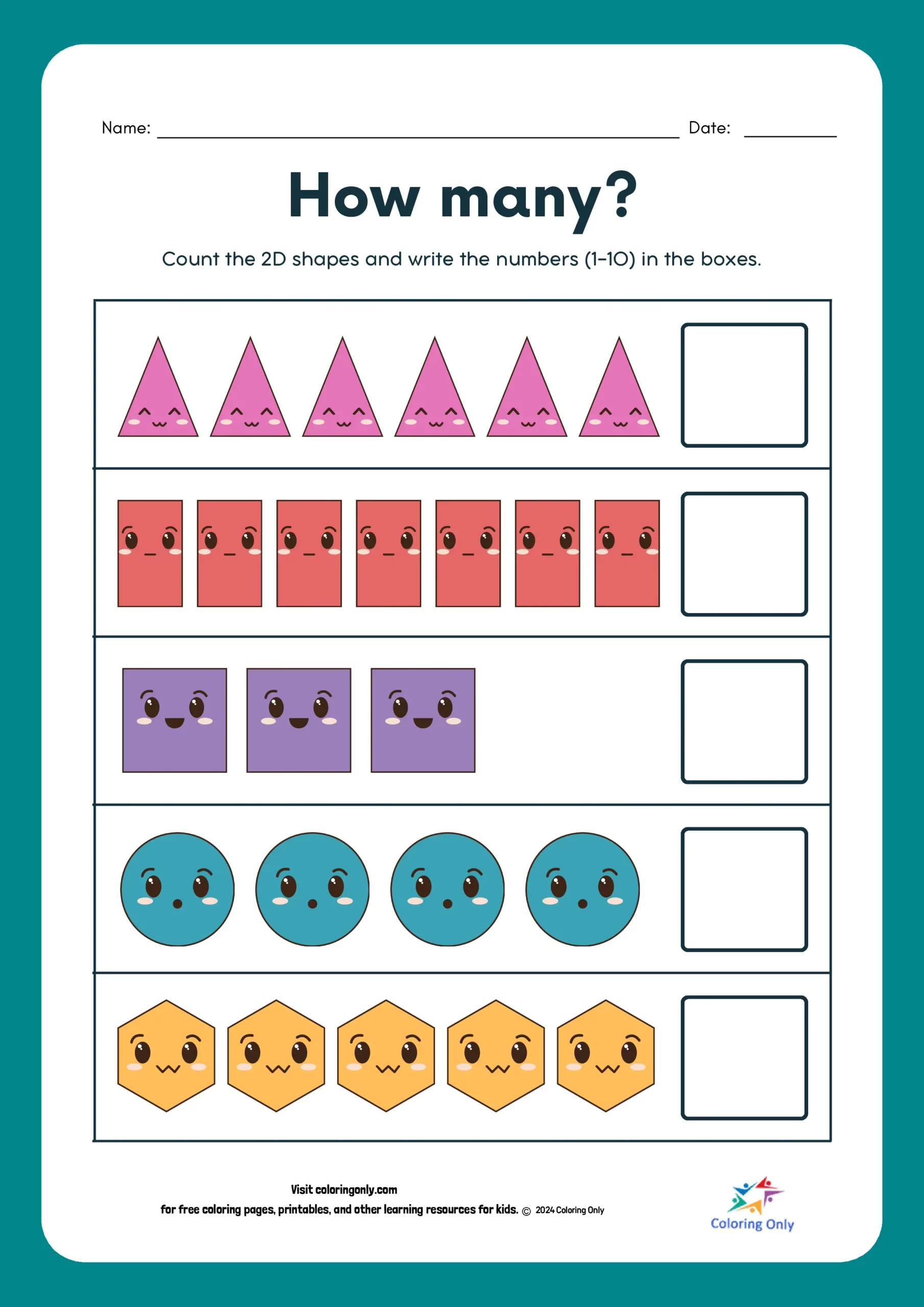
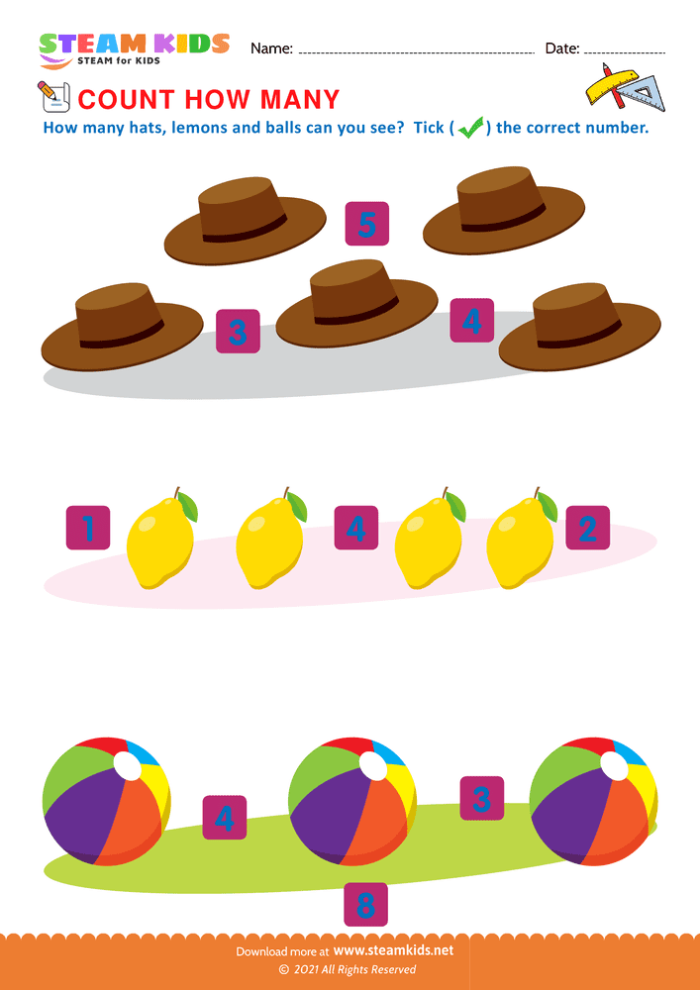
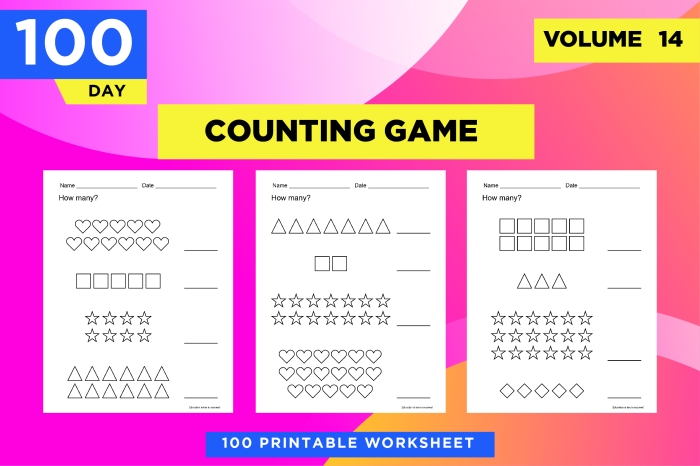
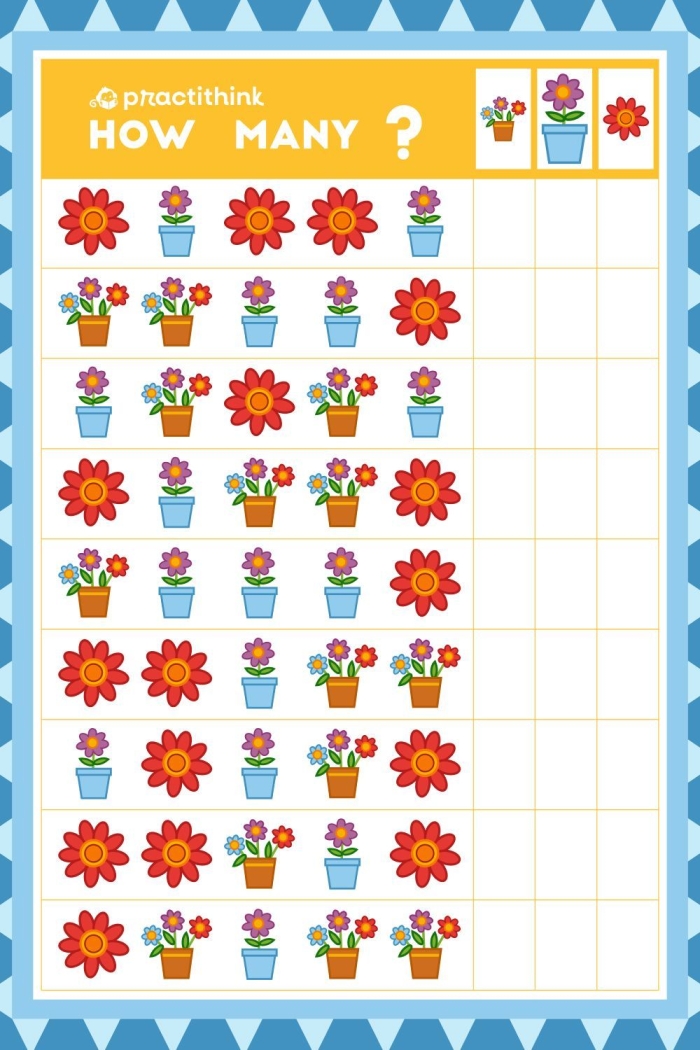
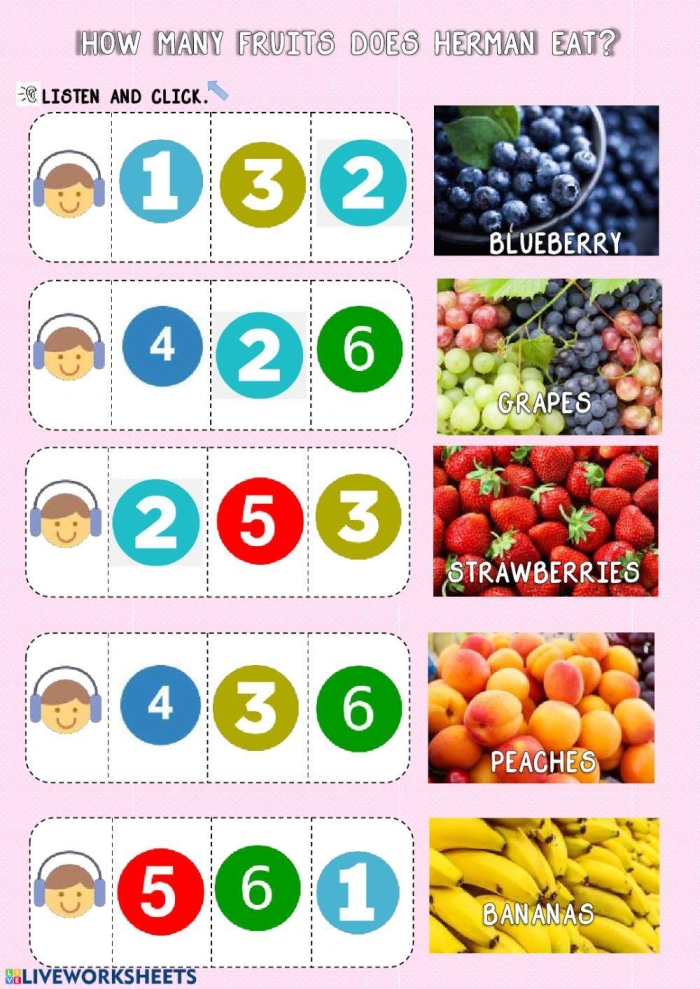
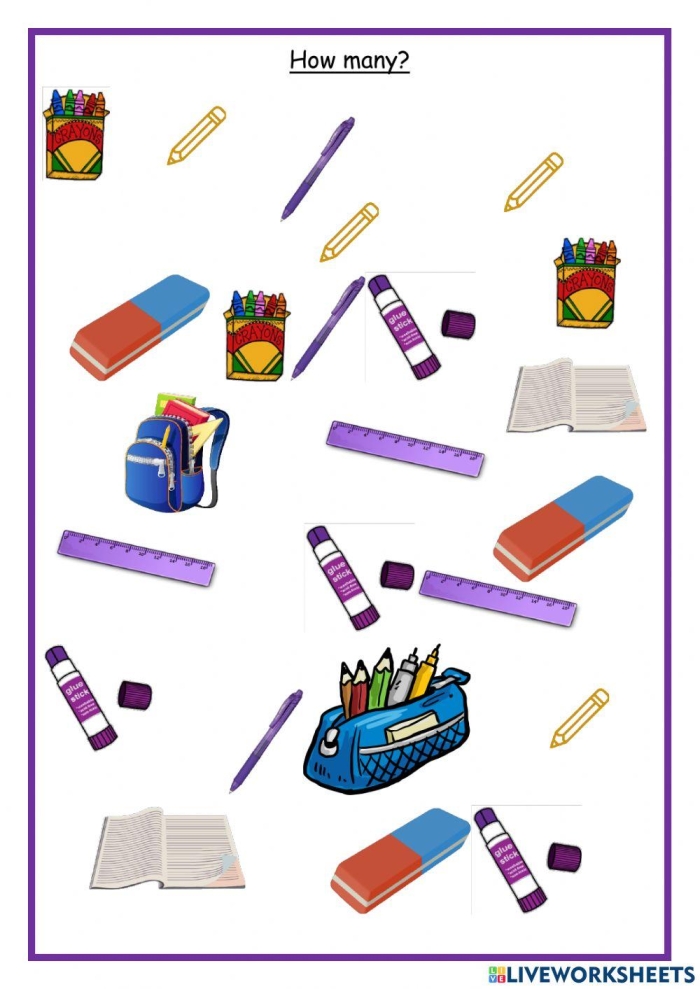
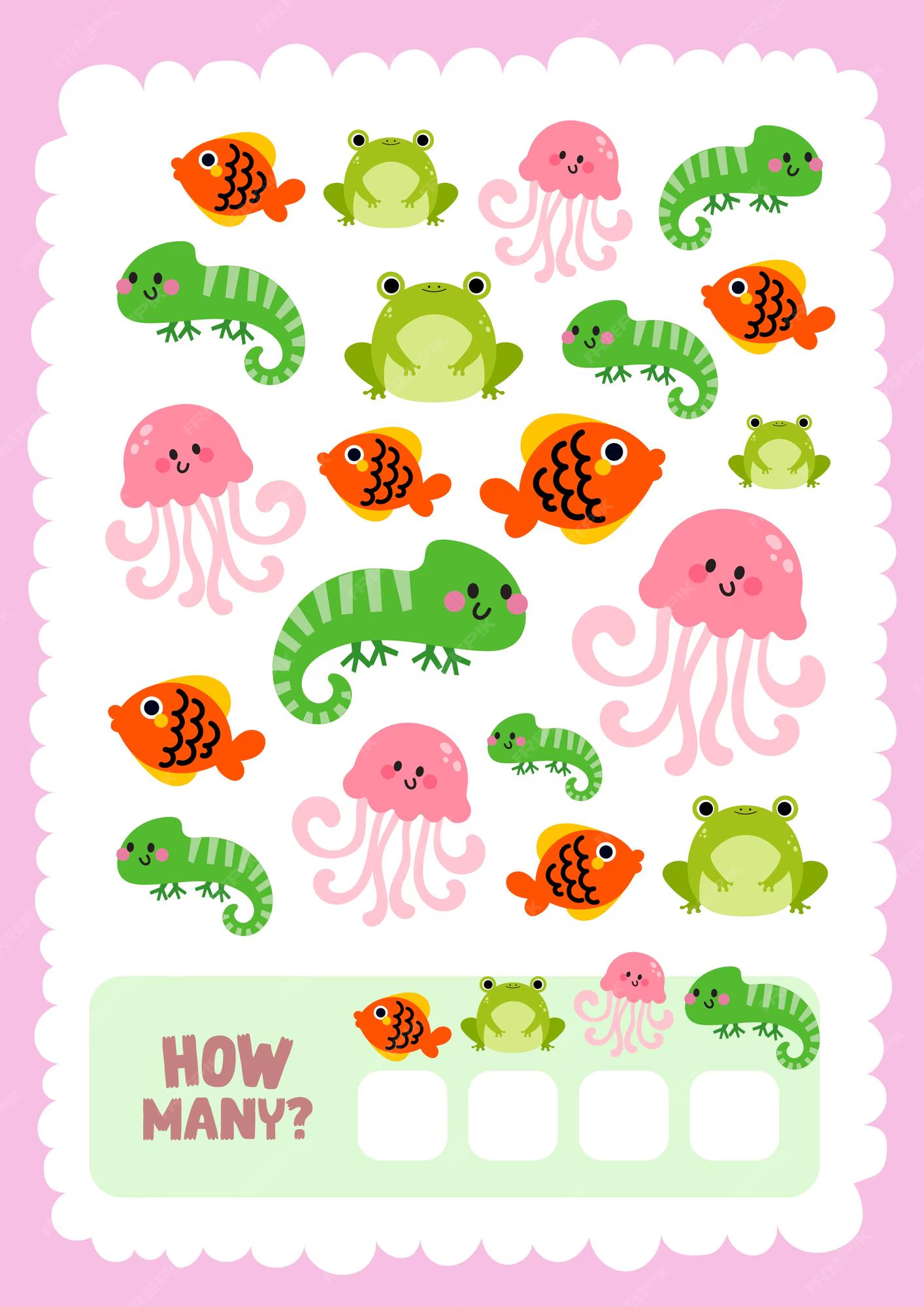
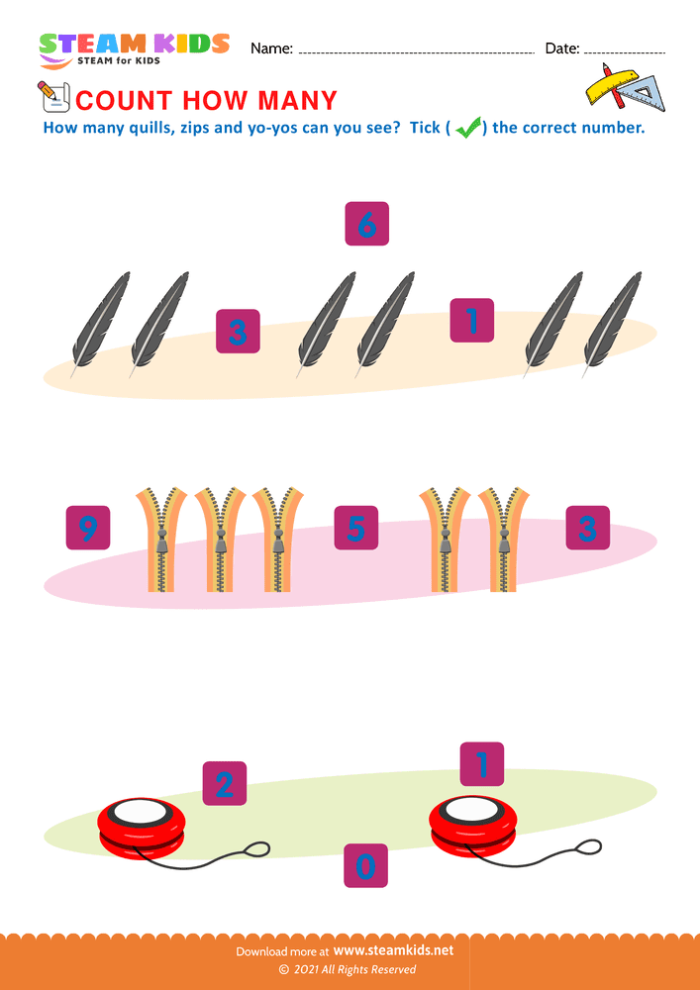
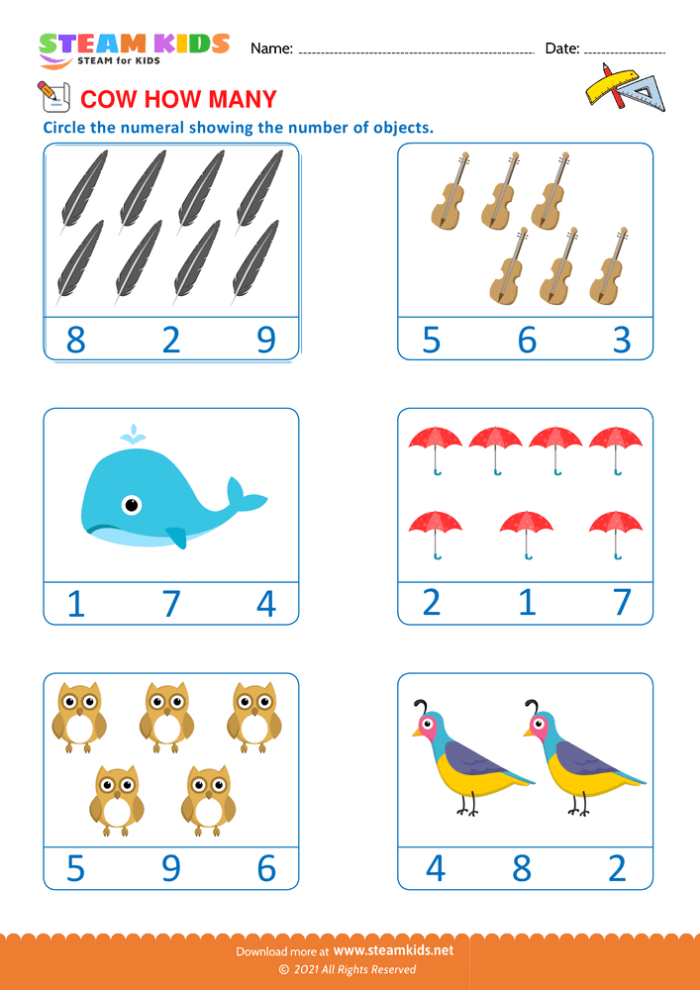
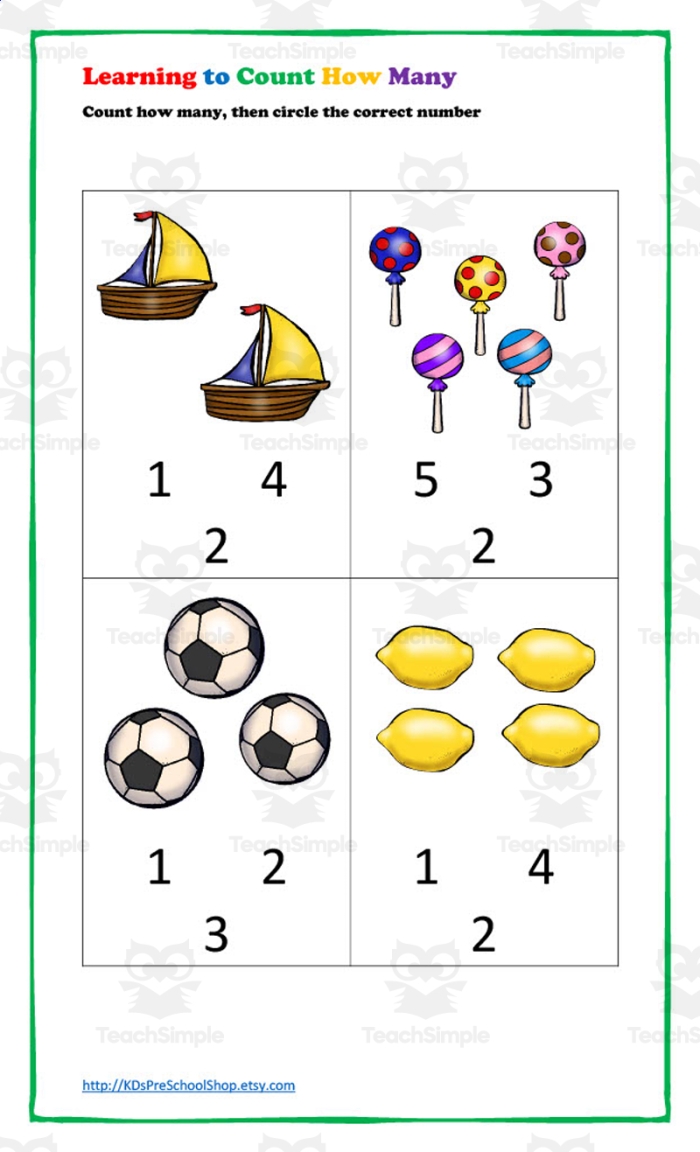
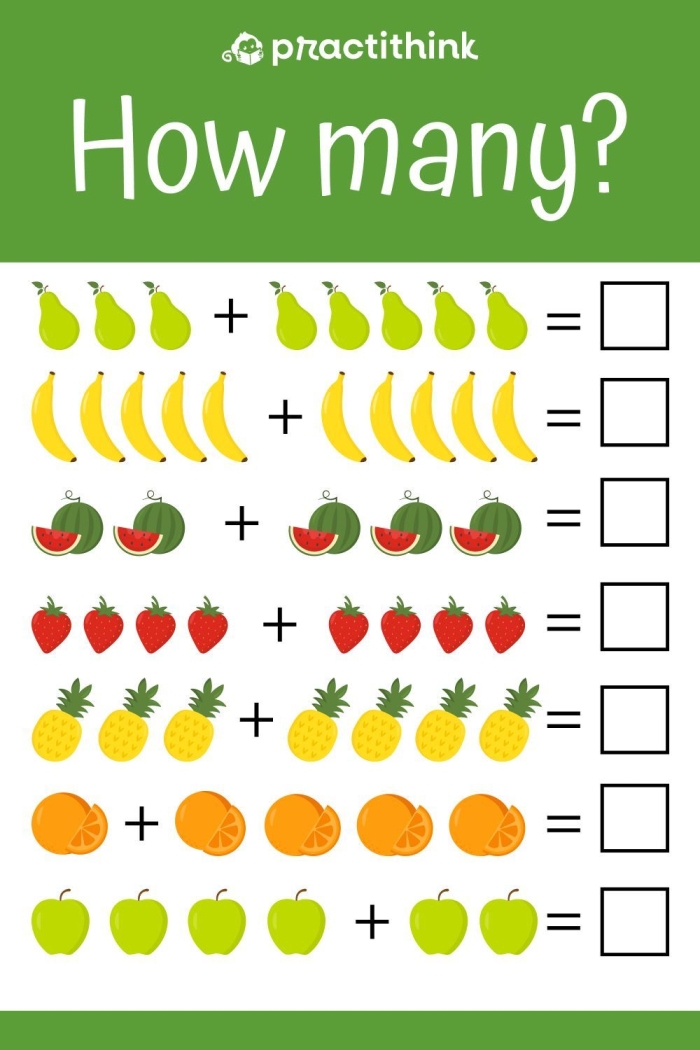
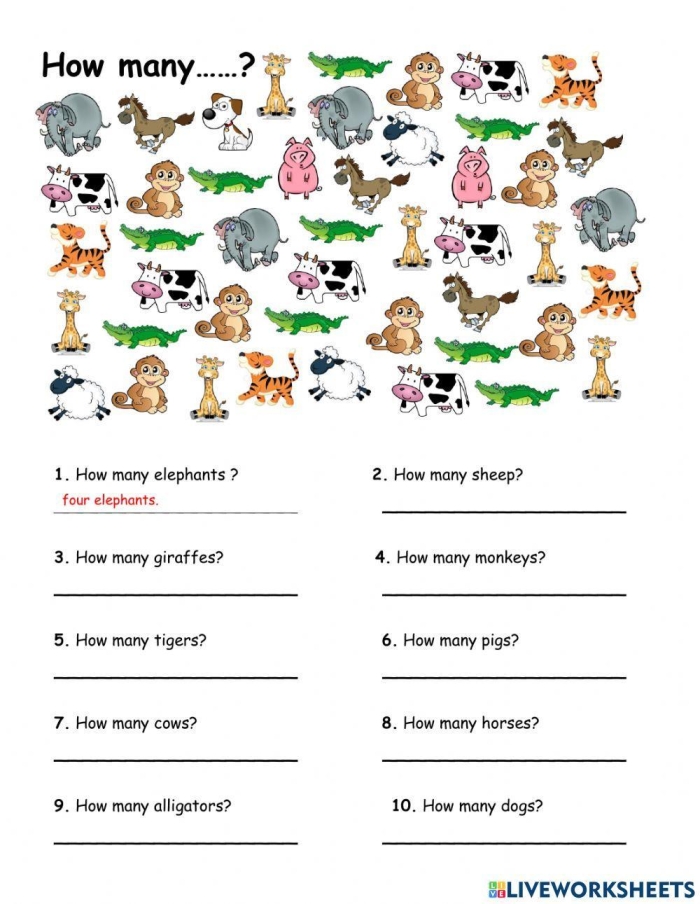
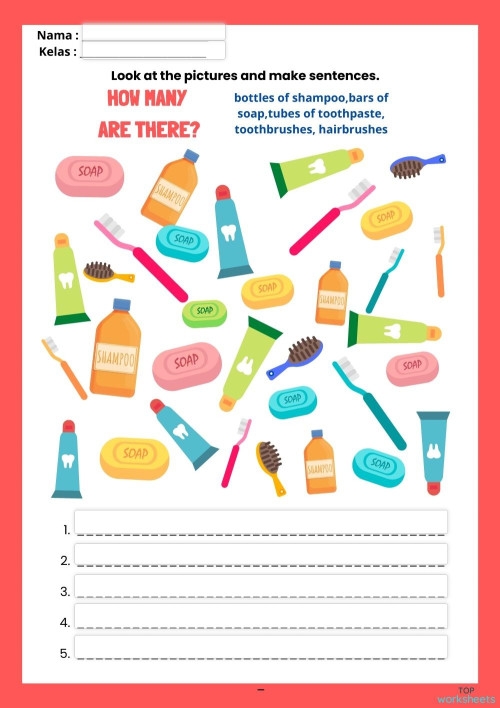
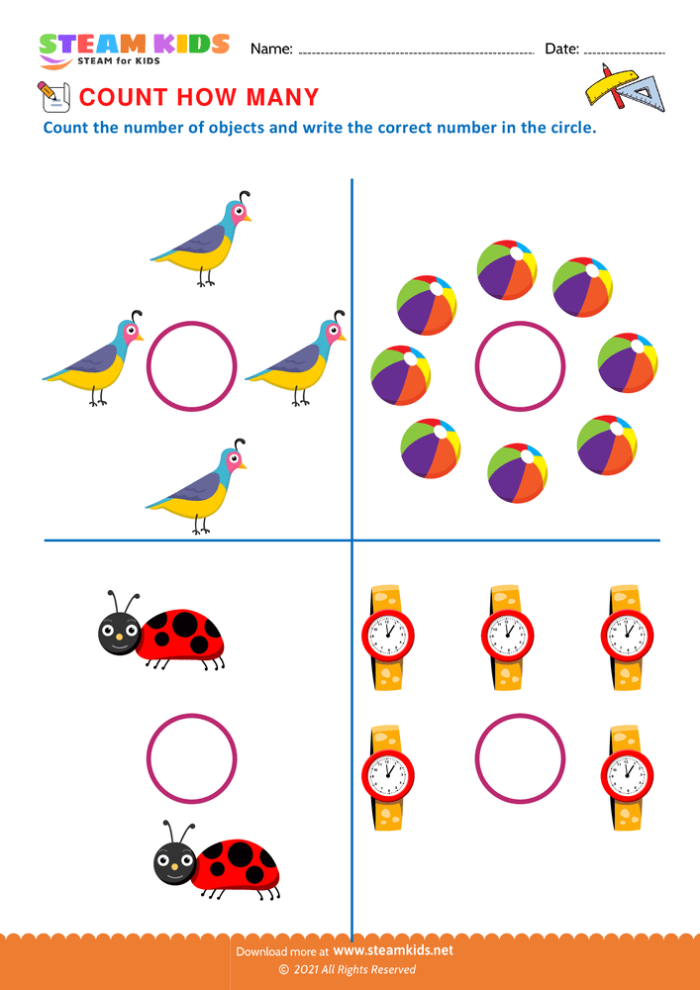
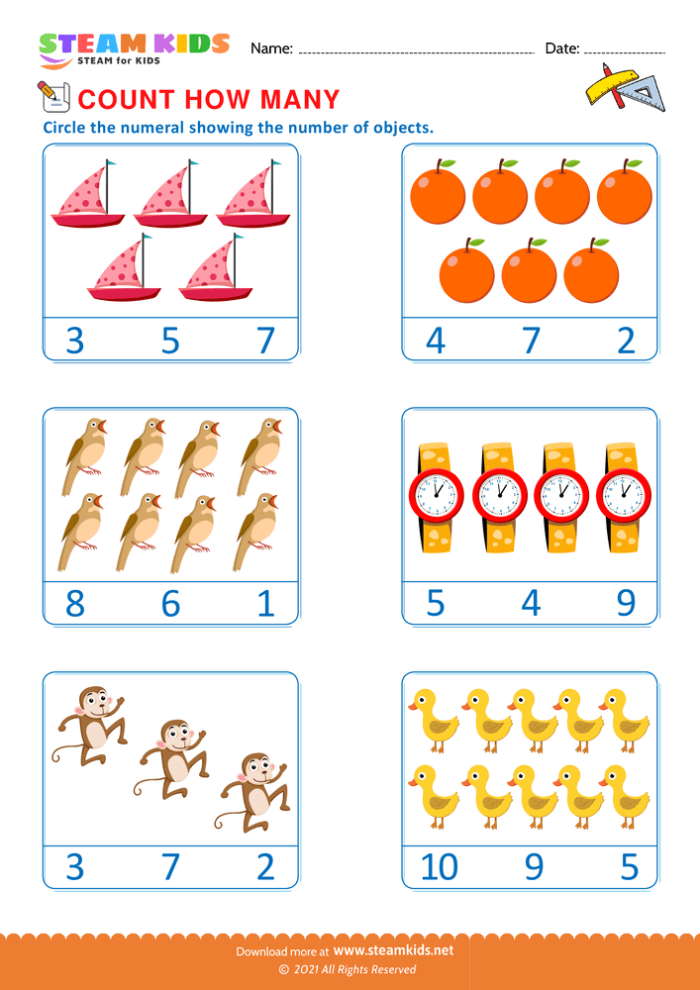
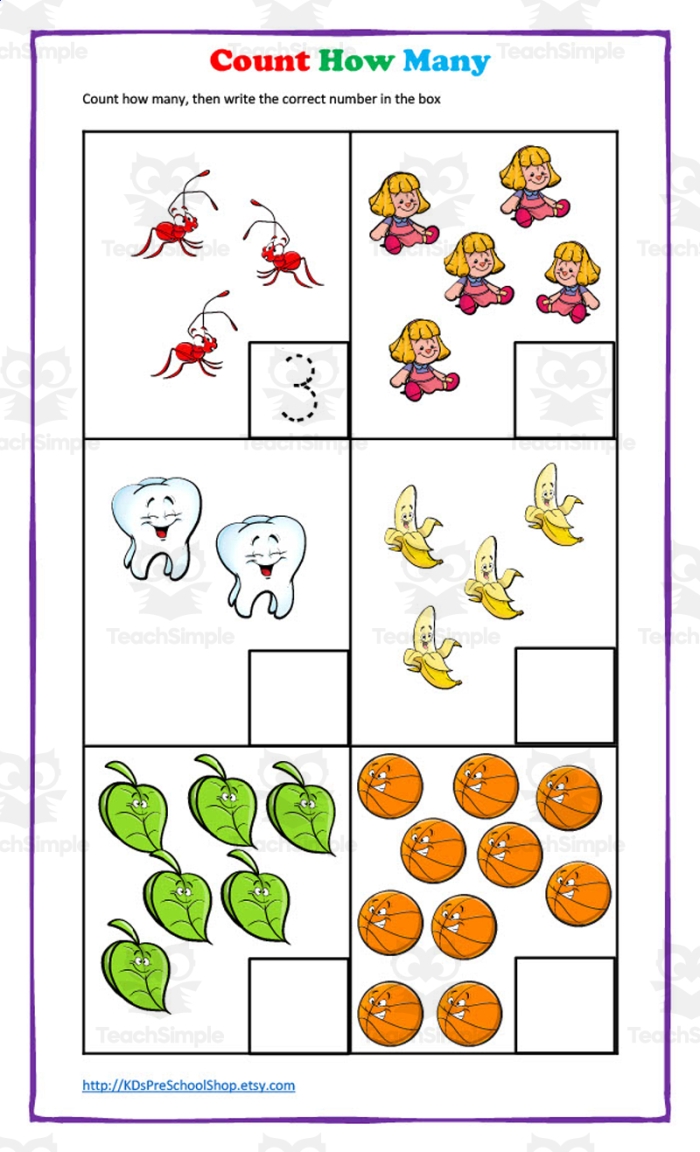
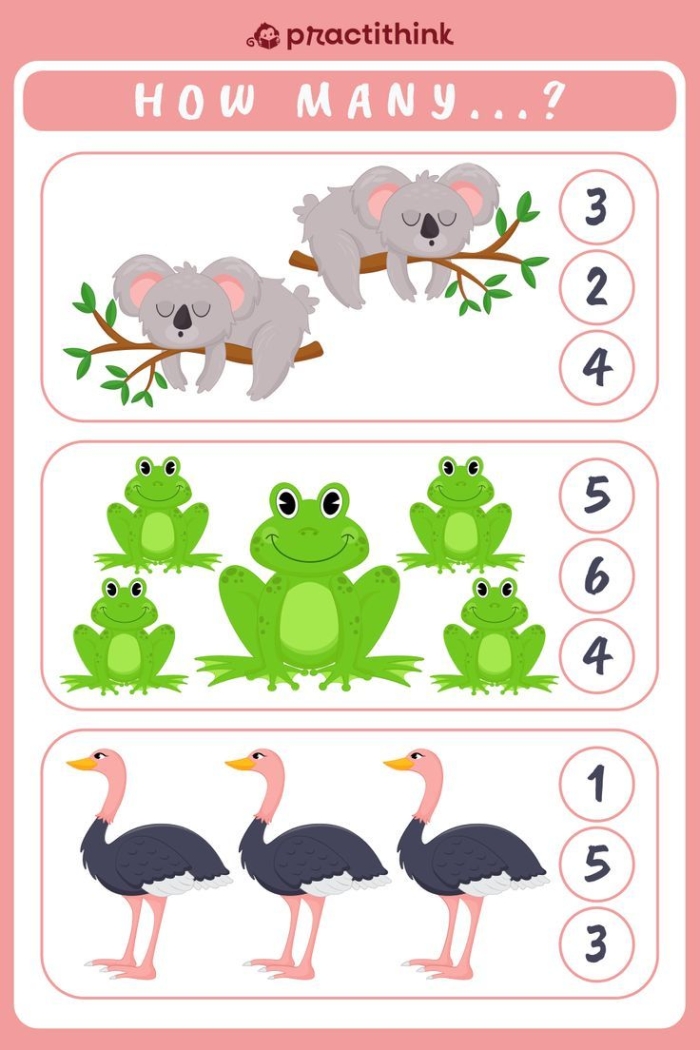
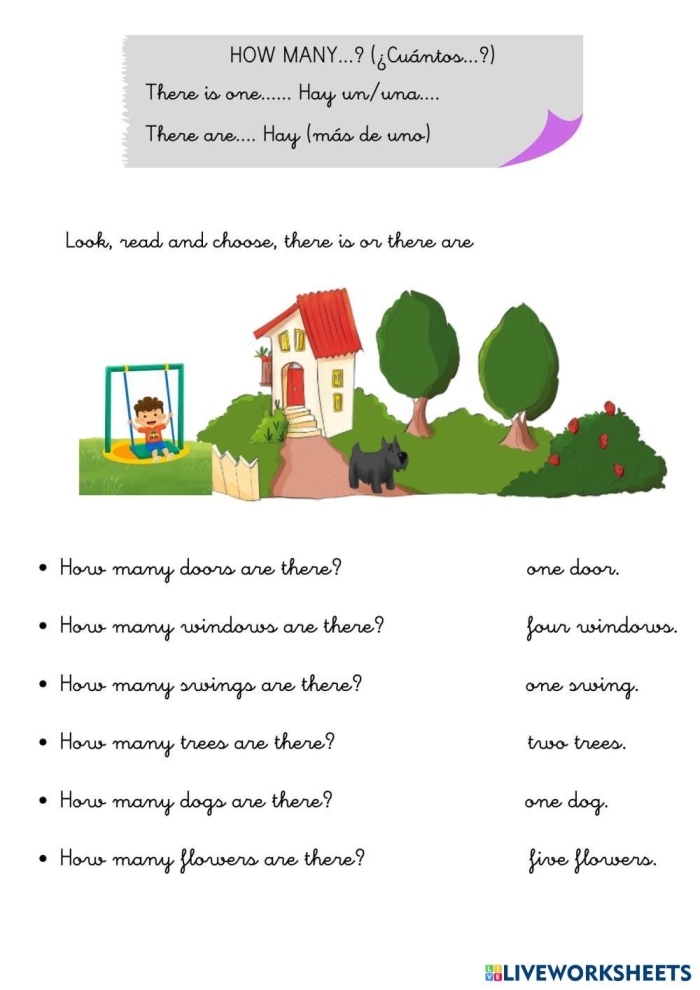
When Pre-K students first encounter a worksheet asking “how many are in this group,” they’re doing much more than just counting. They’re building foundational skills that connect reading comprehension, visual recognition, and mathematical thinking all at once.
A well-designed practice page combines multiple learning objectives into a single activity. Your child might see a collection of red circles and blue squares, then answer how many shapes appear in total. This simple task requires them to identify colors, recognize different shapes, count accurately, and organize information in their mind. It’s why these worksheets remain so effective for Pre-K classrooms and home learning environments.
The sorting component adds another layer. When kids group objects by color or shape before counting, they develop categorical thinking. They learn that objects can be organized in different ways and that sorting helps us understand quantity better. This skill transfers directly to reading activities, where children learn to group similar ideas or identify patterns in text.
These practice pages work best when they include varied visual elements. Some children respond better to bright illustrations, while others focus more easily on simple line drawings. The variety keeps engagement high across different learning styles.
You’ll notice that activities combining counting with shape and color recognition often include opportunities for following directions as well. Students might need to circle all the red shapes or count only the triangles, which strengthens their ability to process multi-step instructions.
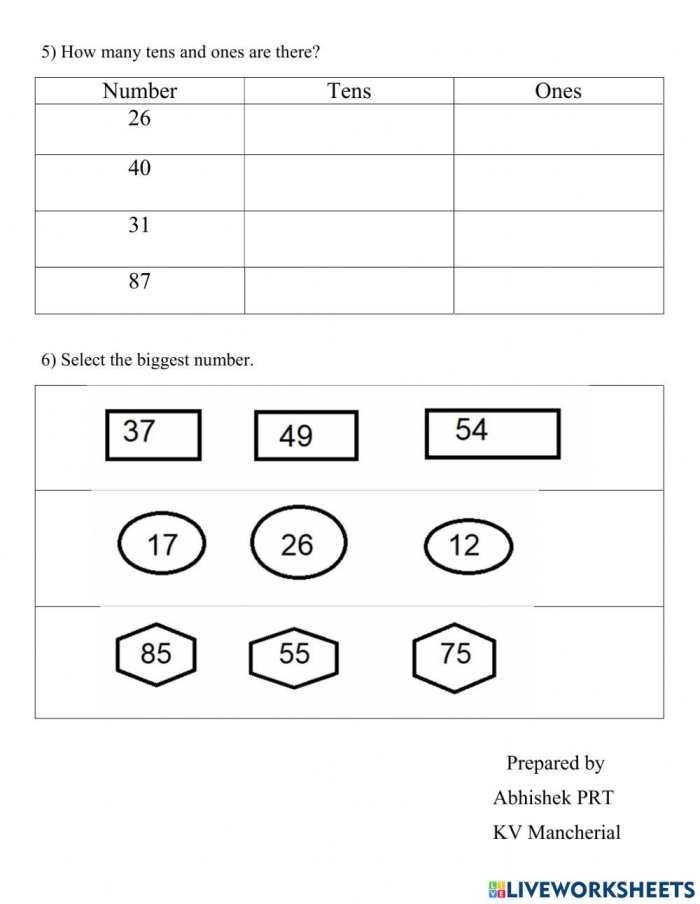
Starting with these foundational skills in Pre-K prepares children for more complex tasks later. When they reach first and second grade, they’ll tackle subtraction practice and other math concepts with greater confidence because the basic counting and sorting skills are already solid.
Use These Worksheets Today