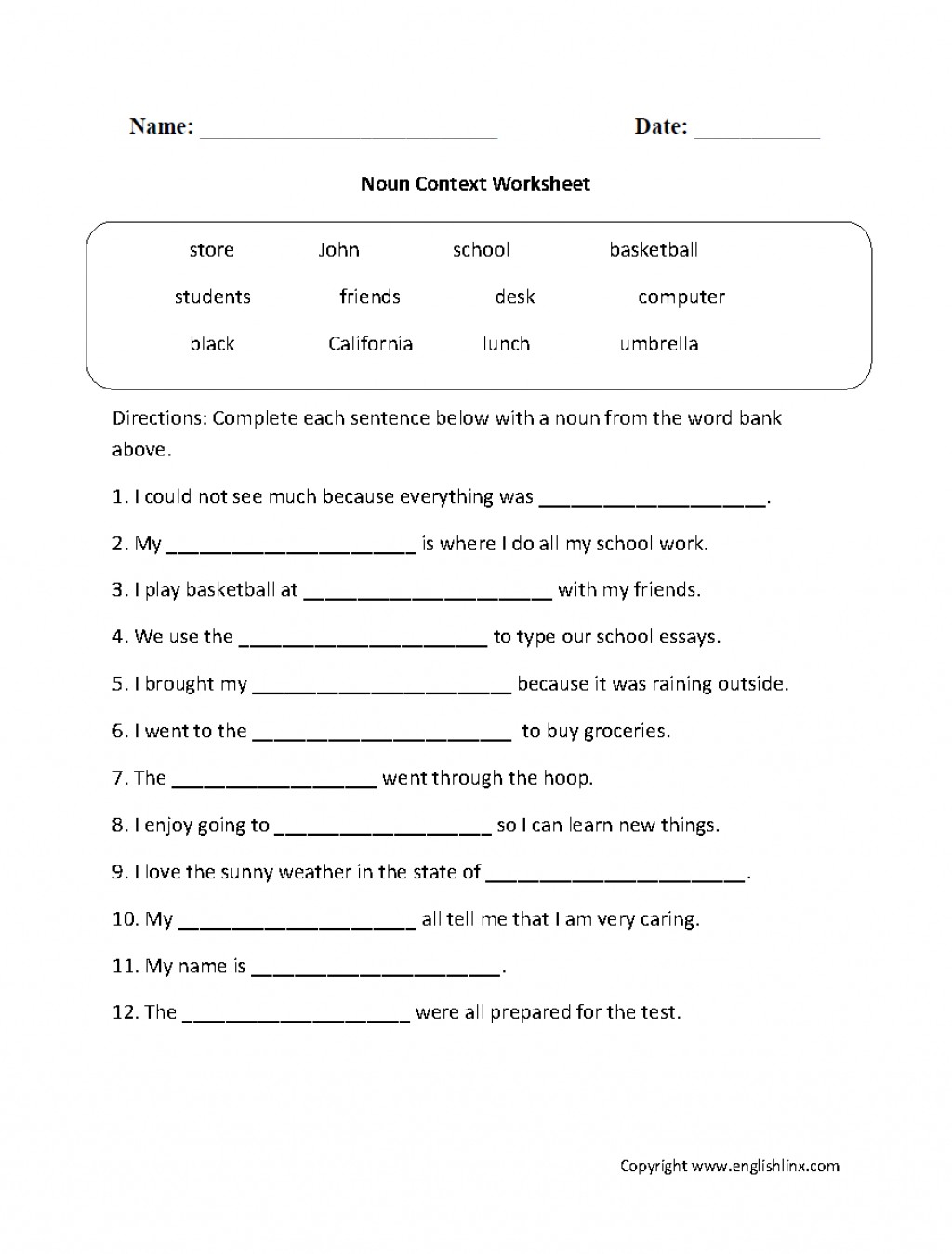
Learning how to infer the meaning of unknown words is a valuable skill, especially for fifth graders tackling complex texts in subjects like integers and rational numbers. Instead of immediately reaching for the dictionary, students can enhance their comprehension skills by practicing the use of context clues.
Context clues are hints found within the text that can help illuminate the meaning of unfamiliar words. For instance, if a student encounters the word “numerous” in a sentence stating, “There were numerous apples on the tree, far more than I could count,” they can infer that “numerous” likely means “many.” By examining the surrounding words and phrases, students can develop a deeper understanding of vocabulary without breaking their reading flow.
Using context clues is not just about guessing; it’s a skill that builds critical thinking. When students learn to analyze the text actively, they become more engaged readers. This method encourages them to think about word meanings in relation to the ideas being presented. Additionally, it helps them remember new vocabulary better because they connected it to a specific context rather than relying on rote memorization.
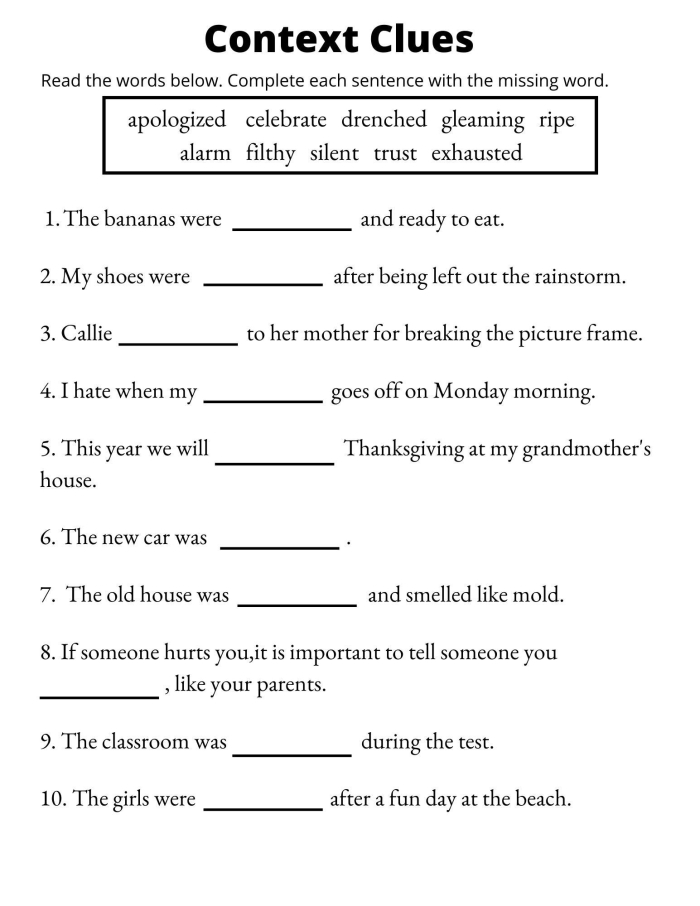
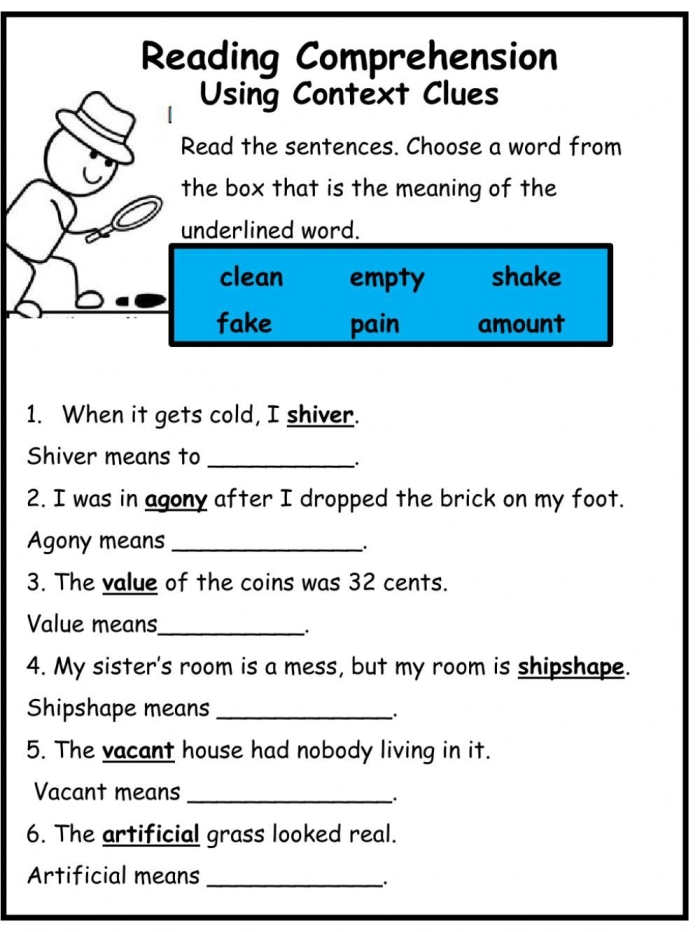
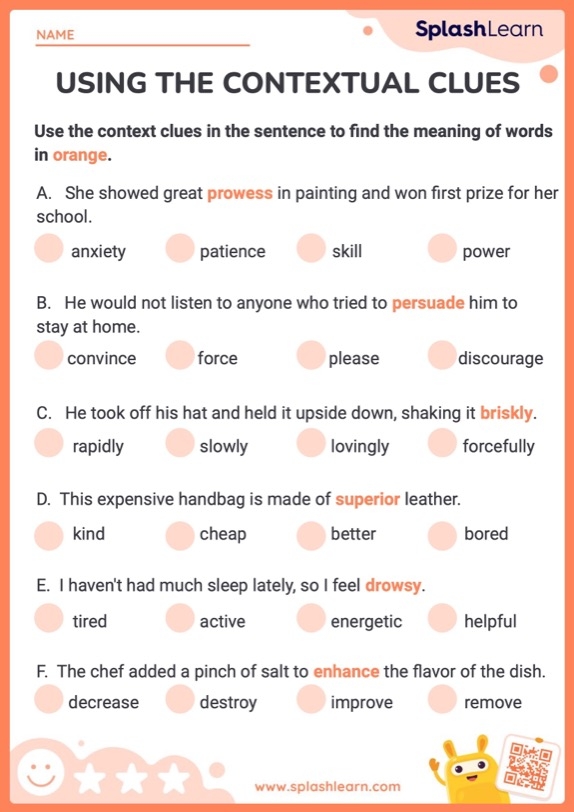
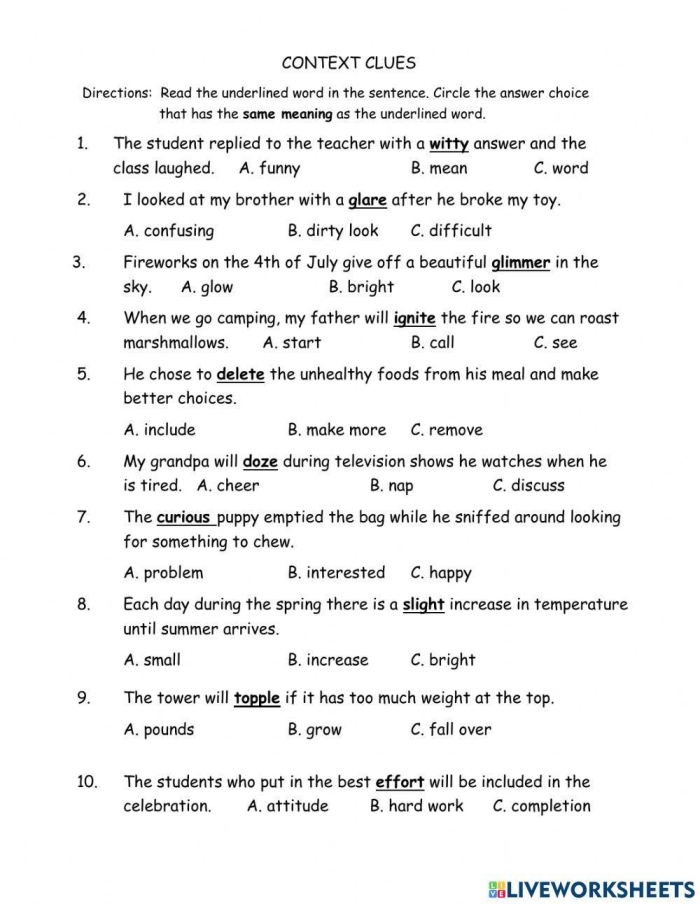
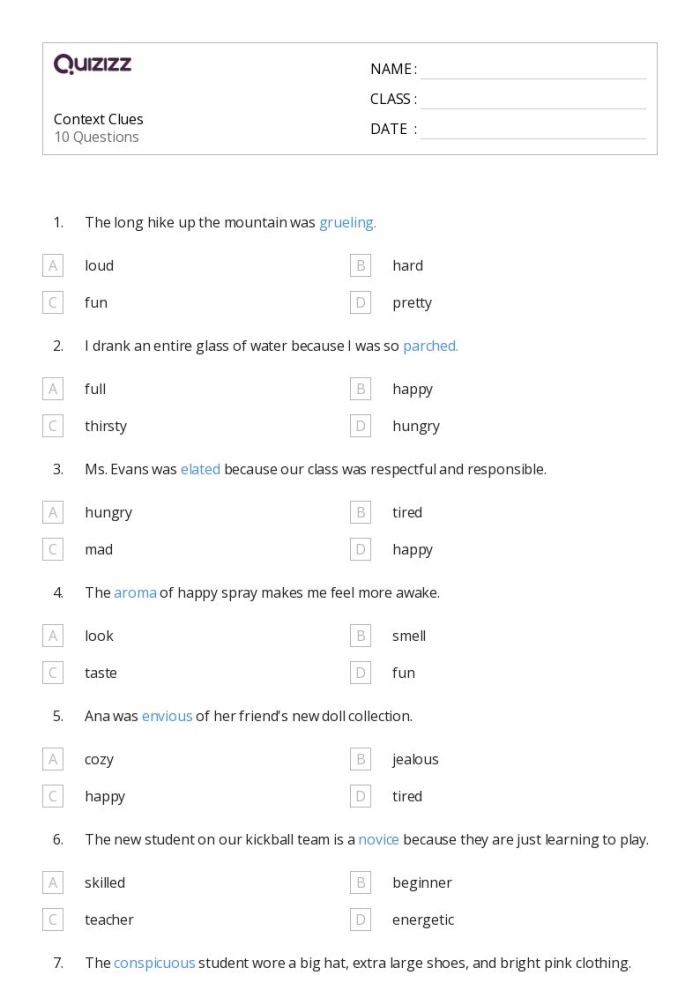
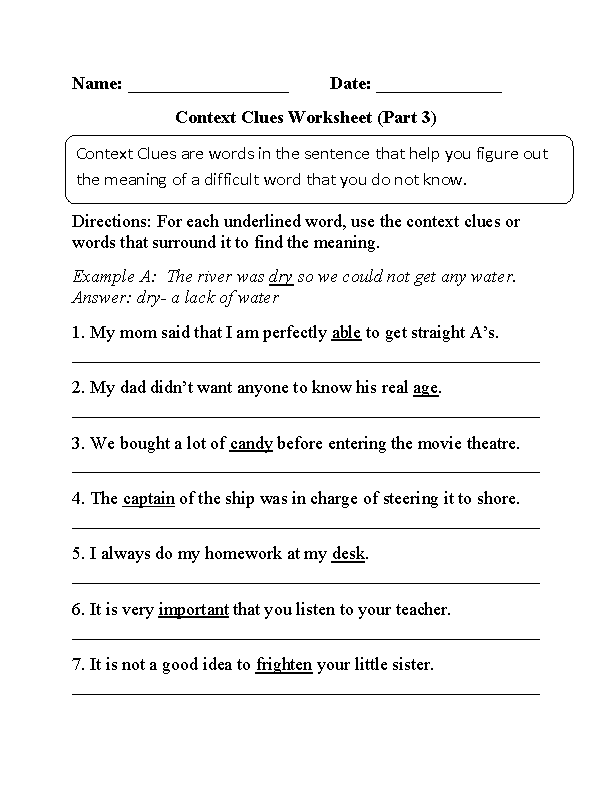
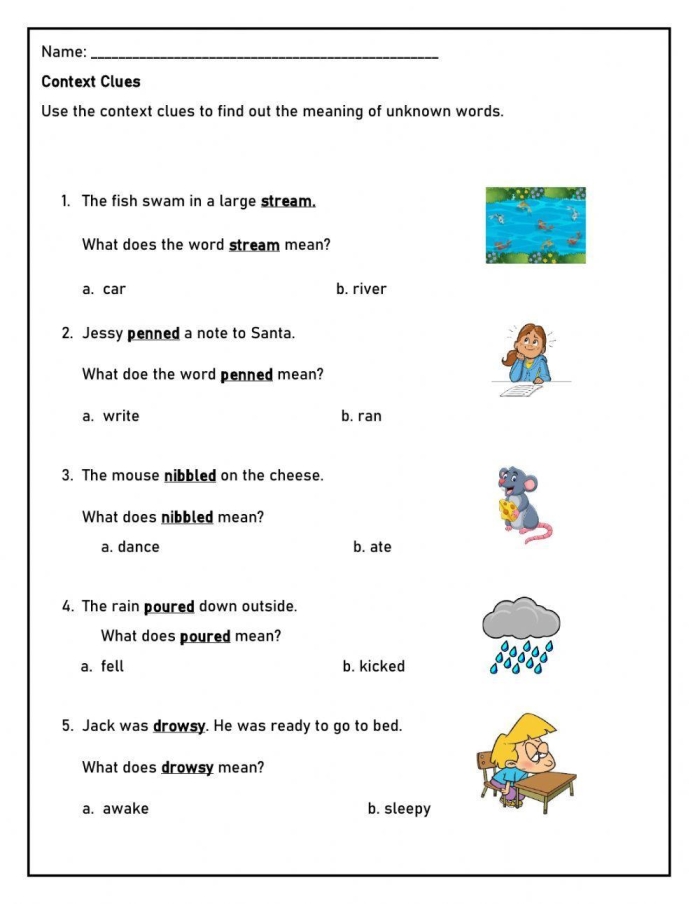
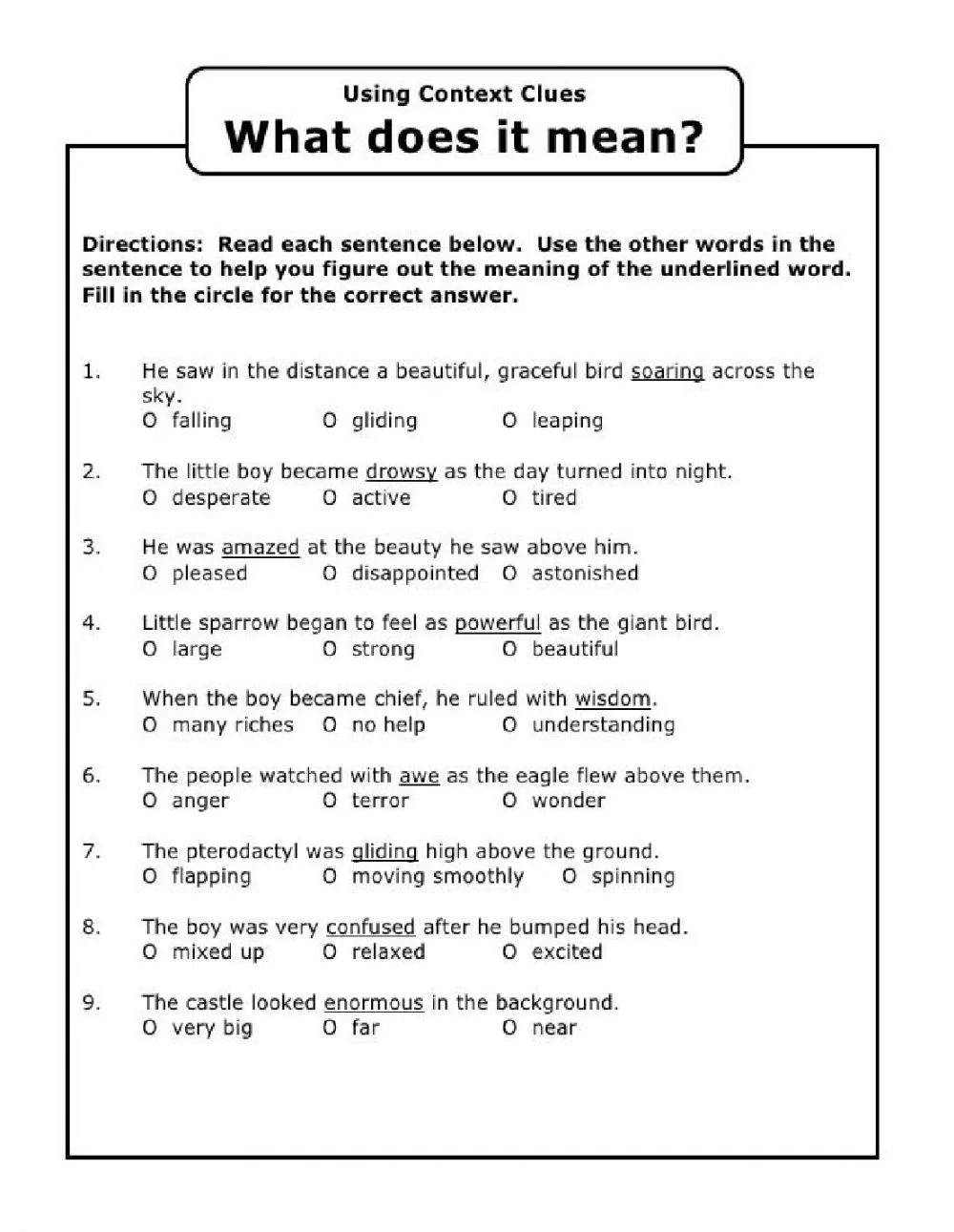
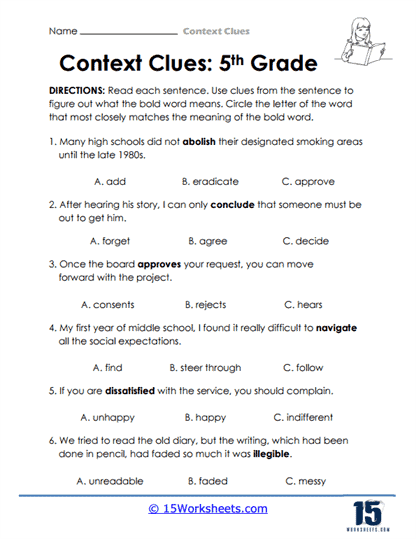
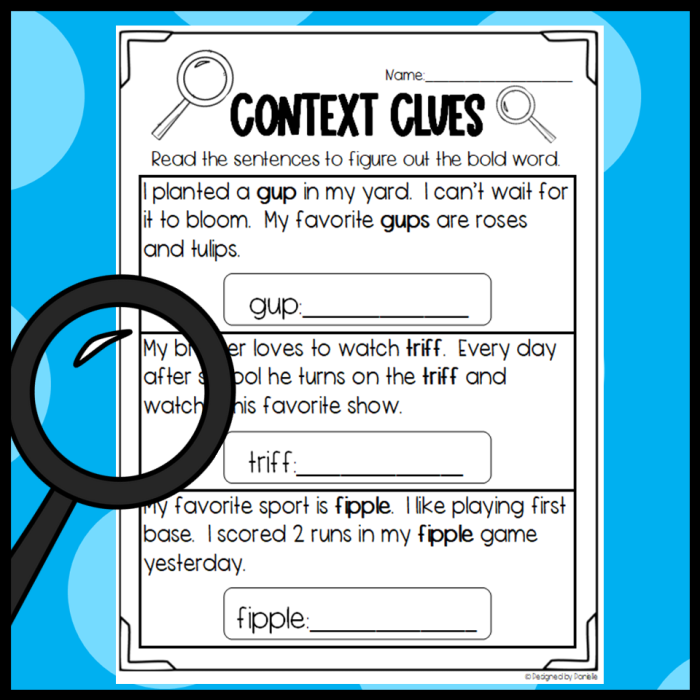
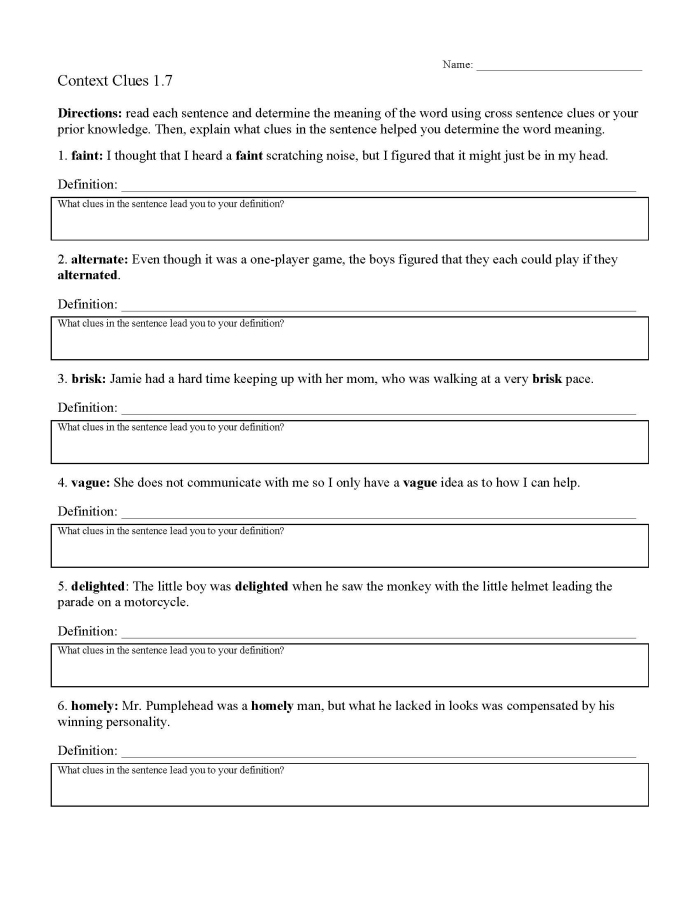
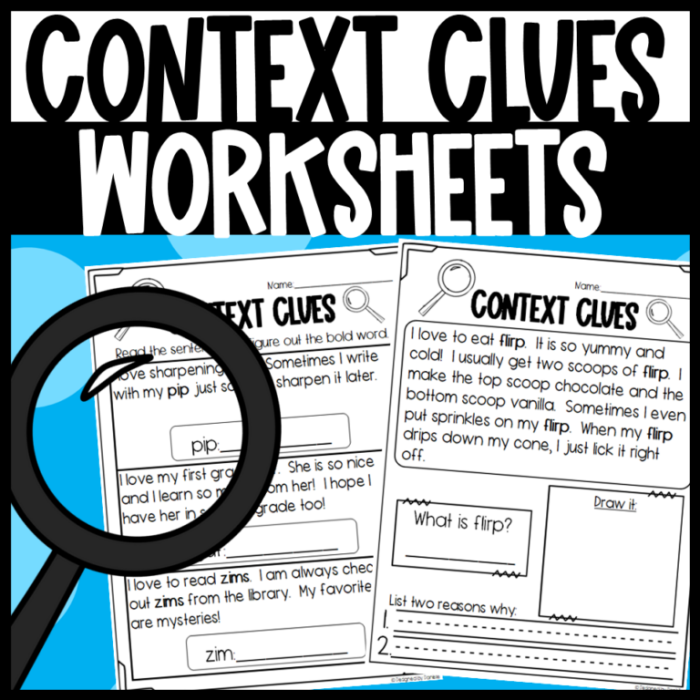
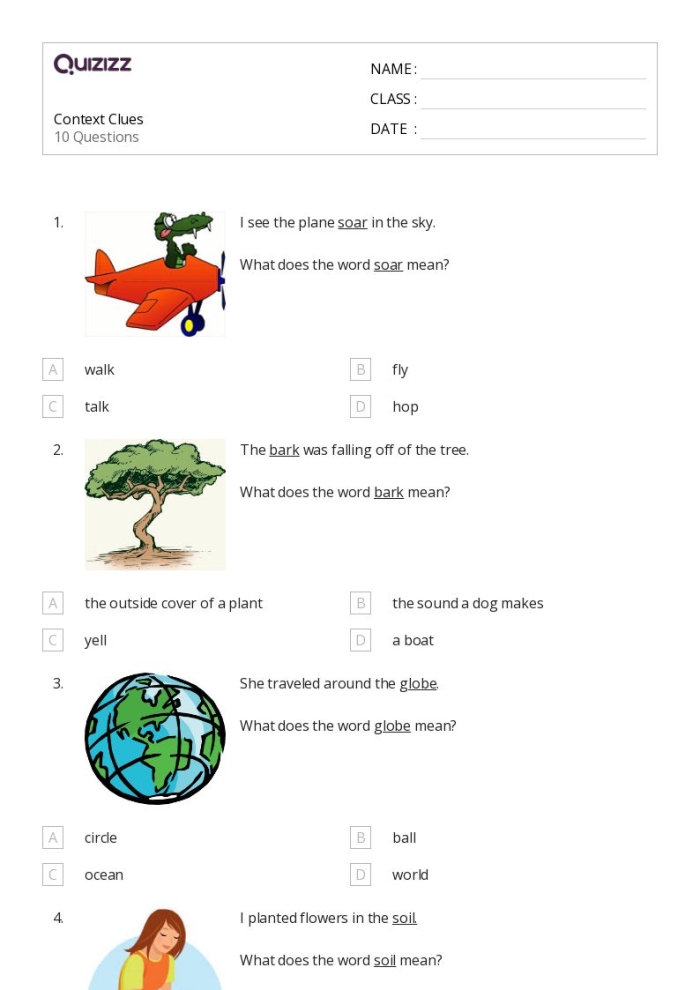
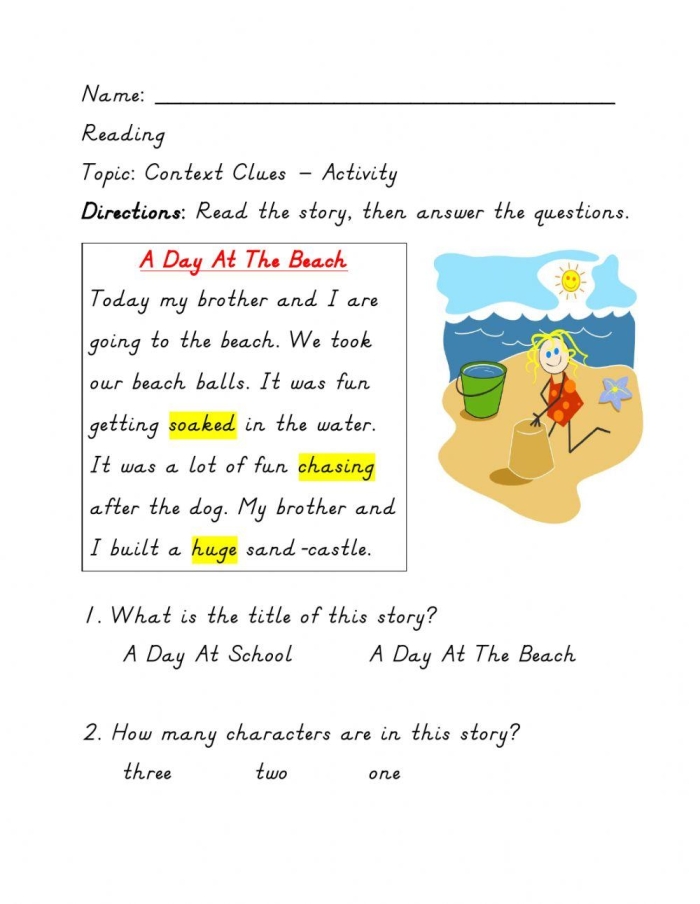
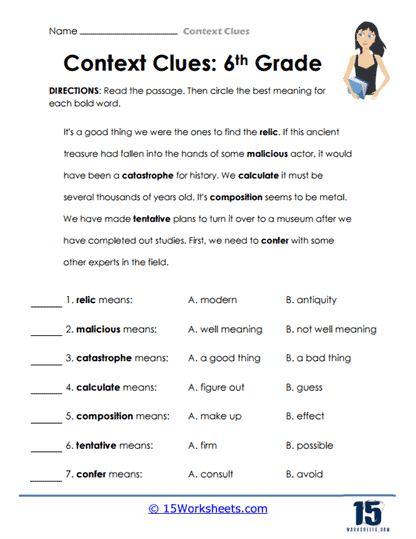
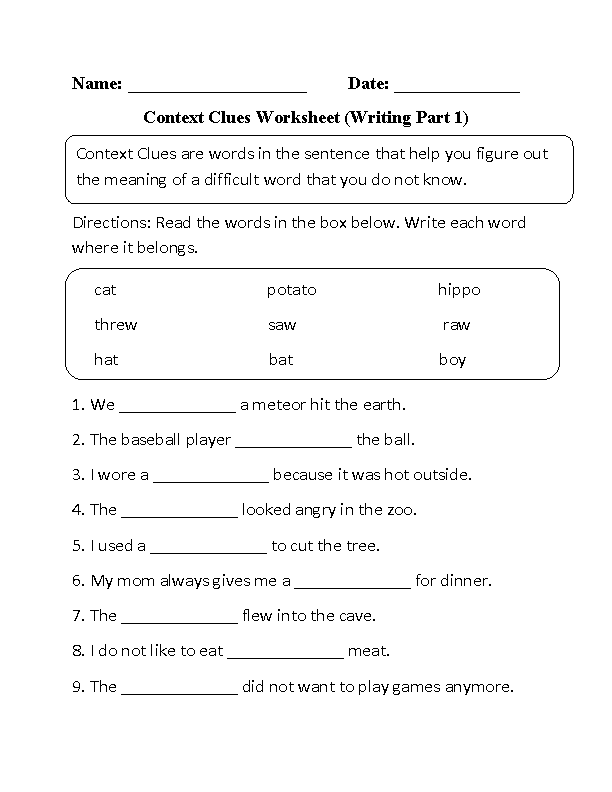
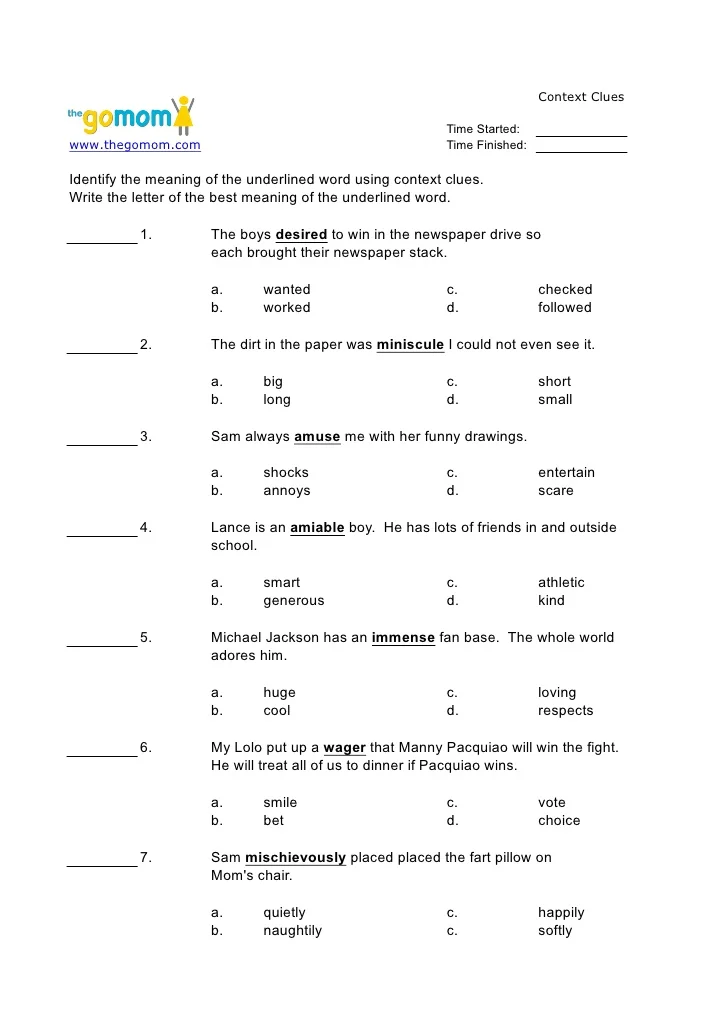
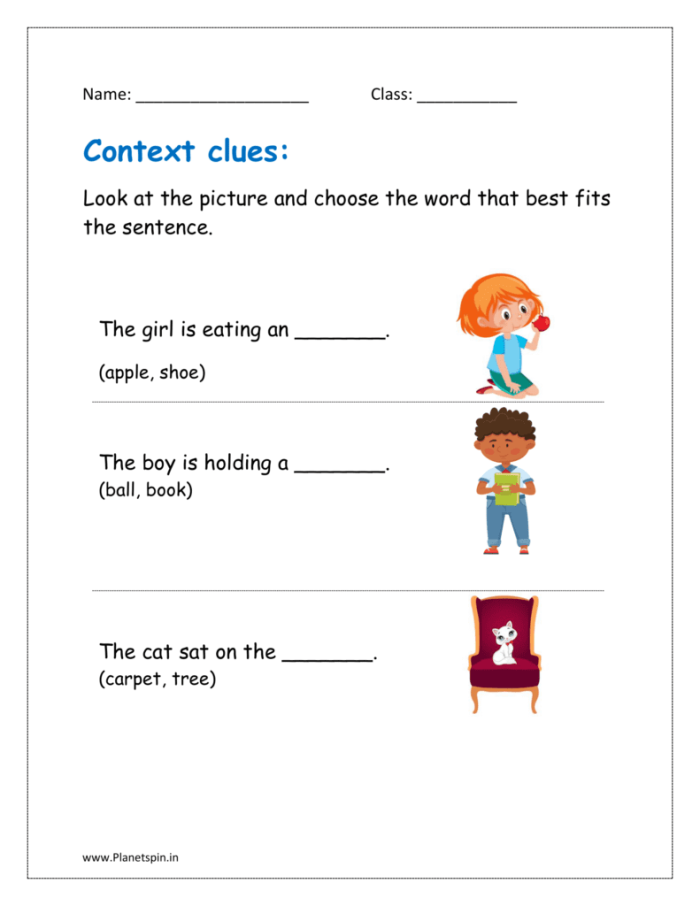
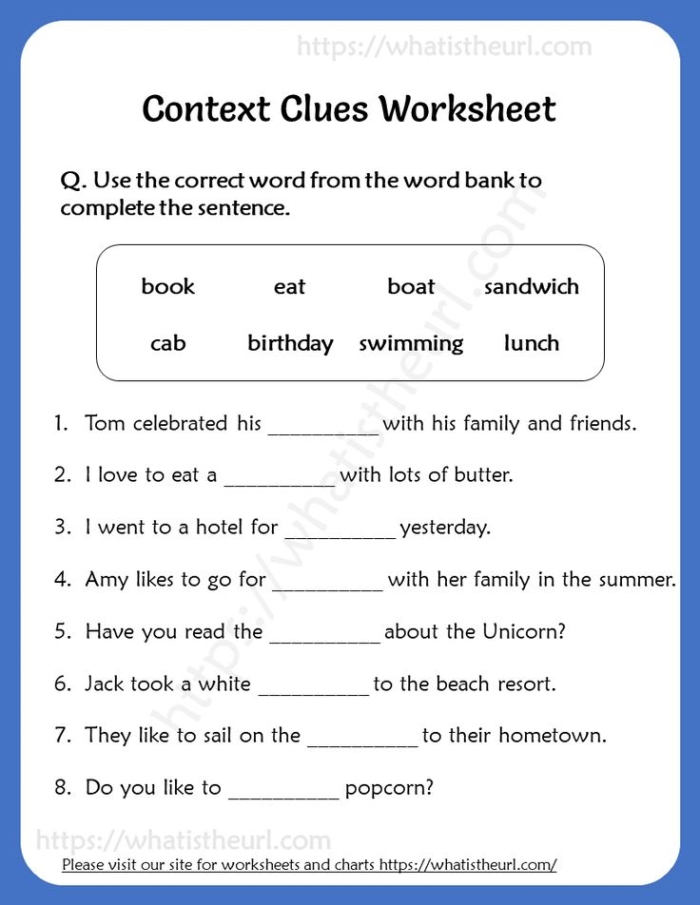
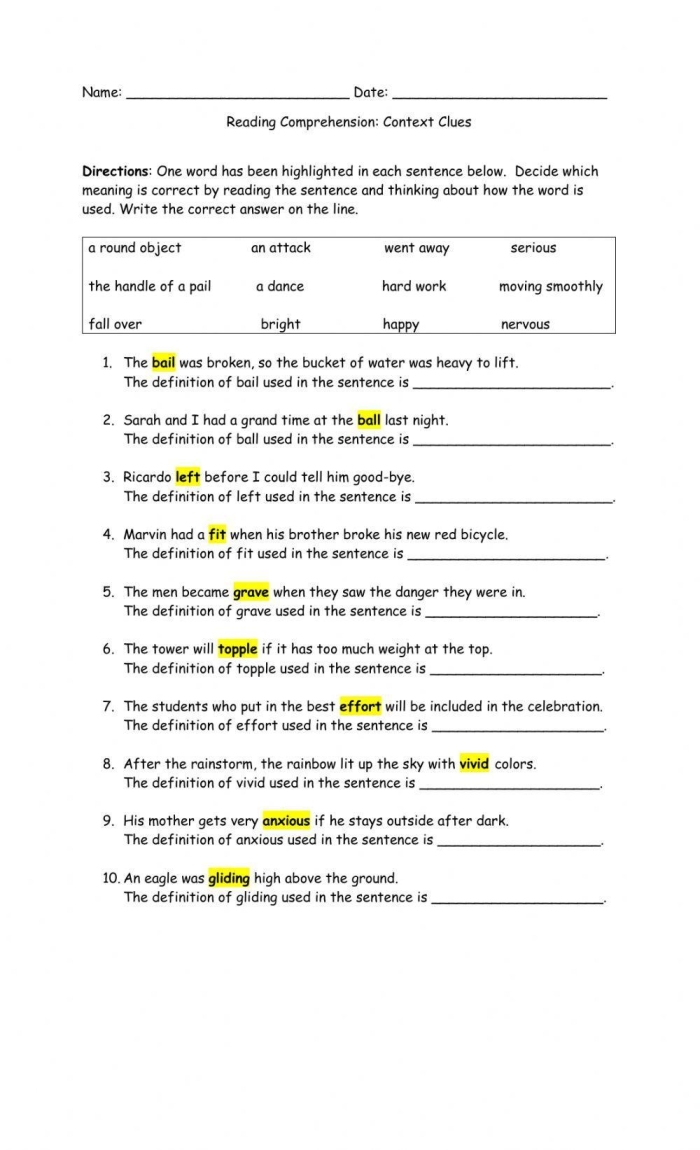
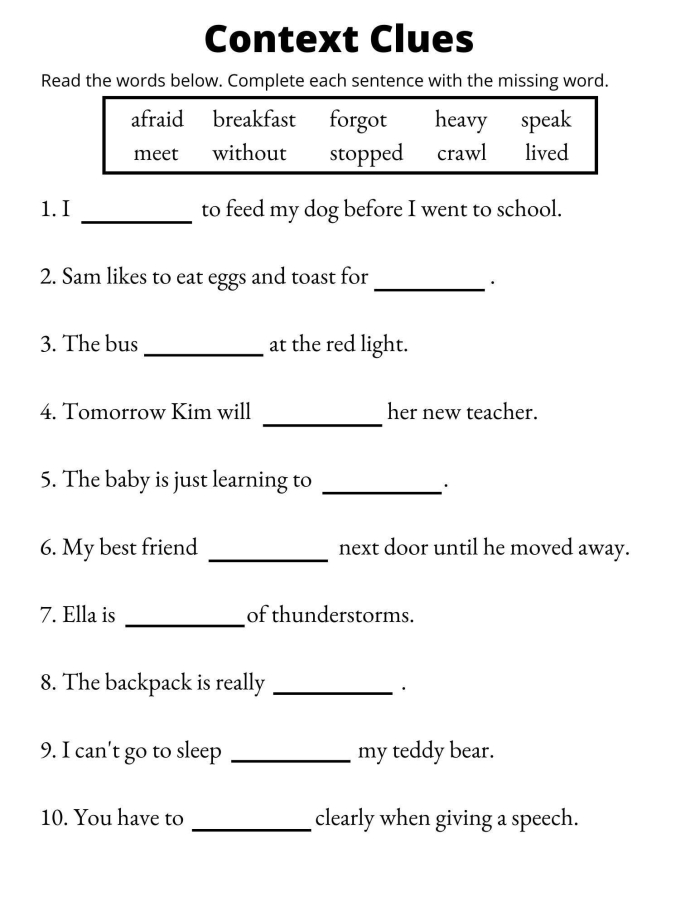
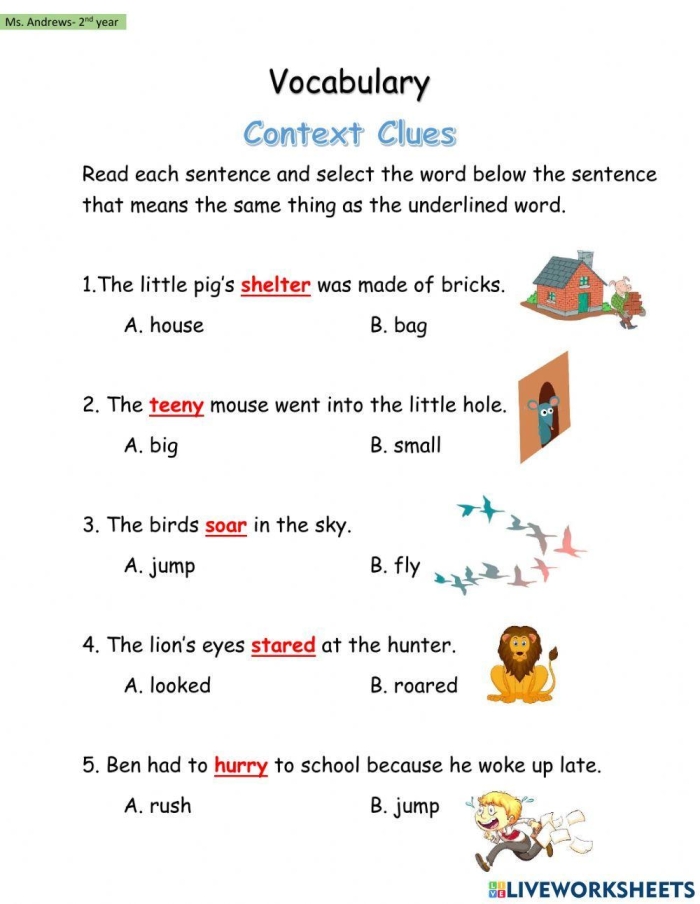
Teachers can support this skill by providing printable worksheets that challenge students to identify and use context clues in sentences. These worksheets can include passages related to integers and rational numbers, making the learning process relevant and fun. For example, a worksheet might have a scenario involving fractions and ask students to deduce the meaning of a word based on its use in mathematical contexts.
Incorporating context clues into vocabulary lessons not only aids comprehension but also prepares students for more advanced reading tasks in the future. By fostering this habit early on, fifth graders will be better equipped to tackle challenging texts and understand complex concepts as they progress in their education.
Printable Worksheets for Practice