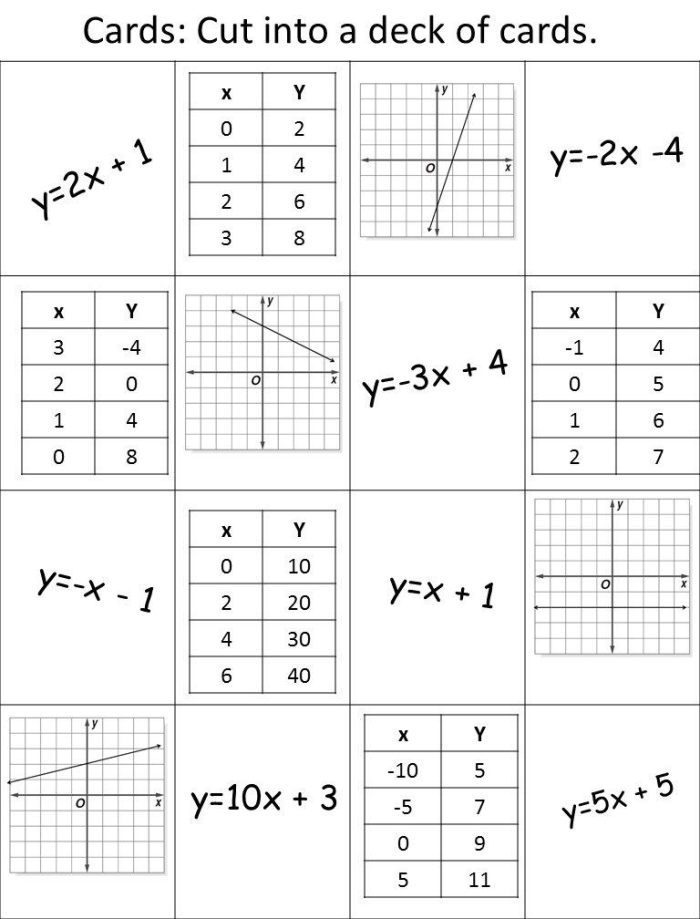
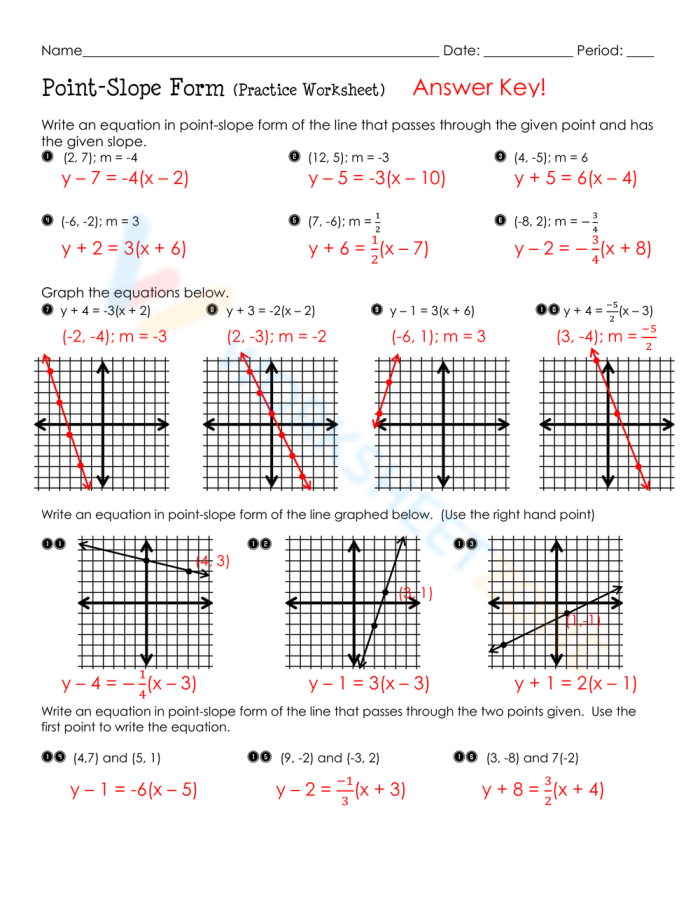
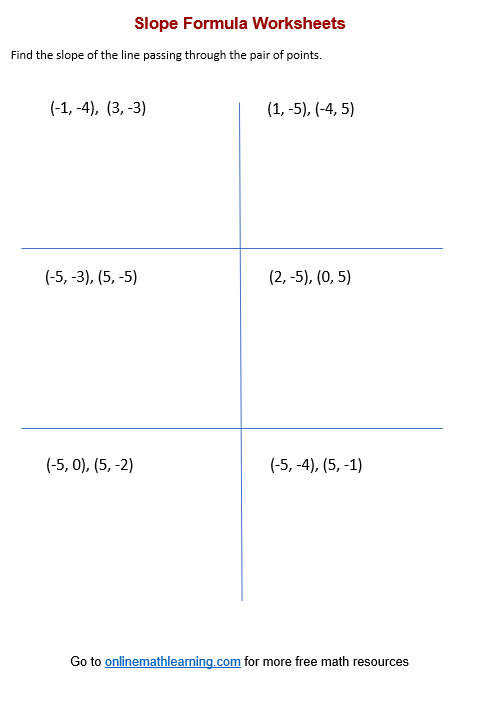
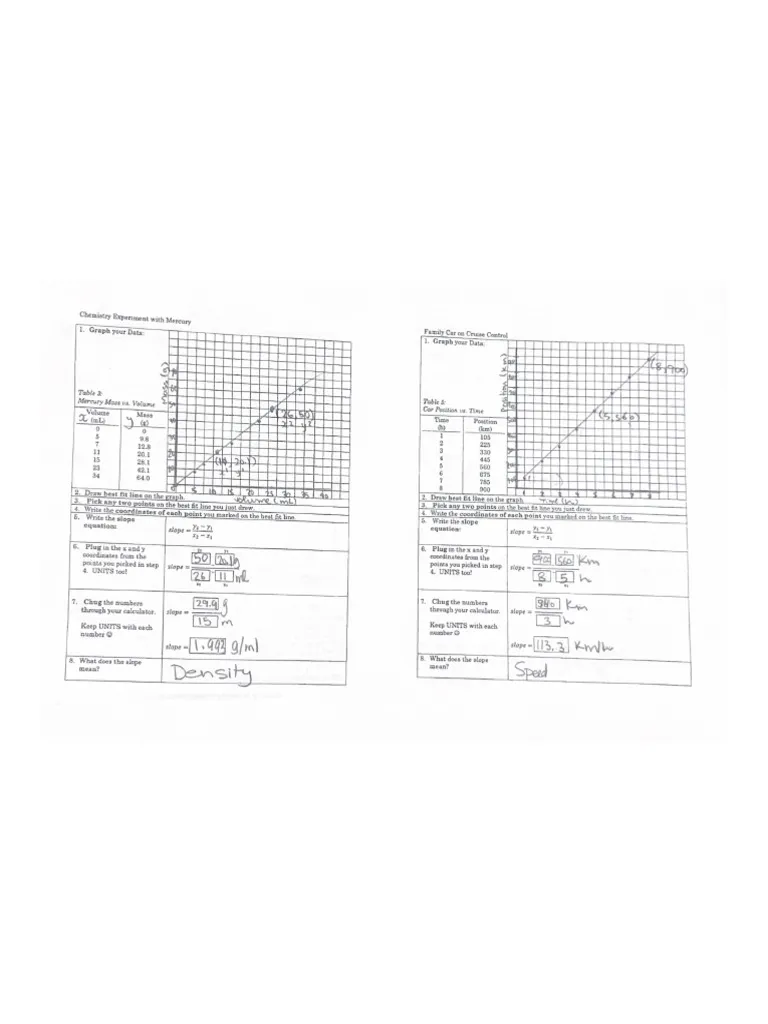
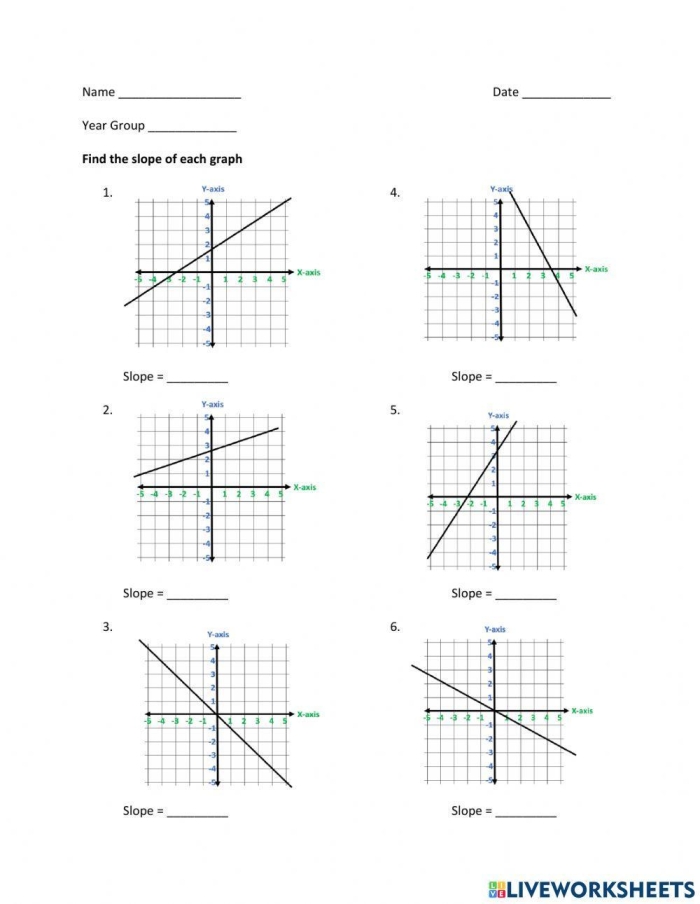
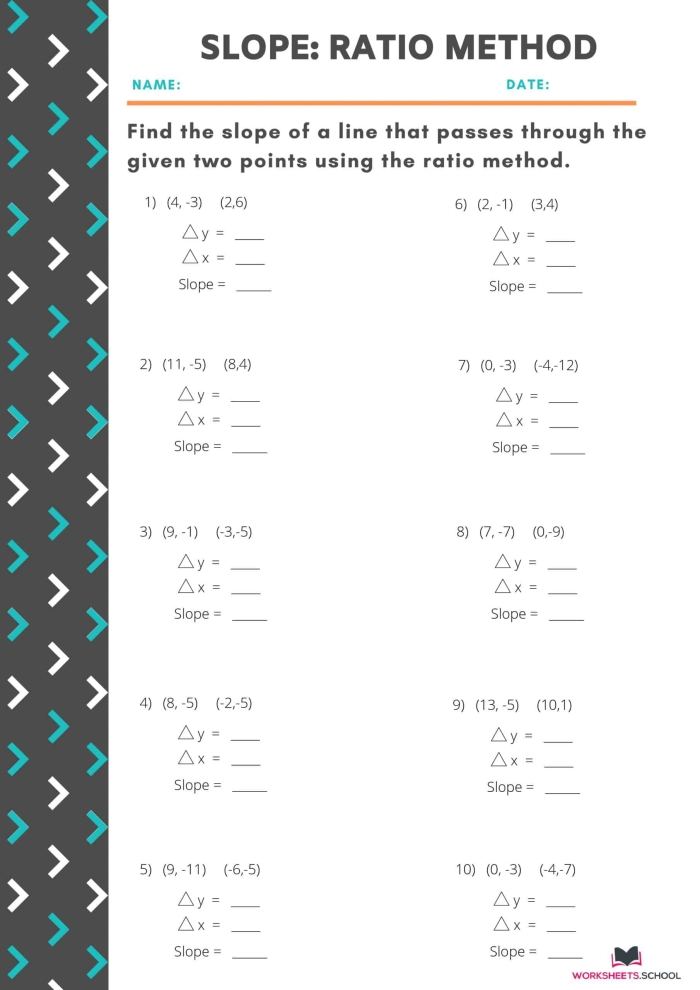
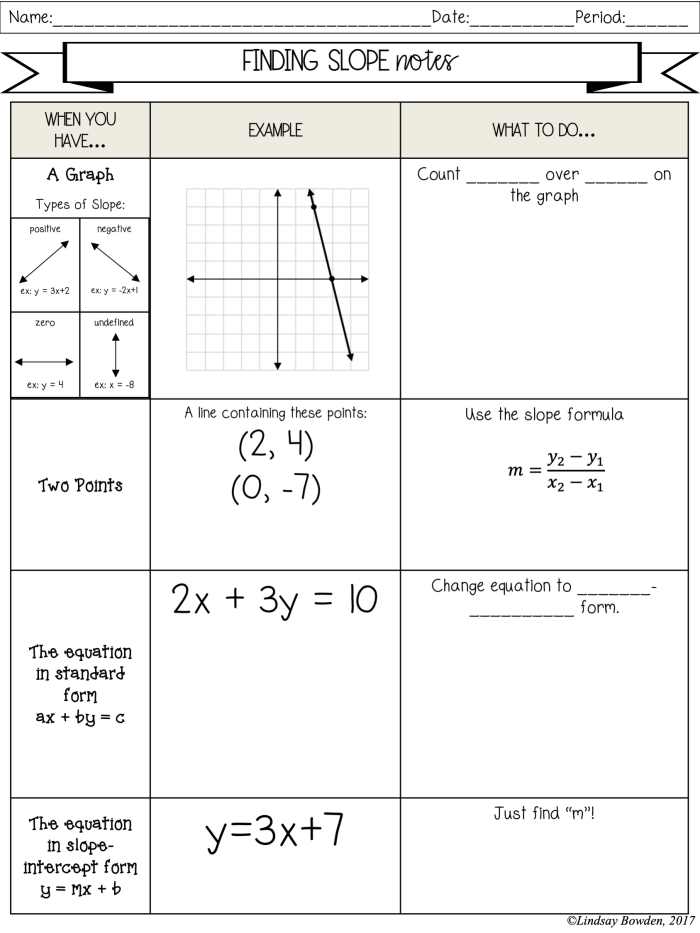
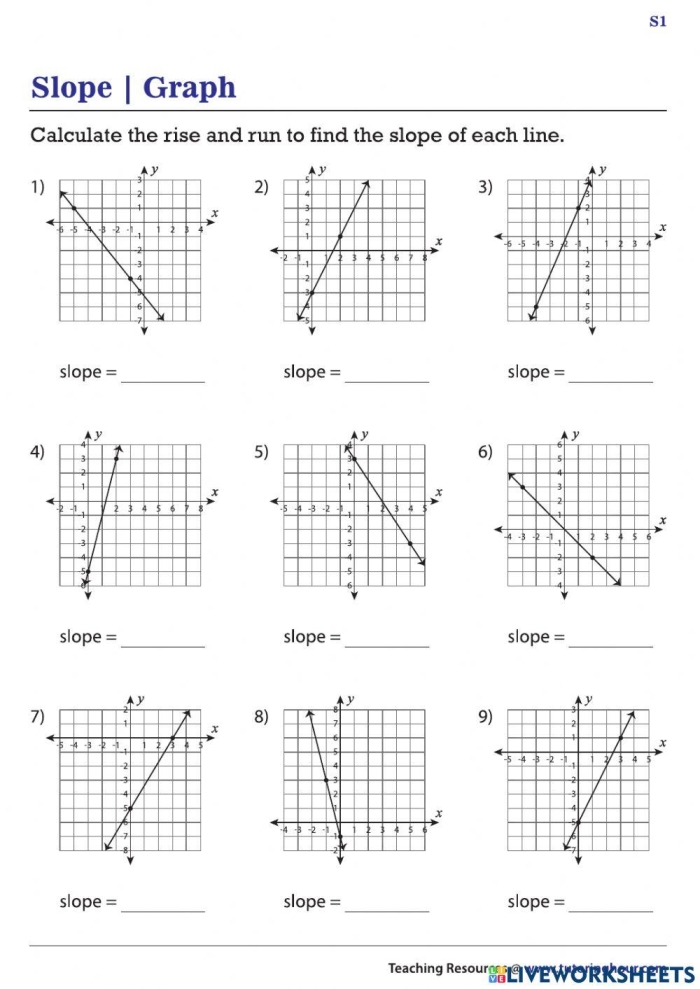
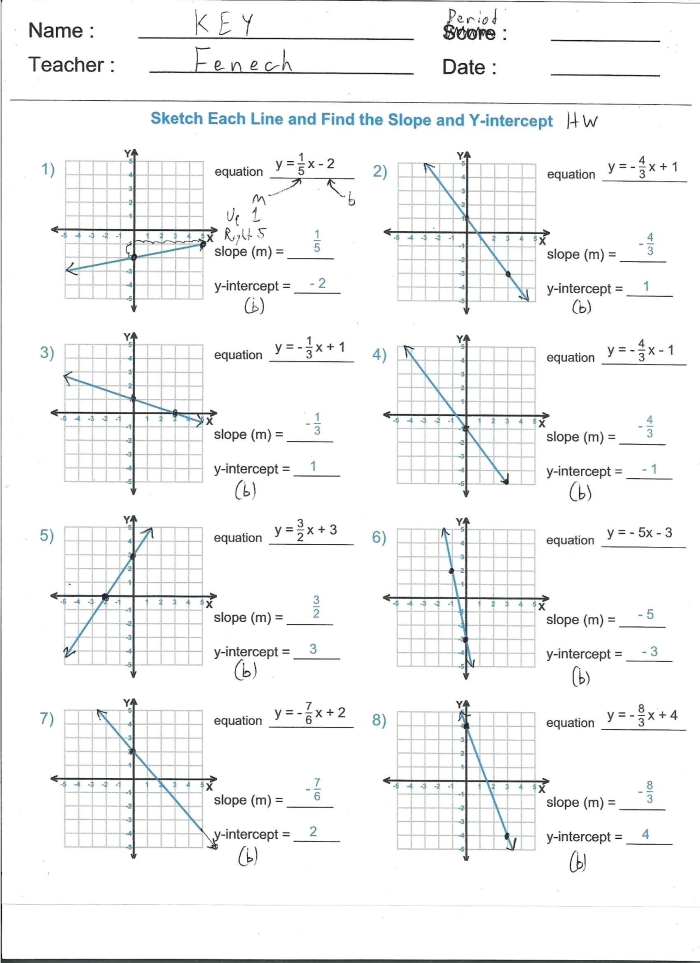
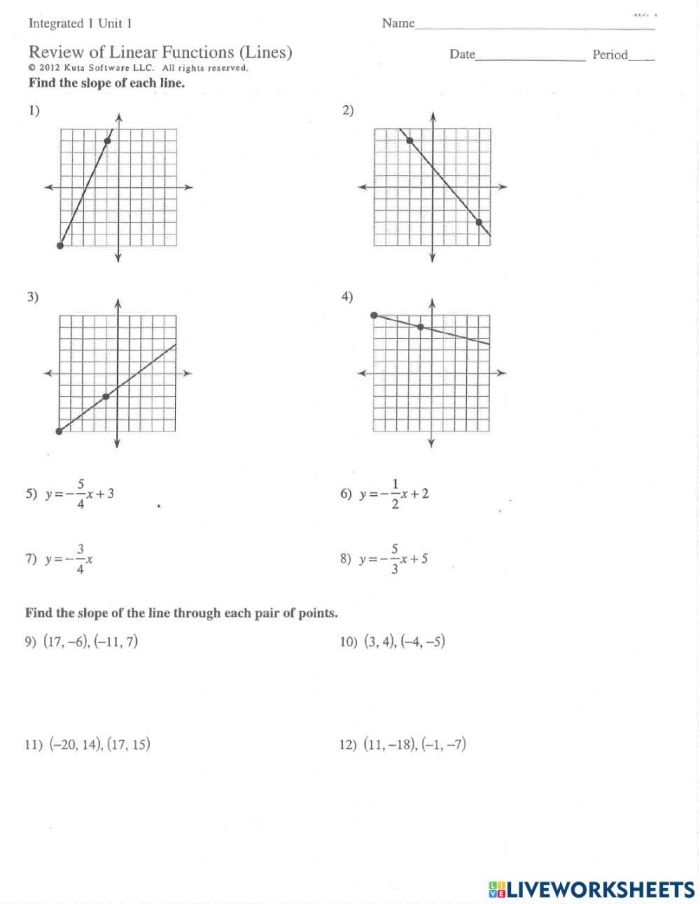
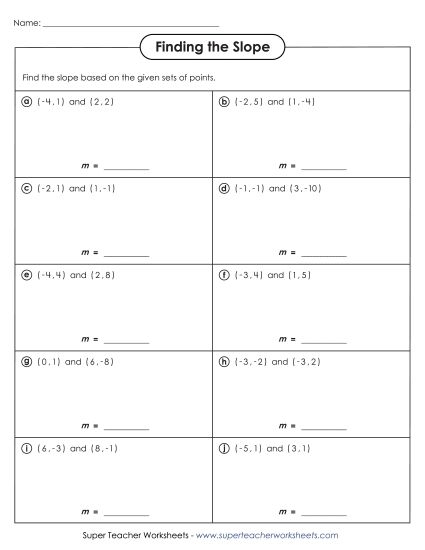
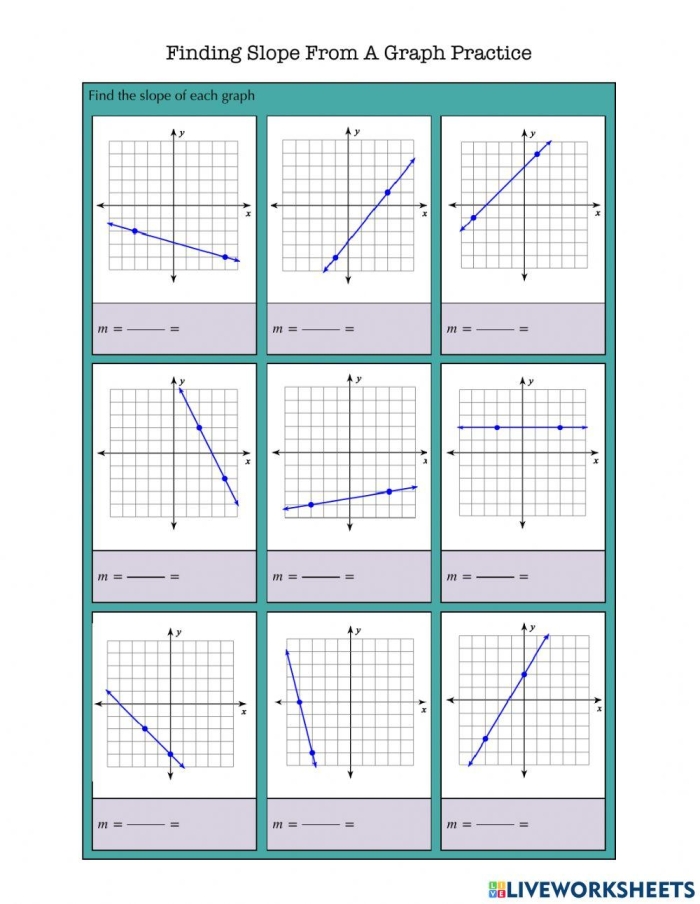
Slope is one of those eighth grade concepts that students either click with immediately or struggle with for months. The good news is that once you nail down the basic formula, the rest of the algebra builds naturally from there. A solid slope review worksheet can be the difference between a student who confidently tackles linear equations and one who freezes when they see a graph.
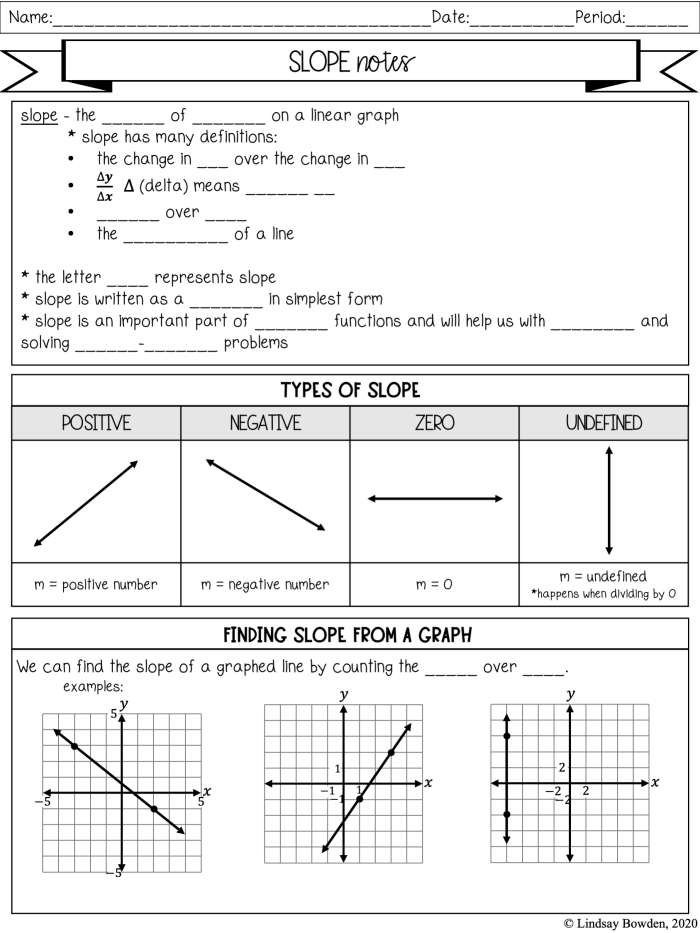
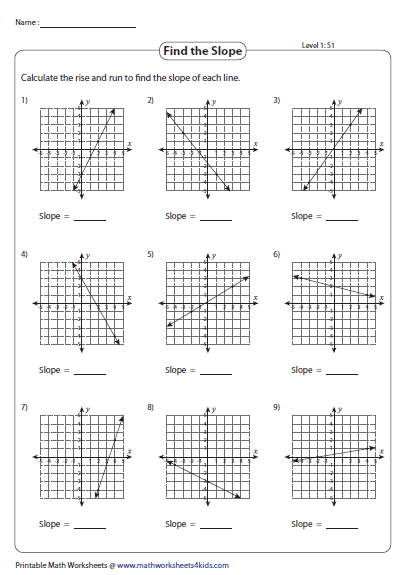
The core idea behind slope is straightforward: it measures how steep a line is by comparing vertical change to horizontal change. When you hear “rise over run,” you’re really just looking at the change in y coordinates divided by the change in x coordinates. If a line goes up 3 units while moving right 2 units, the slope is 3/2. If it goes down while moving right, the slope becomes negative. This vocabulary foundation matters because slope appears everywhere in eighth grade math, from graphing linear functions to understanding real-world relationships between variables.
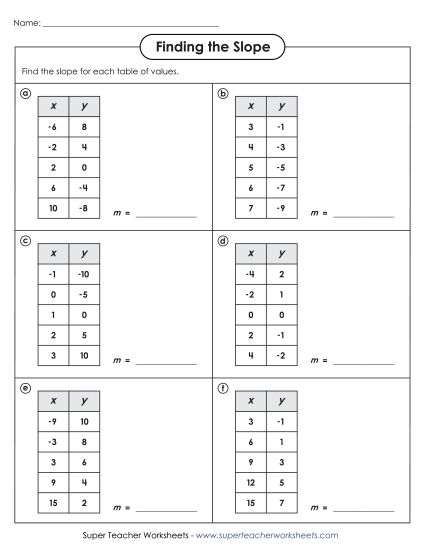
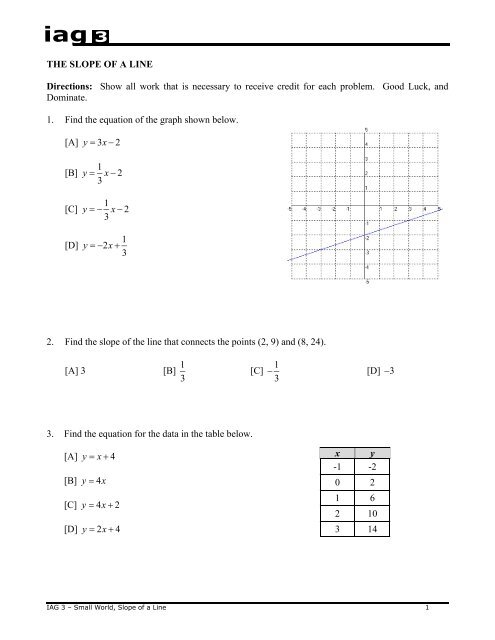
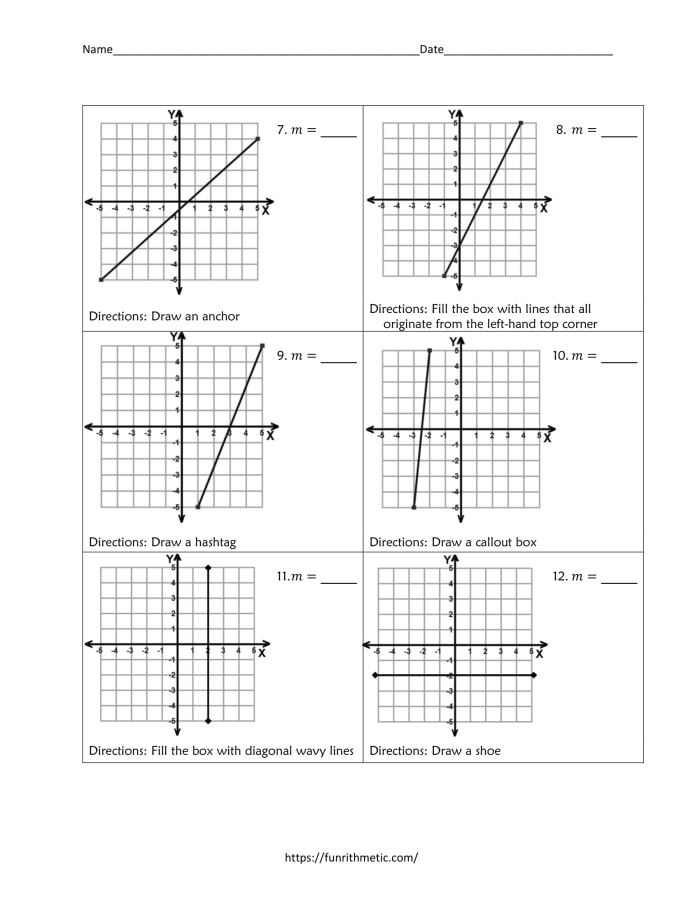
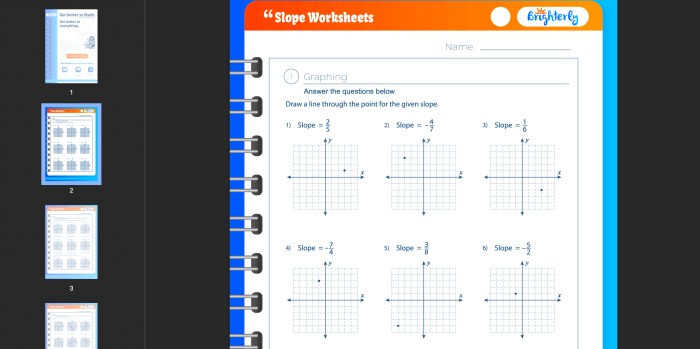
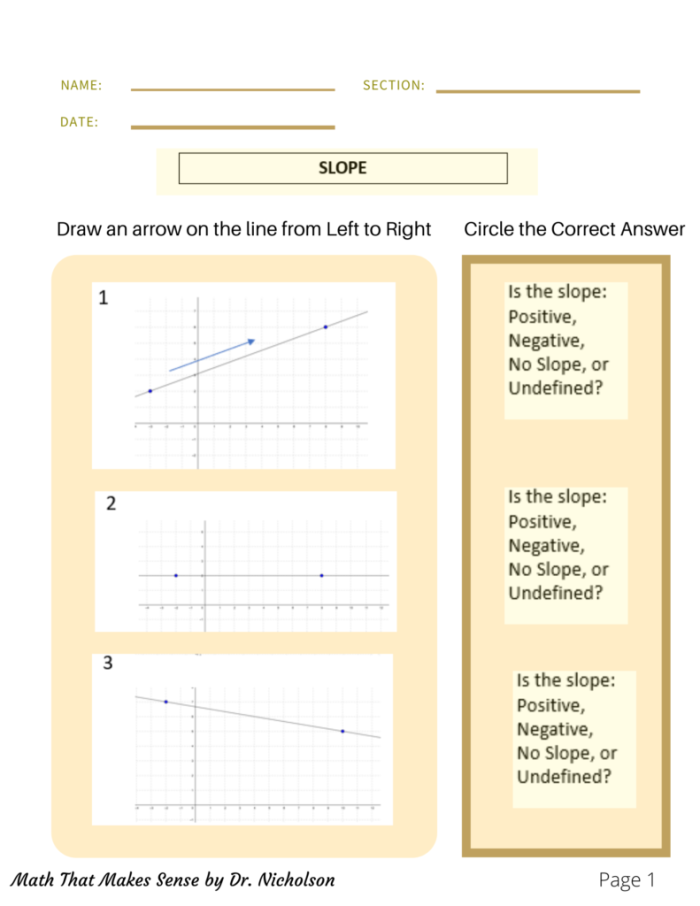
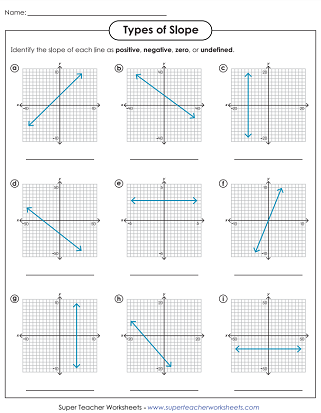
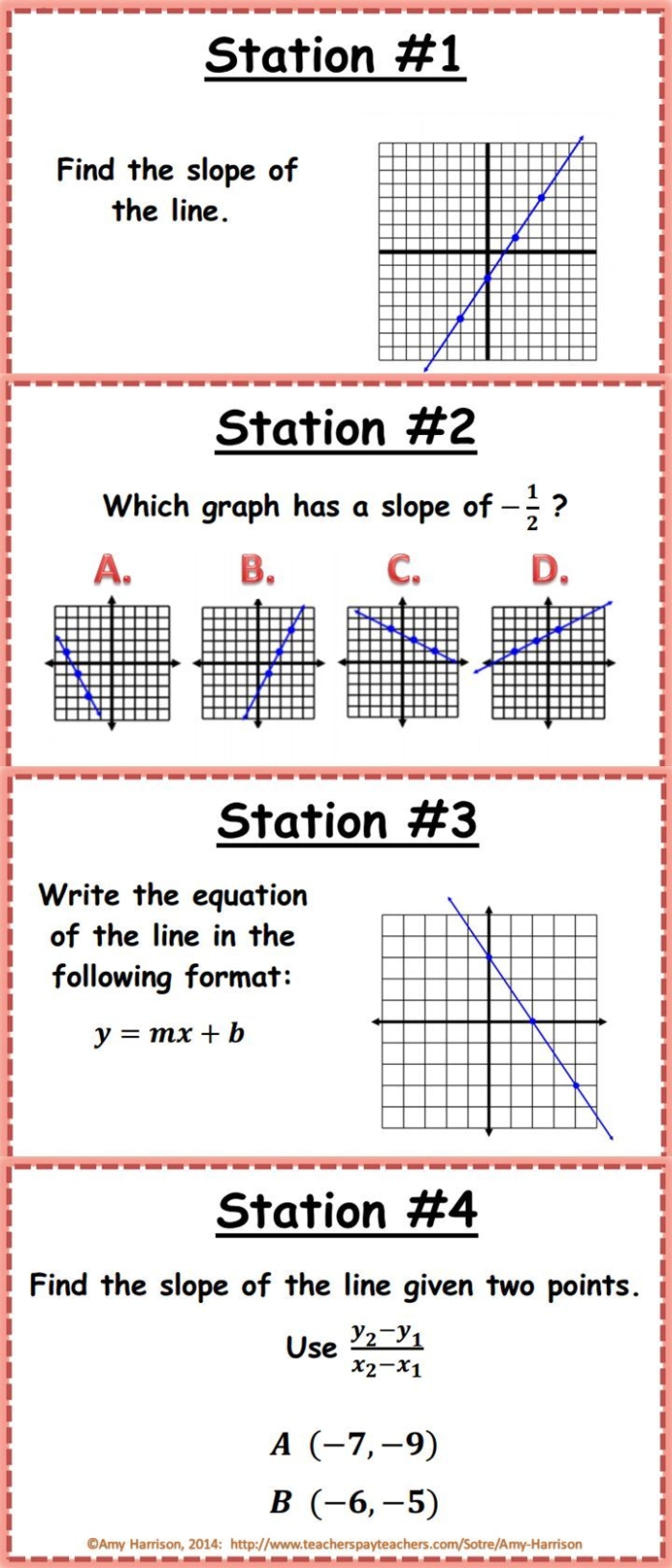
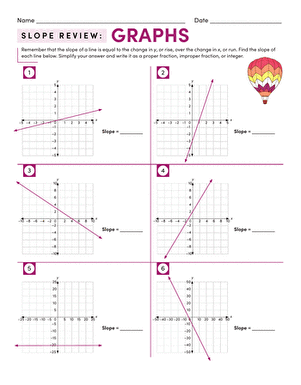
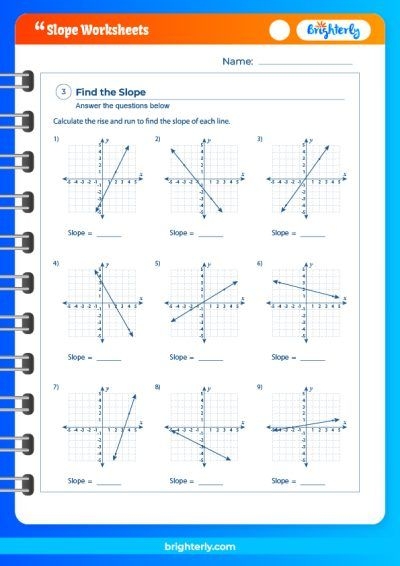
A good review worksheet walks students through identifying two points on a line, finding the difference in their y-values, finding the difference in their x-values, and then dividing one by the other. Practice problems should include lines with positive slopes, negative slopes, and even zero or undefined slopes to cover the full range. When students work through several examples with consistent structure, the pattern sticks.
Worksheets that focus specifically on this skill help reinforce vocabulary and procedure before moving into related topics. Once students understand slope calculation, they’re ready to tackle more complex relationships like describing function relationships with decimals or exploring systems of equations. Geometry also depends on this foundation, especially when students need to find exterior angles of triangles using coordinate geometry.
The repetition that comes from a dedicated worksheet builds automaticity, which frees up mental energy for more challenging problem-solving later on.
Worksheet Practice Section