Making your own paper ruler turns measurement from an abstract concept into something you can hold in your hands. Second grade students often struggle with understanding why we need two different systems for measuring length, but building and using a homemade ruler helps bridge that gap in a tactile way.
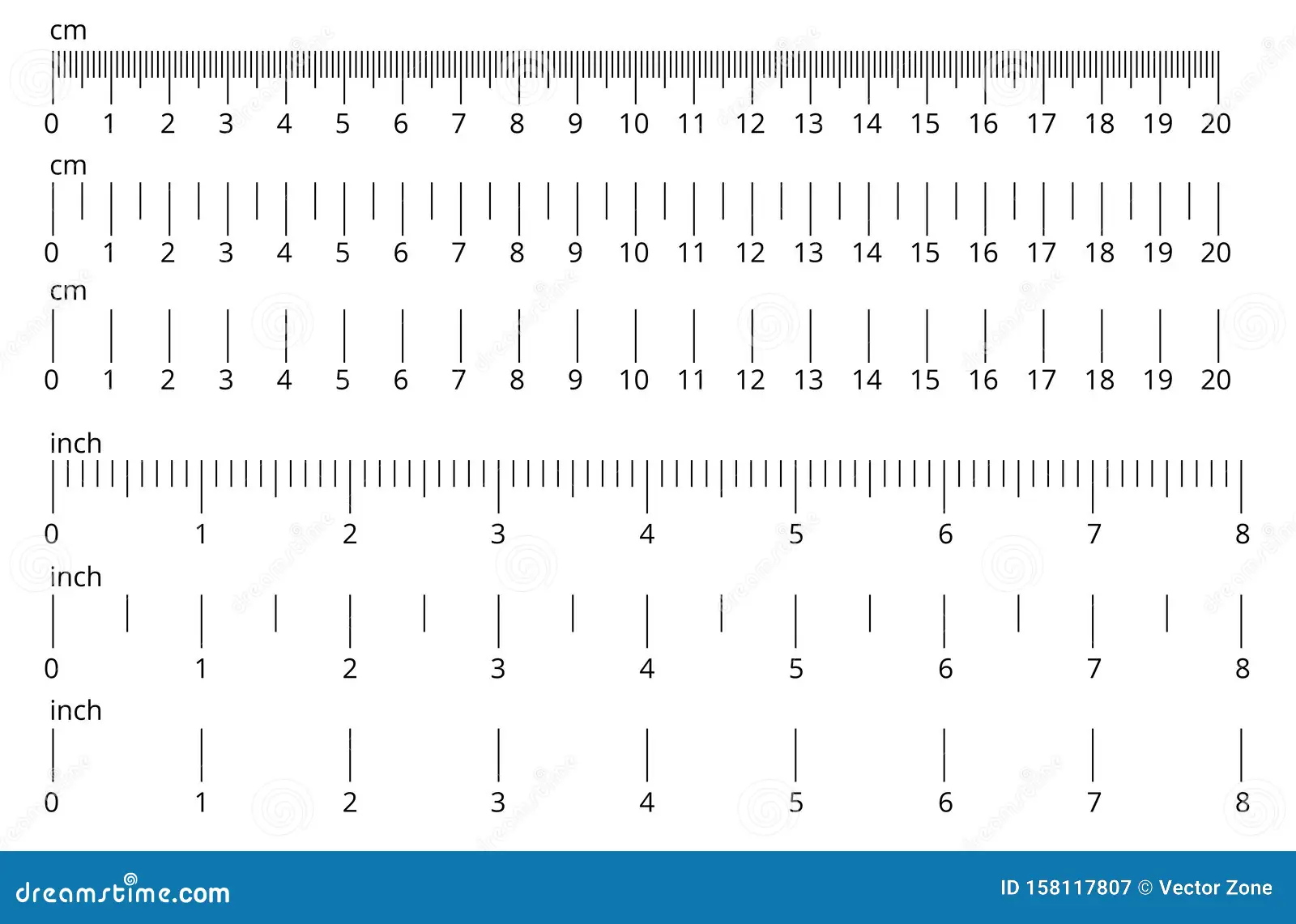
The process starts simple: grab a strip of paper and mark off centimeters on one side and inches on the other. As you create each marking, you begin to feel the physical difference between these units. One inch spans roughly 2.54 centimeters, a relationship that becomes real when you’re drawing the lines yourself rather than just reading about it. This hands-on approach sticks with students because they’ve invested time in creating the tool.
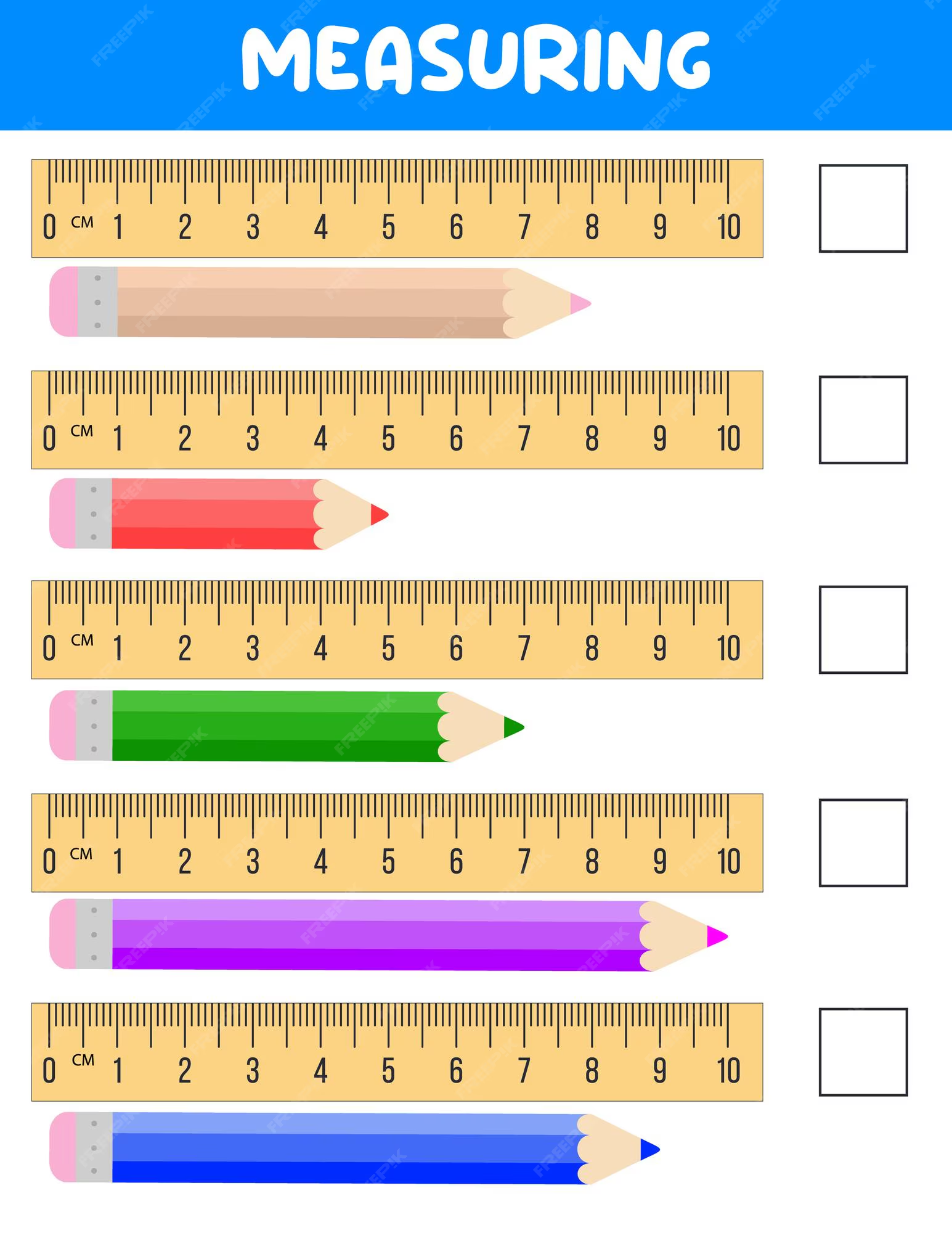
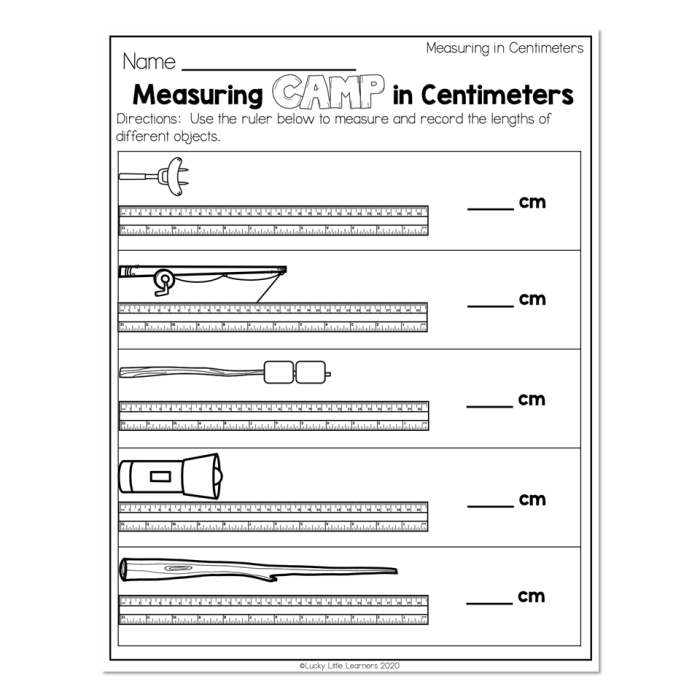
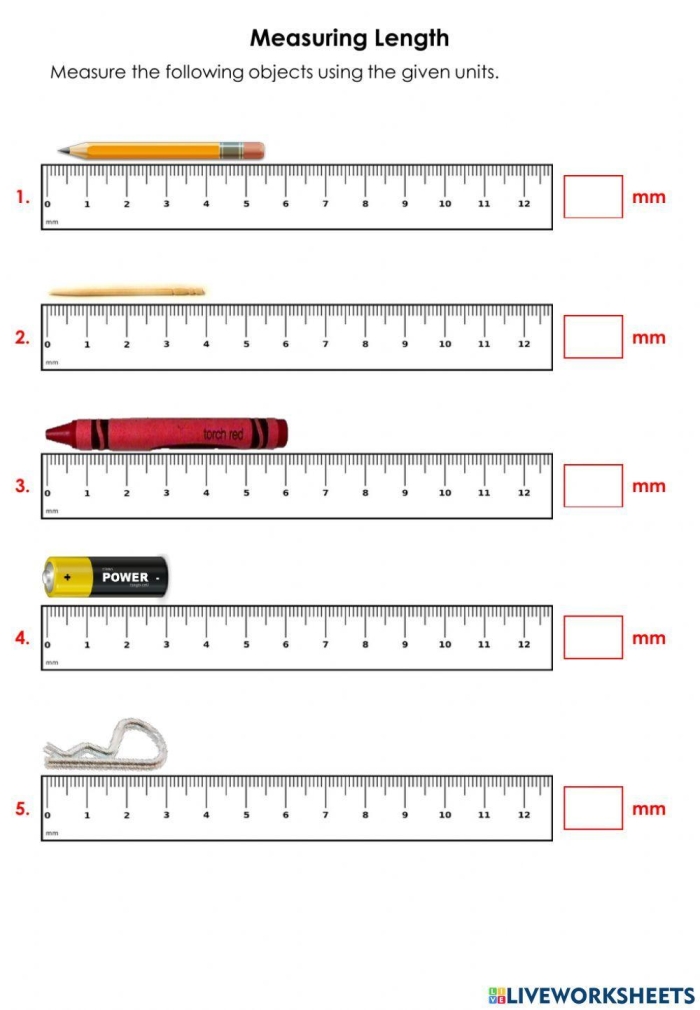
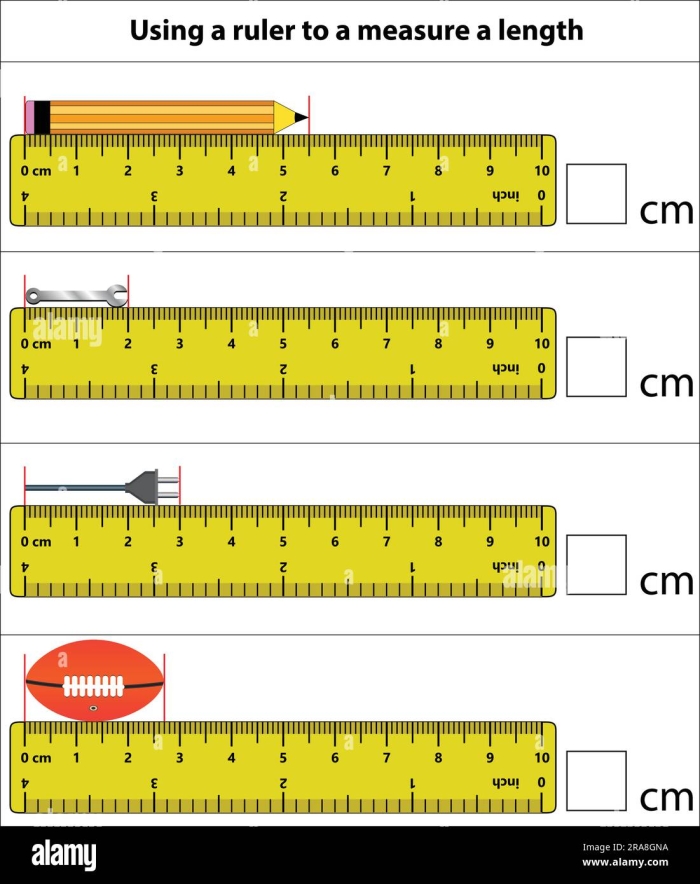
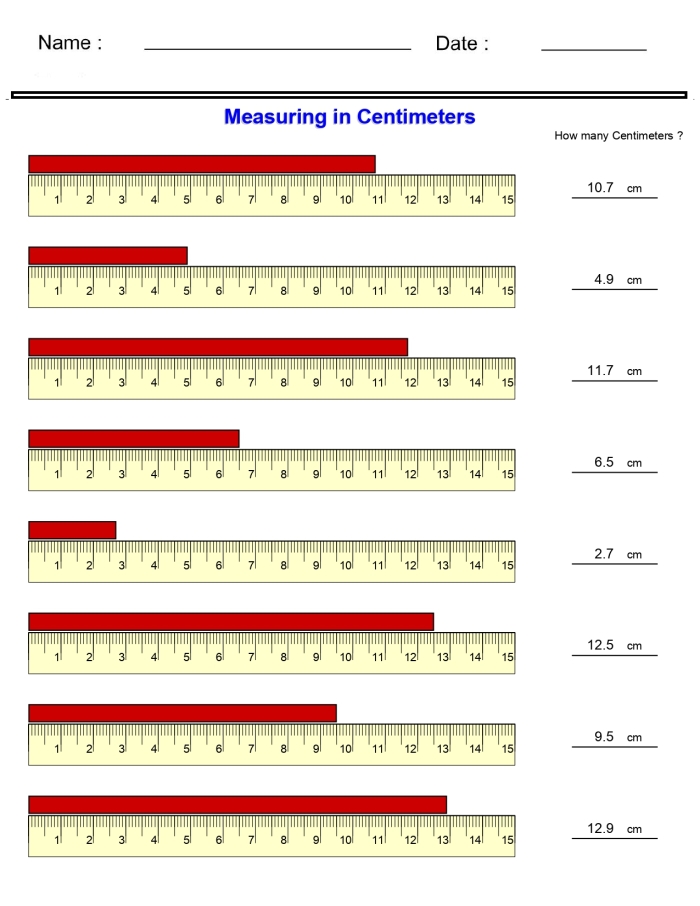
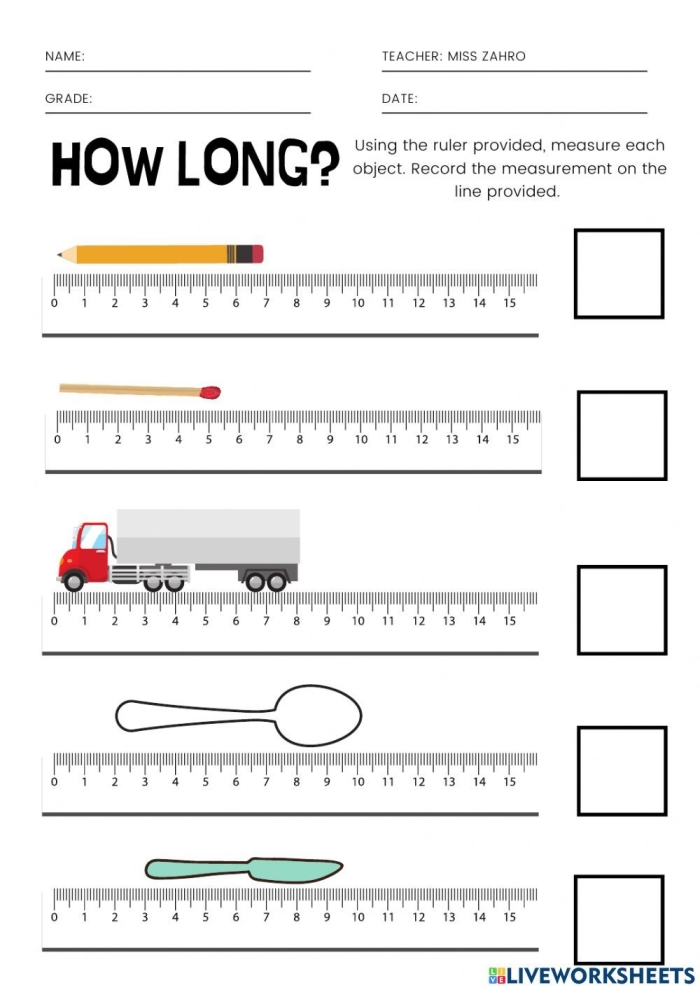
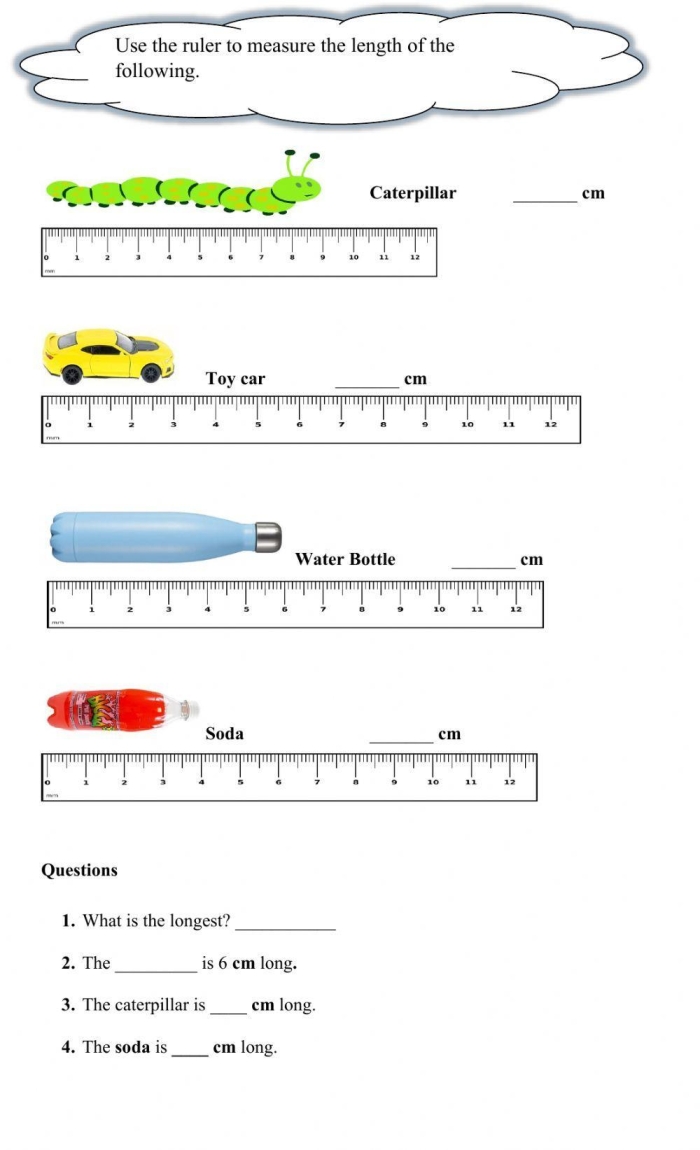
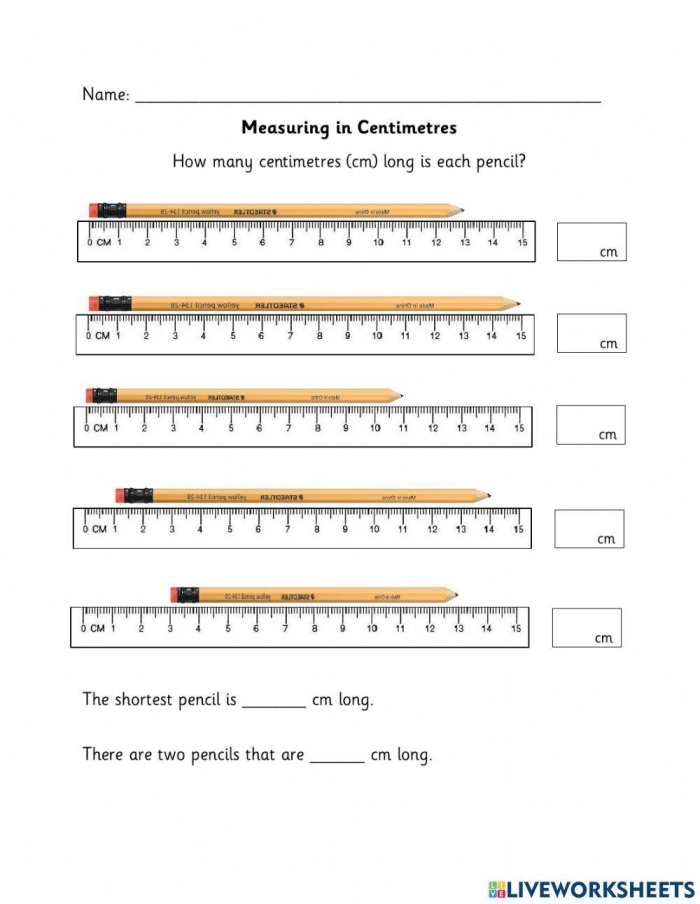
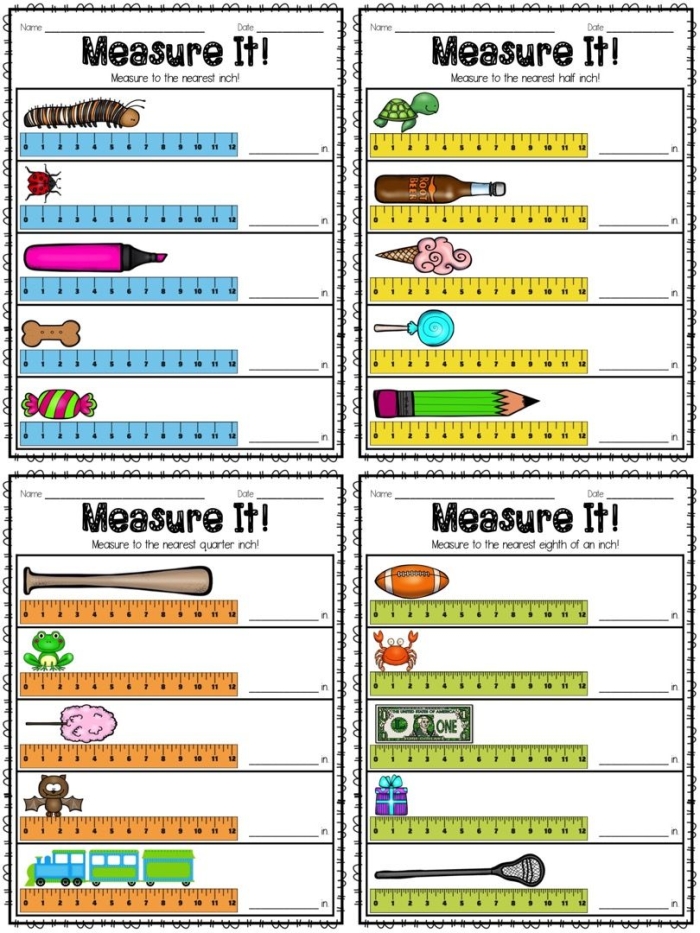
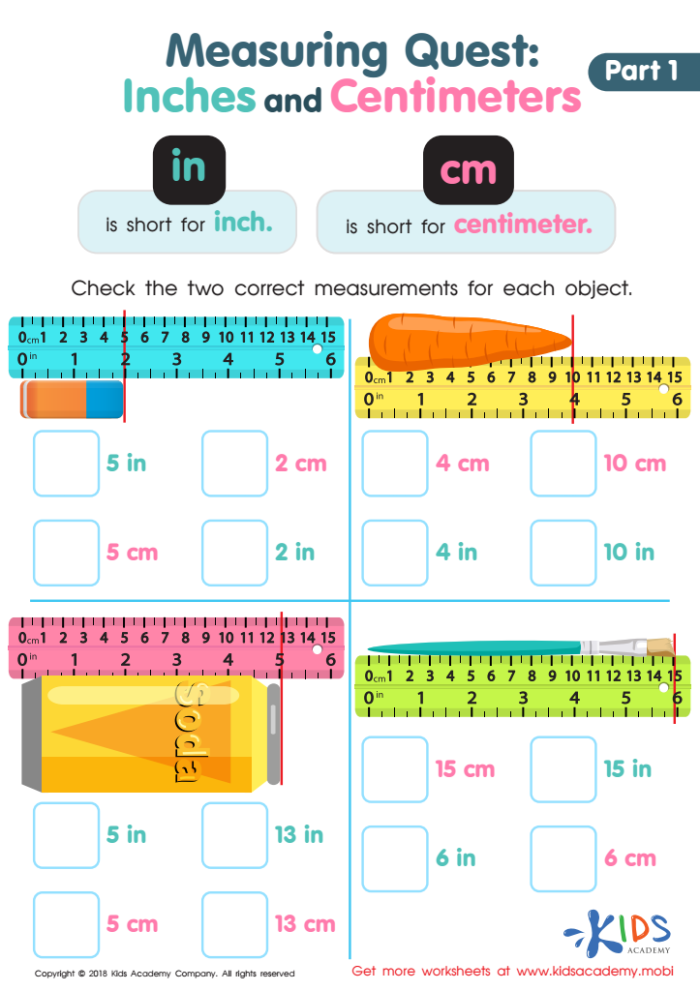
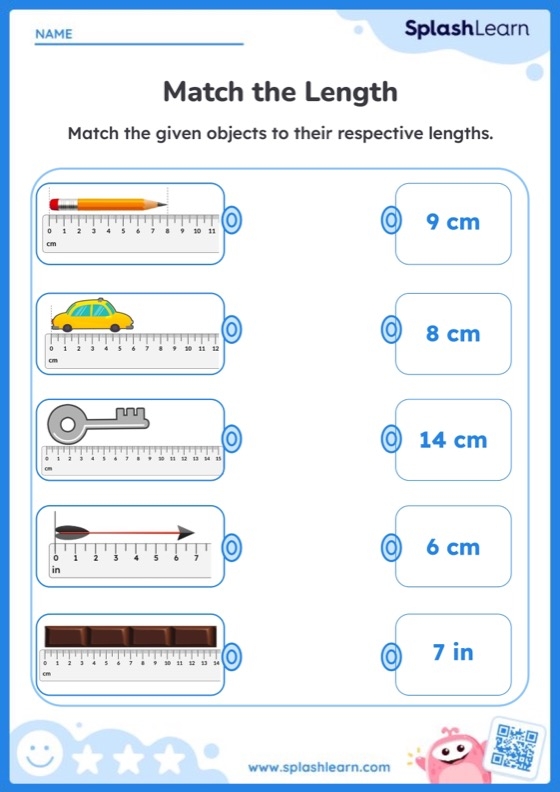
Once your ruler is ready, the measuring practice becomes genuinely useful. You can measure classroom objects, items from home, or items in pictures. A pencil, a book, a toy, a window frame, these everyday objects become measurement subjects. When second graders measure the same object using both systems, they develop vocabulary naturally: they learn that something can be “4 inches long” or “10 centimeters long” without these feeling like competing facts.
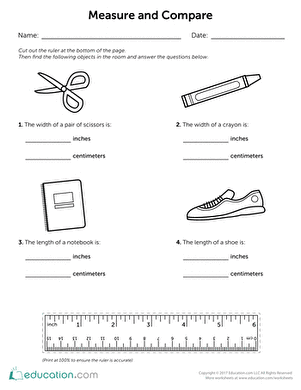
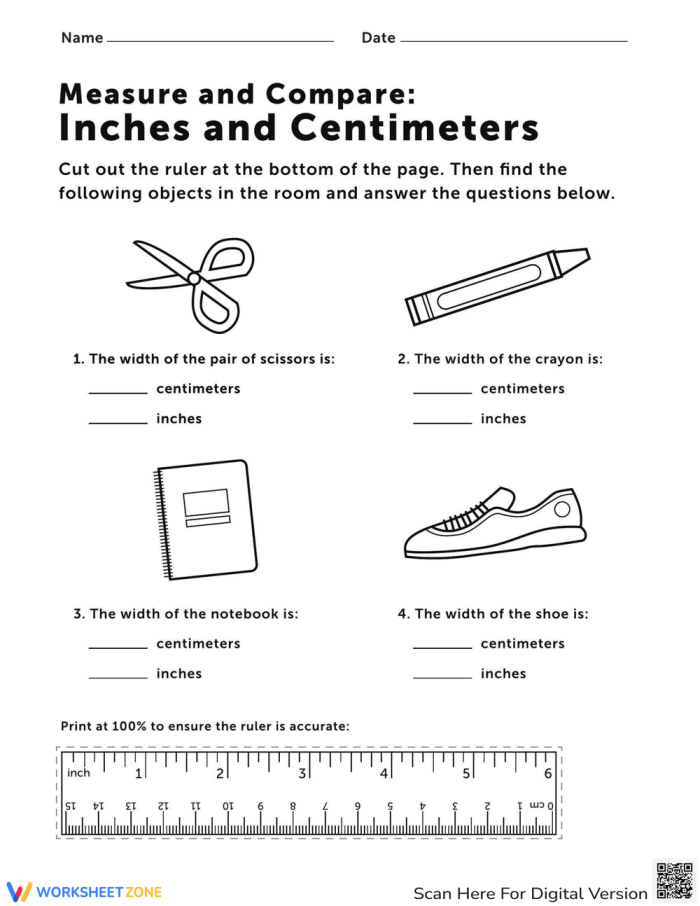
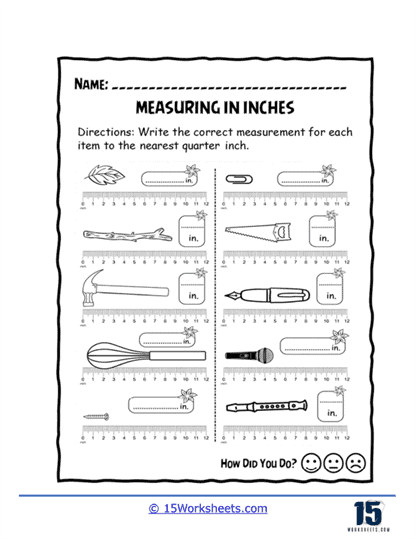
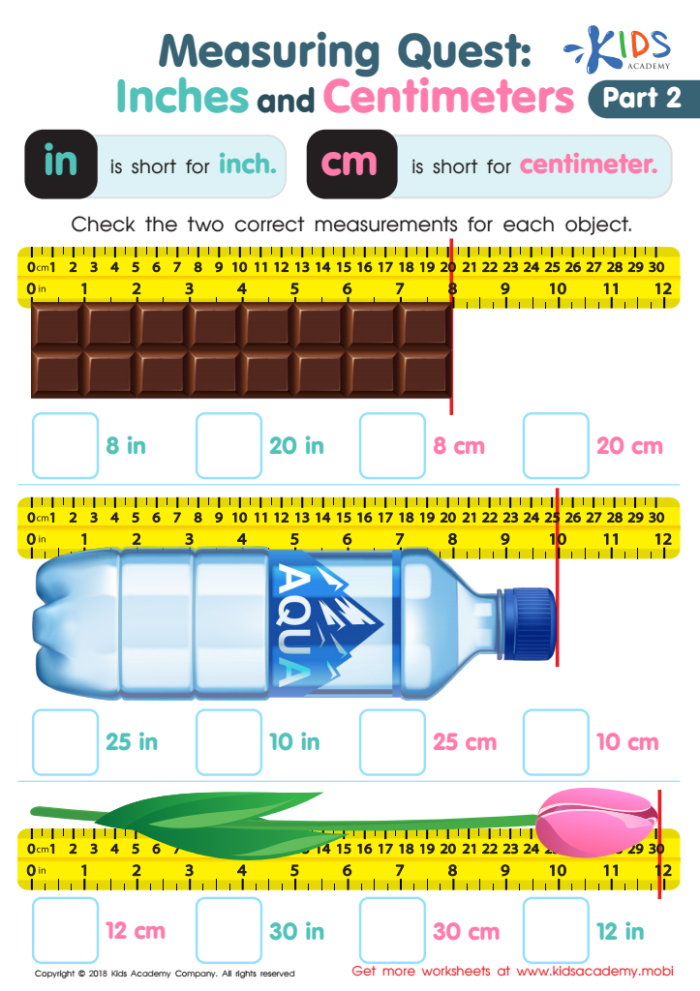
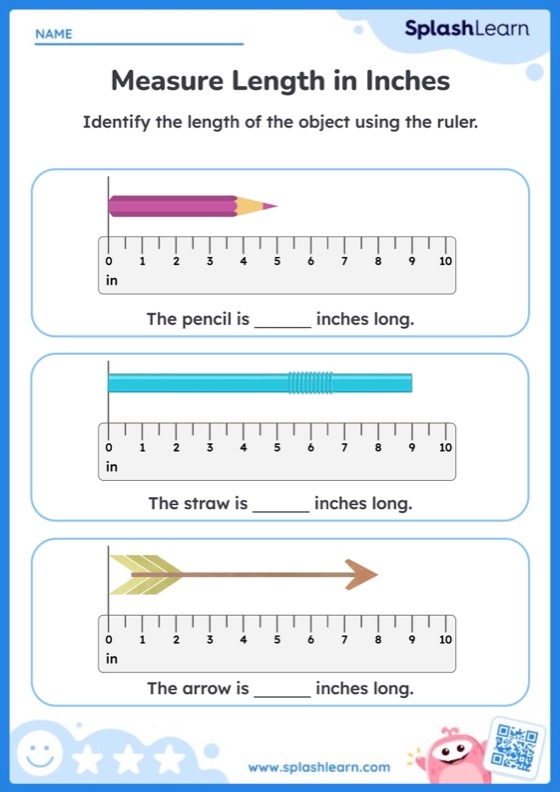
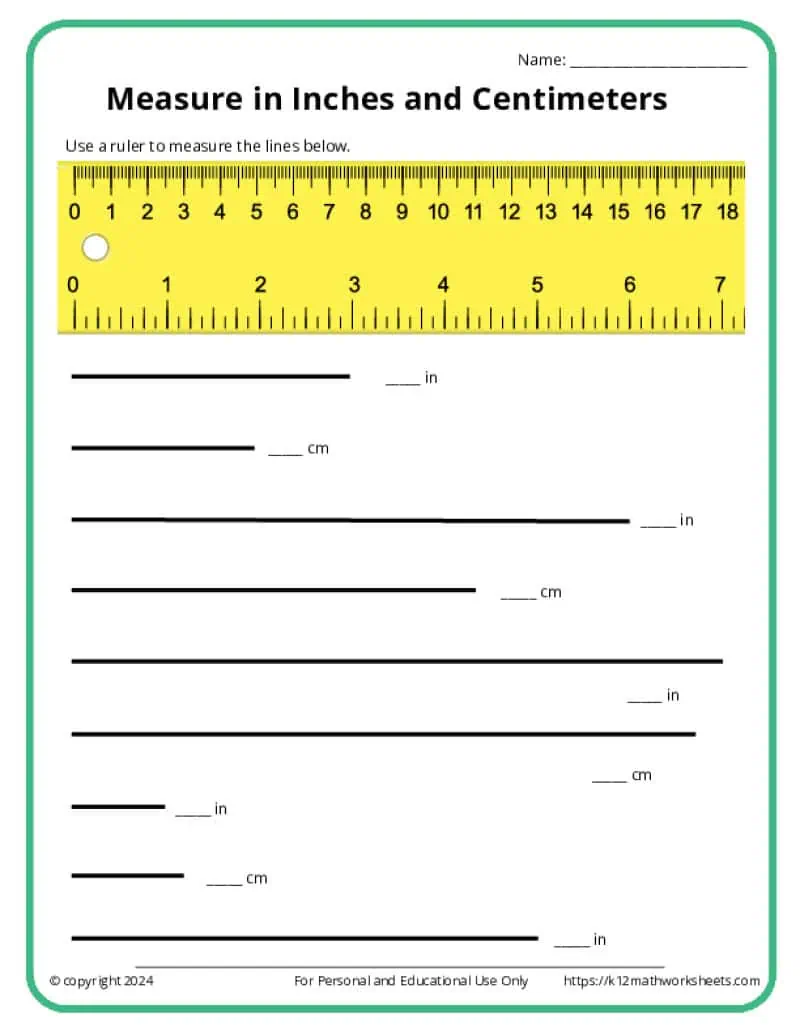
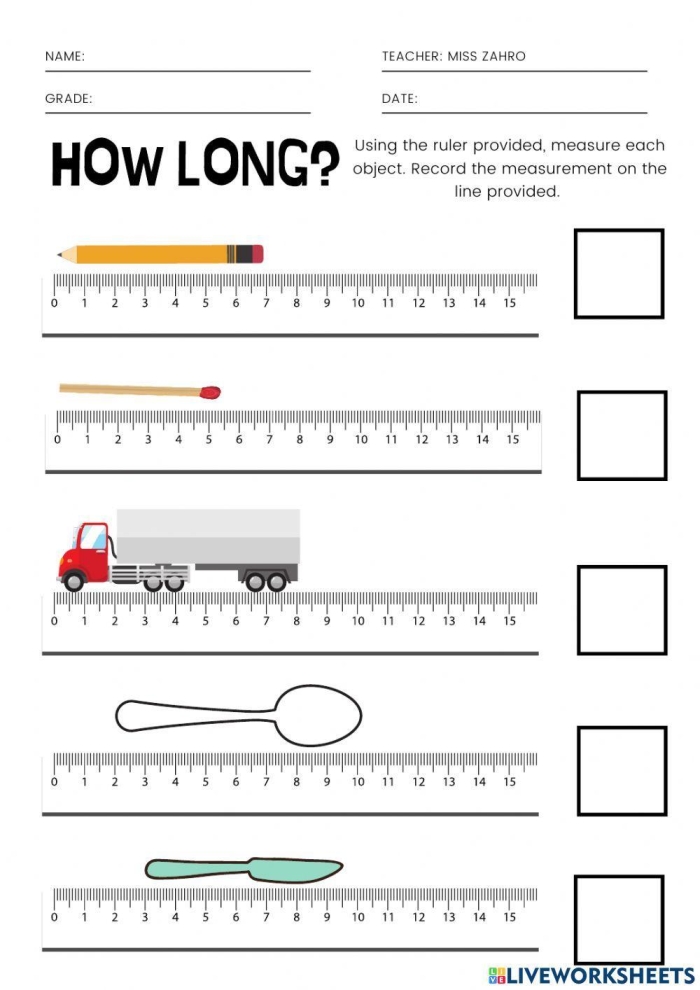
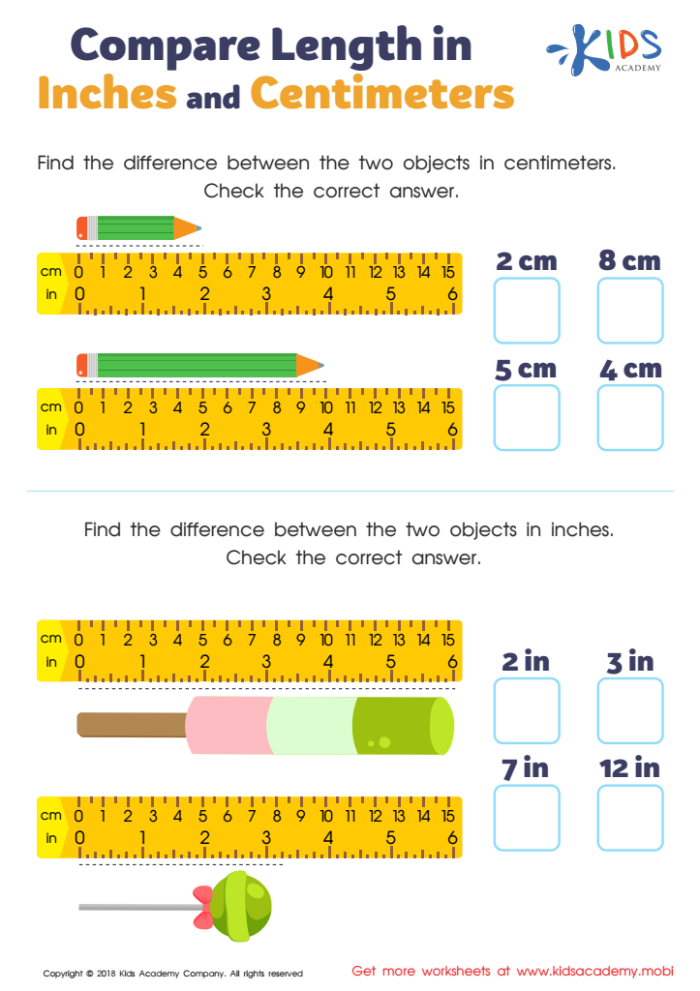
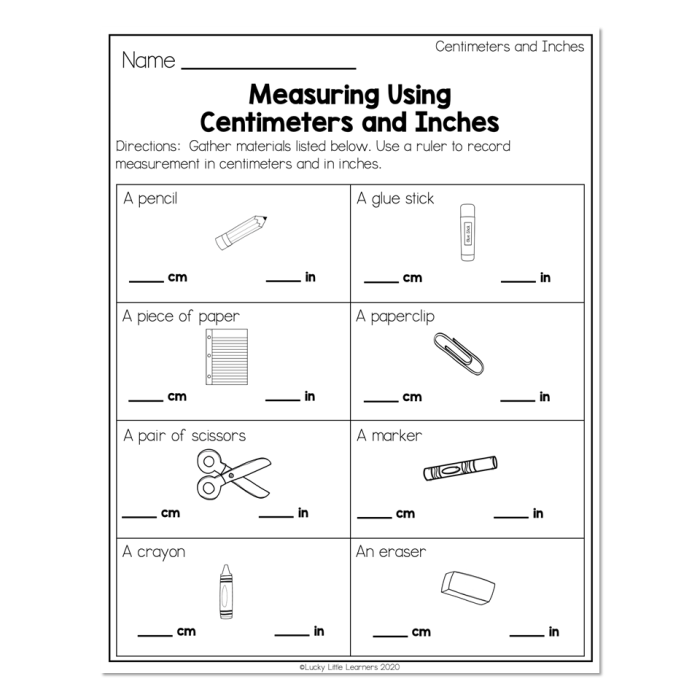
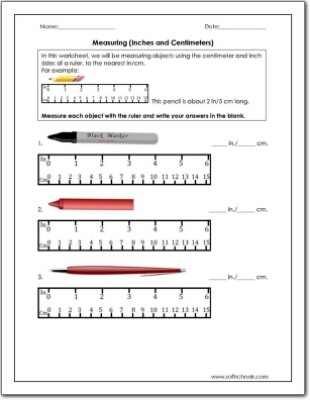
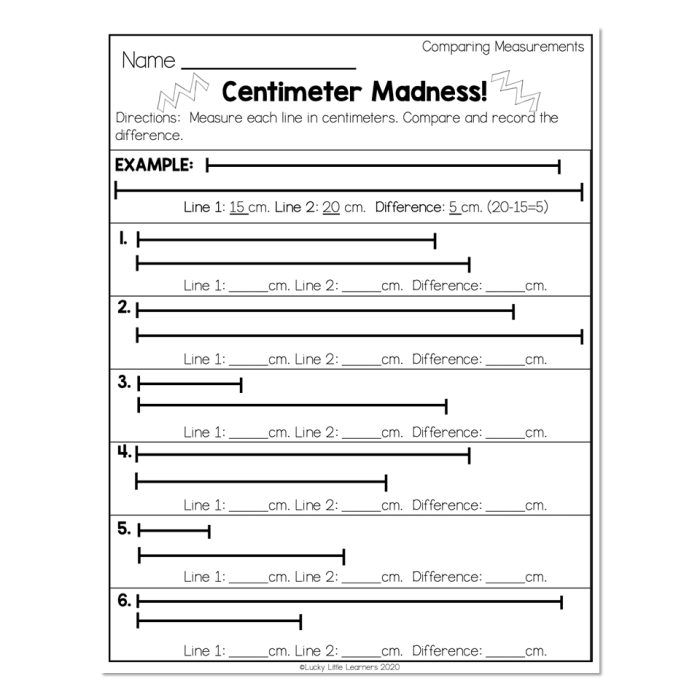
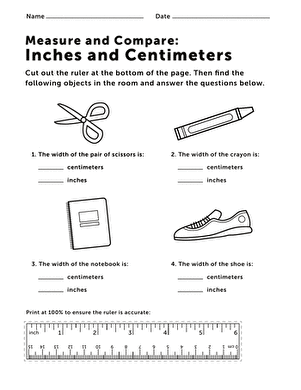
This hands-on method works especially well for vocabulary development in second grade. Rather than memorizing that “inch” and “centimeter” are units of length, students experience the words through repeated use and comparison. You might pair this activity with printable measurement worksheets that focus on comparing inches and centimeters, which reinforces what they’ve discovered with their paper ruler.
The beauty of this approach is that it requires almost no materials. Paper, a pencil, and maybe a reference ruler to check your work, and you’re set. Students leave with both a functional tool and a deeper understanding of how we quantify distance and size.
Printable Worksheets for Practice