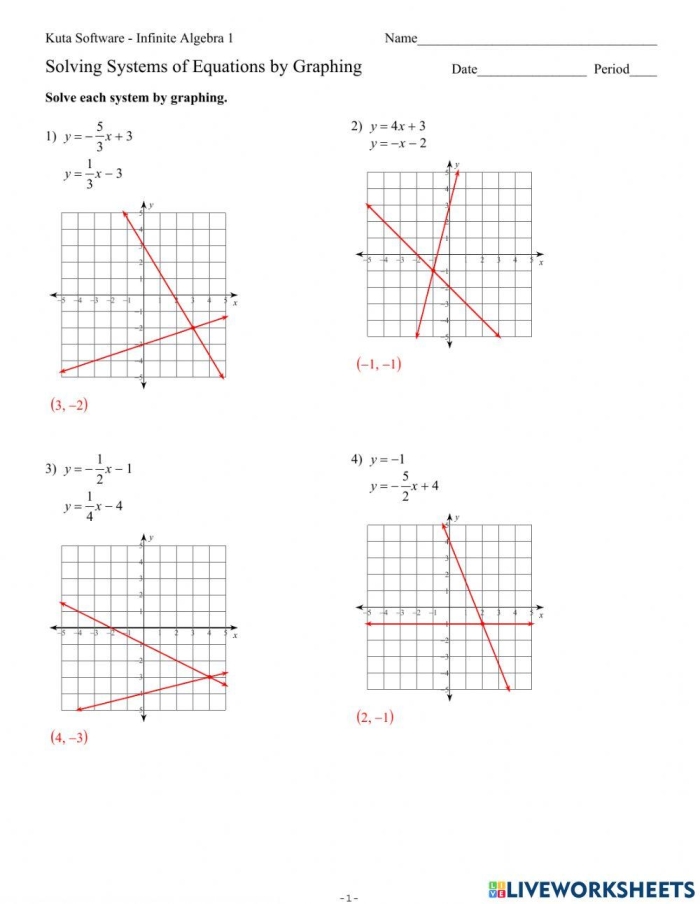
Understanding slope and y-intercept is crucial for eighth-grade students as they explore systems of equations. These concepts not only help in solving mathematical problems but also in determining the number of solutions for different systems of equations. A system of equations can yield one solution, no solution, or infinitely many solutions. Students who grasp these ideas can explain their reasoning clearly, making them more confident in their mathematical abilities.
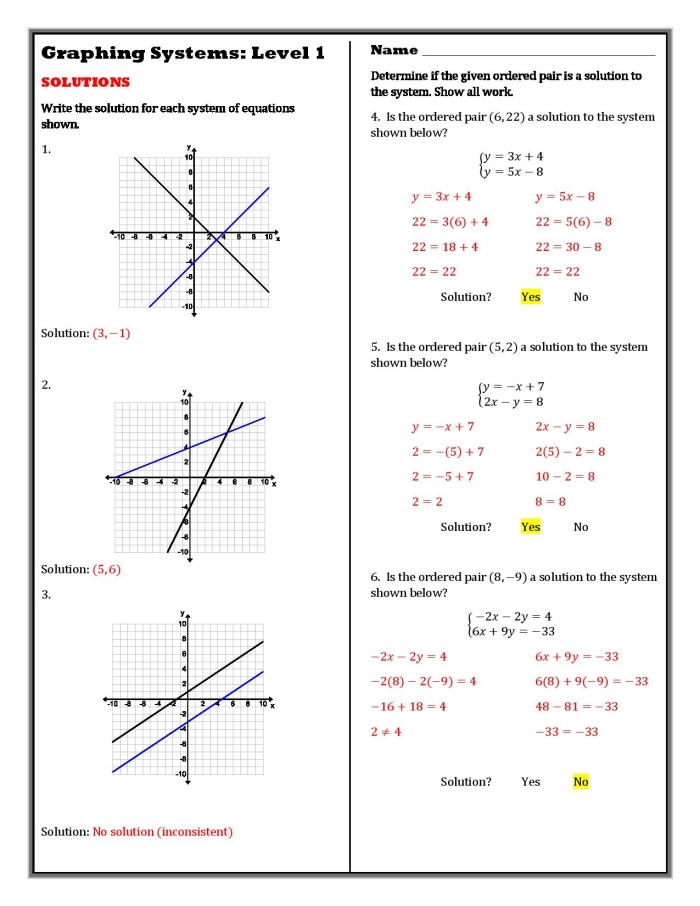
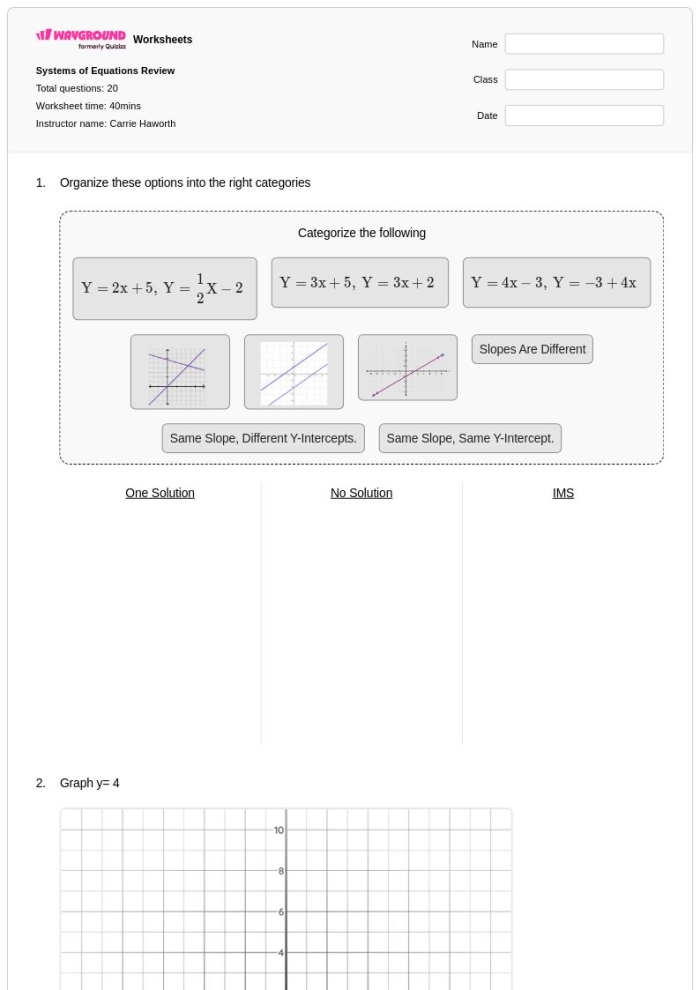
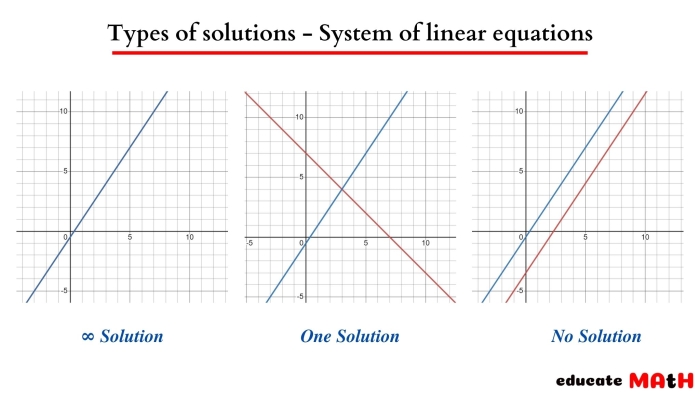
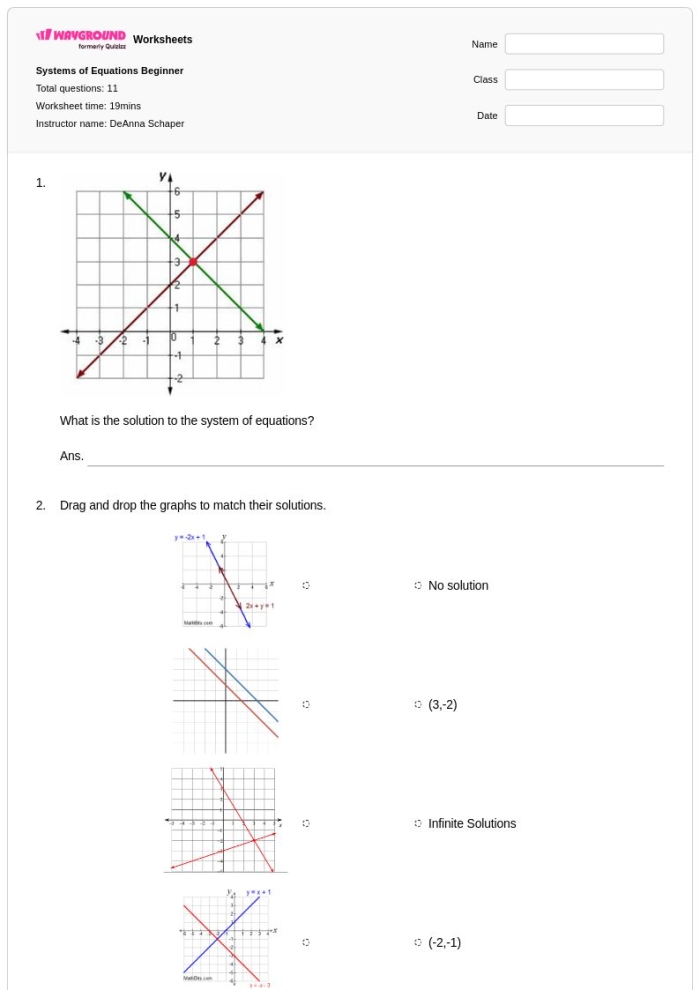
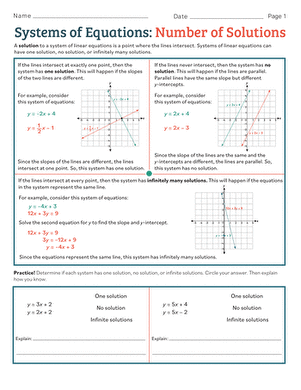
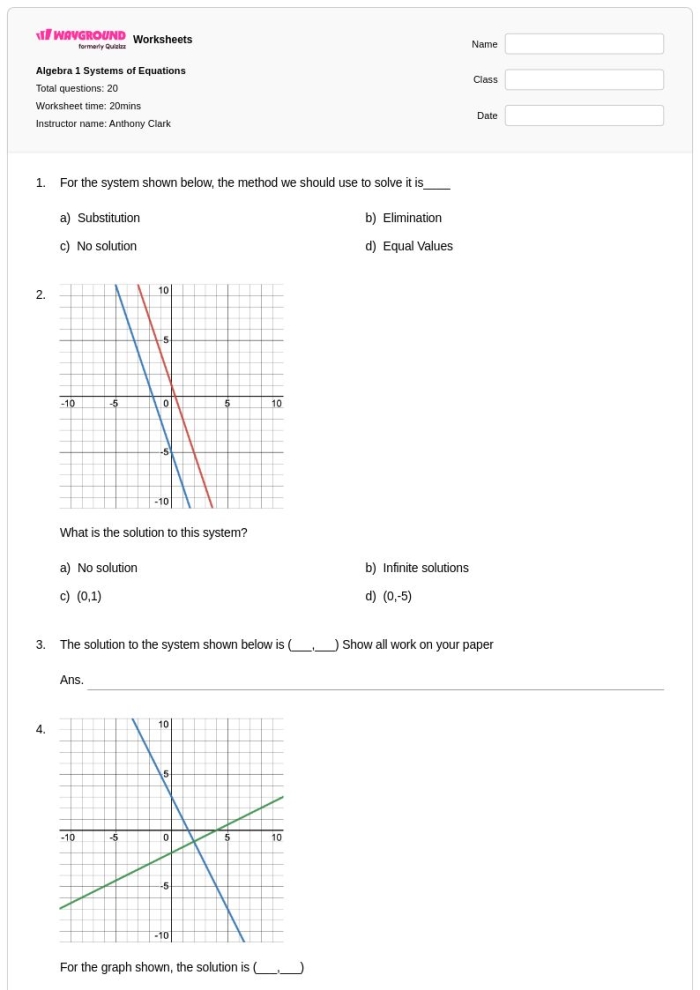
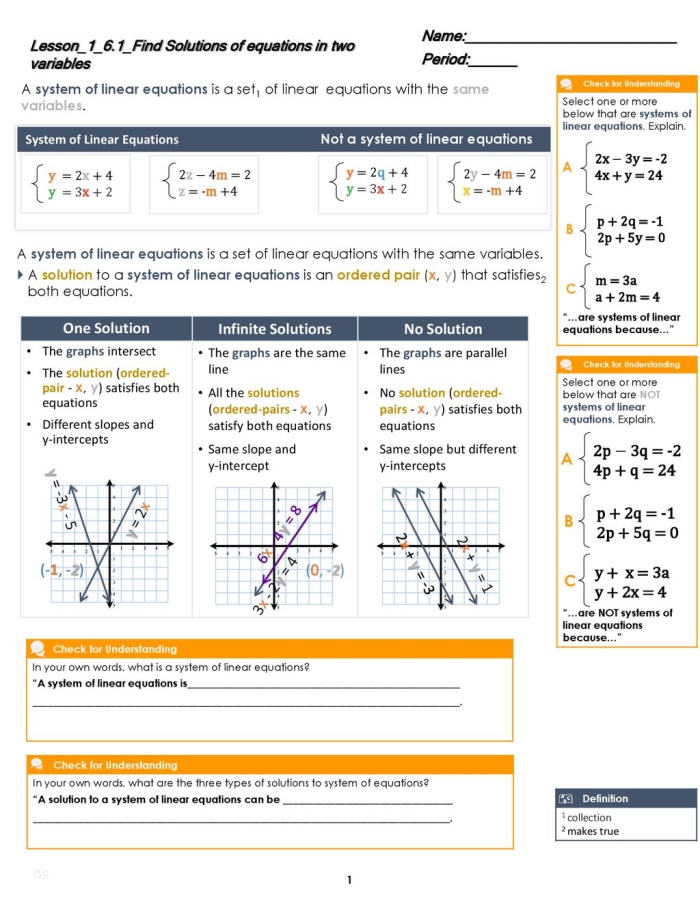
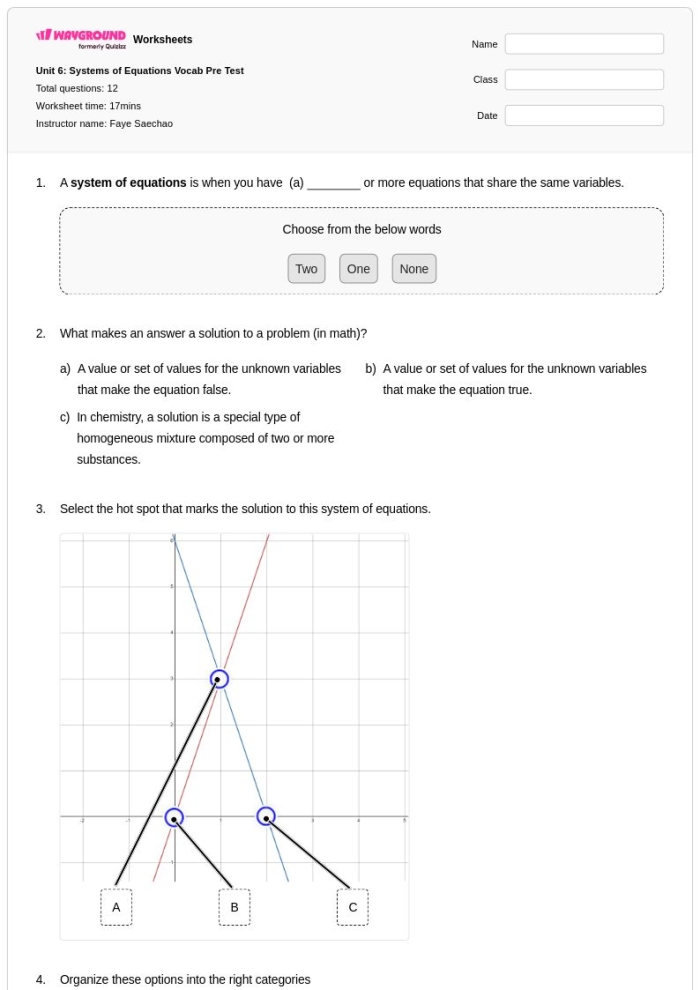
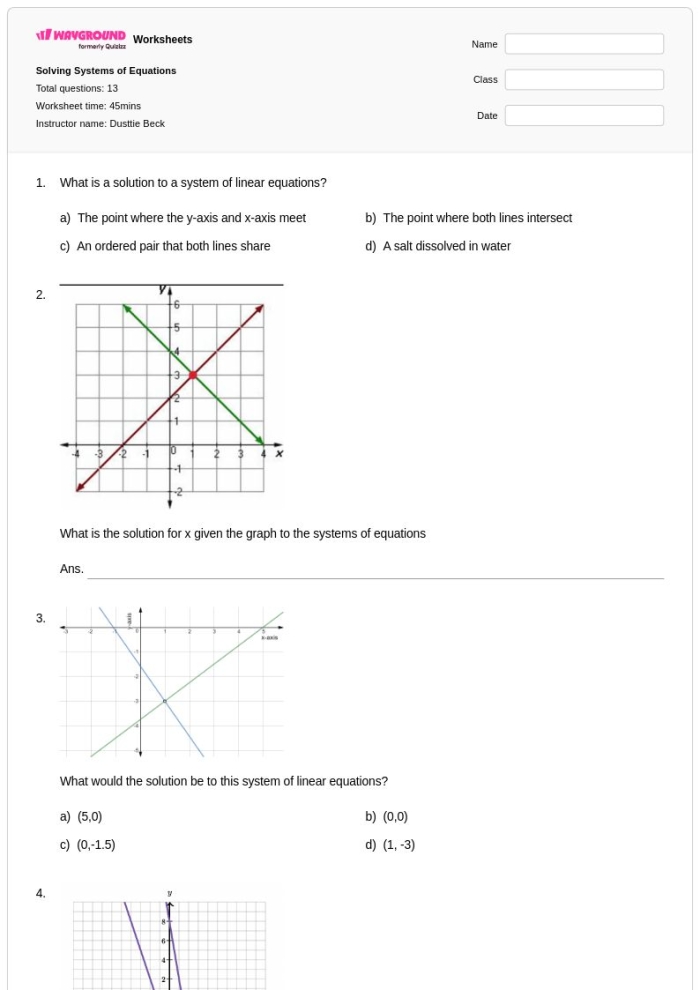
When two linear equations are graphed, their point of intersection represents the solution to the system. If the lines intersect at a single point, it indicates one solution. For instance, consider the equations y = 2x + 3 and y = -x + 1. When graphed, these lines will cross at one point, providing a unique solution. However, if two equations represent the same line, like y = 2x + 3 and 2y = 4x + 6, every point on the line is a solution, leading to infinitely many solutions.
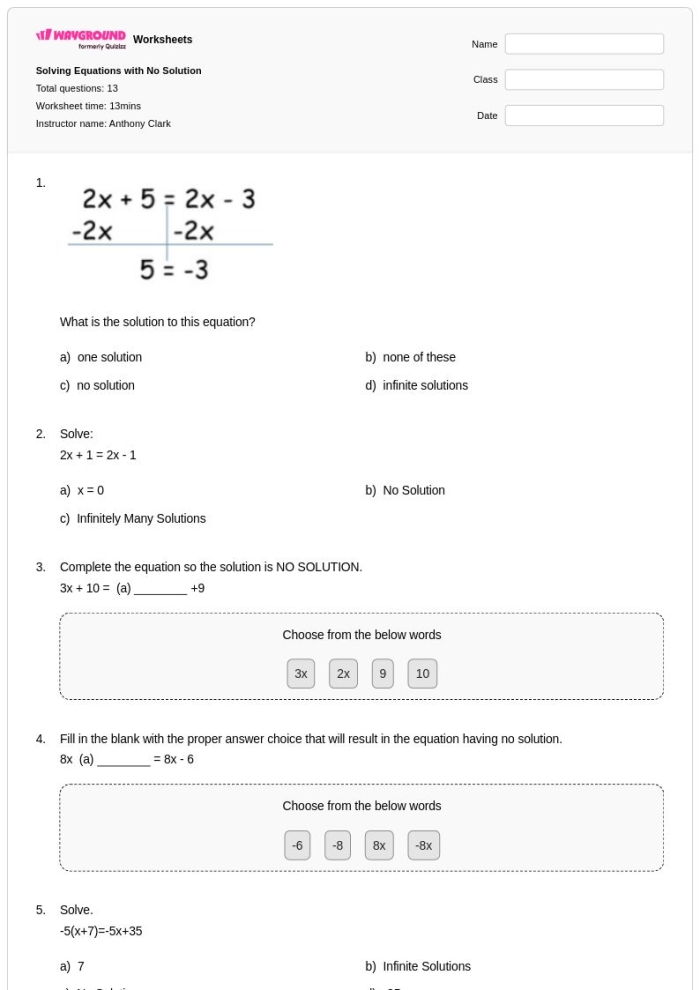
Conversely, if the lines are parallel, as with y = 2x + 3 and y = 2x – 1, they will never intersect, resulting in no solution. Understanding these outcomes allows students to analyze systems of equations effectively. They can apply their knowledge of slope and y-intercept to visually interpret these relationships and articulate their thought processes.
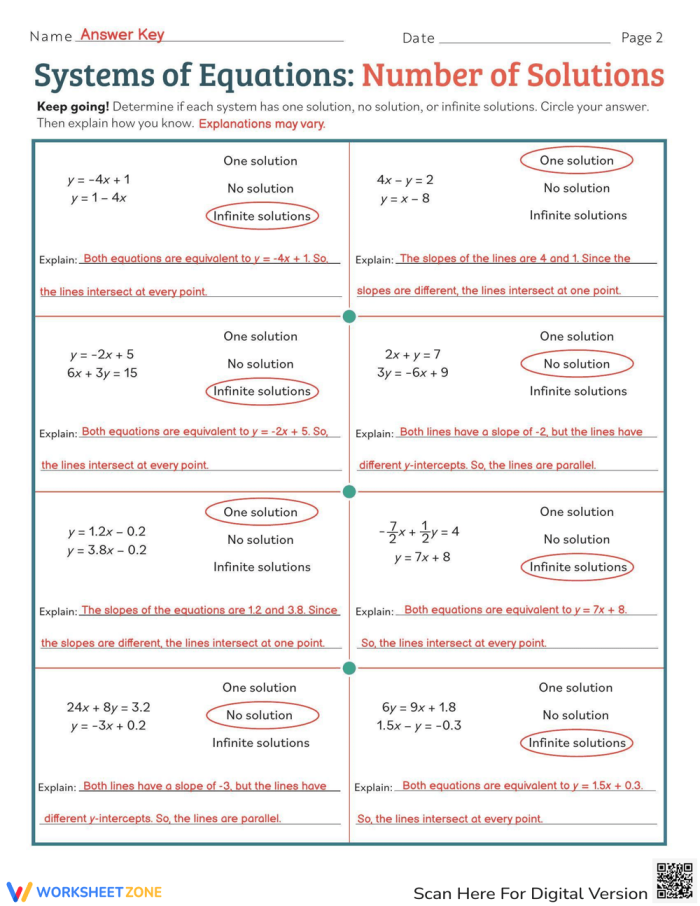
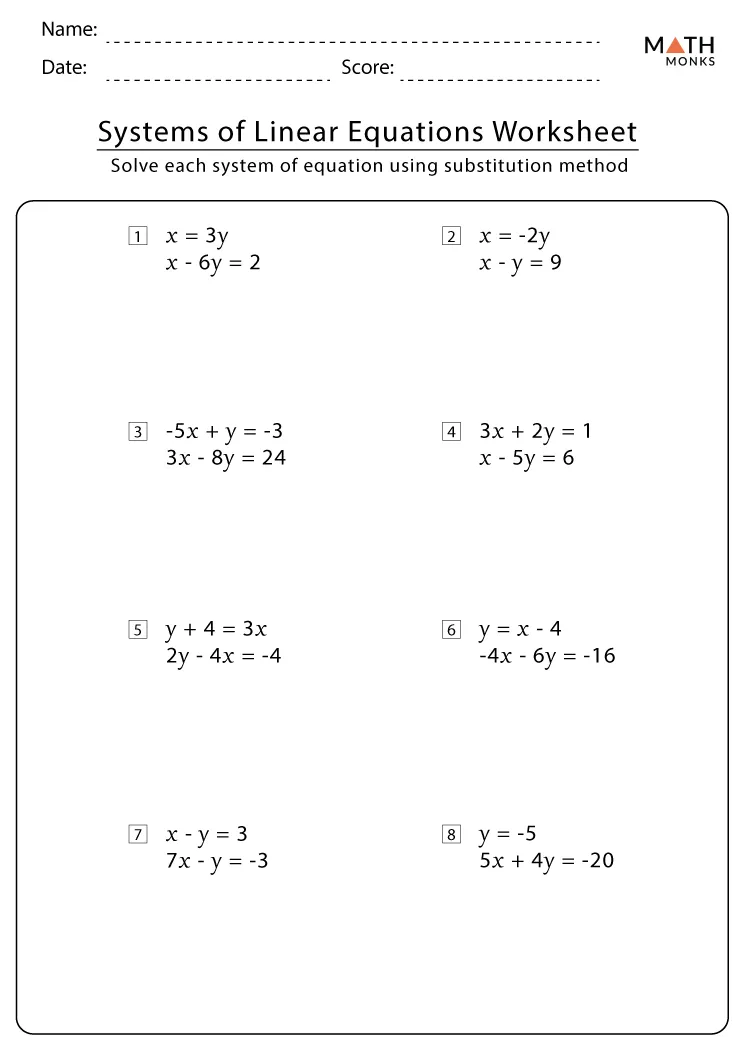
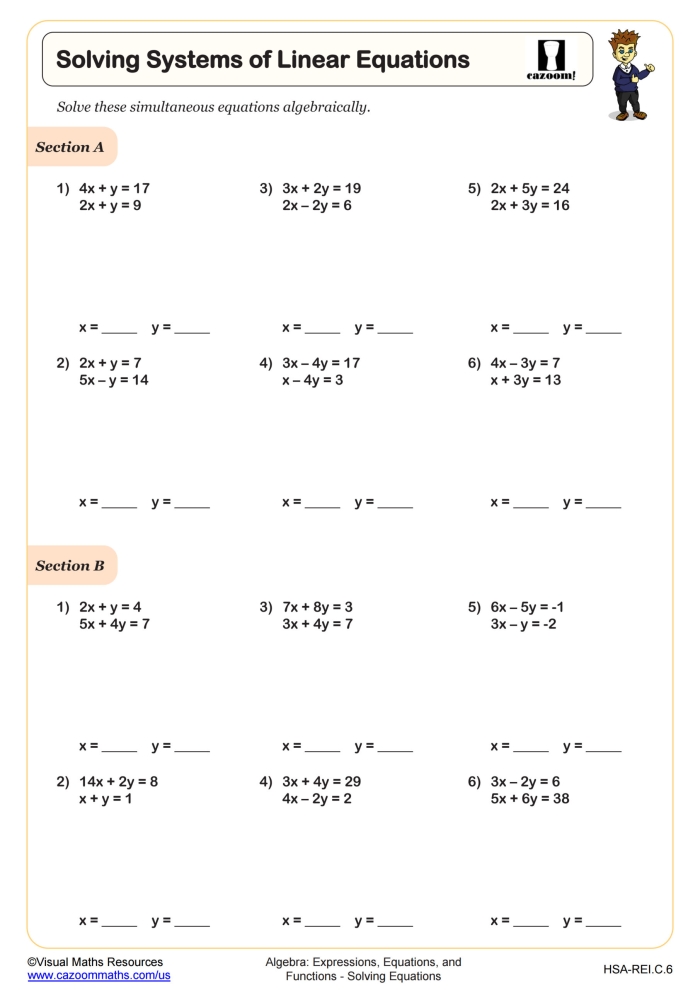
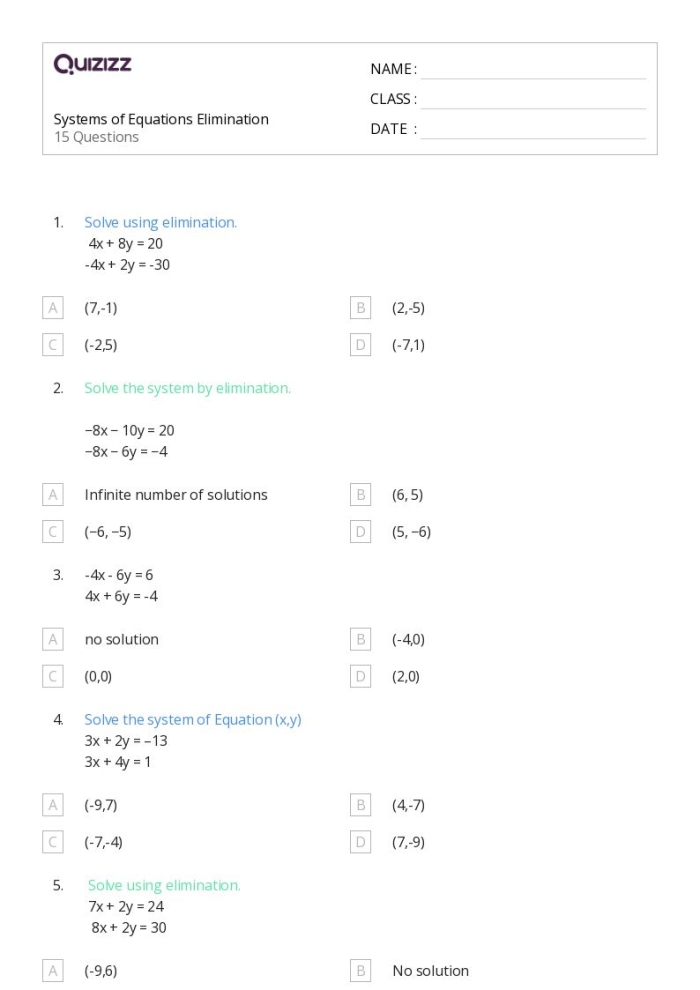
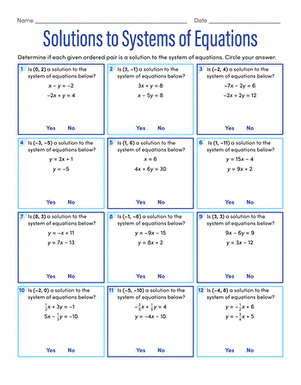
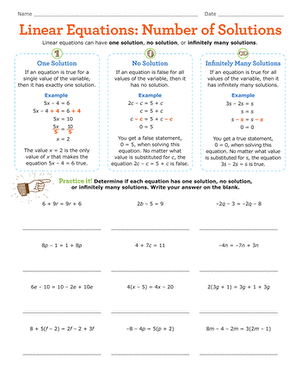
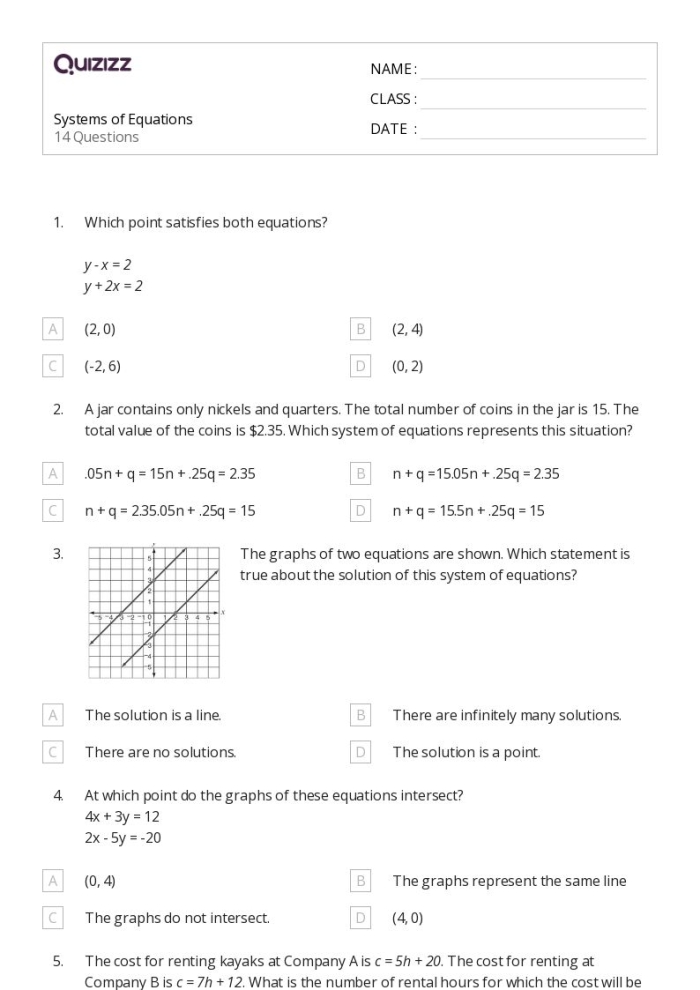
To practice these concepts, eighth-grade students can benefit from resources like Printable Systems of Equations: Number of Solutions Worksheets. These worksheets provide structured exercises that reinforce their learning and enhance their ability to explain their reasoning. Engaging with these materials in Spanish can further support bilingual students in mastering the content.
Ultimately, the ability to determine the number of solutions in systems of equations fosters critical thinking and problem-solving skills, which are essential for success in mathematics and beyond.
Worksheet Practice Section