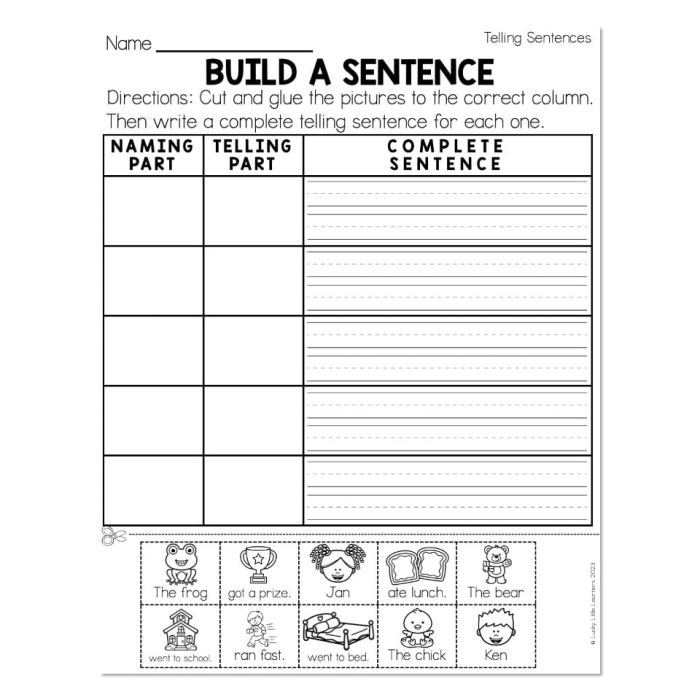
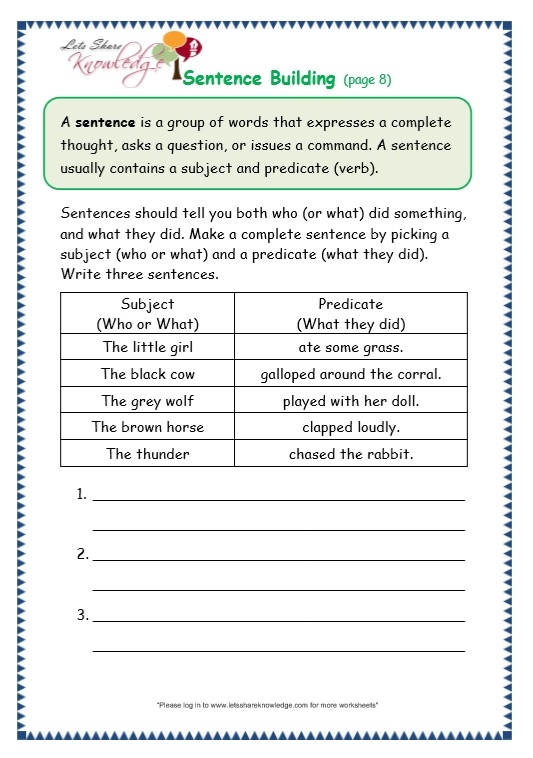
Understanding the components of a sentence is crucial for first graders as they develop their grammar and sentence skills. By focusing on the “naming part” (subject) and the “action part” (predicate), young learners can grasp the basic structure that forms the backbone of effective communication.
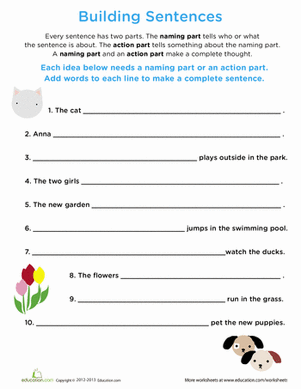
The subject of a sentence tells us who or what the sentence is about. For example, in the sentence “The cat sleeps,” “the cat” is the subject. This is the part that identifies the main character or focus of the sentence. Conversely, the predicate provides information about what the subject does or is. In our example, “sleeps” is the predicate, describing the action being performed by the cat. Understanding these two elements helps children create complete thoughts and express ideas clearly.
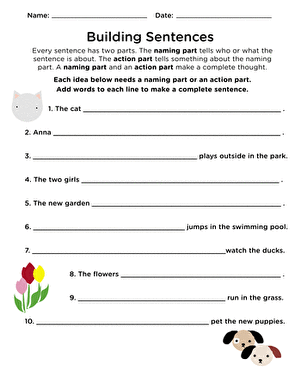
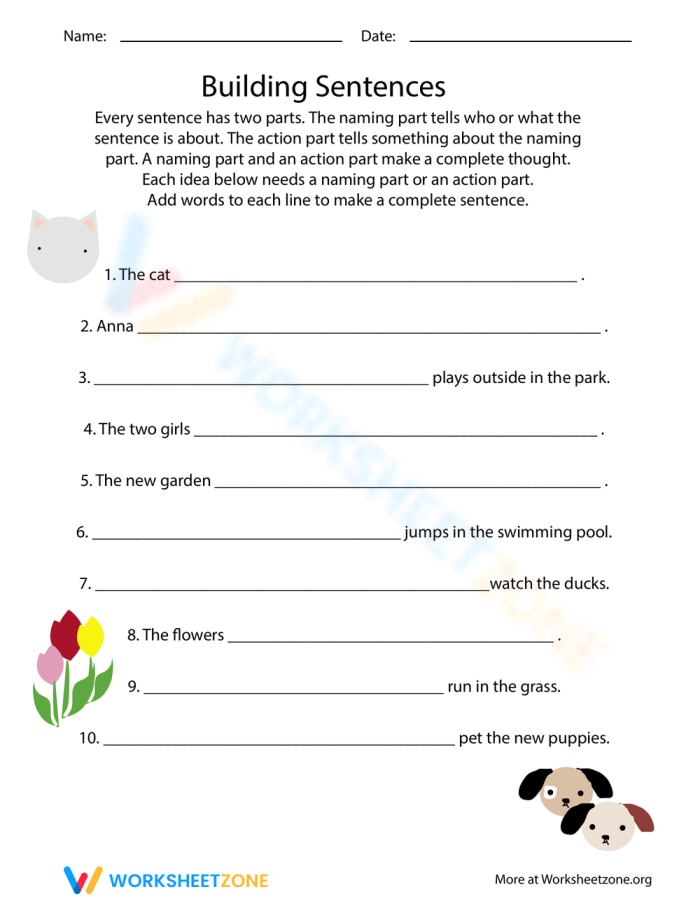
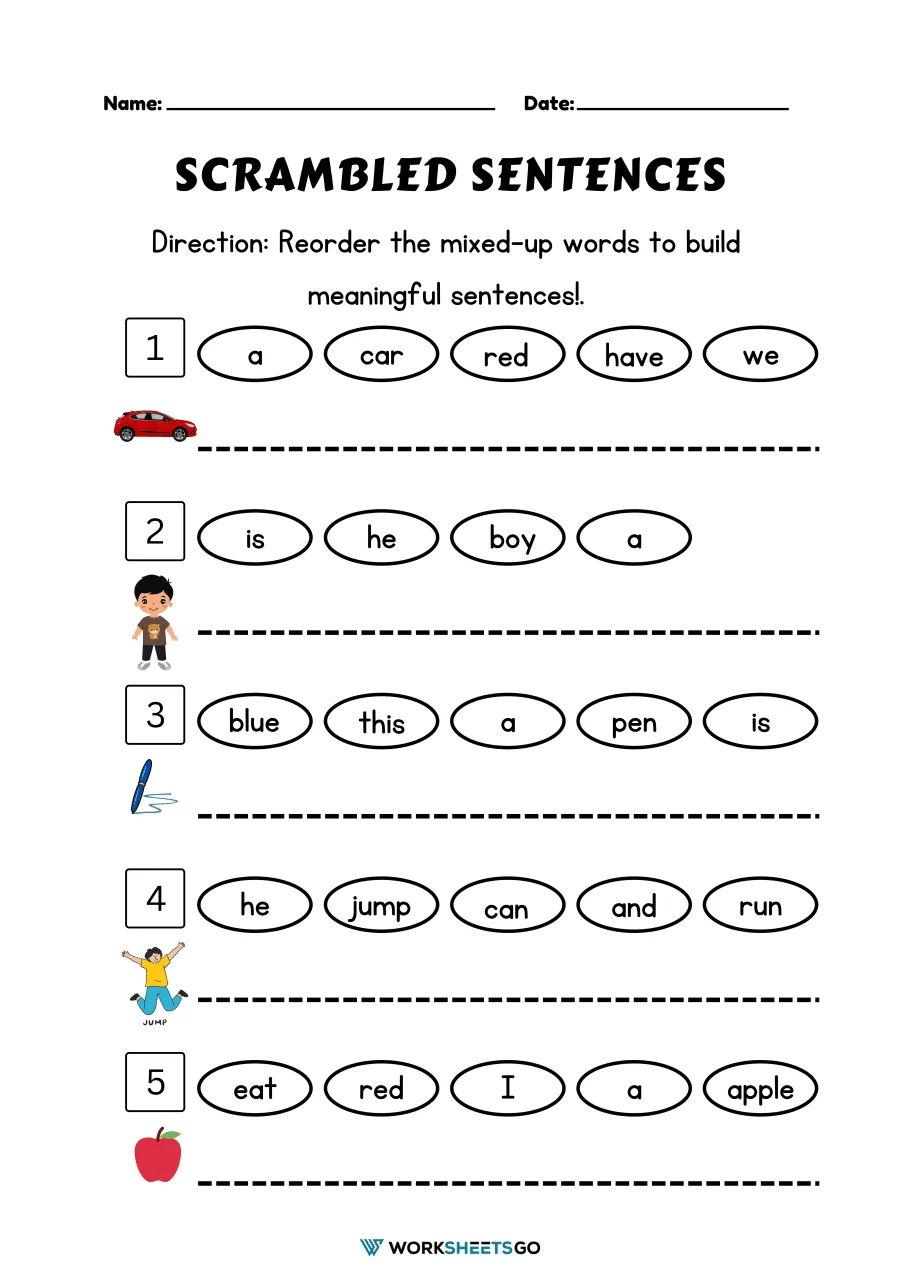
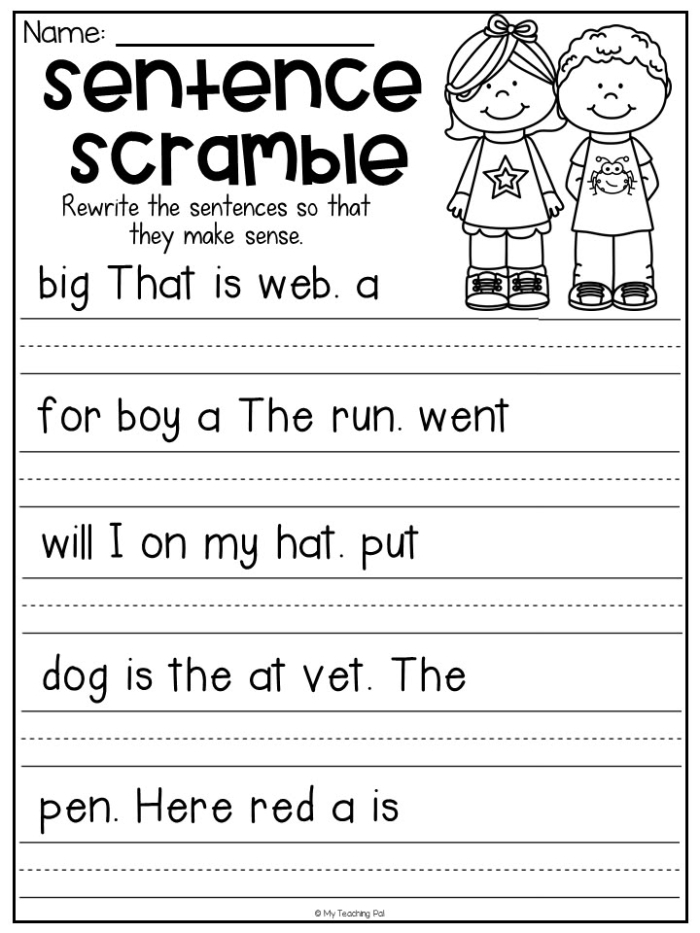
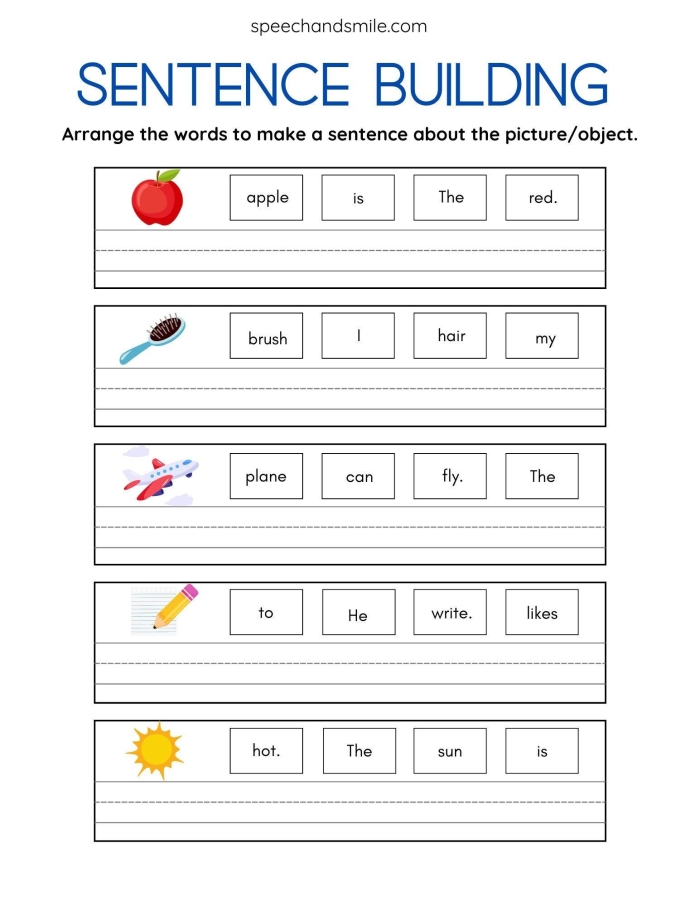
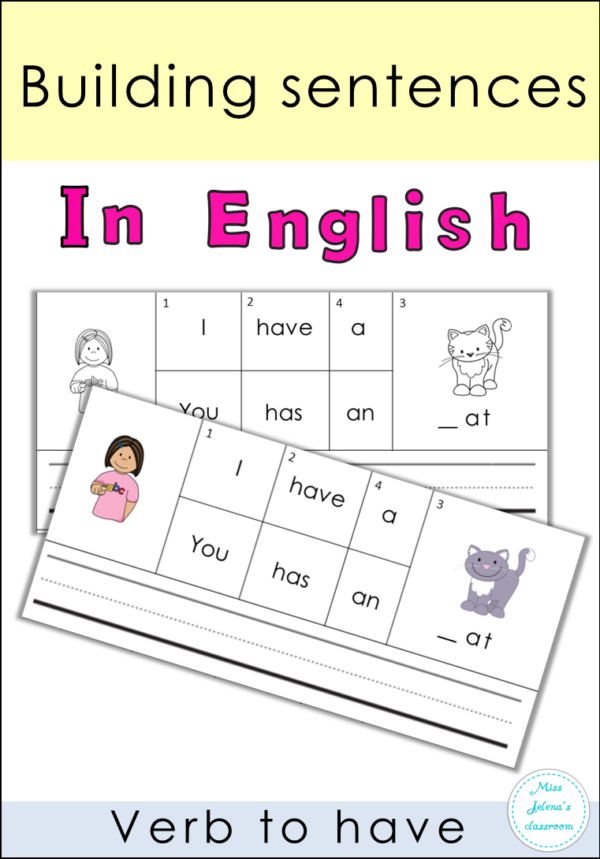
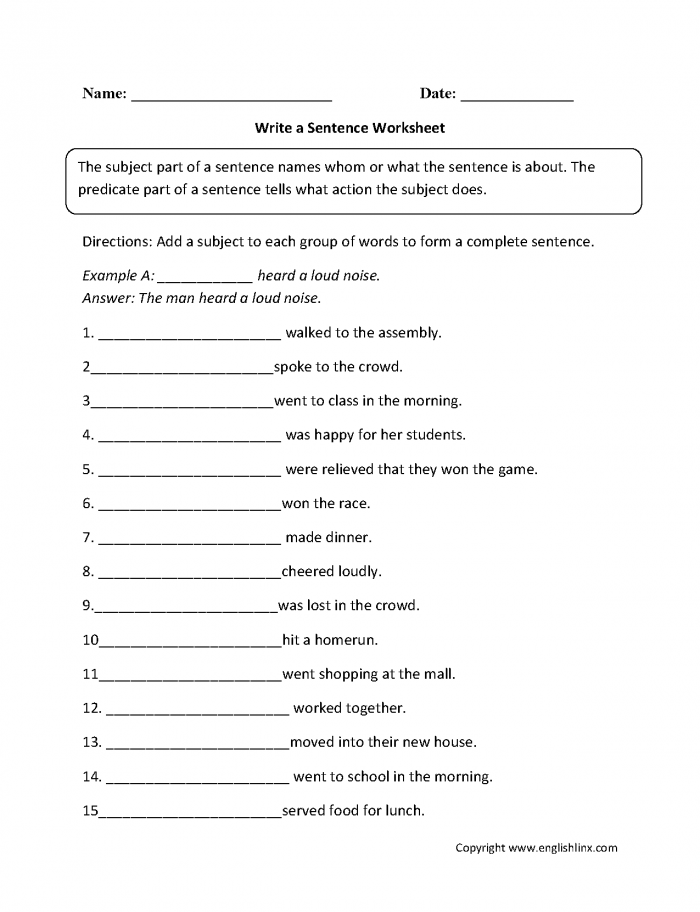
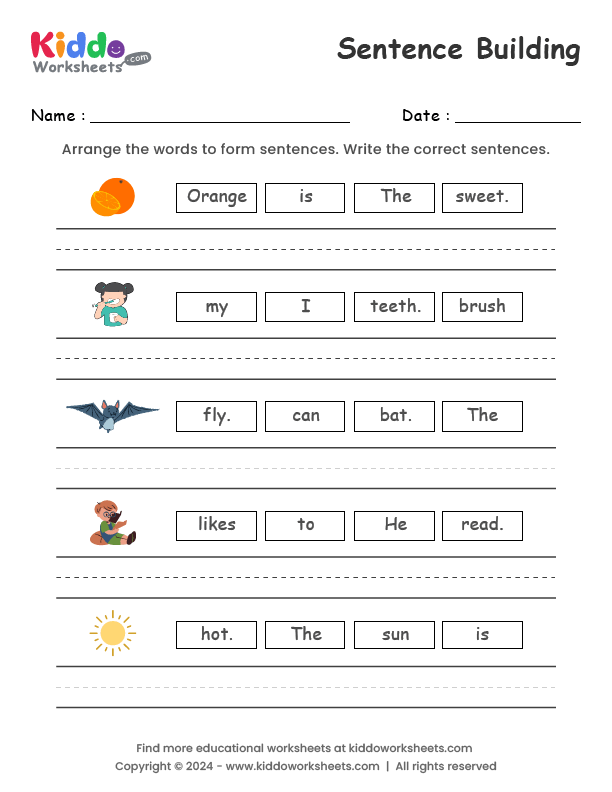
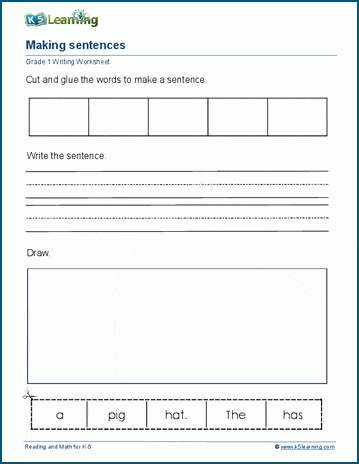
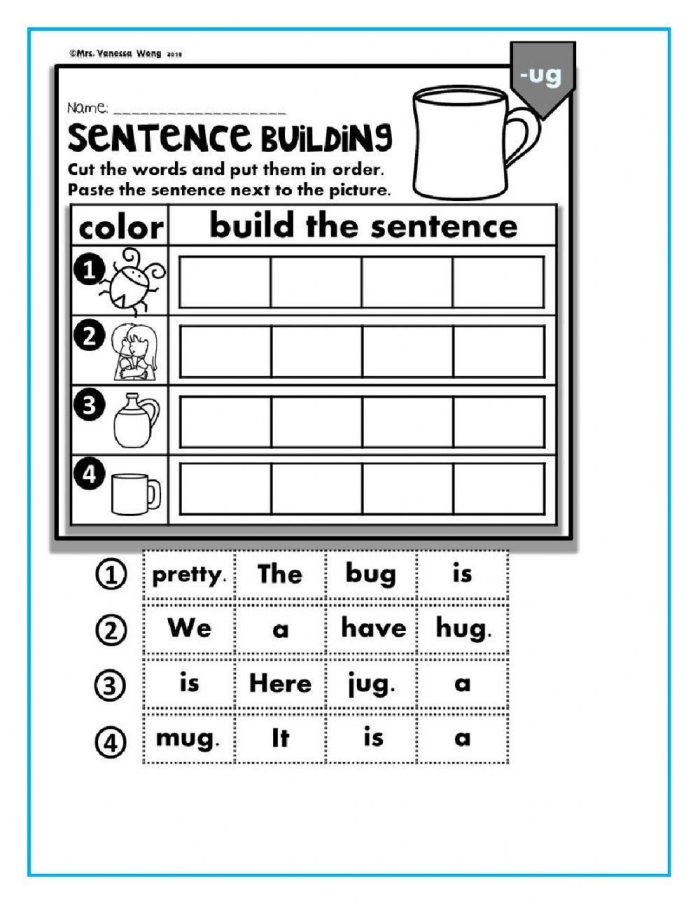
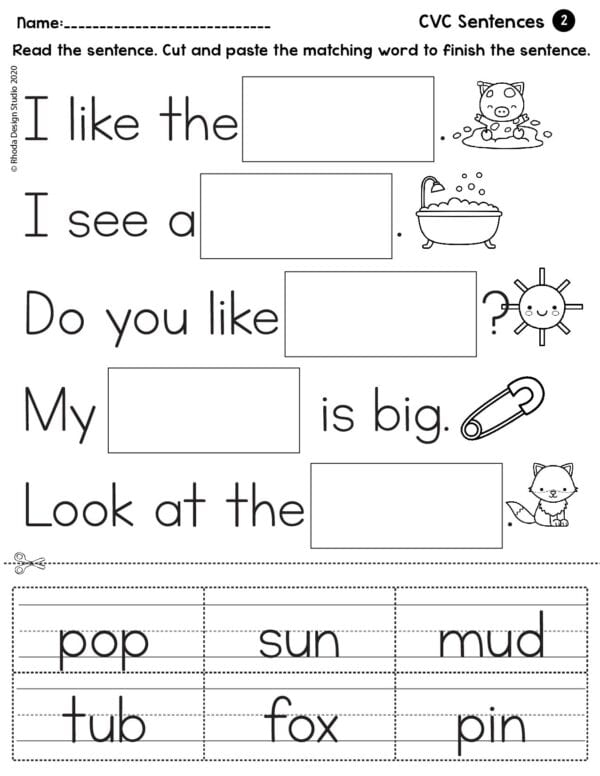
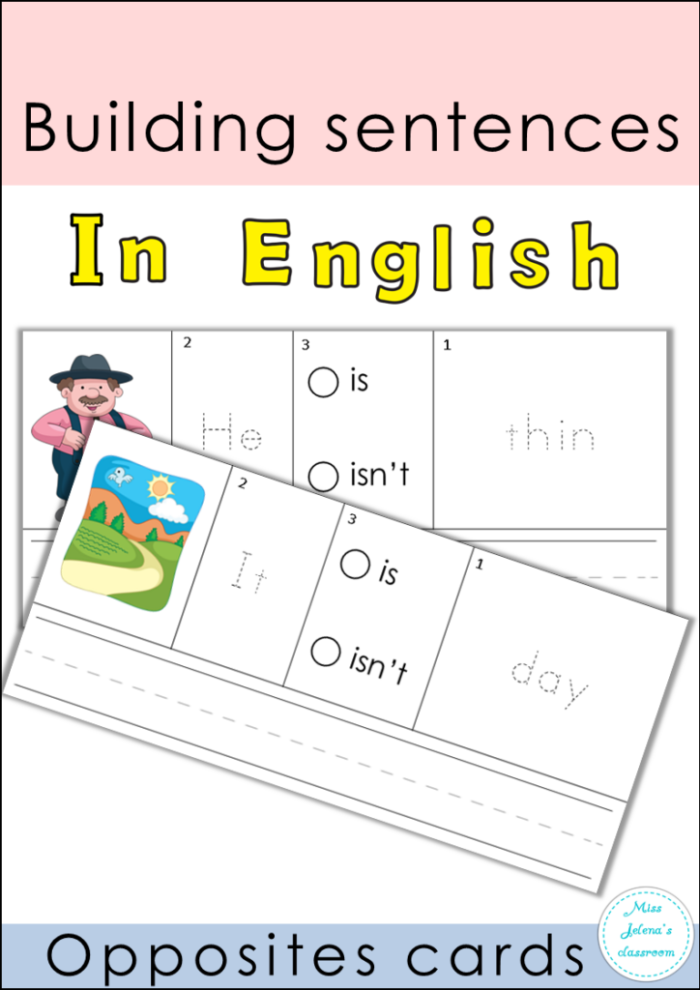
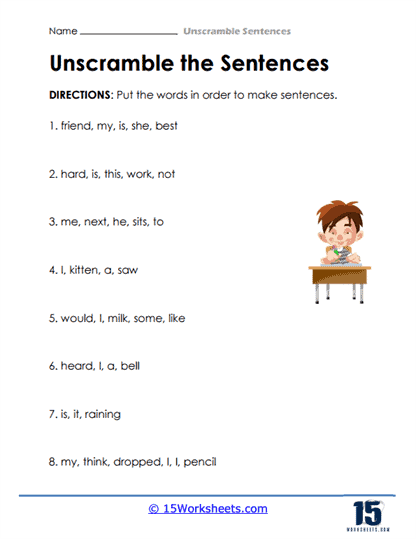
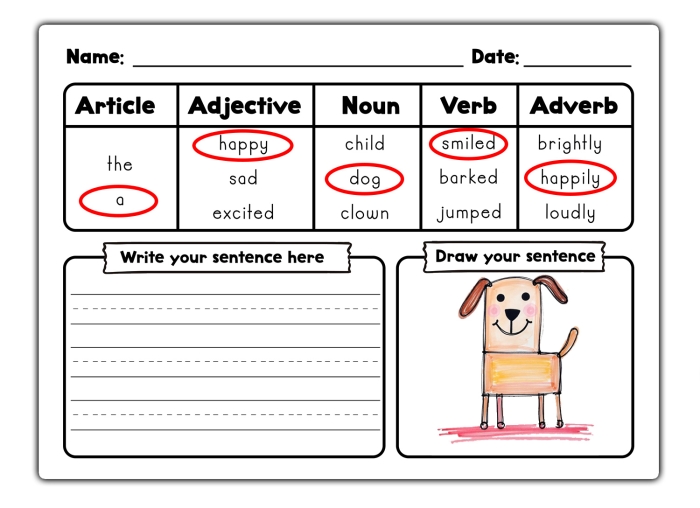
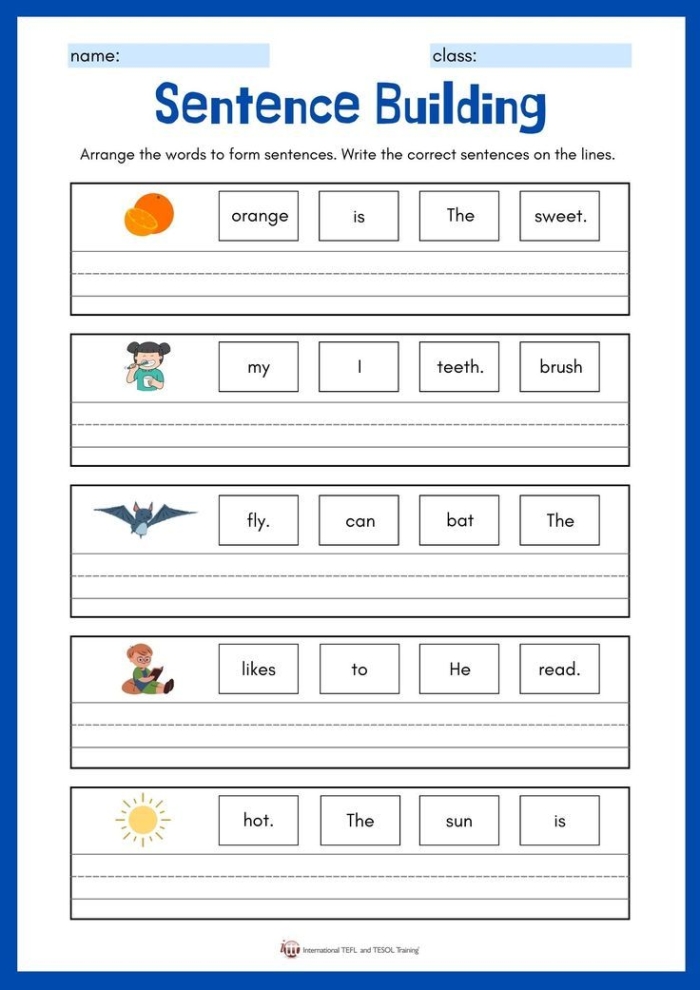
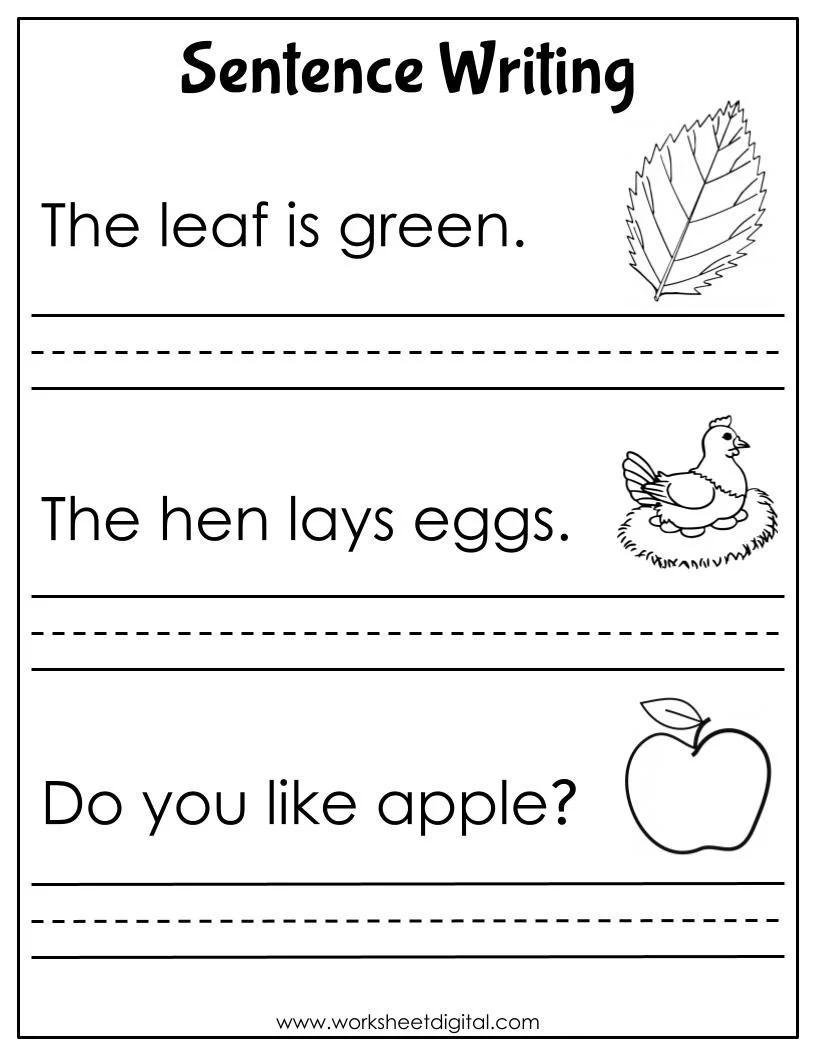
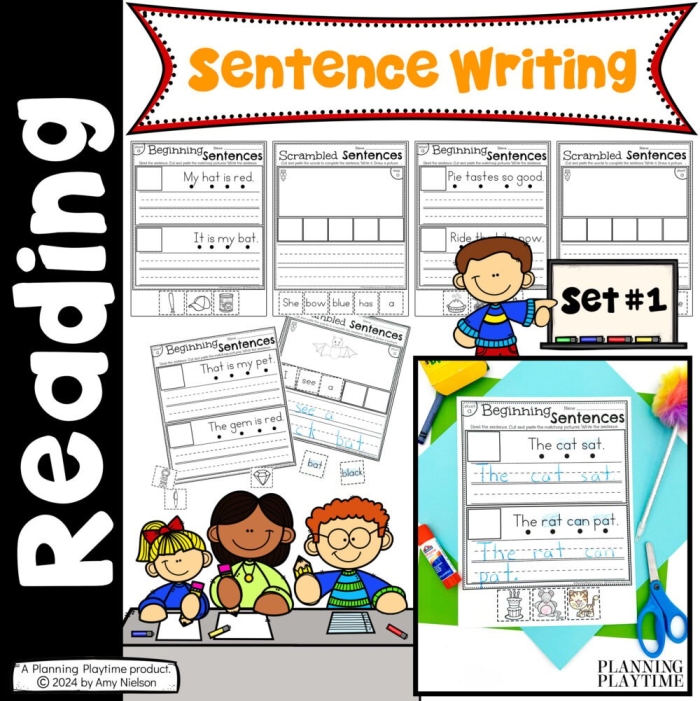
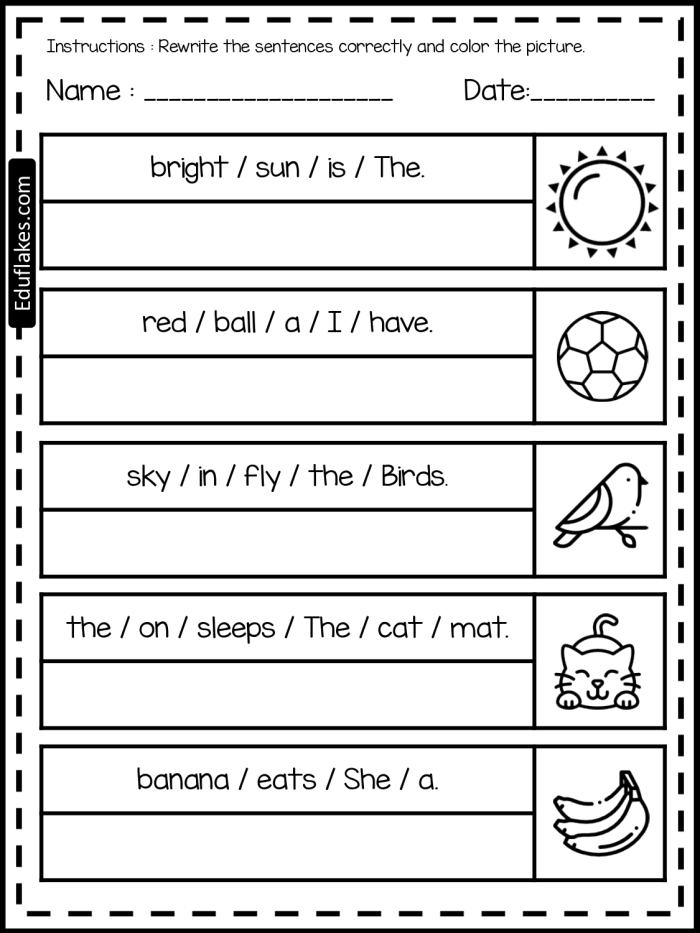
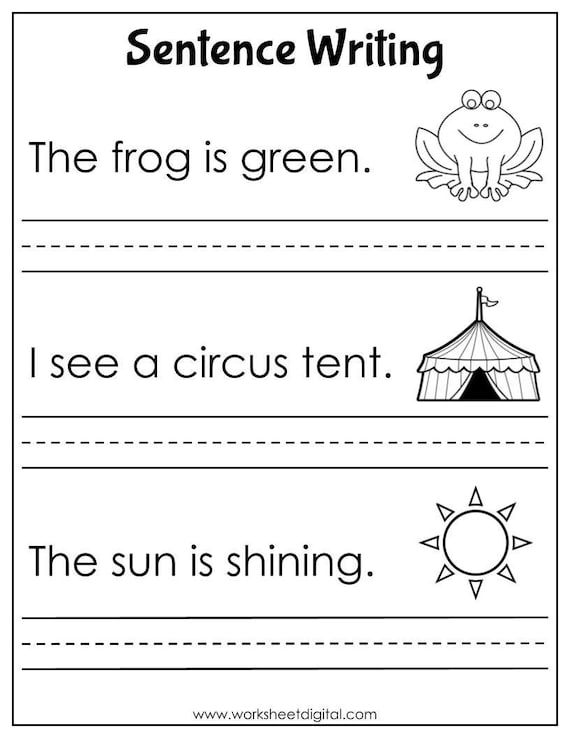
Practicing with tools like worksheets can significantly enhance a child’s learning experience. For instance, worksheets that ask students to identify the subject and predicate in simple sentences can reinforce these concepts. This method allows students to visually see the structure of sentences, making the learning process more engaging.
Incorporating fun activities, such as creating sentences about their favorite animals or toys, can also stimulate interest. When children are involved in the learning process, they are more likely to retain the information. Simple sentences like “The dog barks” or “My toy is red” illustrate the naming and action parts clearly and can spark further discussion or writing.
In essence, building a strong foundation in grammar at an early age sets the stage for more complex language skills. As first graders engage with the basic elements of sentences, they not only improve their grammar but also gain confidence in their writing abilities. Resources such as printable worksheets can be invaluable tools for parents and educators looking to support this essential skill development.
Practice with These Worksheets