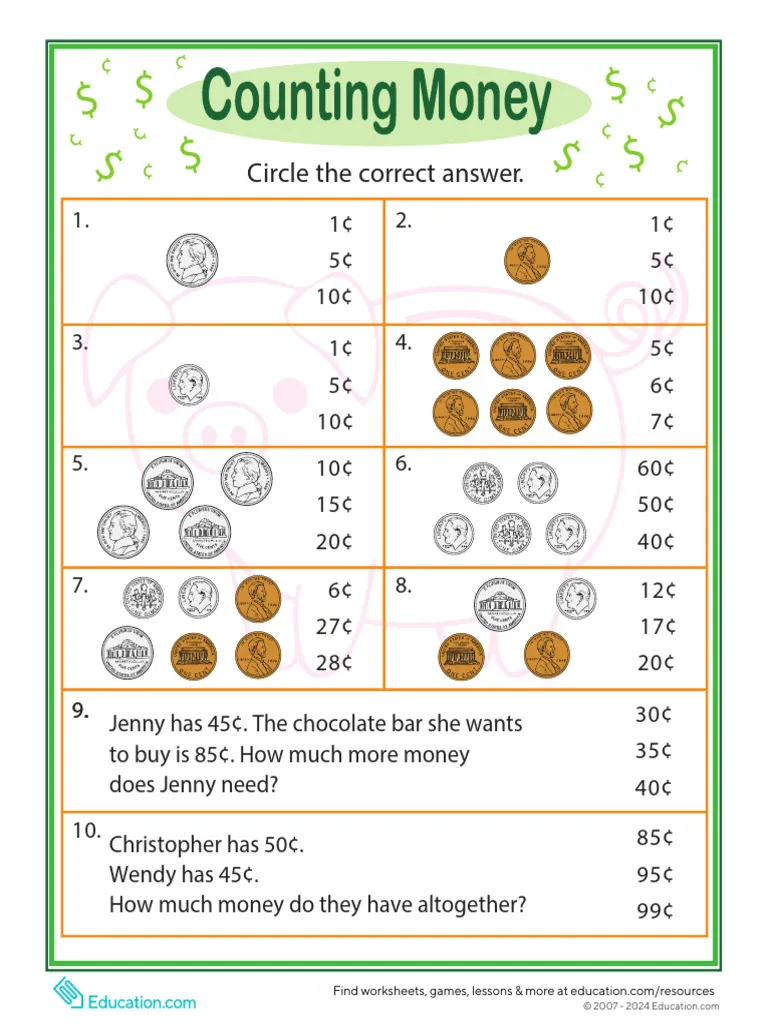
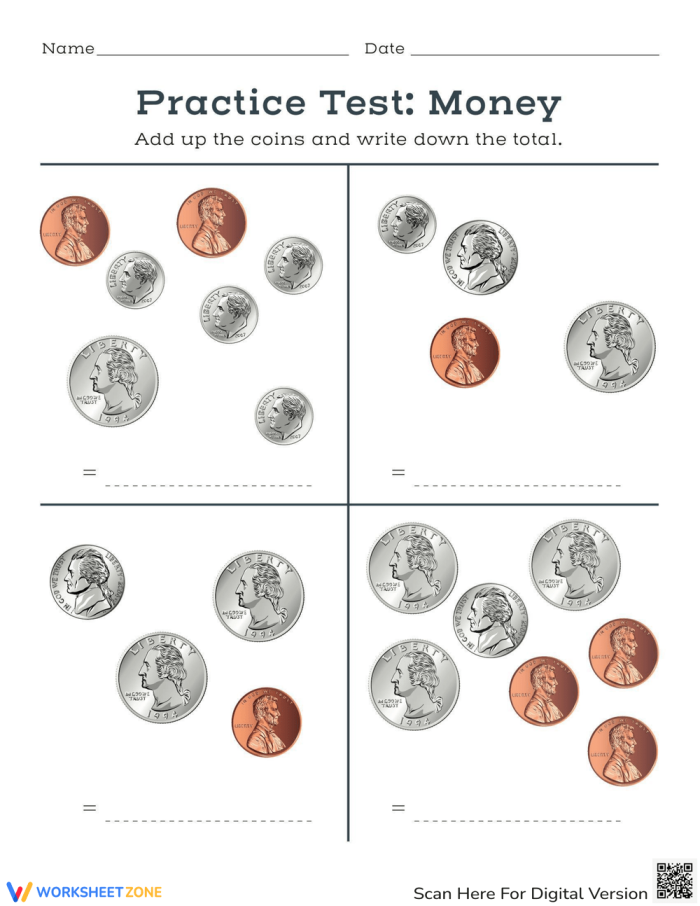
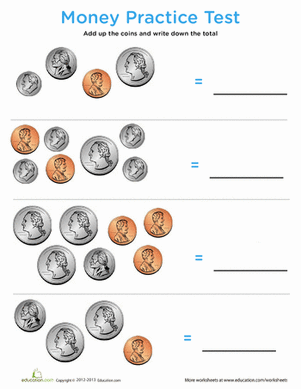
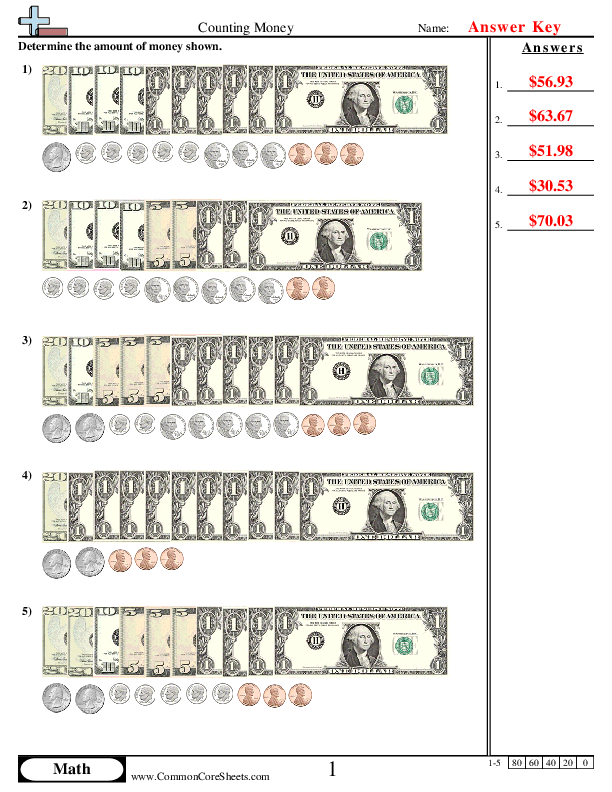
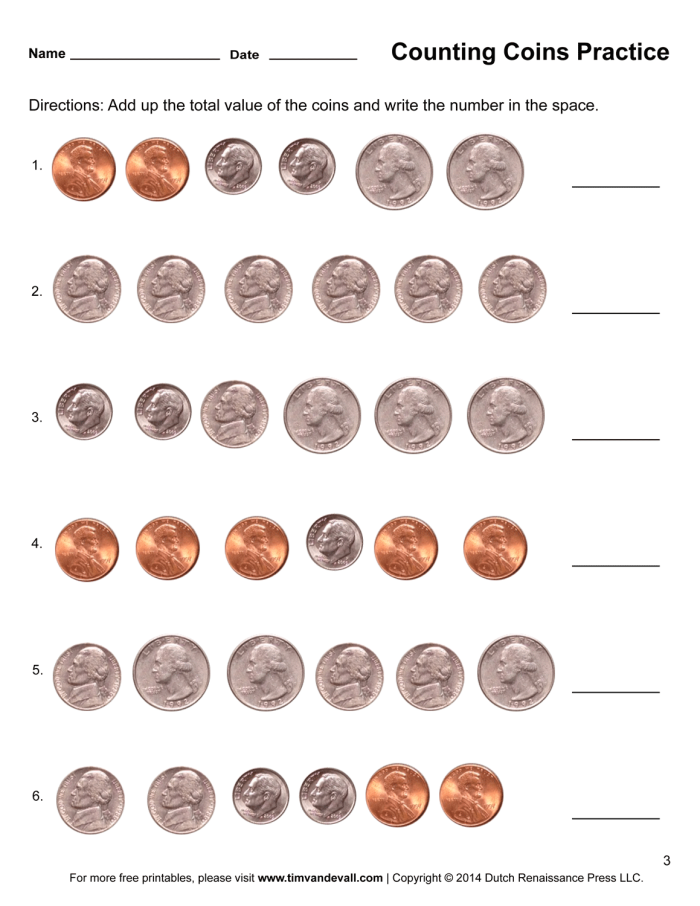
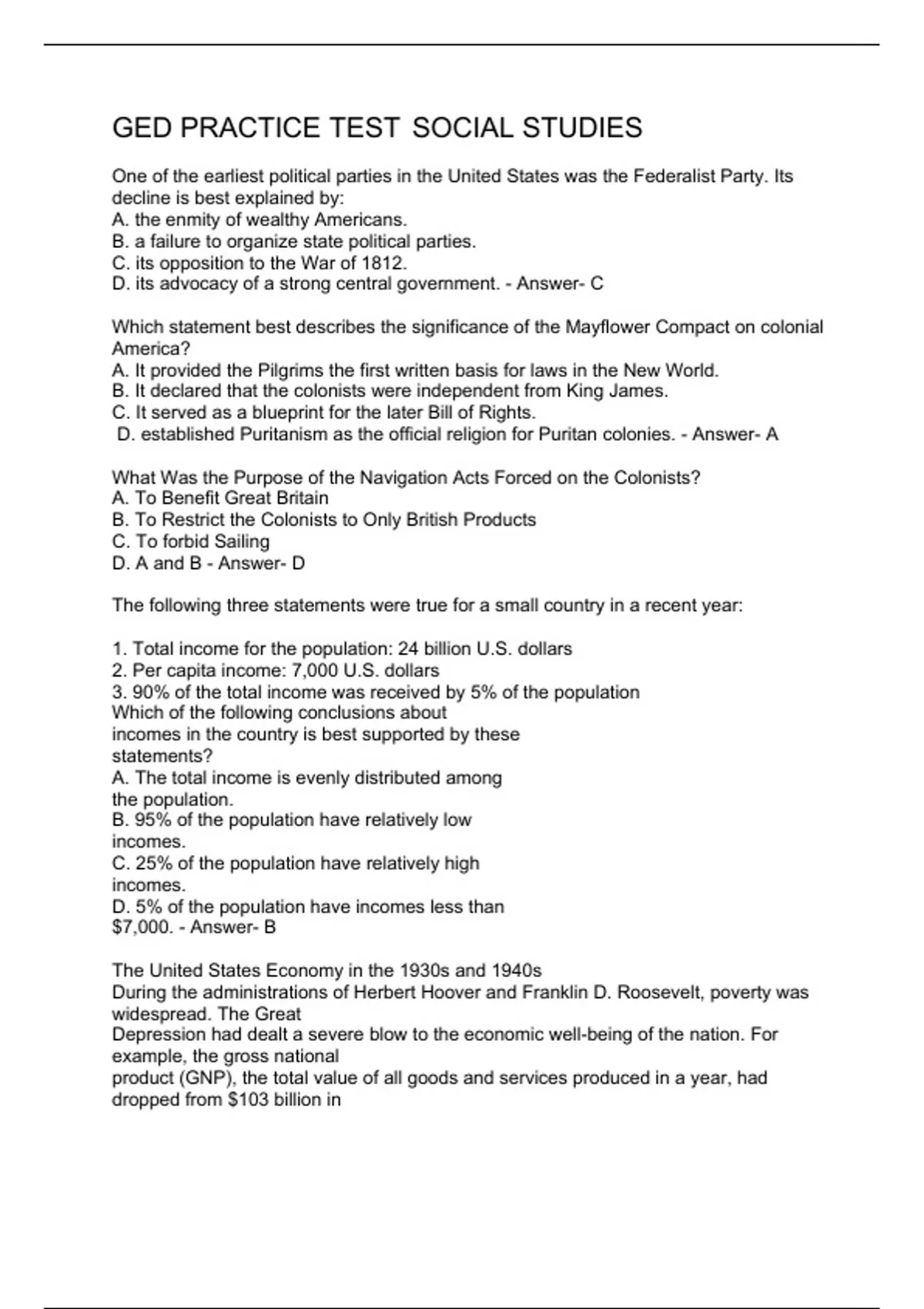
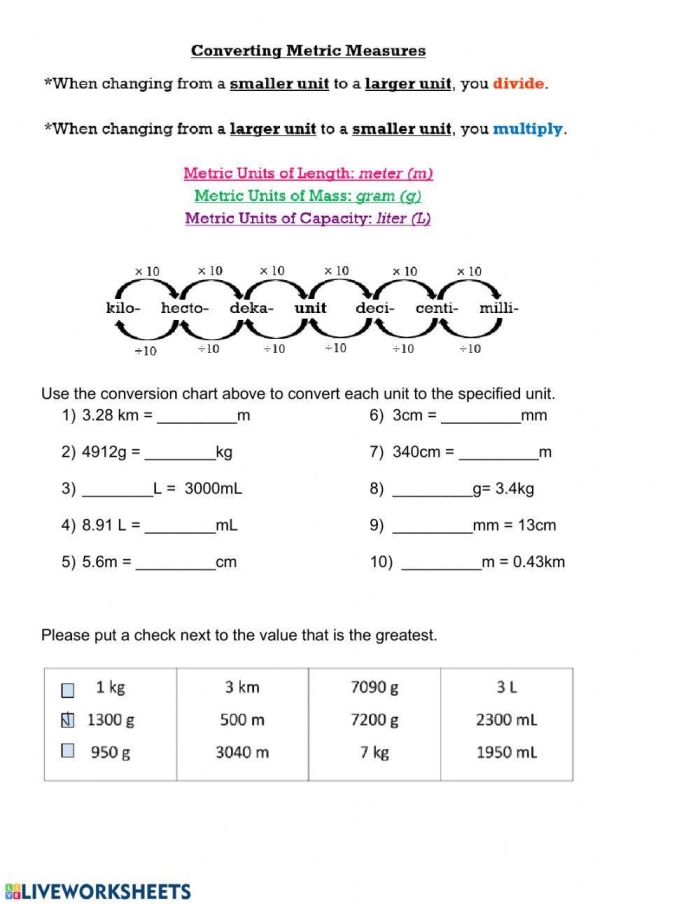
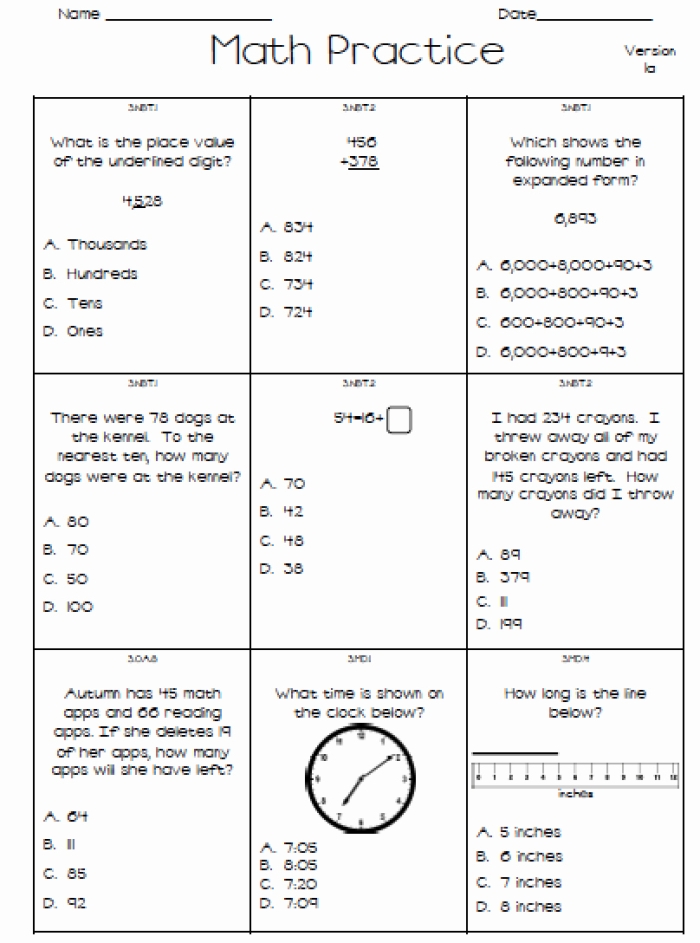
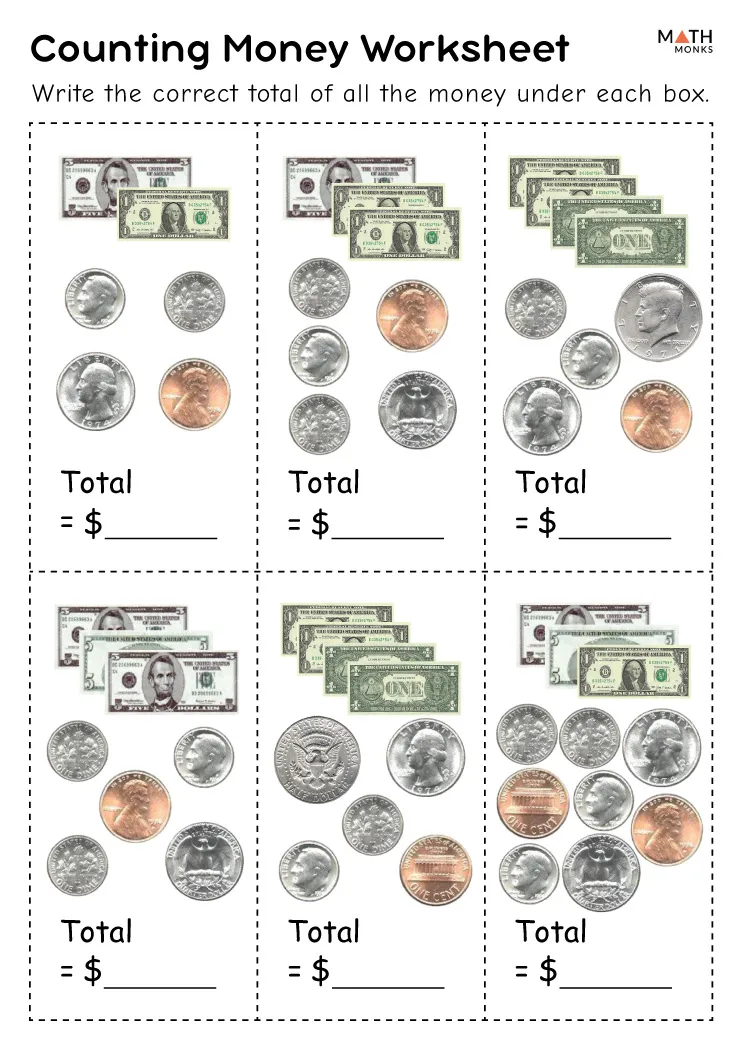
A money math quiz gives second grade learners a chance to apply what they’ve been learning about coins, bills, and basic arithmetic in a low-pressure format. These practice tests work best when they combine real-world scenarios with straightforward addition problems, keeping kids engaged without overwhelming them.
The strength of a good money quiz lies in how it bridges classroom instruction with practical thinking. When second graders solve problems like “If you have two dimes and three pennies, how much money do you have?” they’re not just practicing addition. They’re learning to recognize coin values, understand place value, and think about money in concrete terms. This kind of applied math sticks better than isolated number drills.
A well-designed practice test typically includes 10 to 15 questions that progress in difficulty. Early questions might ask students to identify coin values or count simple amounts. Later questions introduce multi-step problems where learners add different coin combinations or figure out change. This gradual increase helps build confidence while preventing frustration.
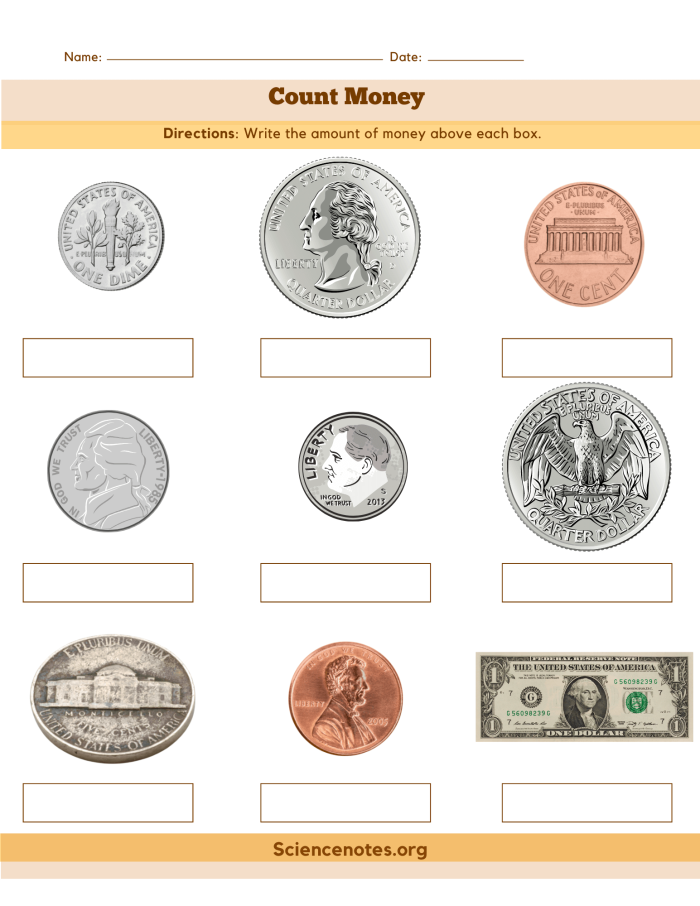
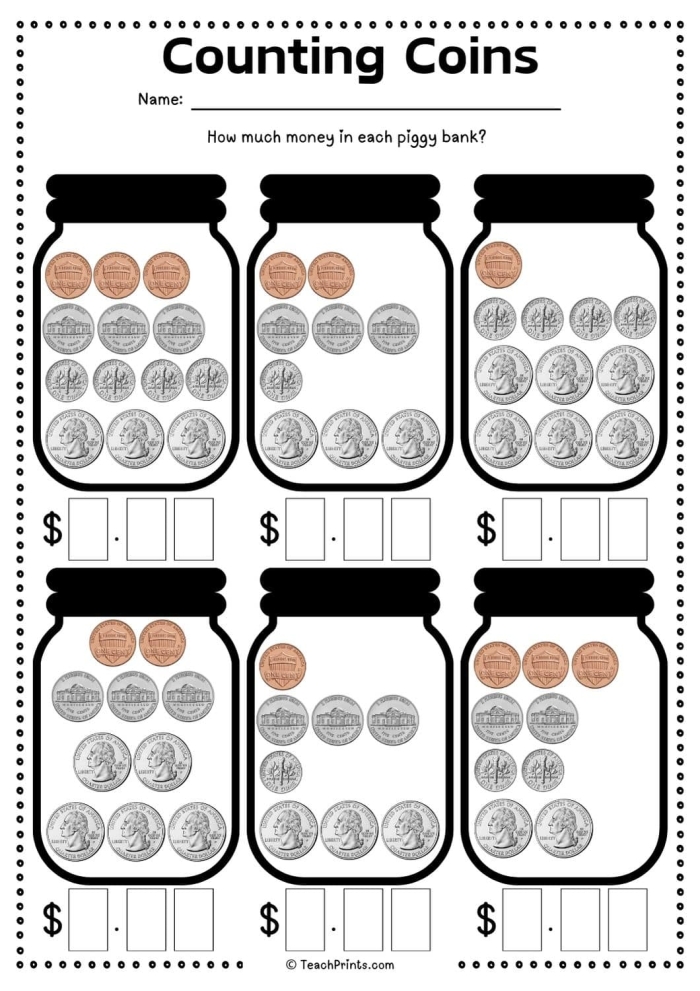
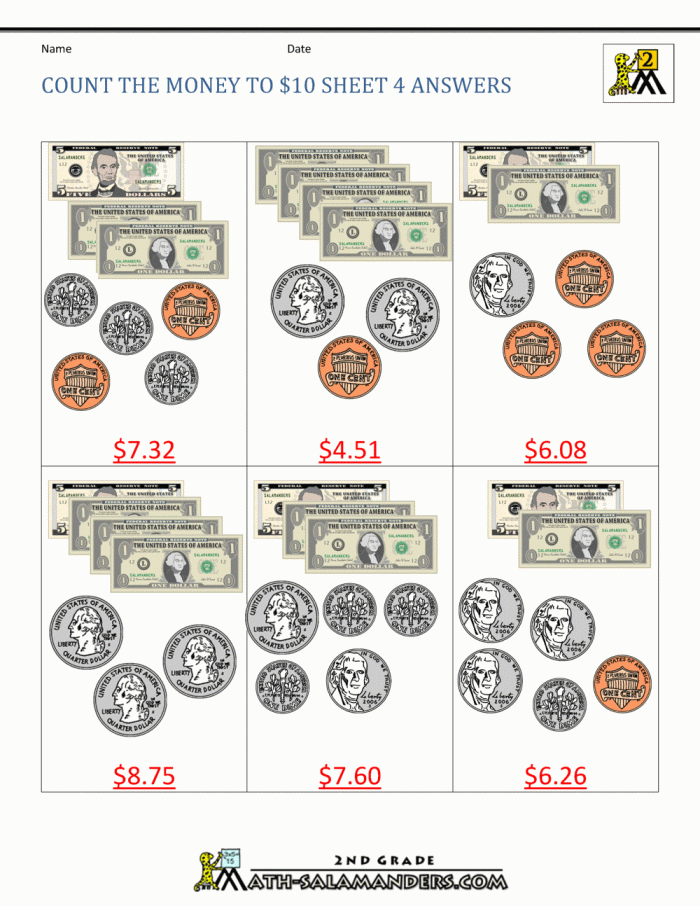
What makes these quizzes effective is their simplicity. Second graders don’t need elaborate scenarios or confusing language. Clear questions with visual aids, like pictures of actual coins, help students focus on the math rather than decoding instructions. Many learners benefit from having access to physical coins or manipulatives while taking the quiz, as this connects abstract math to tangible objects.
When incorporating money practice into your second grade curriculum, pairing quizzes with interactive worksheets strengthens retention. Resources like time and money second grade worksheets provide structured practice, while telling time activities help round out the broader time and money unit. Using quizzes regularly, rather than as one-time assessments, gives you clearer insight into which students need extra support with coin recognition or addition skills.
Grab These Worksheets Now