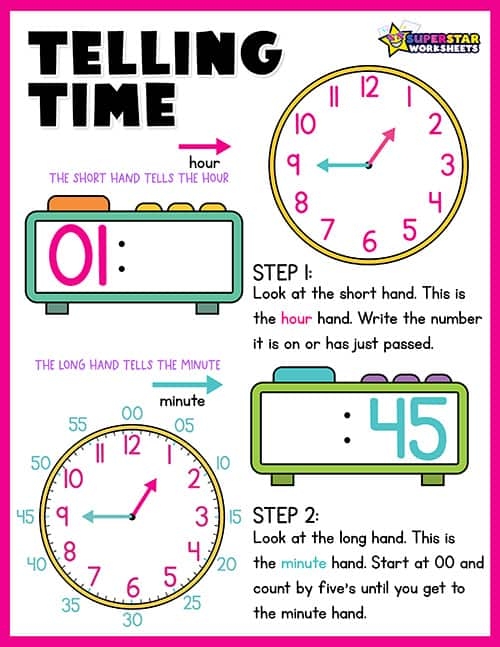
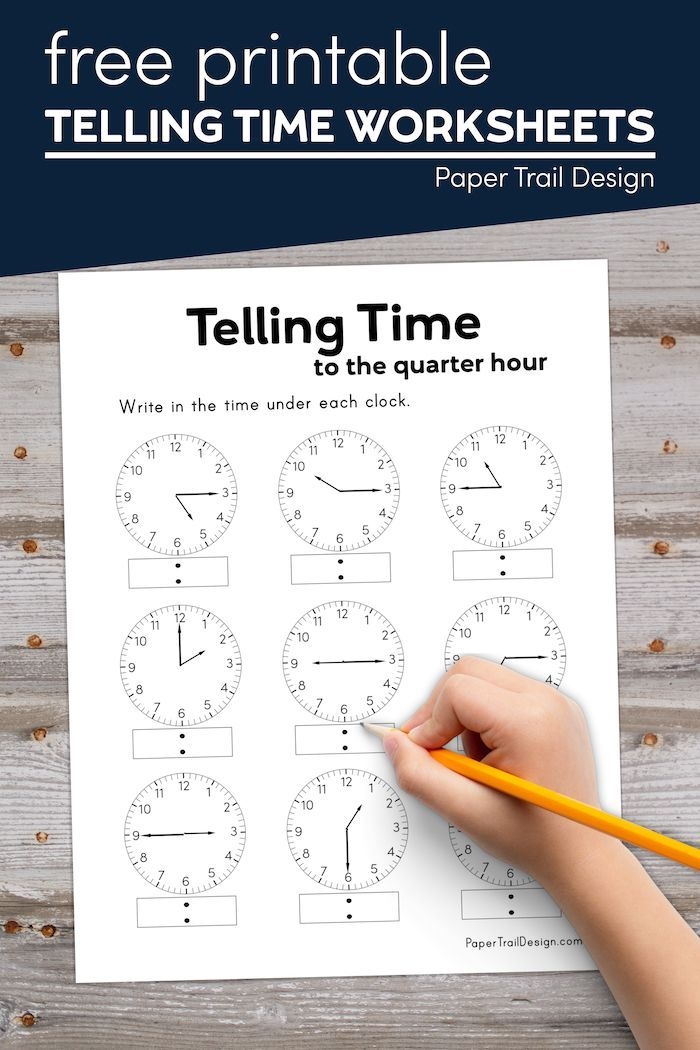
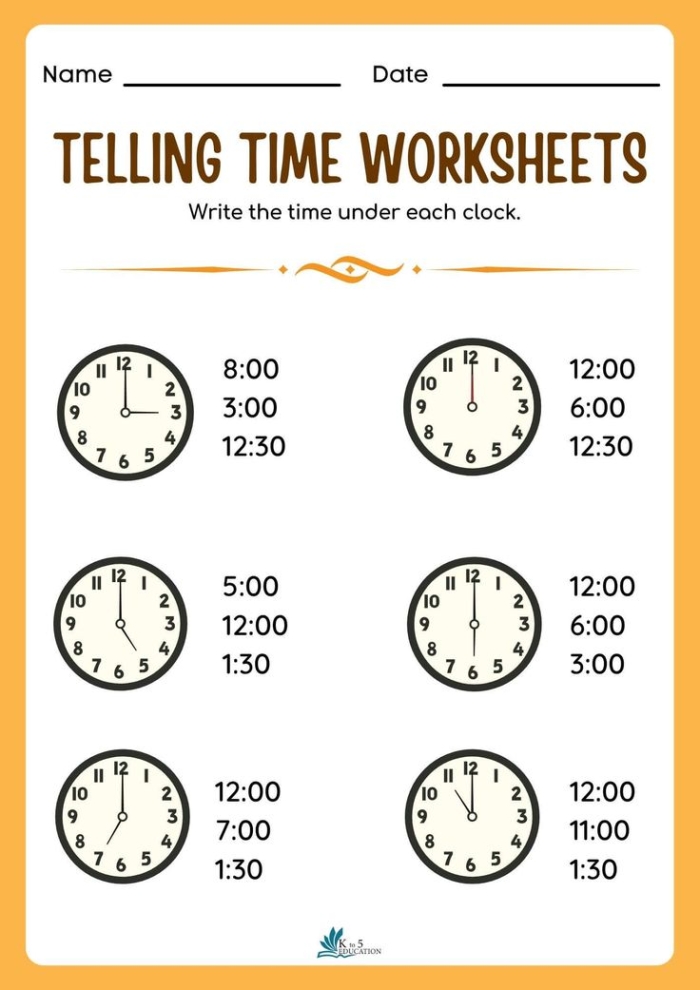
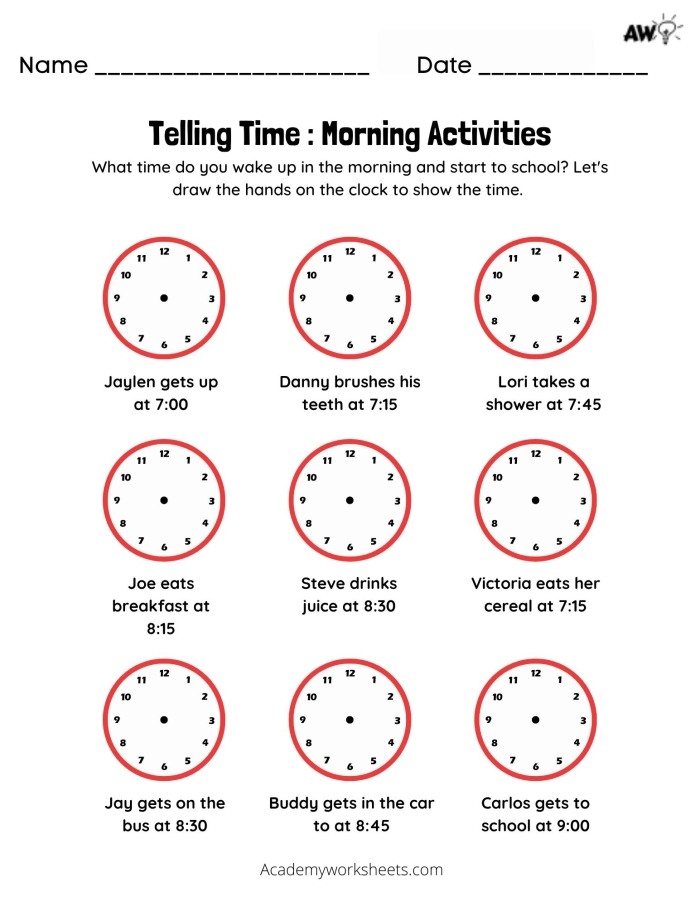
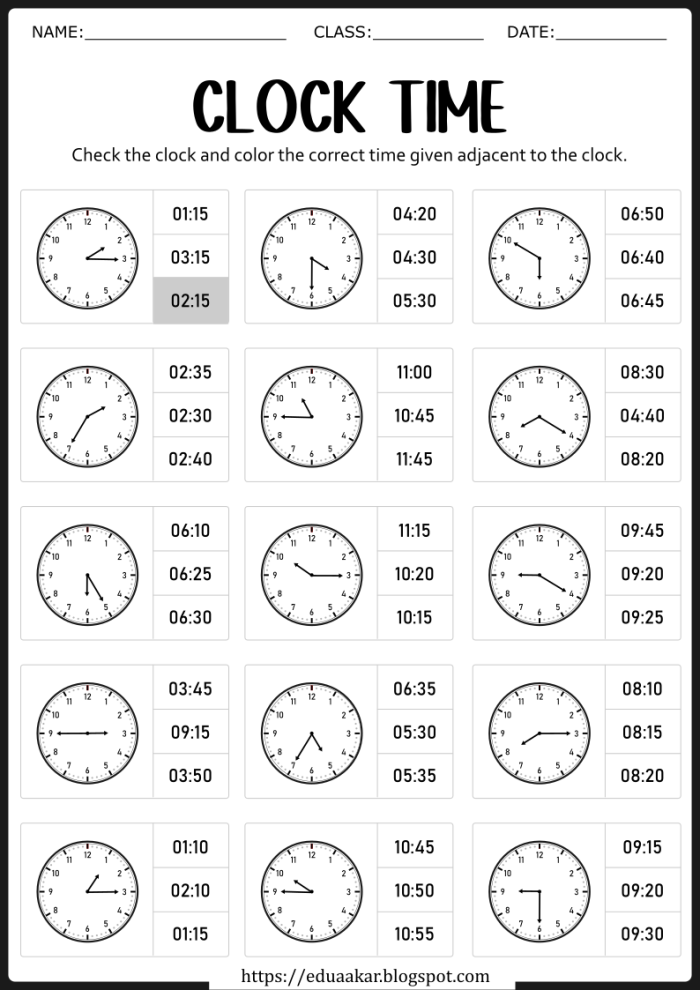
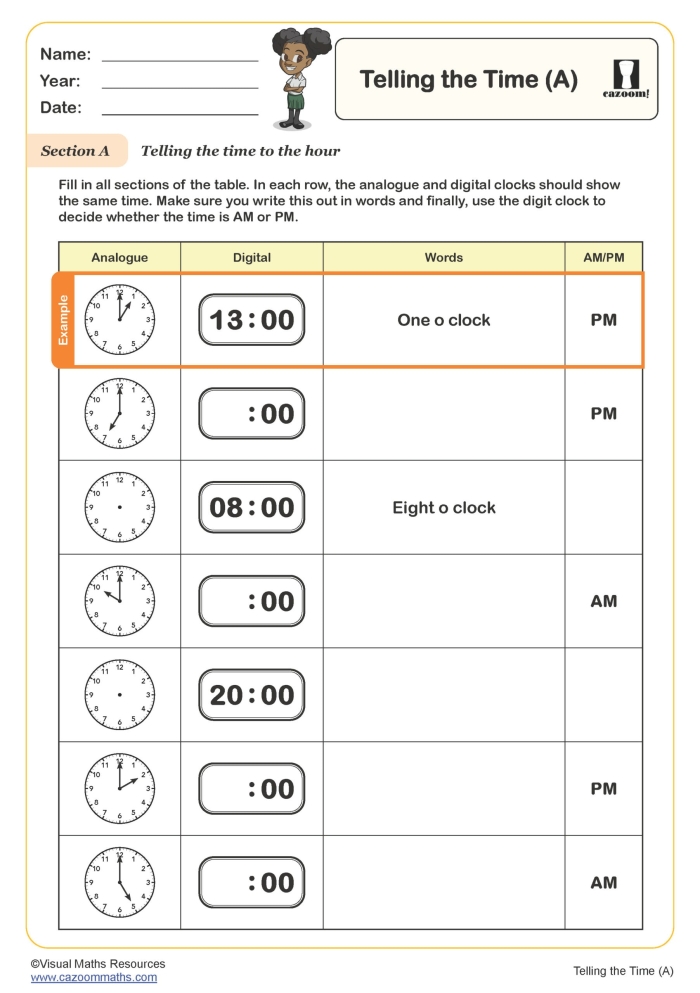
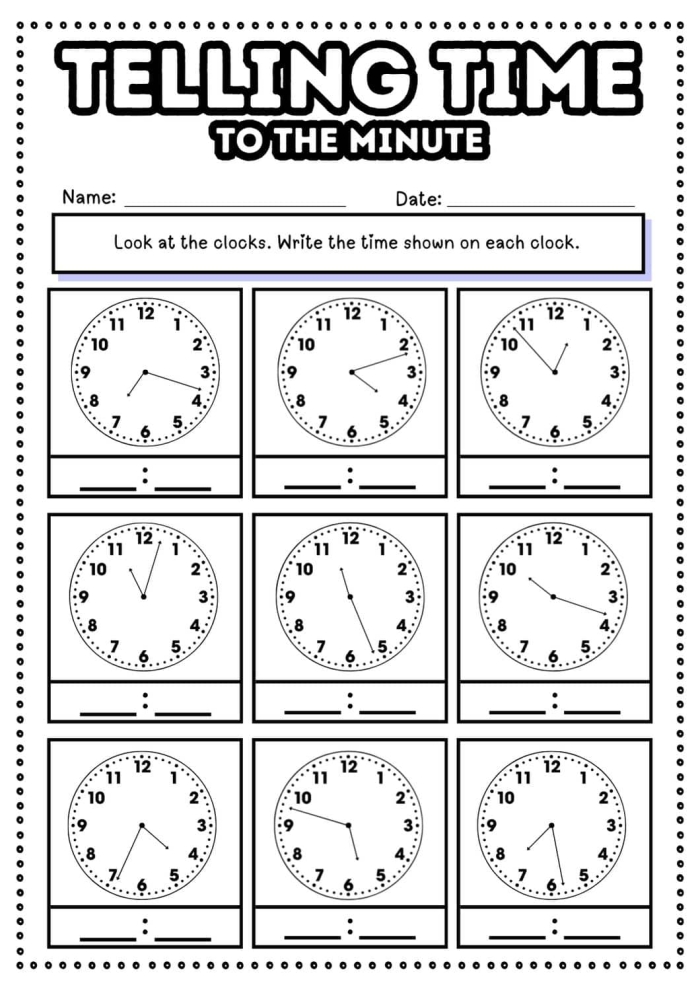
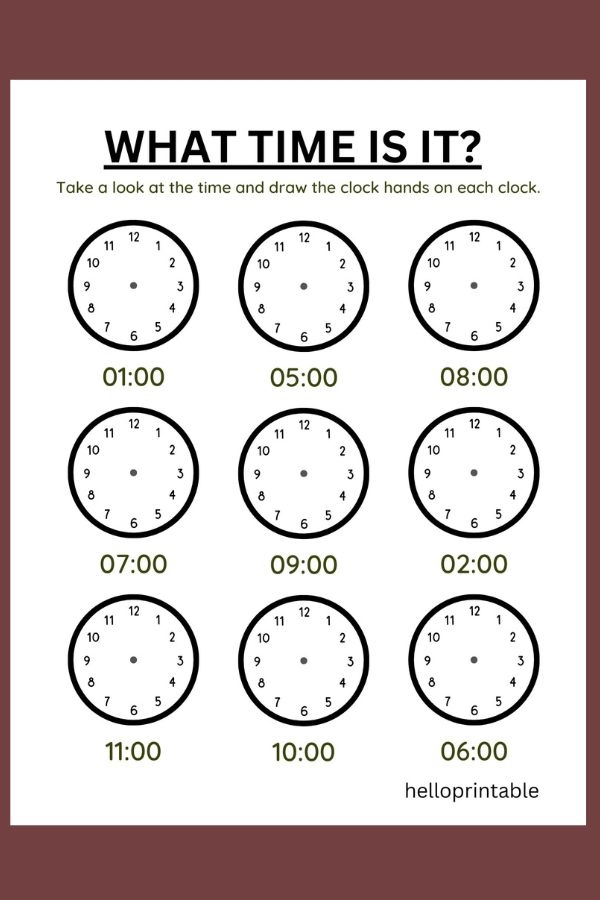
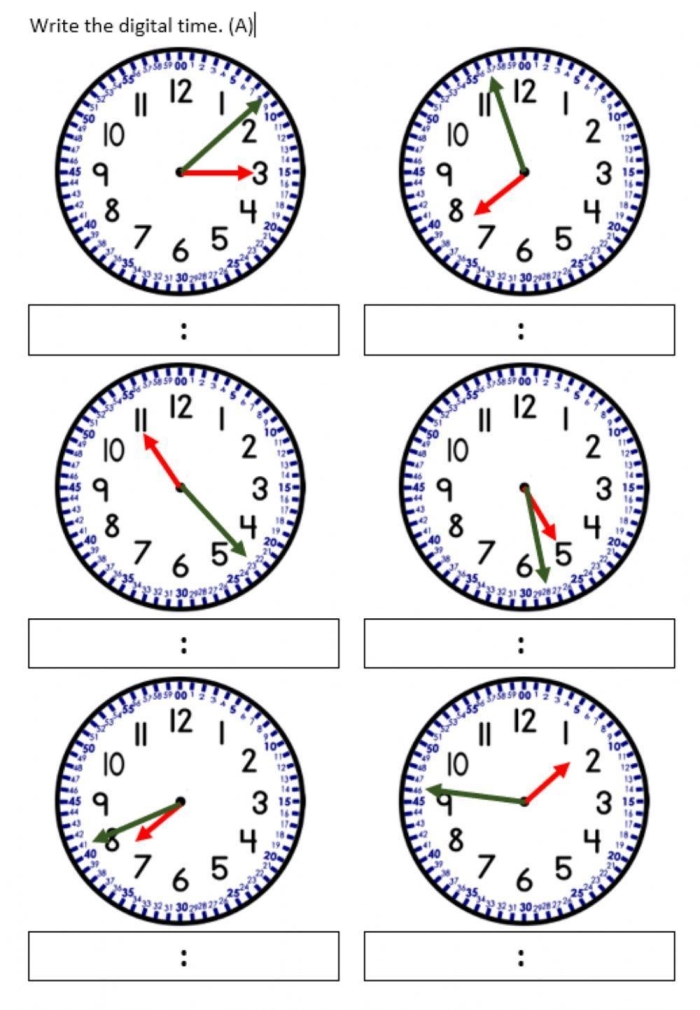
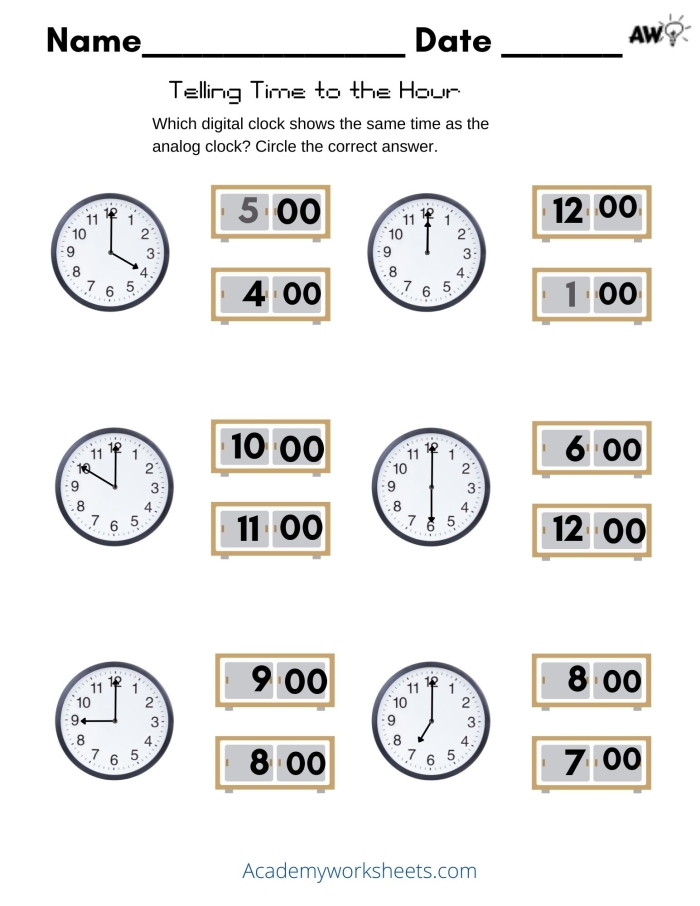
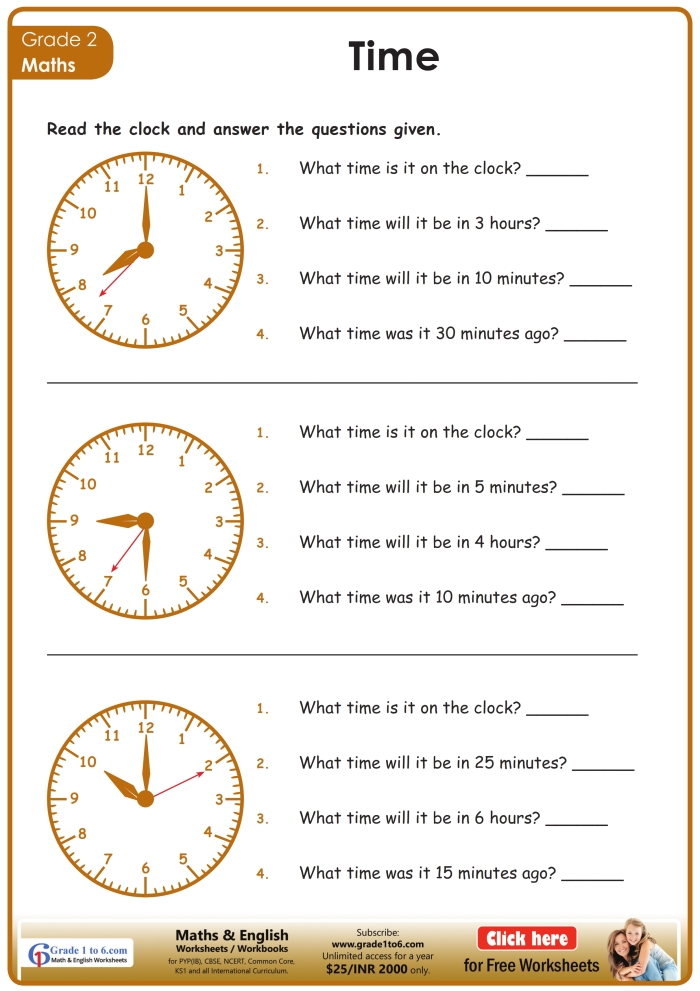
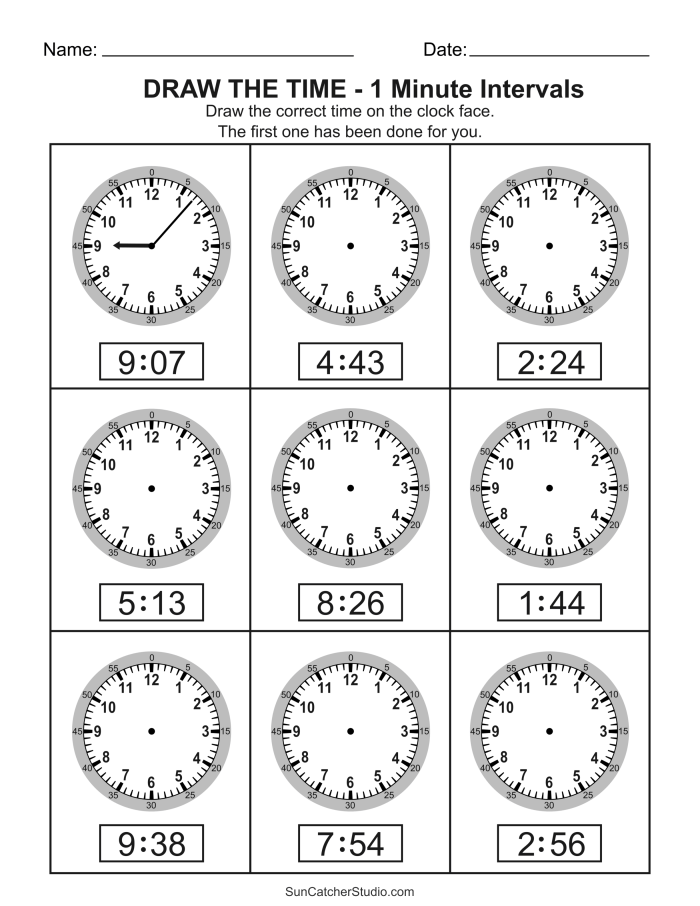
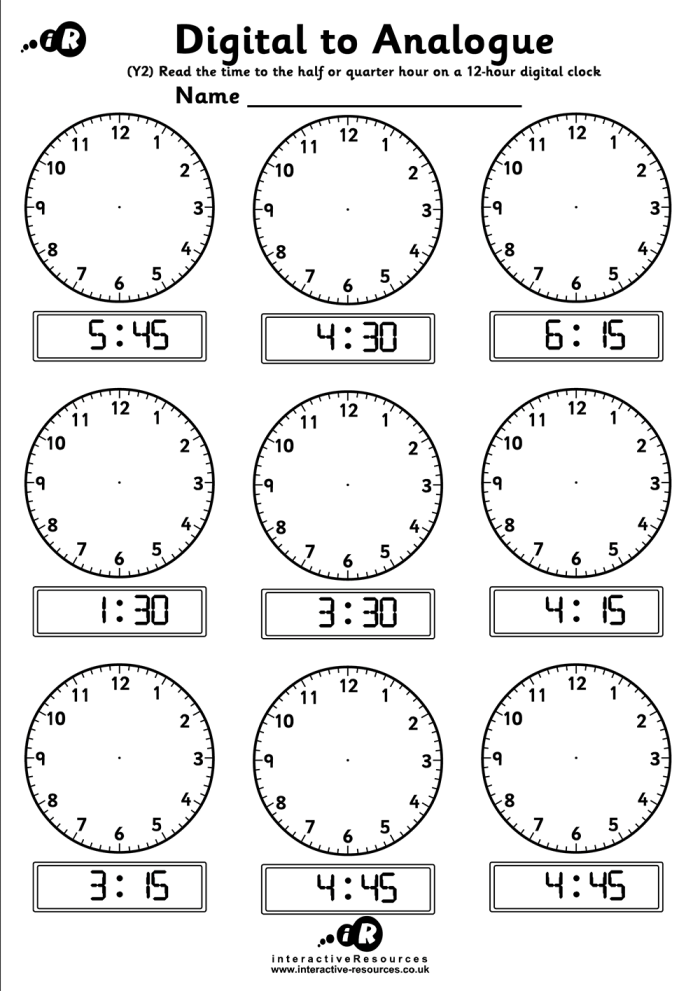
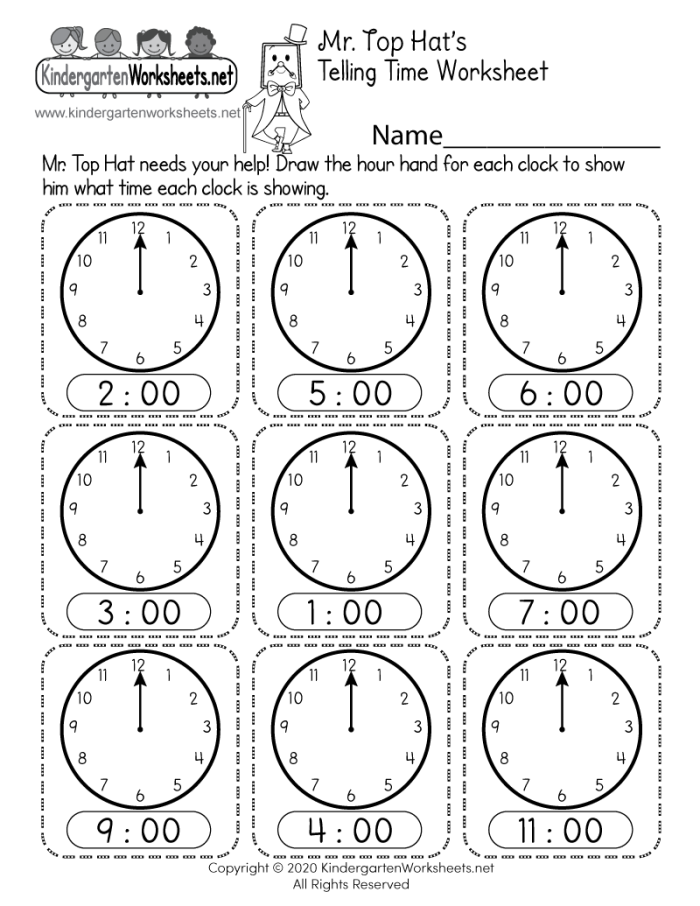
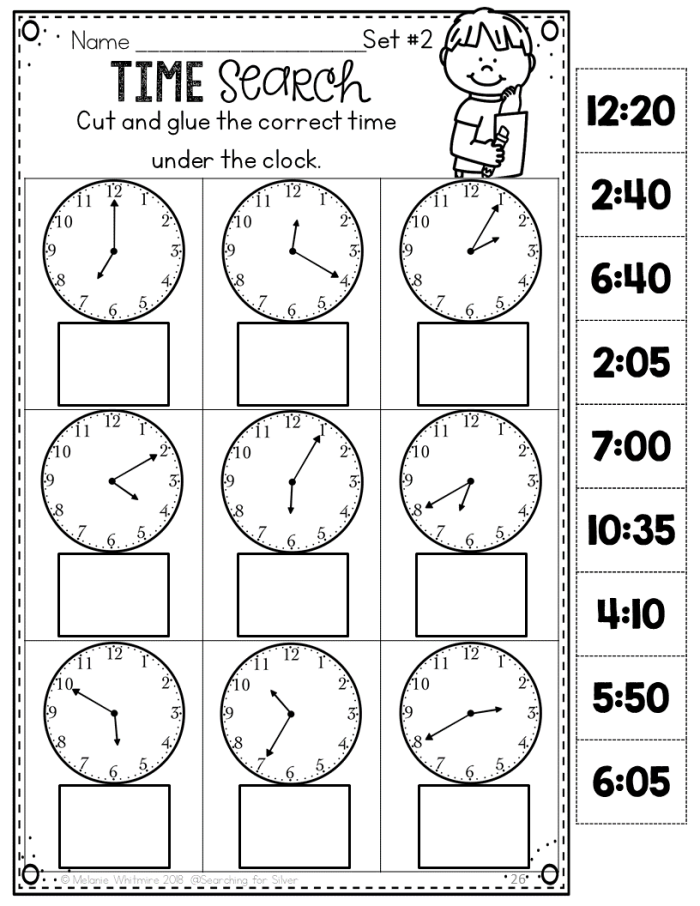
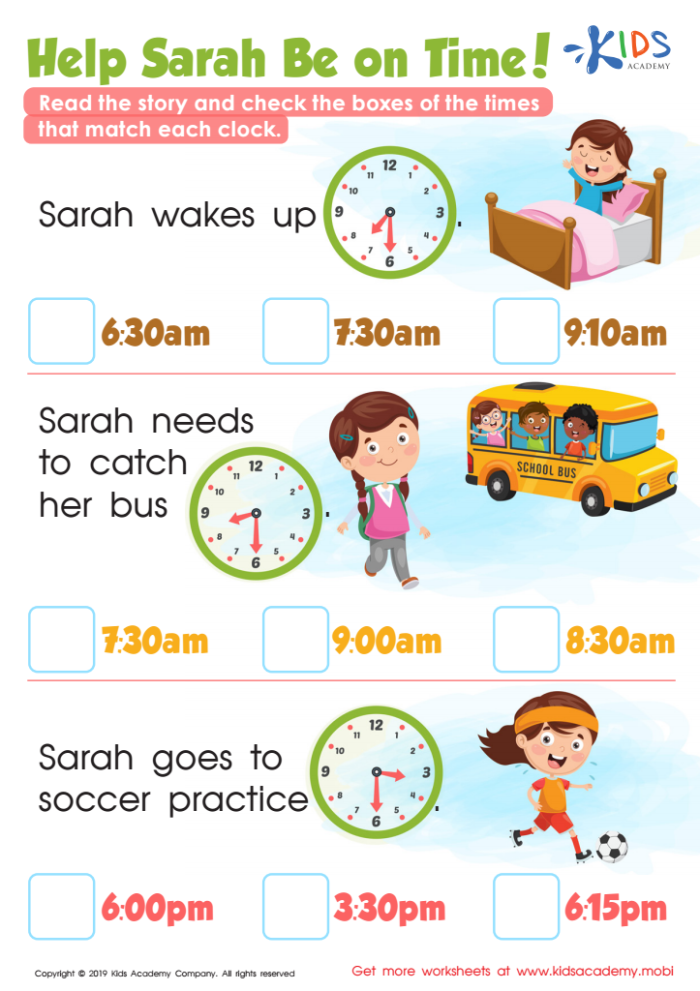
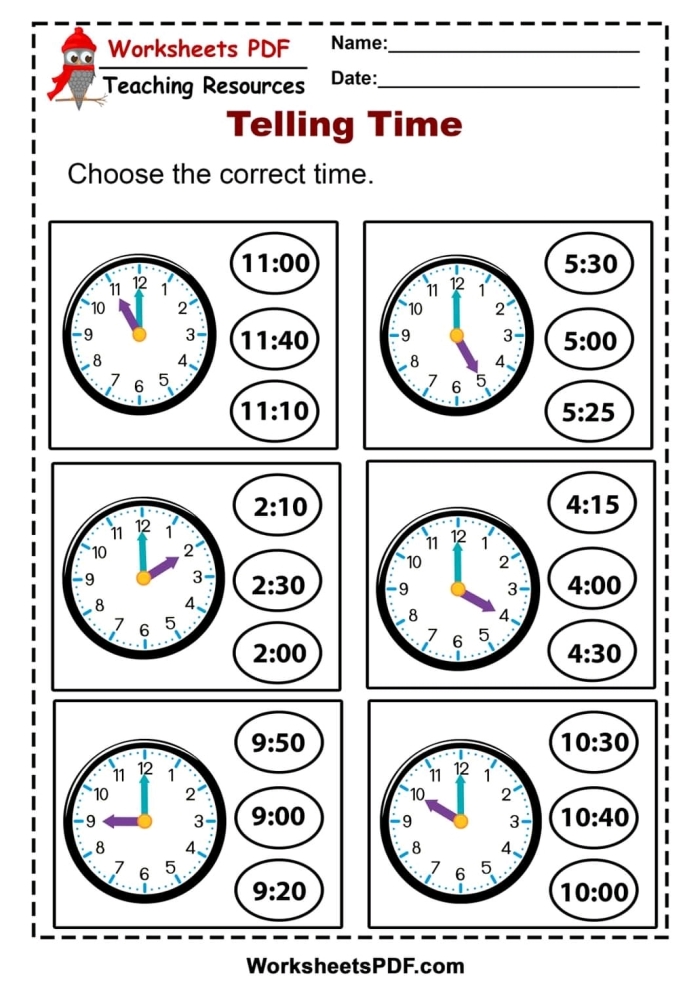
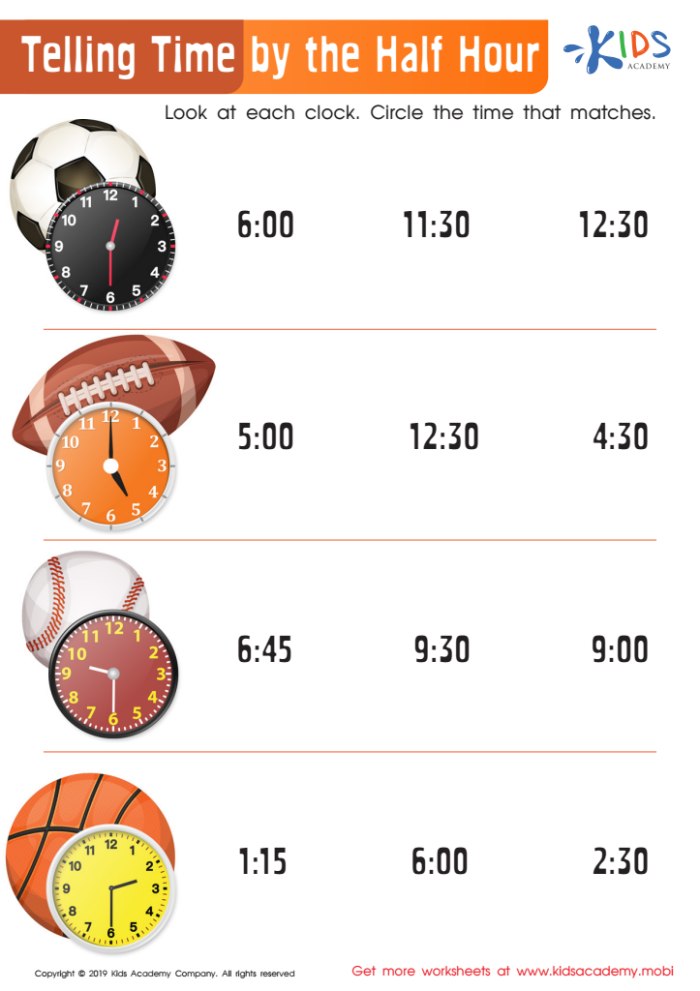
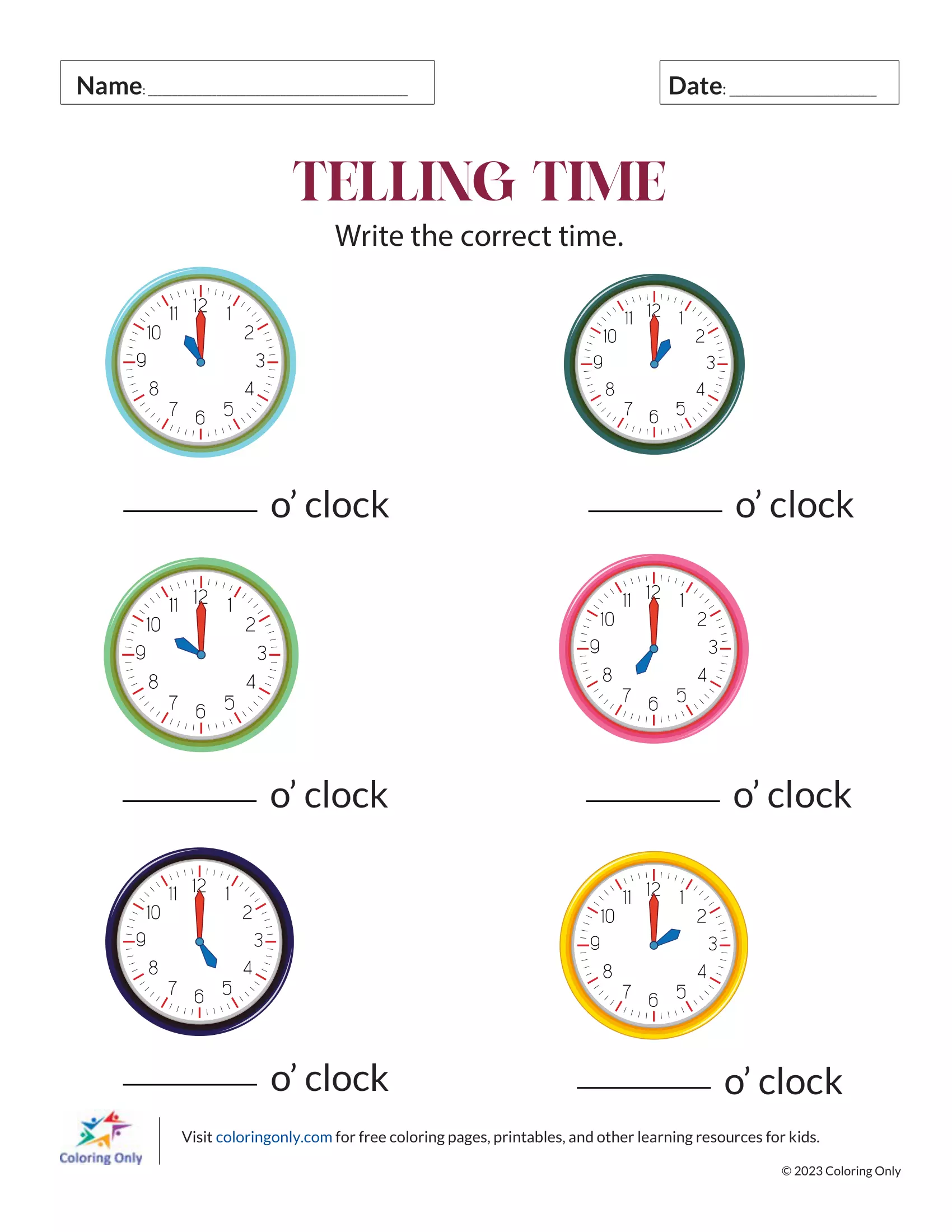
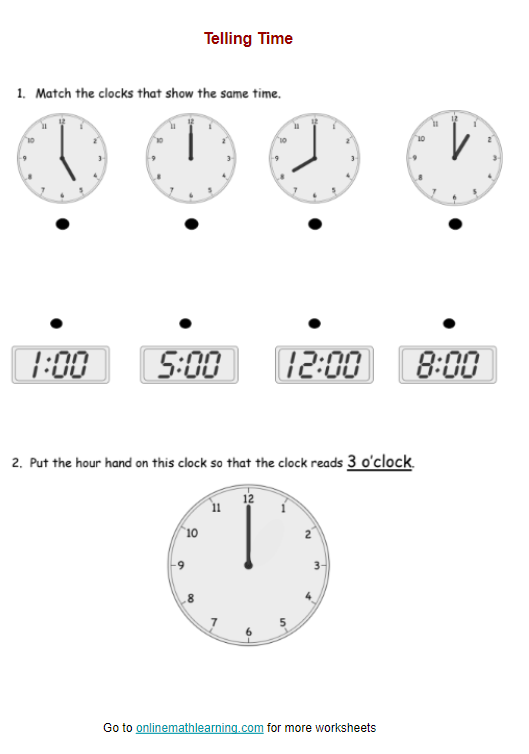
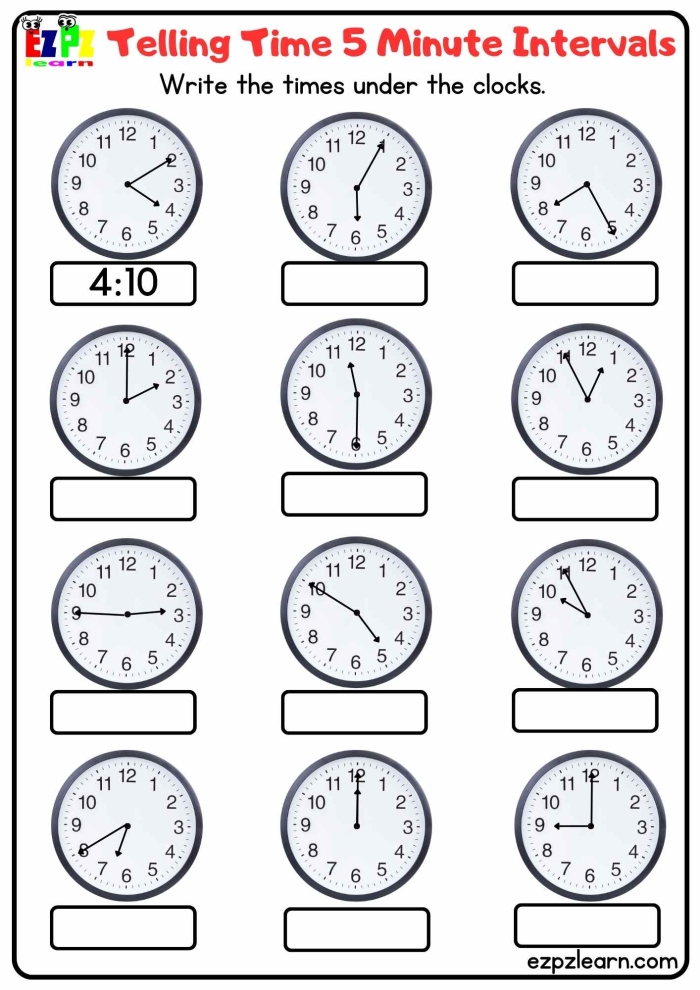
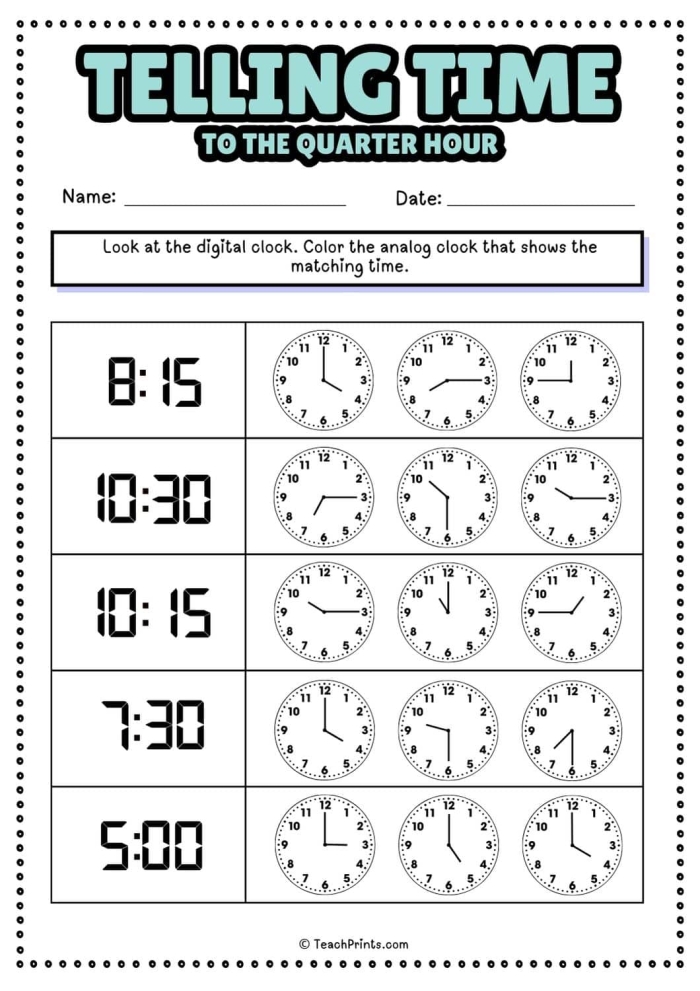
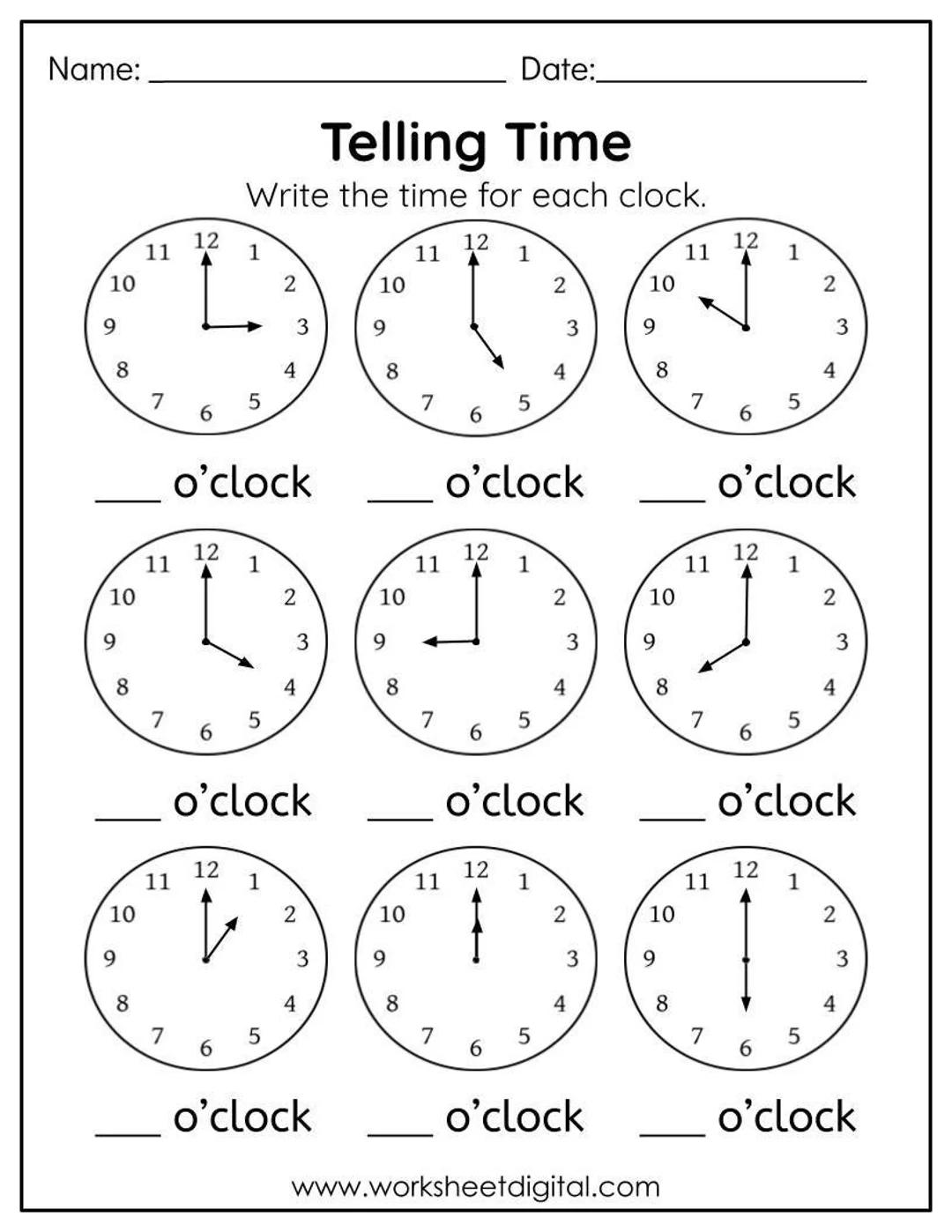
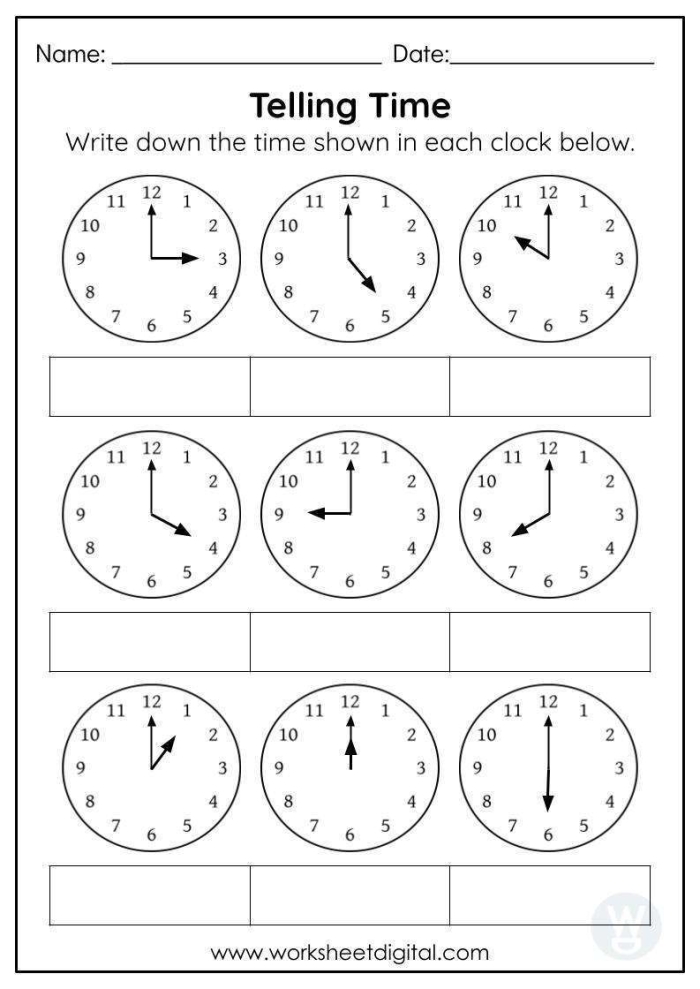
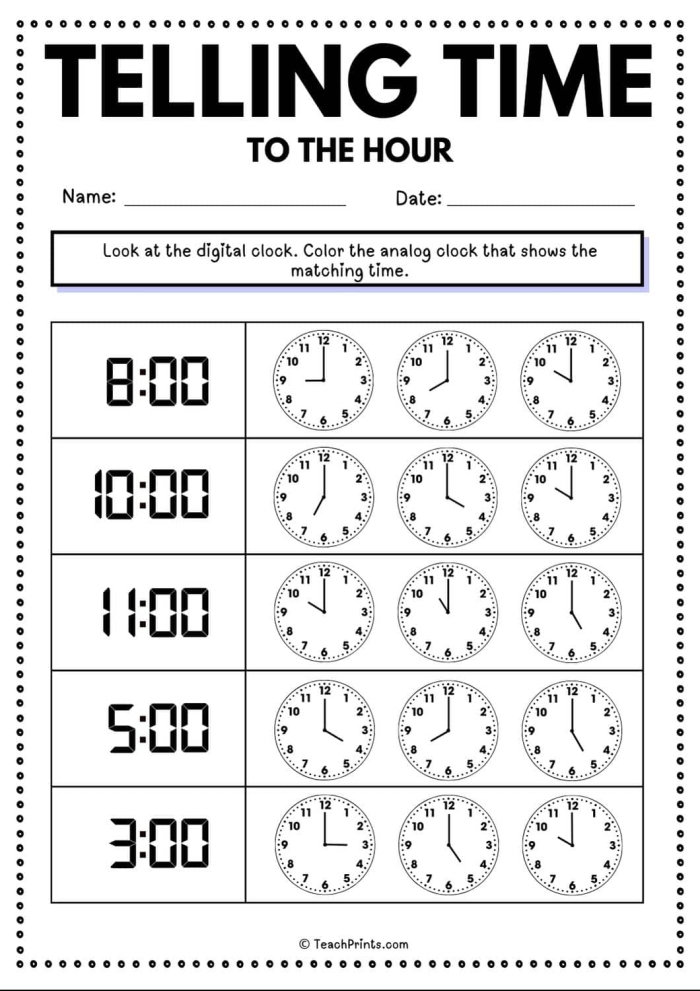
Learning to tell time is a crucial skill for second graders, and using engaging worksheets can greatly enhance their understanding. One effective method involves a worksheet where kids examine various analog clocks, determine the corresponding time, and then draw lines to connect each clock with its digital counterpart. This activity not only sharpens their time-telling abilities but also reinforces their understanding of the two different formats for expressing time.
For young learners, the transition from analog to digital time can sometimes be confusing. When students look at an analog clock, they must interpret the positions of the hour and minute hands. This worksheet encourages them to think critically about what they see and convert it into a digital format. For example, if they see the hands pointing to 3 and 12, they will recognize that the time is 3:00. By connecting these two representations, children solidify their grasp of time in a fun and interactive way.
The benefits of this kind of practice extend beyond just recognizing time. It helps strengthen fine motor skills as students draw their lines and enhances their problem-solving abilities as they analyze the clock faces. Parents and teachers can look for other resources that complement this skill, such as ninja addition worksheets or counting change exercises, which also emphasize the time and money concepts crucial for second graders.
Incorporating activities like this into daily learning routines can be both enjoyable and informative. With consistent practice, children will gain confidence in their ability to tell time, setting a solid foundation for future math skills. Resources like practice tests and engaging worksheets ensure that learning remains dynamic and effective. The key is to make learning about time a regular part of their educational journey, paving the way for success in more complex topics down the road.
Grab These Worksheets Now