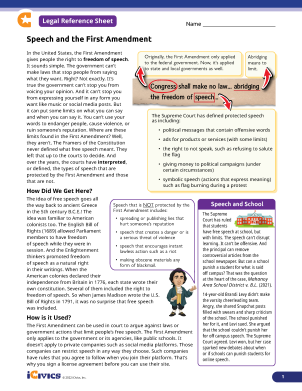
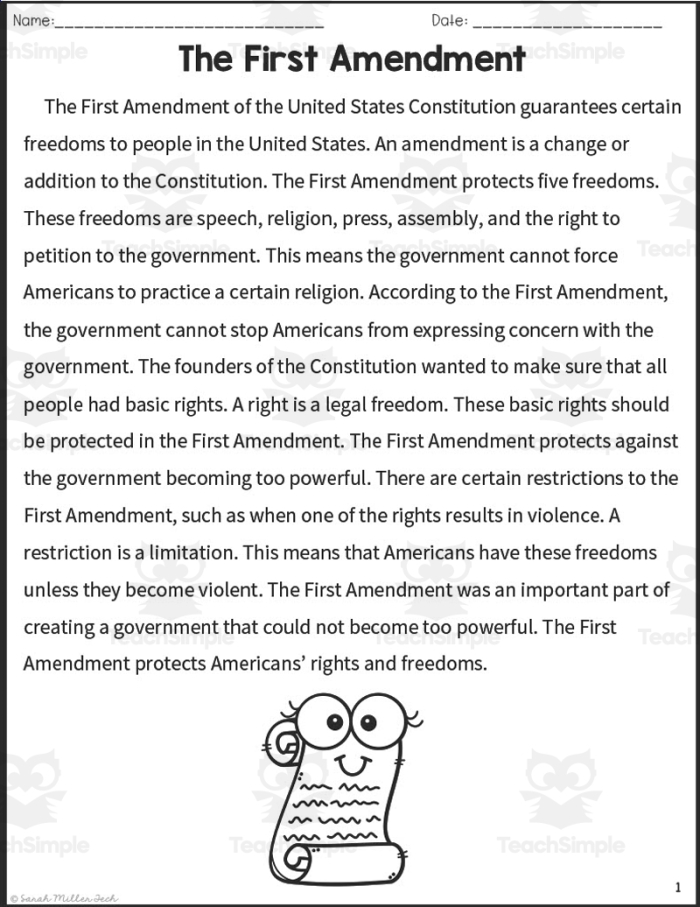
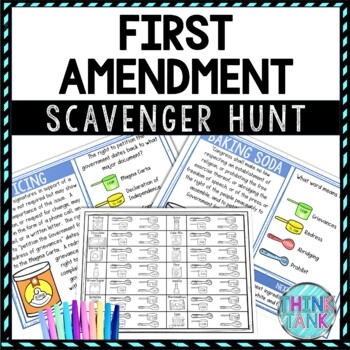
Engaging young minds with the First Amendment can ignite a passion for civic understanding. When children read the First Amendment, they’re not just learning about their rights; they’re exploring the foundational principles of democracy. This knowledge is especially vital for second graders, who are beginning to understand the world beyond their immediate experiences.
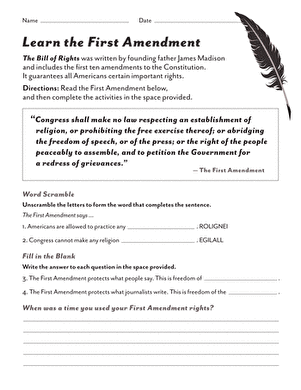
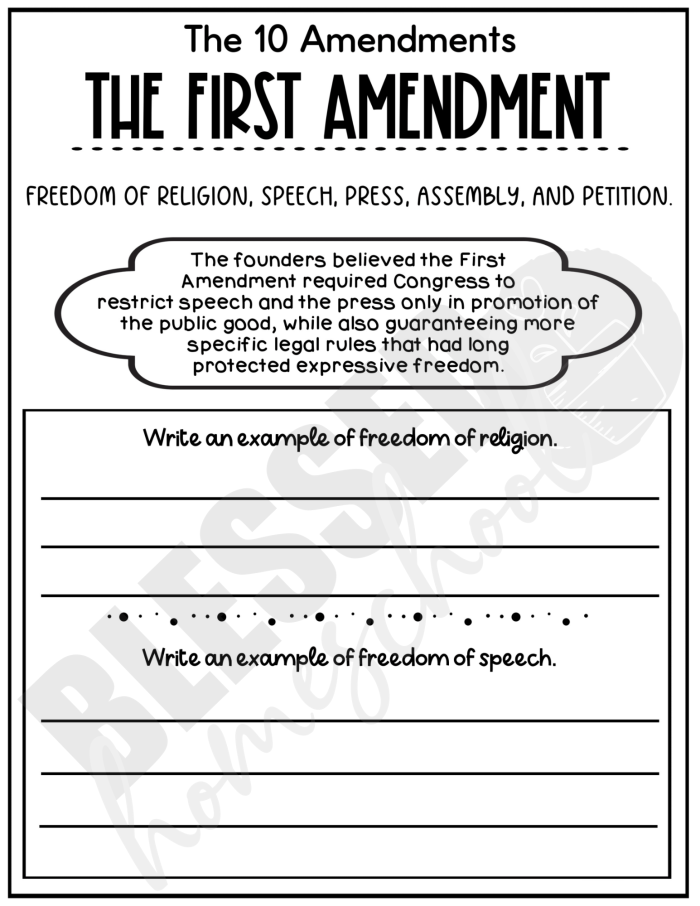
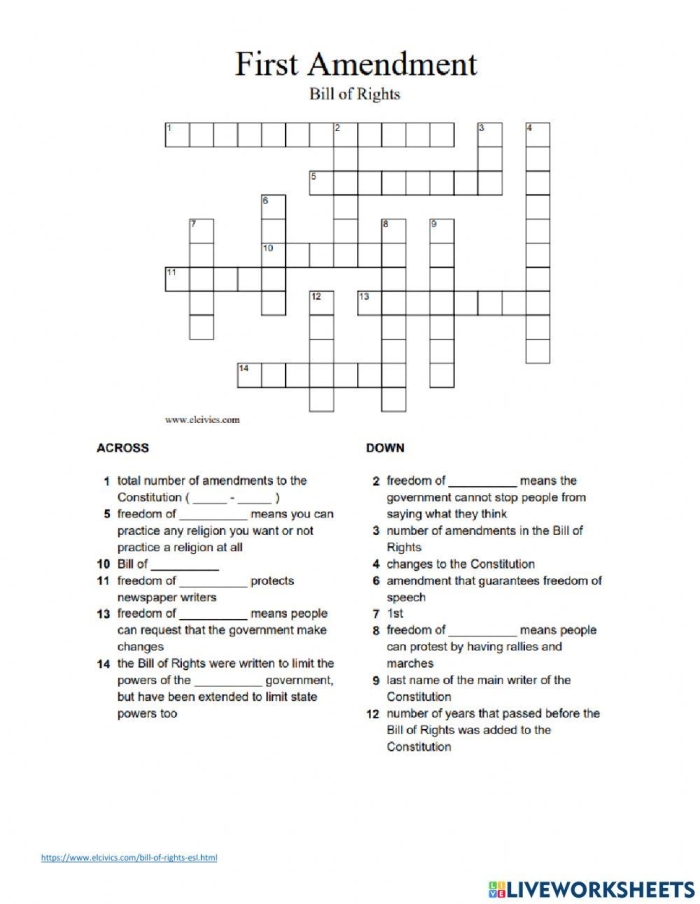
To reinforce this learning, educators can introduce a simple word scramble puzzle. This activity not only makes the lesson interactive but also helps improve vocabulary and spelling skills. Children can have fun rearranging letters to form words like “freedom,” “speech,” and “press.” These terms are central to the First Amendment, and recognizing them encourages kids to feel more connected to the material.
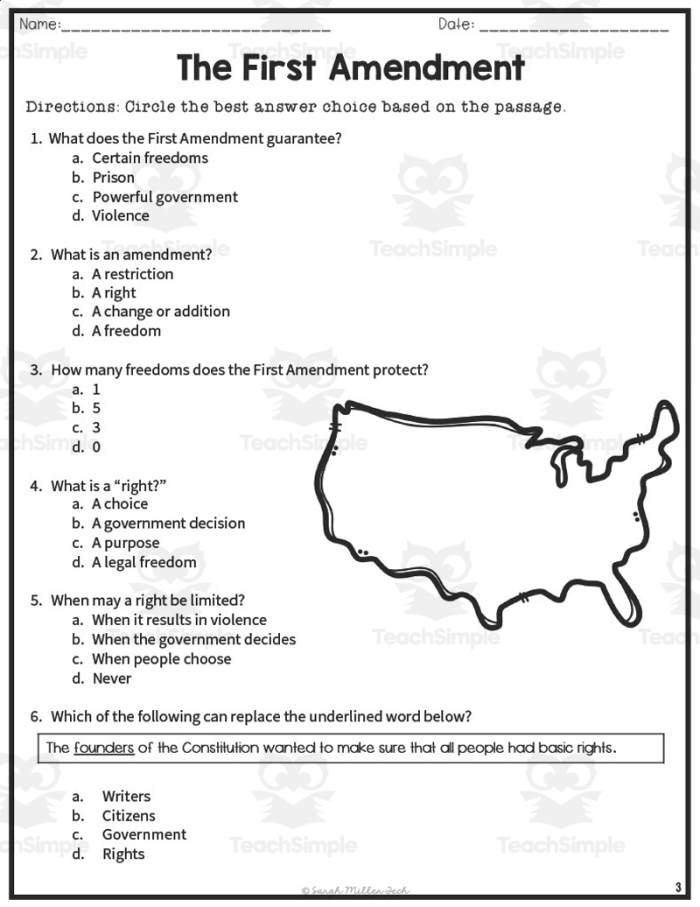
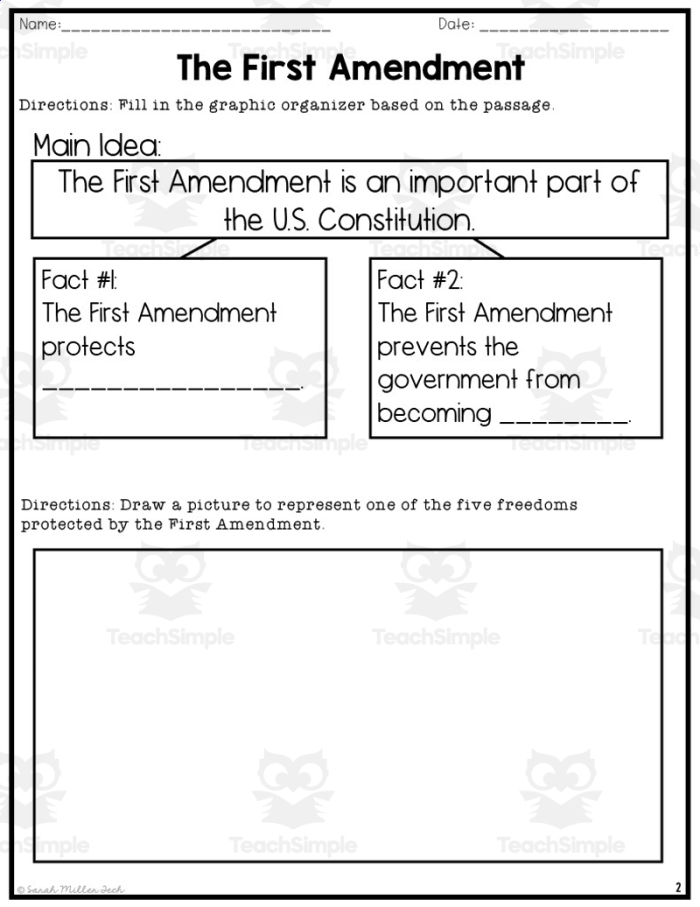
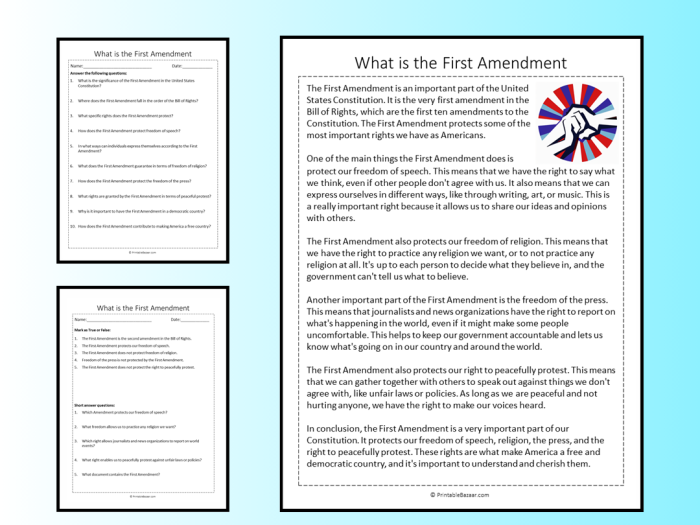
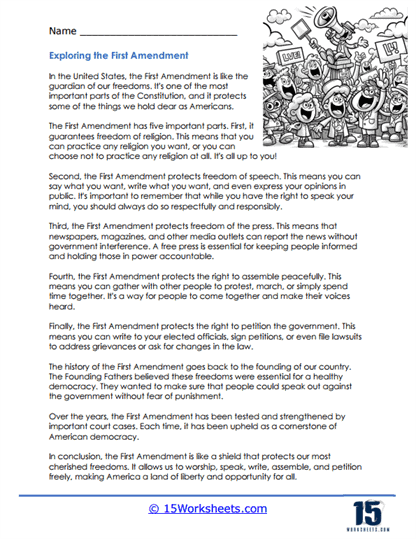
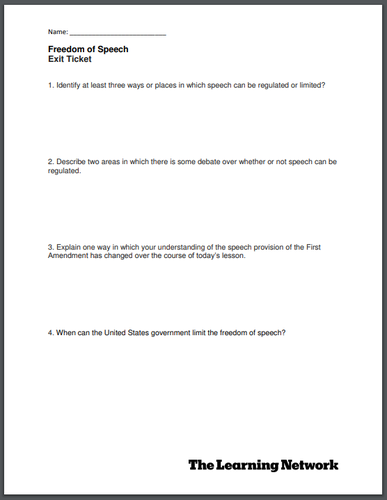
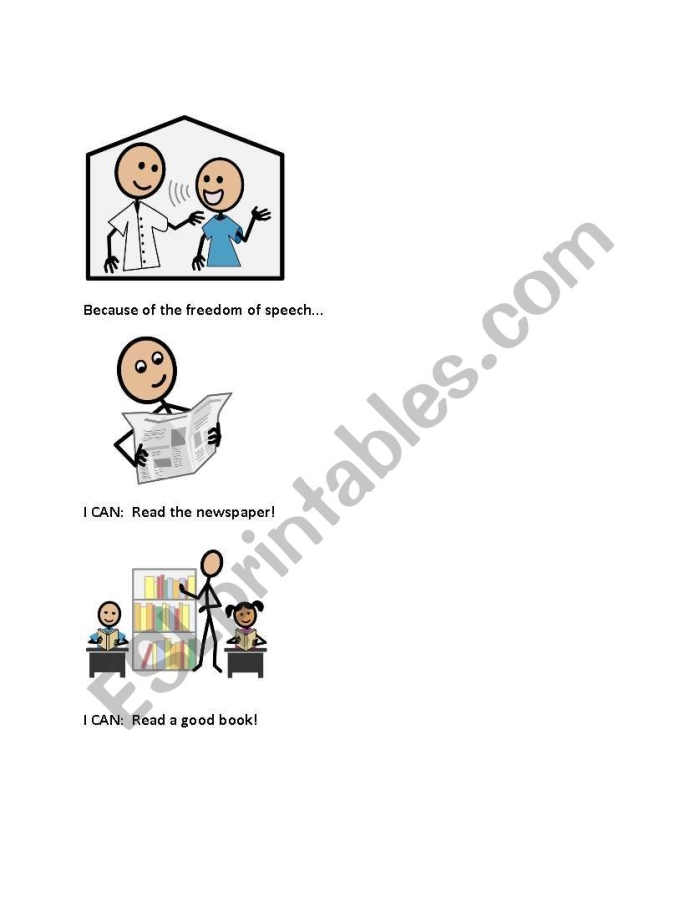
After completing the word scramble, students can answer reading comprehension questions. These questions can range from identifying the main idea of the First Amendment to discussing why the right to free speech is important. This step is crucial as it encourages critical thinking and allows children to reflect on how these rights affect their daily lives. For instance, understanding that they can express their thoughts freely helps them appreciate the concept of freedom in a personal way.
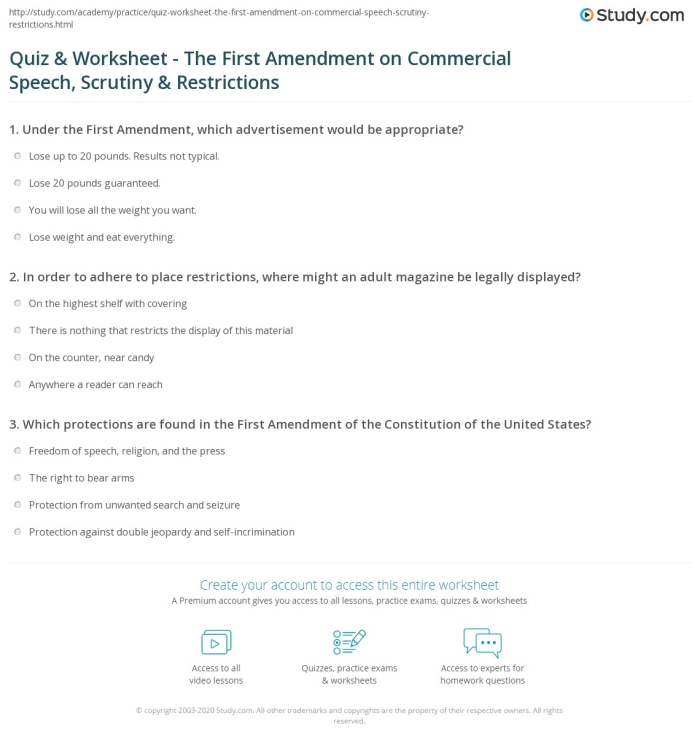
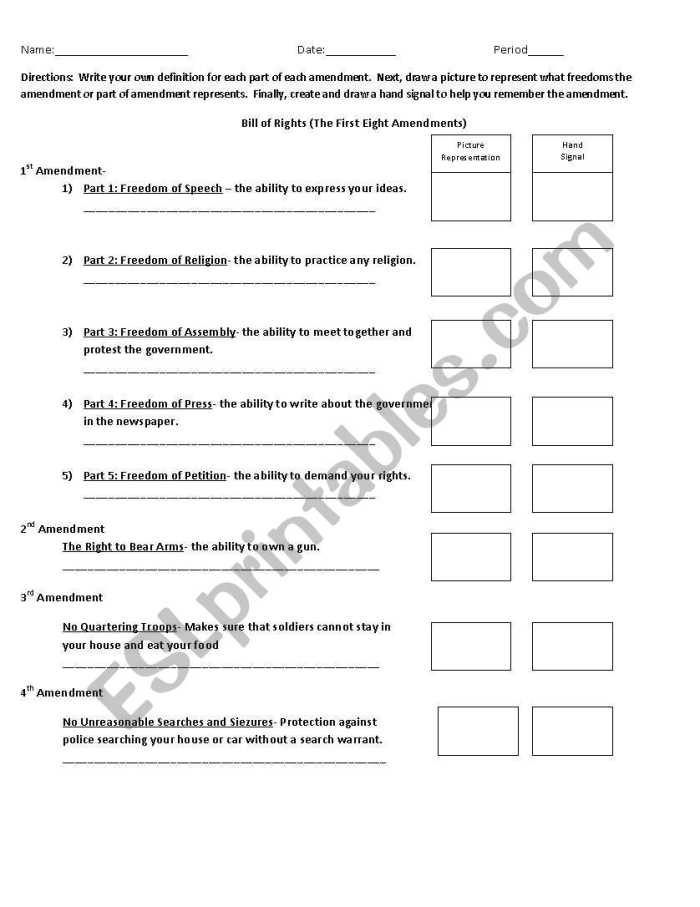
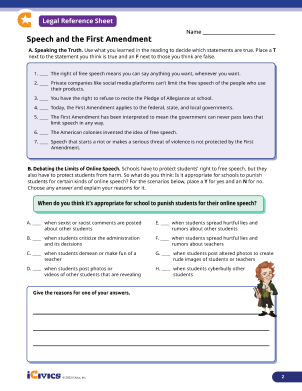
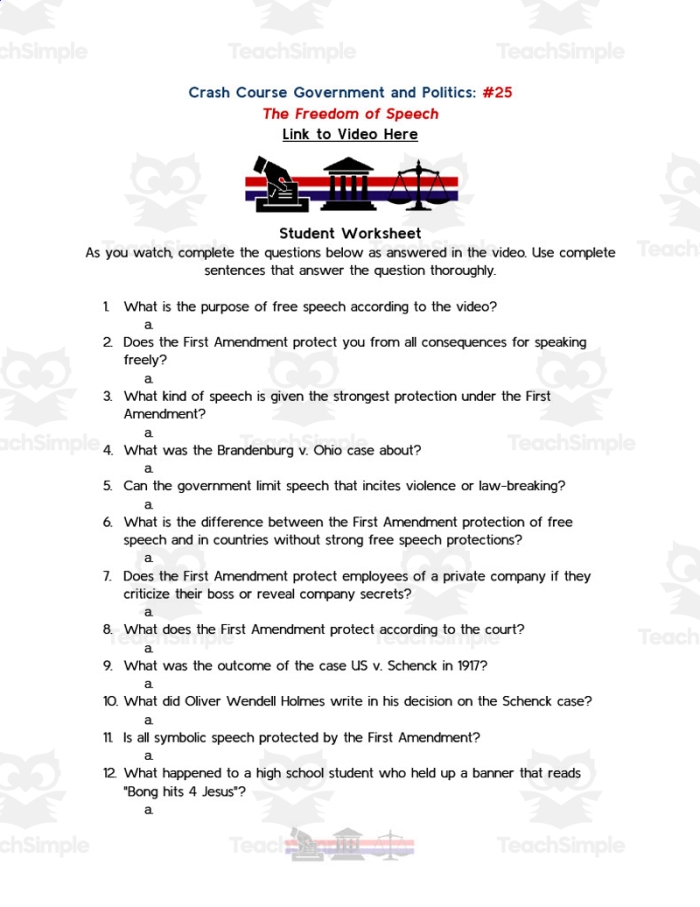
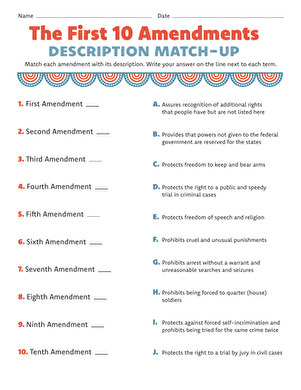
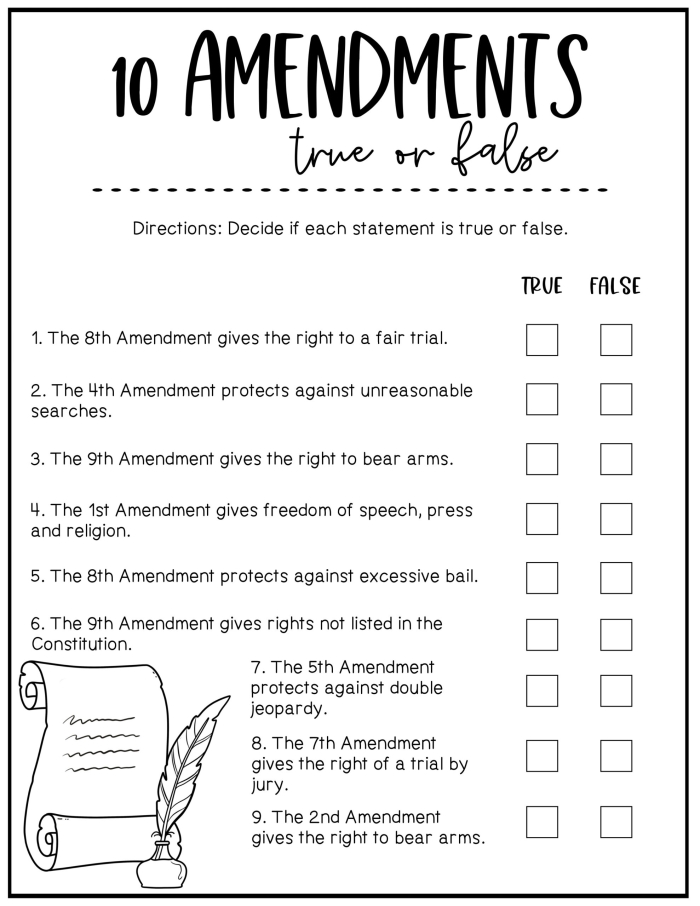
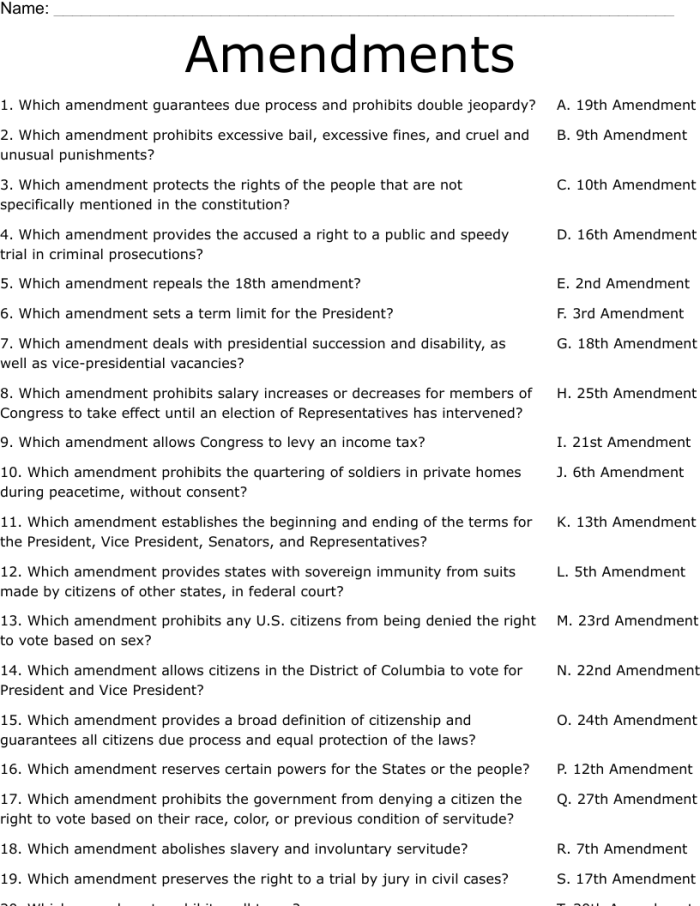
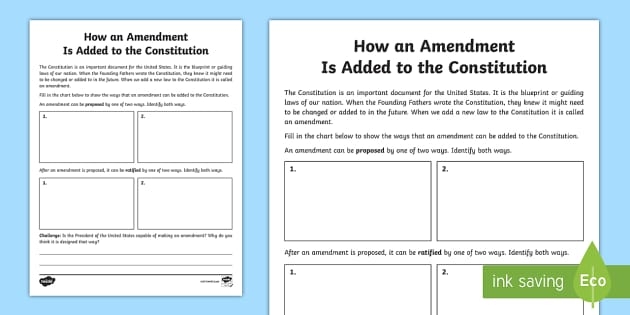
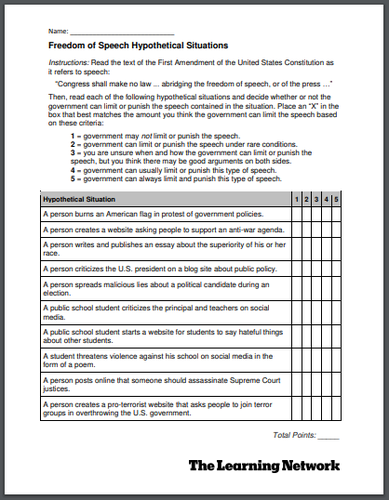
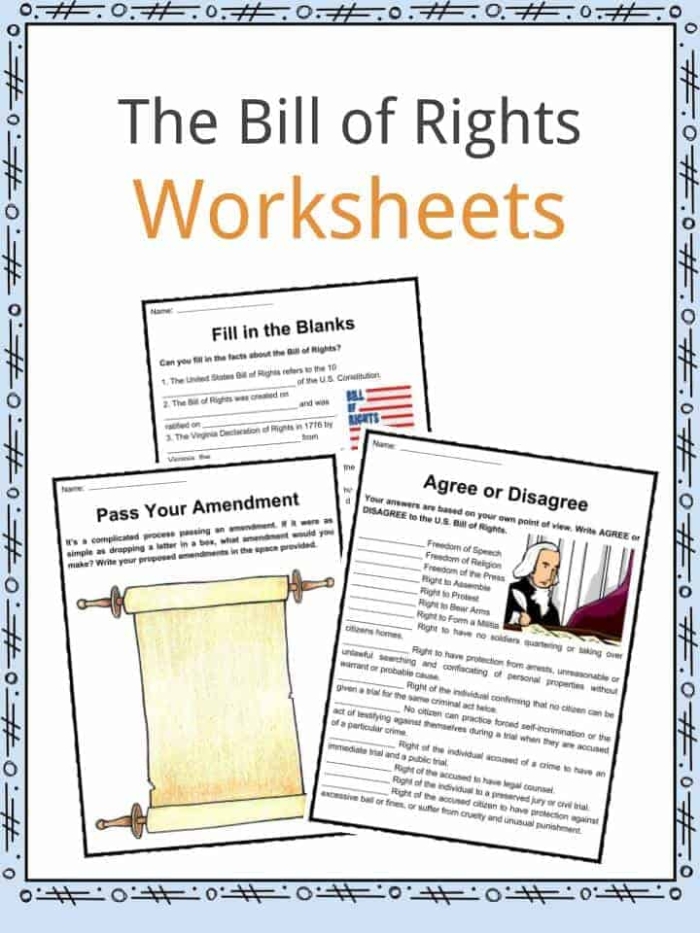
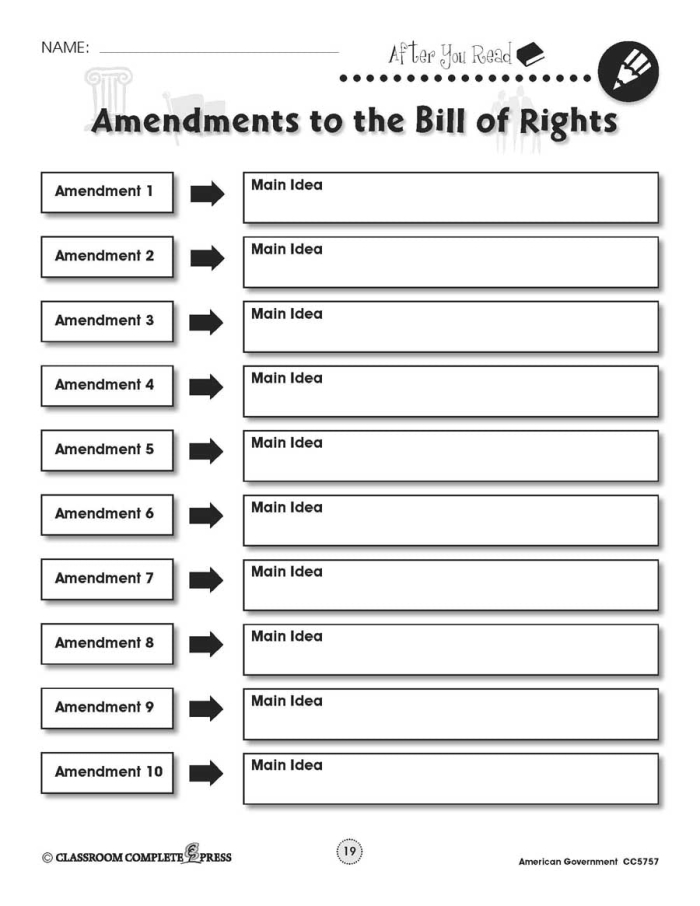
Incorporating additional resources, such as worksheets that reinforce civic lessons, can further enhance the learning experience. By linking the First Amendment to practical activities in the classroom, educators can create a rich environment for second graders to explore concepts of time and money, rights and responsibilities, and community involvement.
Encouraging children to learn about the First Amendment through engaging activities fosters a sense of responsibility and awareness. This foundational knowledge is essential not just for understanding their rights but also for participating actively in their communities.
Worksheet Practice Section