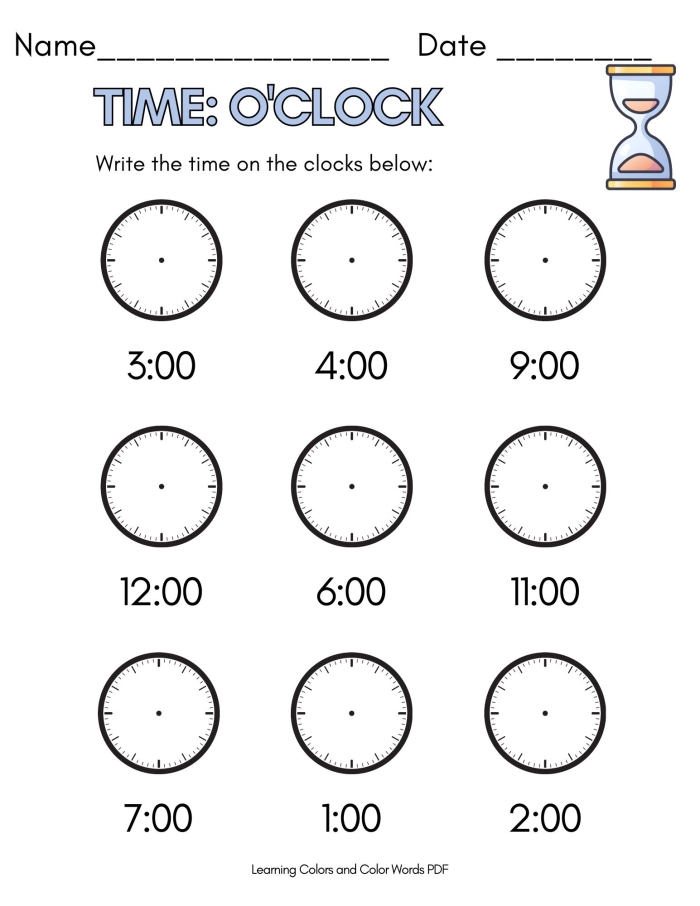
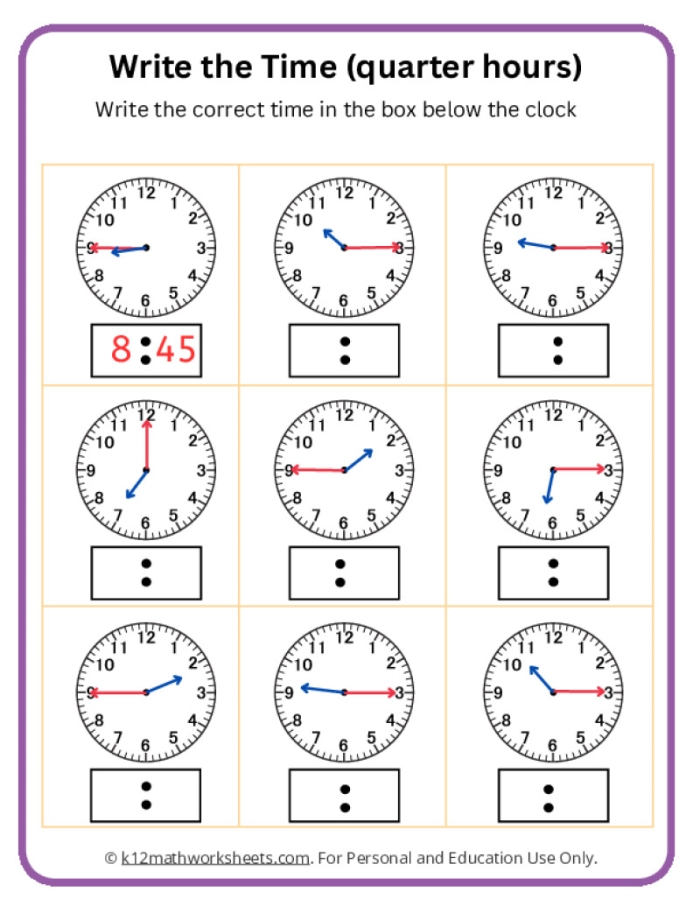
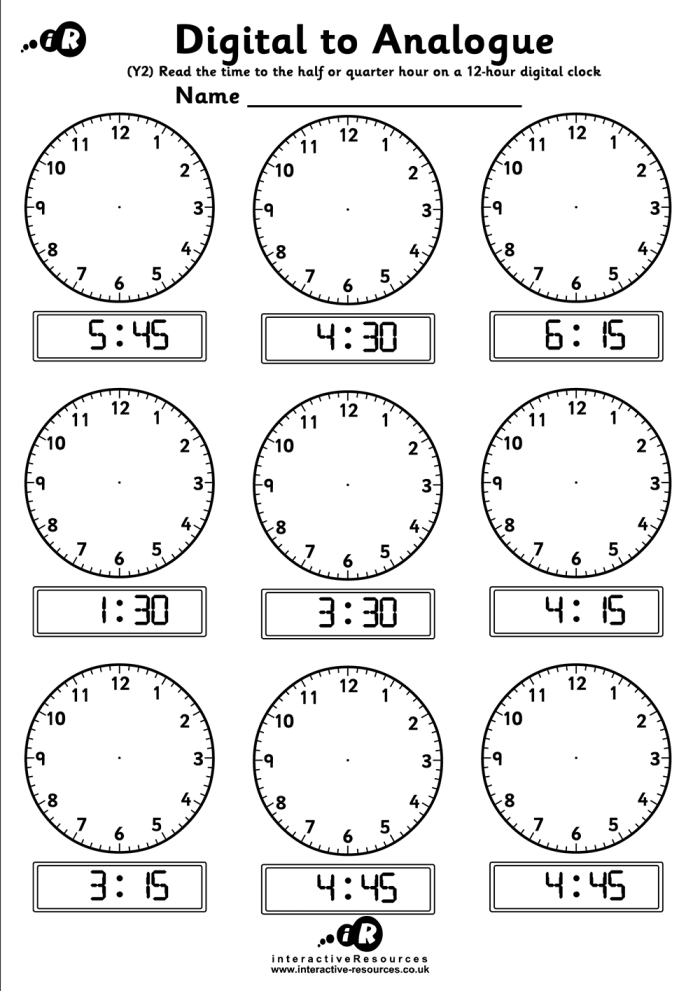
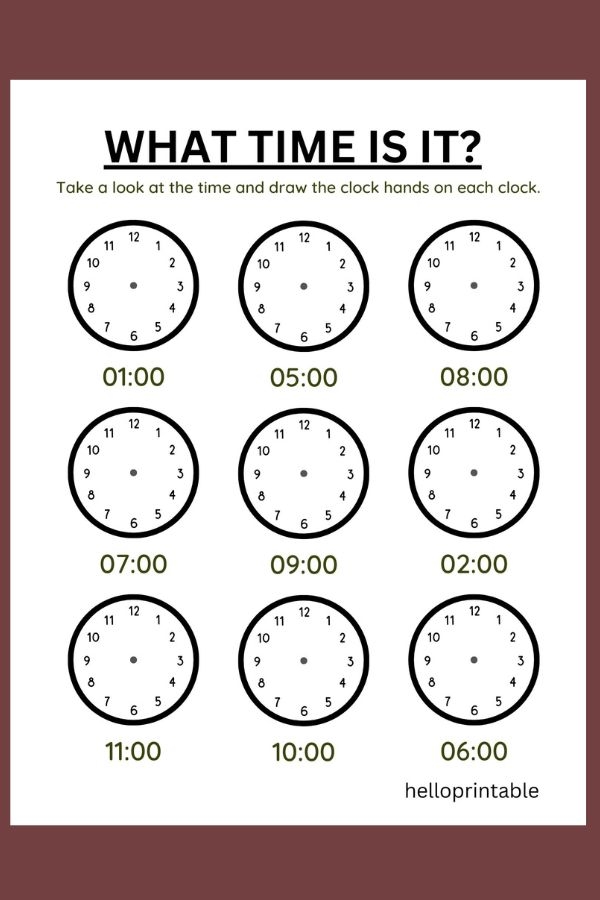
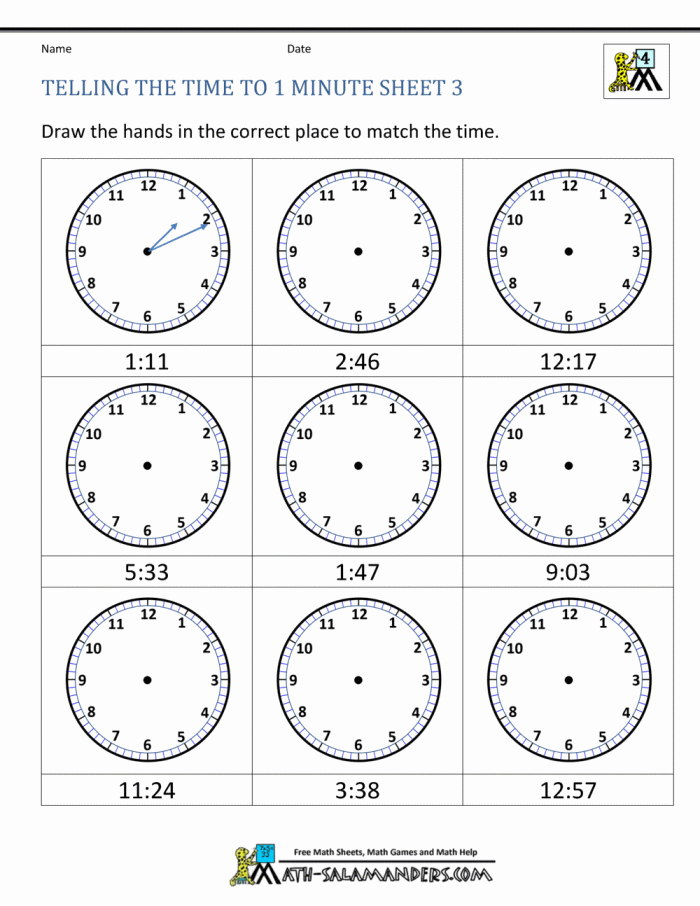
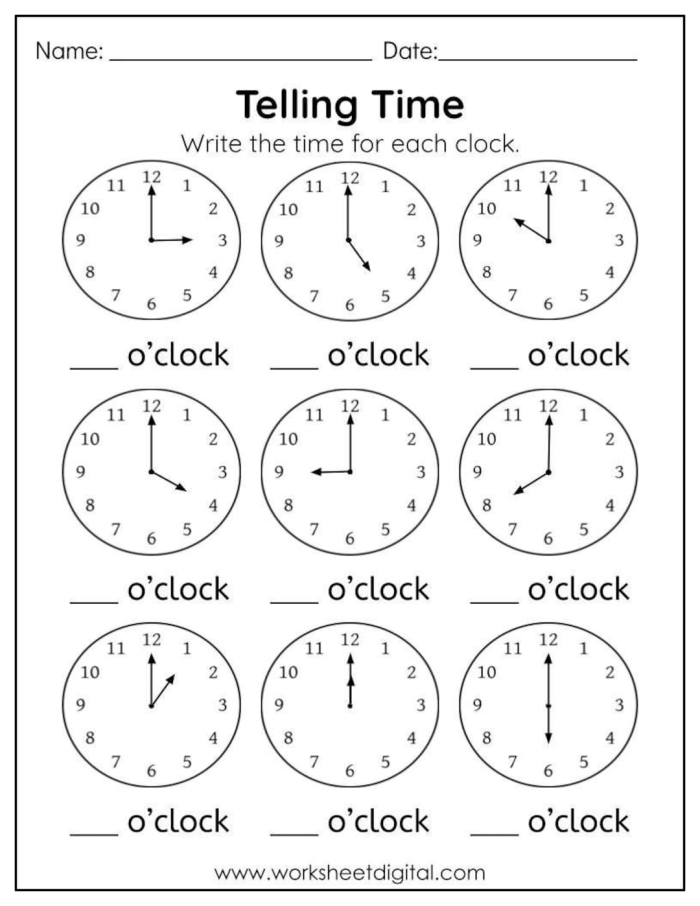
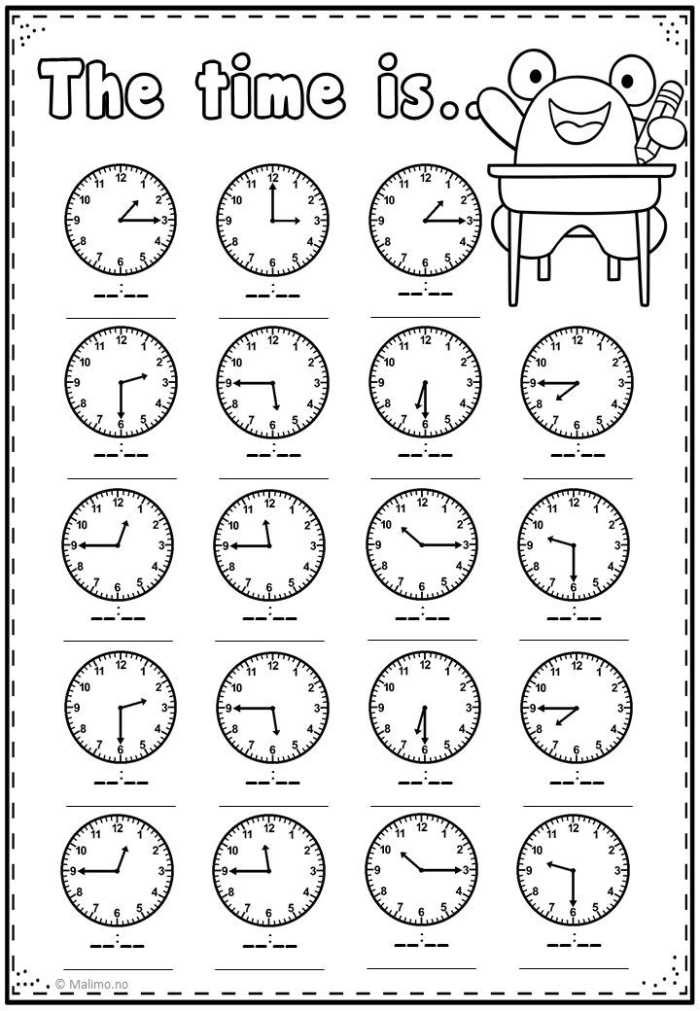
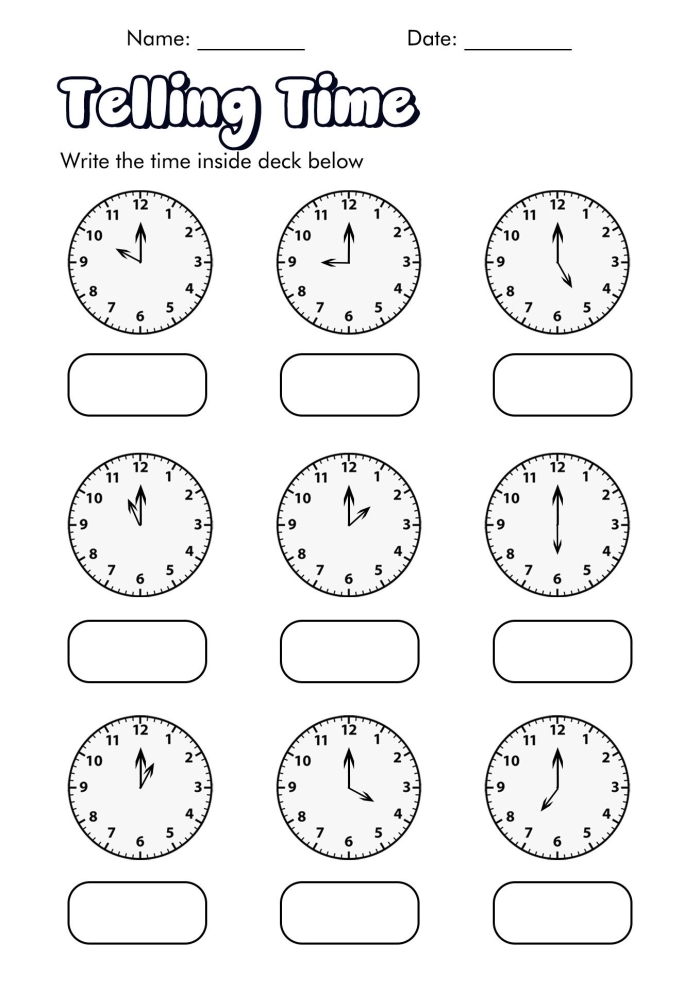
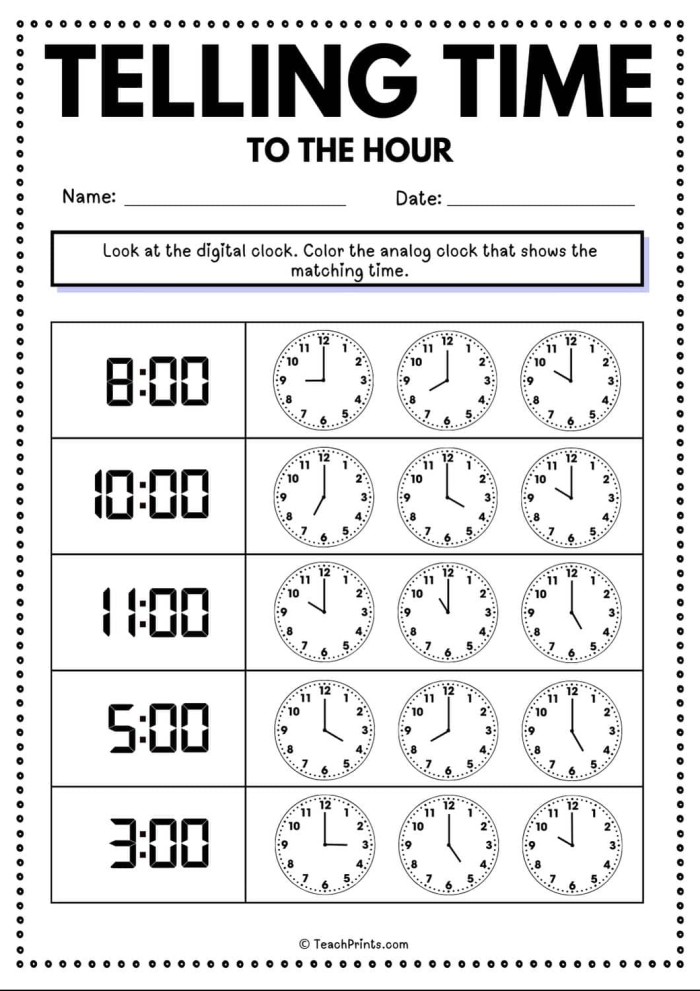
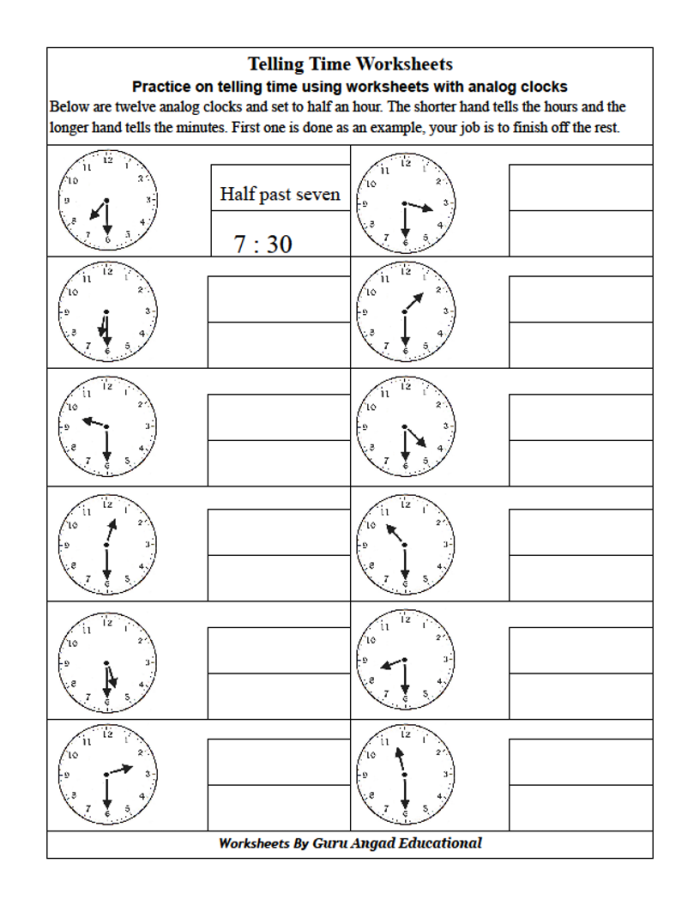
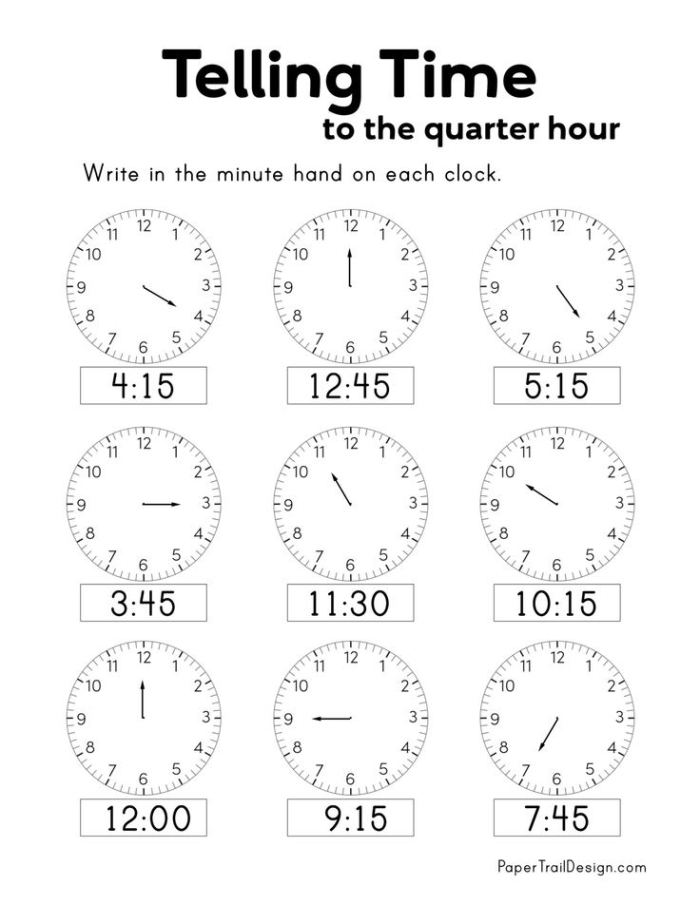
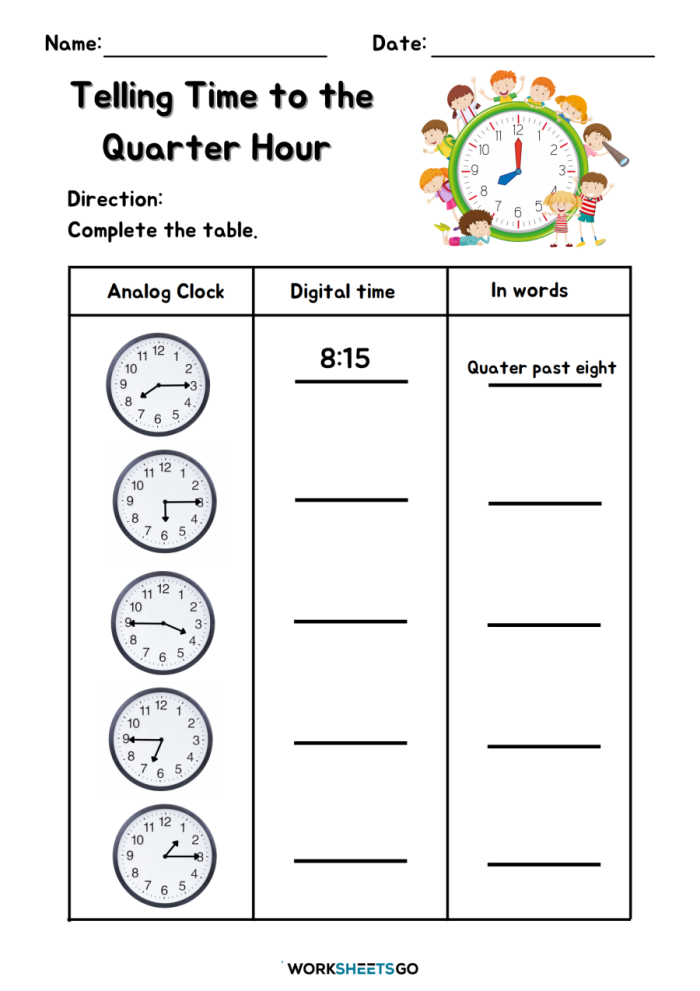
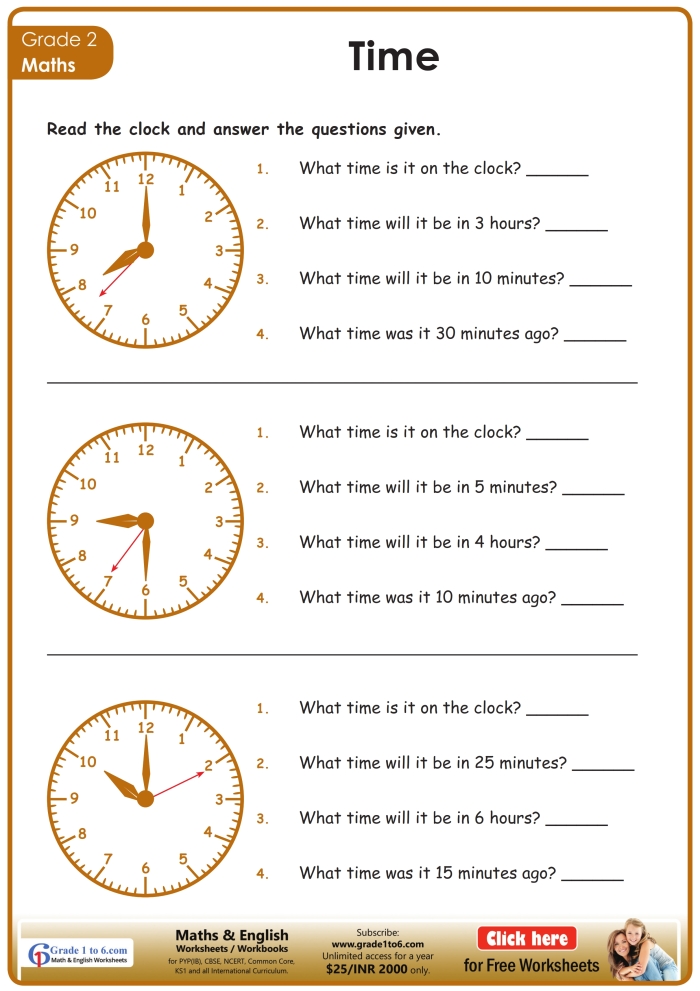
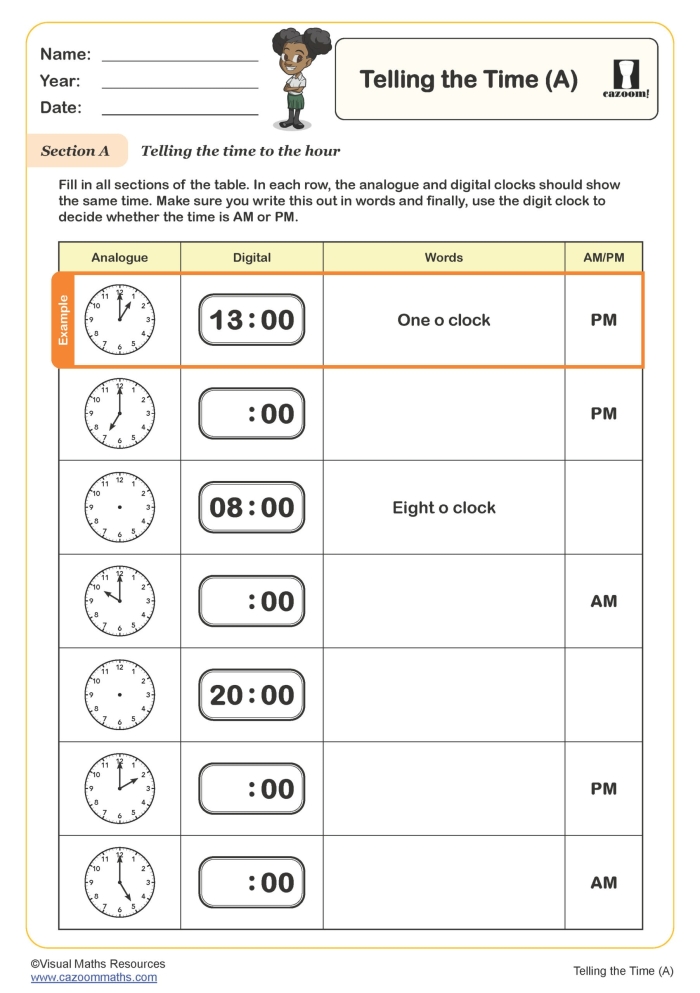
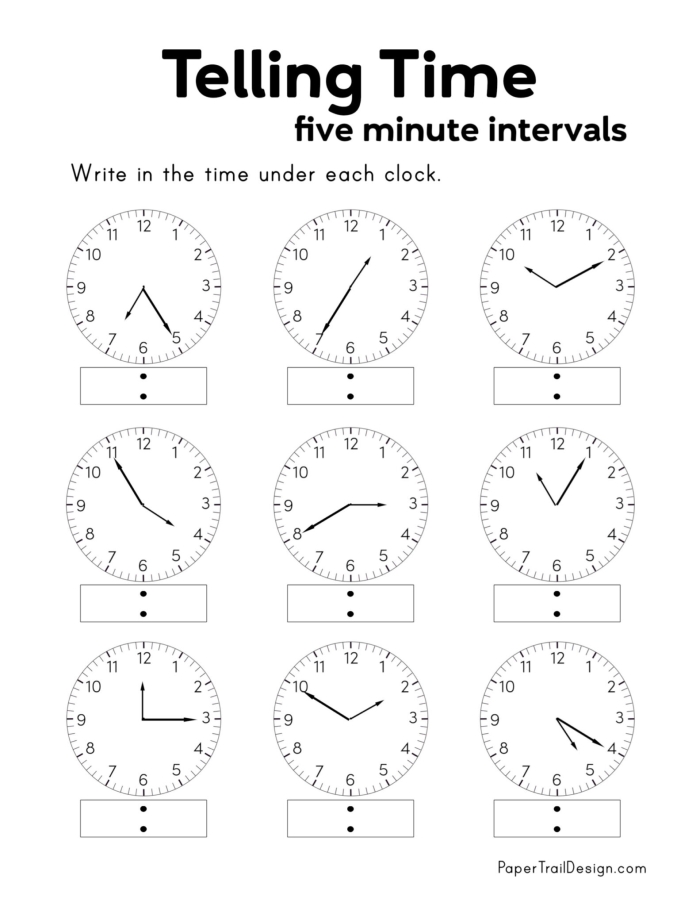
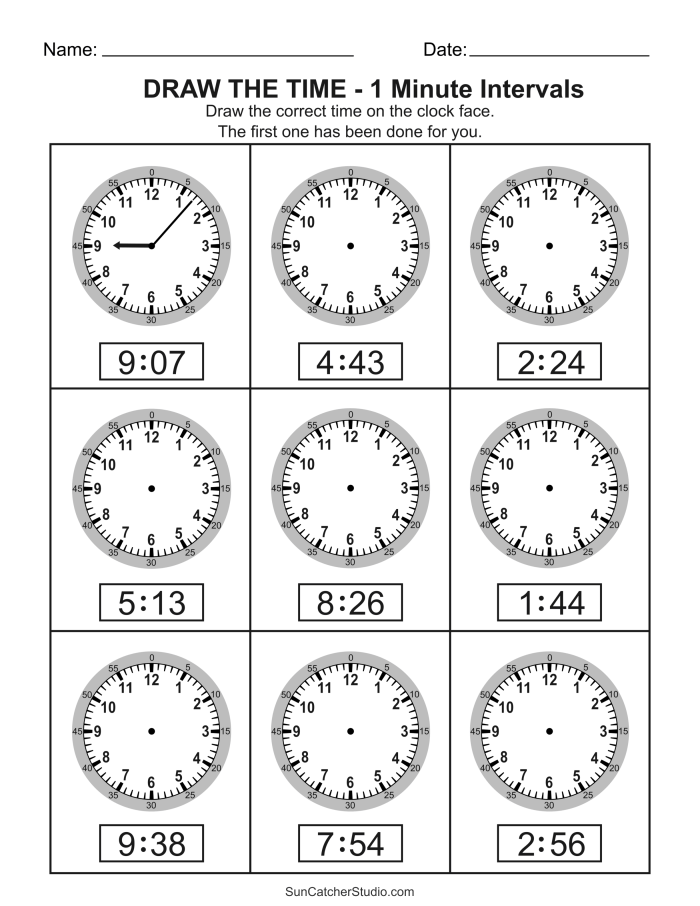
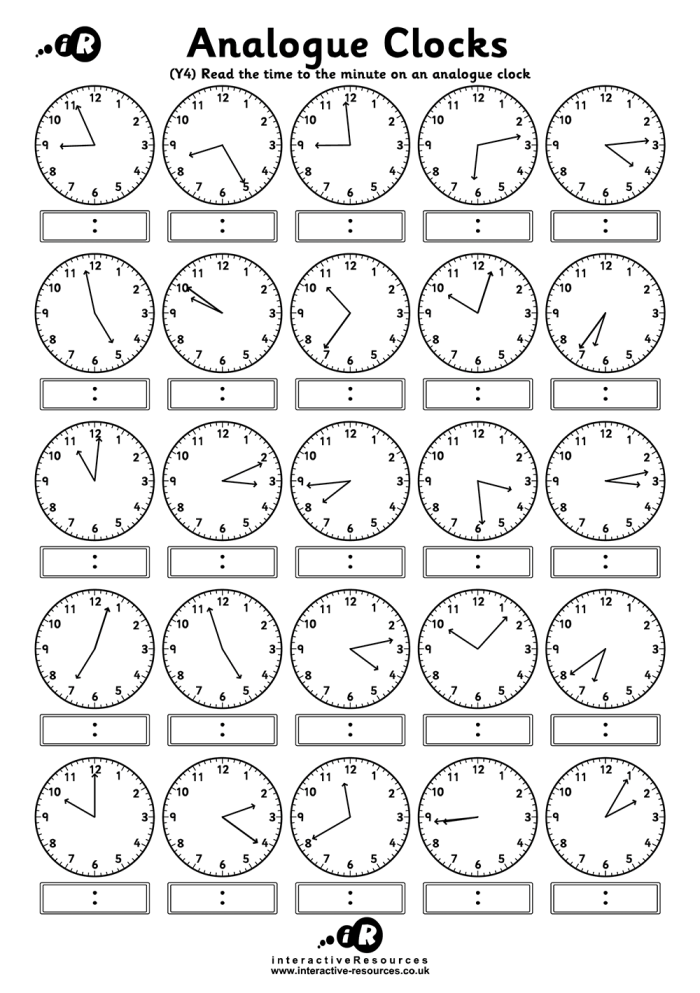
Analog clocks confuse most second graders. The hour hand moves slowly while the minute hand zips around, and suddenly your child is staring blankly at the classroom clock during transitions. The good news: telling time is a skill that clicks once kids understand how the hands actually work together.
Start by teaching the minute hand first, not the hour hand. Many parents reverse this, which creates confusion. The minute hand is longer and moves in predictable five-minute intervals around the clock face. Once your child can count by fives and spot where the minute hand points, the hour hand becomes secondary information. This approach works because it gives kids one clear rule to follow before adding complexity.
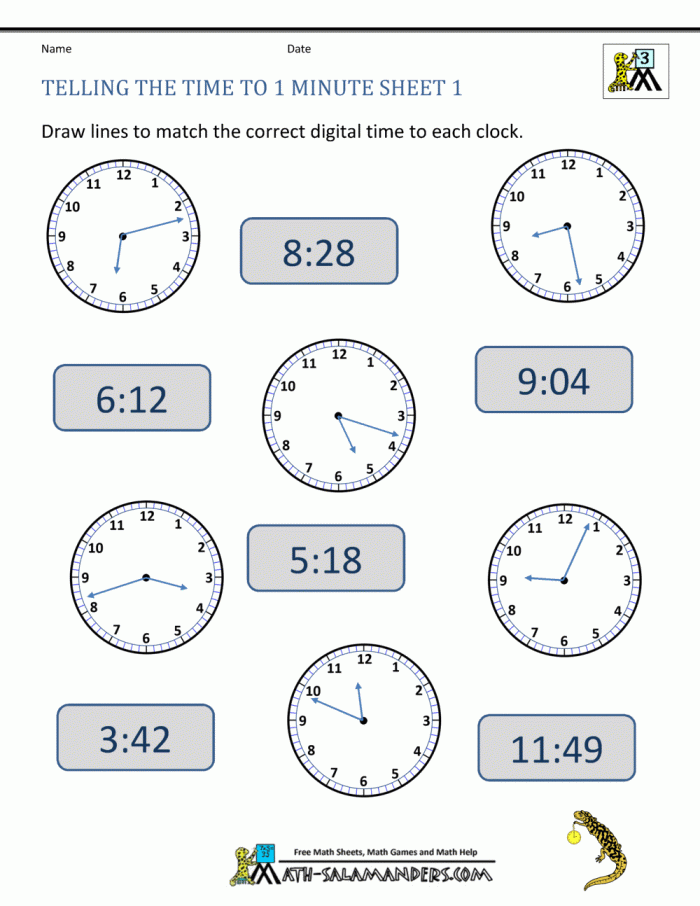
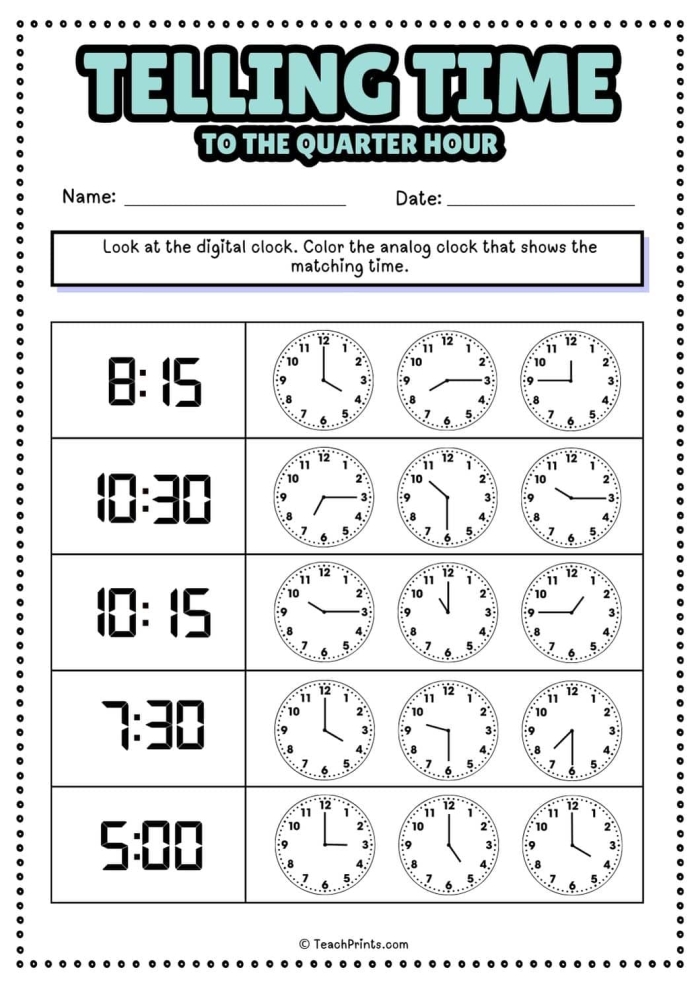
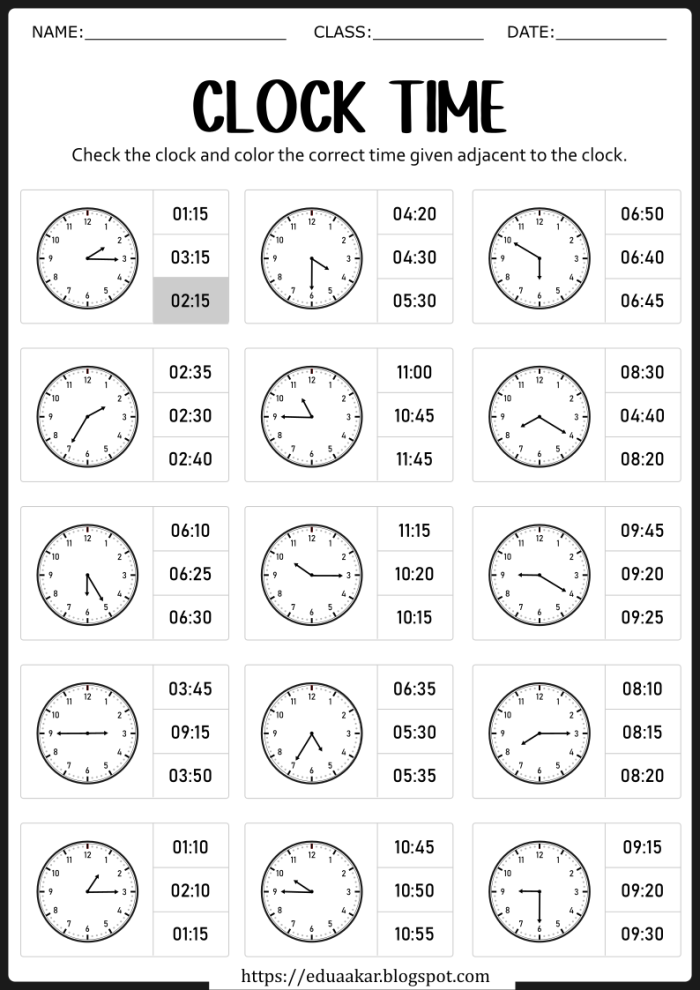
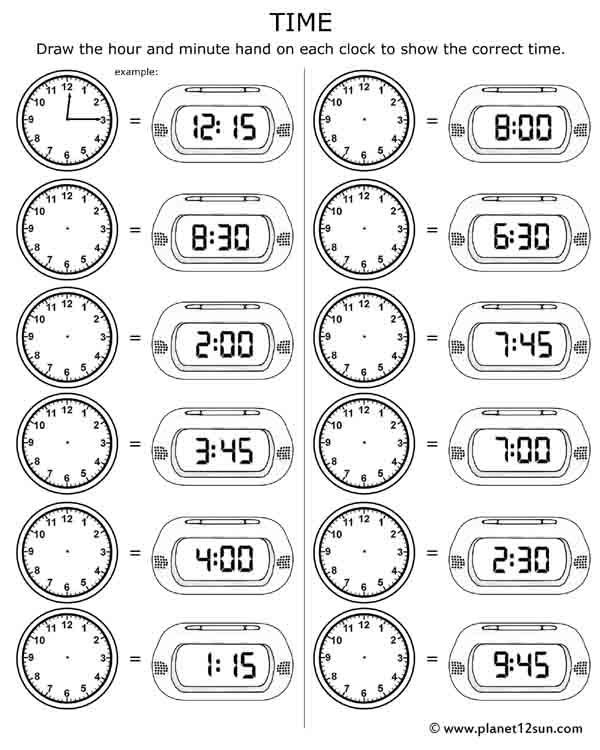
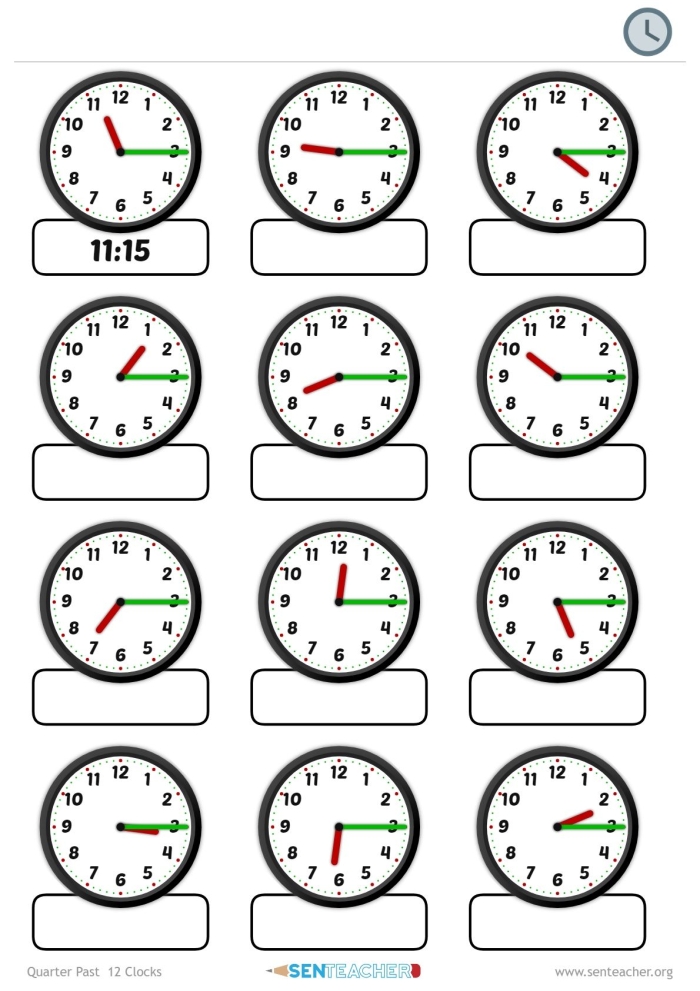
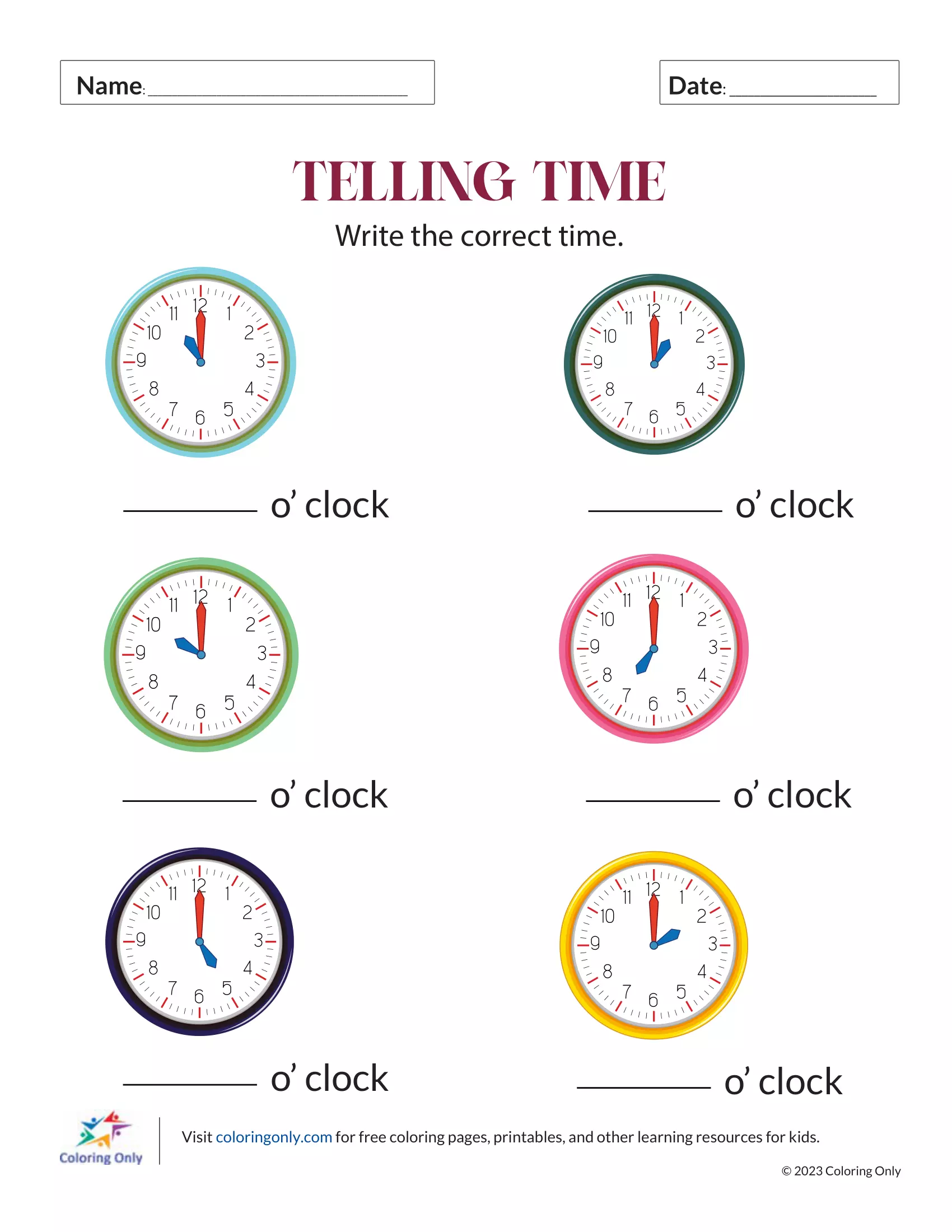
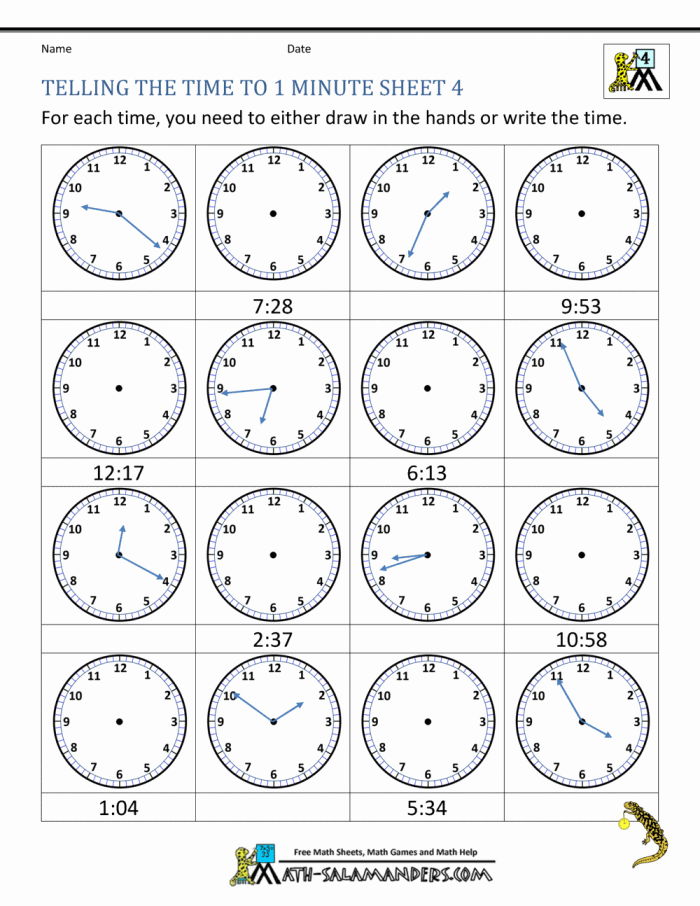
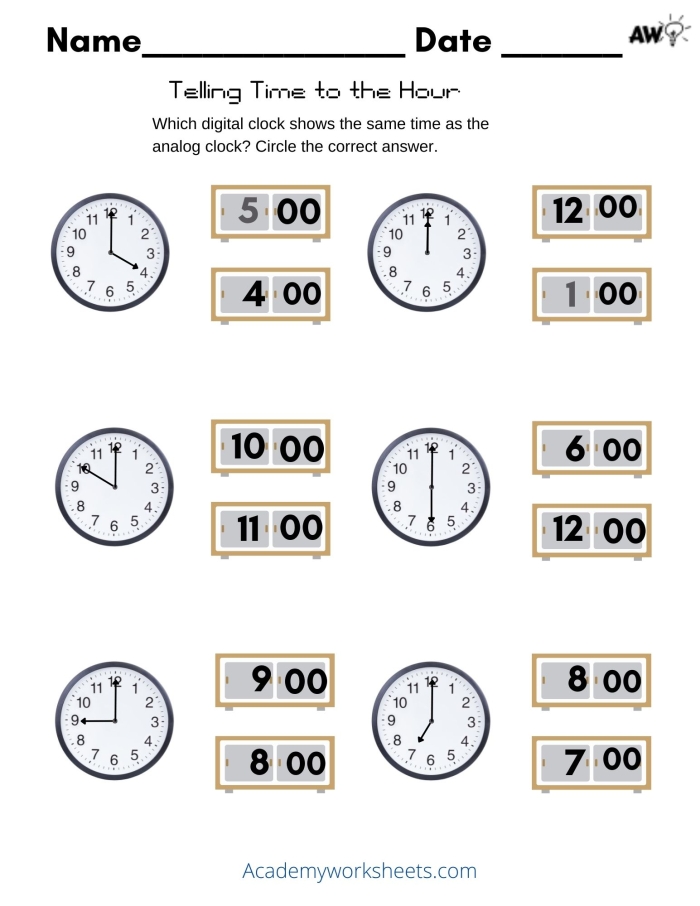
Practice with a physical clock your child can touch and manipulate. Digital clocks don’t build the same understanding because there’s no visual representation of time passing. Set the hands yourself, ask your child to read the time, then move the hands forward five or ten minutes and repeat. This hands-on method sticks better than worksheets alone.
Combine clock practice with real-world moments. Ask what time breakfast happens, when their favorite show starts, or how long until bedtime. These connections make the abstract concept concrete. Worksheets like ninja addition with carrying and dollars and cents activities help reinforce time and money skills together during second grade, giving kids multiple ways to engage with these concepts.
The tick-tock of a clock becomes less intimidating once children see it as a tool they can actually read and understand.
Worksheet Practice Section