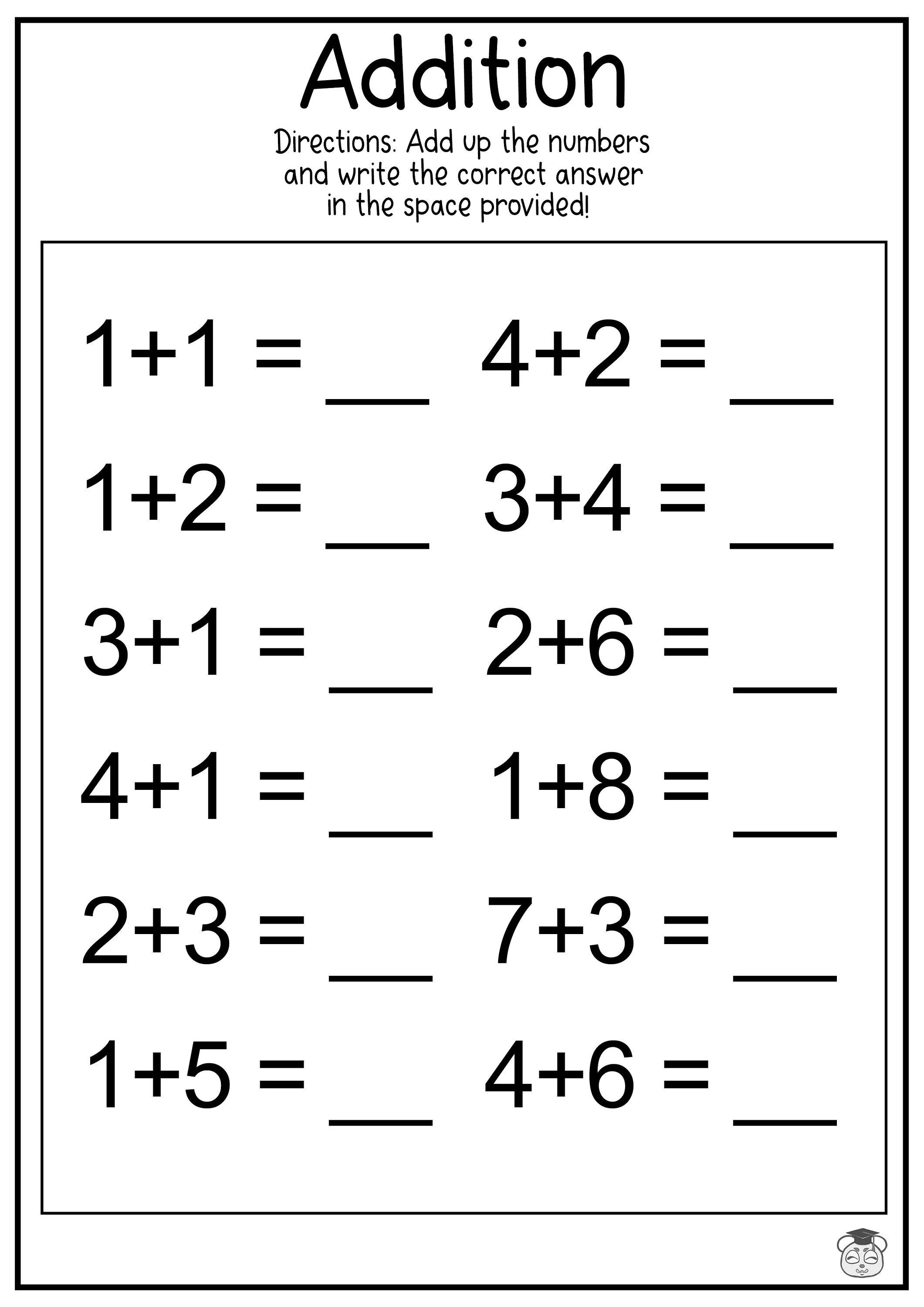
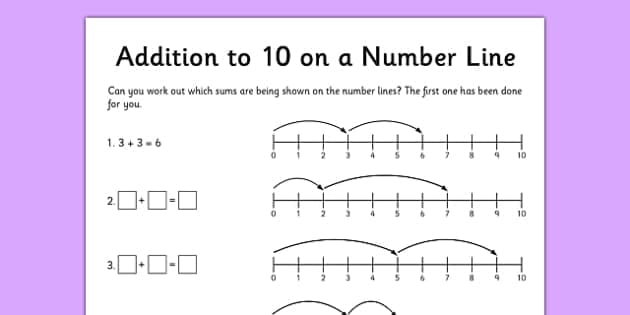
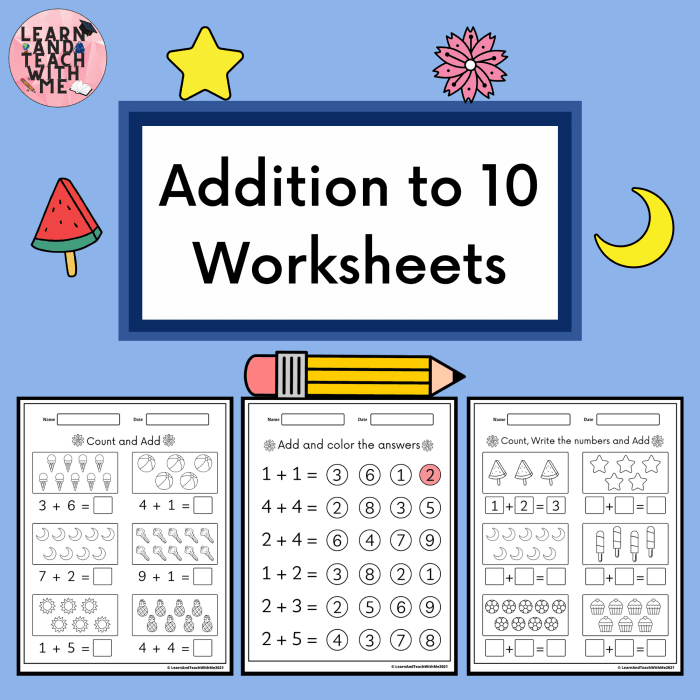
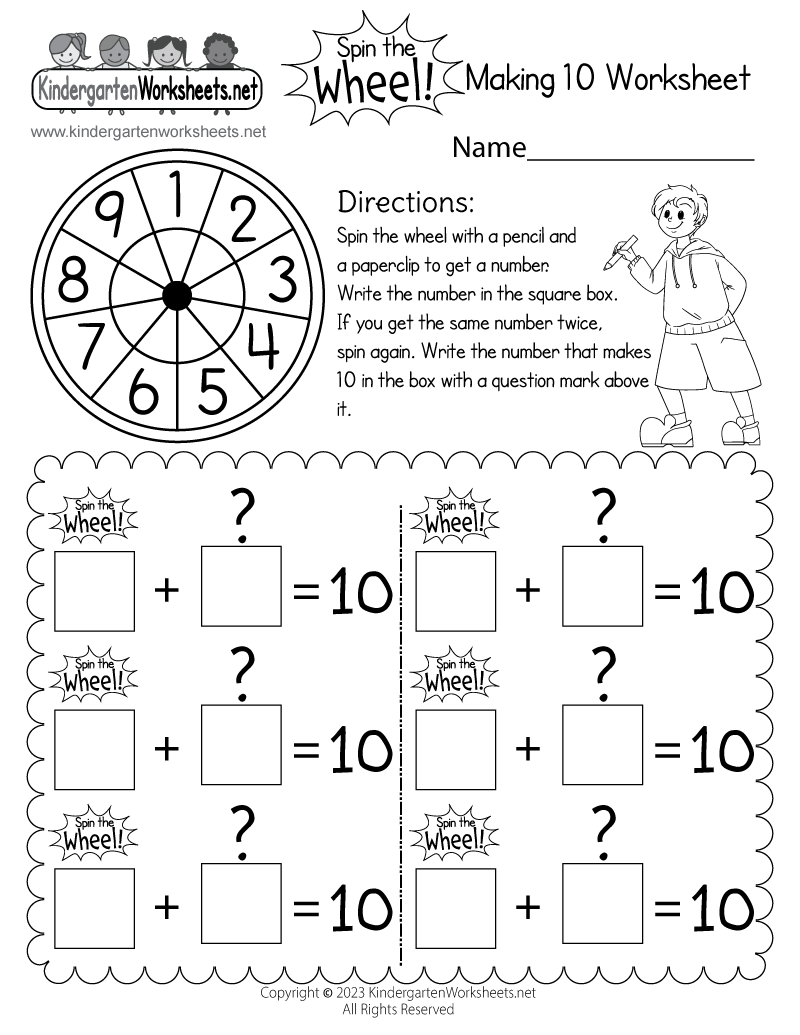
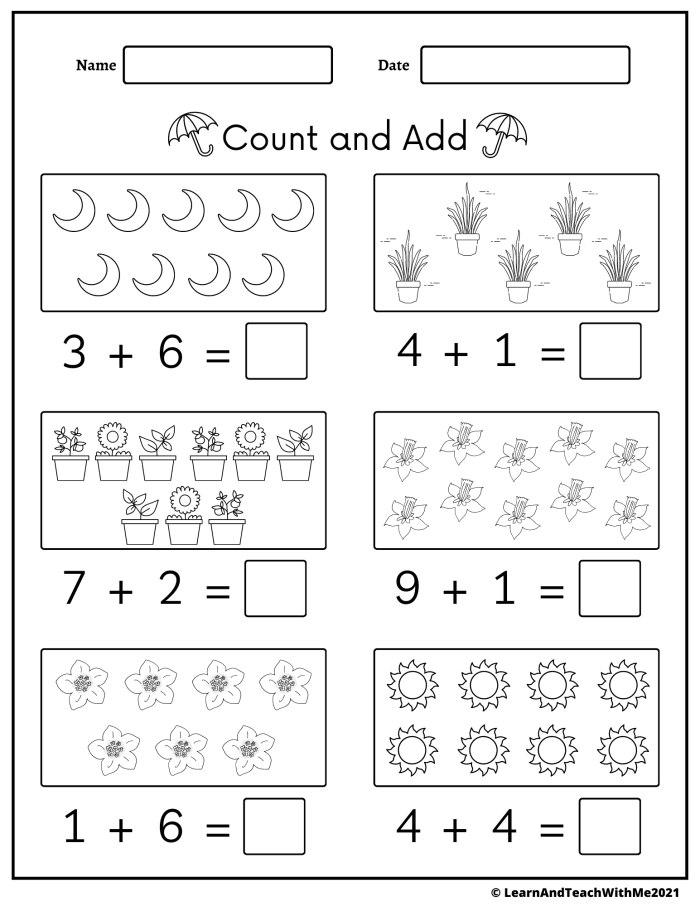
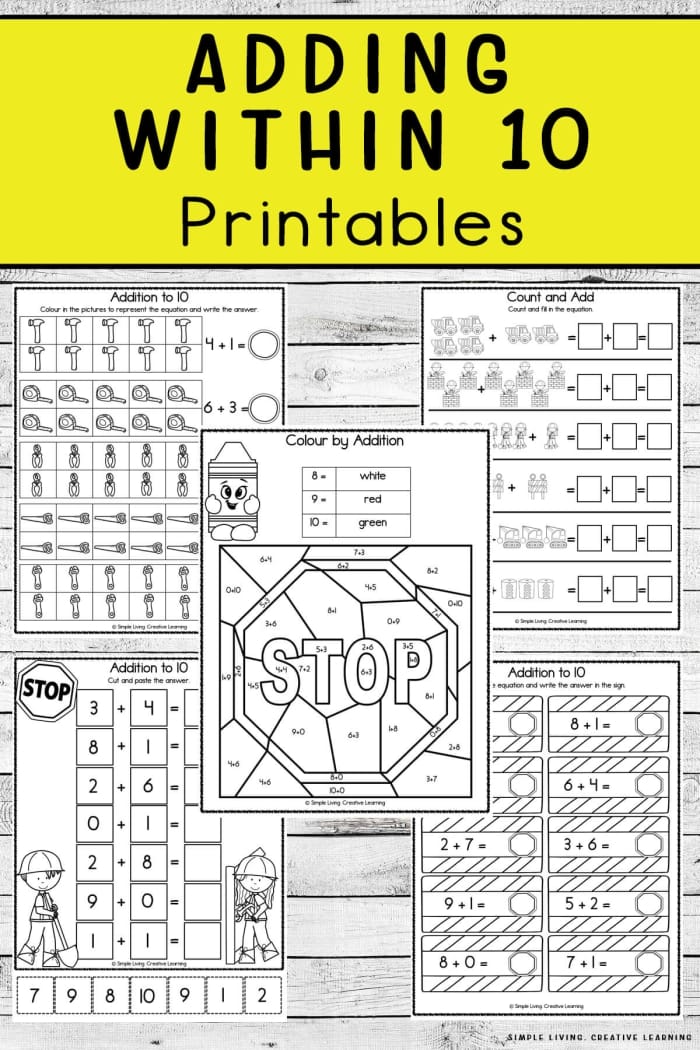
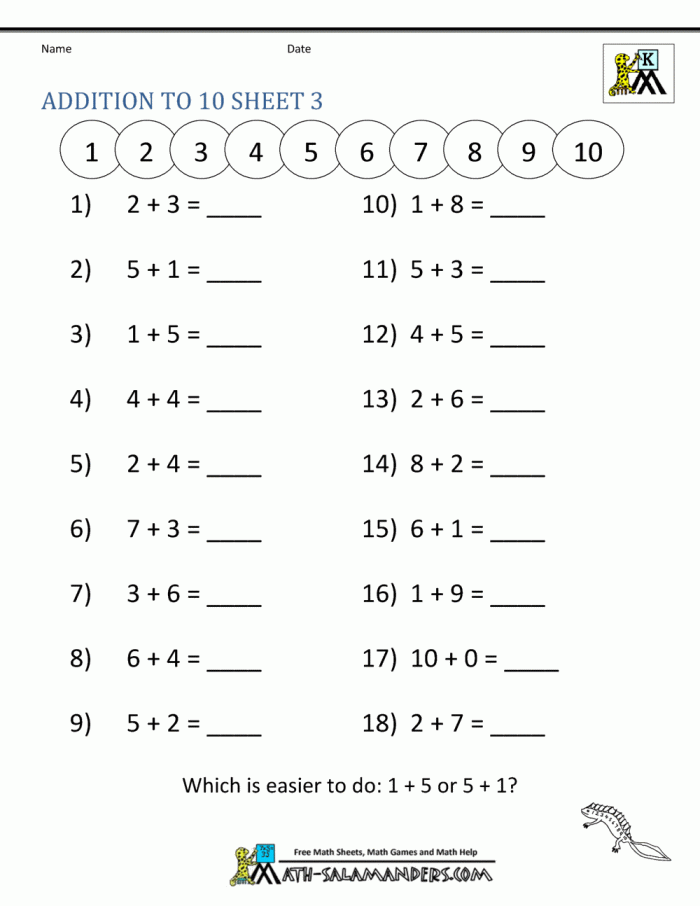
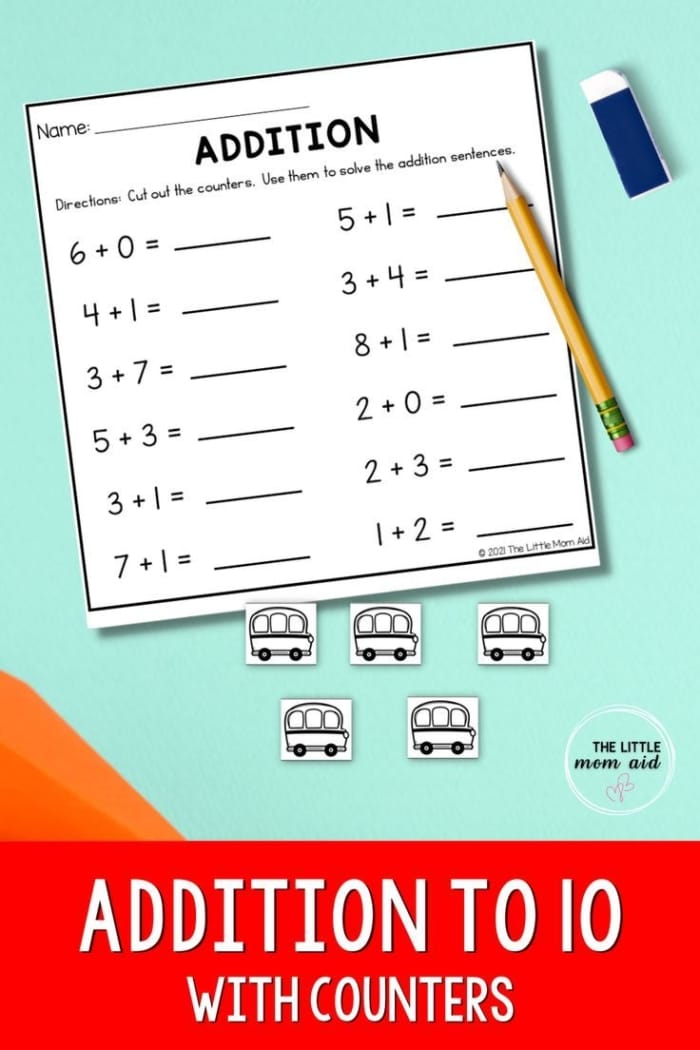
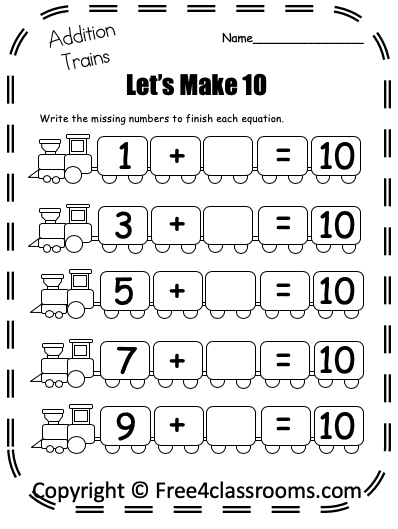
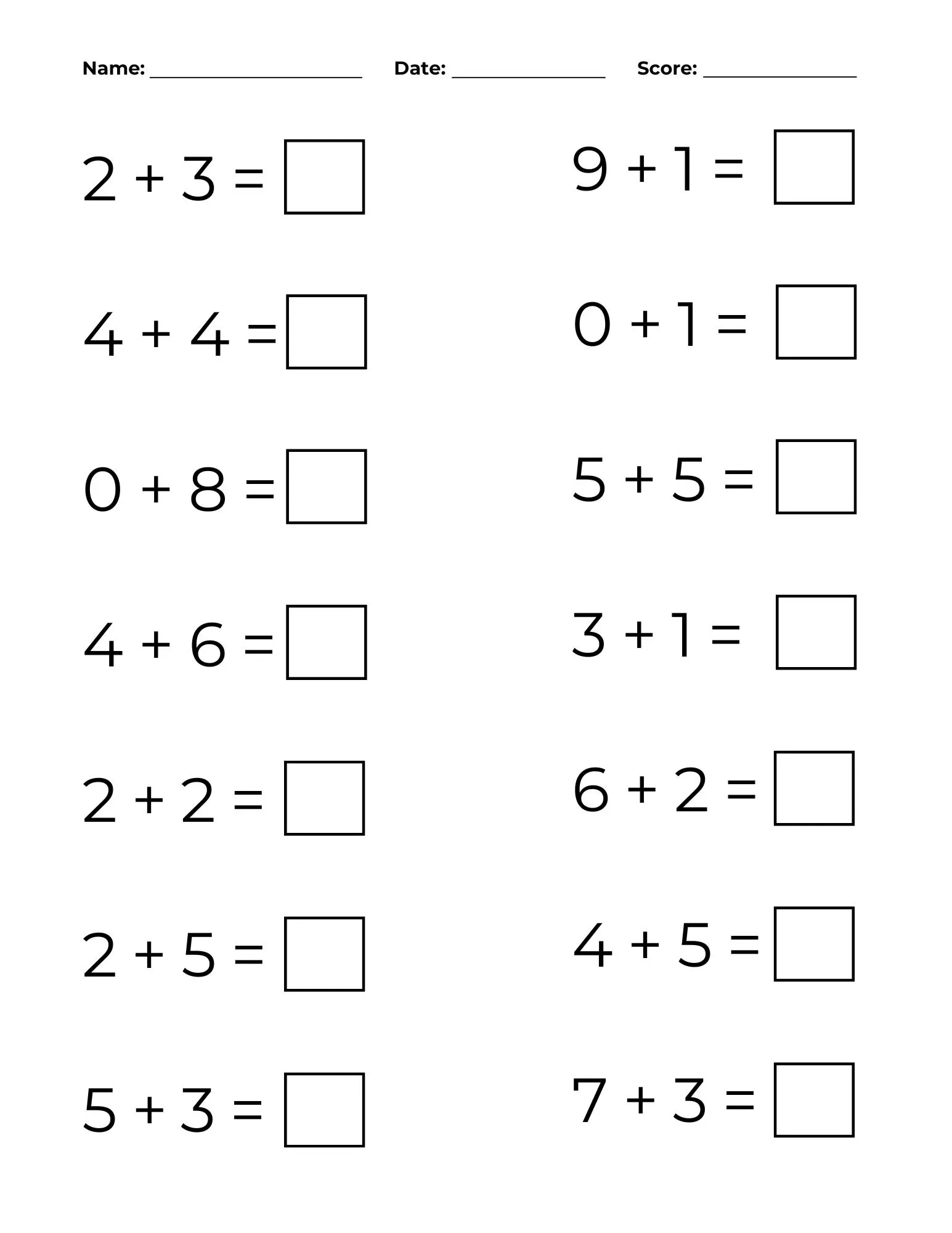
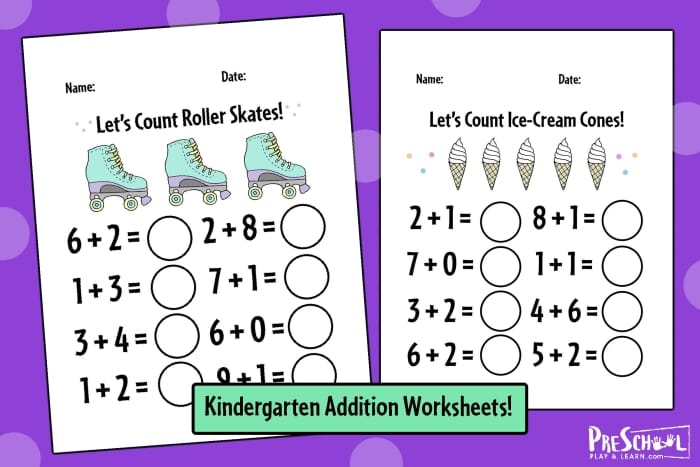
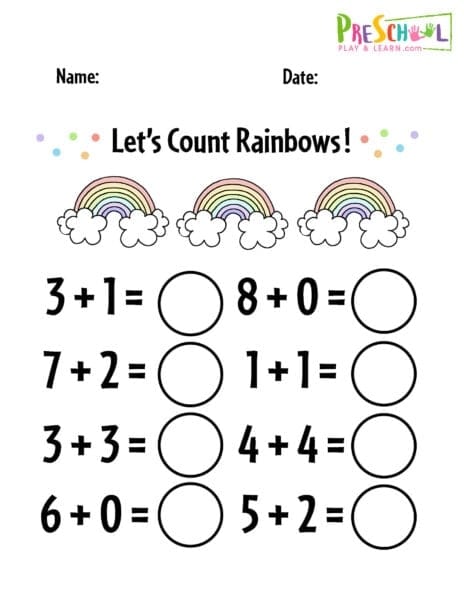
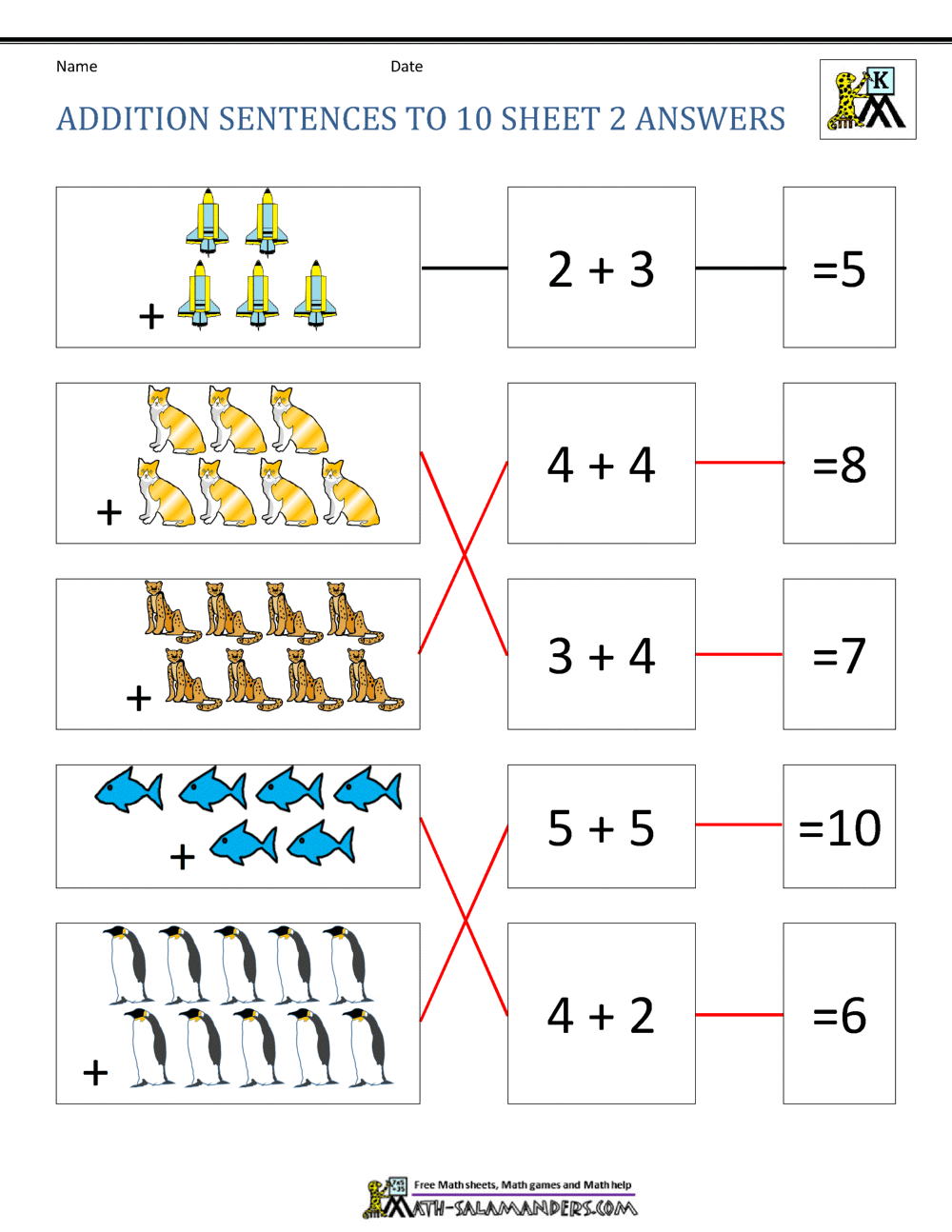
When you’re teaching kindergarten addition, watching children grasp the concept of combining numbers feels like a small victory. The best way to know if your students truly understand addition to 10 is to put pencil to paper and see what they can do independently. Worksheets designed around familiar objects like balloons and cupcakes make this assessment feel less like a test and more like a game.
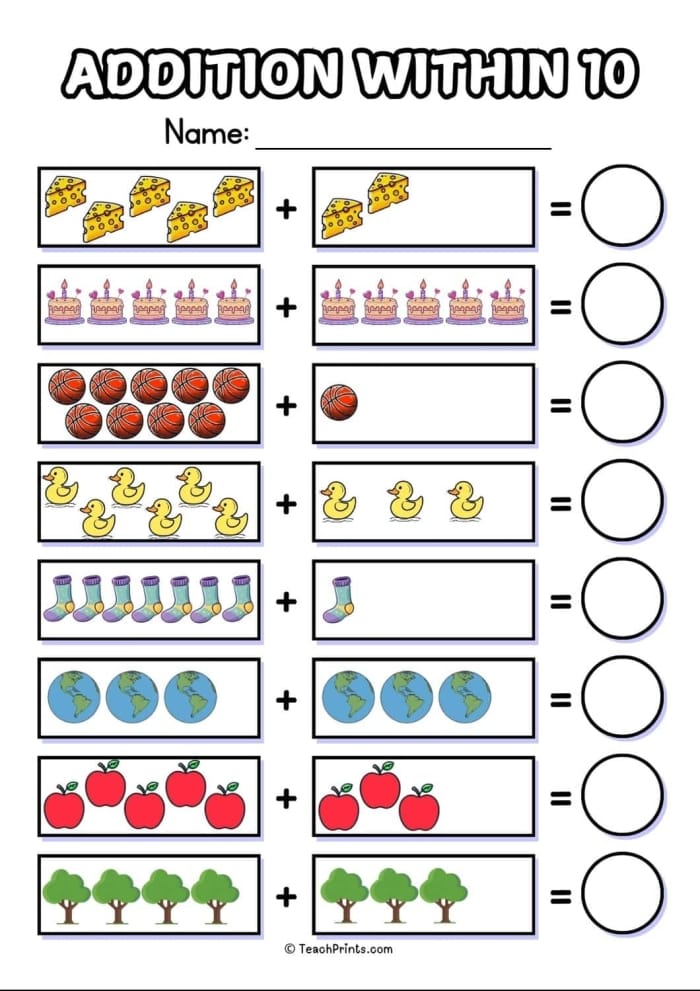
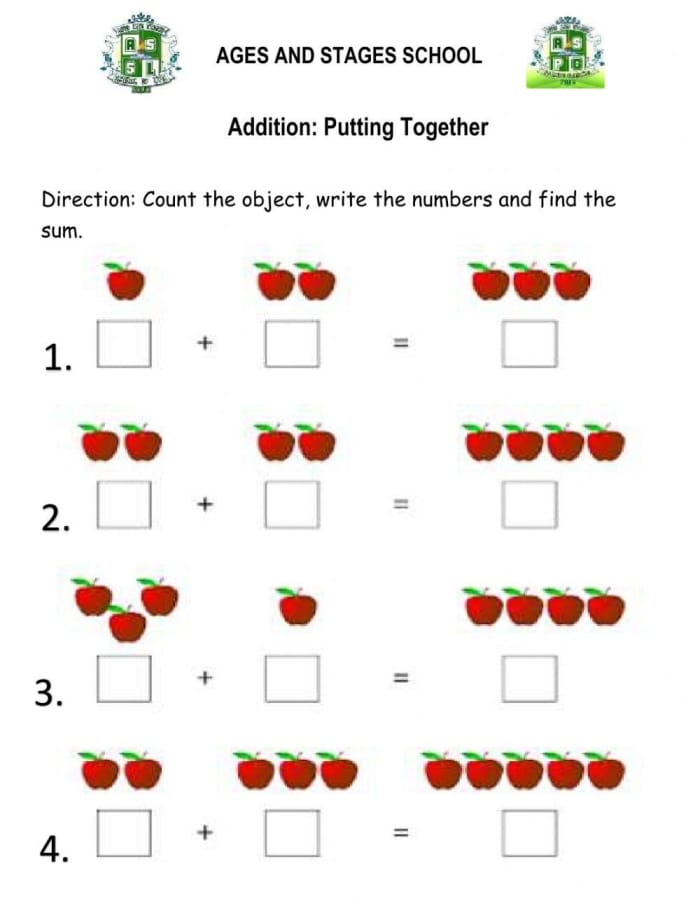
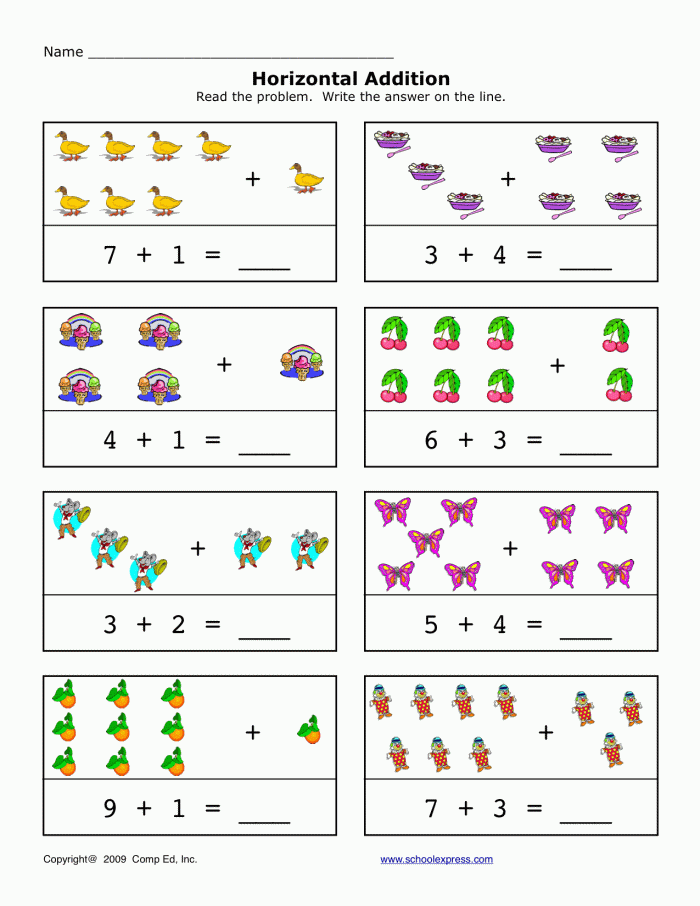
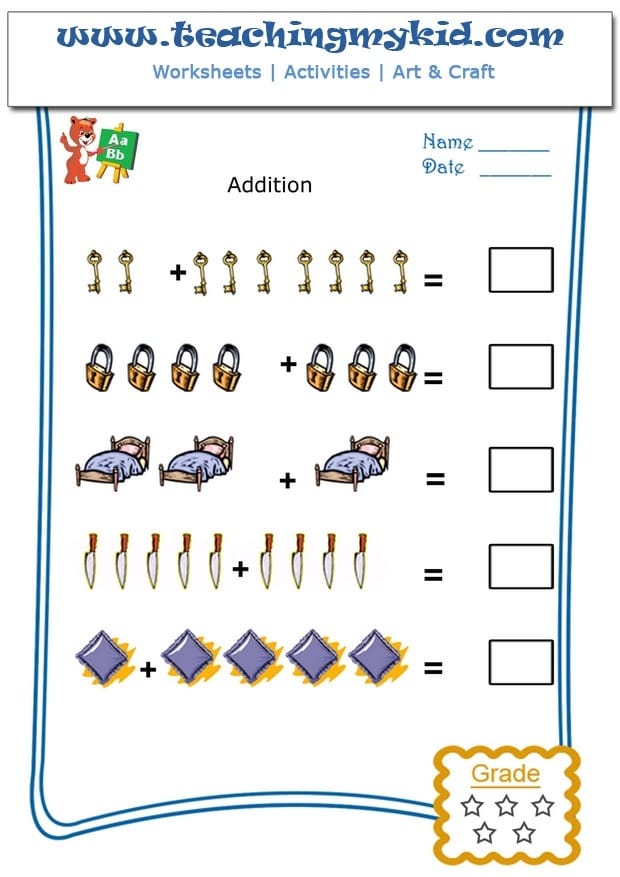
Kindergarten students learn through concrete experiences, so worksheets that feature pictures of real items help bridge the gap between counting objects and abstract numbers. When a child sees three balloons and four balloons side by side, they can count them all and write down the answer. This process strengthens their ability to visualize what addition actually means rather than just memorizing facts.
The beauty of using thematic images is that they keep young learners engaged. A worksheet showing cupcakes on a plate or balloons floating in the air captures attention better than plain number sentences. As students work through these problems, you’ll notice which children count reliably, which ones need to use their fingers, and which ones are ready to move toward adding up to 20.
Beyond simple observation, these worksheets give you concrete data about where each student stands. You can identify who has mastered addition within 10 and who needs more practice with smaller numbers. Some children might benefit from working on adding three numbers once they show confidence with two addends.
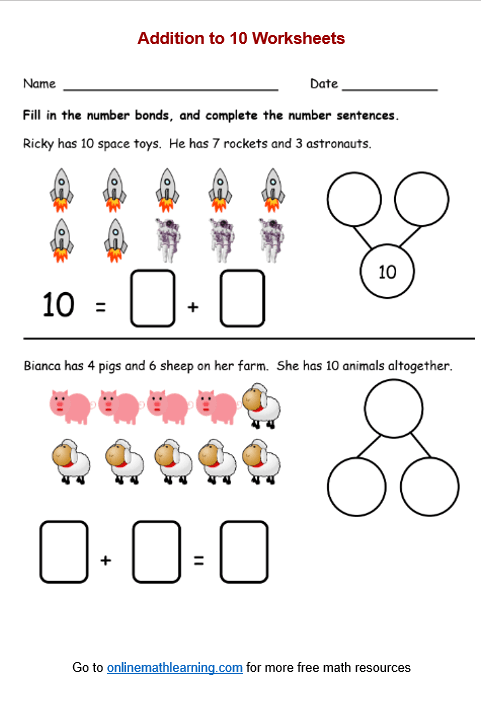
Pairing picture-based worksheets with other strategies creates a fuller picture of understanding. Combining these assessments with activities that involve number bonds helps you see whether students understand the relationships between numbers, not just the mechanics of adding.
Printable Worksheets for Practice