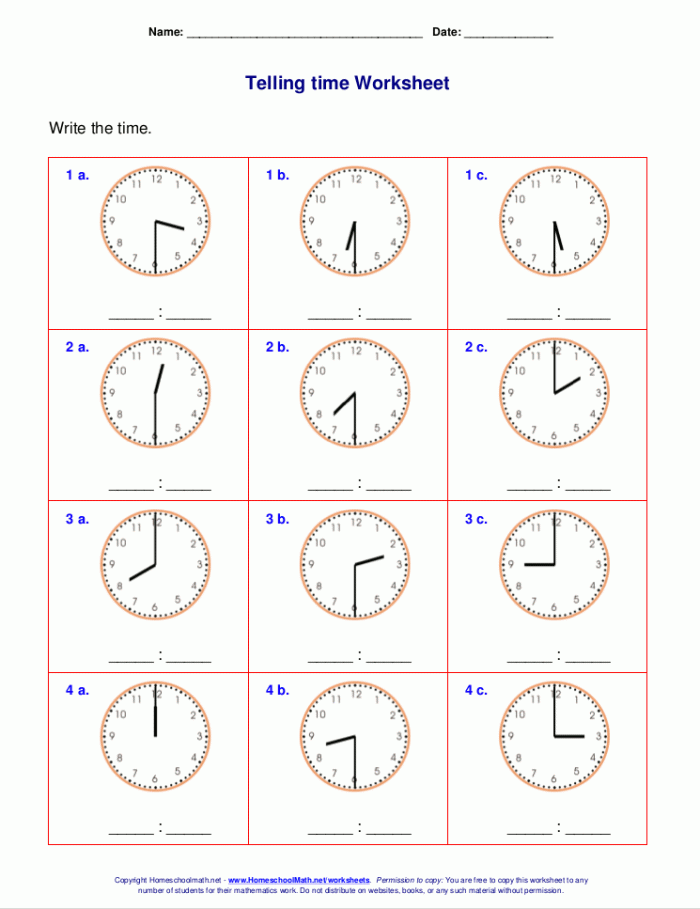
Learning to tell time on an analog clock takes patience and repetition, especially in first grade when kids are just beginning to understand how clock hands work. A good practice sheet can make the difference between frustration and actual progress, giving children a structured way to build this essential skill without feeling overwhelmed.
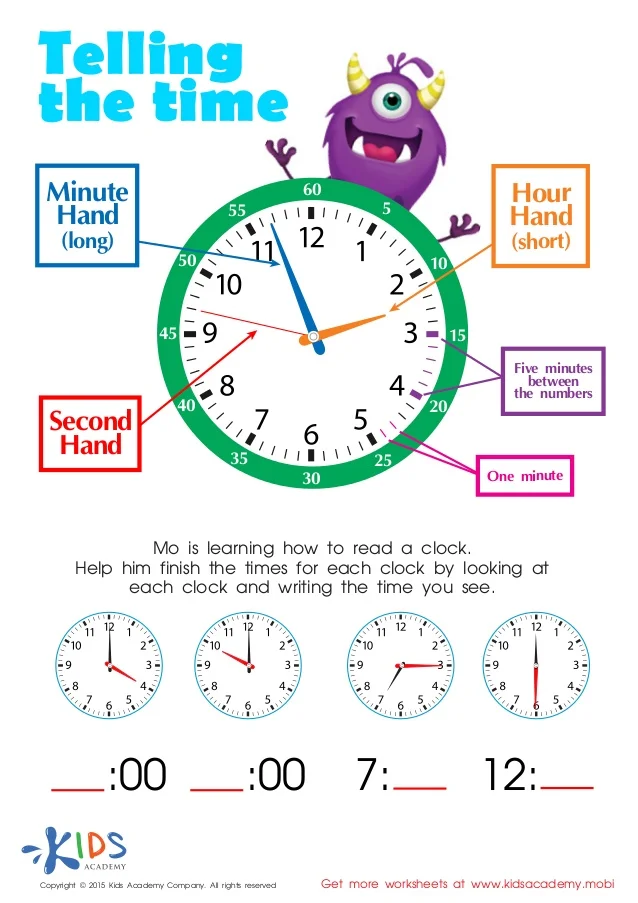
The challenge with analog clocks is that they require kids to track two moving parts at once. The hour hand moves slowly around the clock face while the minute hand zips through its cycle much faster. First graders need to learn that the minute hand pointing to the 12 means zero minutes past the hour, while the hour hand shows which hour it is. Once they grasp this basic concept, practice sheets help them apply it repeatedly until it becomes automatic.
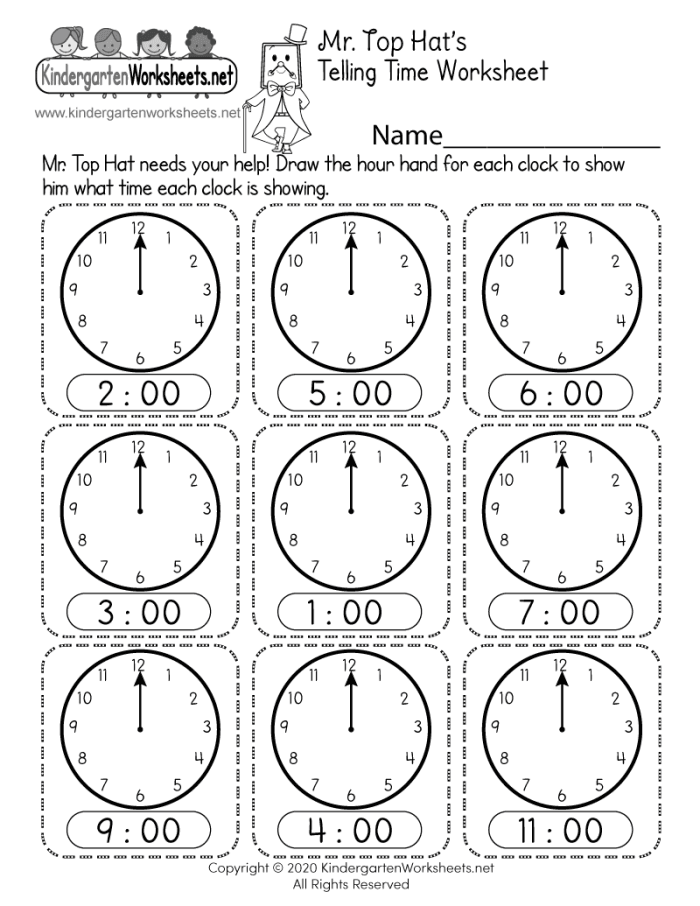
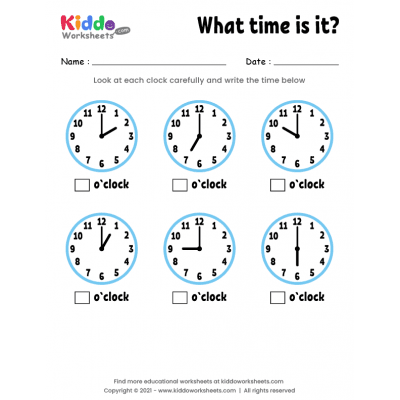
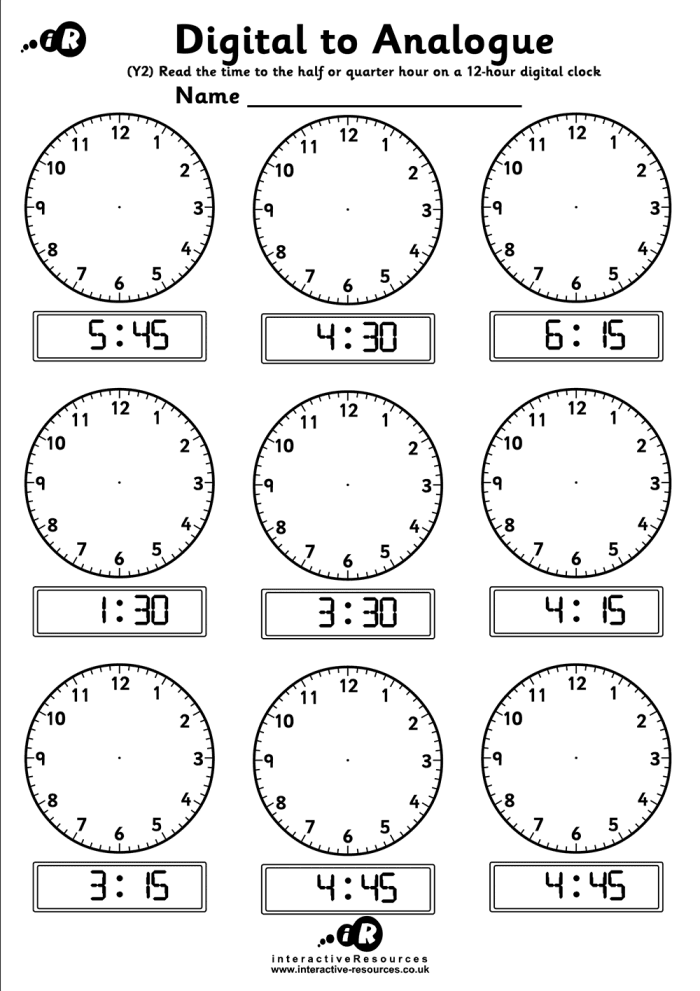
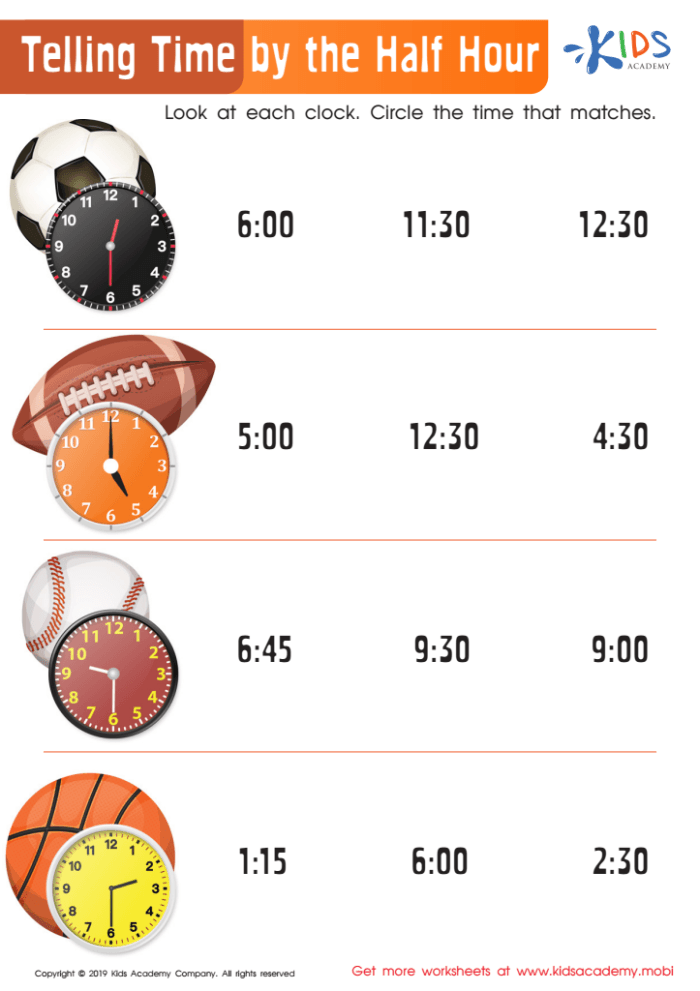
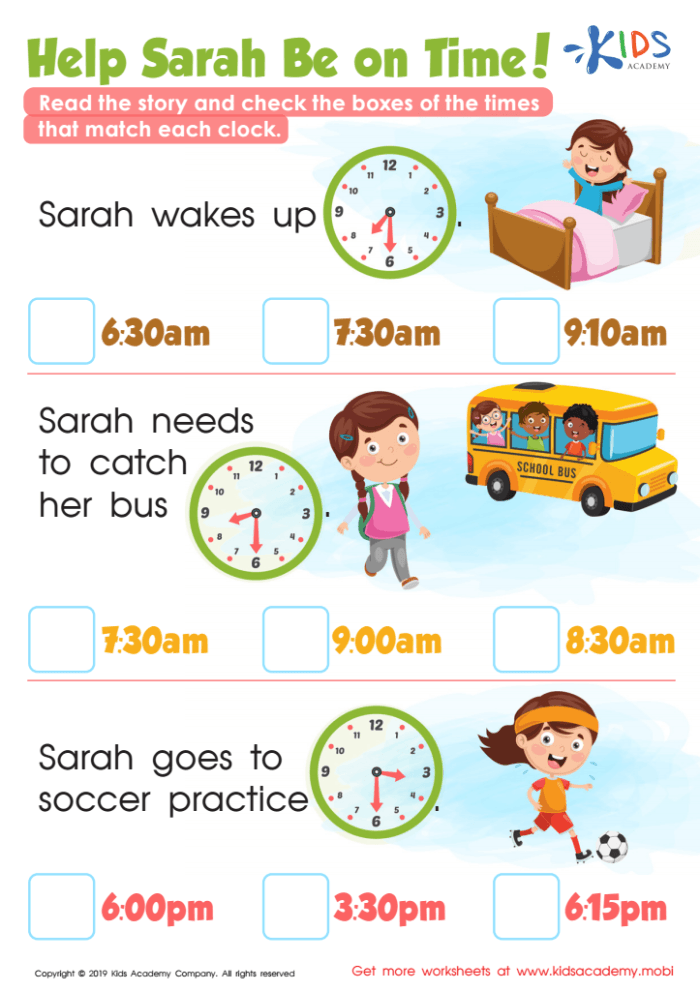
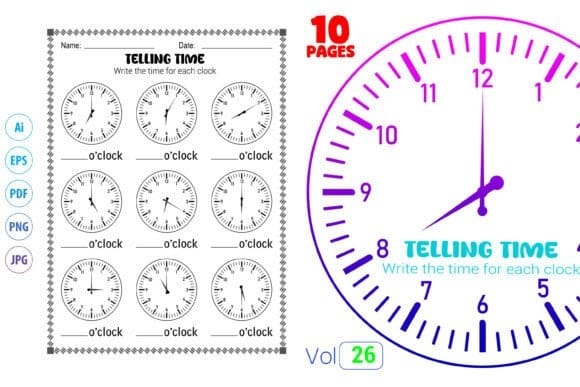
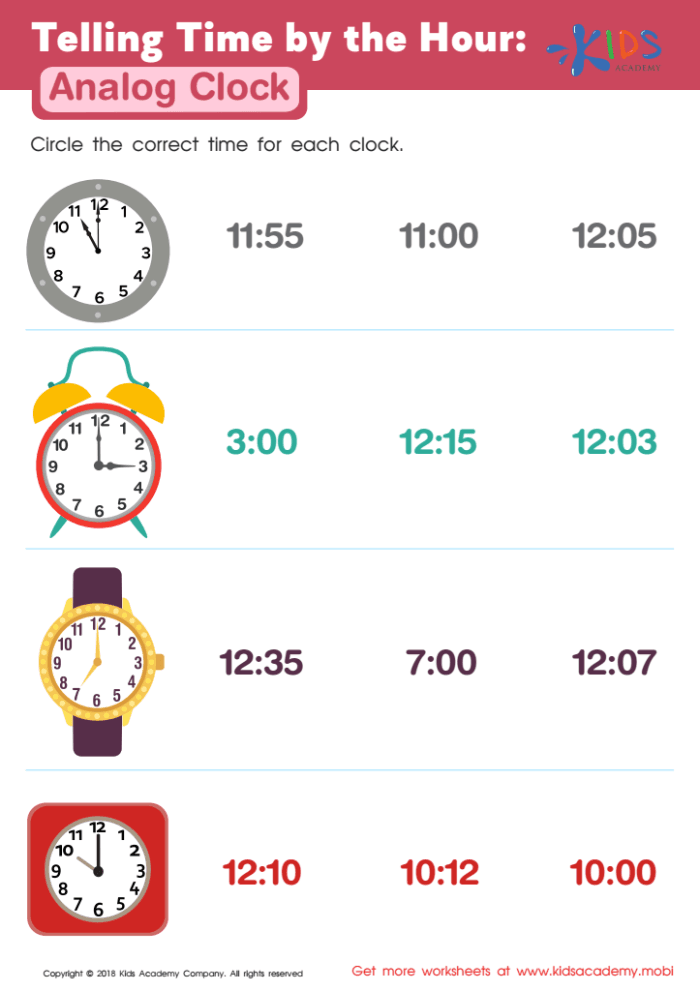
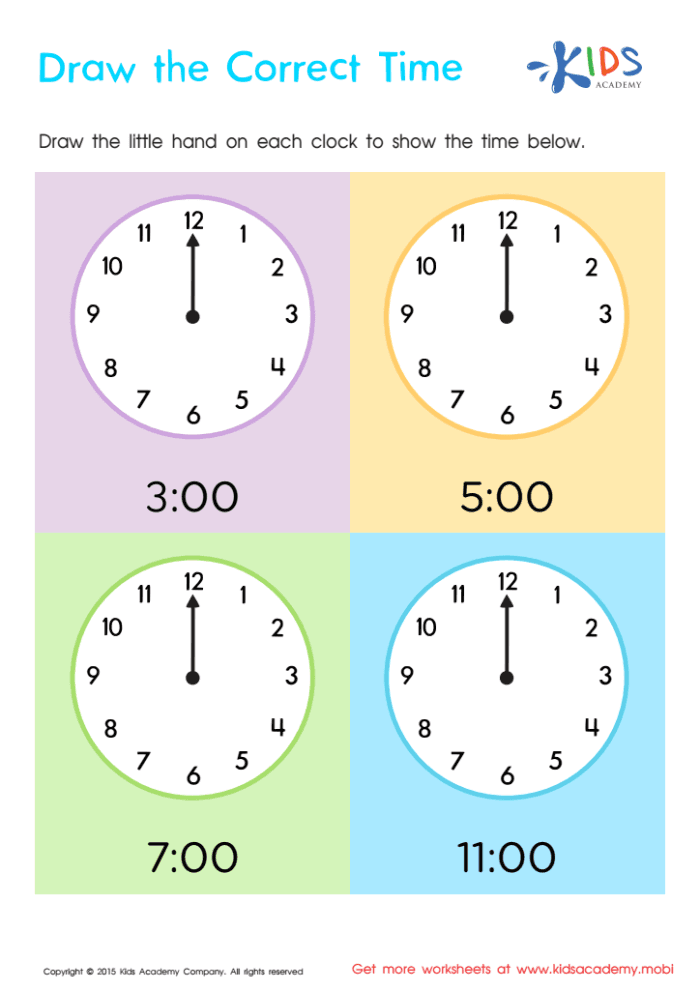
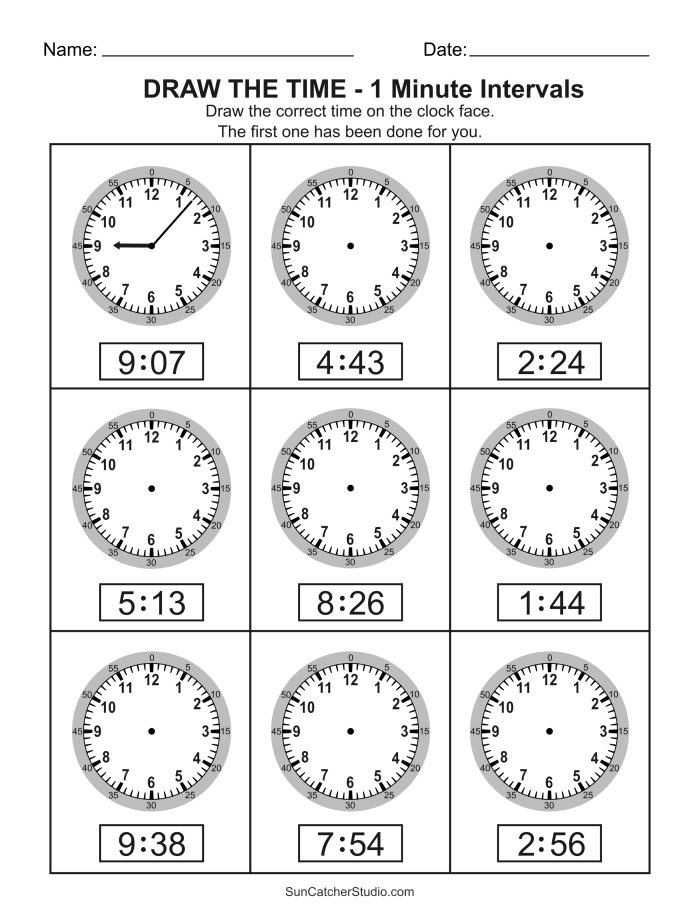
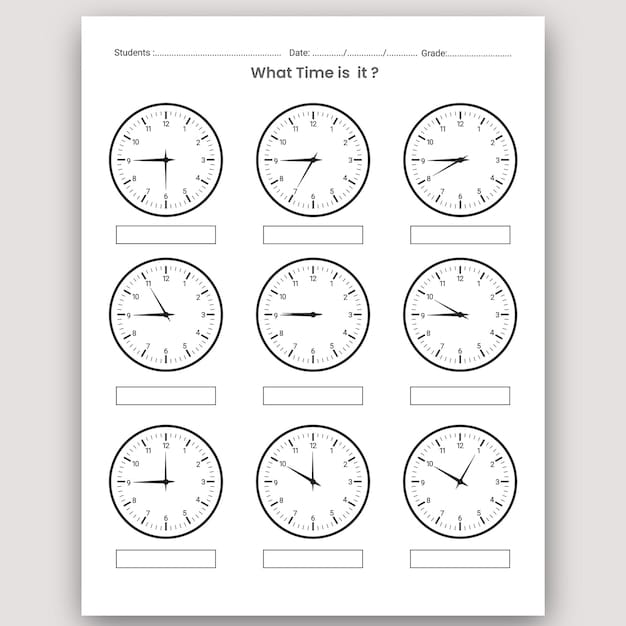
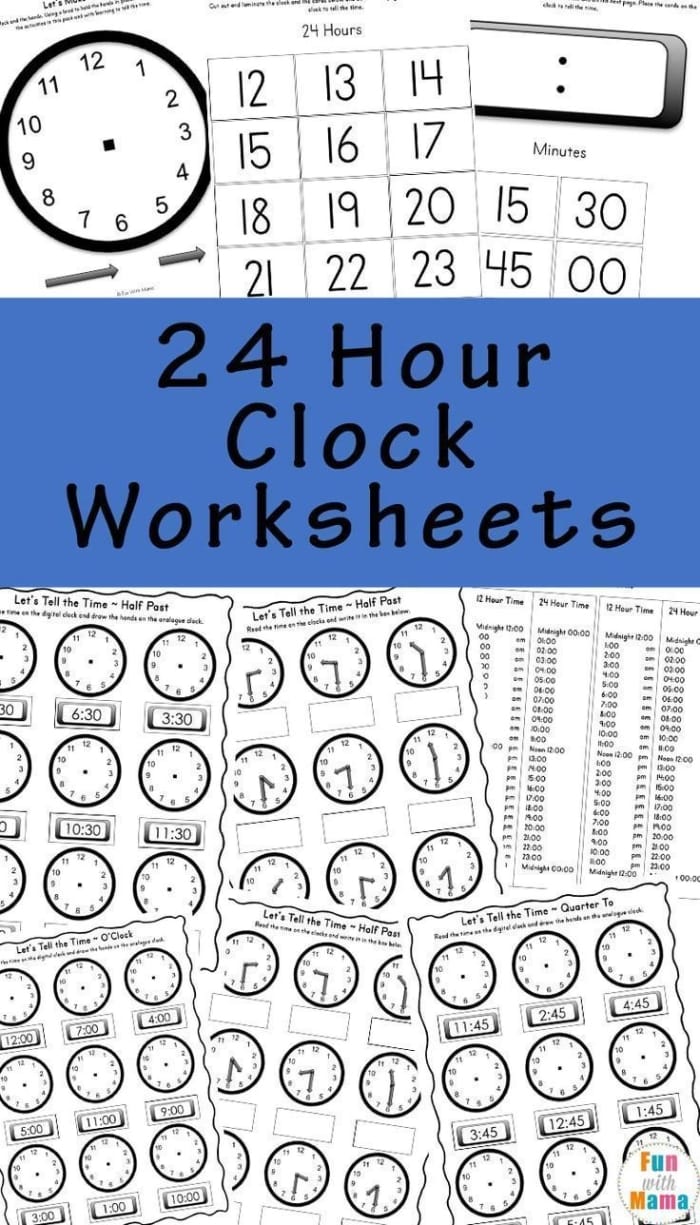
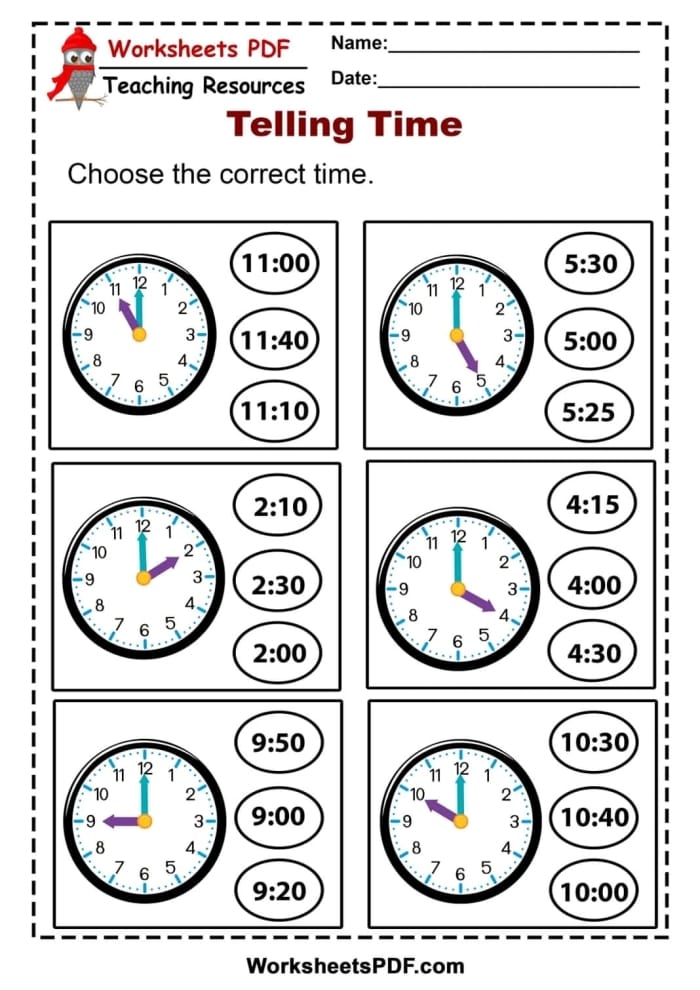
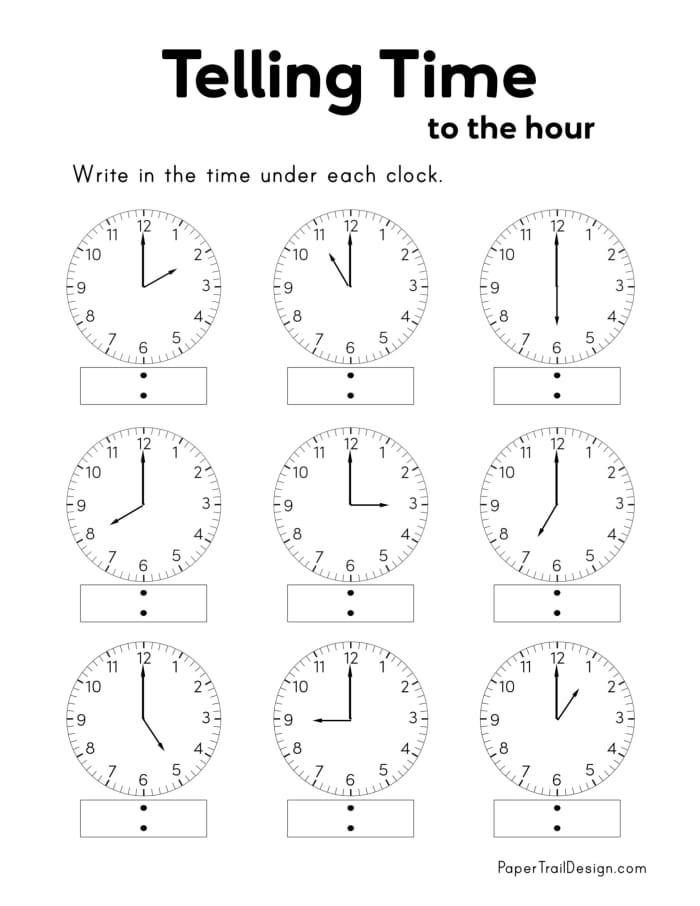
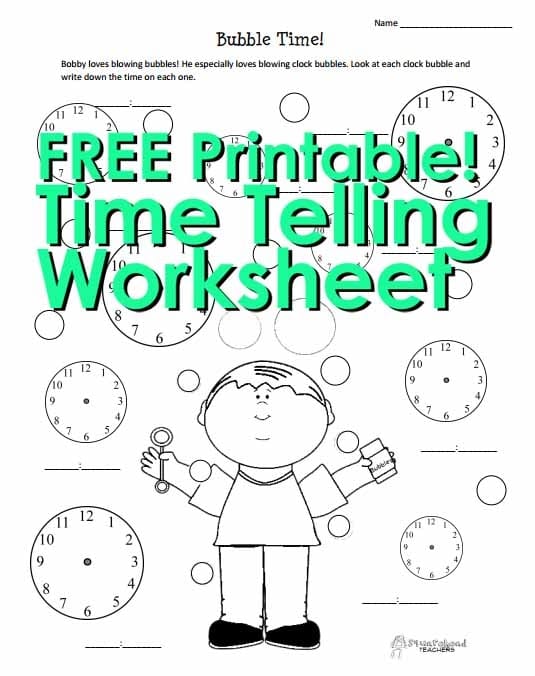
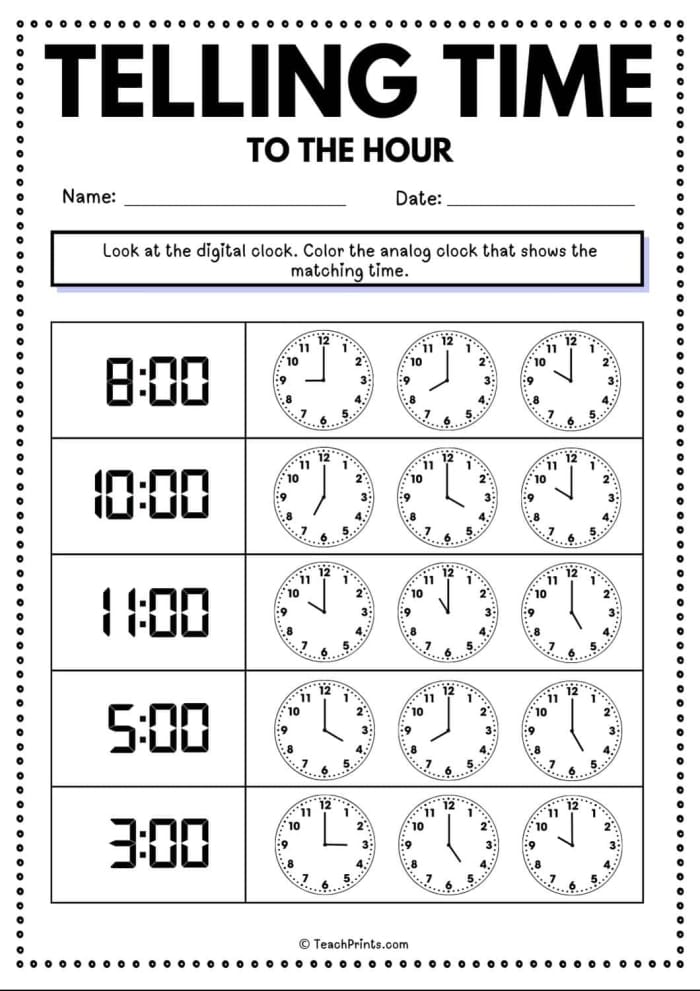
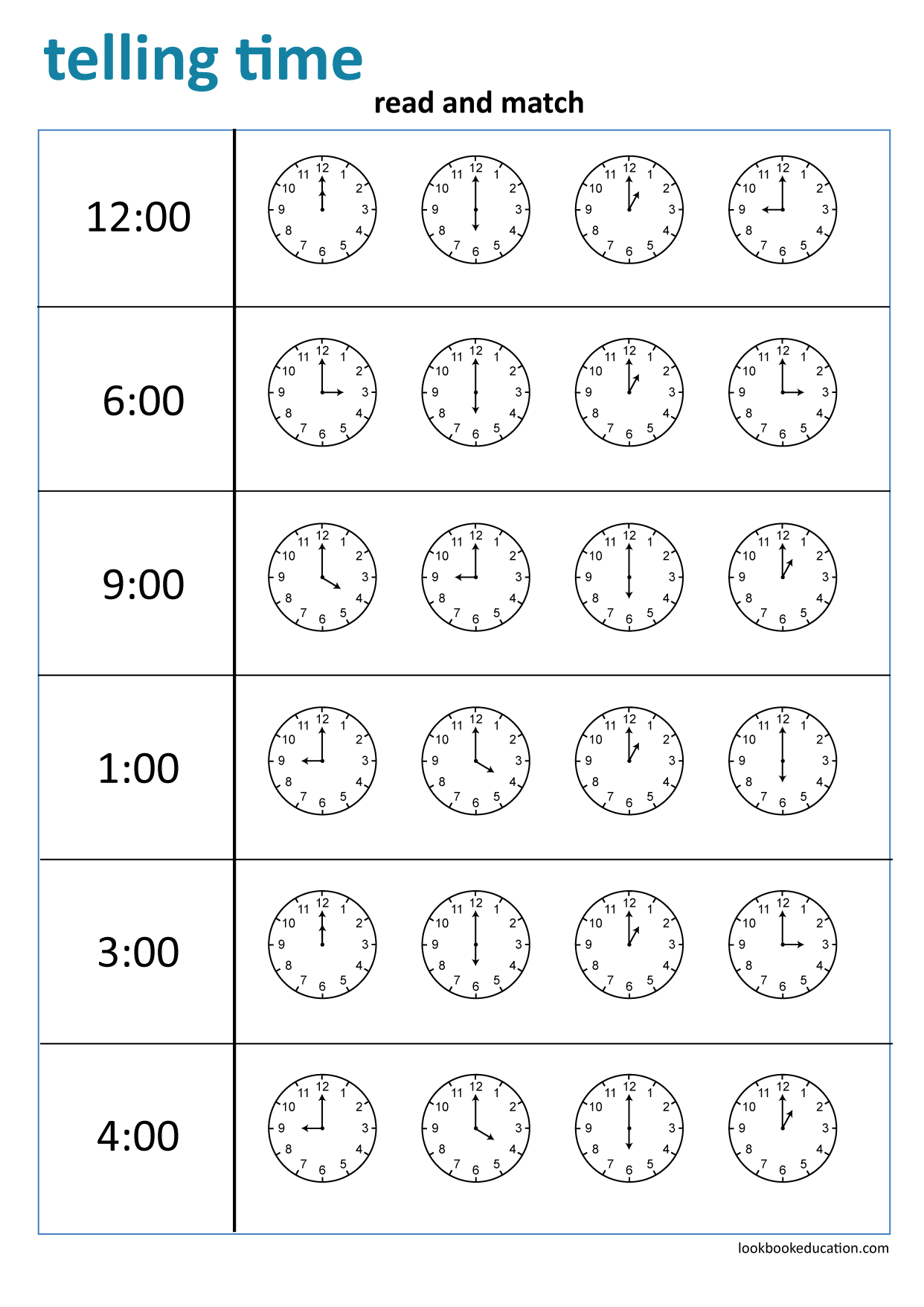
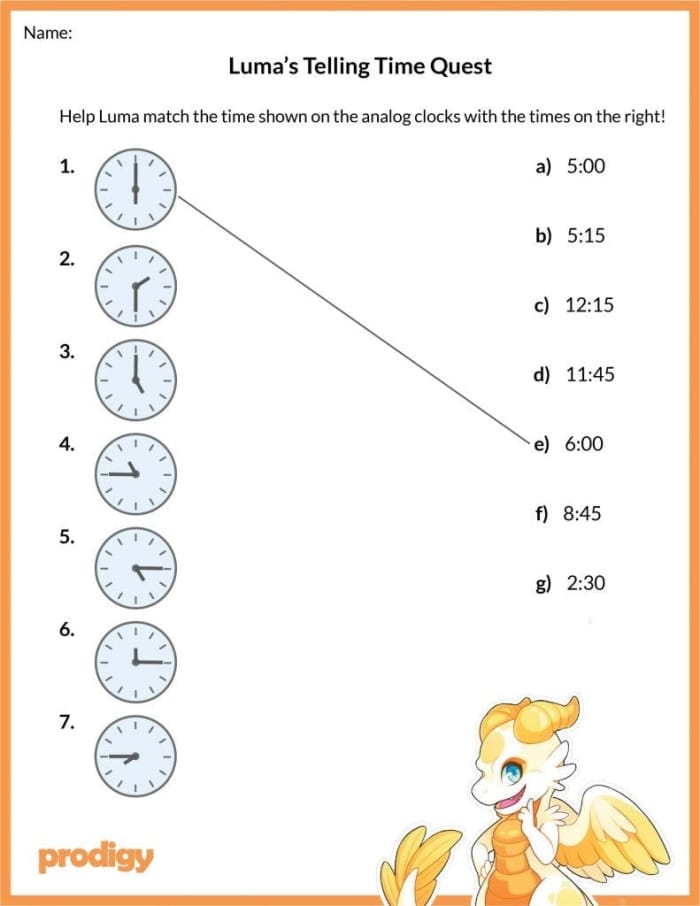
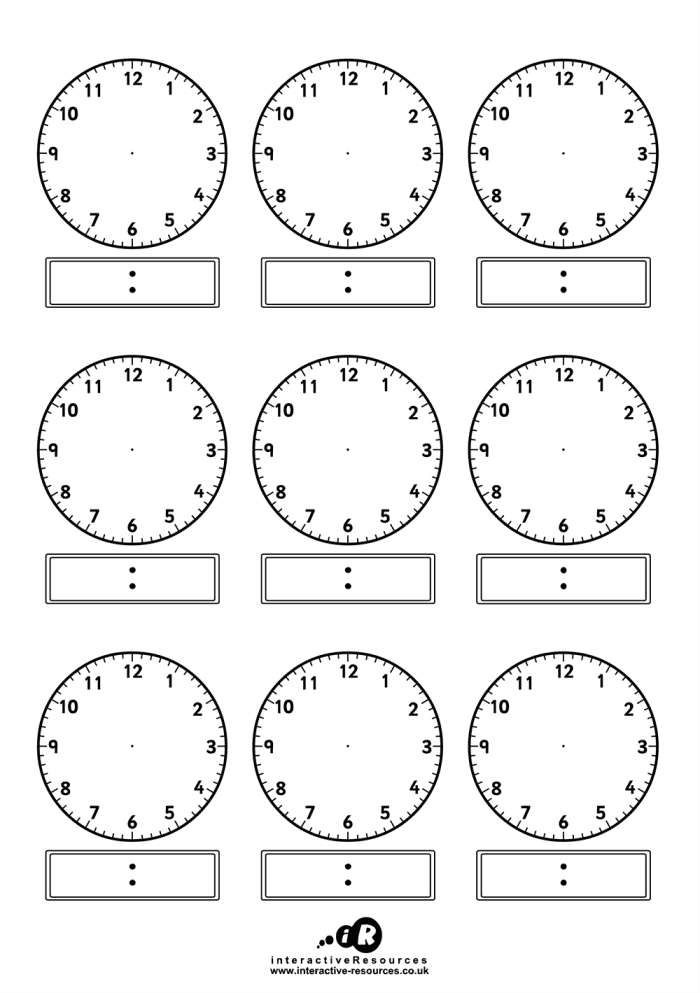
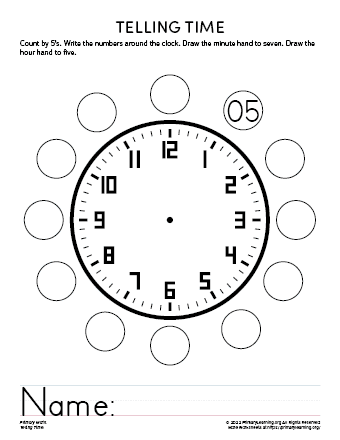
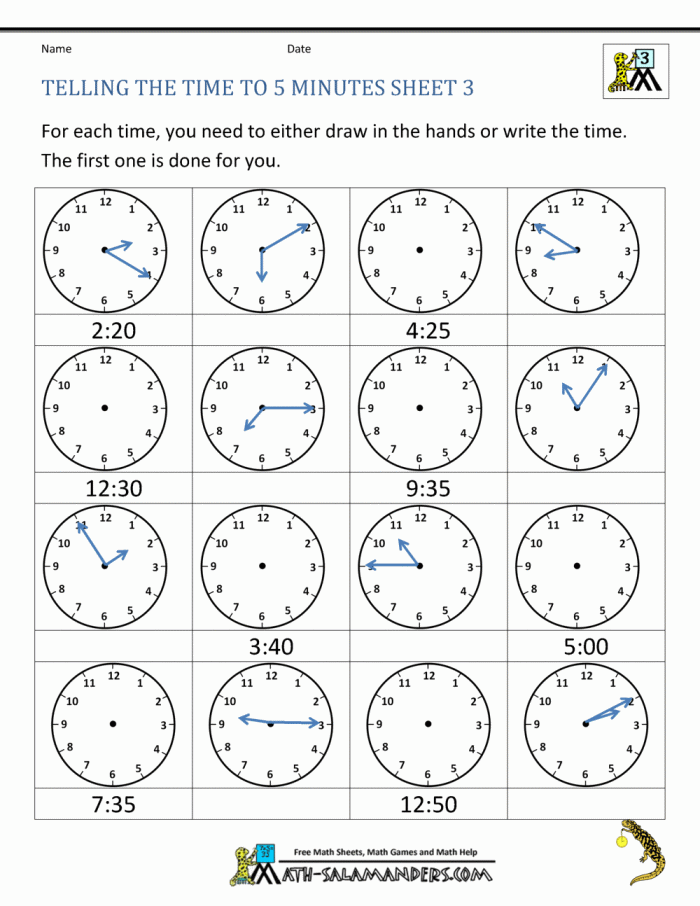
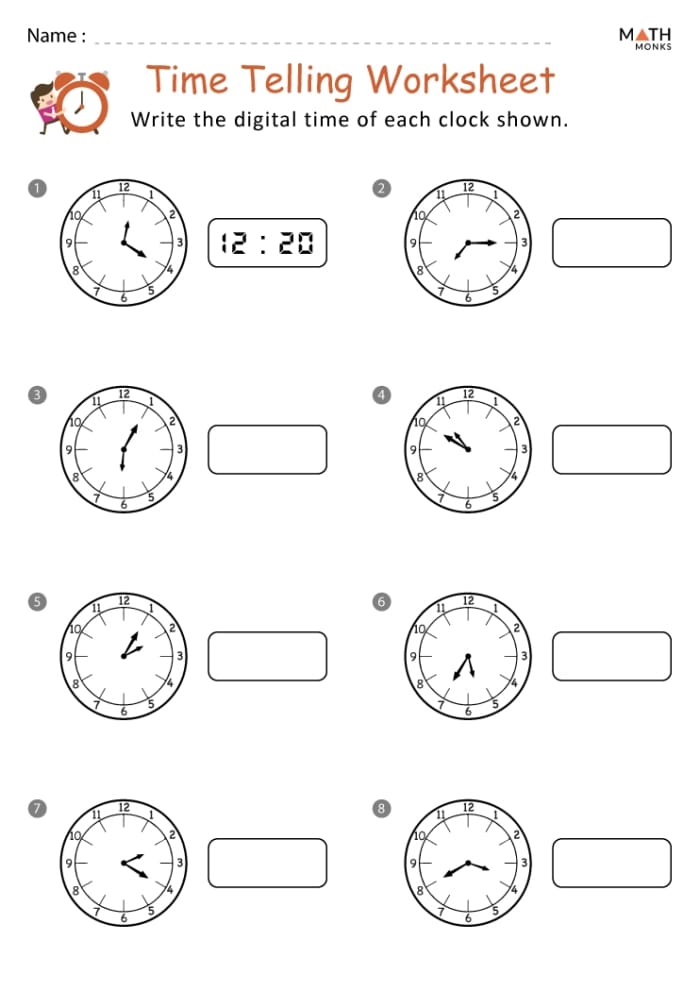
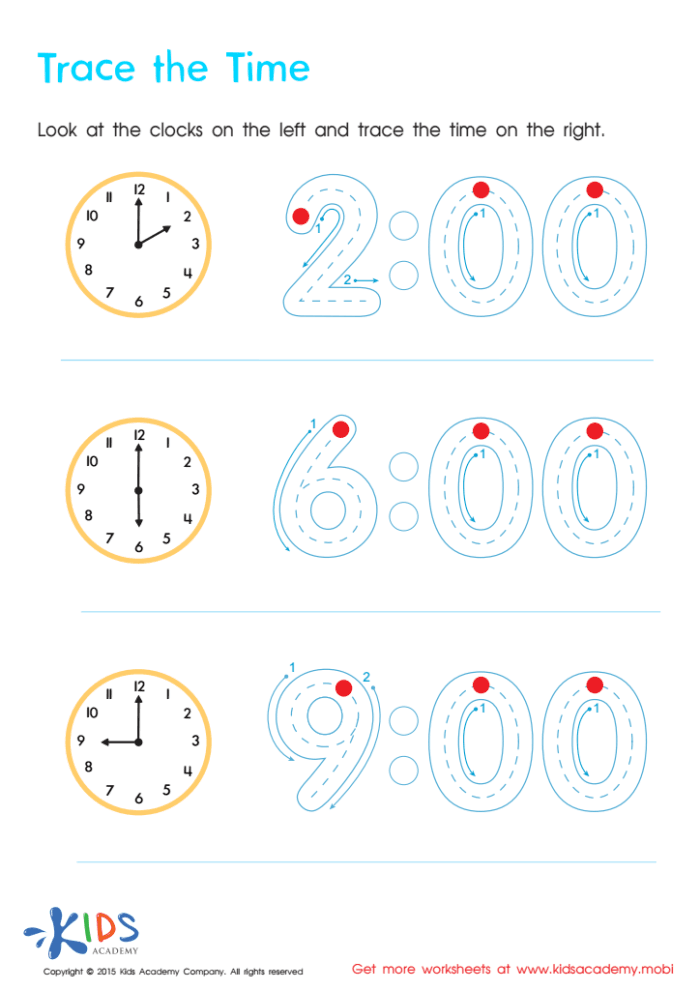
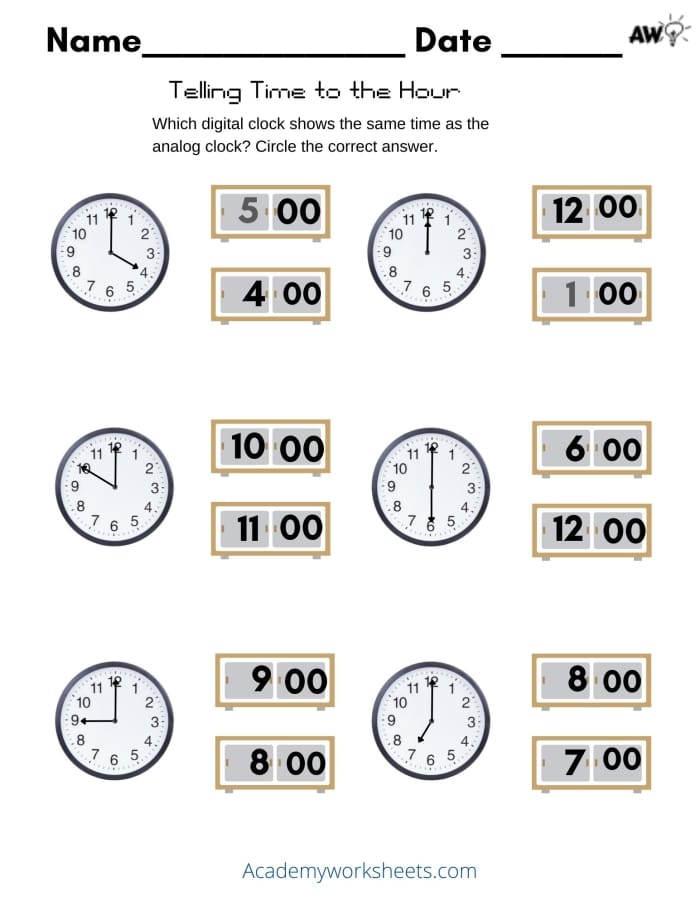
A solid practice sheet typically includes clocks with pre-drawn hands in various positions, asking students to write the time shown. Some sheets also work in reverse, presenting a time in numbers and asking kids to draw the hands correctly. This two-way practice strengthens understanding from both angles. The best worksheets start simple, with times on the hour or at obvious positions like 3:00 or 6:00, then gradually introduce quarter-hour and half-hour intervals.
Beyond just telling time, these practice sheets connect to broader first grade math skills. When you combine time practice with activities like counting money or skip counting, students see how these concepts work together in the real world. A child might practice telling time, then use that skill to understand how long an activity takes or when something will happen.
Consistent practice with a quality worksheet removes the guesswork from learning. Kids see the same format repeatedly, which builds confidence and muscle memory for reading clock faces quickly and accurately.
Hands-On Worksheet Activities