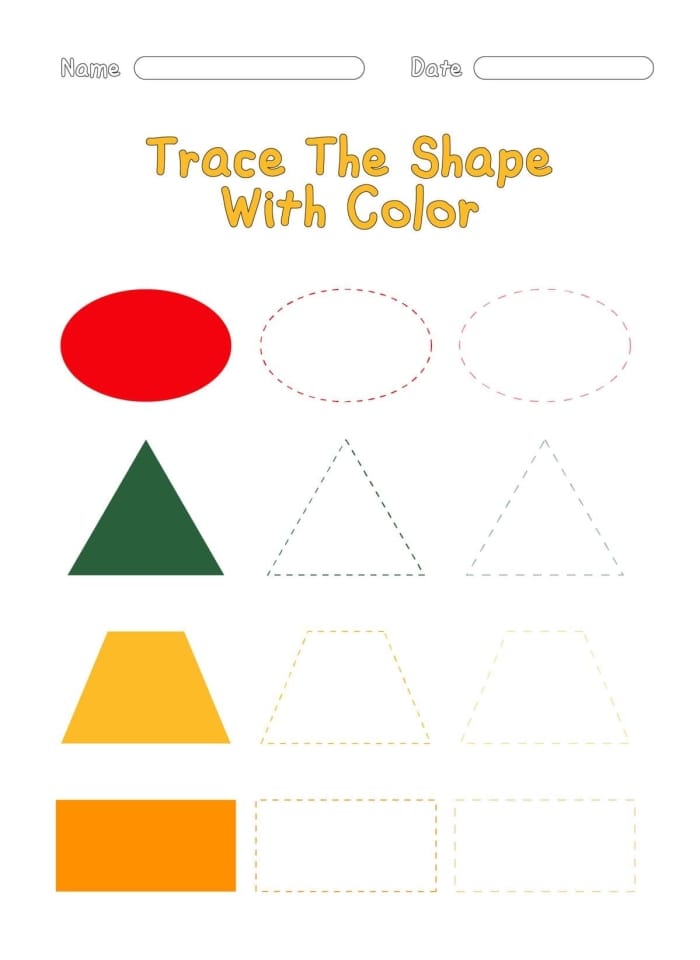
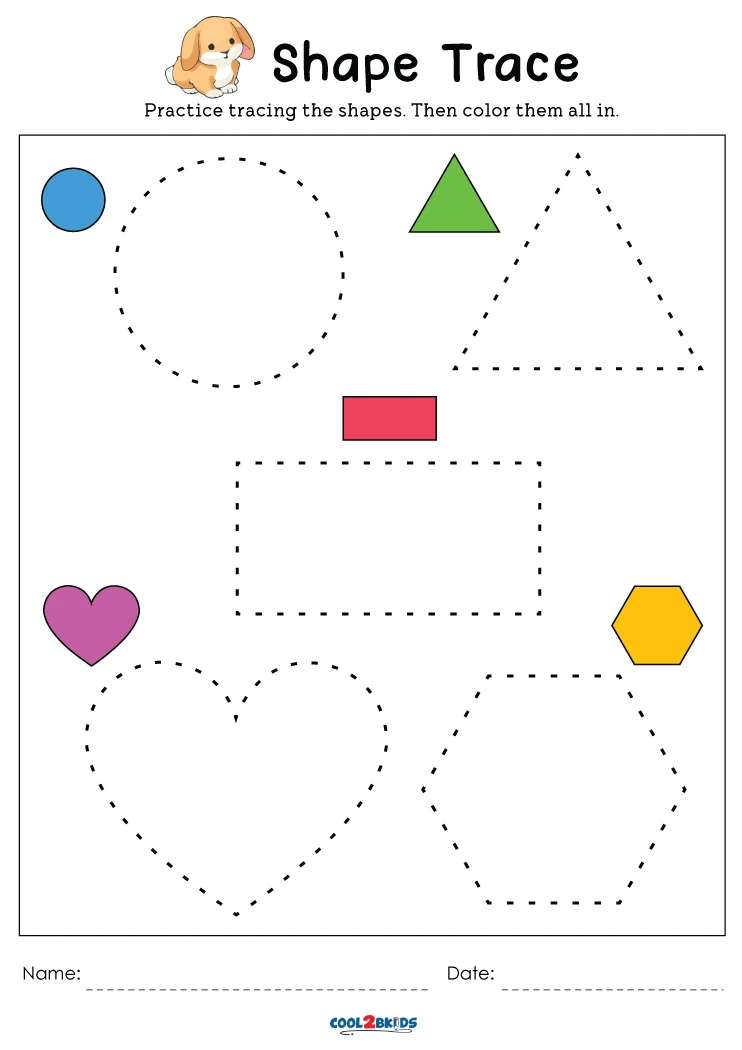
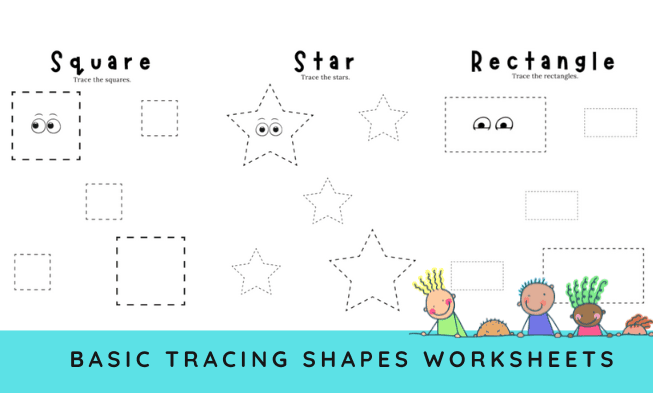
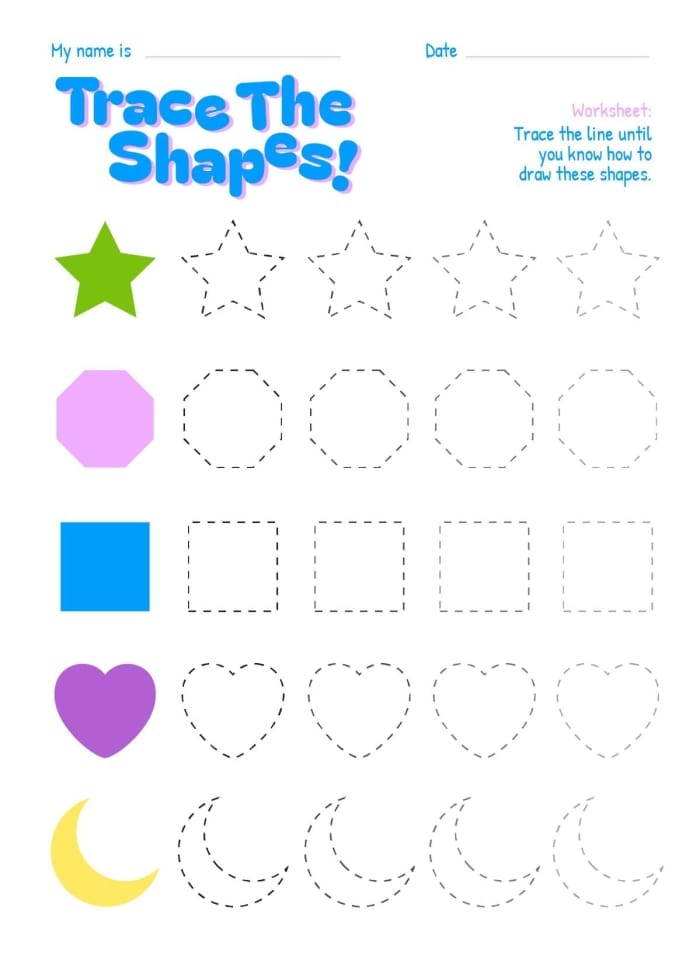
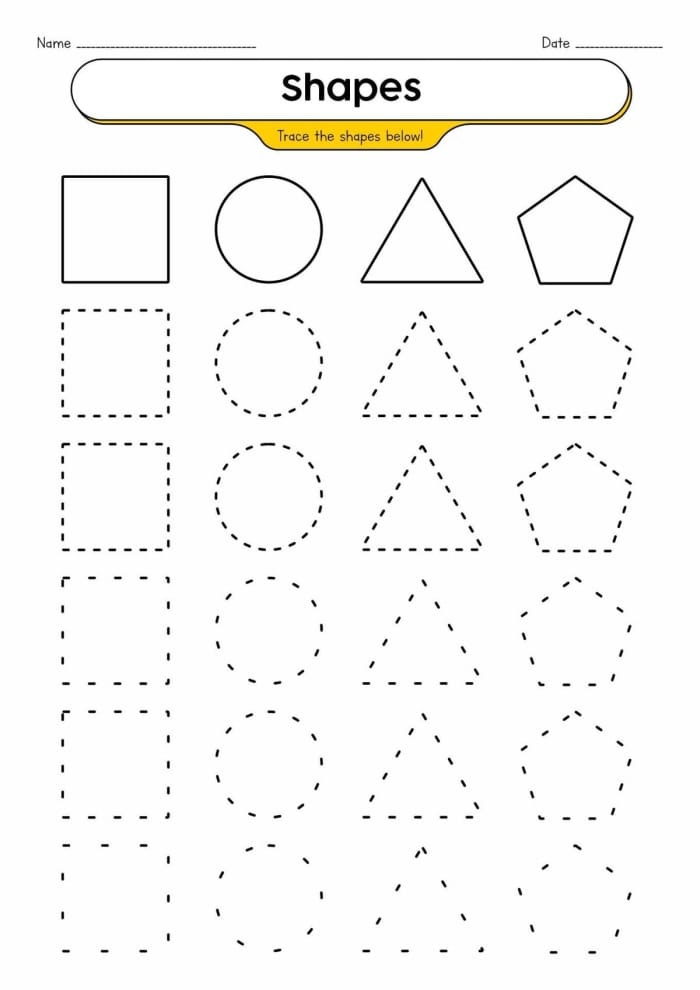
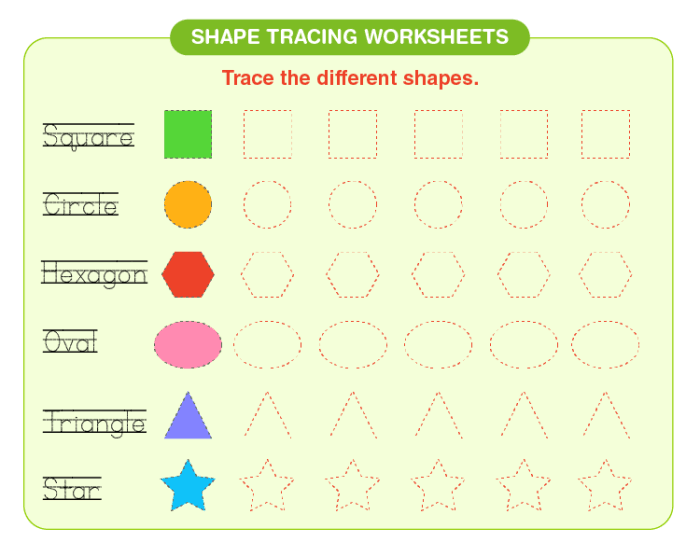
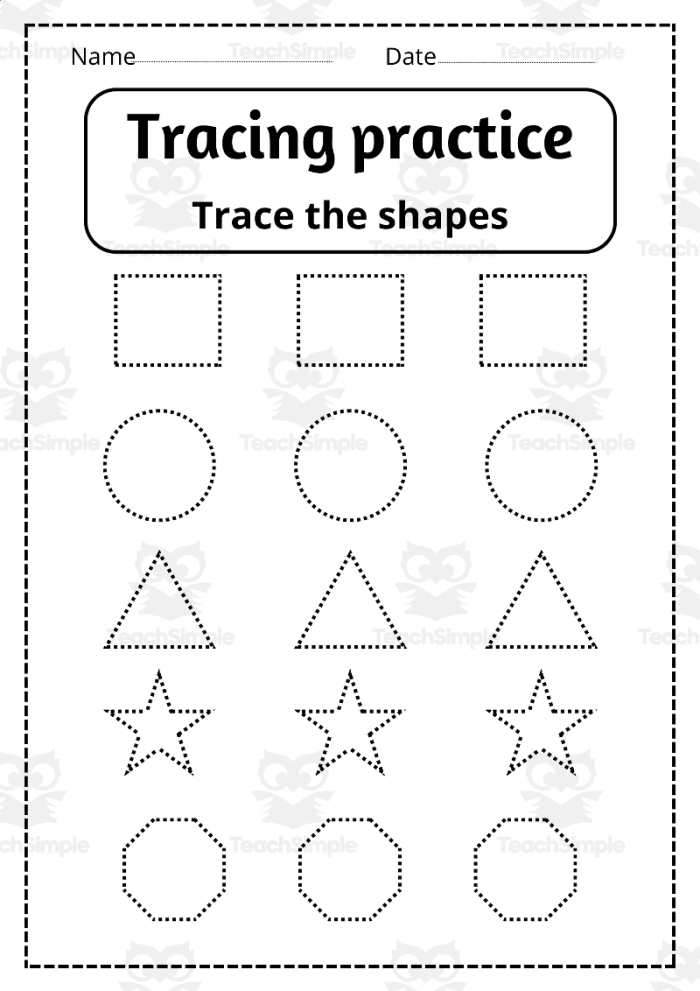
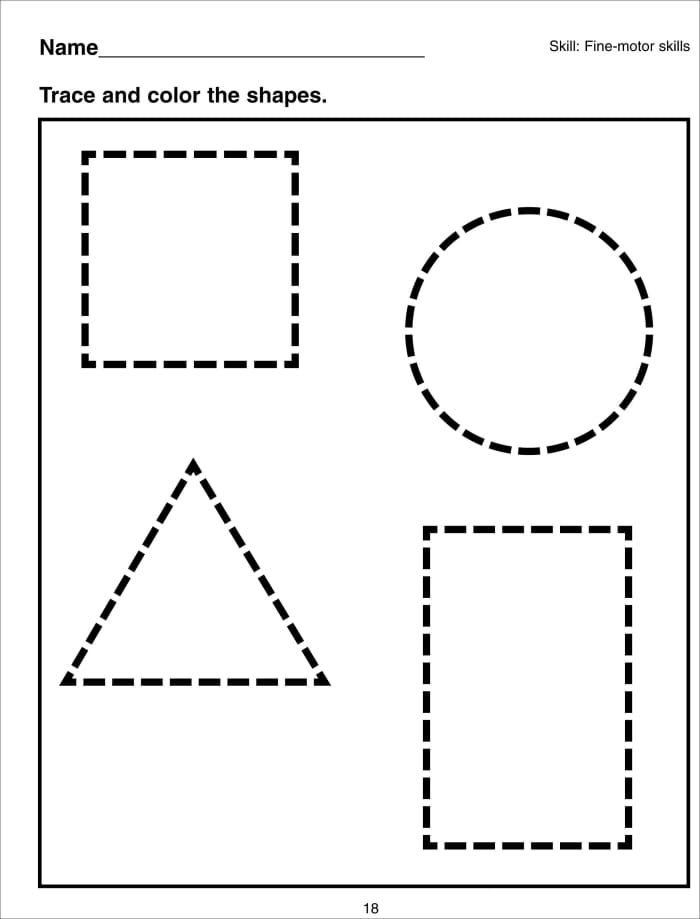
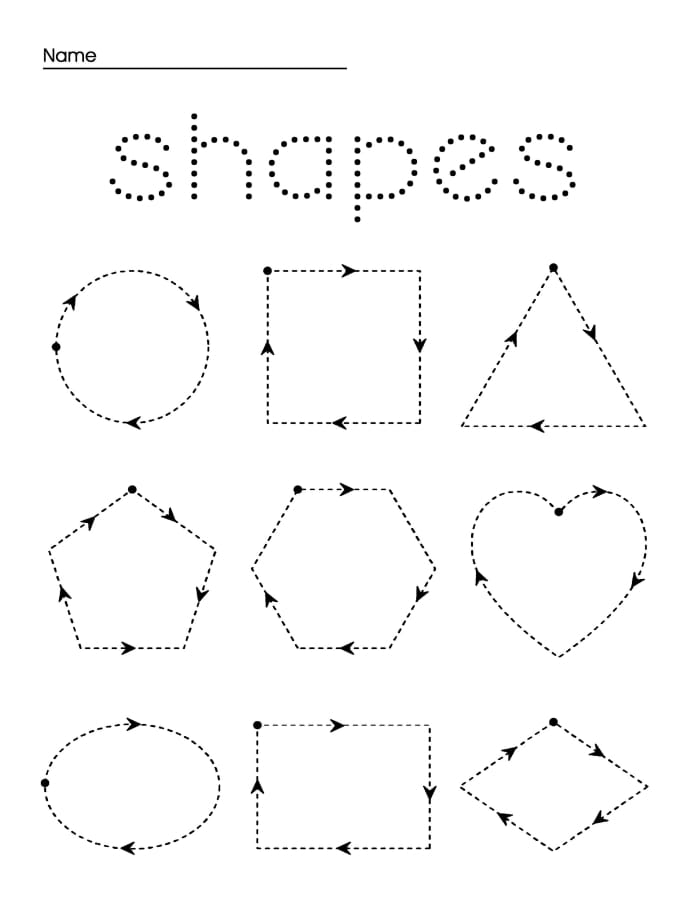
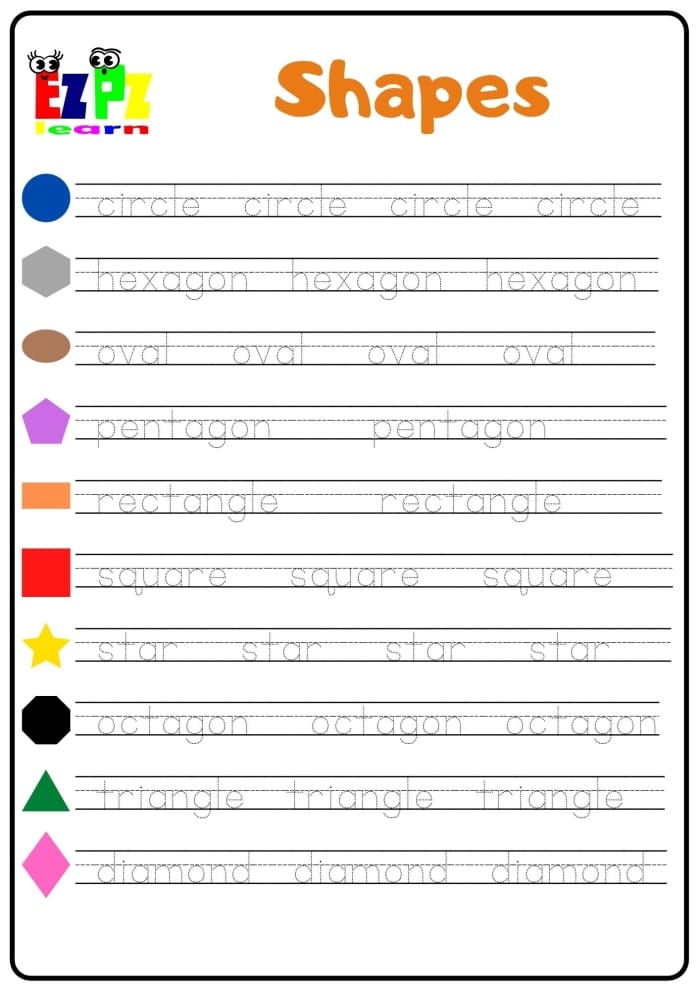
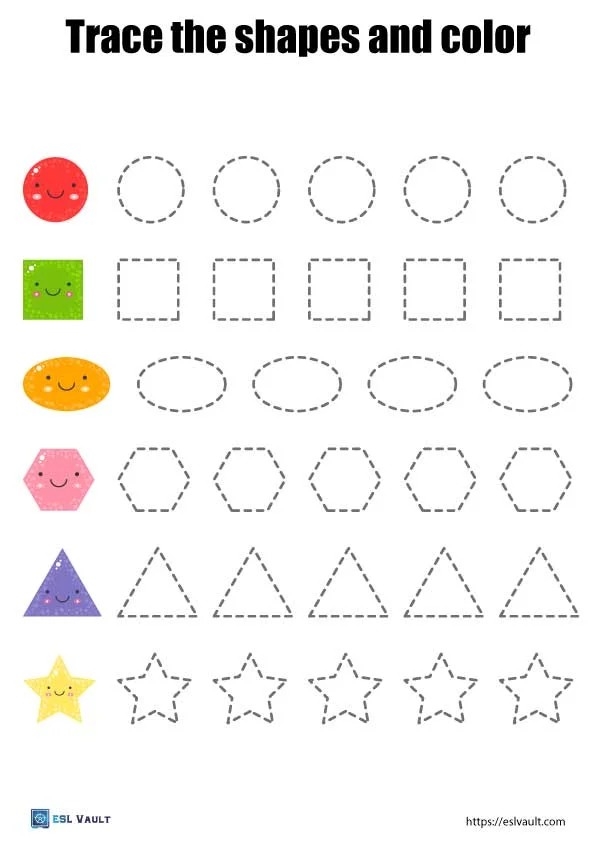
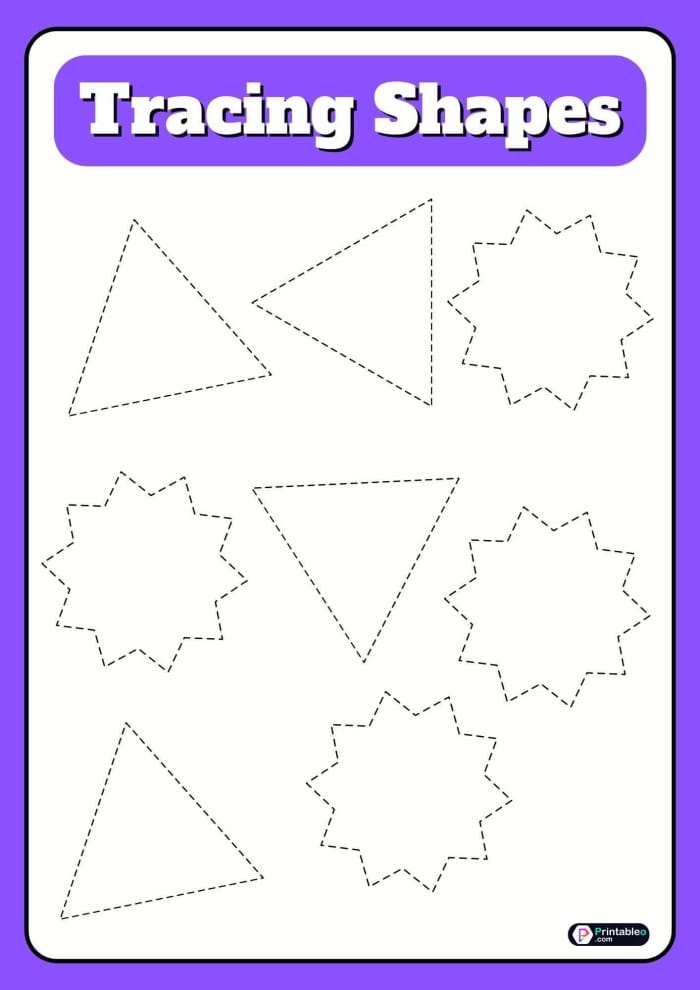
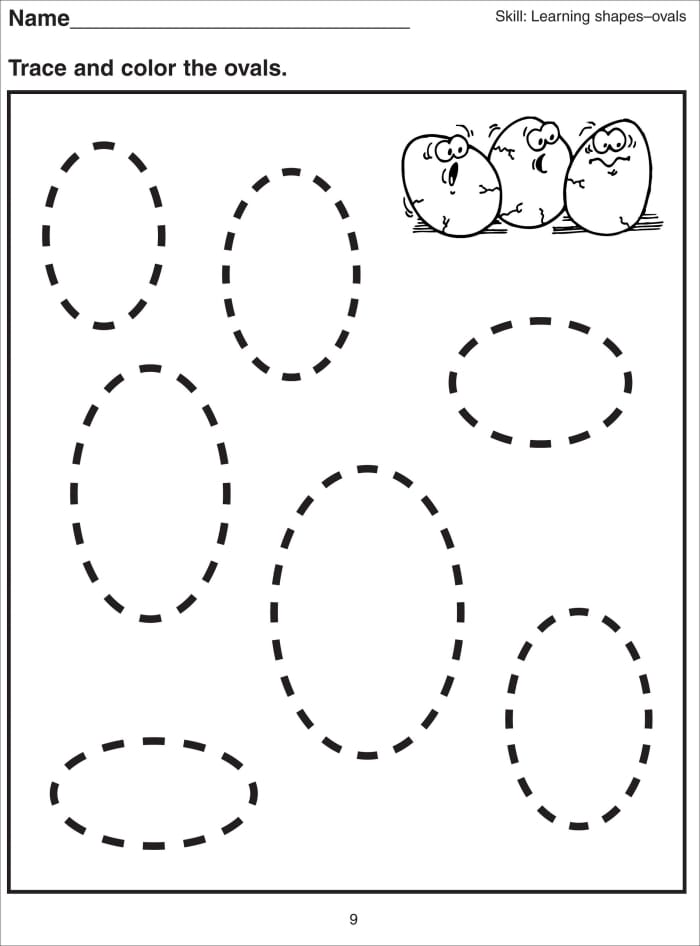
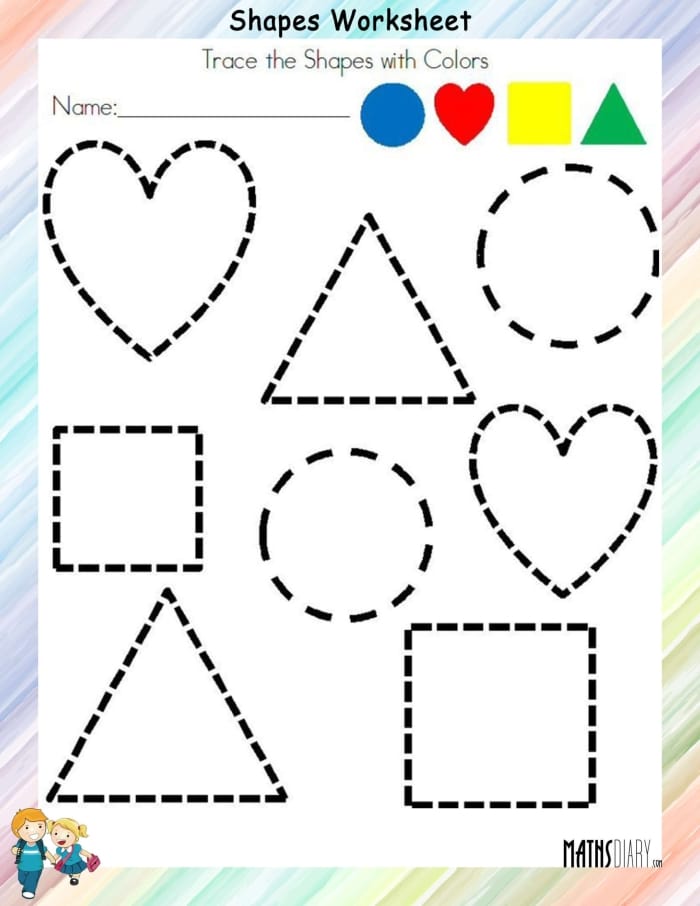
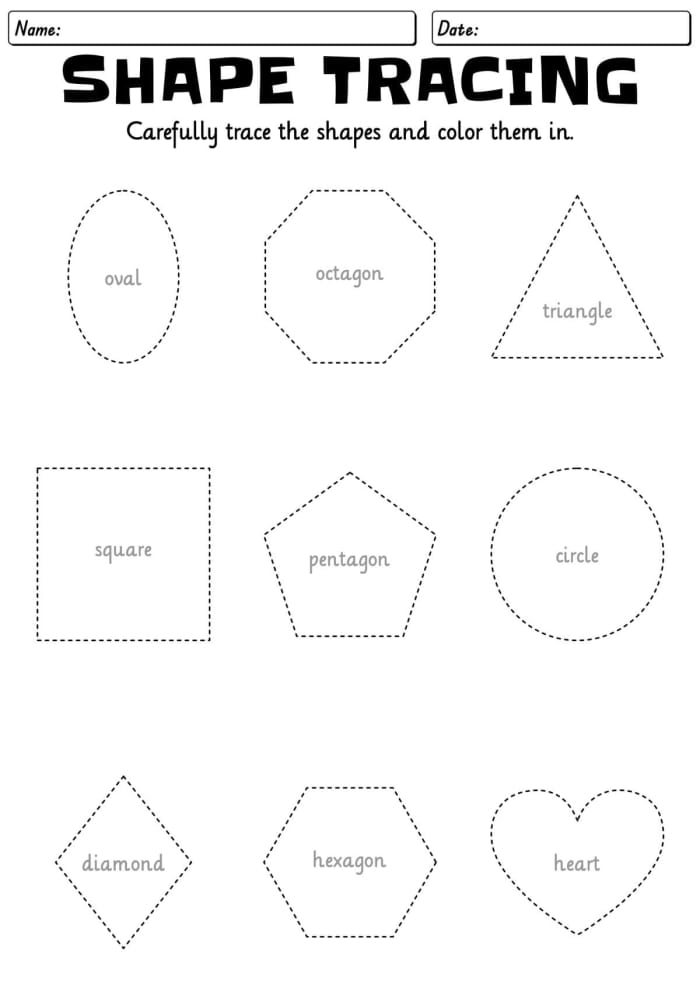
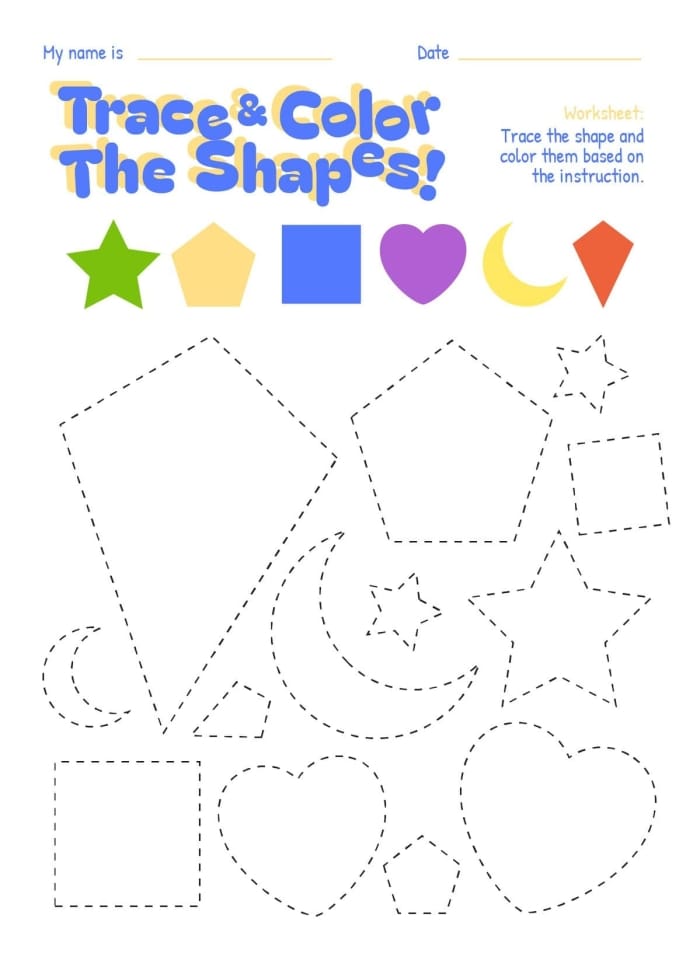
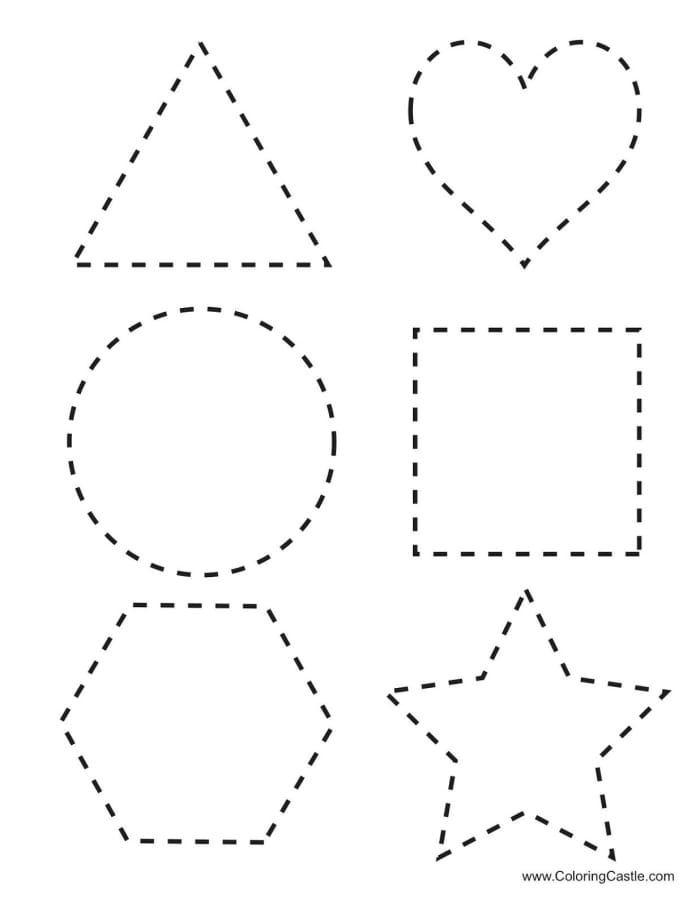
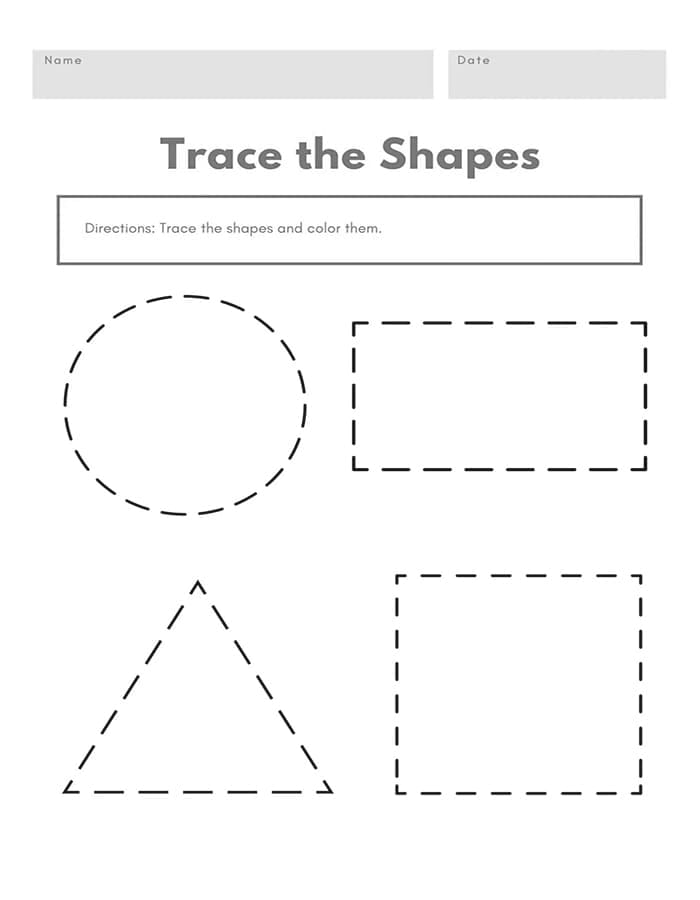
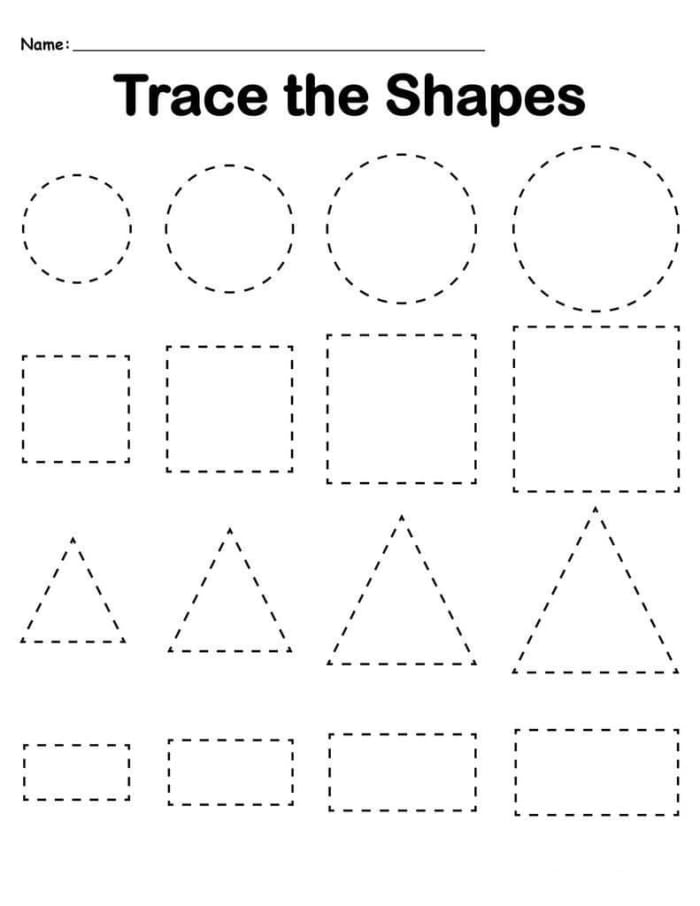
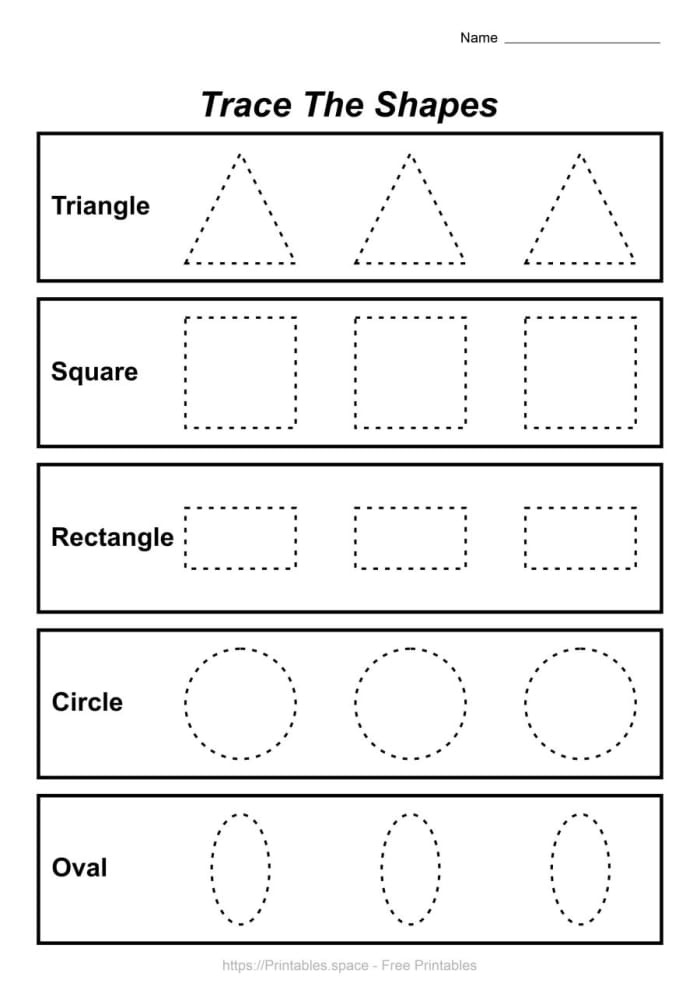
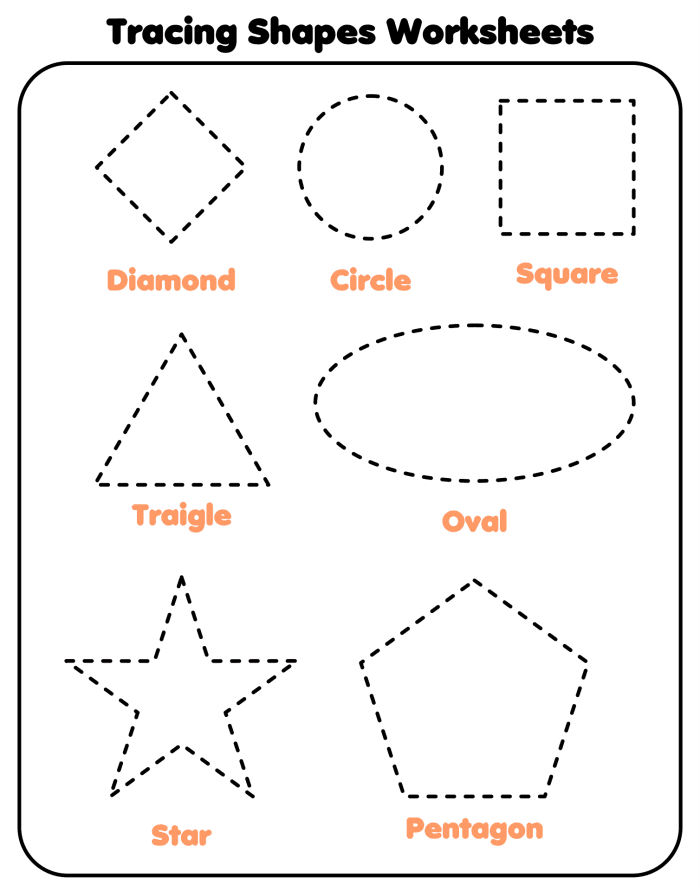
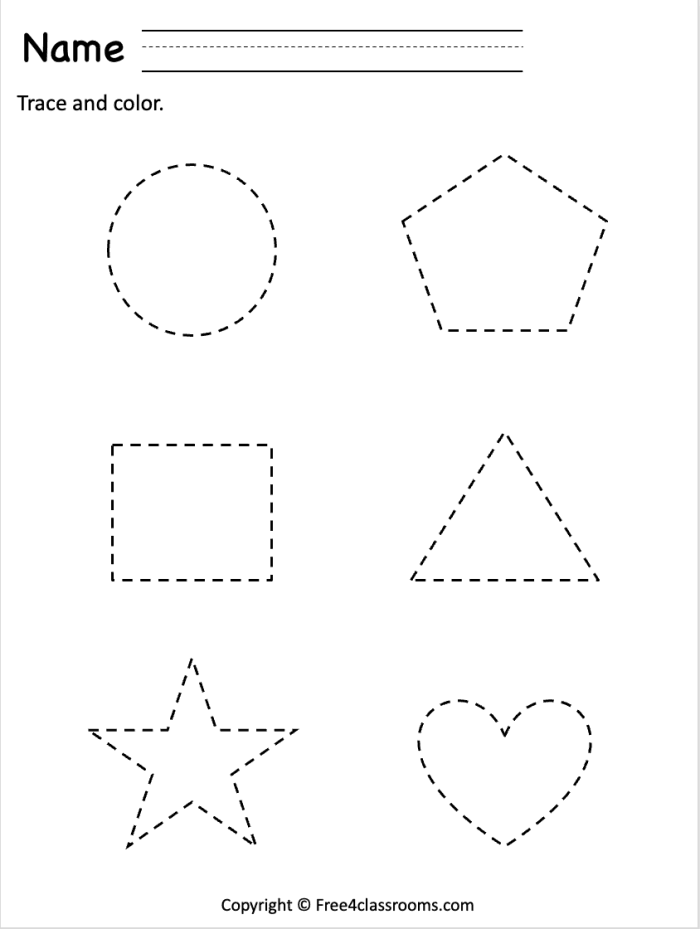
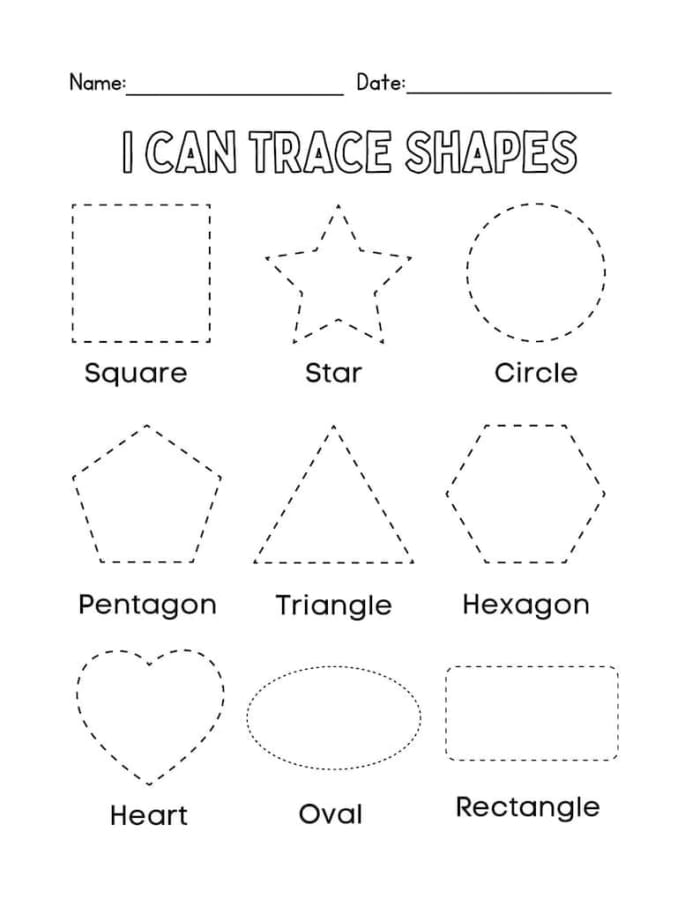
Tracing shapes is one of the most effective ways to build fine motor control in young learners. When children practice tracing circles, squares, triangles, and rectangles, they’re not just drawing lines—they’re developing the hand strength and coordination they’ll need for writing letters and numbers later.
The beauty of shape tracing lies in its simplicity. A circle teaches smooth, flowing movements. Squares and rectangles introduce corners and directional changes. Triangles add another angle variation. Each shape presents a different challenge that keeps children engaged while building muscle memory. Pre-K students especially benefit from this structured practice because their hands are still developing the precision needed for formal handwriting.
When you use a printable tracing basic shapes worksheet, you’re giving children a low-pressure environment to experiment. There’s no right or wrong way to trace a shape—only practice that strengthens their grip and control. Most children enjoy the repetition, and the visual satisfaction of completing a shape keeps them motivated.
Pairing shape tracing with other handwriting activities creates a well-rounded practice routine. After mastering shapes, children often move into tracing individual letters with greater confidence. You might also incorporate alphabet activities or even number matching exercises to keep learning varied.
The key is consistency. A few minutes each day with shape tracing builds habits and confidence. When children see themselves improve, they develop a positive relationship with writing practice that extends far beyond kindergarten.
Practice with These Worksheets