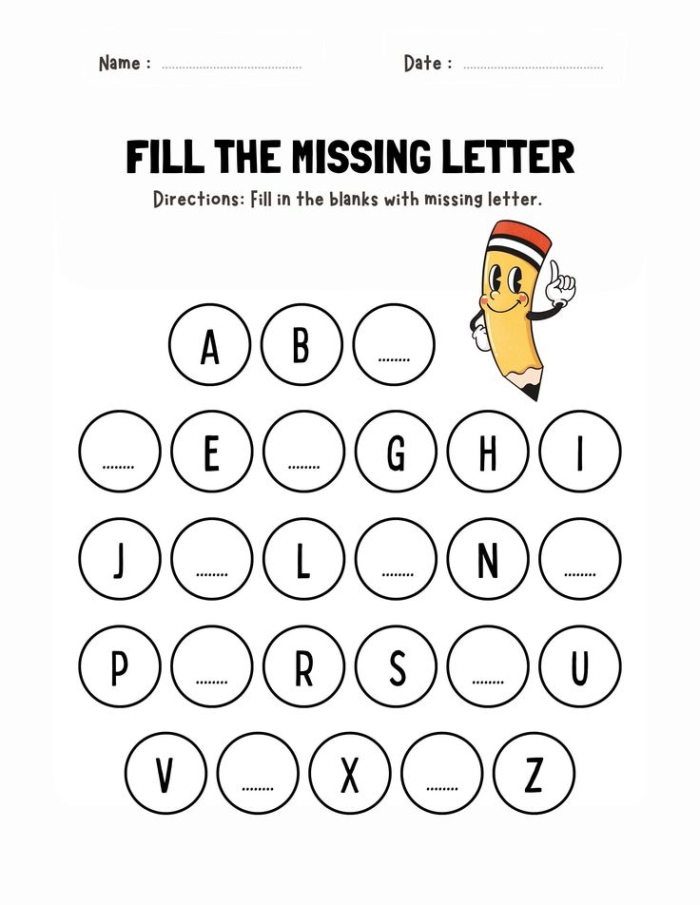
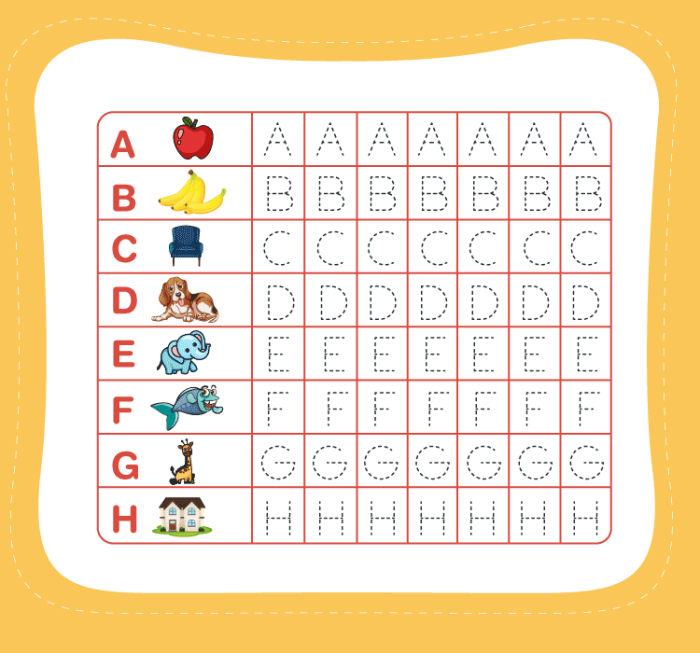
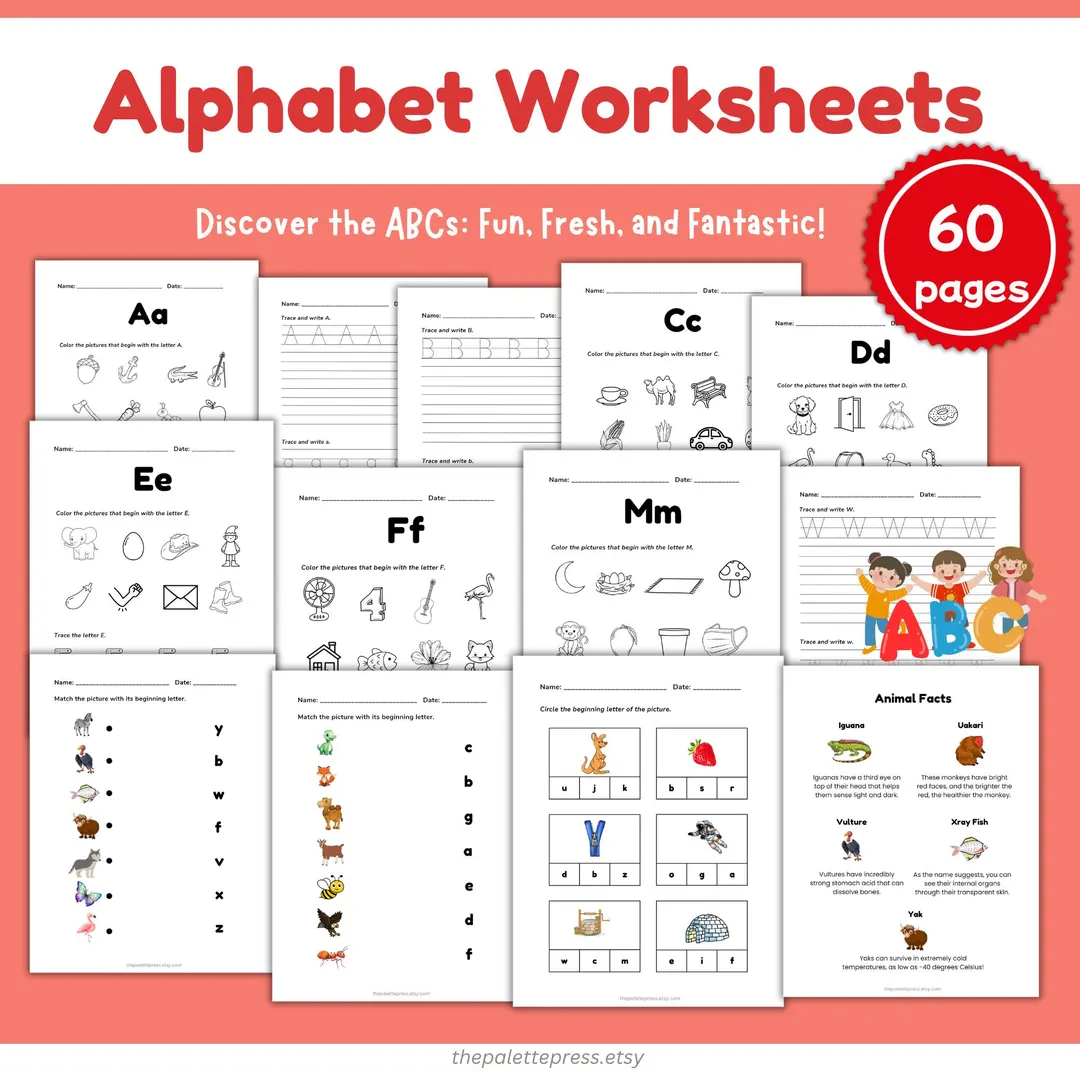
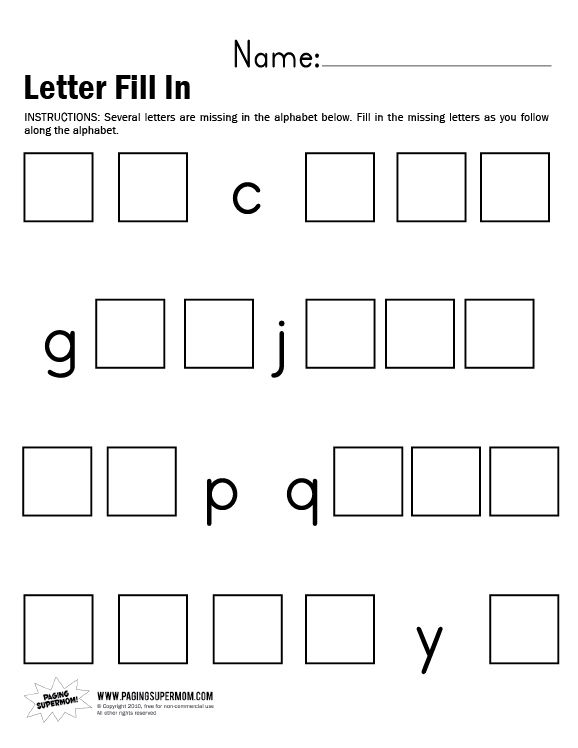
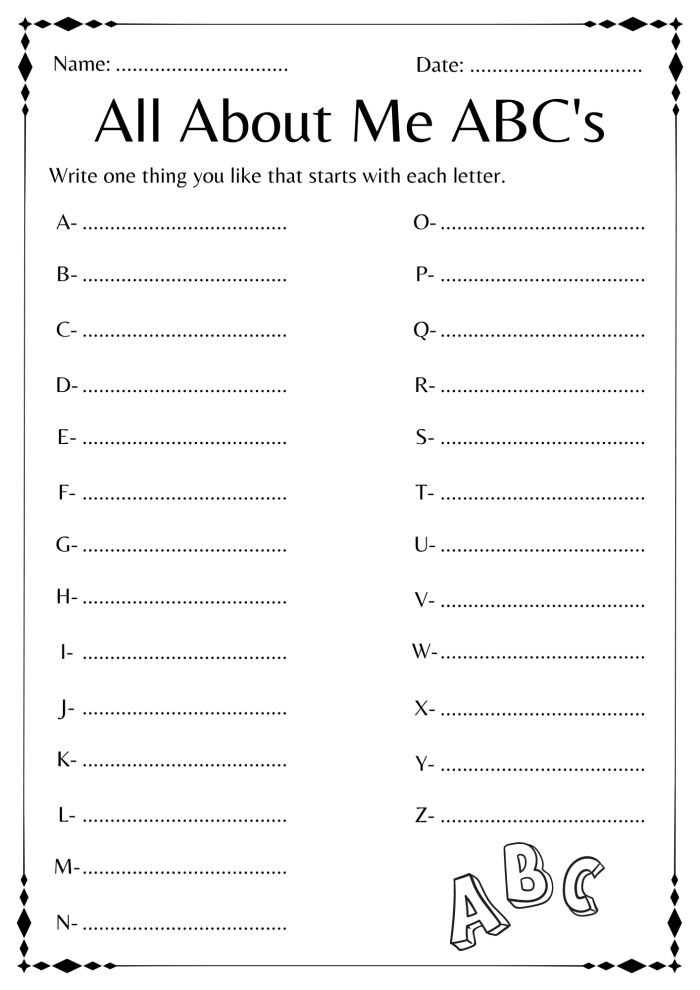
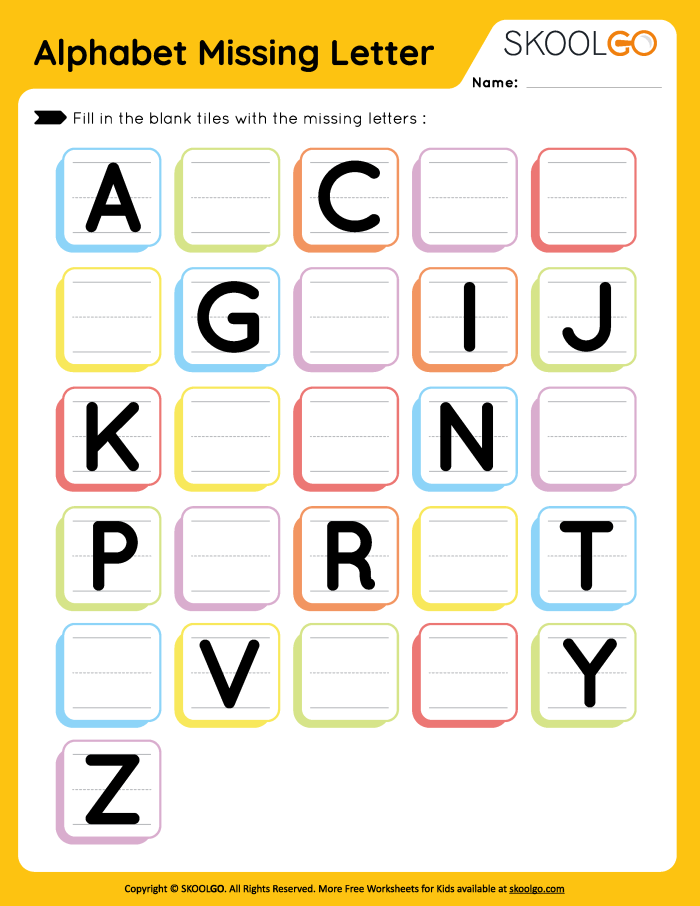
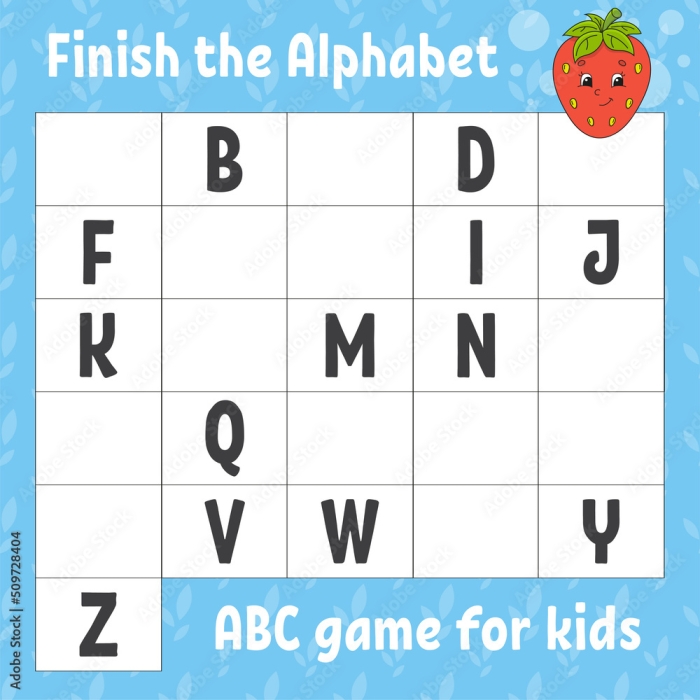
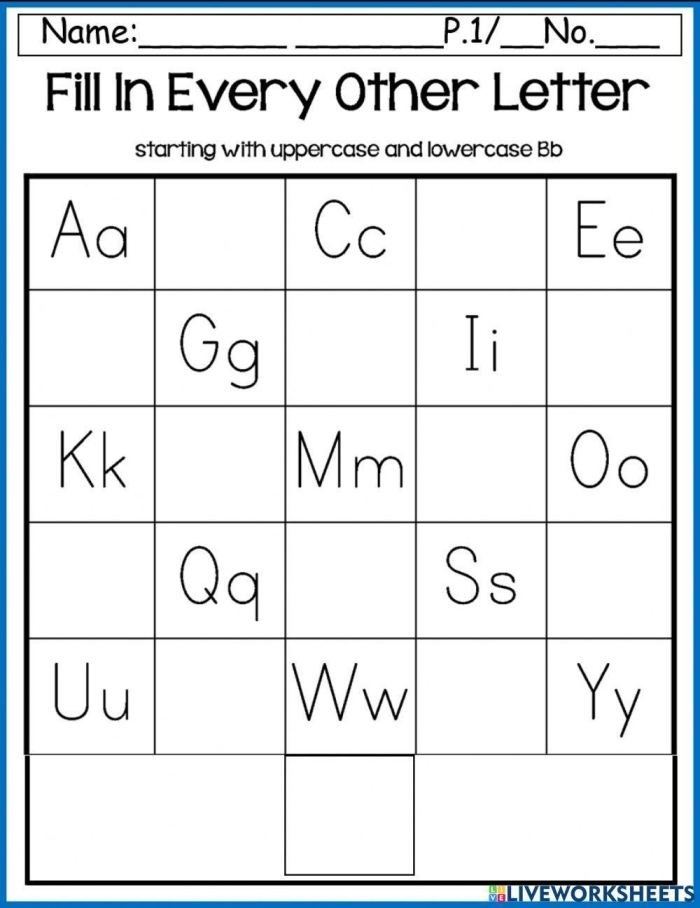
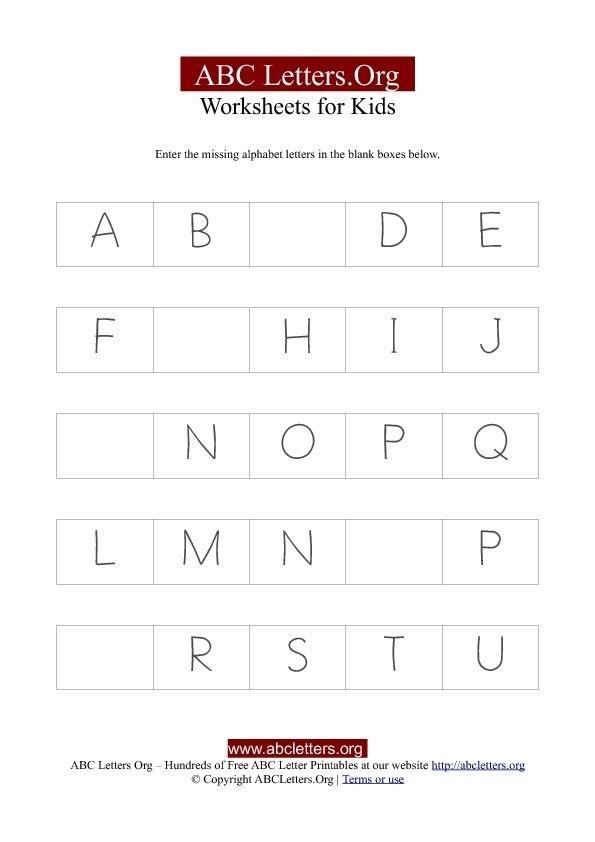
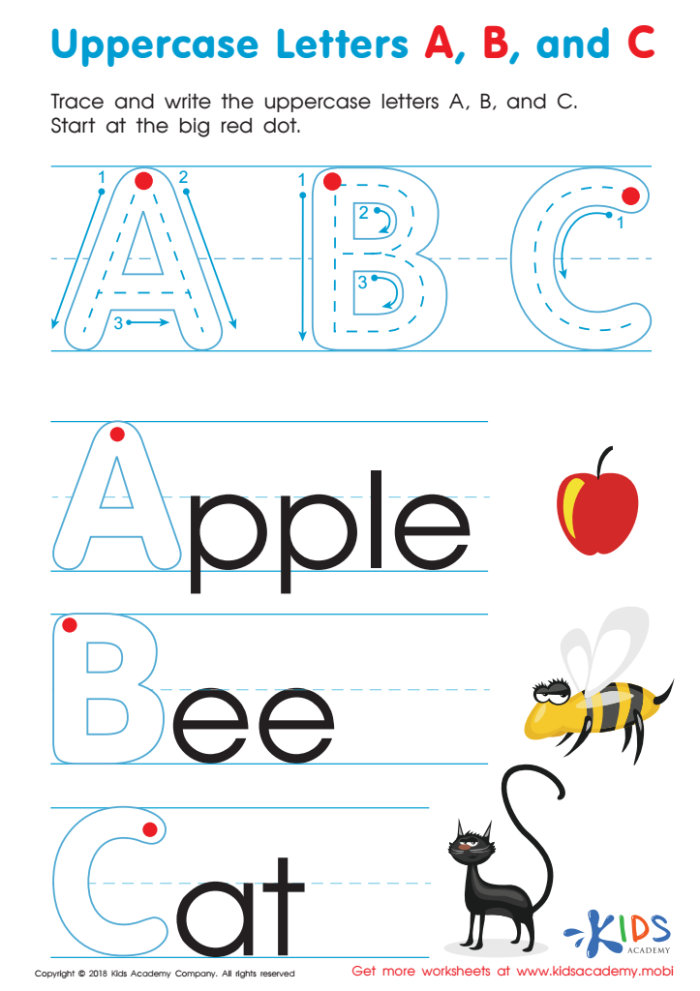
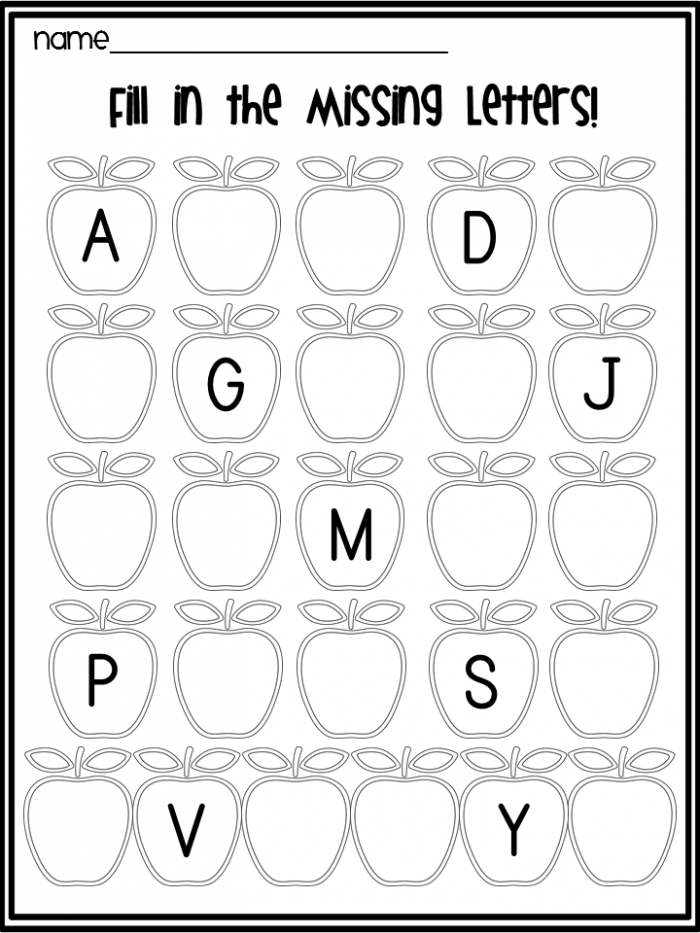
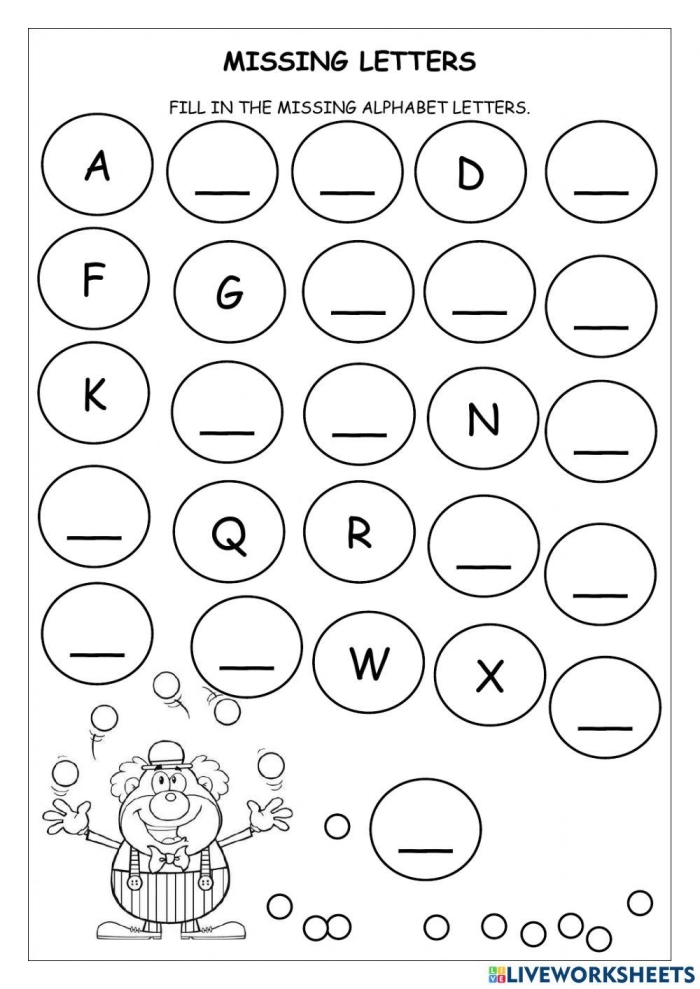
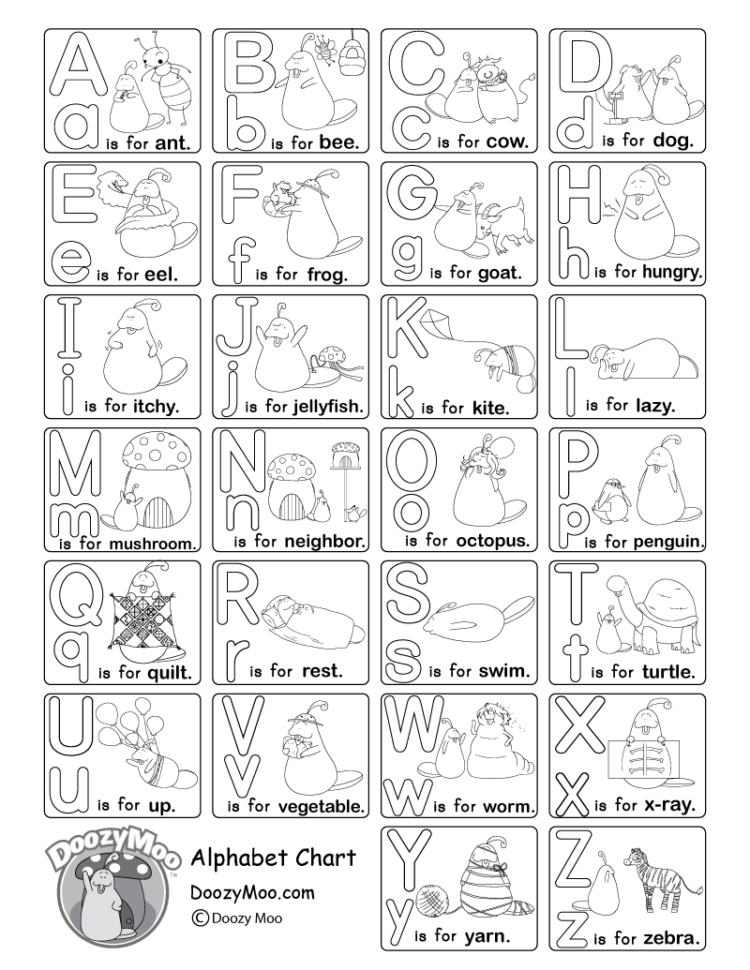
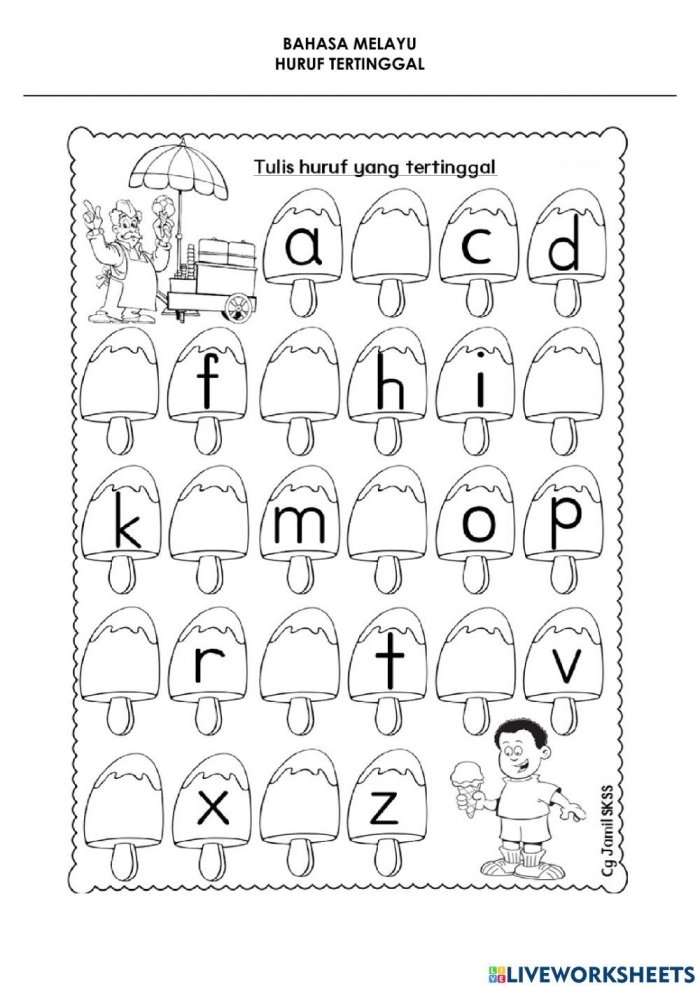
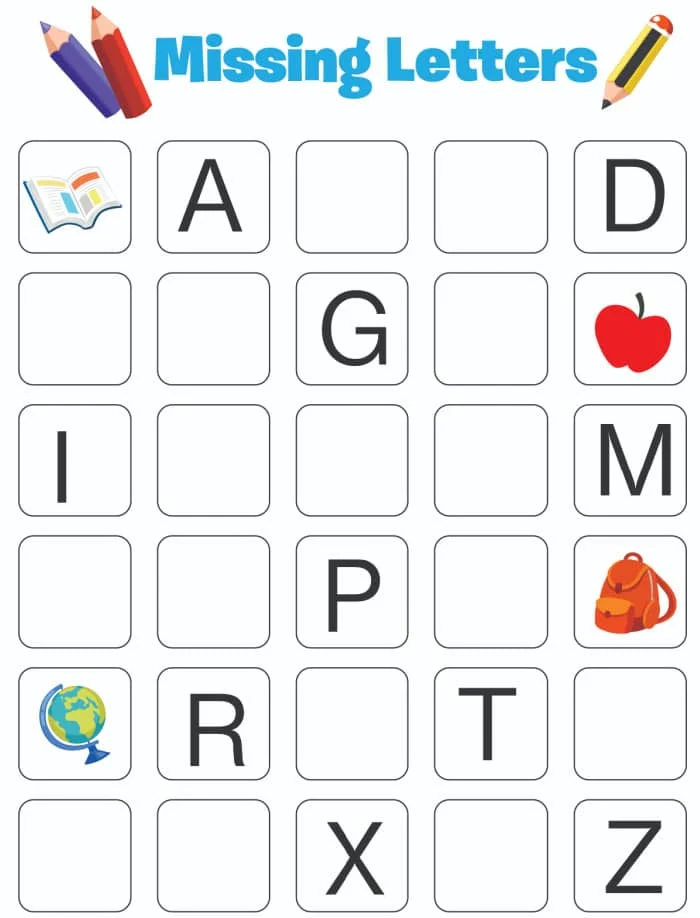
When your preschooler sits down with a worksheet that asks them to fill in the missing A’s, B’s, and C’s, something important happens: they start connecting sounds to letters in a way that sticks. This kind of focused letter practice builds the foundation for reading and writing, and onset rime activities make it feel like a game rather than a lesson.
Onset rime is simply the way words break into two parts. The onset is the initial consonant or consonant blend (like the “b” in “bat”), and the rime is the vowel sound and everything that follows (like the “at” in “bat”). When your child fills in missing letters within this structure, they’re training their brain to recognize patterns. They see that “cat,” “bat,” and “mat” share the same ending sound, which helps them decode new words they encounter later.
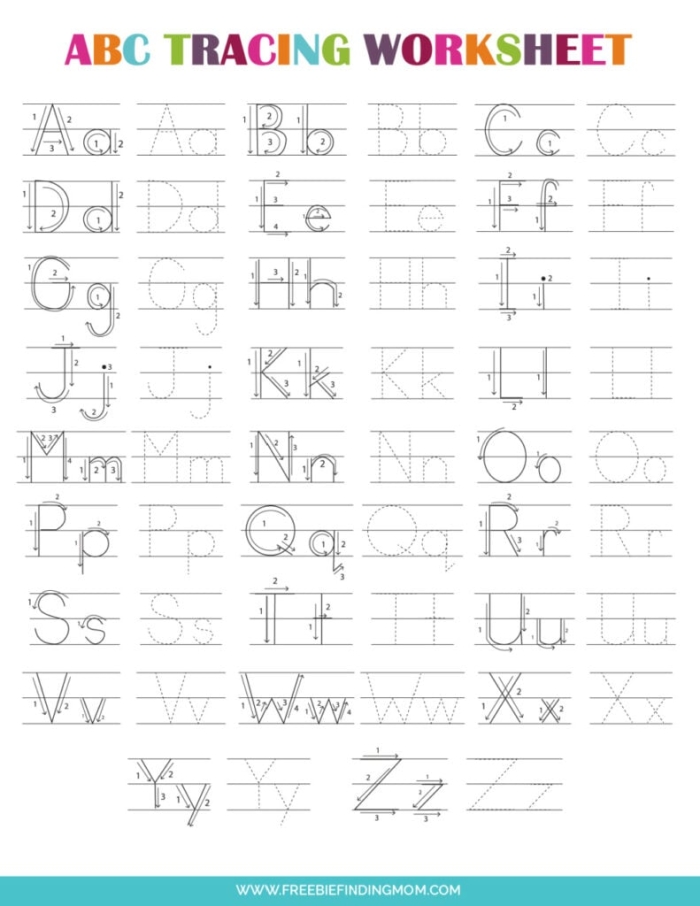
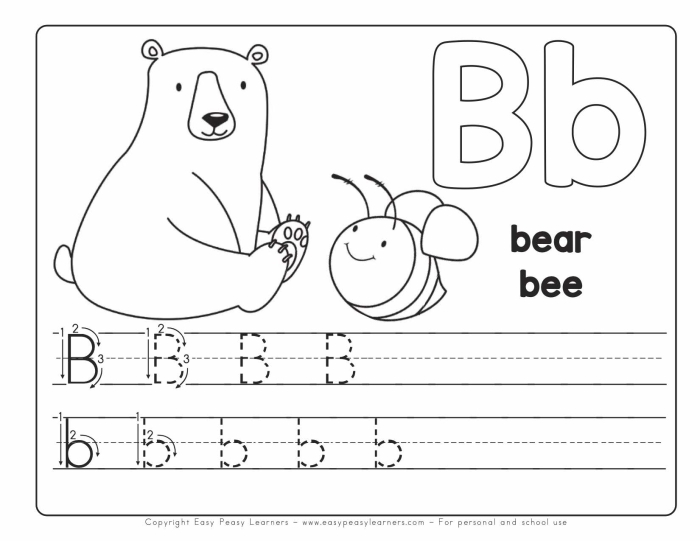
The beauty of these fill-in-the-letter worksheets is that they’re self-contained. Your preschooler doesn’t need to worry about writing from scratch. Instead, they focus purely on letter formation and sound recognition. This reduces frustration and keeps the activity manageable. You might have them fill in all the A’s on one page, then move to B’s and C’s, or mix them together once they gain confidence.
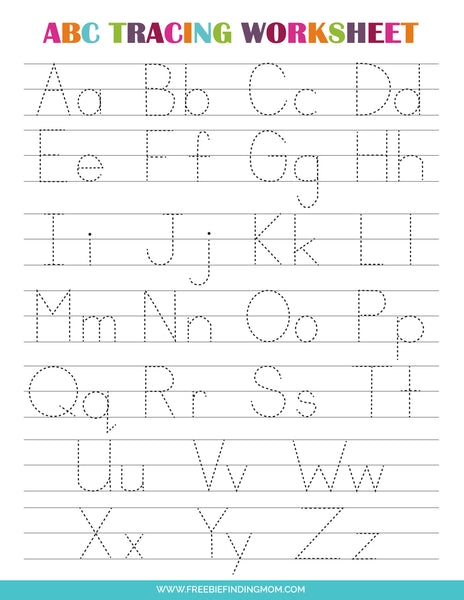
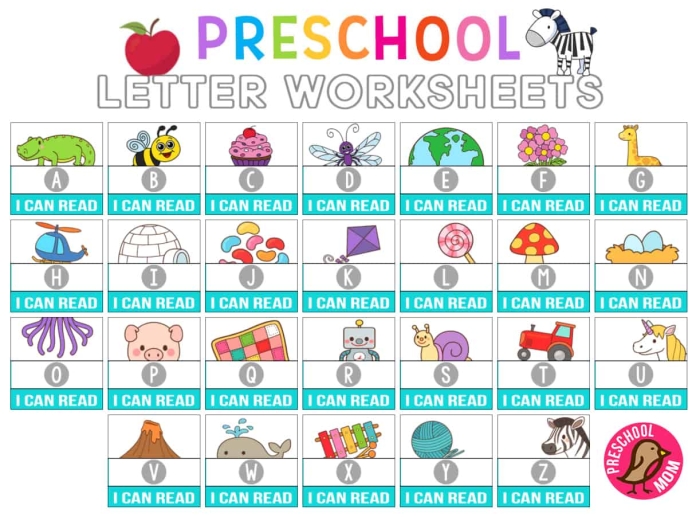
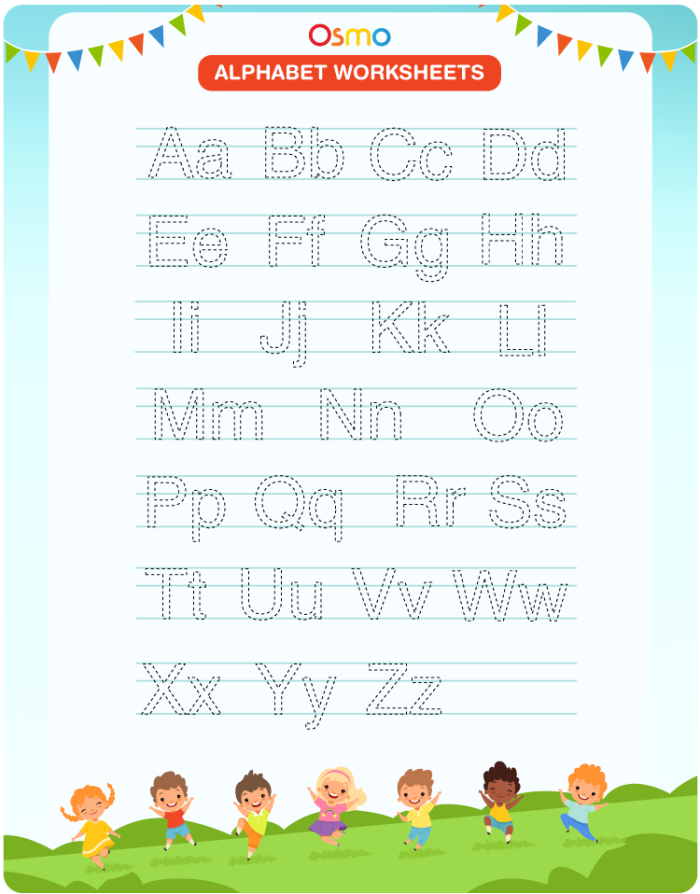
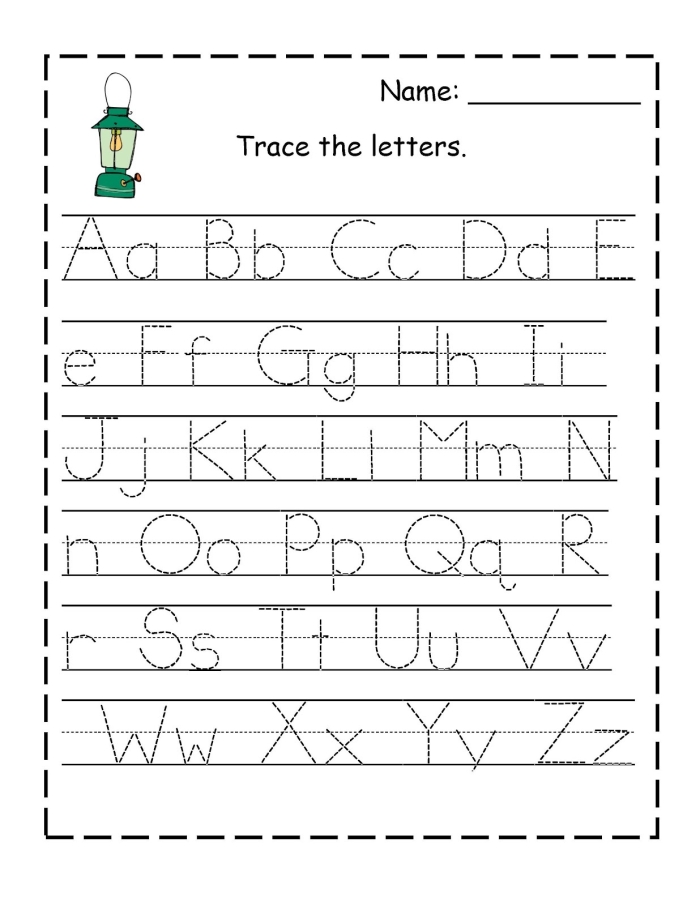
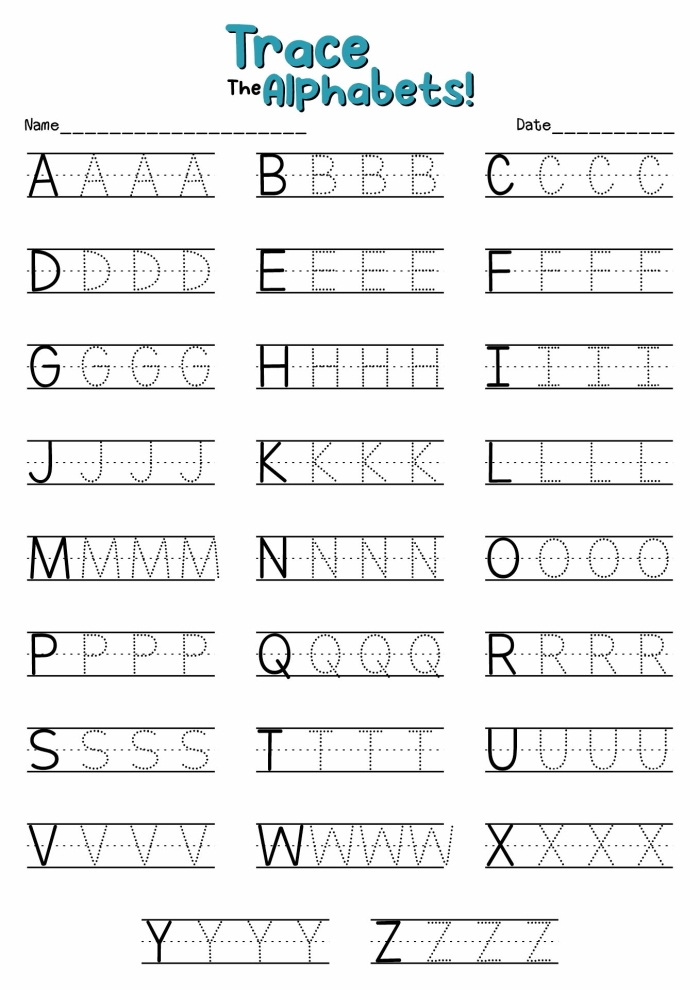
This type of handwriting practice pairs well with other phonics work. If your child is learning about specific letter sounds, you could complement these worksheets with activities like exploring things that start with L or things that start with X. You might also incorporate pattern recognition through pattern activities or strengthen letter control with letter tracing exercises.
Keep these sessions short and positive. Five to ten minutes is plenty for pre-K learners. The goal is building confidence and familiarity with letters, not perfection. When your child sees they’ve successfully completed a page, they’re building momentum toward reading readiness.
Try These Printable Worksheets