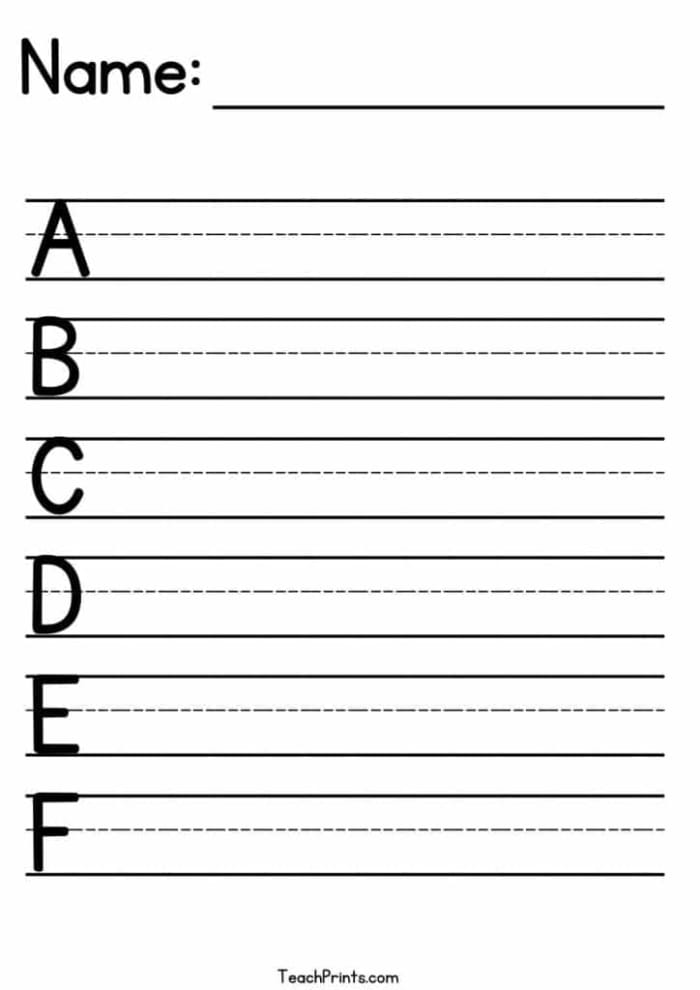
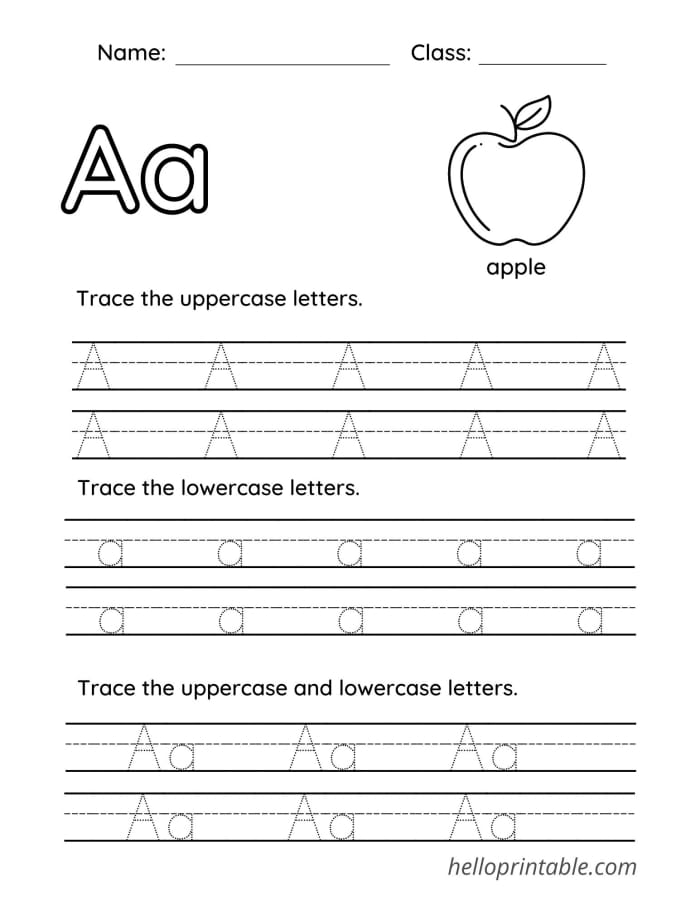
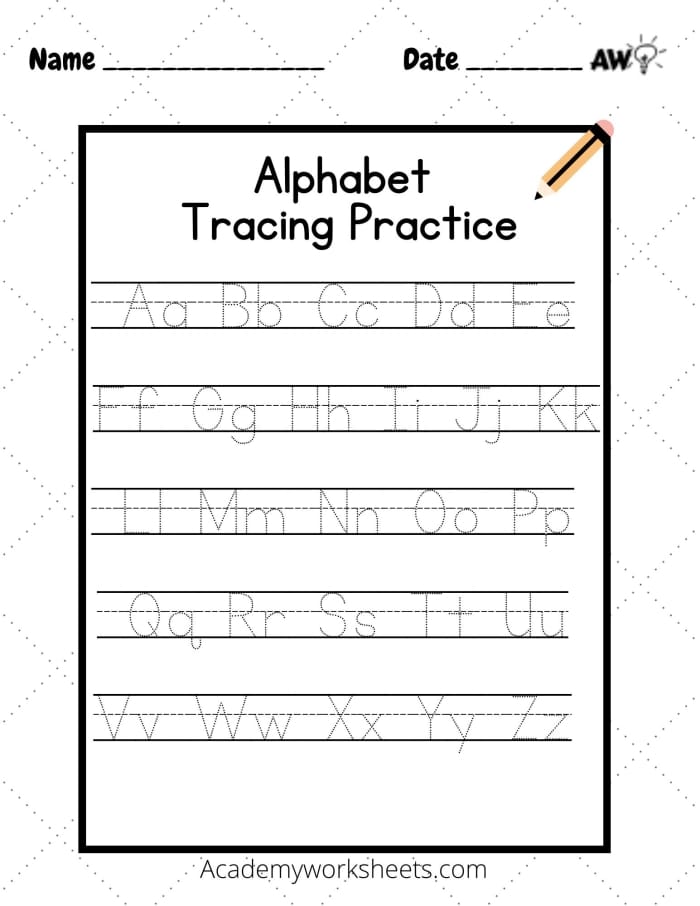
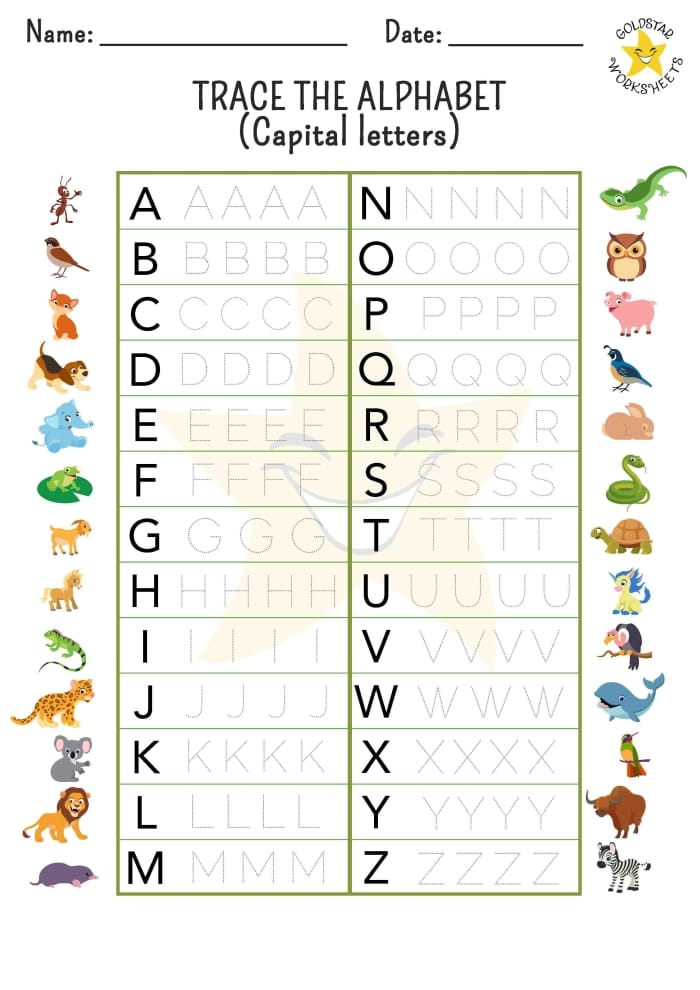
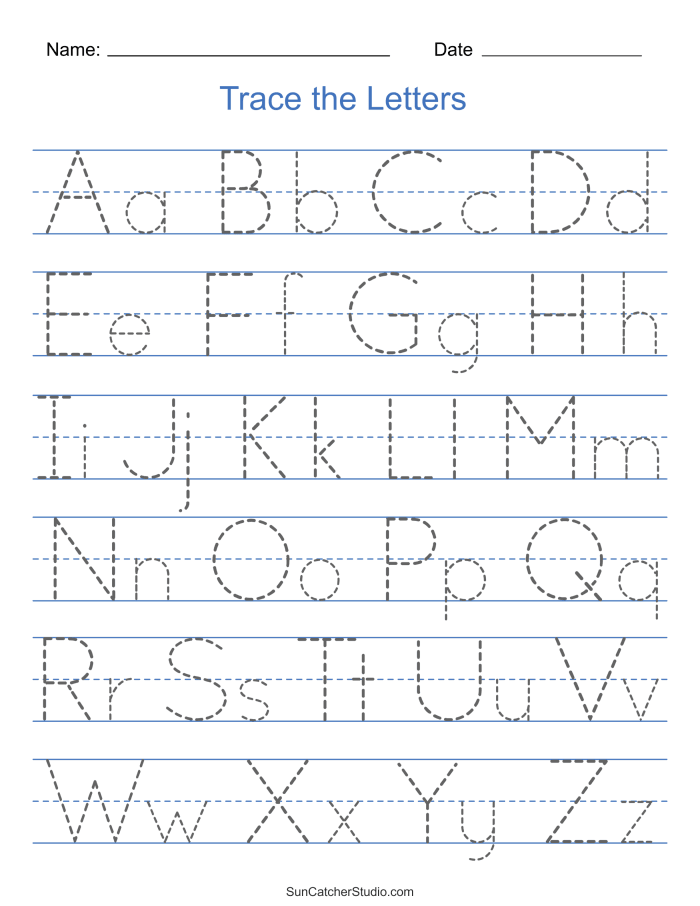
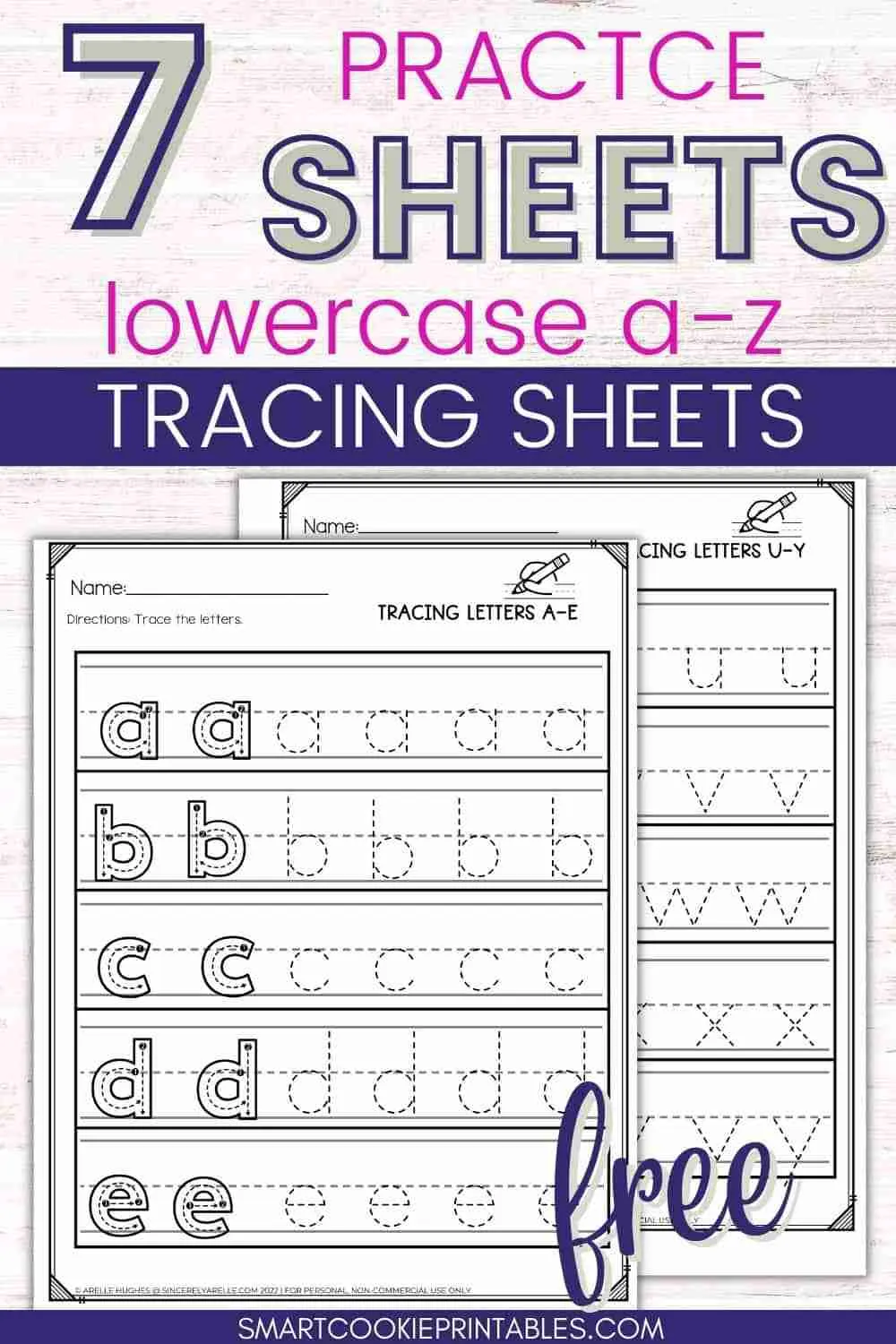
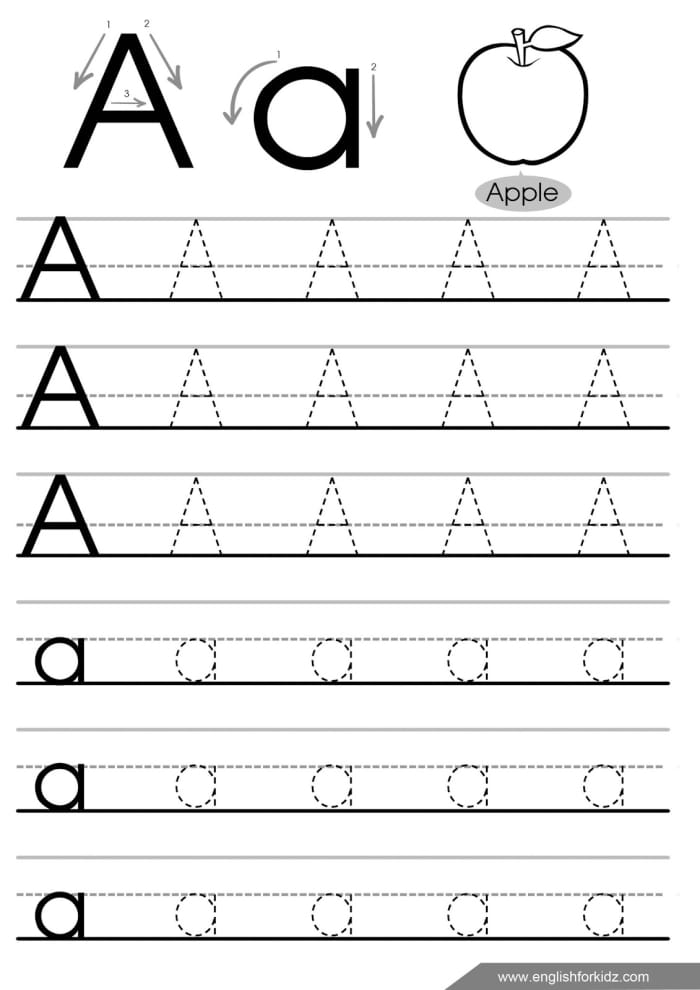
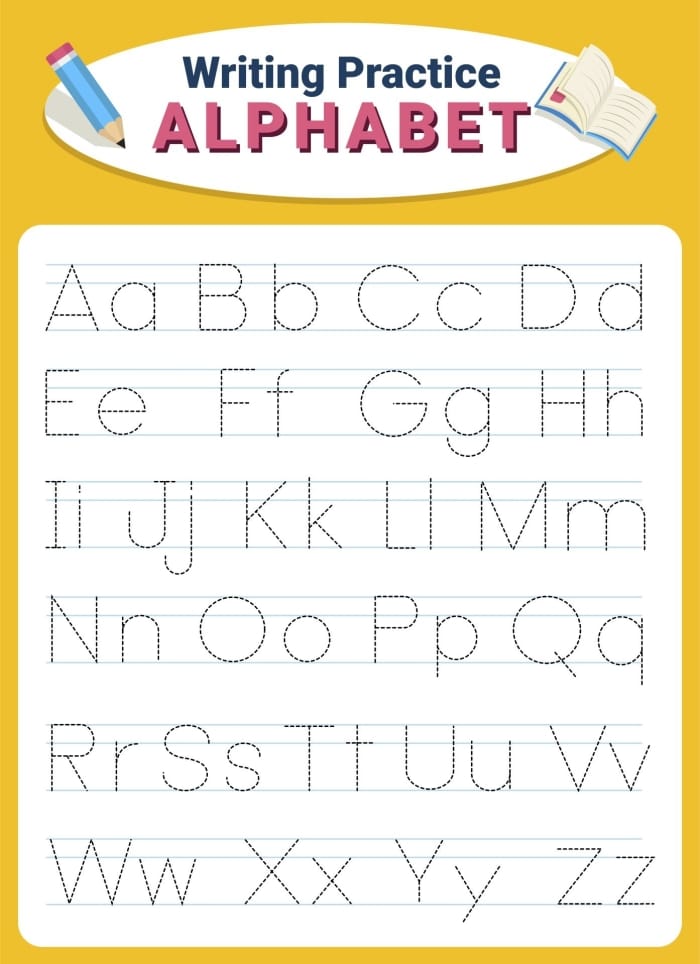
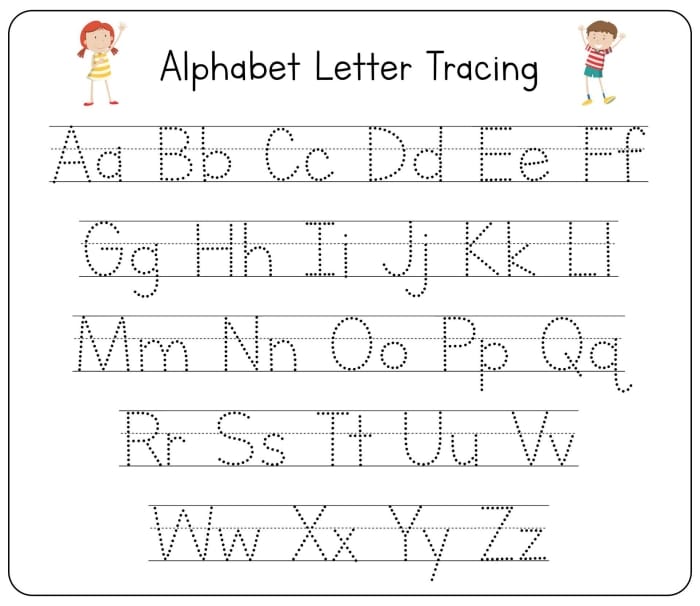
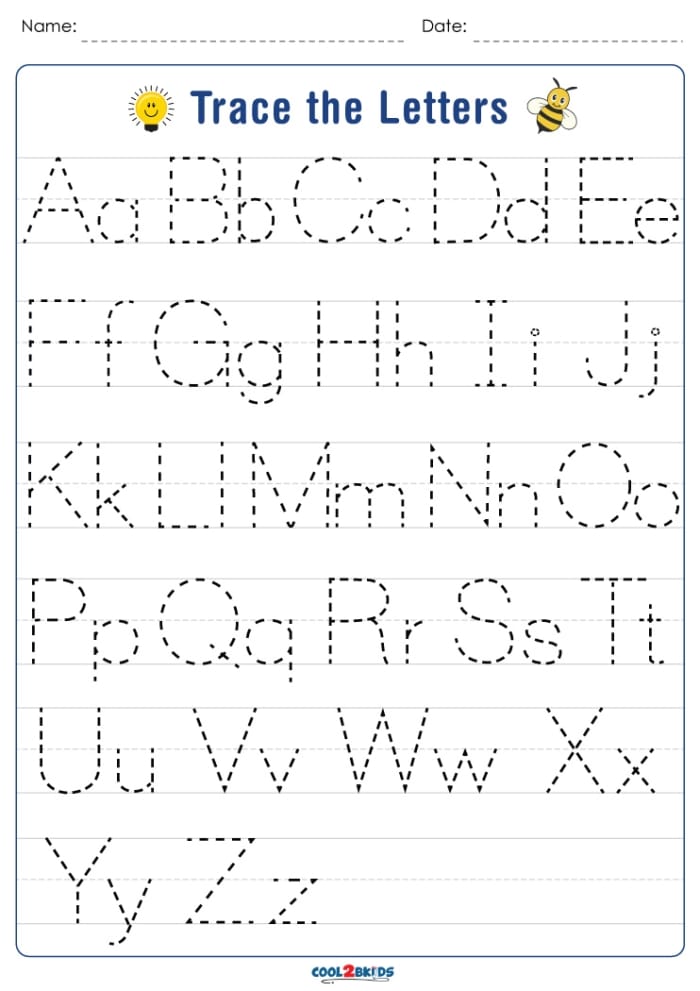
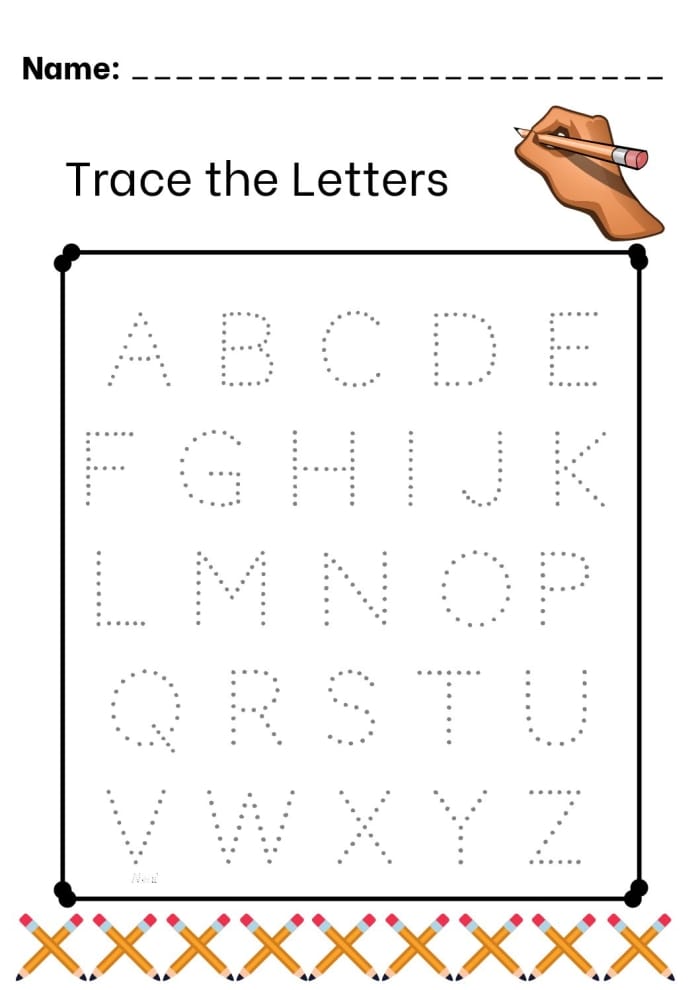
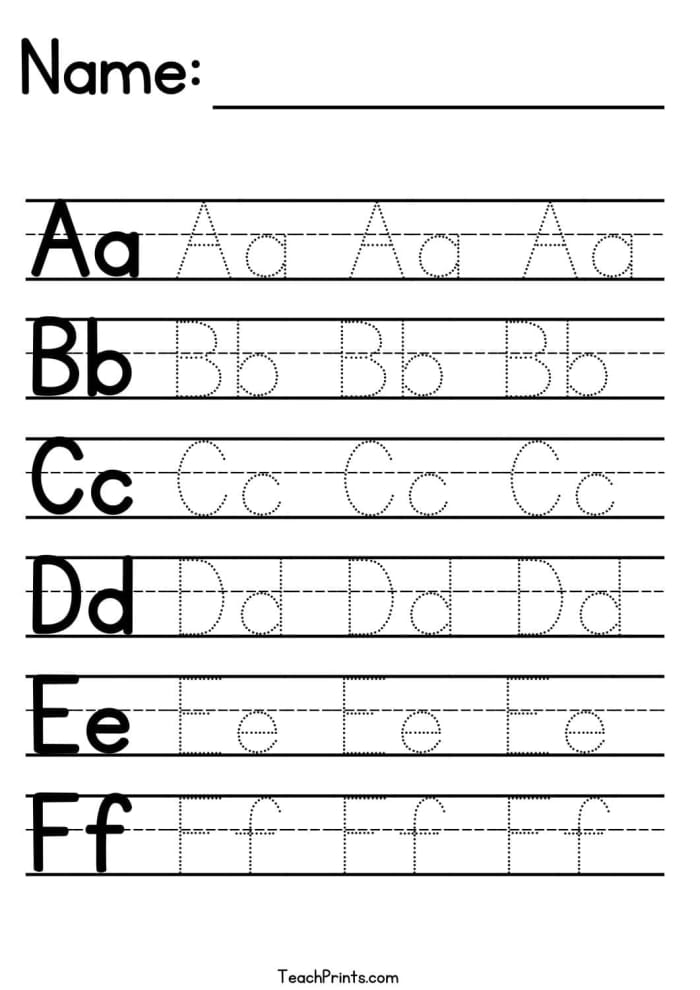
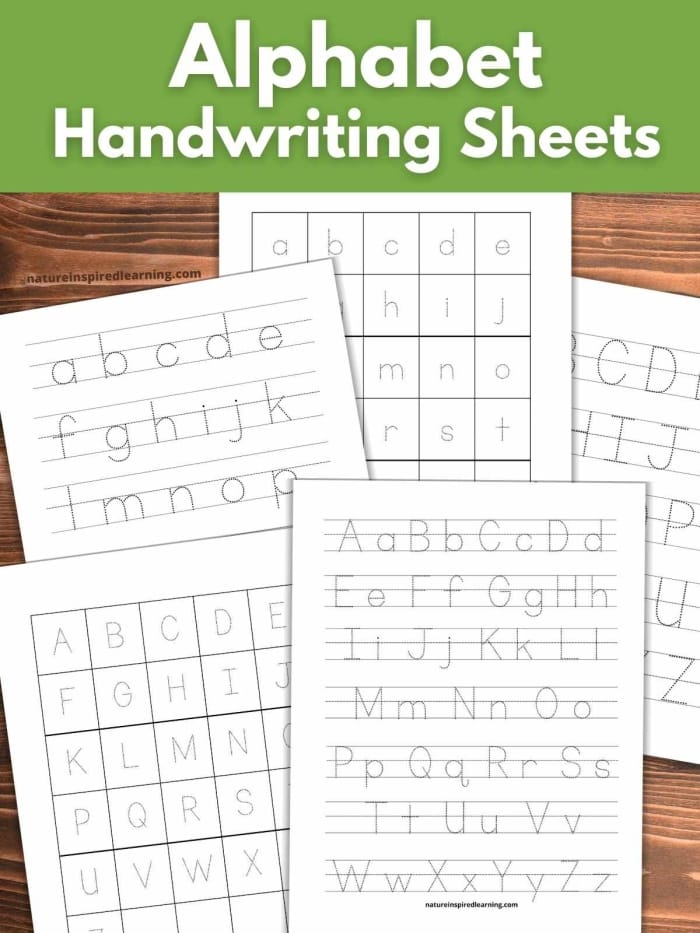
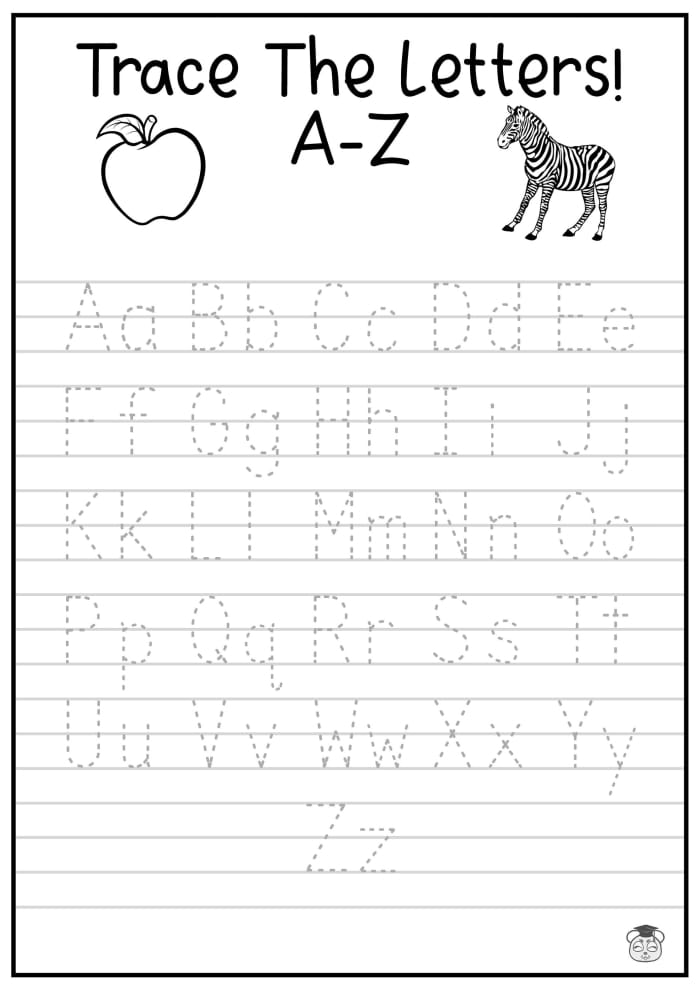
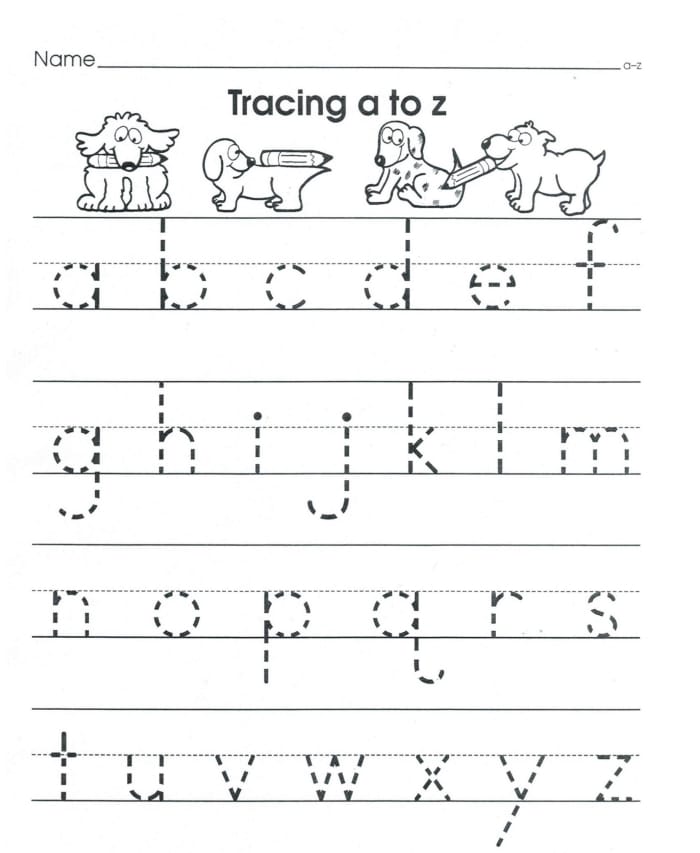
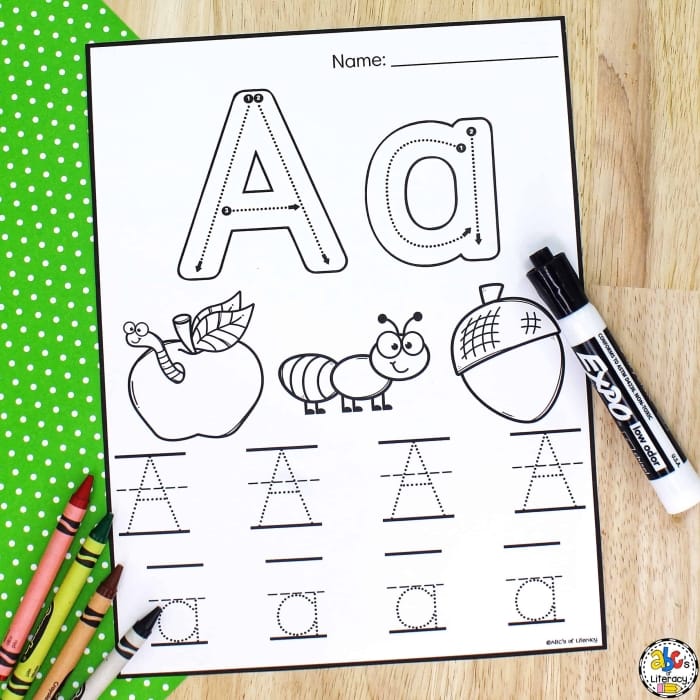
When kids first start learning to read, the letter A is often their entry point into the alphabet. This worksheet gives them a hands-on way to become familiar with both uppercase and lowercase forms while building the fine motor skills they’ll need for writing.
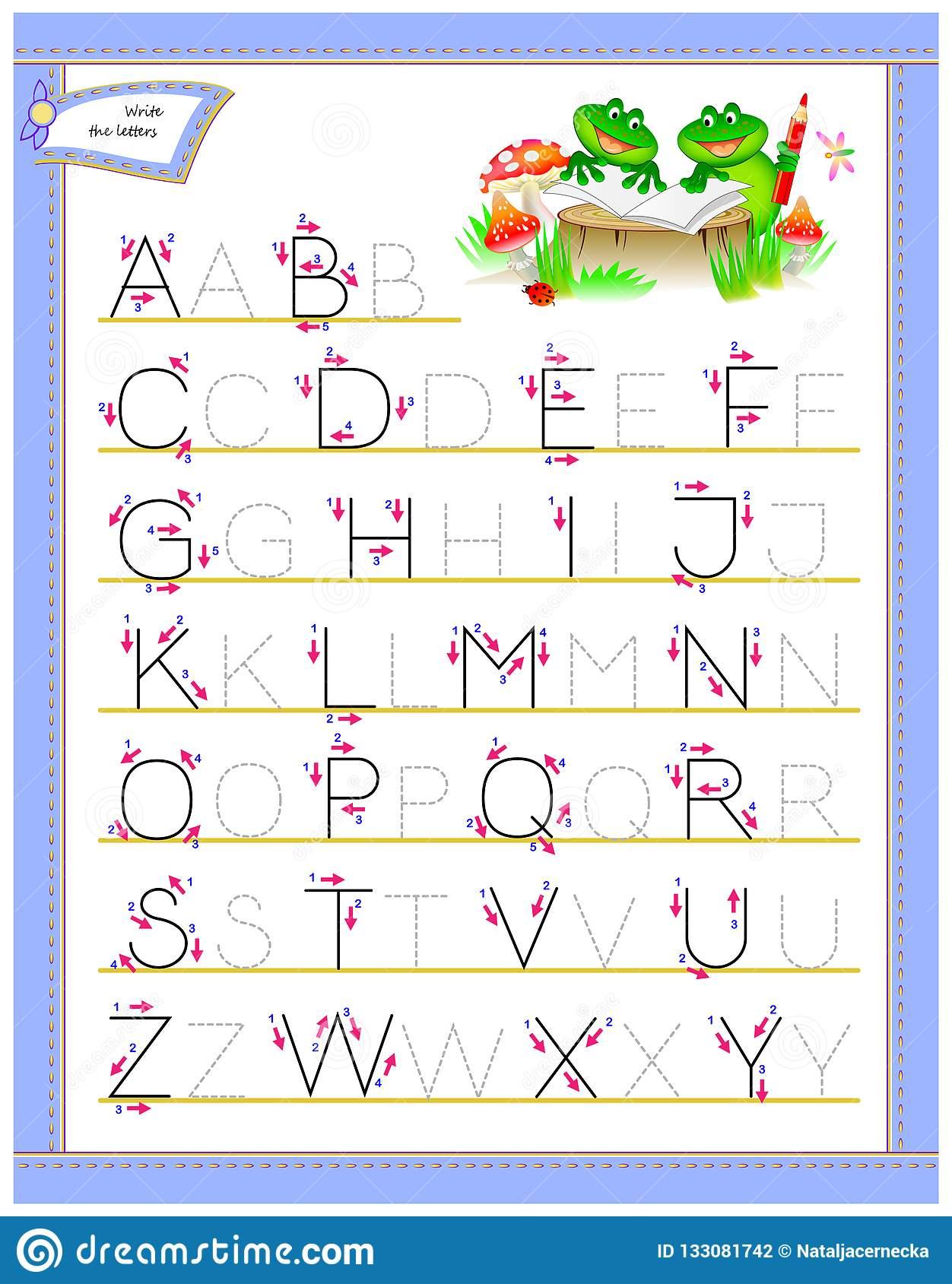
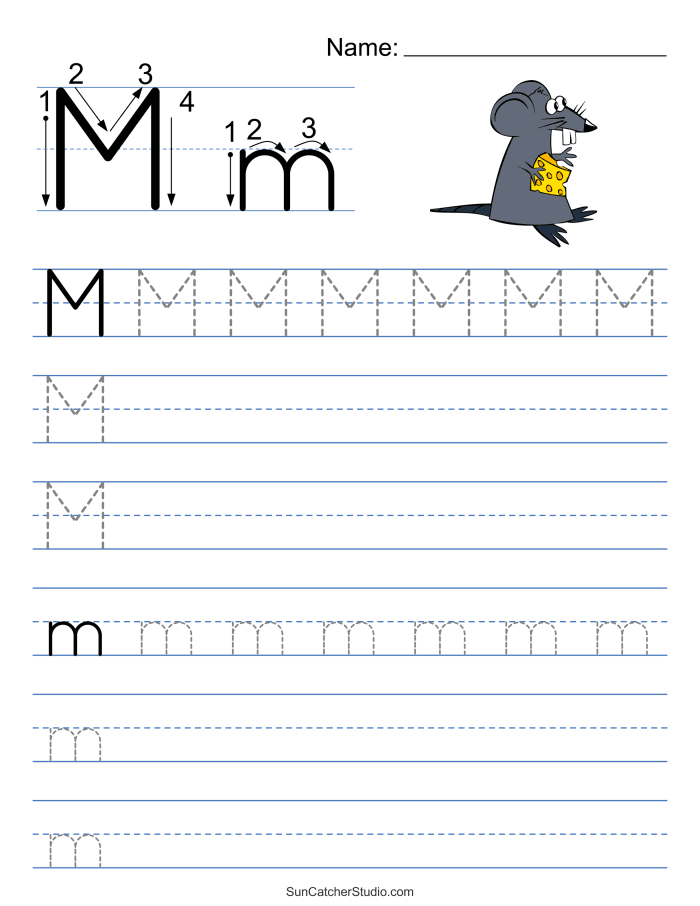
Tracing activities work because they sit at the sweet spot between recognition and production. A child can see the letter, understand its shape, and practice reproducing it without the pressure of writing from scratch. The physical act of moving a pencil along a dotted or outlined path strengthens the small muscles in their hands and fingers, which matters more than many parents realize at the Pre-K stage.
The letter A makes for a good starting point because it’s relatively simple compared to letters like B or R. It has straight lines and a clear triangular shape that young learners can grasp quickly. Once kids feel confident with A, they’re ready to move forward. Many teachers recommend following up with additional practice, like working through alphabet practice activities for other letters or trying connect-the-dots exercises that reinforce letter shapes in a different way.
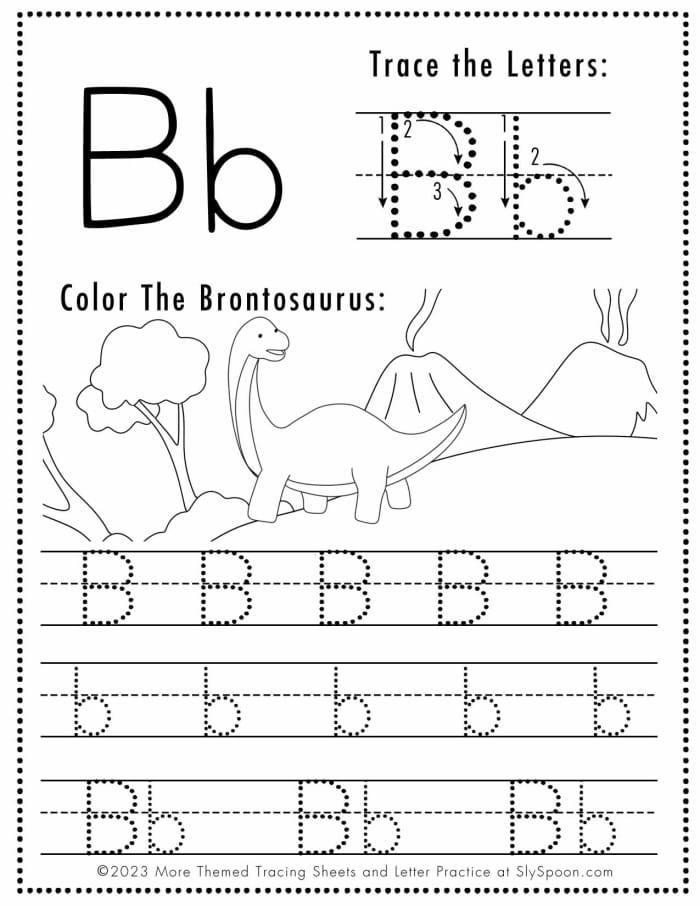
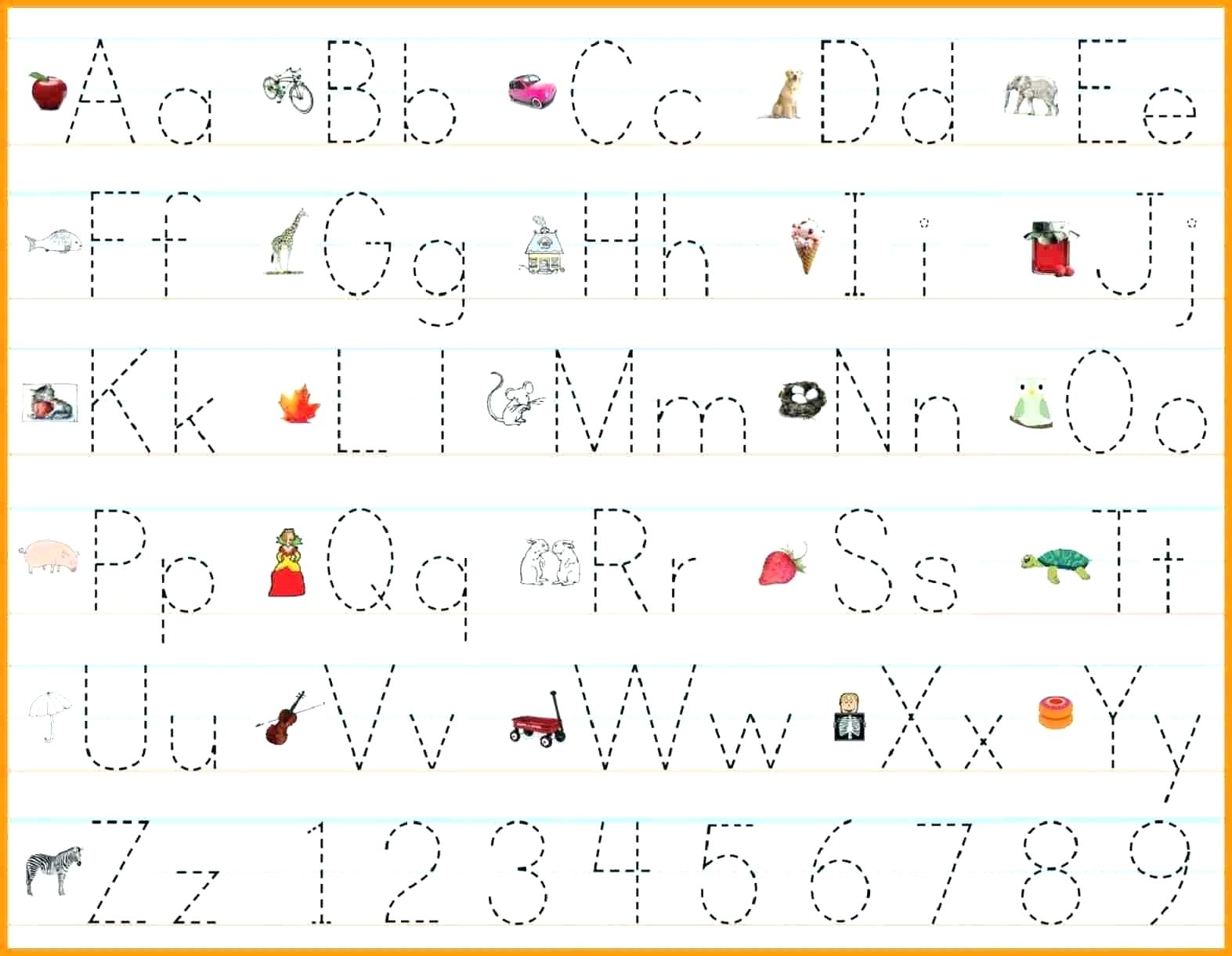
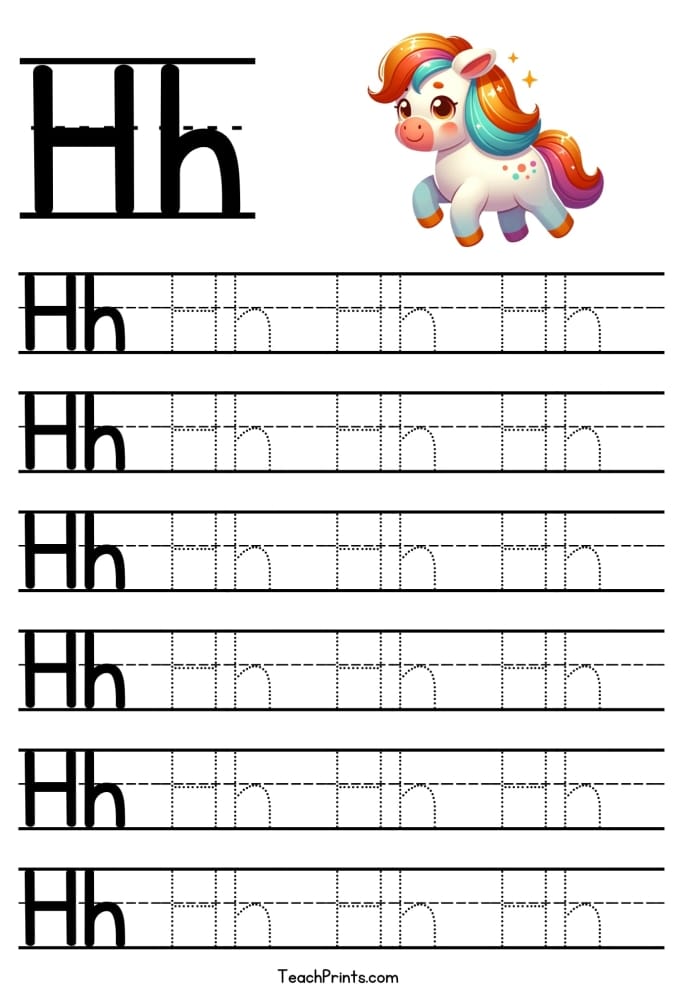
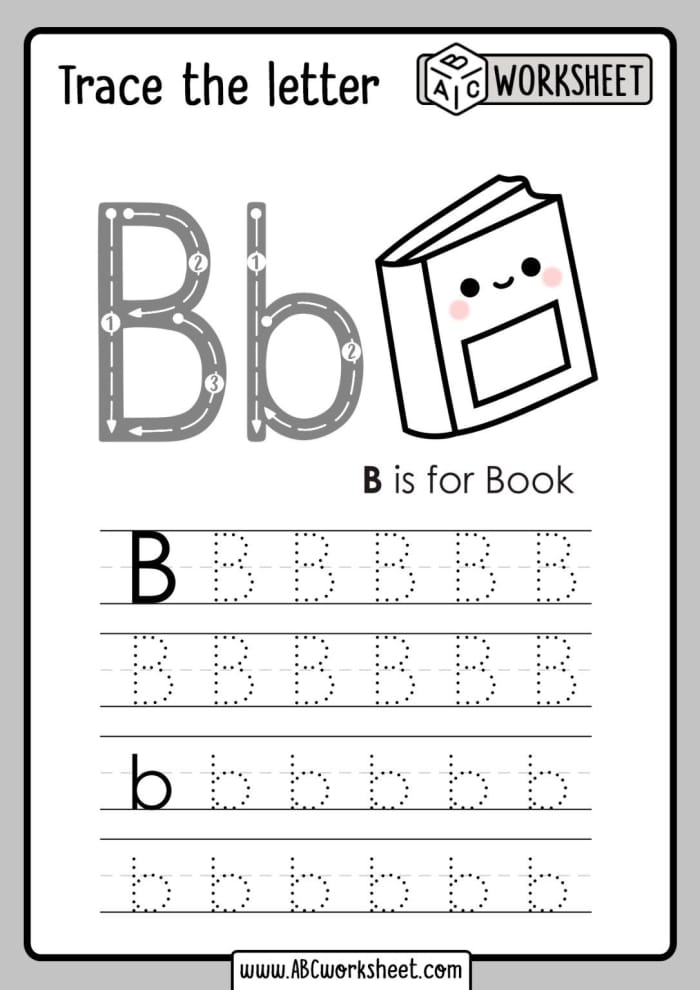
What makes tracing worksheets effective is repetition without boredom. Kids can practice the same letter multiple times on a single page, which builds muscle memory. Some worksheets also include simple illustrations of words starting with A, like apple or ant, which helps children link the letter to sounds and vocabulary they’re learning.
For Pre-K classrooms and home learning, these worksheets fit naturally into a broader alphabet curriculum. Pairing letter tracing with activities like syllable work or number recognition creates a more complete learning experience, though tracing alone remains a solid foundation for early literacy.
Printable Worksheets for Practice