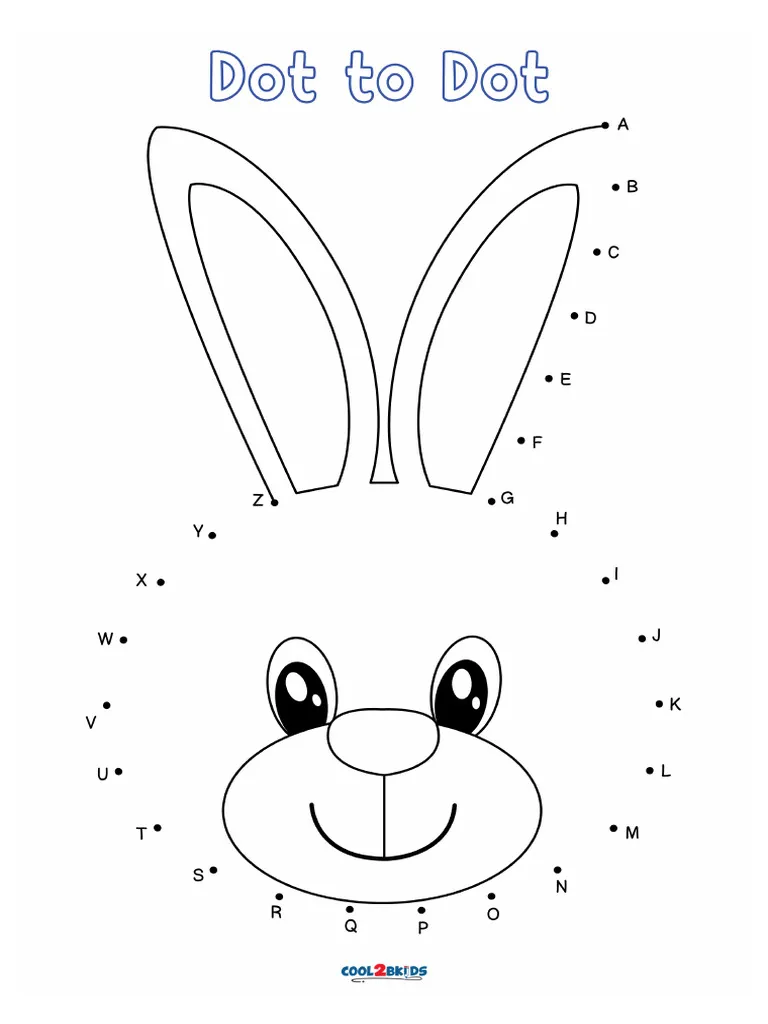
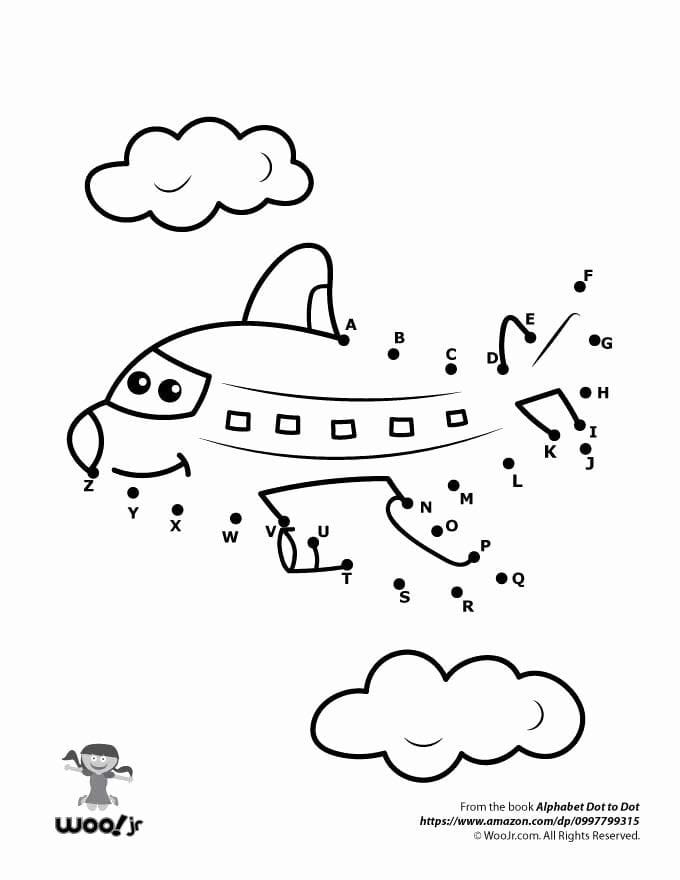
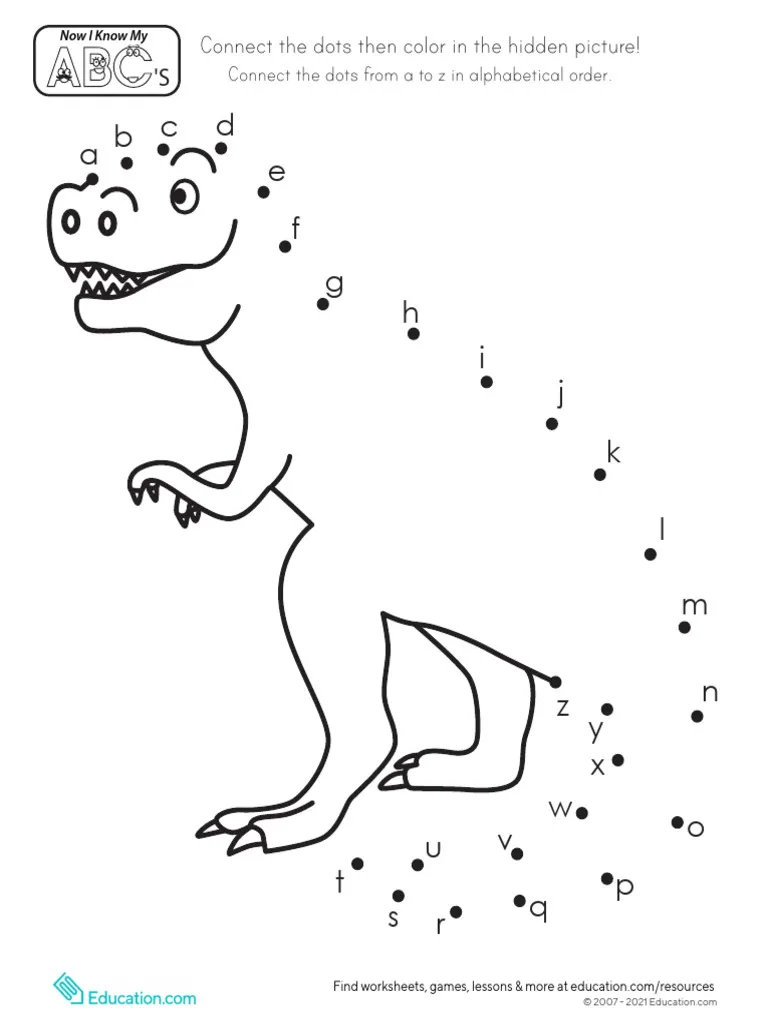
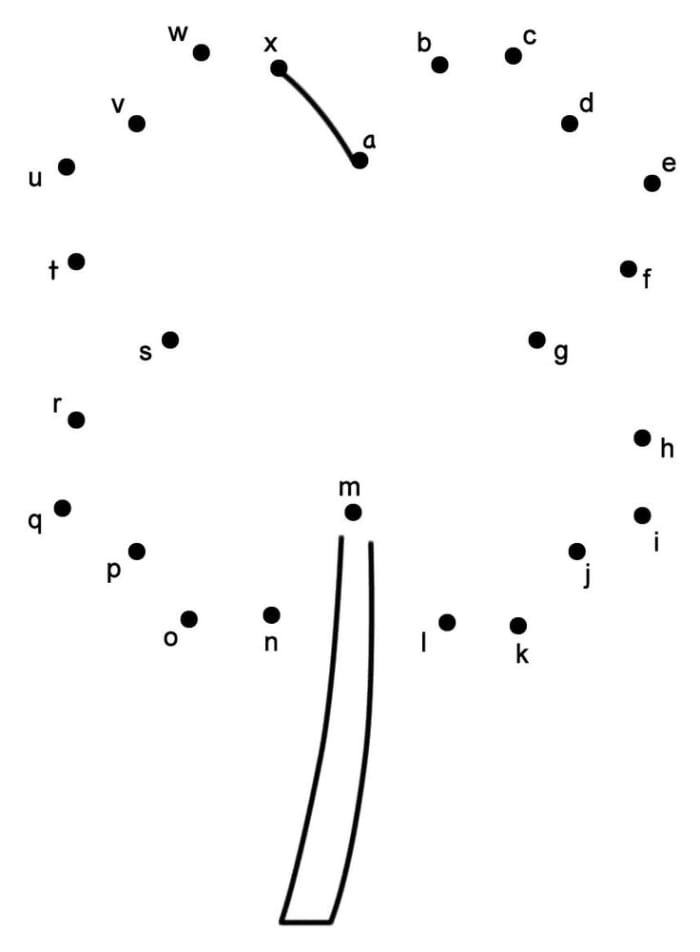
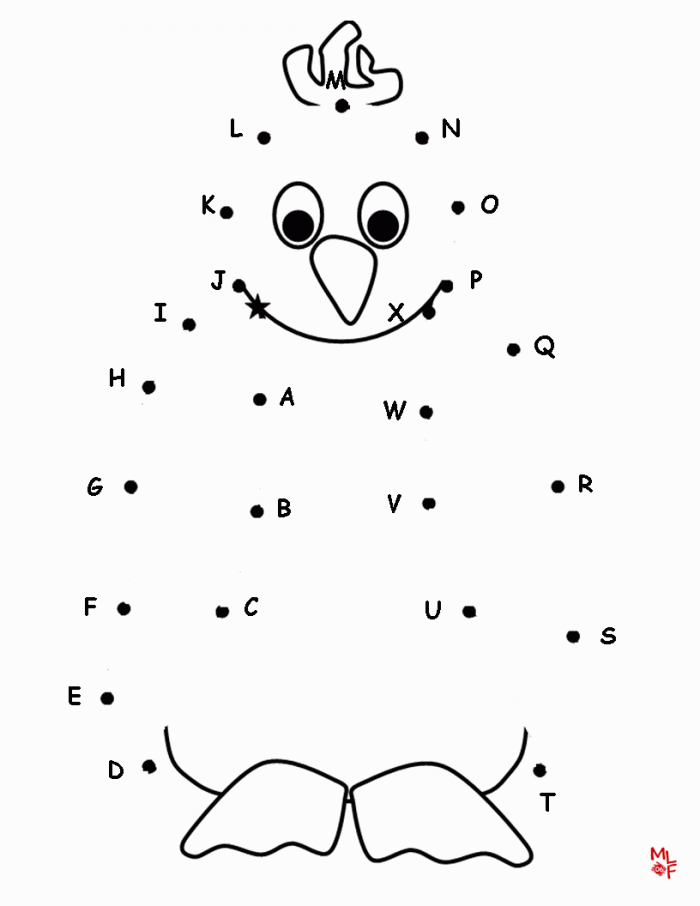
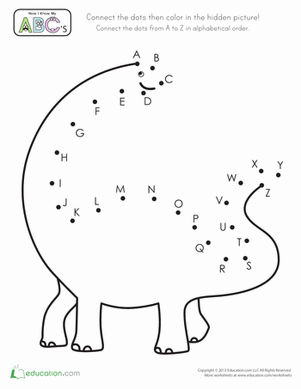
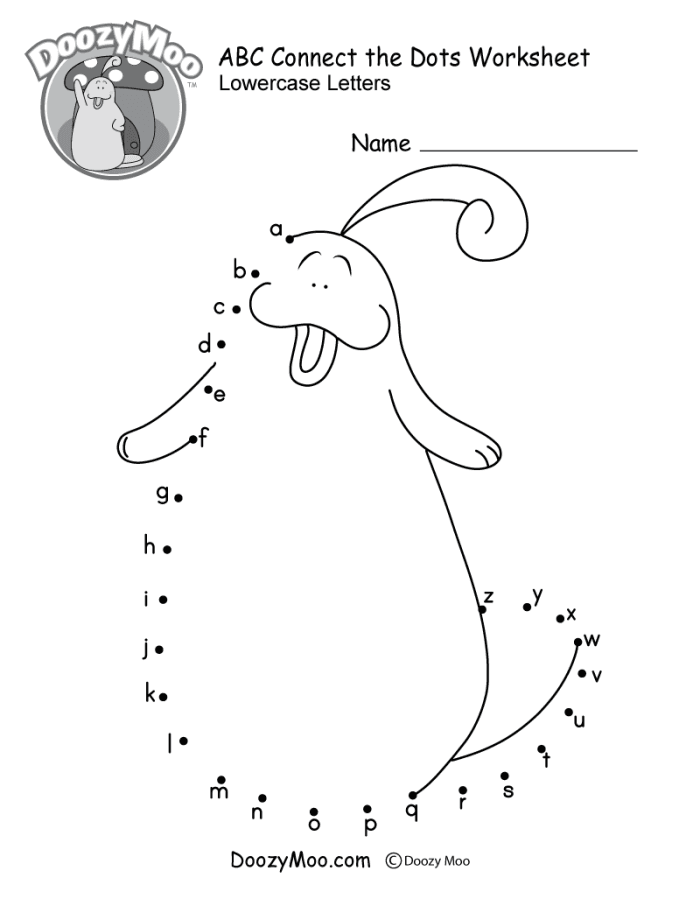
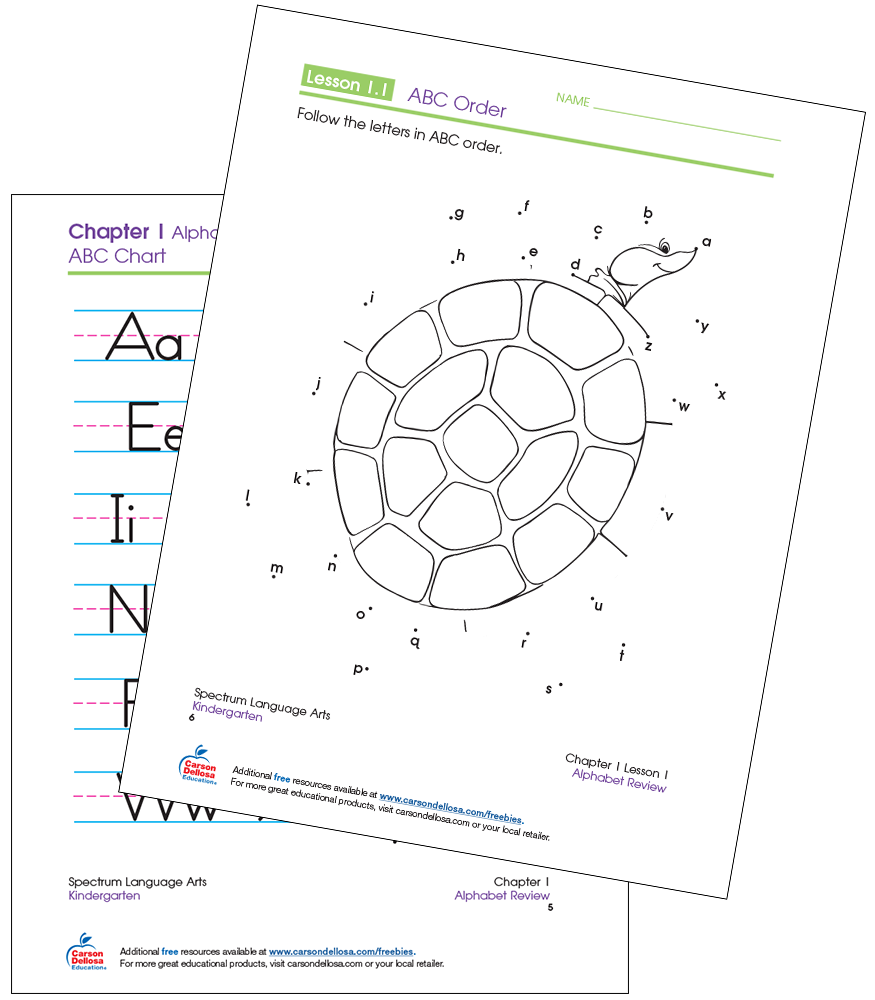
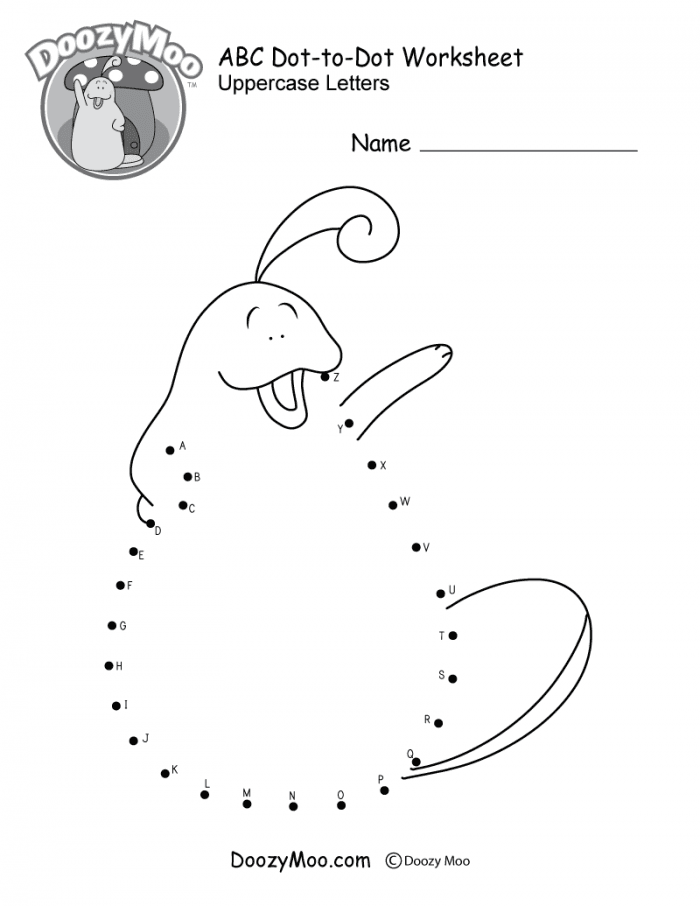
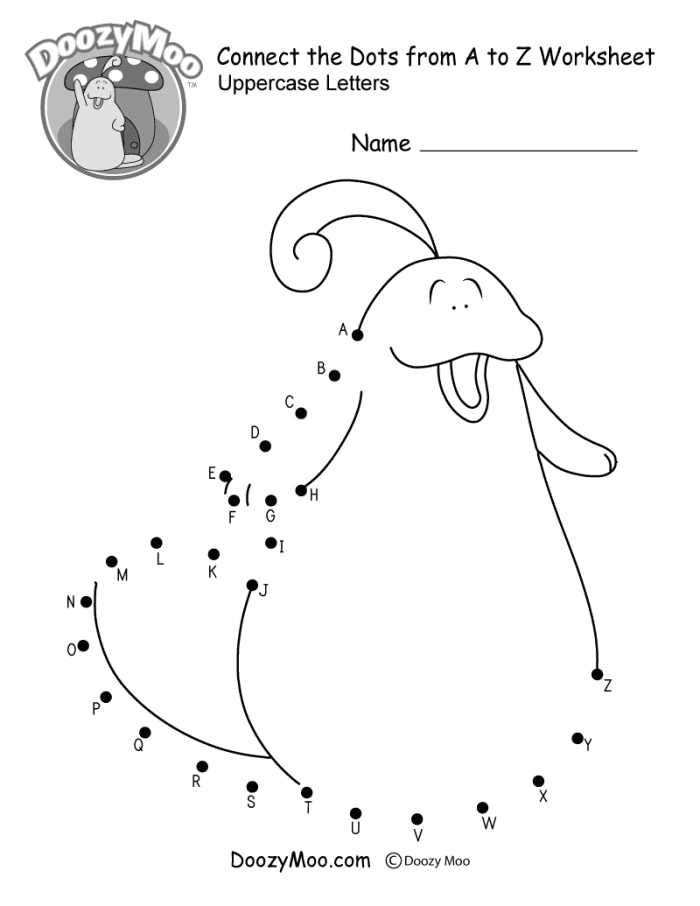
Connect-the-dots activities work because they combine two things young learners need: fine motor practice and letter recognition. When you hand a Pre-K child an ABC connect-the-dots worksheet, you’re giving them a reason to hold a pencil with intention while they trace the path from A to Z. The dinosaur hiding in the alphabet makes the whole experience feel like a discovery rather than a lesson.
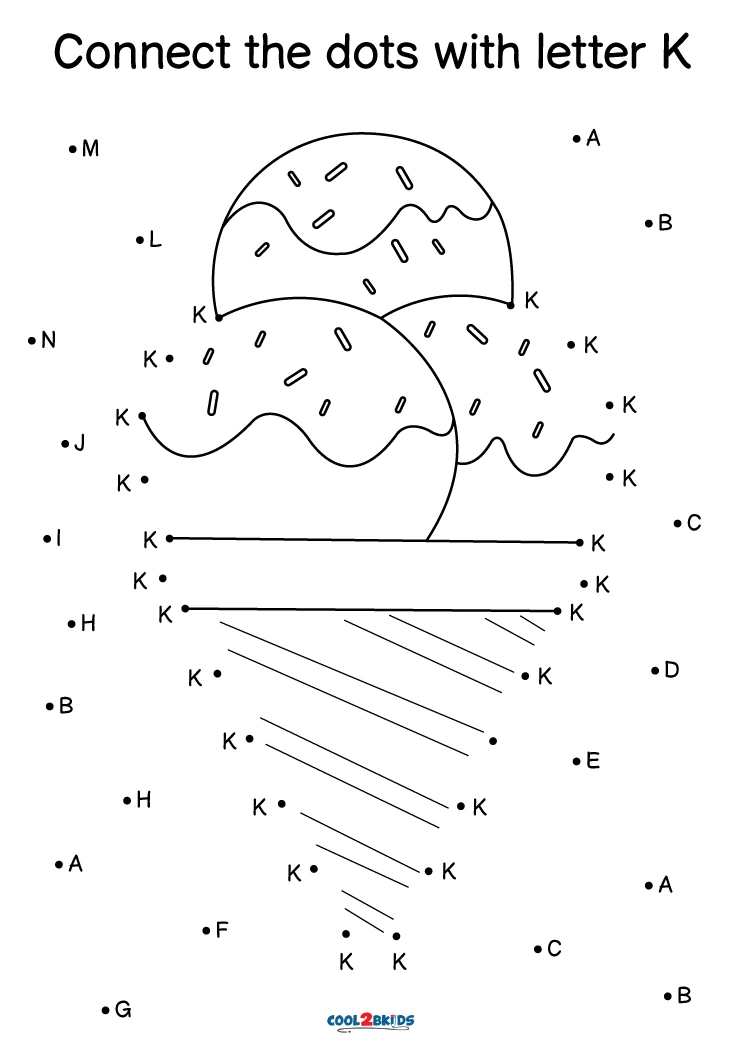
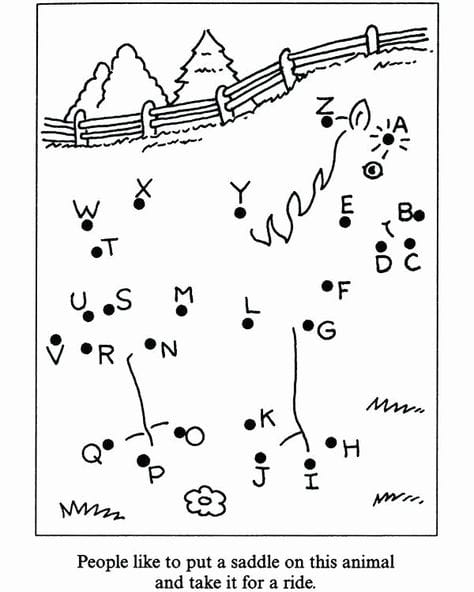
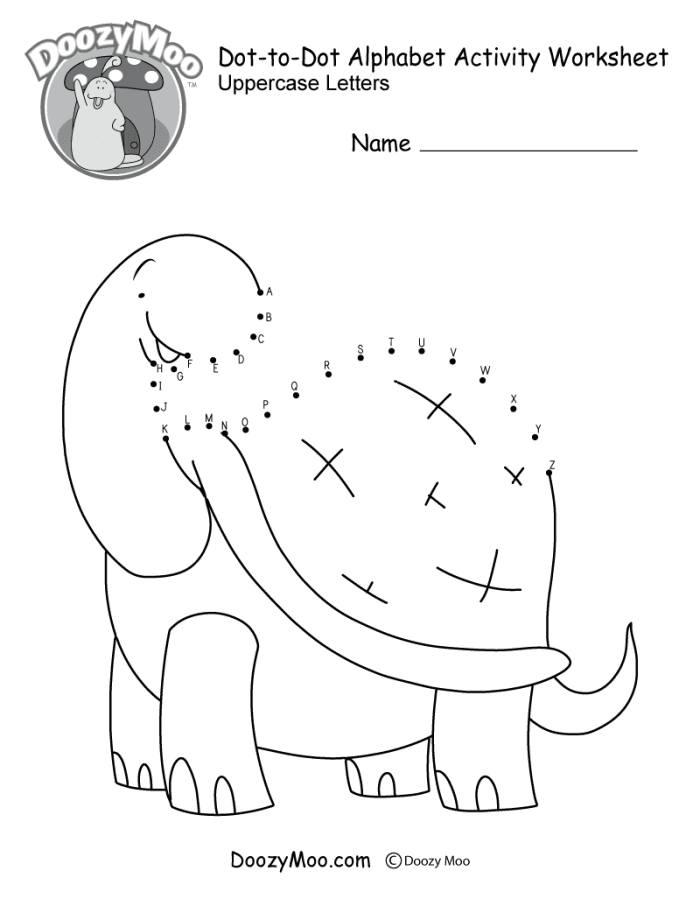
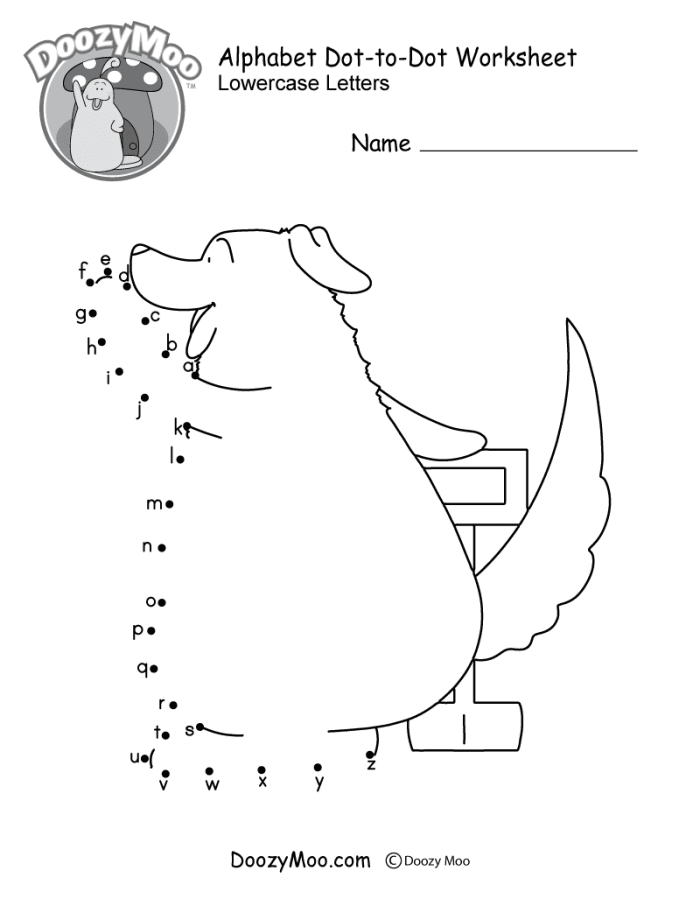
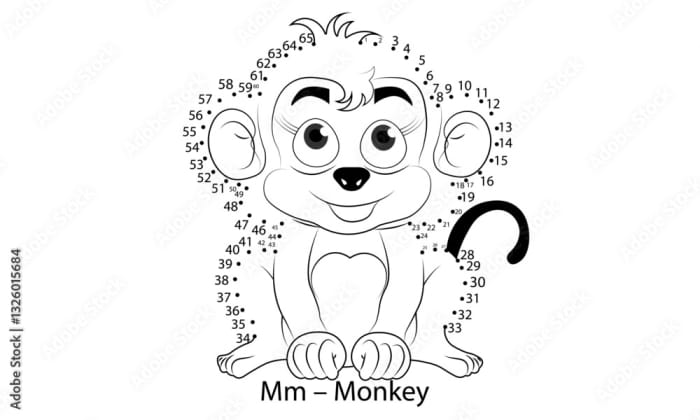
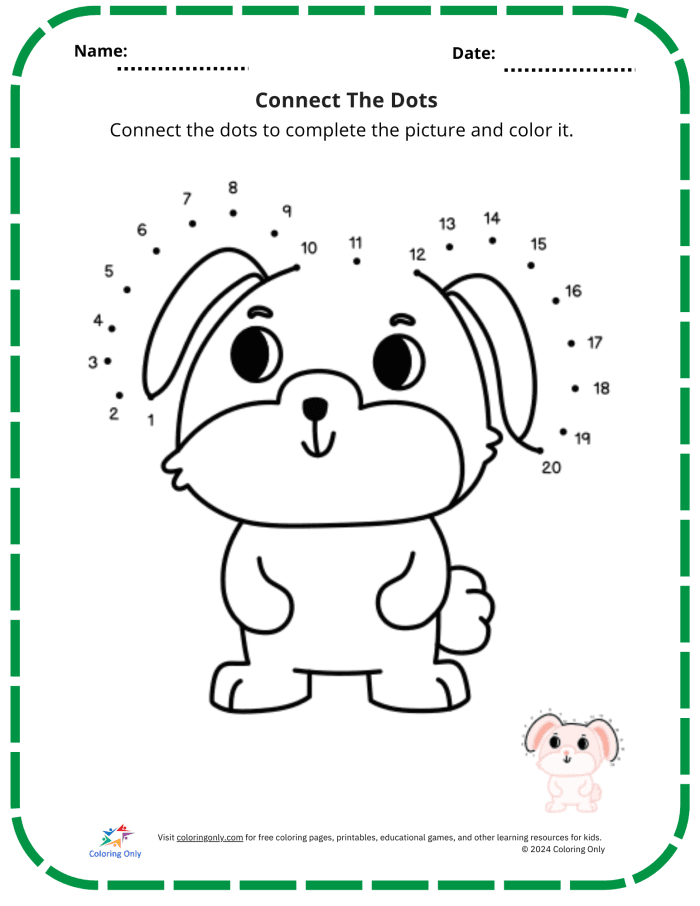
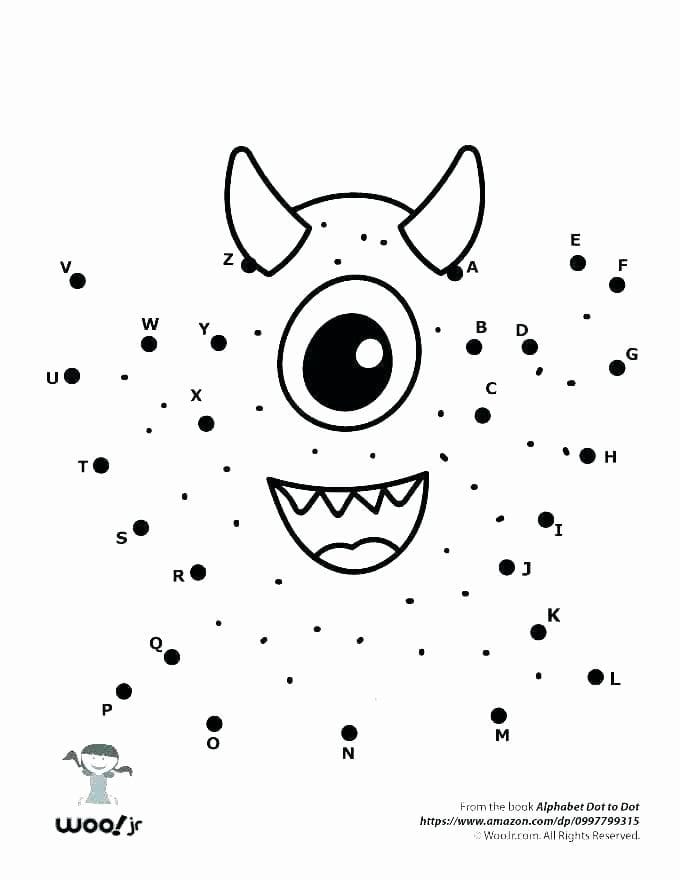
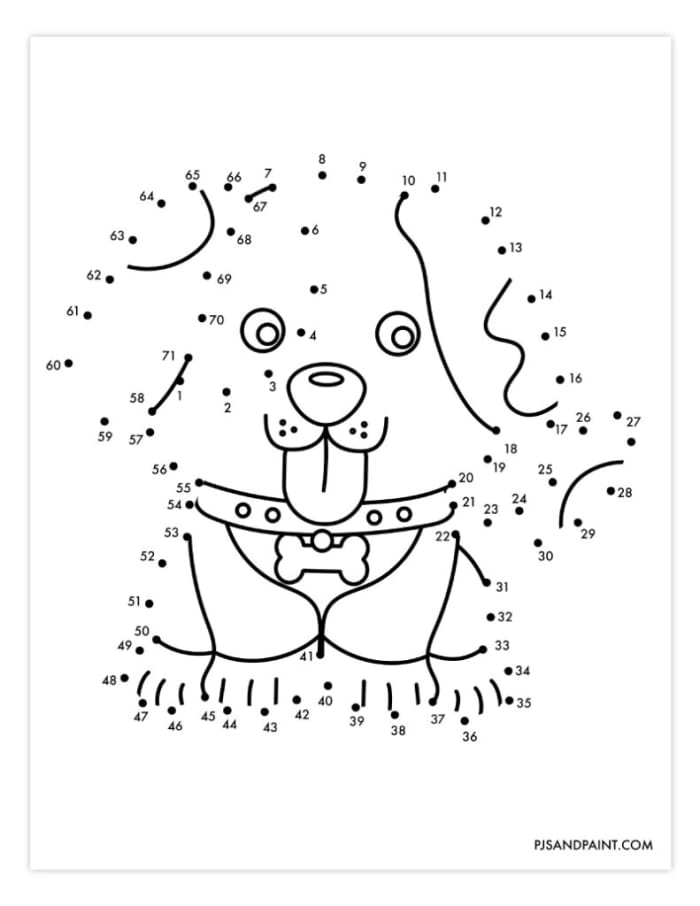
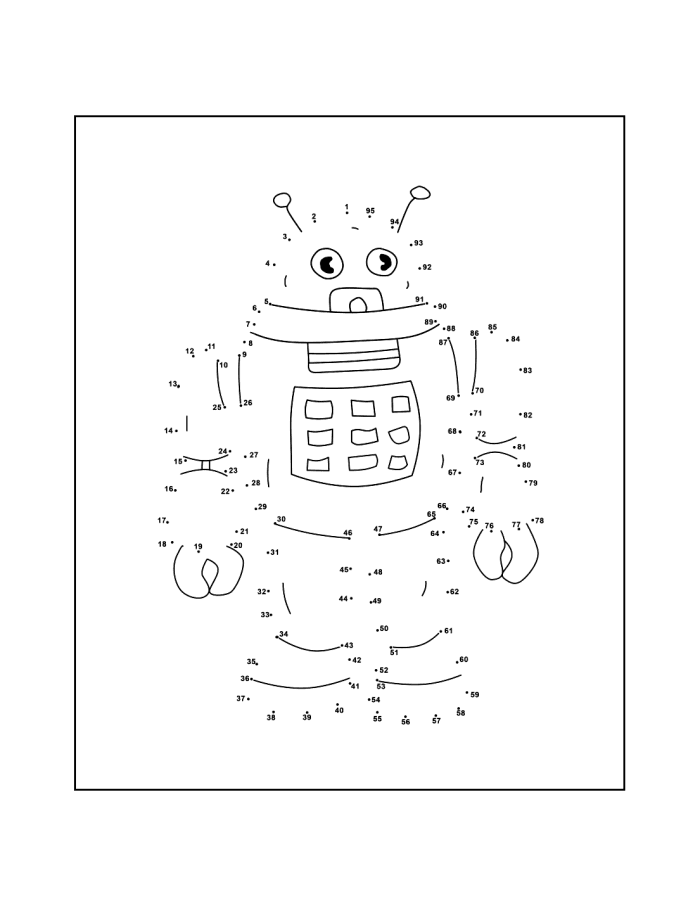
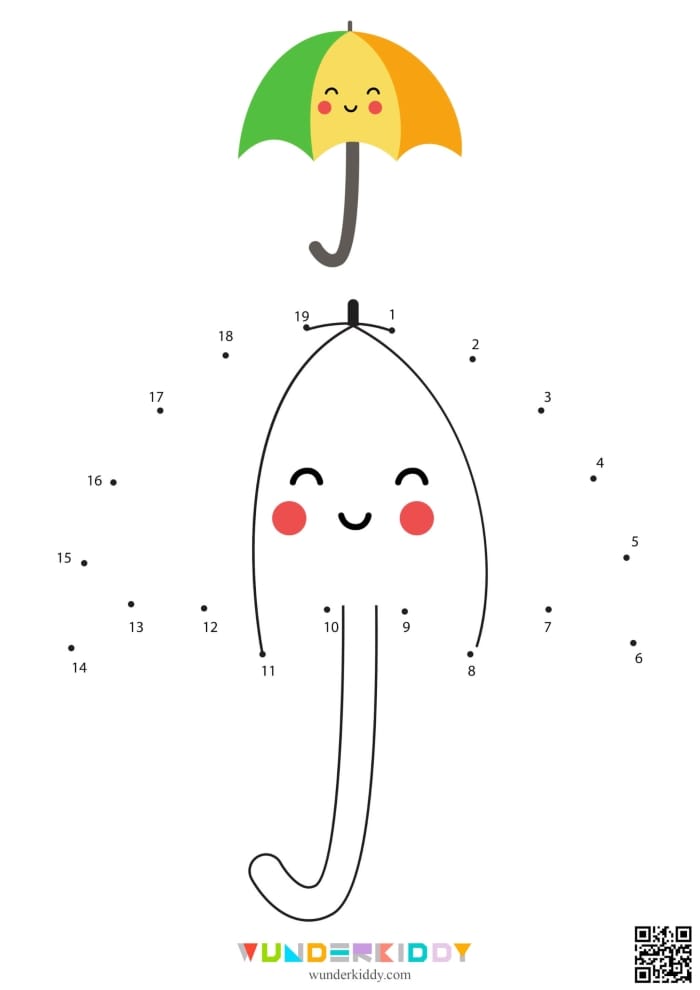
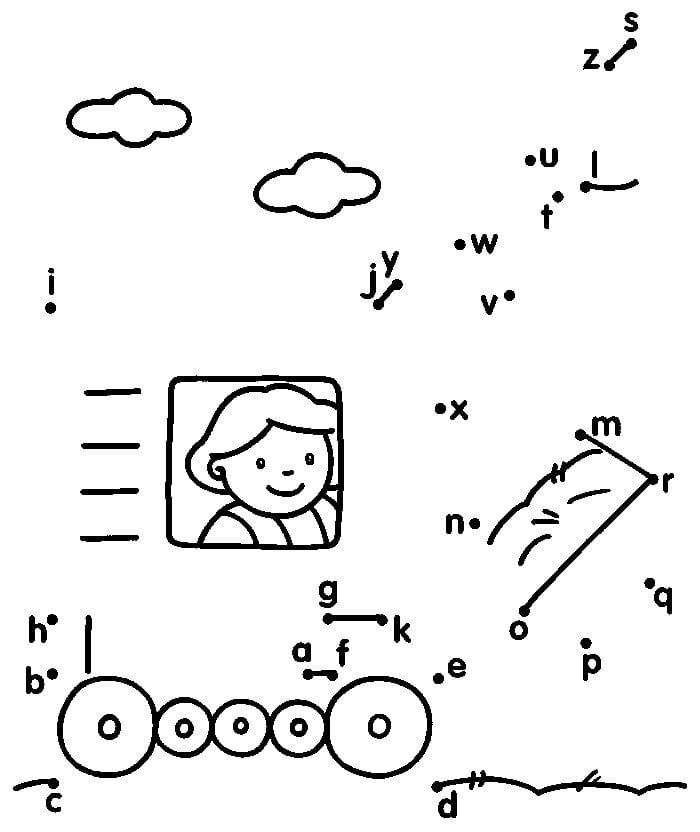
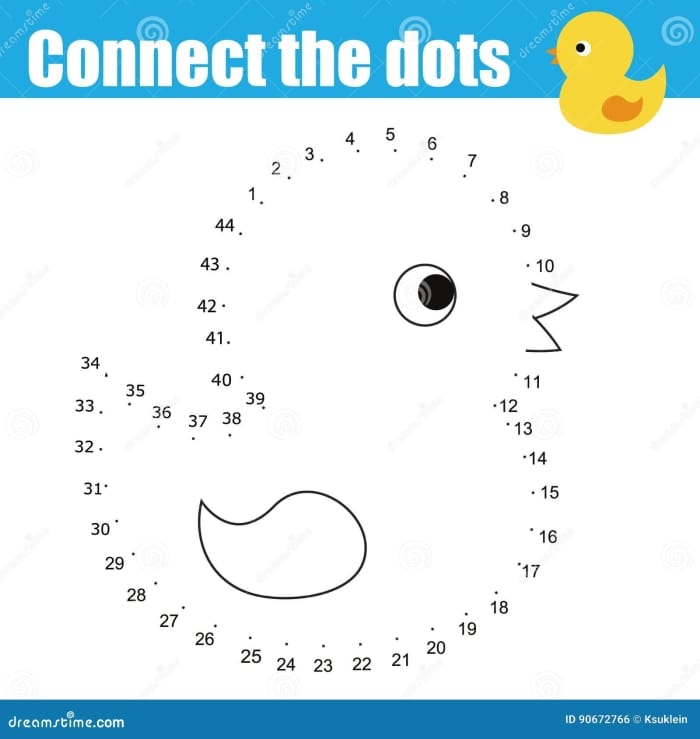
The way these worksheets function is straightforward. Kids follow numbered dots or lettered points in sequence, and as they connect each line, a picture emerges. The dinosaur version works especially well because most Pre-K students find dinosaurs inherently interesting. That built-in appeal means they’re more likely to stay focused and complete the entire activity without getting frustrated.
What makes alphabet practice stick at this age is repetition paired with something tangible. When children see the dinosaur take shape as they work, they’re creating a visual memory attached to the letter sequence. They’re not just reciting A-B-C anymore; they’re physically moving through it. This approach aligns well with how Pre-K brains learn best: through hands-on, multimodal activities.
Beyond the dinosaur, these worksheets serve multiple purposes in a Pre-K classroom or home setting. They strengthen pencil grip, improve hand-eye coordination, and reinforce alphabet order. You can use them as warm-up activities before writing lessons or as independent practice while you work with other students. If you’re looking for complementary activities, cutting activities that develop fine motor skills pair nicely with connect-the-dots work.
The beauty of the dinosaur angle is that it naturally appeals to Pre-K learners without feeling babyish. It’s a character, a mystery to solve, and a reason to practice letters all at once. Print a few copies and watch how quickly kids ask to do another one.
Boost Skills with These Worksheets