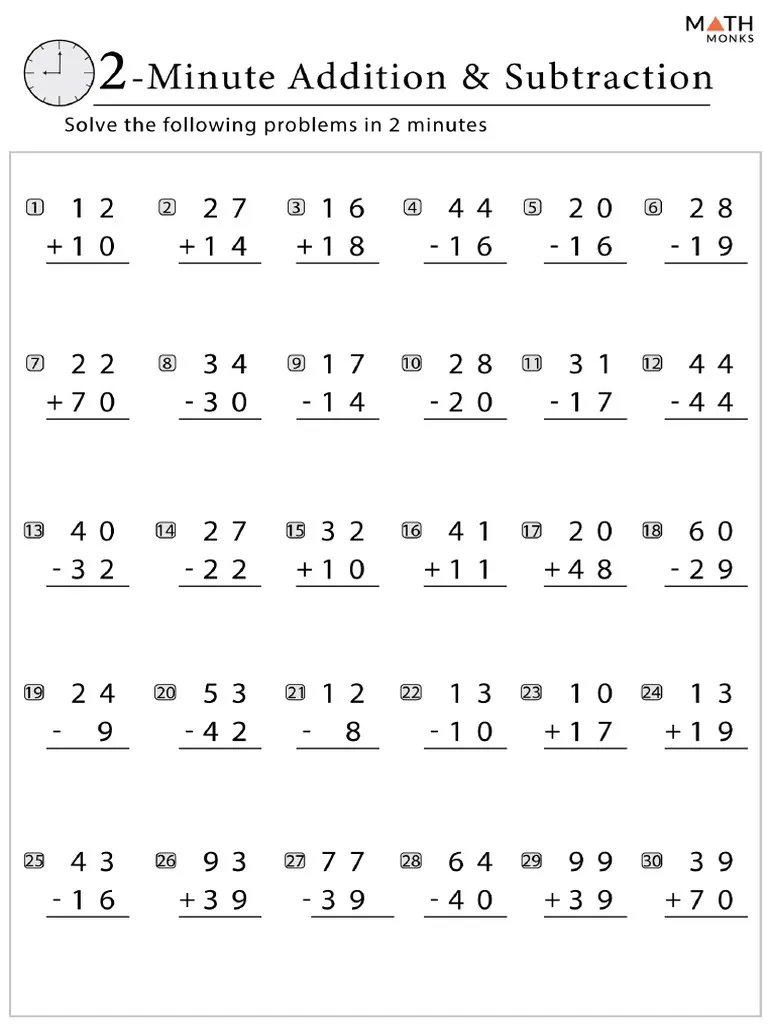
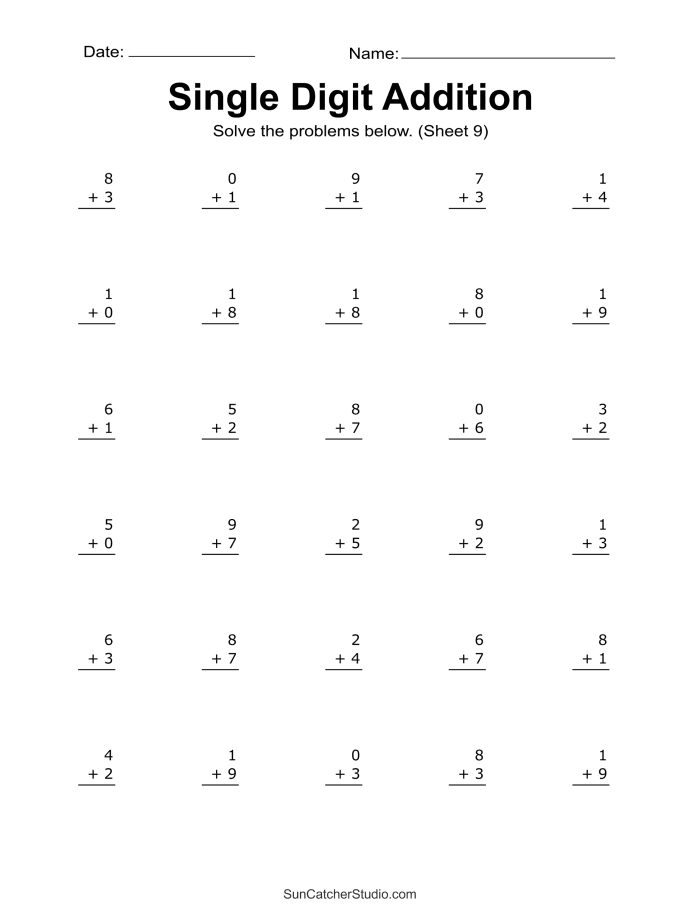
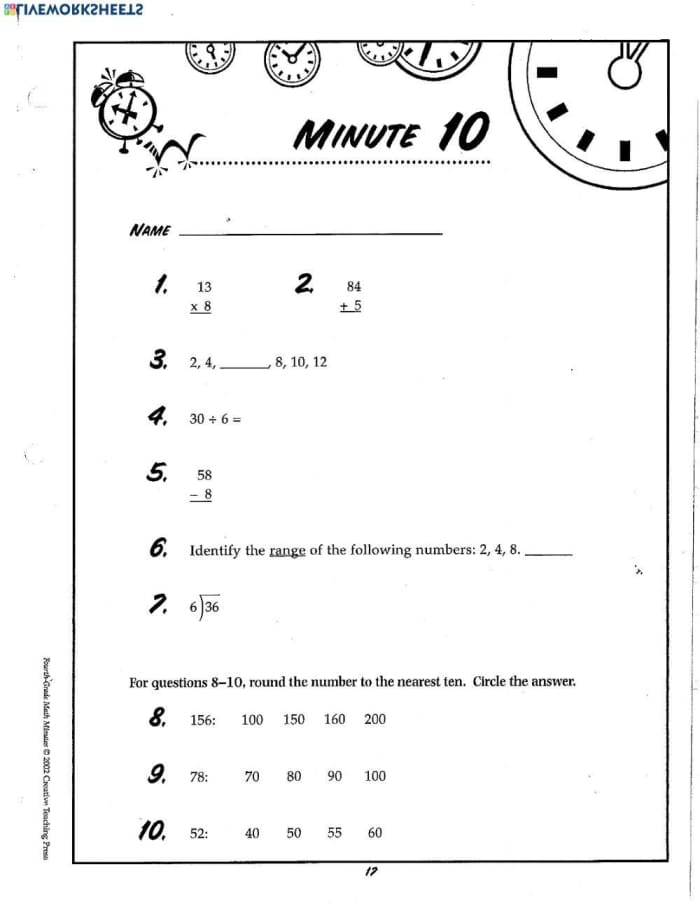
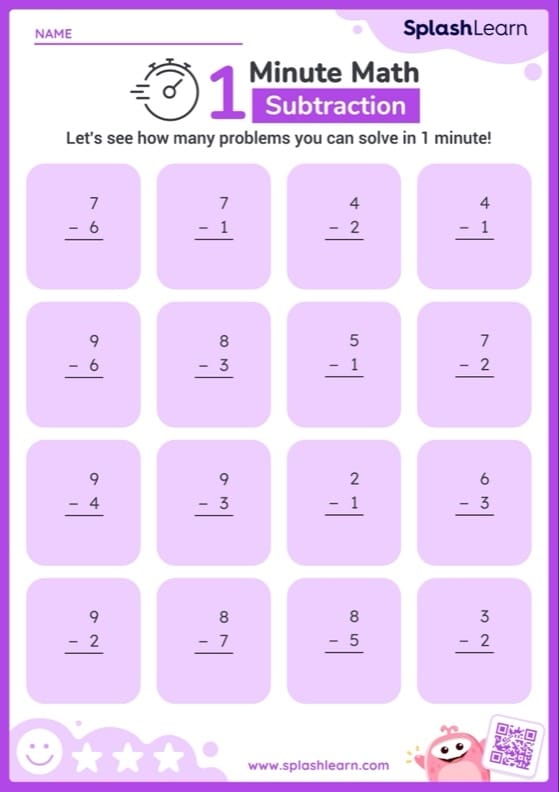
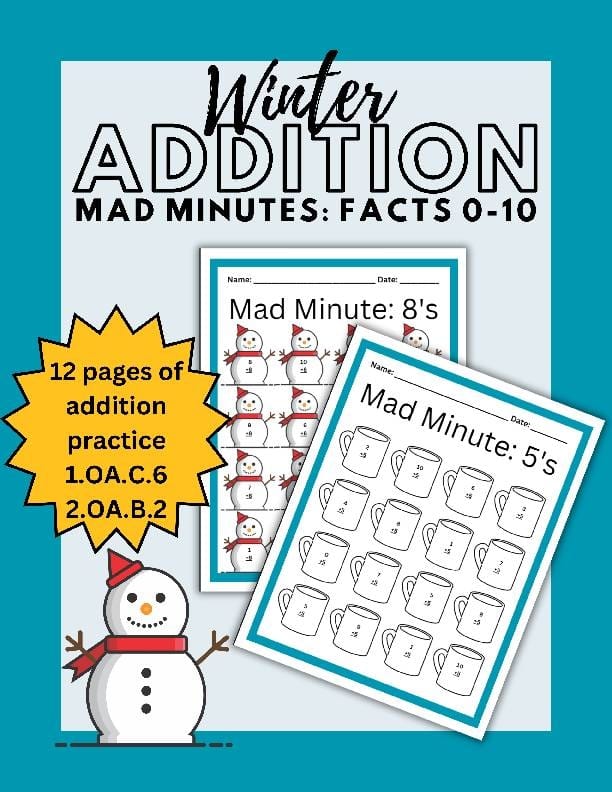
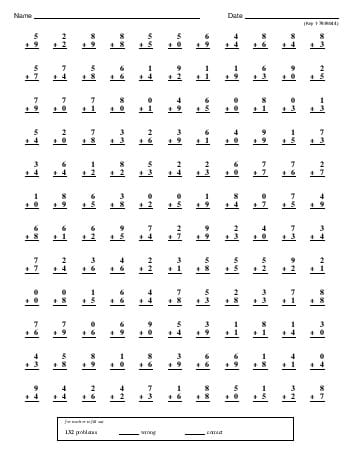
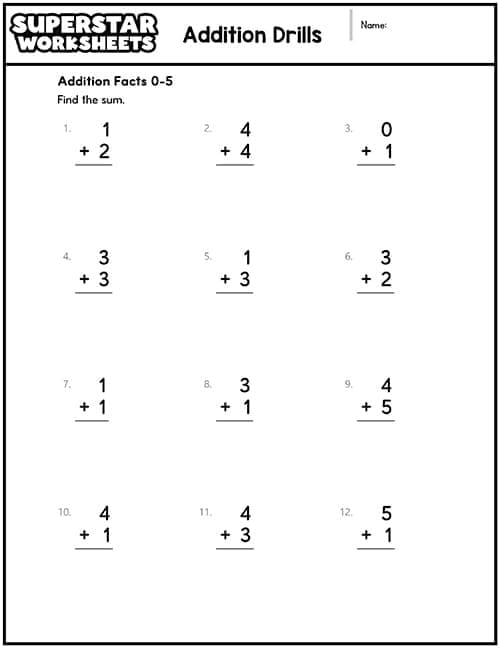
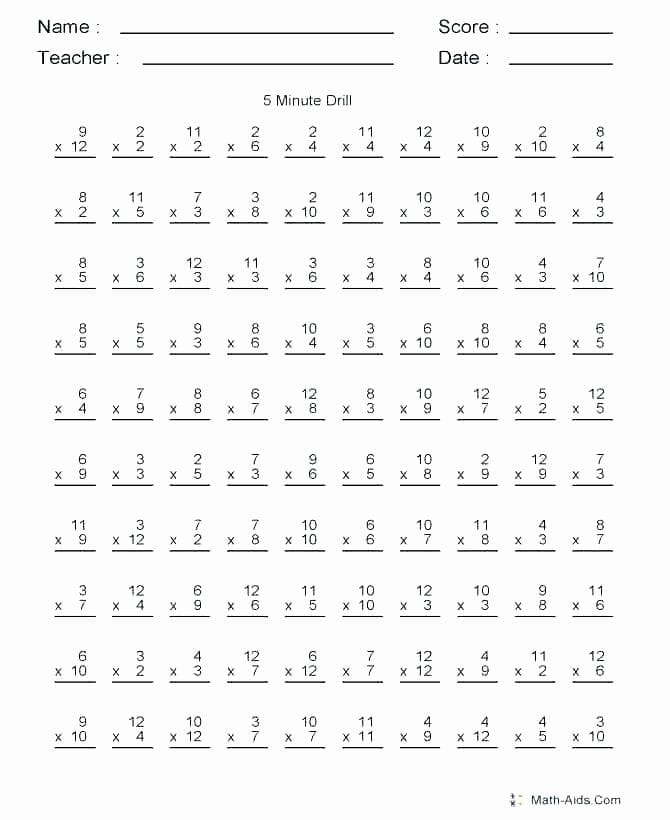
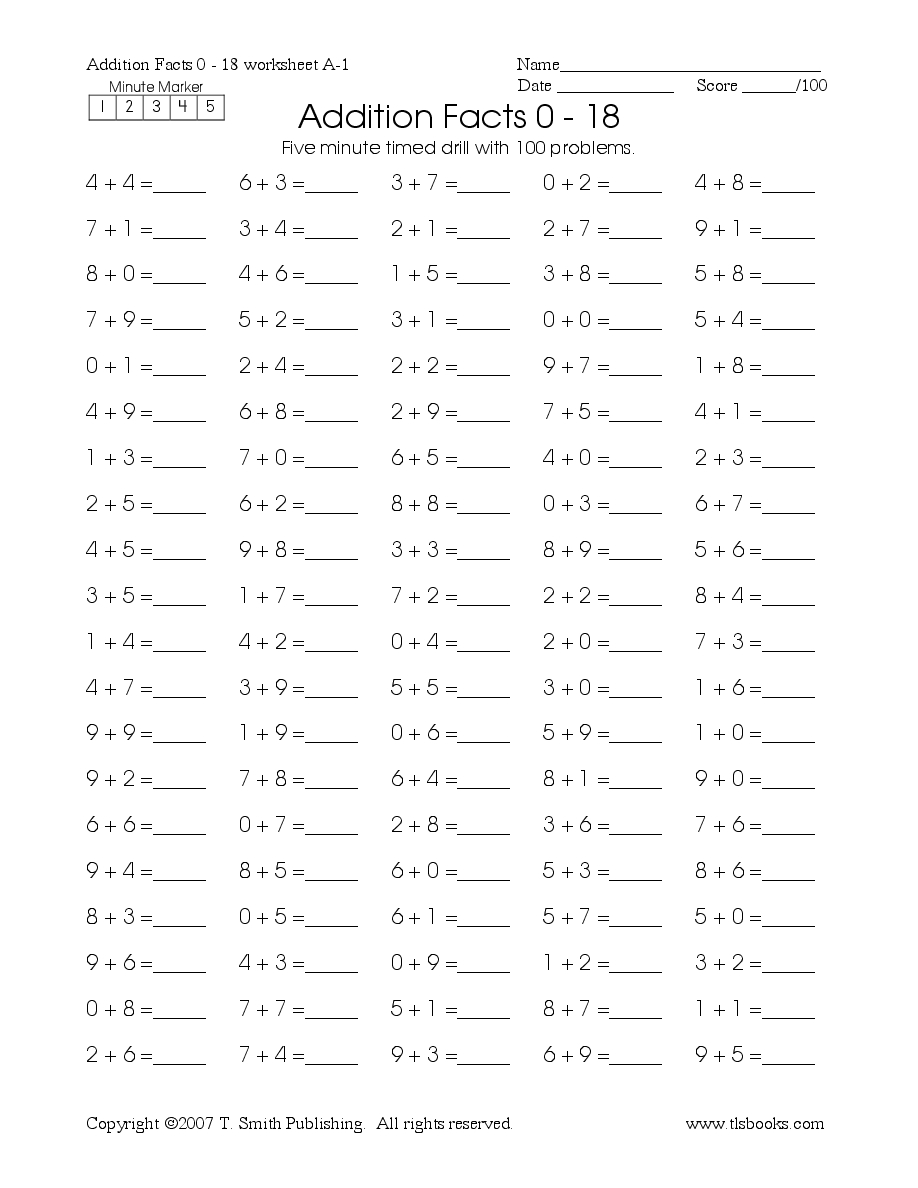
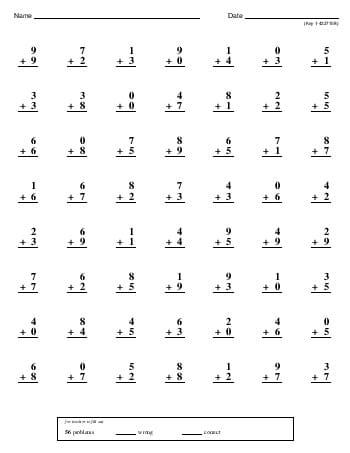
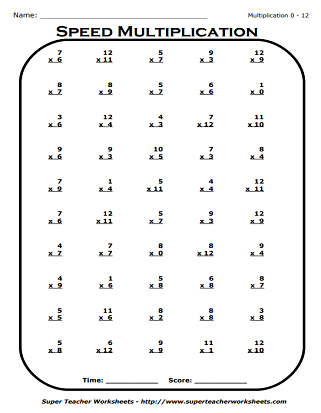
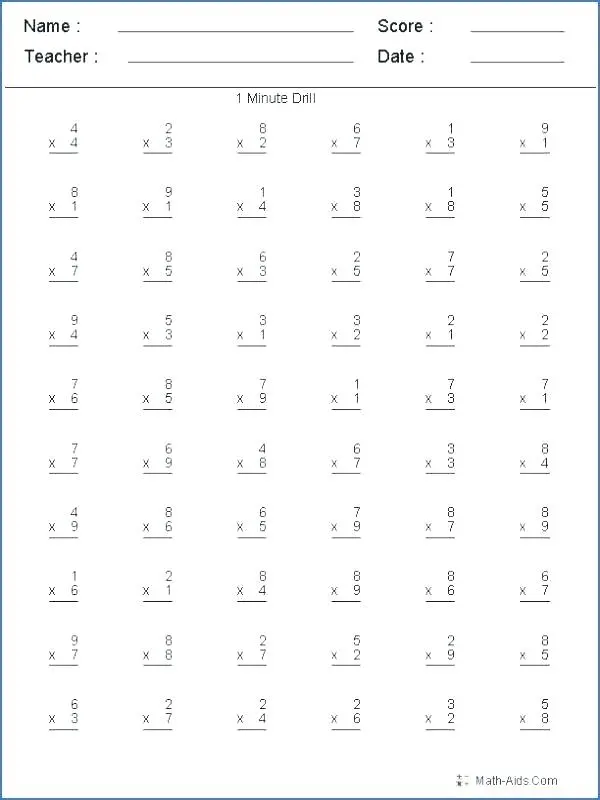
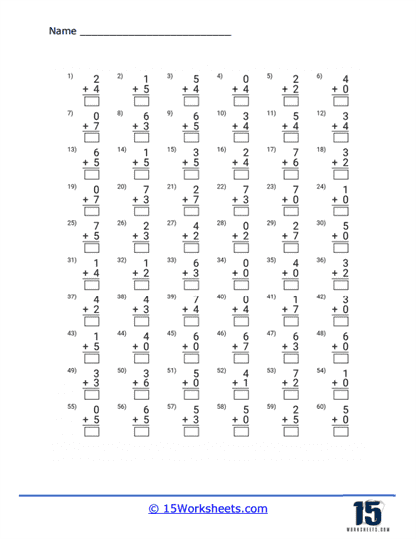
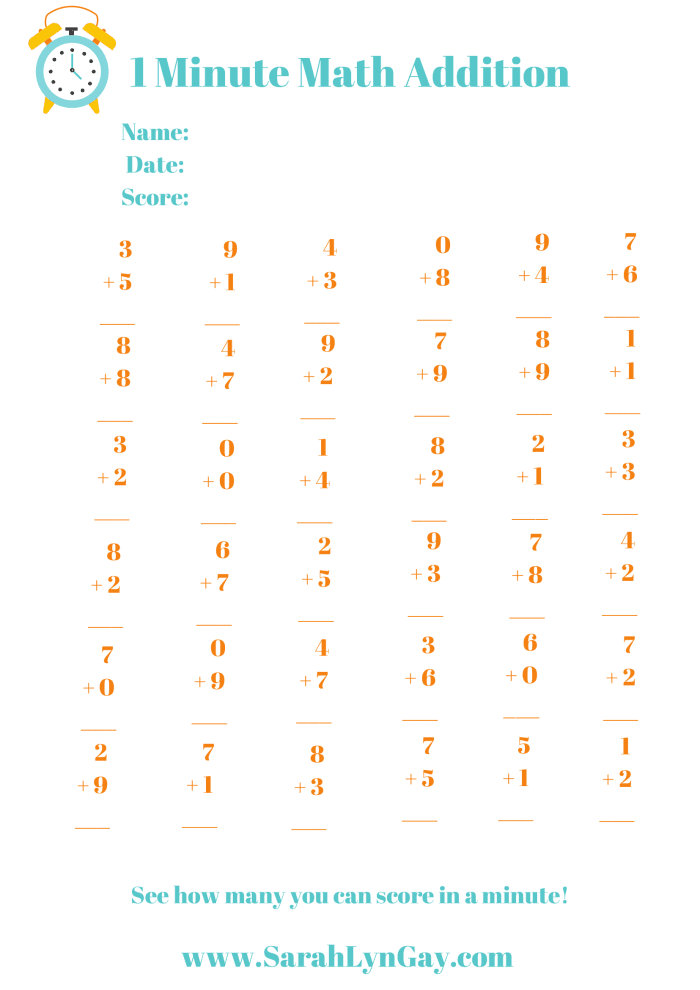
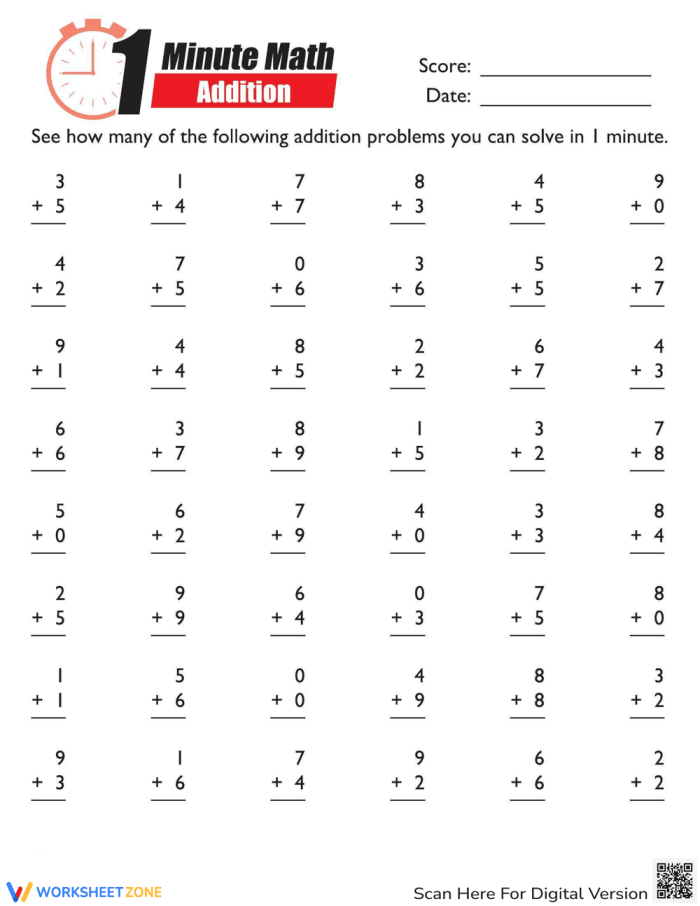
The clock is ticking, and your second grade students are ready. A timed addition worksheet transforms what could feel like routine practice into an engaging challenge that keeps kids focused and motivated. When you set that timer and count down, something shifts in the classroom energy. Students sit up straighter, pencils hover over paper, and suddenly addition facts become a race worth winning.
Timed math activities work because they create urgency without pressure. Second grade learners are developing automaticity with basic addition facts, and speed drills help cement those connections in memory. The goal isn’t to stress children but to build confidence as they recognize patterns and retrieve facts faster. When a student who struggled with 7+5 suddenly solves it in seconds, that’s a genuine confidence boost that carries into other math work.
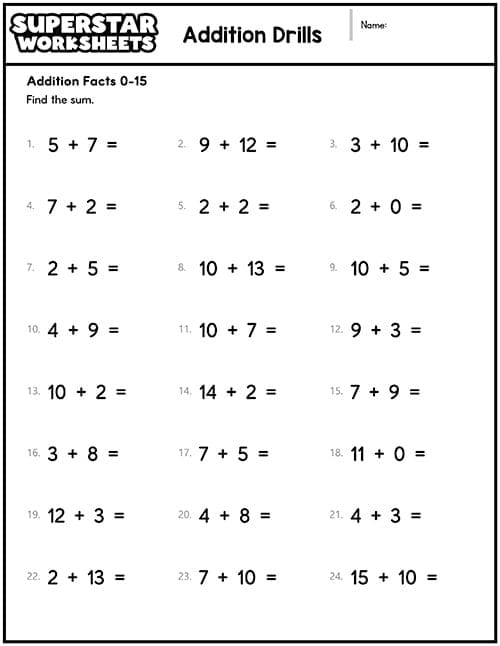
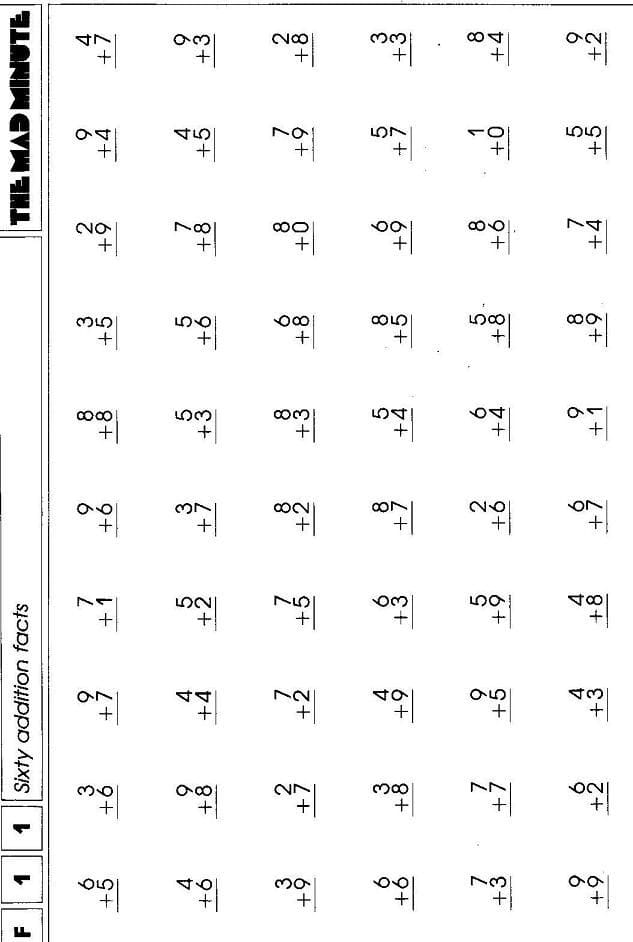
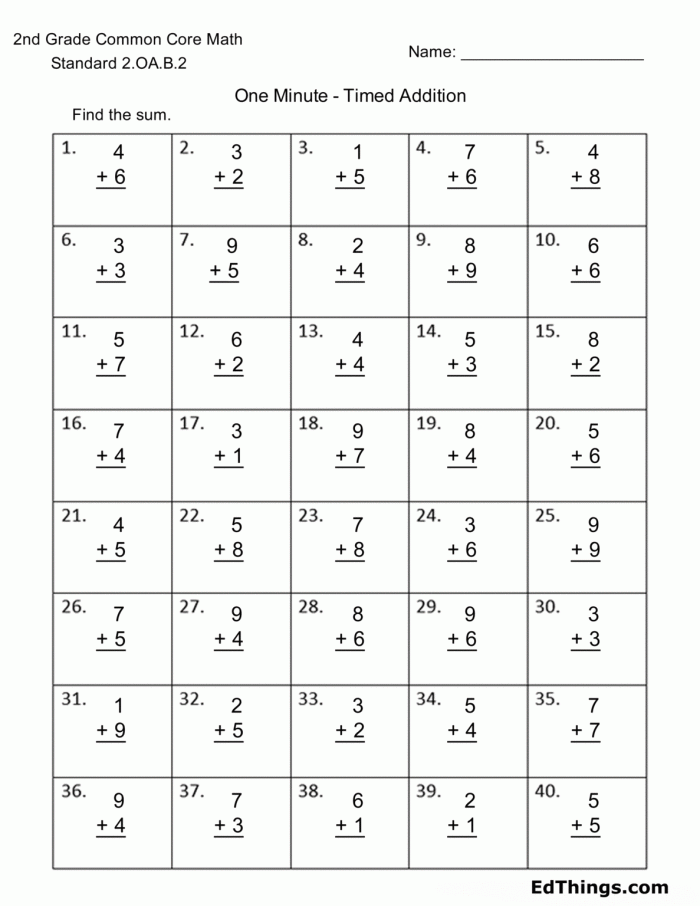
What makes these worksheets effective is their simplicity. A solid timed addition worksheet focuses on one skill: quick recall of addition facts within a specific range. No distracting graphics or confusing word problems. Just clean, clear problems that students can work through systematically. You might pair these with other resources like mixed operation word problems to build broader math skills, but the timed sheet serves its specific purpose well.
Teachers often use these worksheets as quick assessments too. After three or four minutes of work, you can see which facts students know fluently and which ones need more practice. This information guides your next lessons and small group instruction. Some classrooms use them as warm-ups before tackling more complex addition concepts, while others use them as exit tickets to check understanding before moving on.
The beauty of printable timed addition worksheets is their flexibility. You can use them daily, weekly, or as needed. Students progress naturally as their speed improves, and you can adjust difficulty by changing the numbers involved. For second graders building foundational math skills, these simple, focused activities remain one of the most straightforward ways to develop fluency that sticks.
Worksheet Practice Section