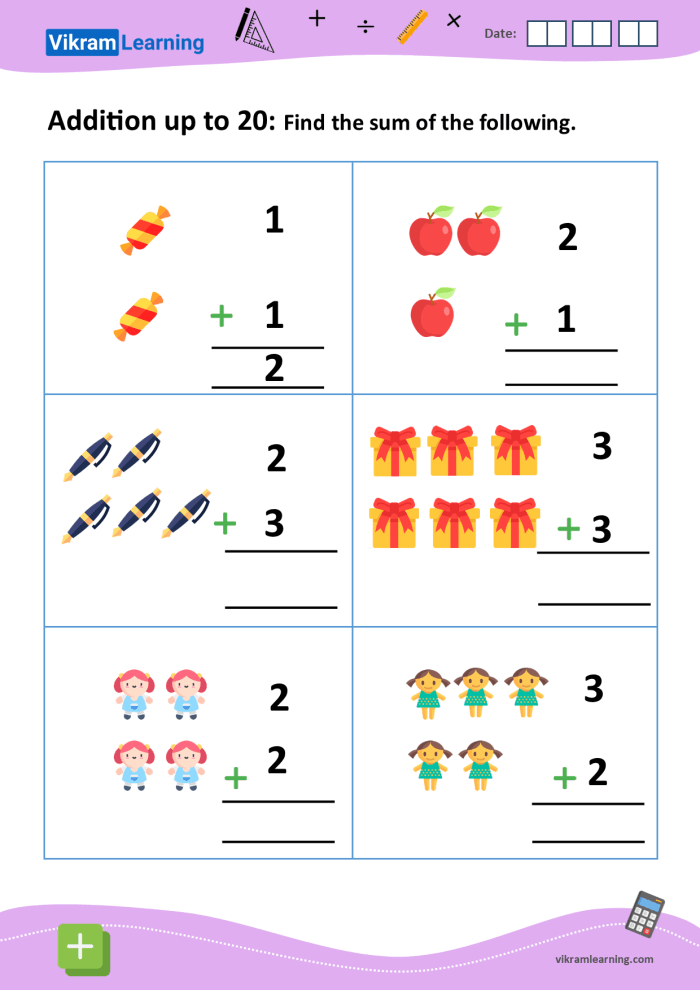
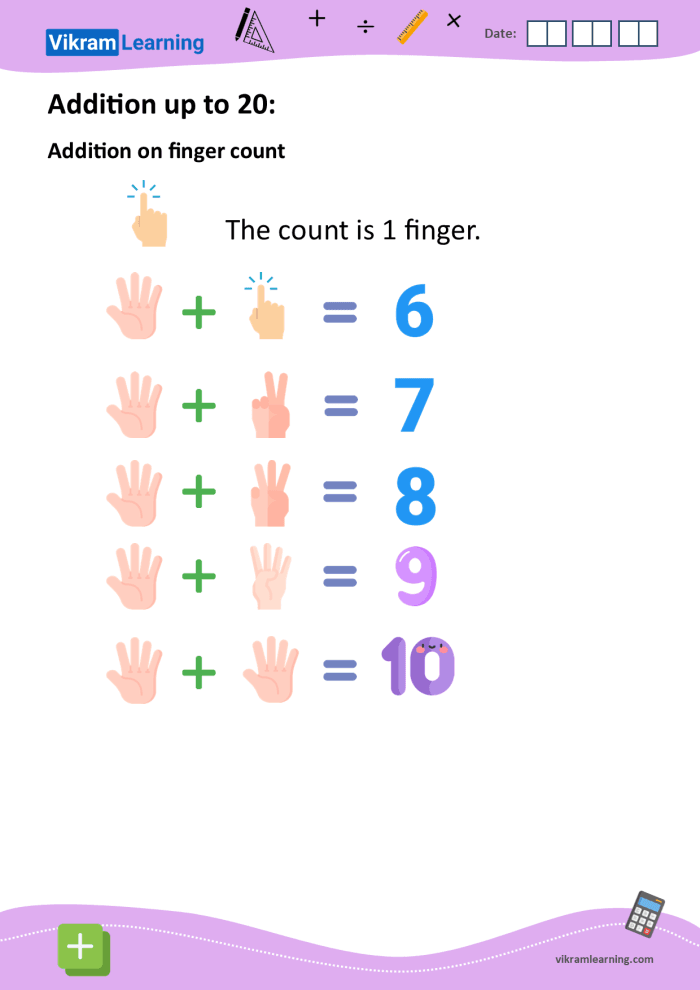
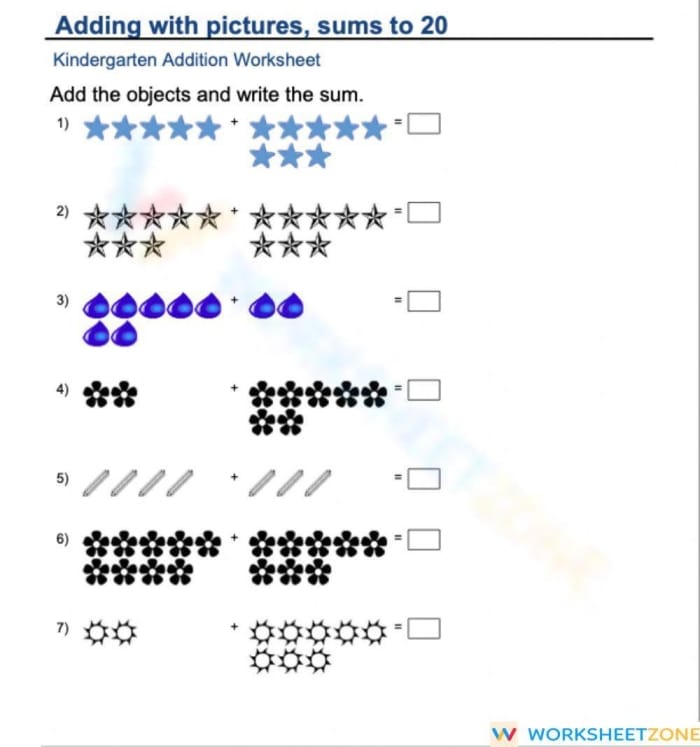
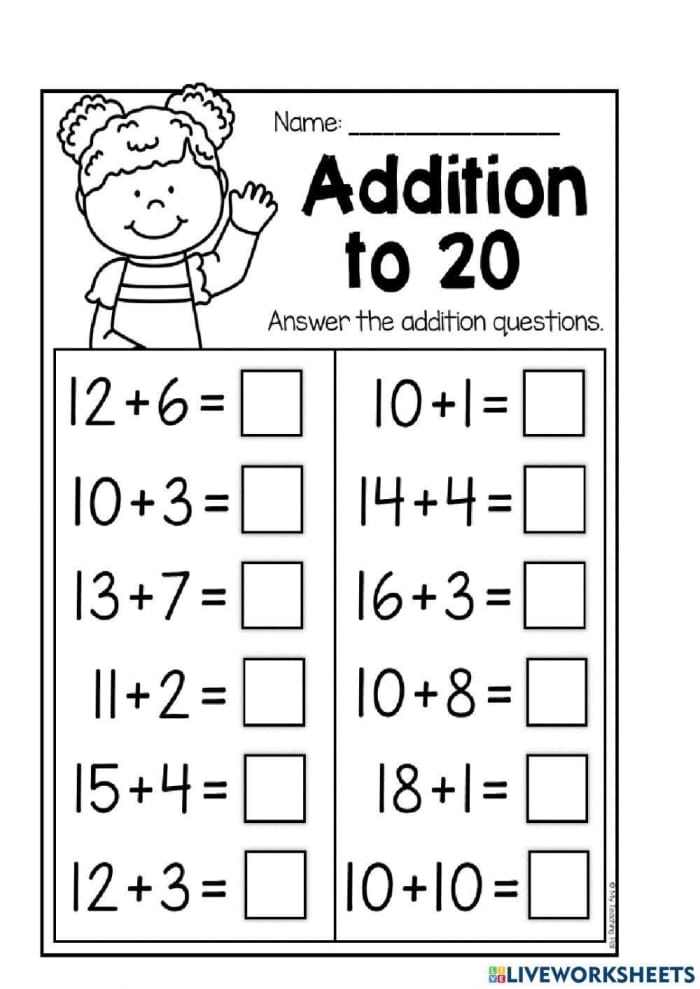
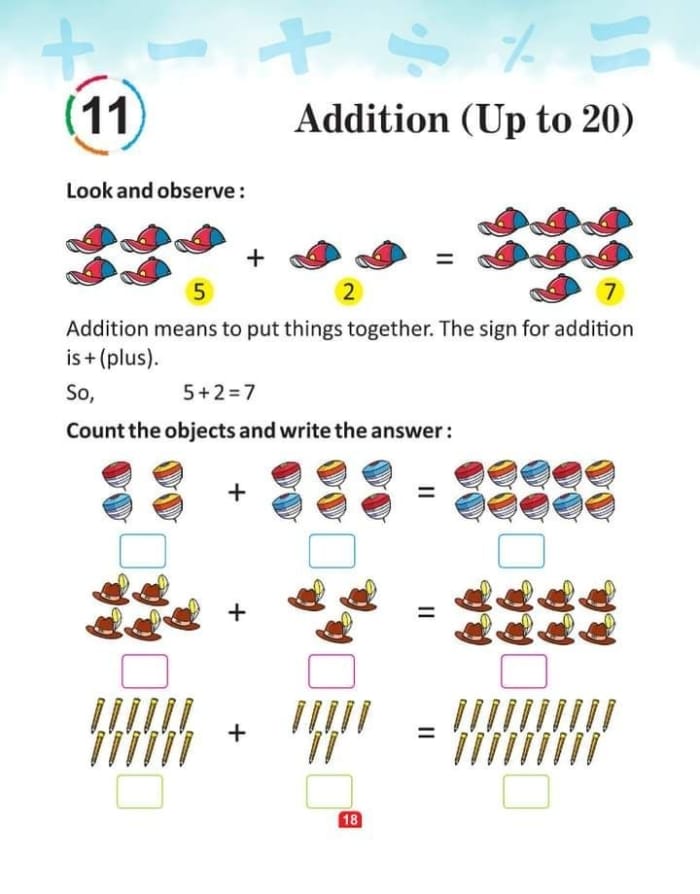
When kindergarten students first encounter addition, the concept can feel overwhelming. Numbers, symbols, and abstract thinking don’t come naturally to young learners who still think in concrete, visual terms. That’s where a well-designed worksheet makes all the difference.
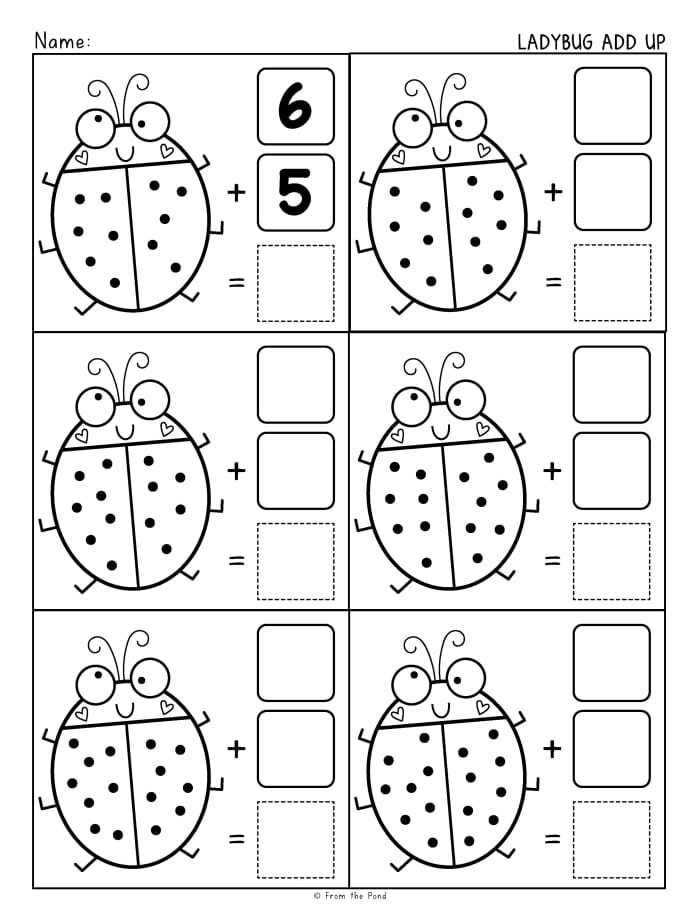
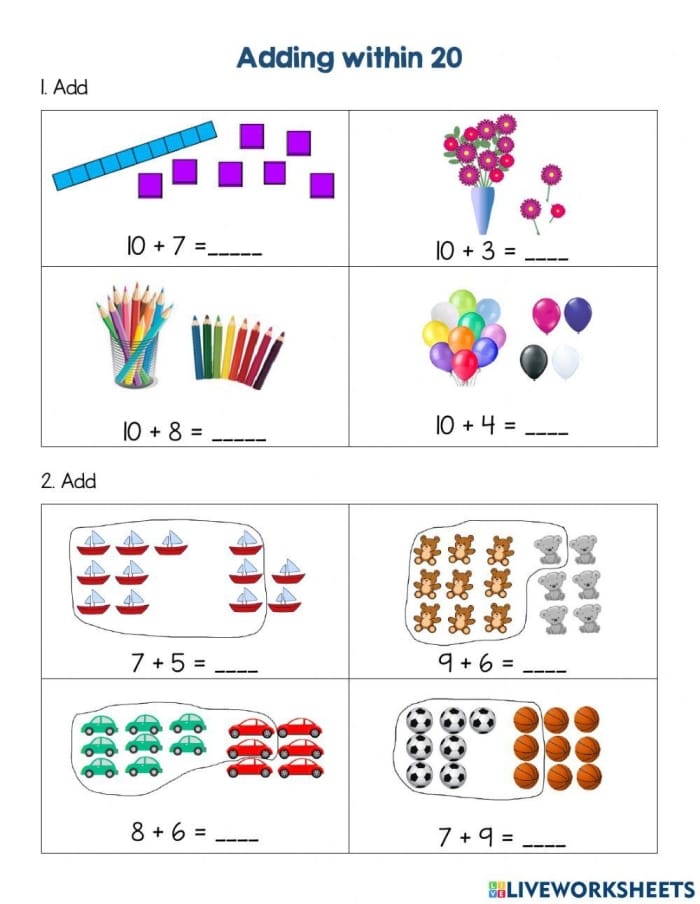
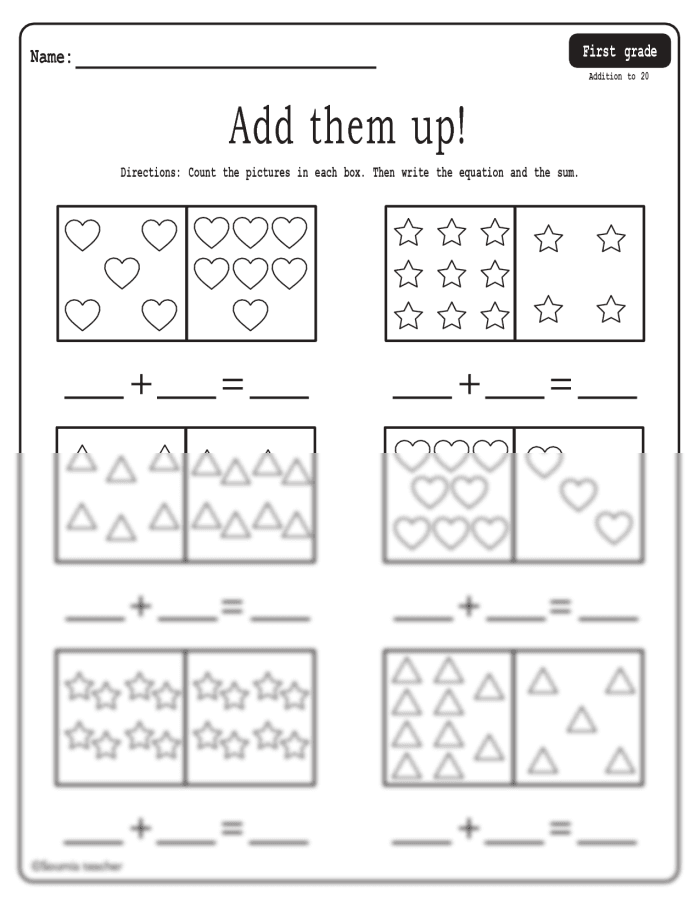
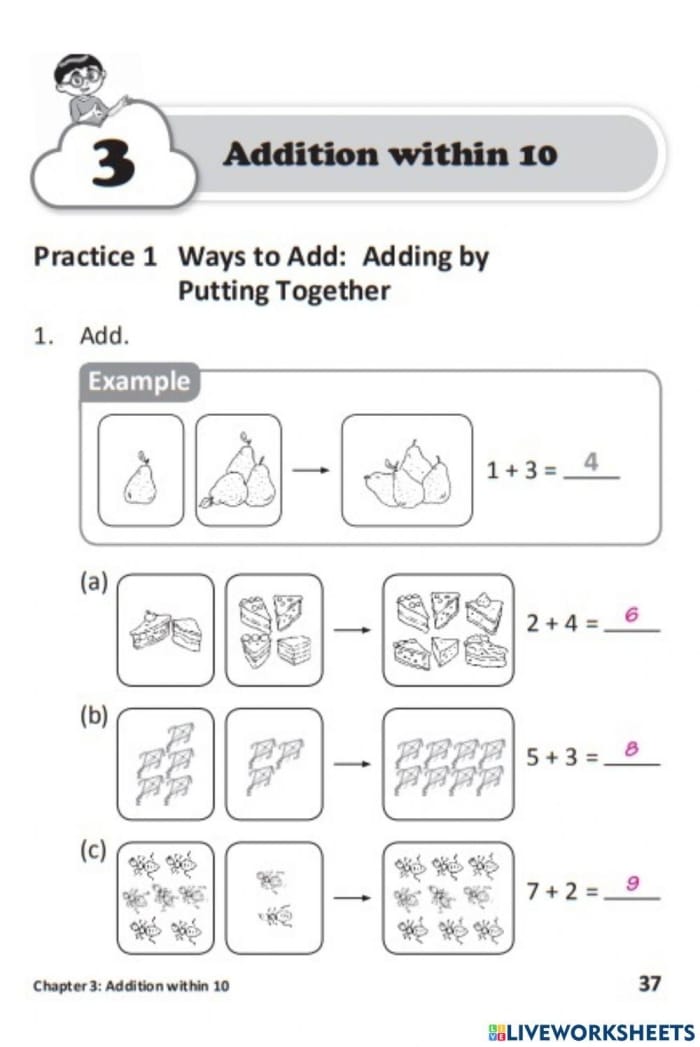
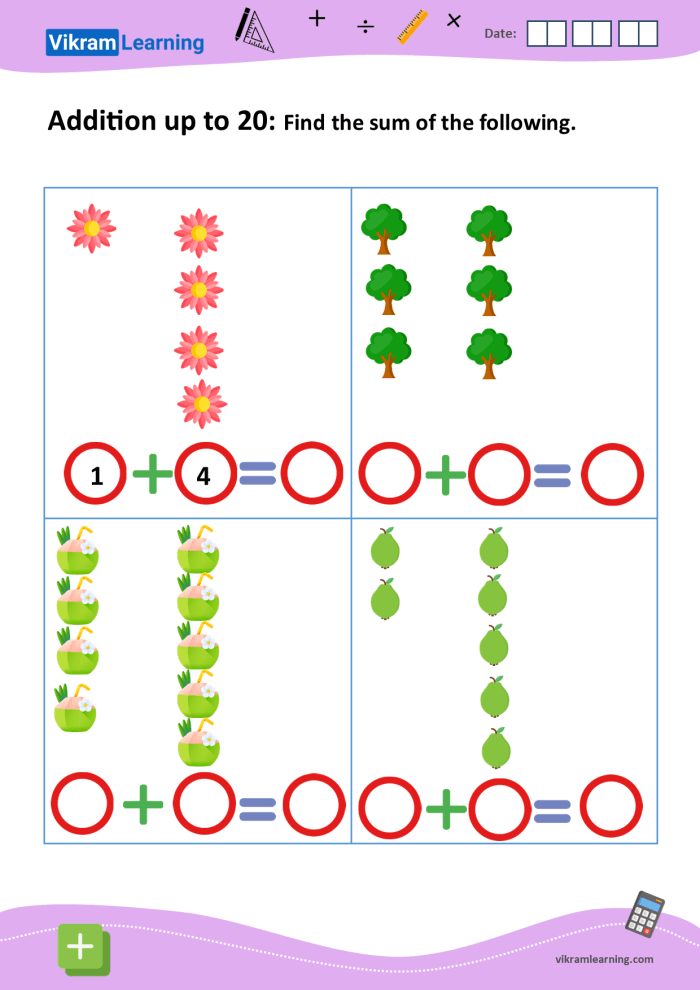
Imagine explaining addition to a child by pointing at balloons floating across a page. Suddenly, the math isn’t abstract anymore. Two balloons plus three balloons equals five balloons. The child can see it, count it, and understand it in a way that feels intuitive rather than forced. This is the core principle behind colorful, simple worksheets designed for early learners tackling addition within 20.
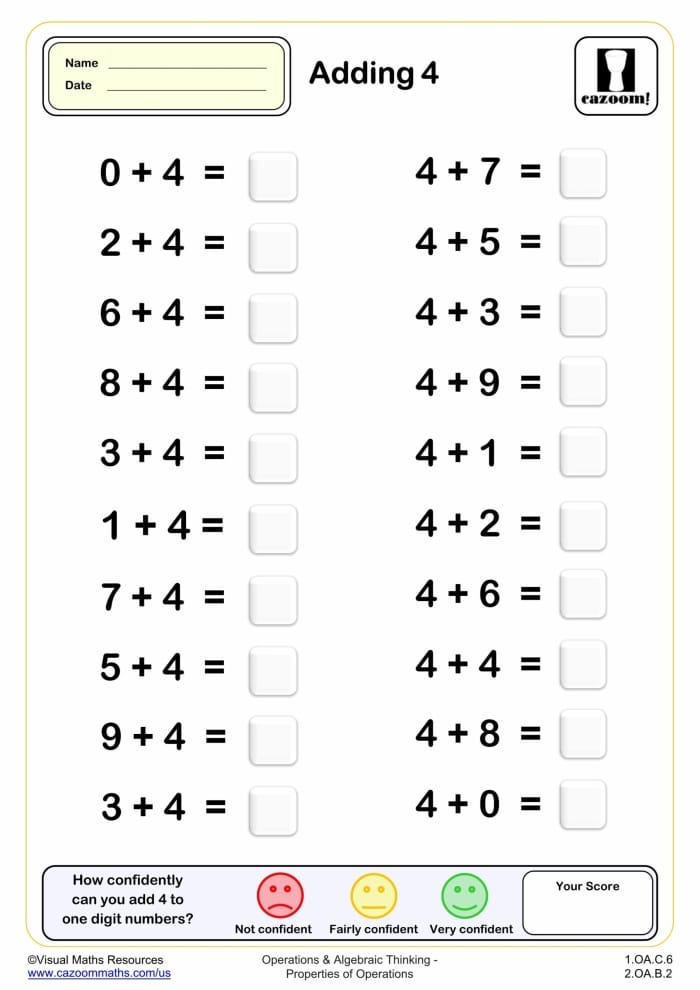
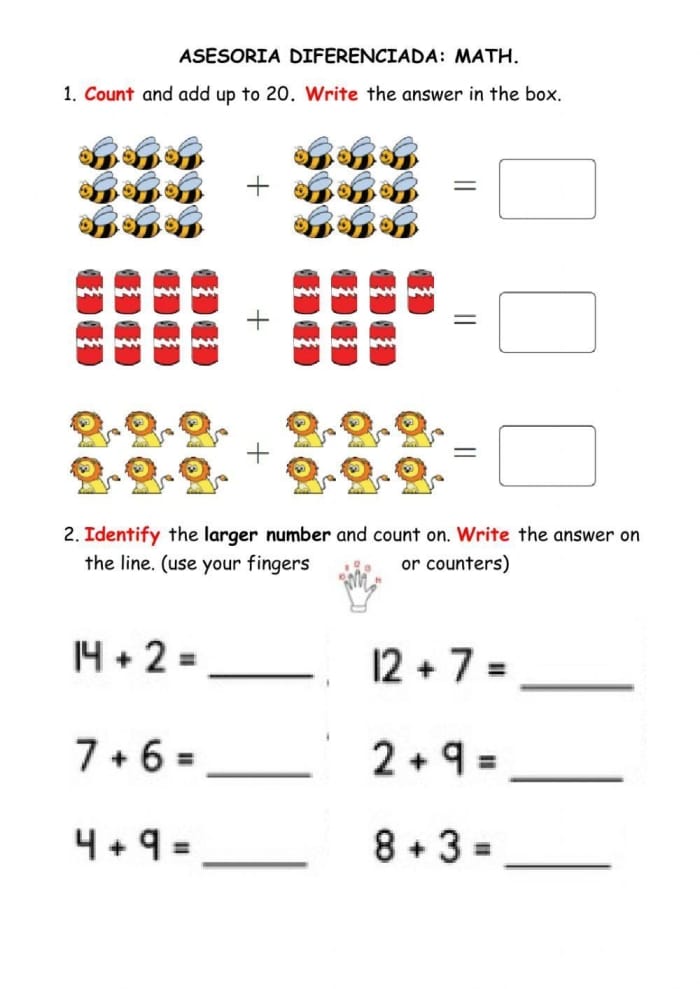
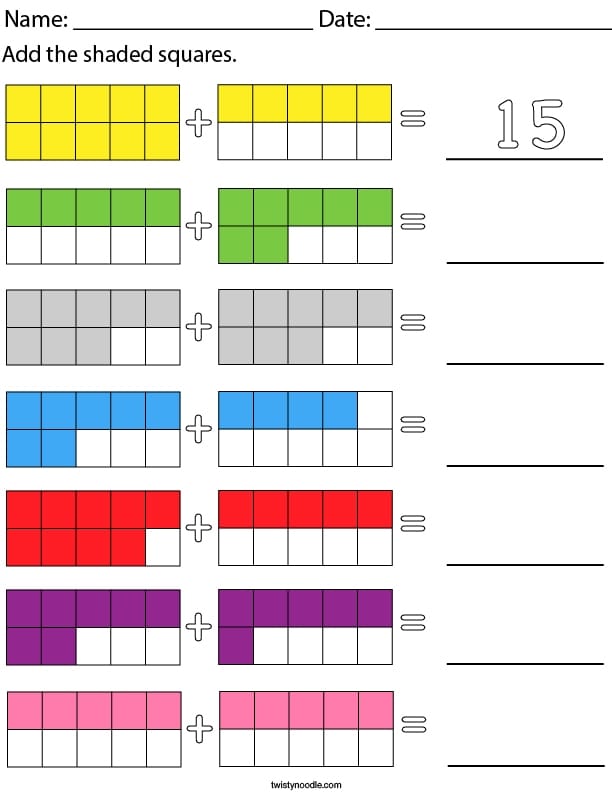
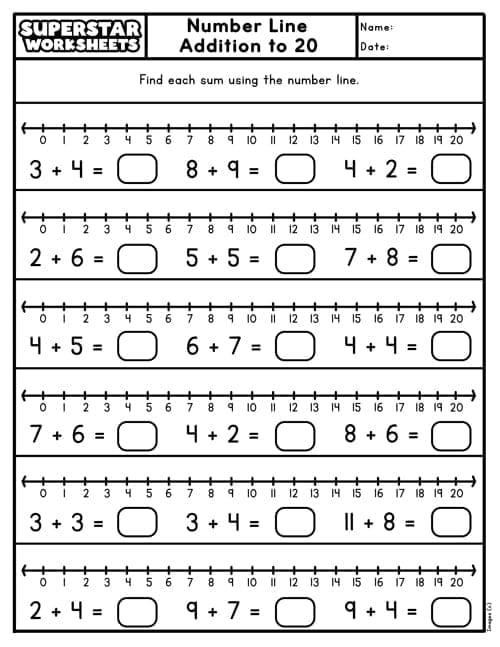
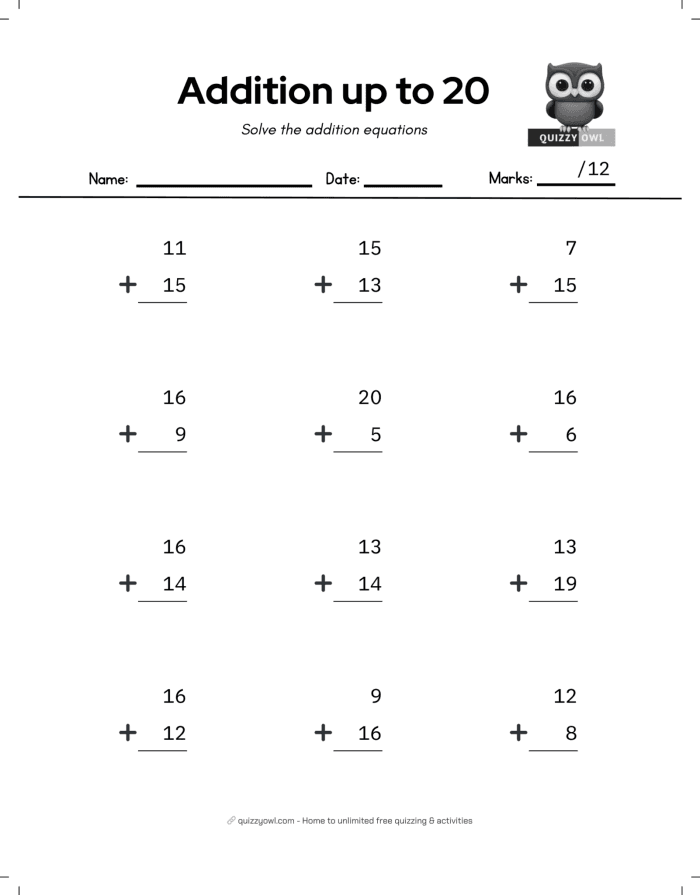
The beauty of this approach lies in its simplicity. Young students don’t need complex diagrams or confusing layouts. They need bright colors that hold their attention, clear illustrations they can actually count, and enough space to write their answers without feeling cramped. When a worksheet combines these elements, adding numbers within 20 becomes less like a math lesson and more like a game.
Visual learning works particularly well during the kindergarten and addition stage because it bridges the gap between concrete objects and abstract numbers. A child who can physically point to balloons and count them builds confidence before moving toward mental math. This progression matters. Students who struggle with traditional number problems often flourish when given visual anchors to work with.
Worksheets featuring themed illustrations also maintain engagement longer. Whether the balloons are paired with Easter imagery, holiday decorations, or simple everyday objects, the visual context keeps young learners interested in completing their work.
For parents and teachers seeking printable adding up to 20 worksheets that actually work, the key is finding materials that respect how kindergarteners learn best: through color, repetition, and pictures they can count on their fingers if needed.
Download These Worksheets for Practice