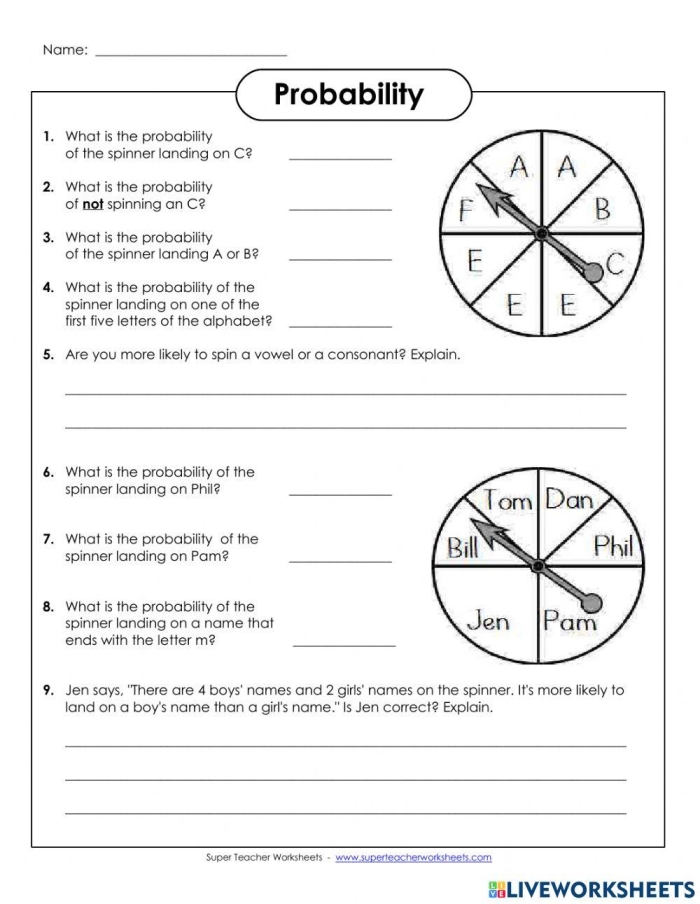
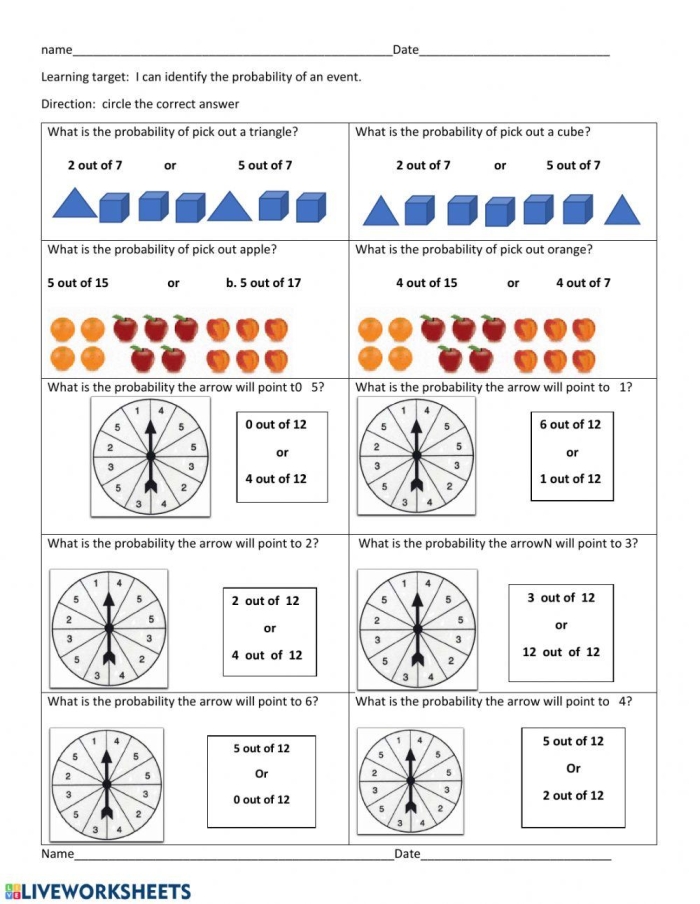
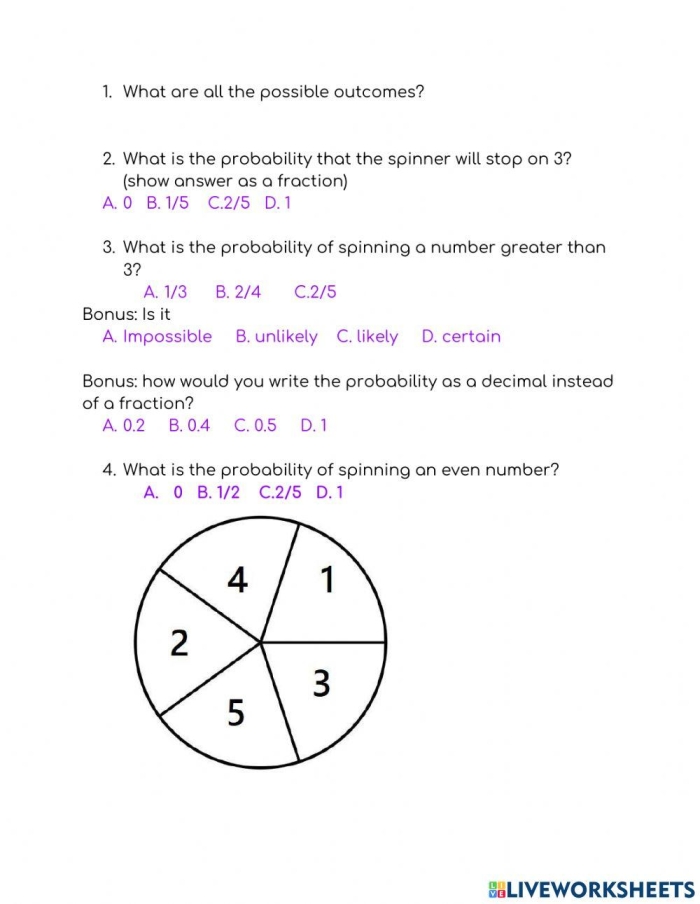
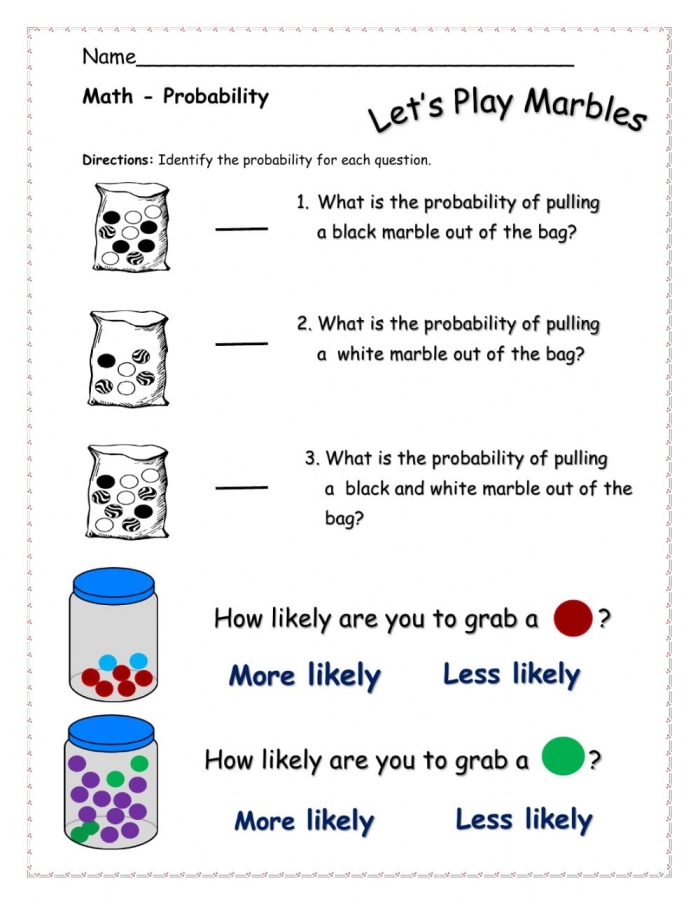
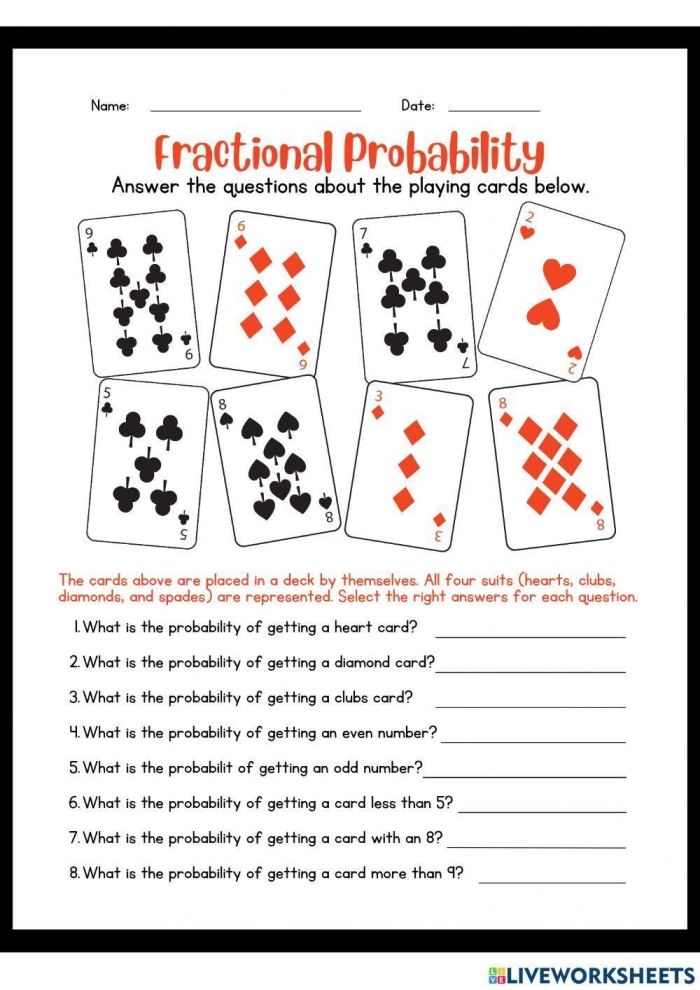
Students often struggle with probability because it feels abstract until they connect it to real situations. This worksheet changes that by grounding probability calculations in everyday scenarios that seventh graders actually recognize and understand.
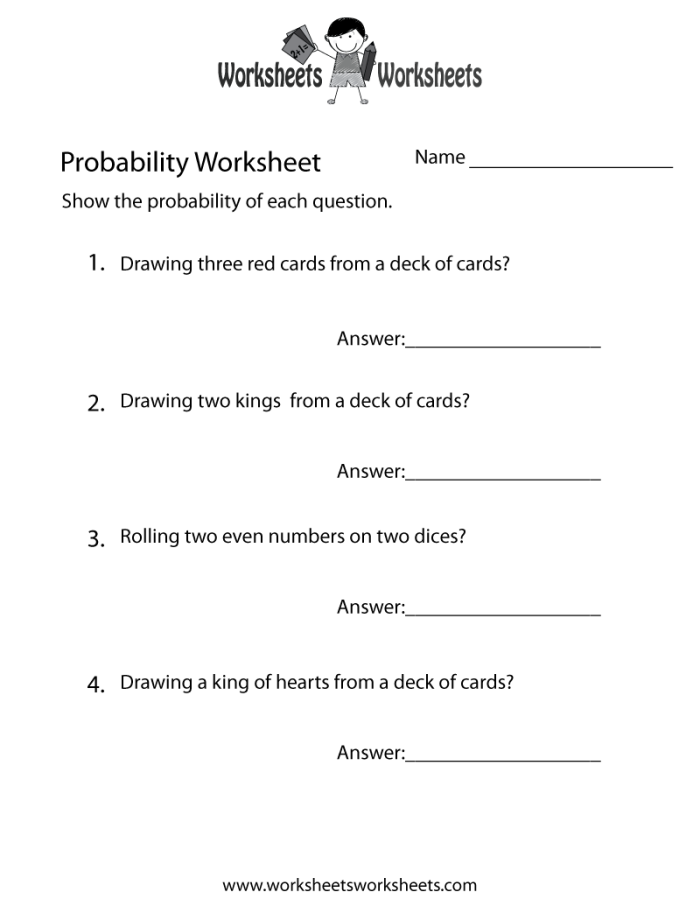
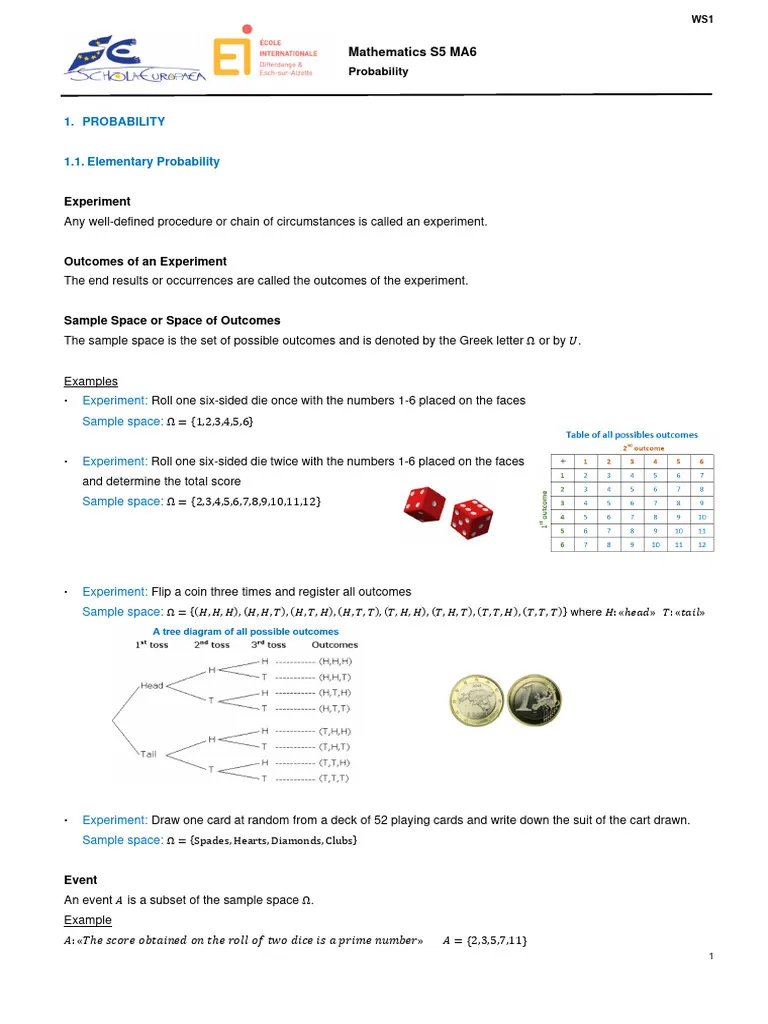
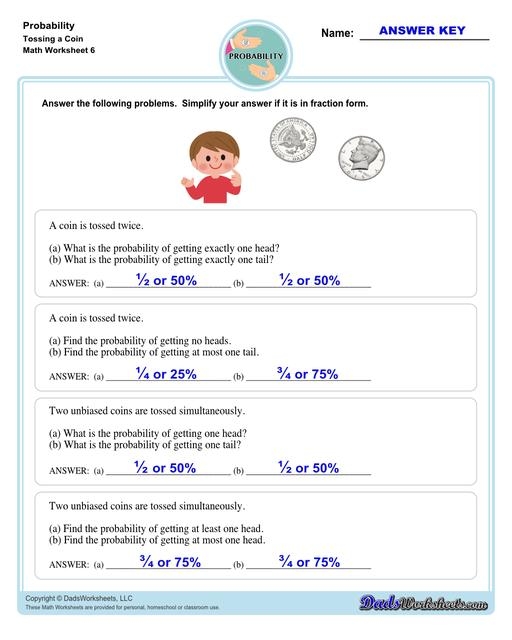
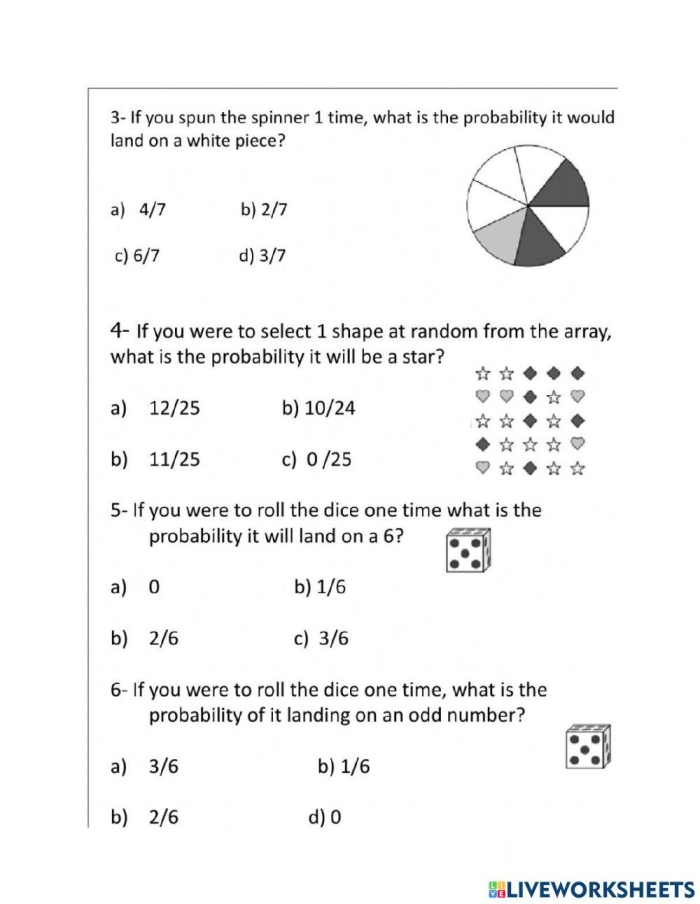
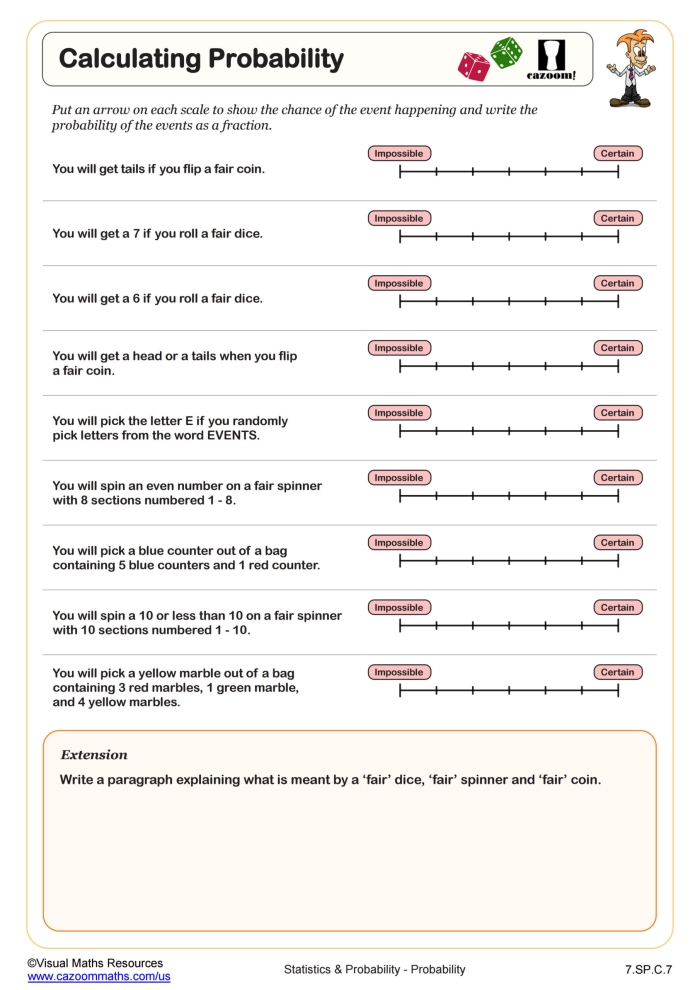
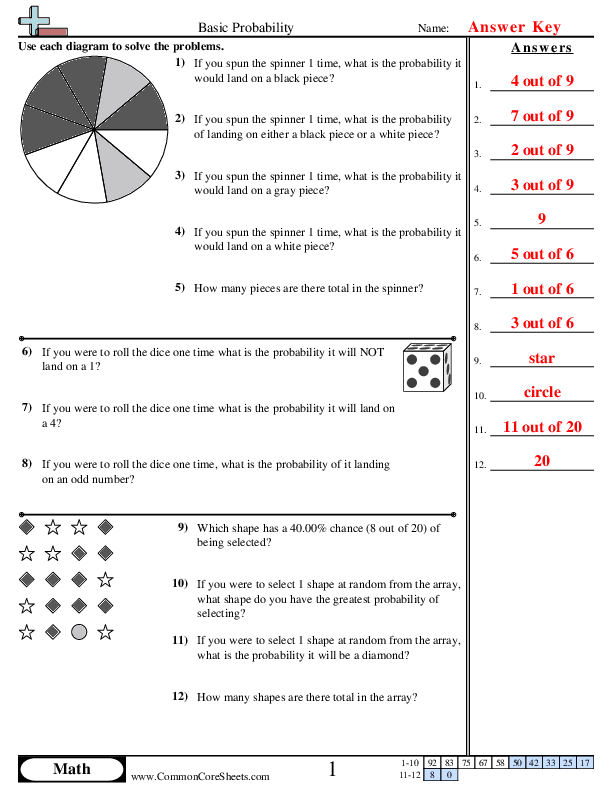
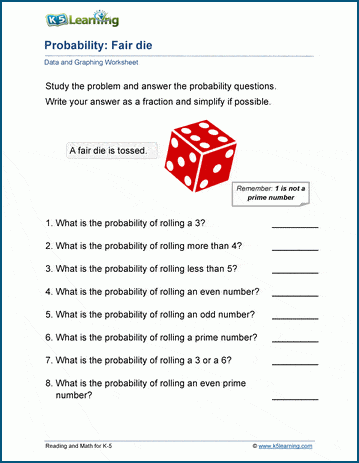
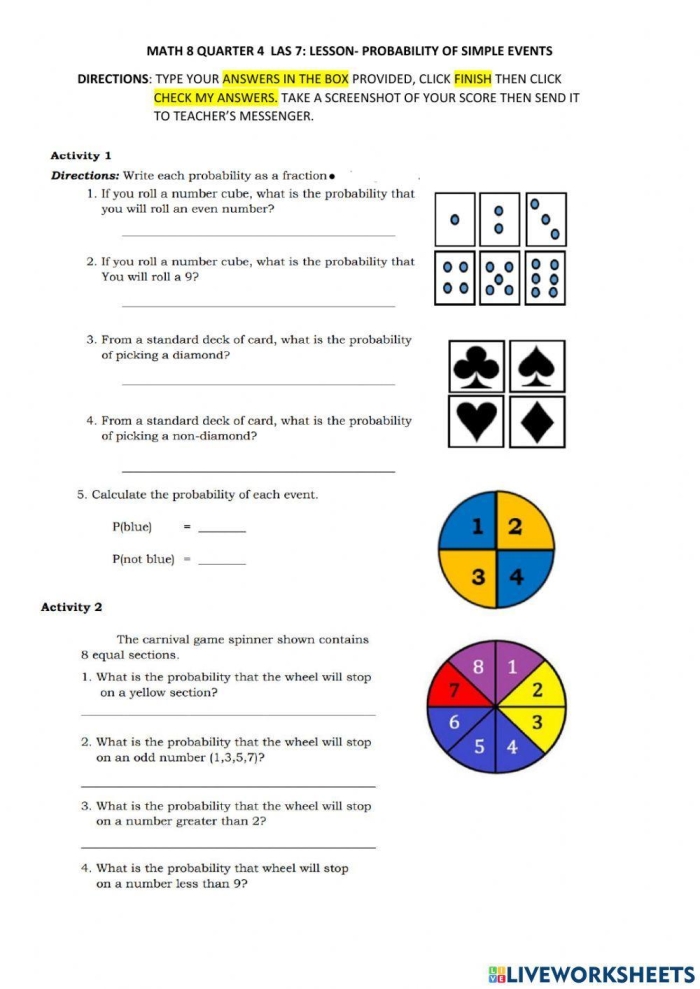
The power of this approach lies in its simplicity. Rather than diving into complex formulas or theoretical problems, students work through situations like flipping coins, drawing cards from a deck, or rolling dice. These familiar activities make the math feel less intimidating and more like solving a puzzle they can actually see. When a student calculates the odds of rolling a specific number on a die, they’re not just memorizing steps, they’re building genuine intuition about how probability works.
Seventh grade is a critical moment for this type of learning. Students at this level are developing abstract thinking skills, but they still benefit enormously from concrete examples. Mixed operations worksheets that combine probability with other mathematical concepts help reinforce how different skills connect. For instance, calculating probability often requires division or fraction simplification, so students practice multiple competencies at once.
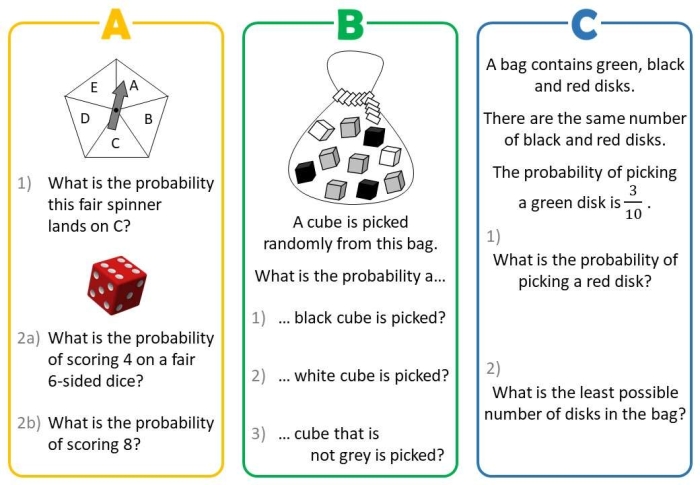
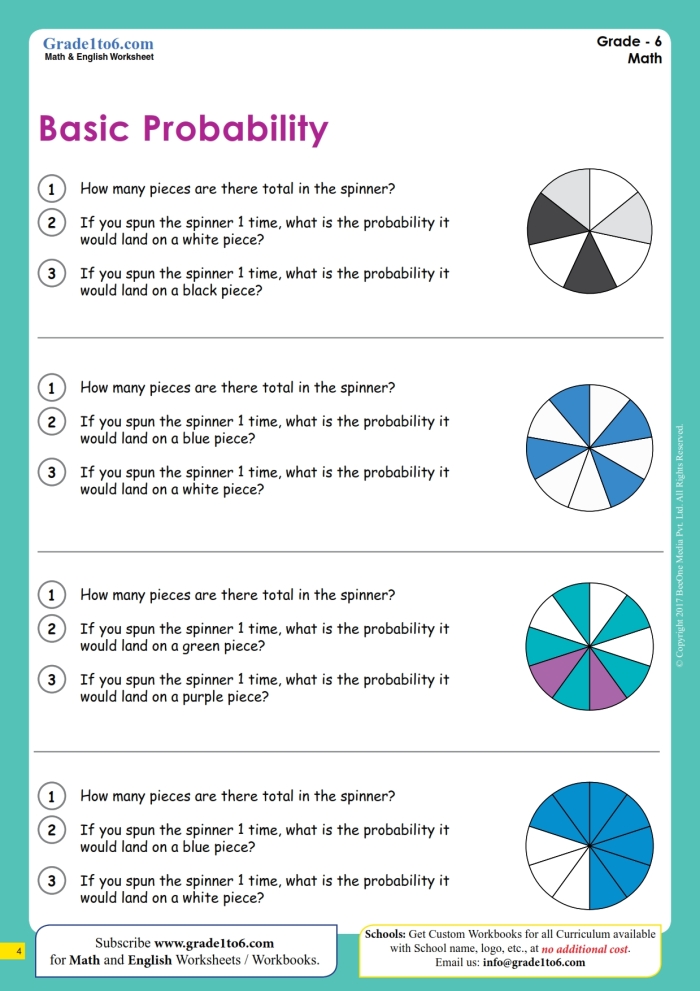
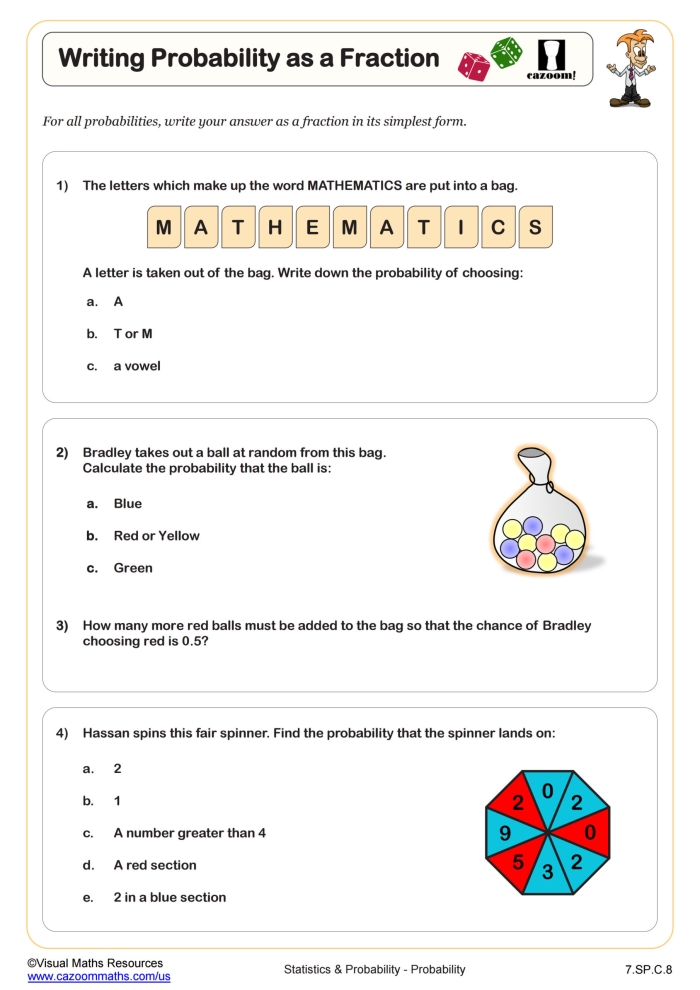
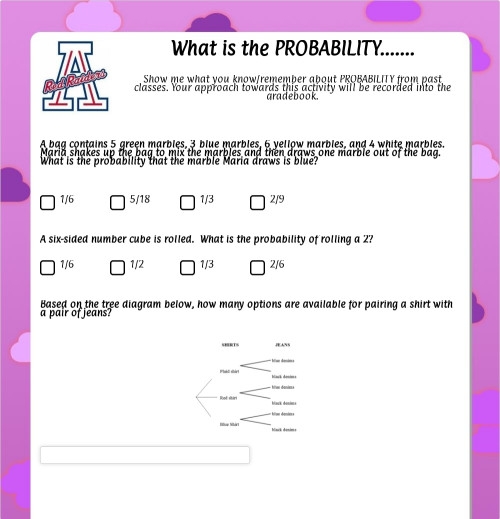
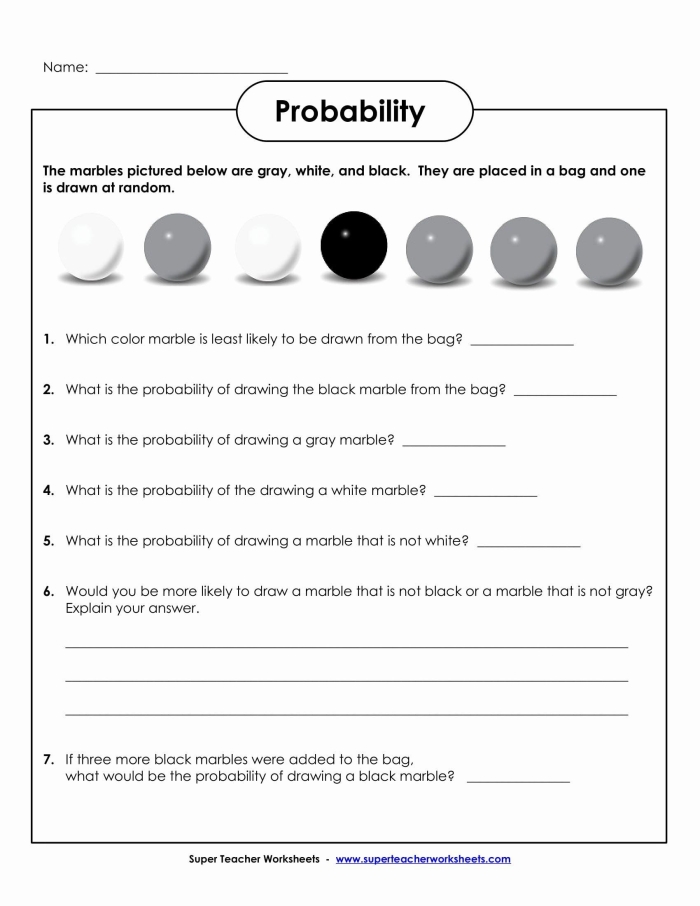
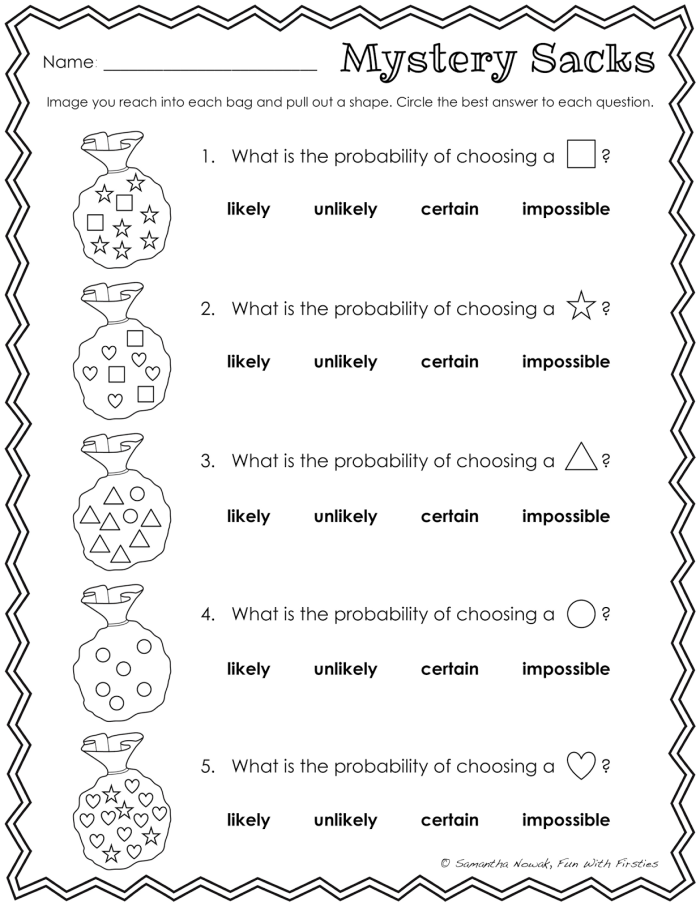
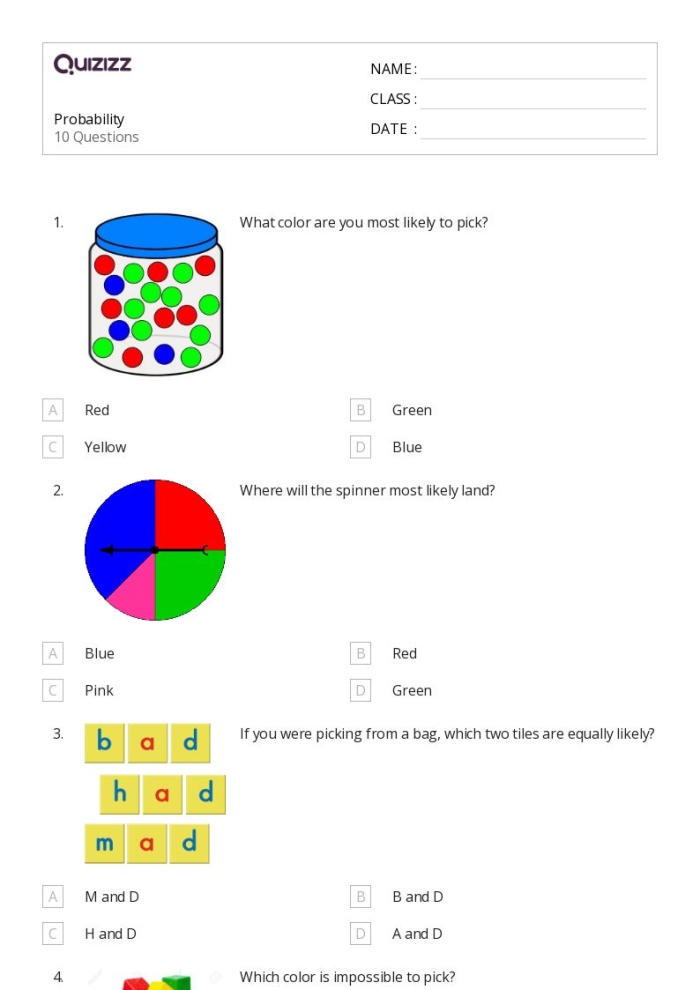
The hands-on nature of these exercises matters too. When students work through a problem about the probability of selecting a specific marble from a bag, they’re engaging their problem-solving minds in a way that passive reading never could. This active practice builds confidence and retention far better than simply reading about probability theory.
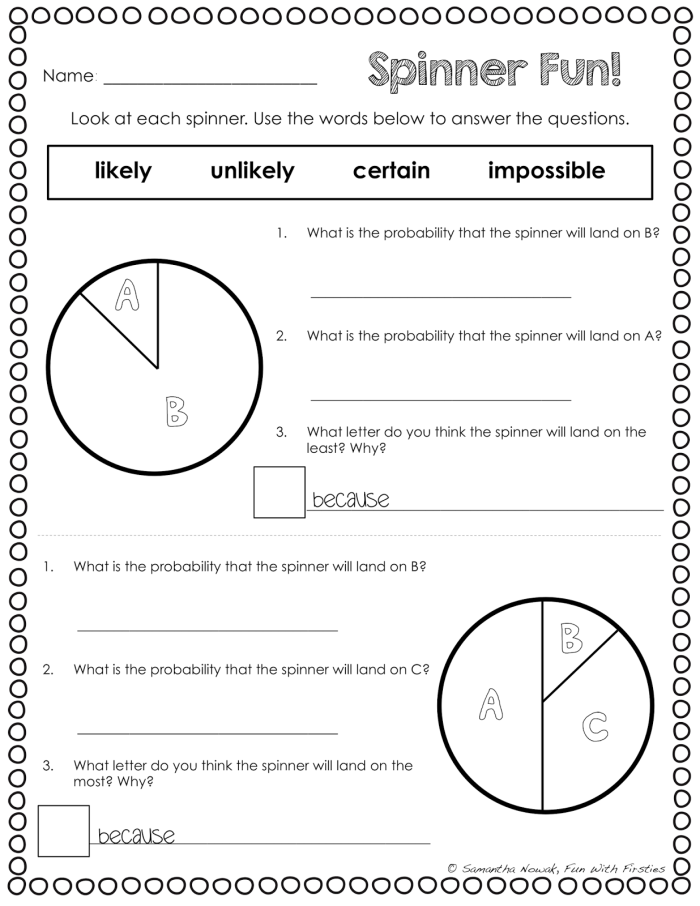
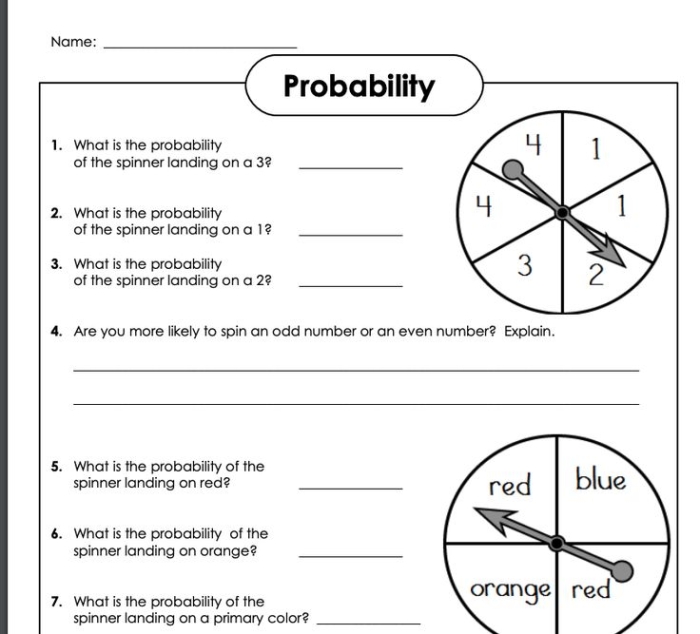
For teachers looking to strengthen their seventh grade curriculum, resources like what’s the probability worksheets provide structured practice. More advanced students might explore probability dice practice with probability models or probability of simple events to deepen their understanding of how these concepts work in different contexts.
Practice with These Worksheets