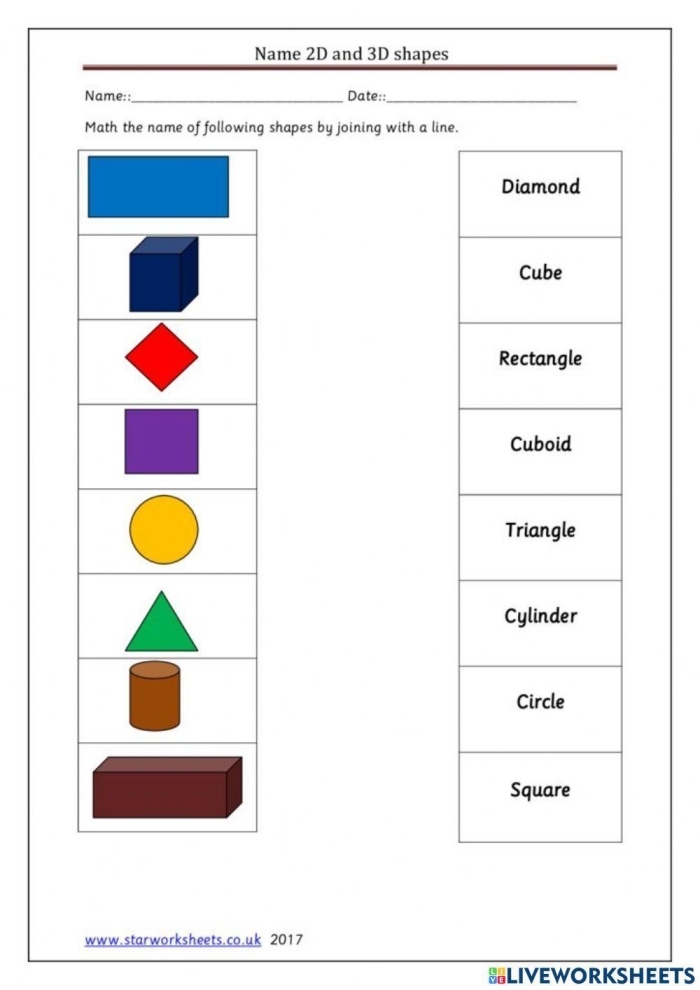
Most kindergarteners can pick out a circle or square when you point to one, but understanding the actual difference between flat shapes and solid objects is a different skill entirely. This distinction between 2-dimensional and 3-dimensional shapes forms a foundation for geometry that builds through elementary school and beyond.
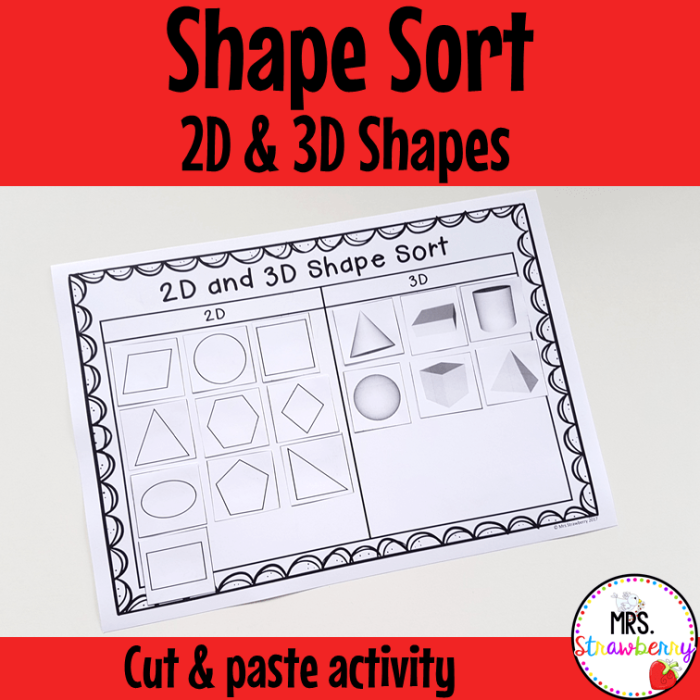
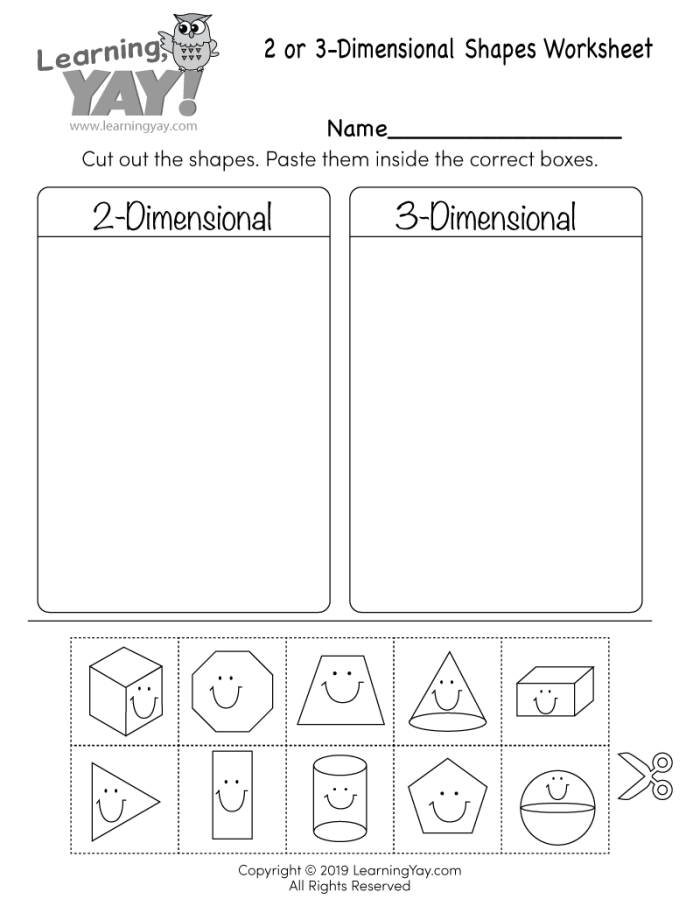
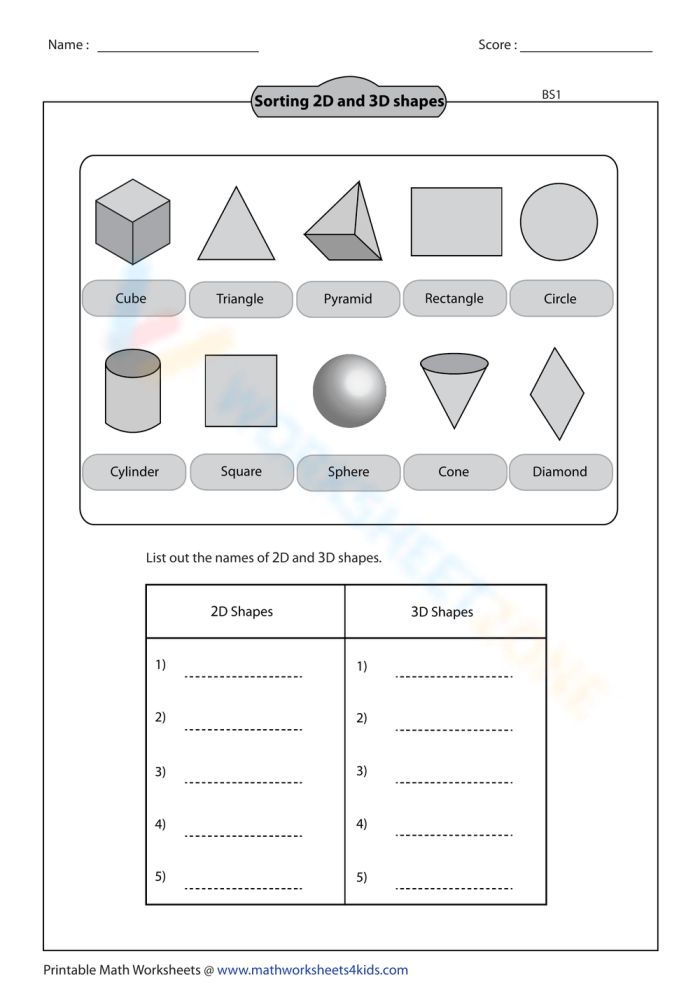
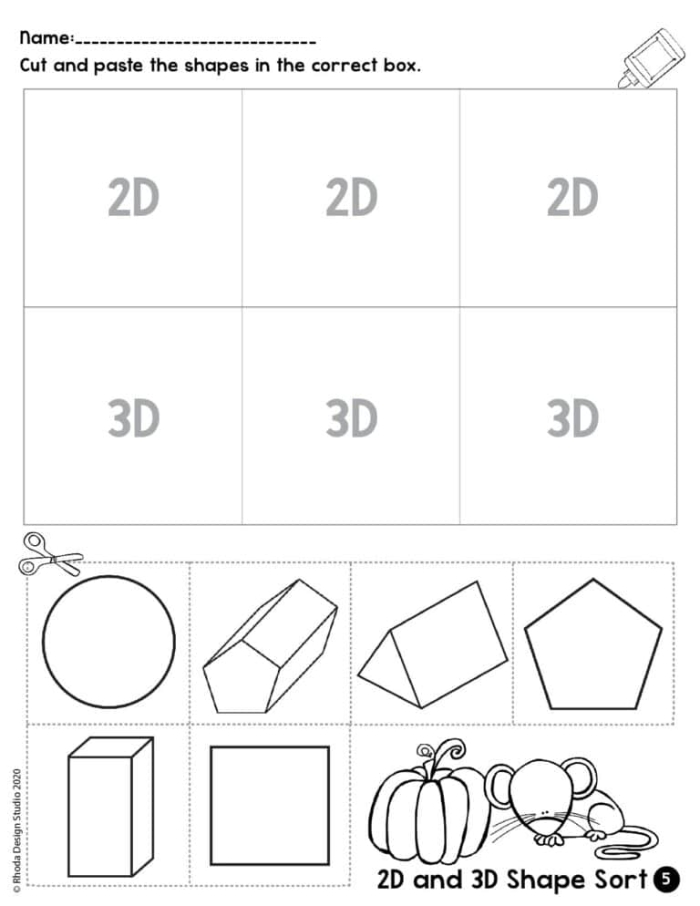
When kids enter kindergarten, their spatial reasoning is still developing. They’re learning to see the world not just as objects they can touch and play with, but as mathematical concepts. A 2-dimensional shape exists only on a flat surface: a square on paper, a triangle drawn on the board. A 3-dimensional shape has depth, width, and height: a cube you can hold, a sphere you can roll, a cone you can stack. The leap from understanding one to the other isn’t automatic.
Hands-on exploration works best at this age. Let your child touch real objects: building blocks, balls, boxes, cans. Ask them to trace the flat faces of a cube with their finger, then roll a sphere across the floor. Compare a circle drawn on paper with an actual ball. These tactile experiences help cement the concept in ways that worksheets alone cannot.
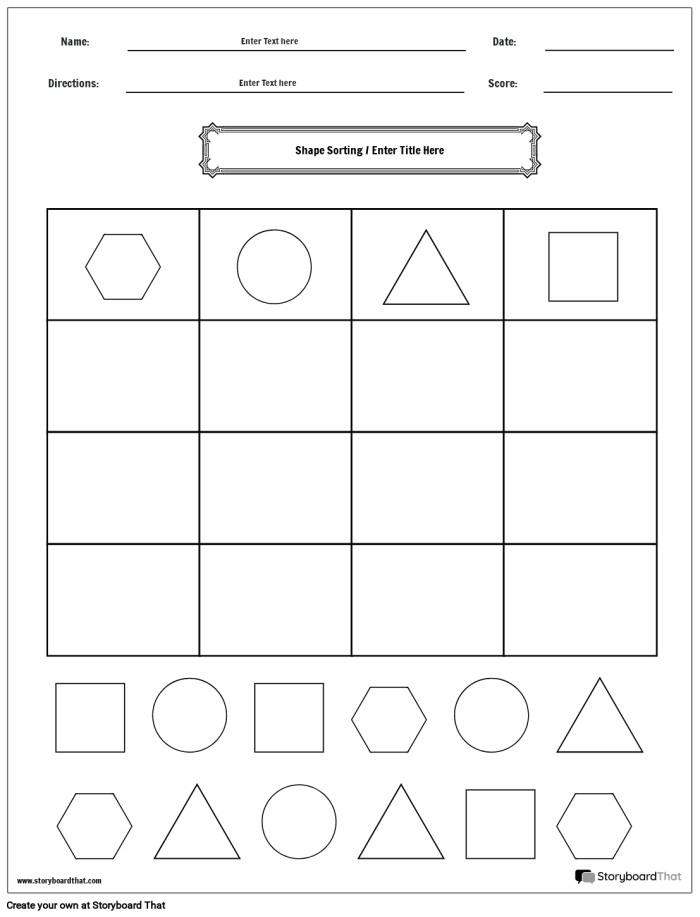
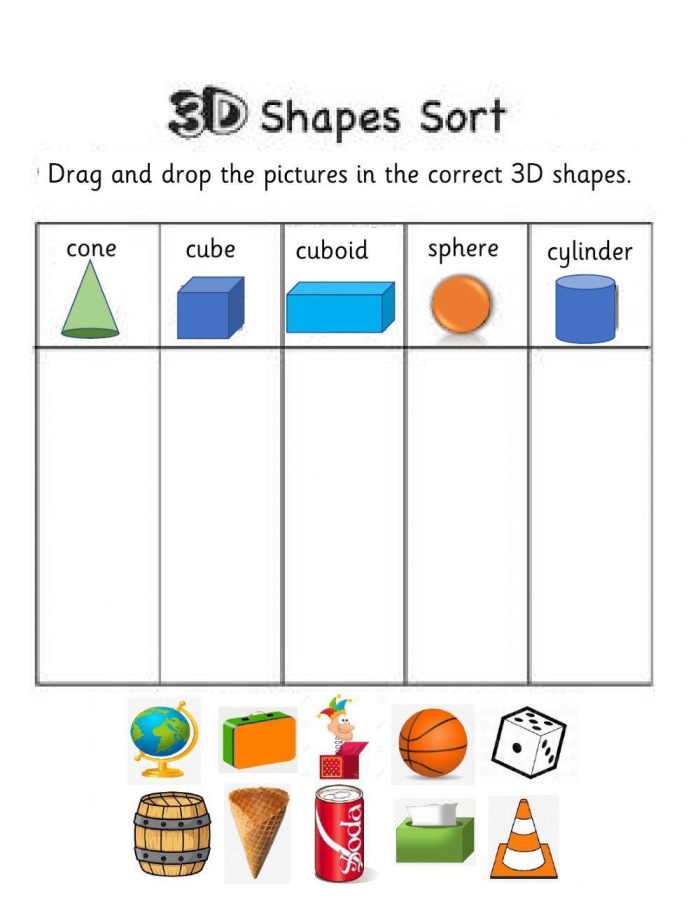
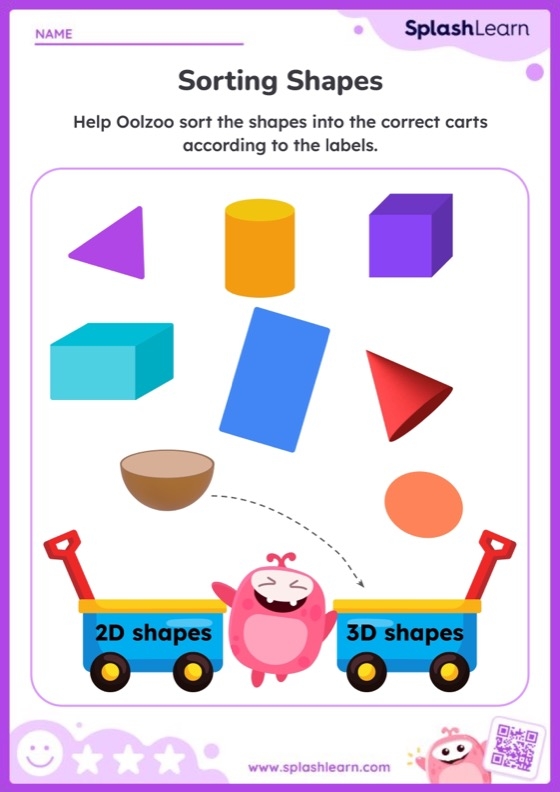
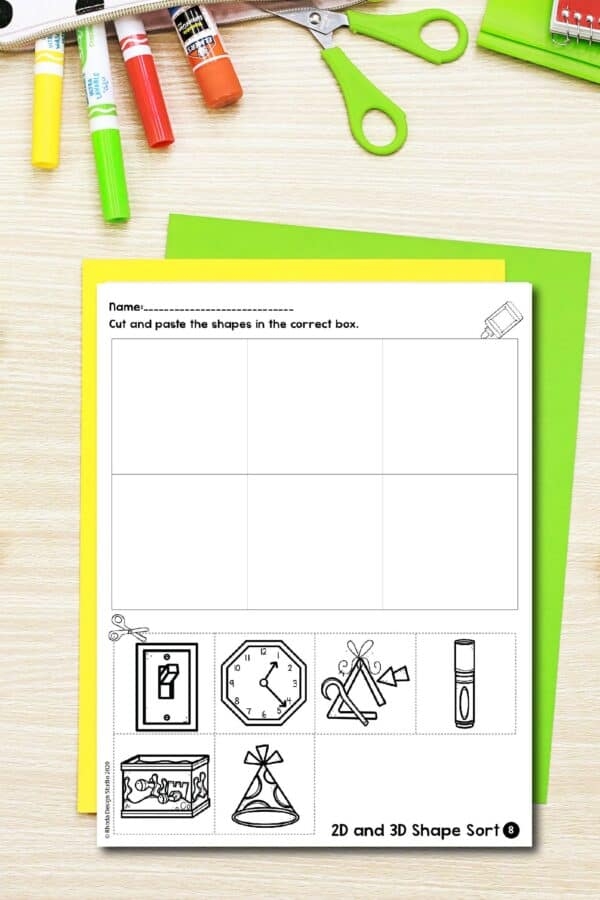
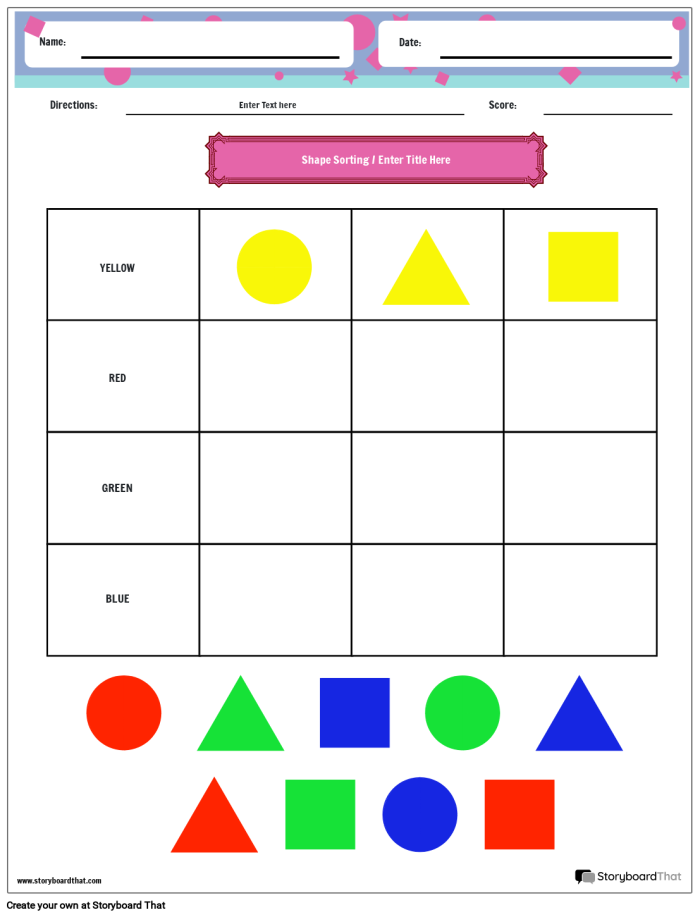
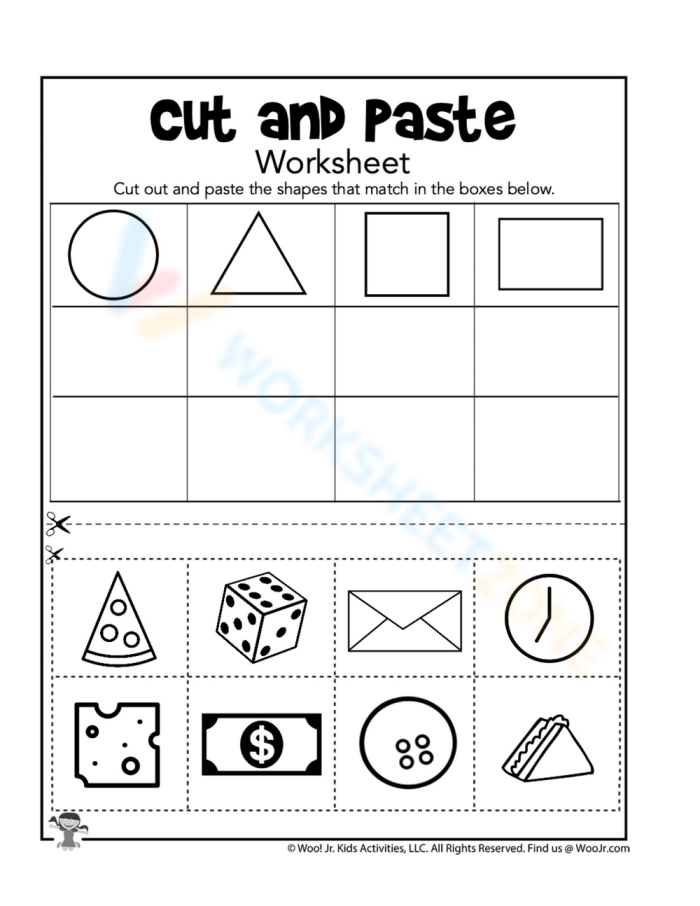
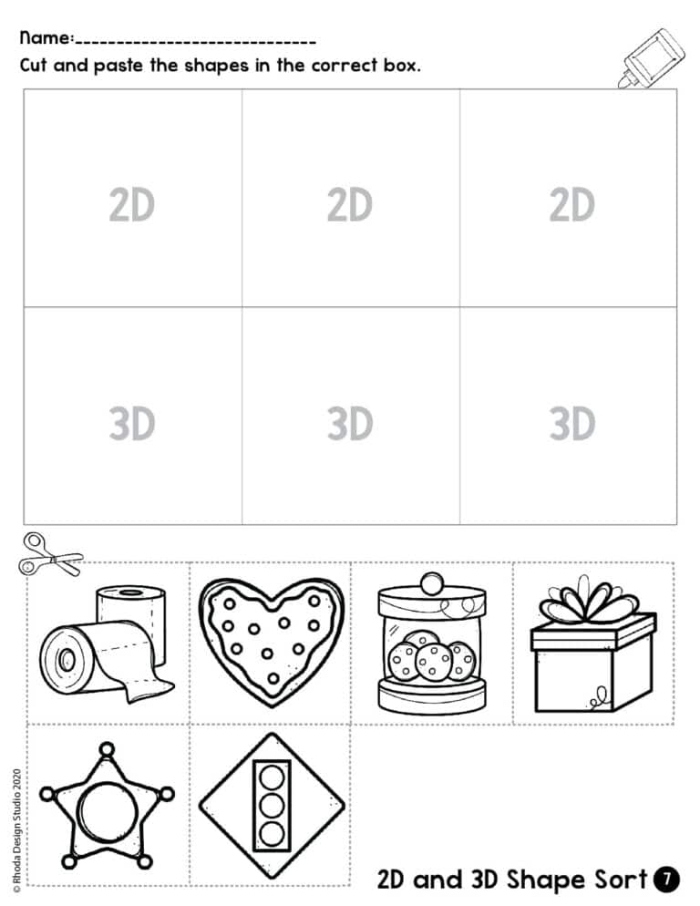
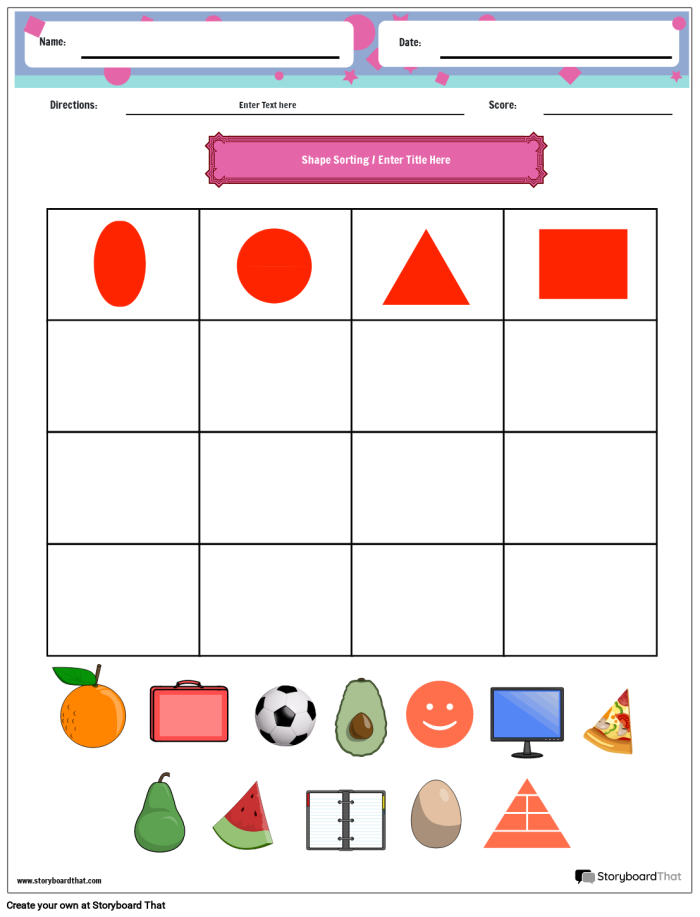
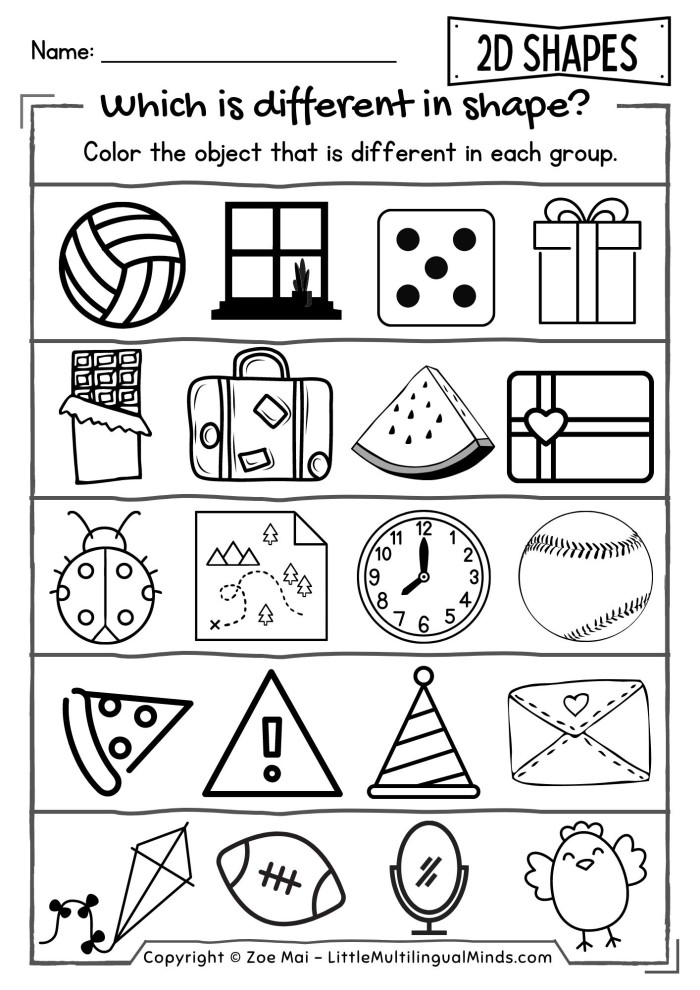
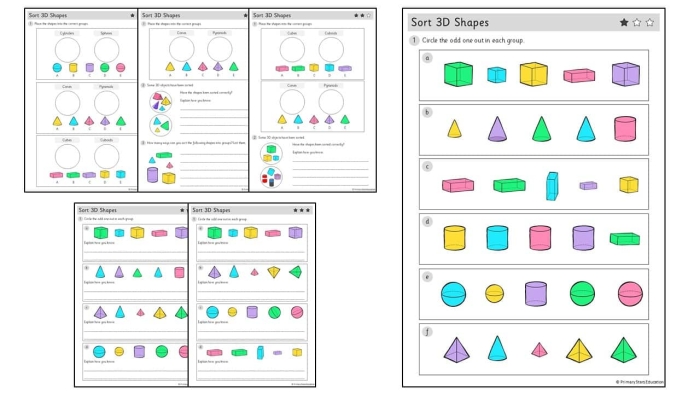
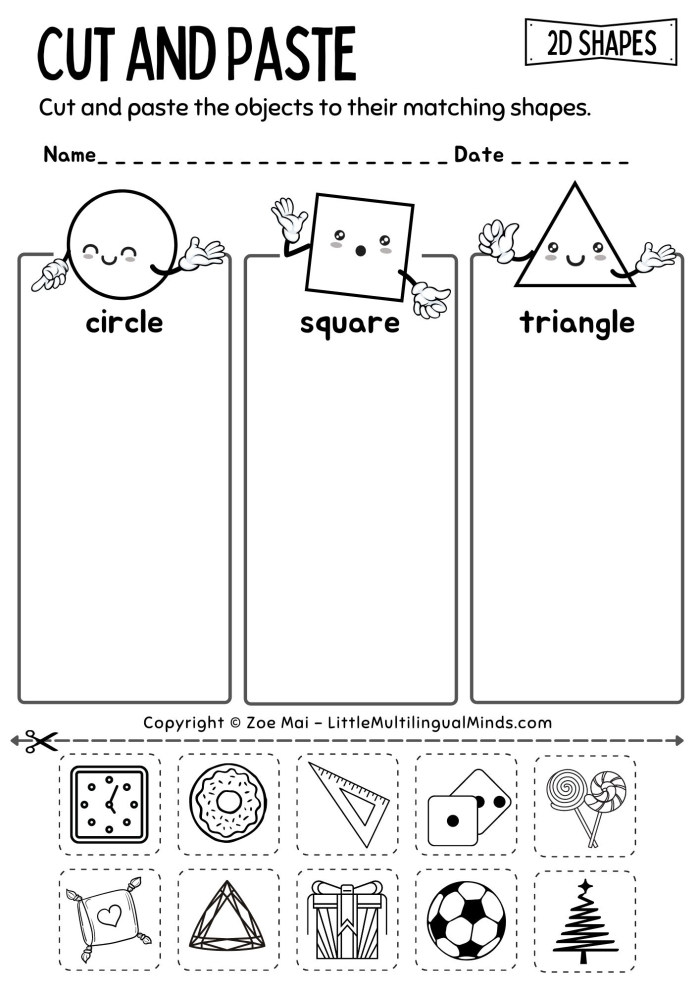
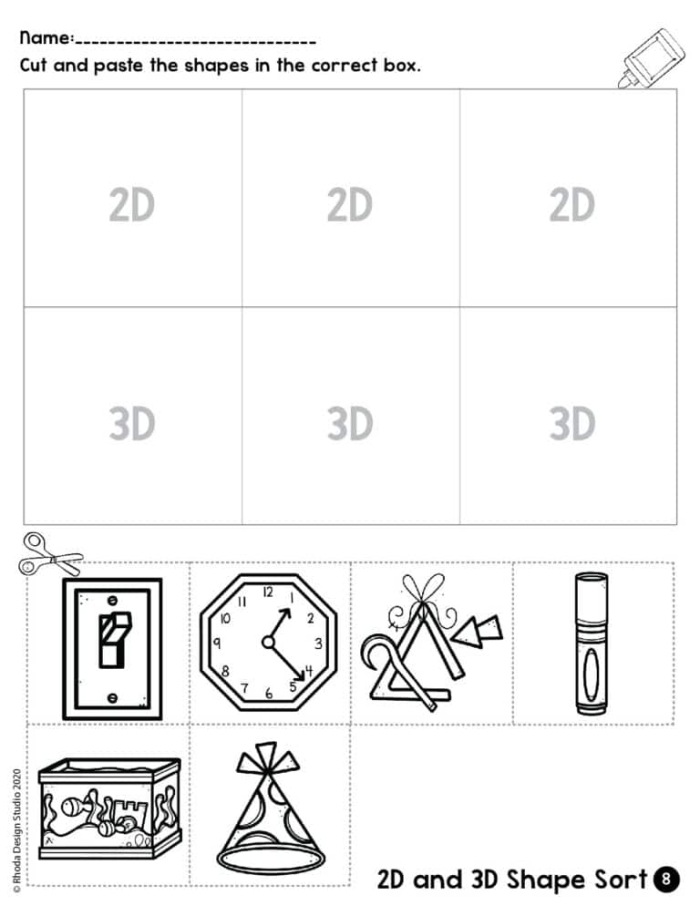
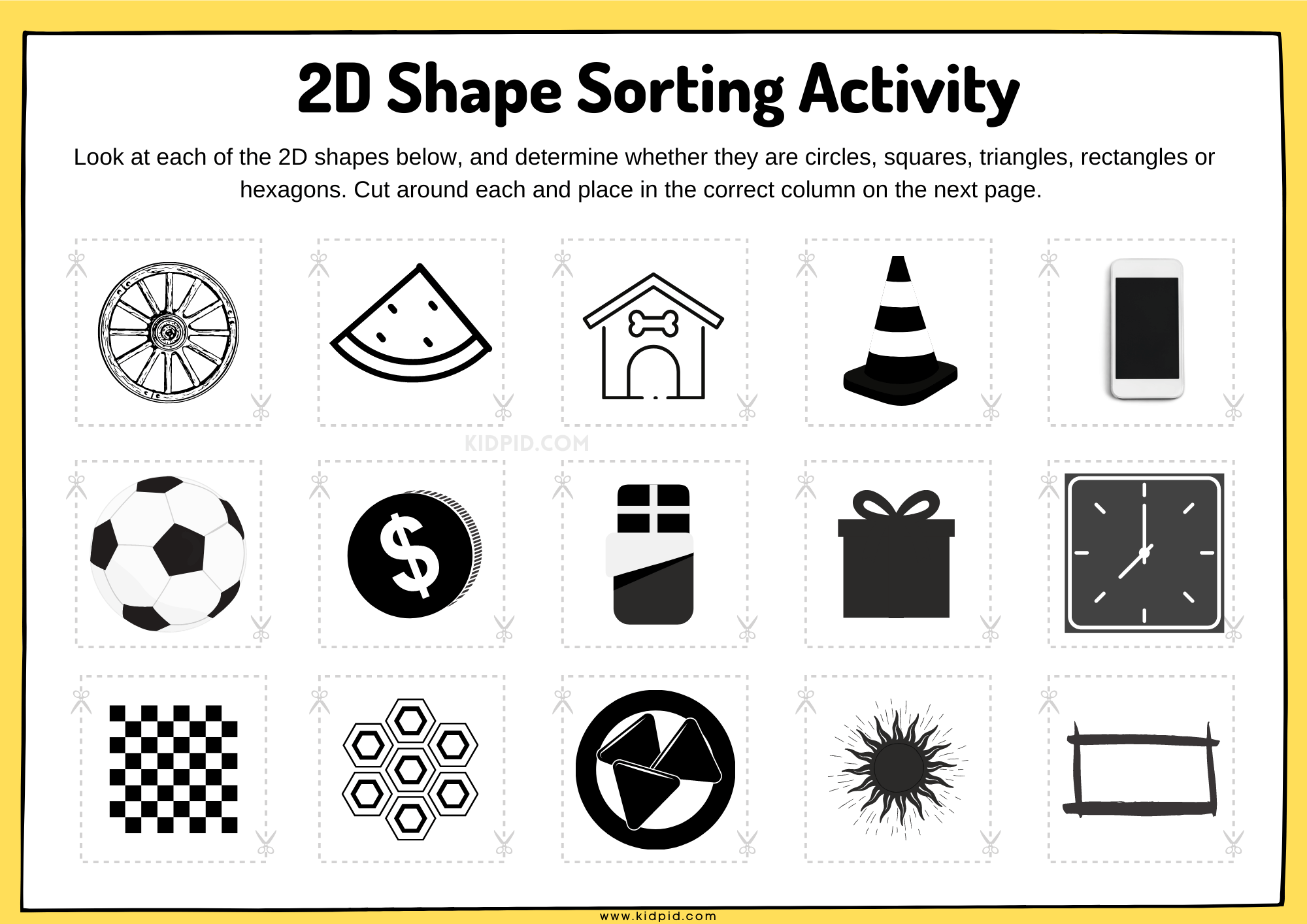
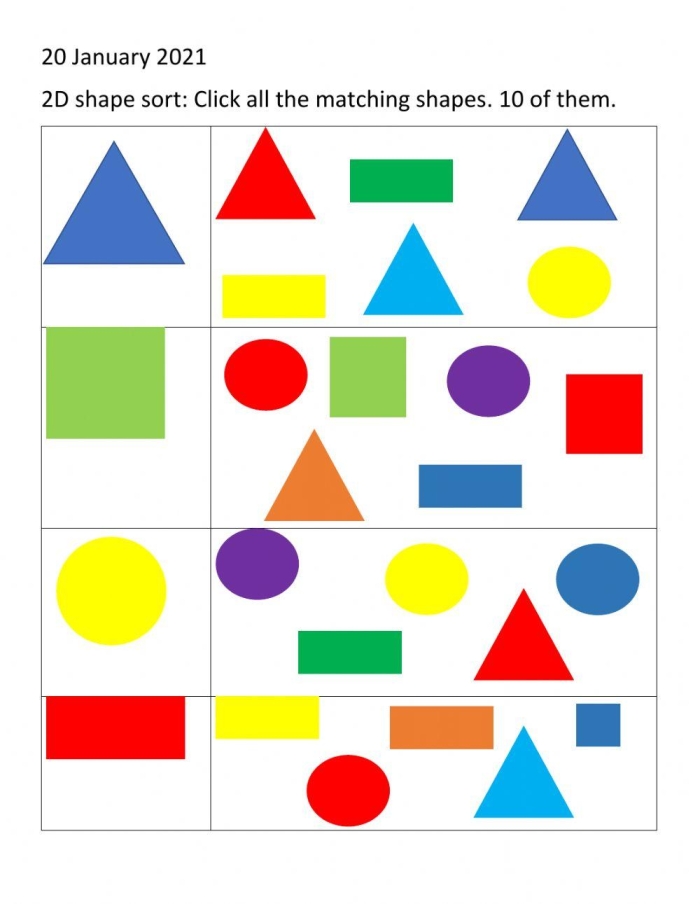
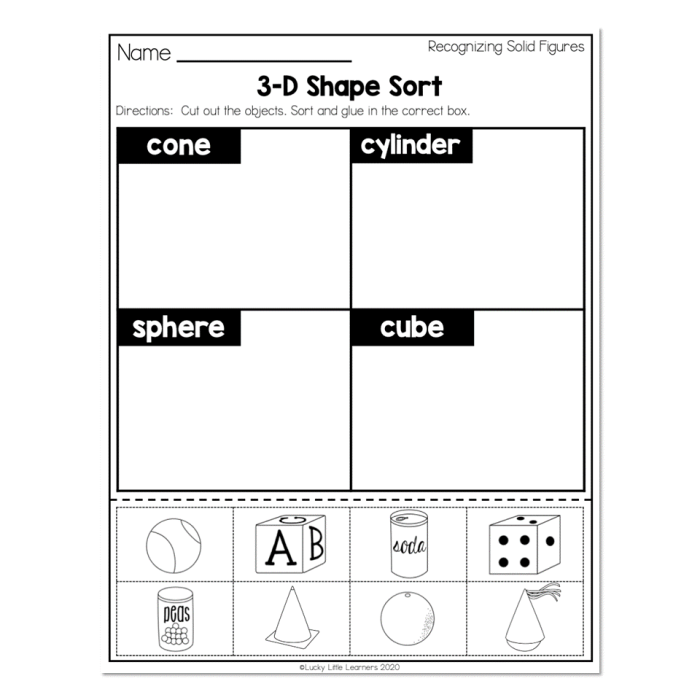
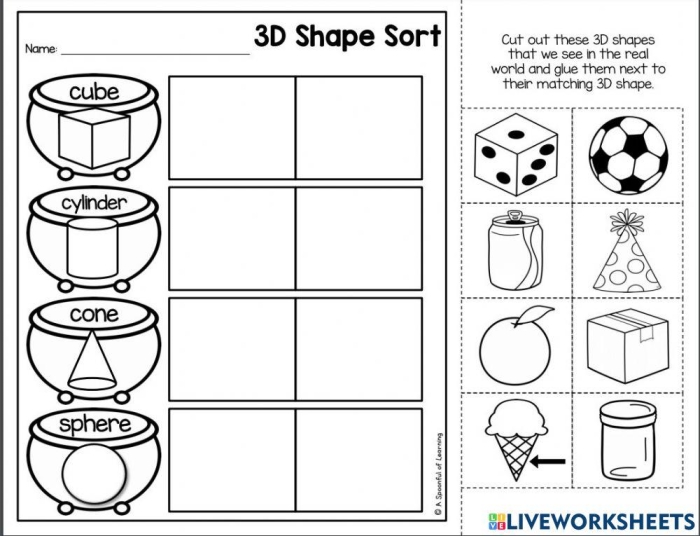
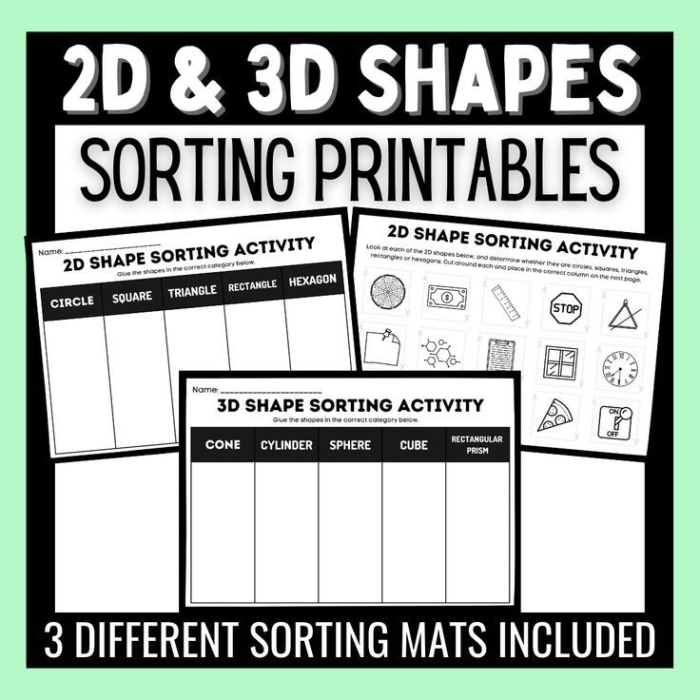
Sorting activities reinforce this learning. Give your child a collection of objects and pictures, then ask them to separate the flat shapes from the solid ones. You can create simple sorting games using household items. This type of hands-on categorization helps develop the observational skills needed for data and graphing activities later in elementary school.
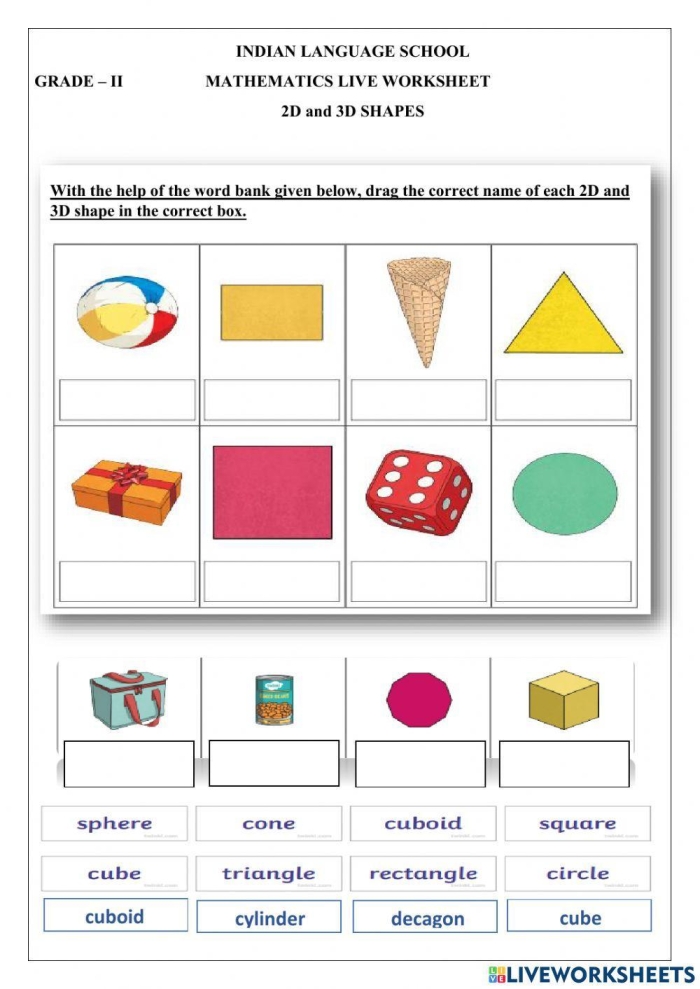
As your child progresses, geometry worksheets for second grade will build on these foundational concepts. Starting in kindergarten with concrete, physical exploration makes those future lessons feel natural rather than abstract.
Grab These Worksheets Now