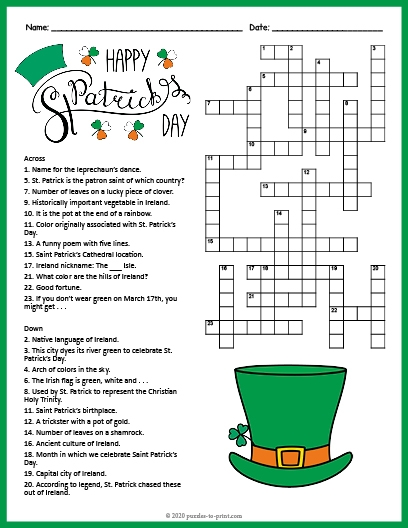
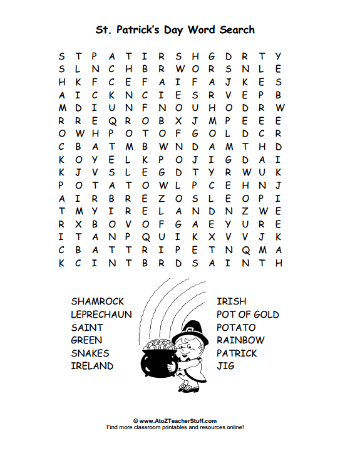
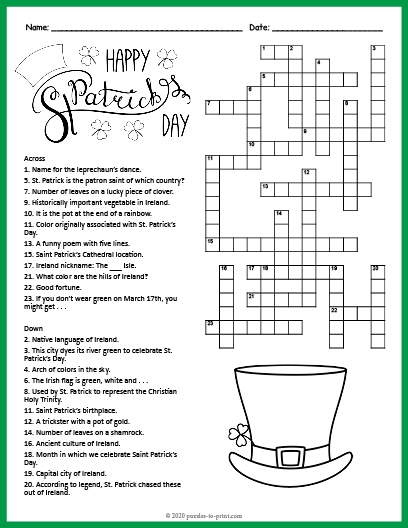
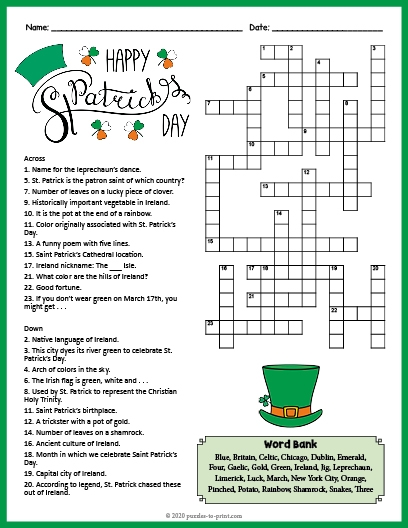
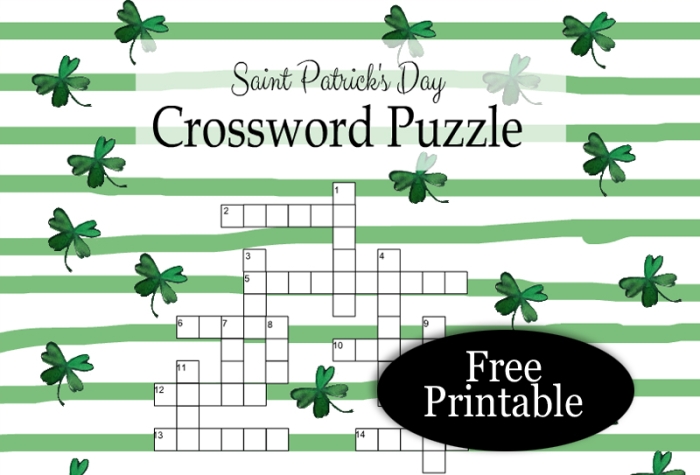
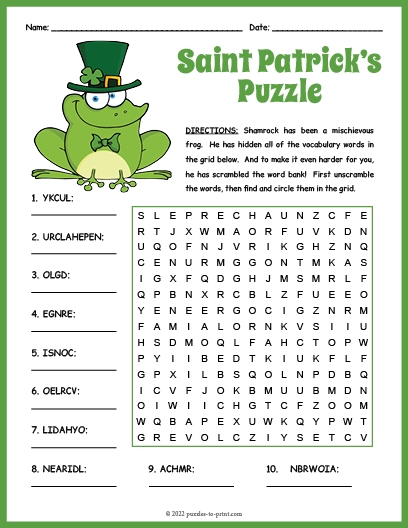
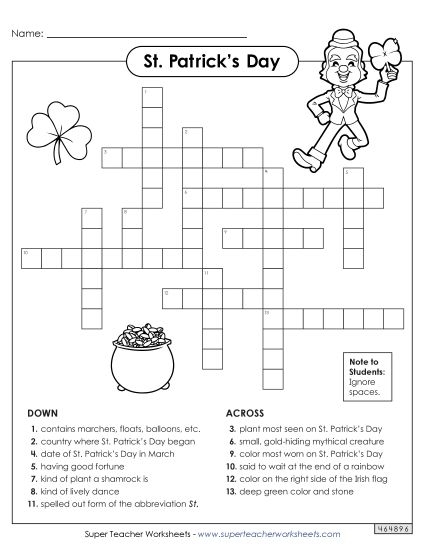
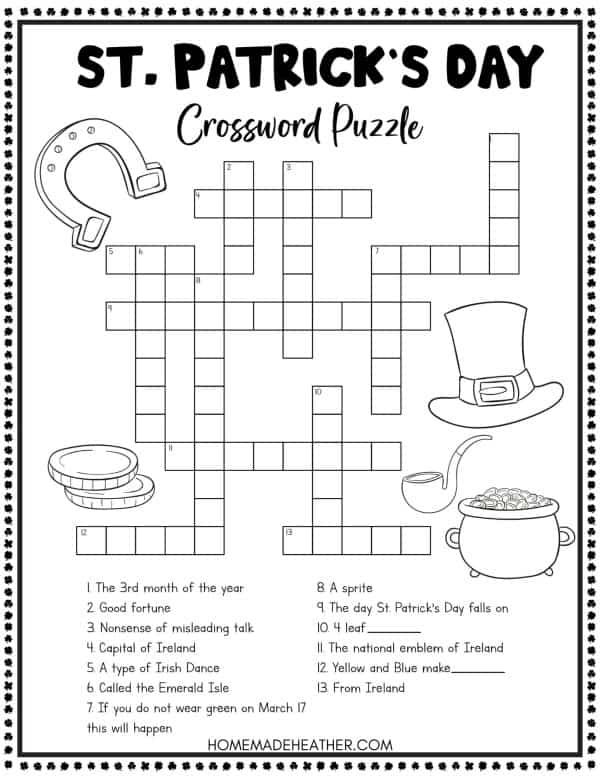
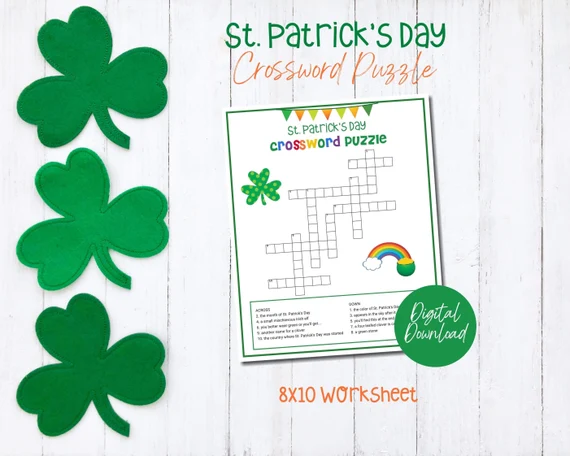
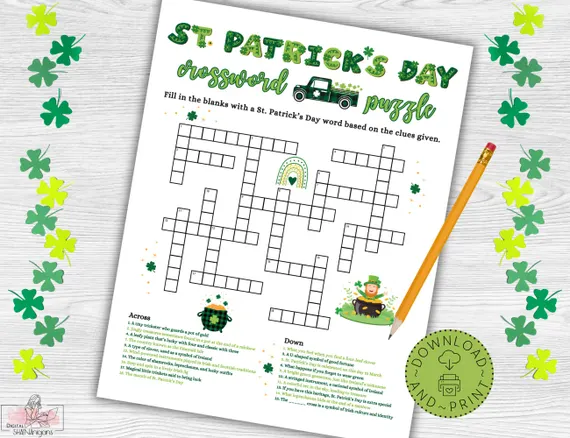
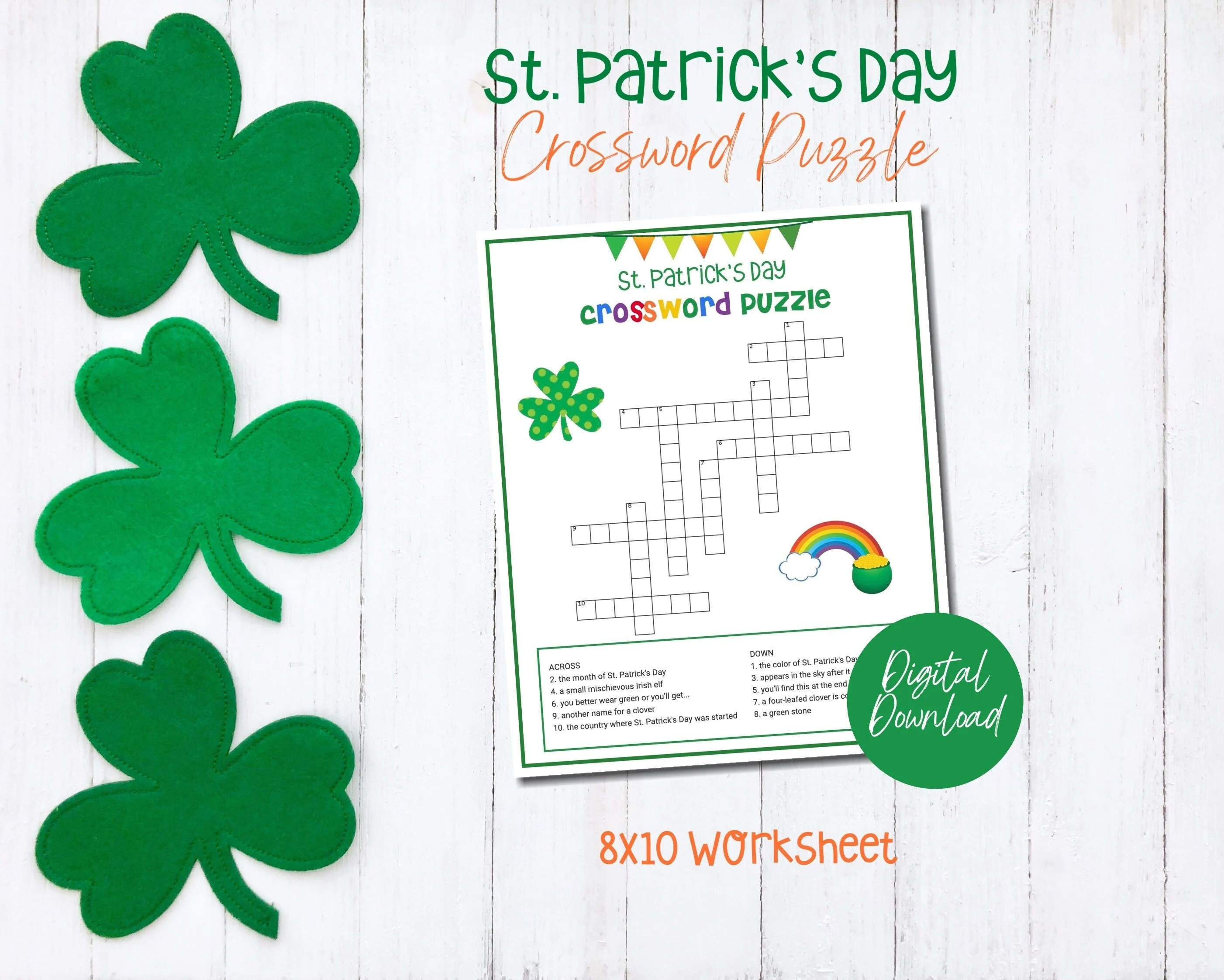
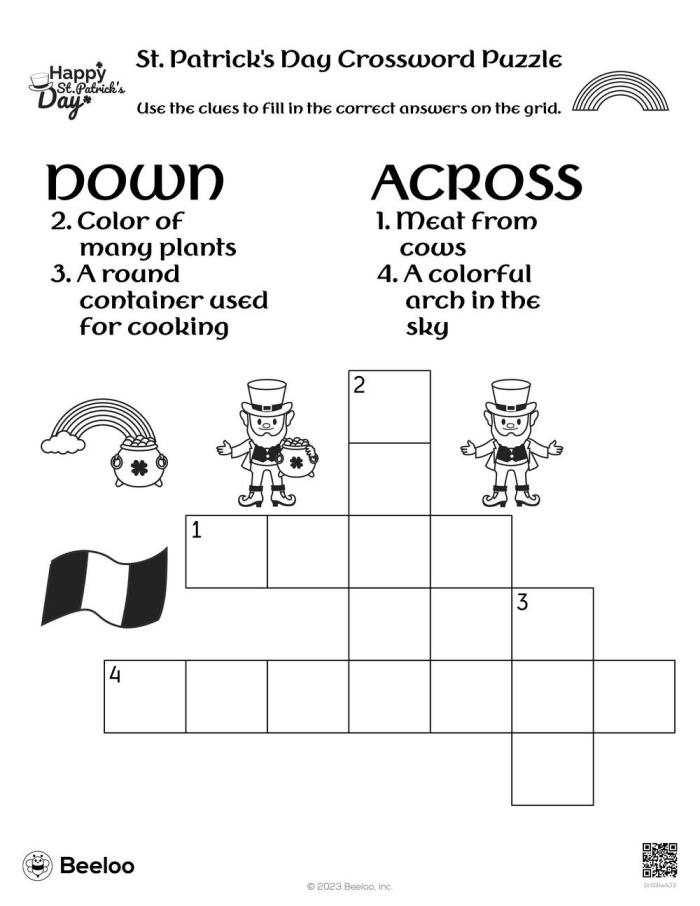
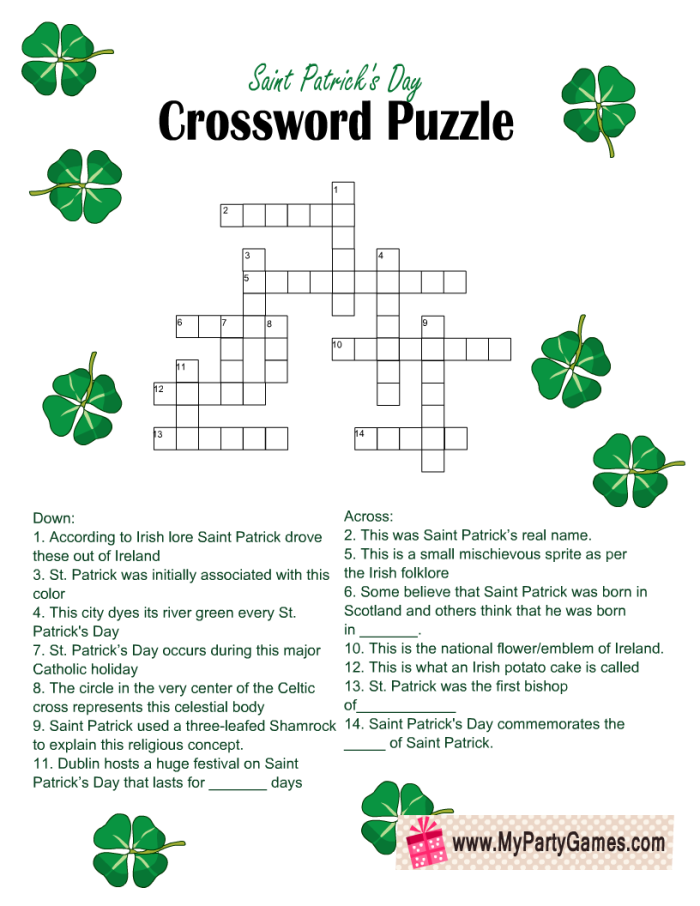
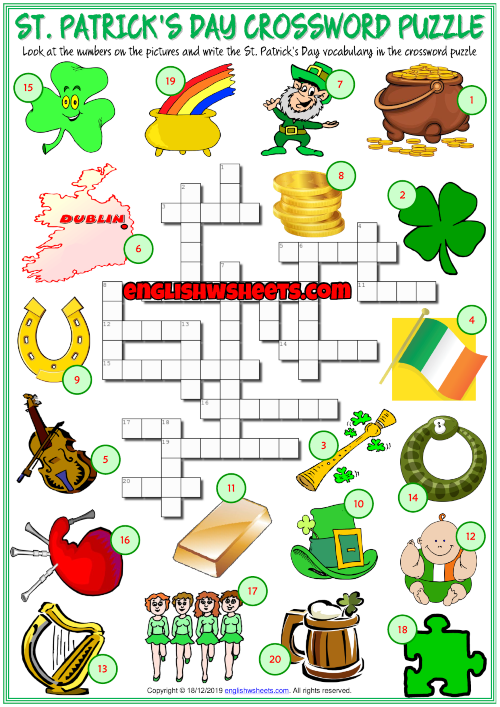
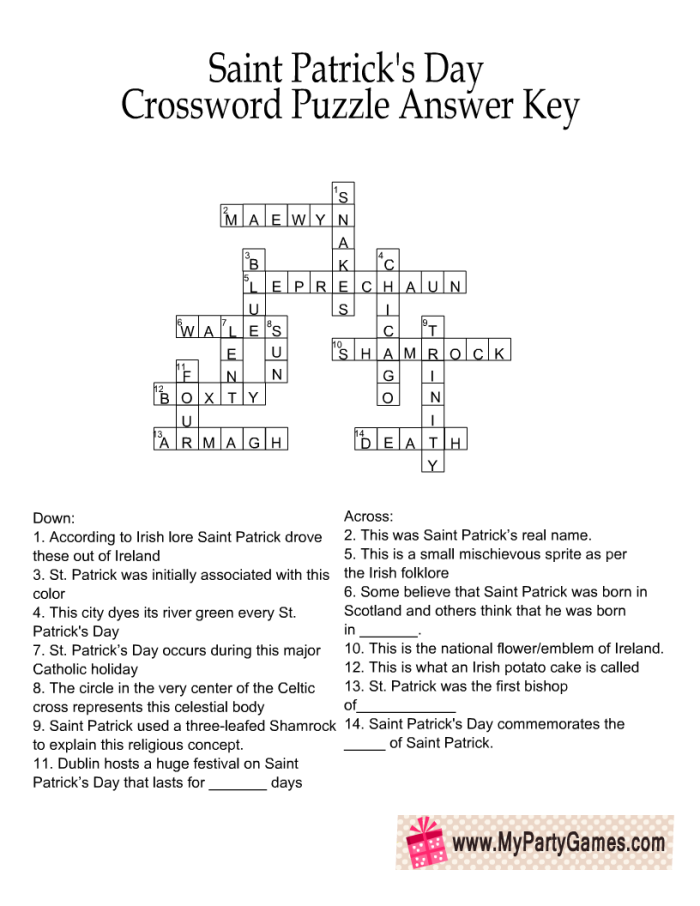
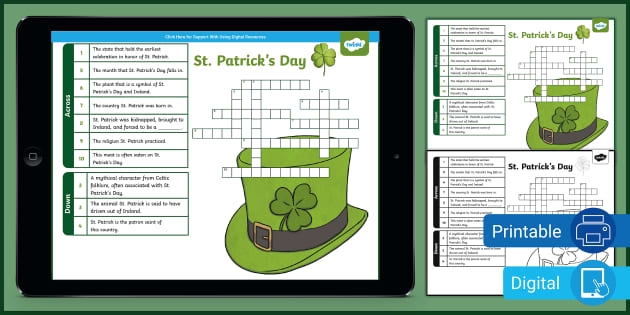
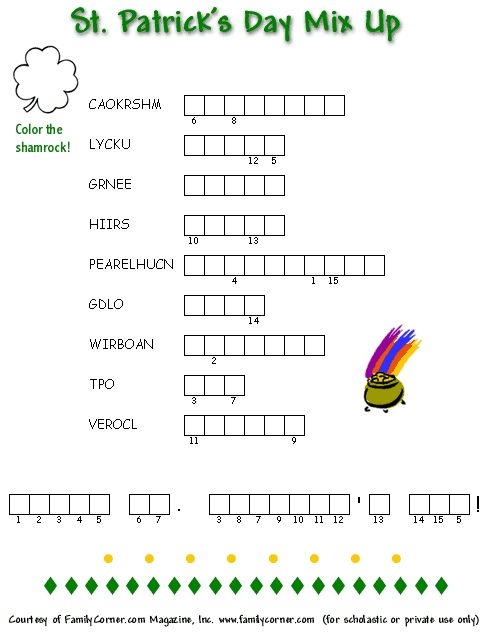
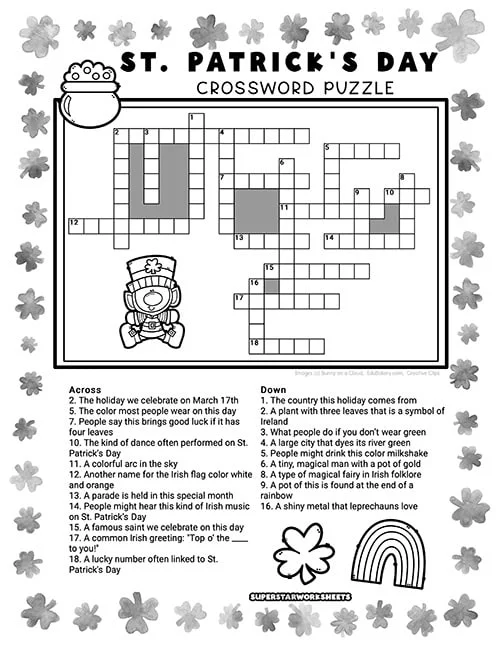
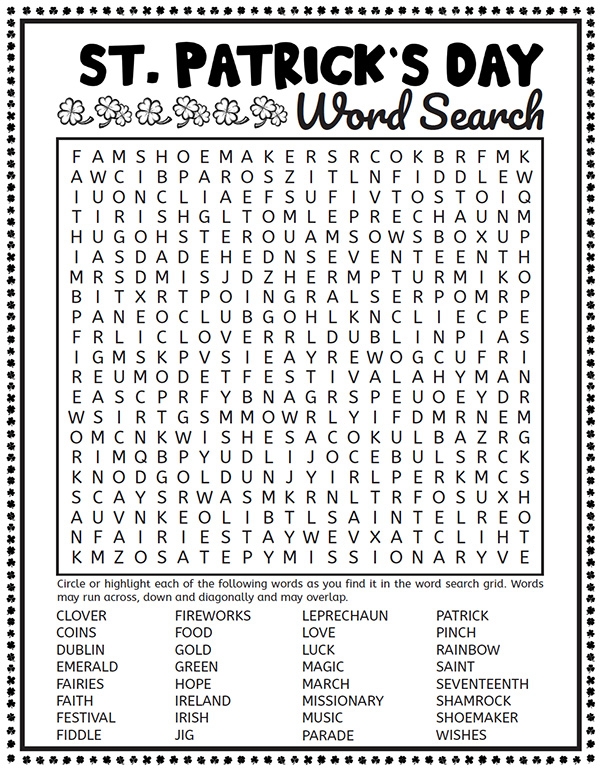
Crossword puzzles offer second grade students a sneaky way to strengthen their vocabulary while having fun with a beloved holiday. A St. Patrick’s Day crossword puzzle combines learning with festive excitement, making it an ideal classroom activity for March.
When children work through crossword clues about St. Patrick’s Day, they encounter words they might not use in everyday conversation. Terms like “shamrock,” “leprechaun,” “Dublin,” and “Celtic” become familiar through the puzzle-solving process. Rather than memorizing definitions from a list, students discover word meanings through context and the physical act of filling in squares. This approach sticks better in their minds than traditional vocabulary drills.
Beyond vocabulary building, these puzzles introduce genuine historical and cultural facts about Ireland and St. Patrick’s Day traditions. Children learn that St. Patrick was actually a missionary, not just a character on greeting cards. They discover that the color green became associated with St. Patrick’s Day partly through Irish heritage and partly through marketing. These details transform a holiday crossword from simple word practice into a mini-history lesson.
For second grade classrooms, crossword puzzles also develop important spatial reasoning skills. Students must understand how words intersect, how letters connect across and down, and how to use crossing letters as clues for adjacent words. This spatial thinking connects naturally to geometry concepts students explore at this grade level.
Teachers can pair St. Patrick’s Day crossword puzzles with other holiday activities. Combining them with worksheets like crystal clear contractions practice or line plot practice creates a balanced lesson that covers multiple skills in one themed unit.
The beauty of holiday-themed puzzles lies in their timing. When students feel festive energy around St. Patrick’s Day, they engage more readily with academic content. A crossword puzzle becomes less like work and more like a celebration, which means better participation and retention.
Use These Worksheets Today