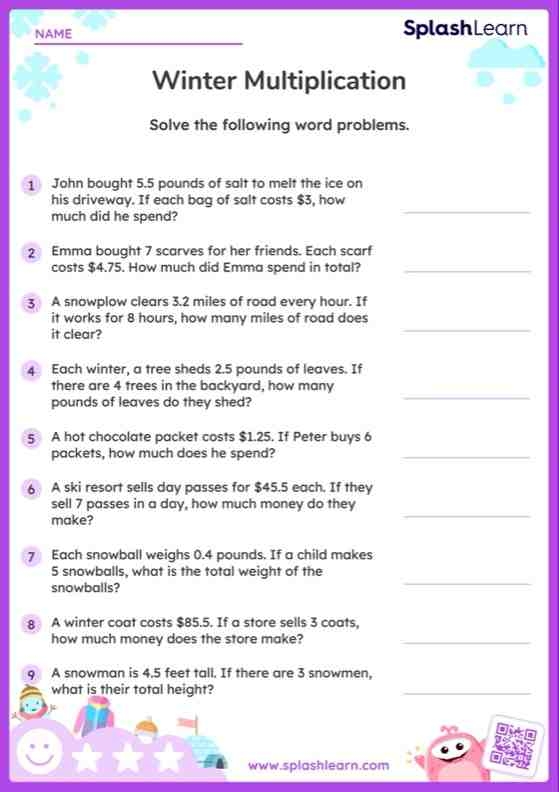
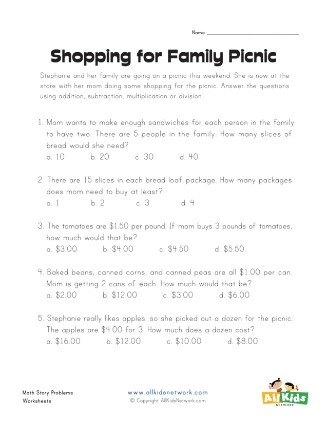
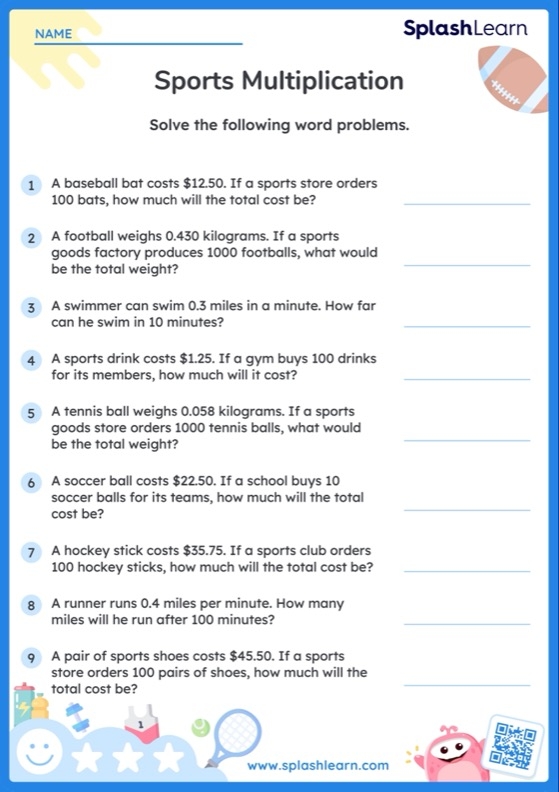
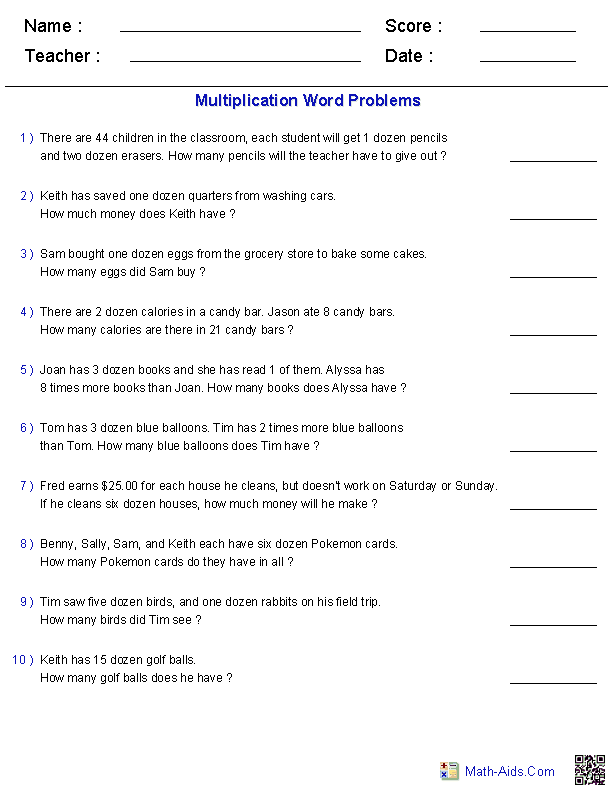
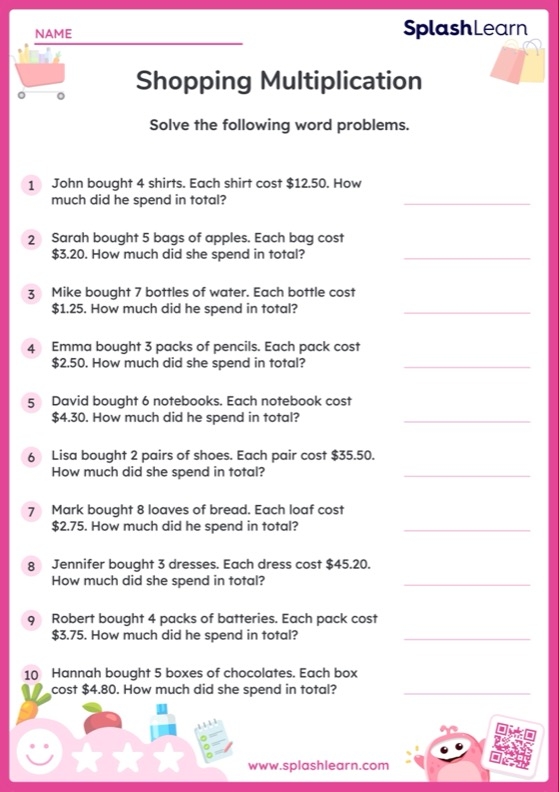
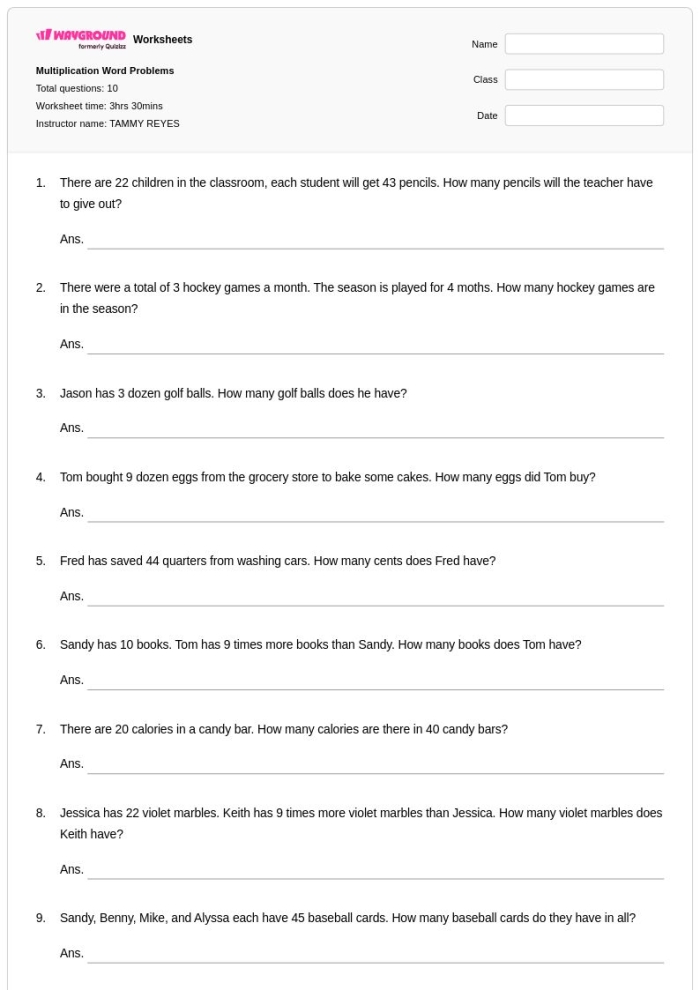
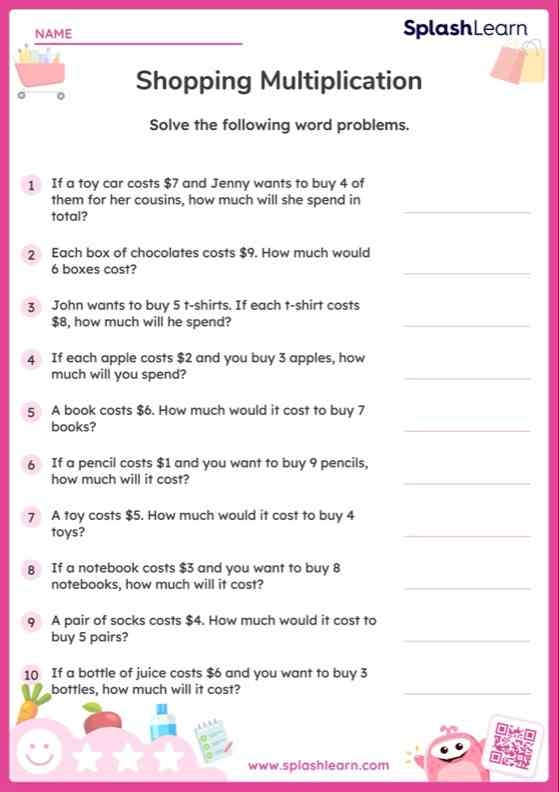
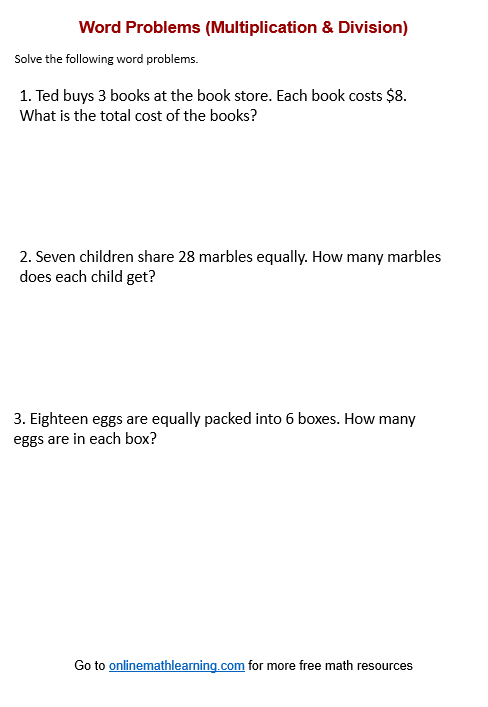
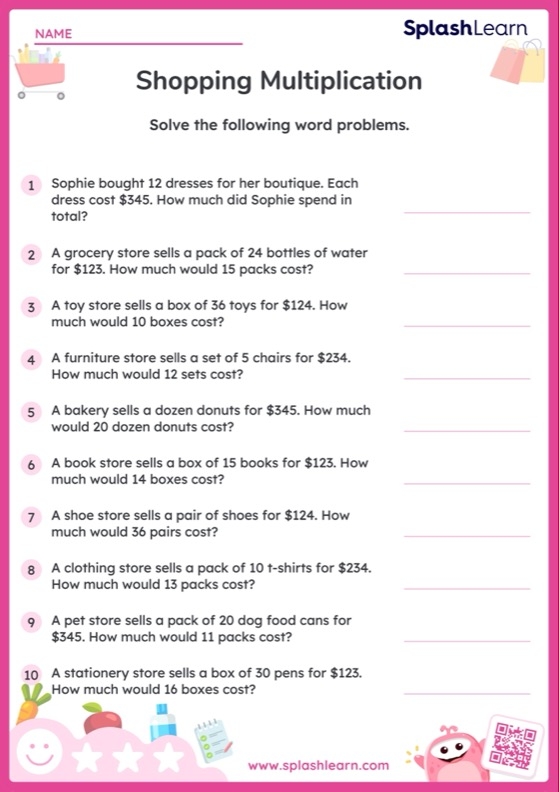
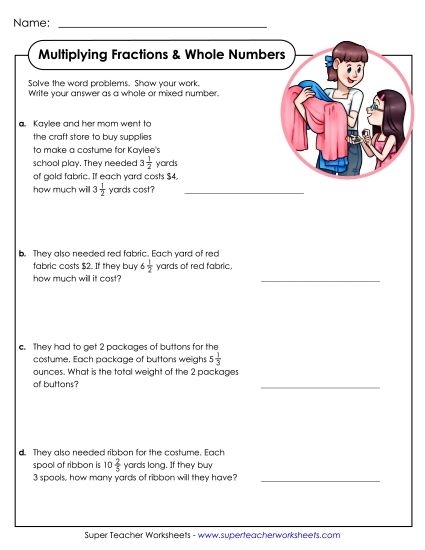
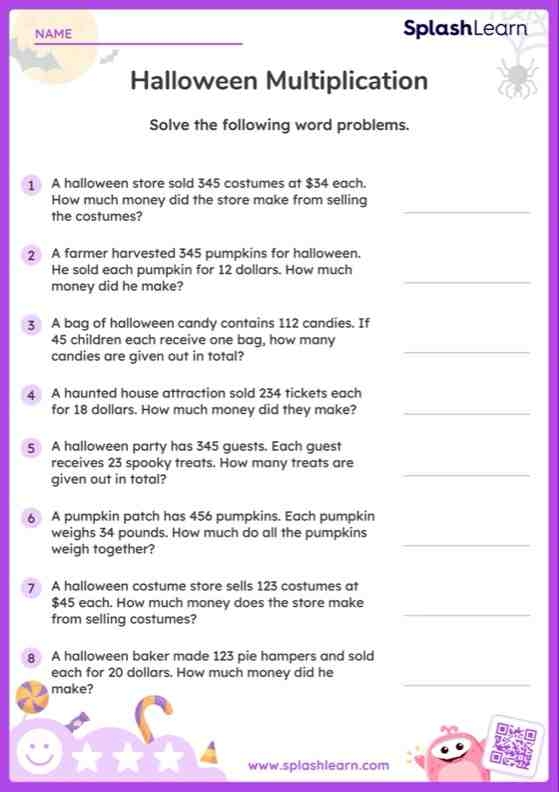
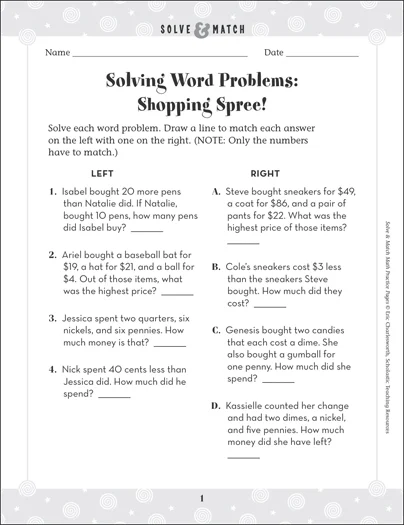
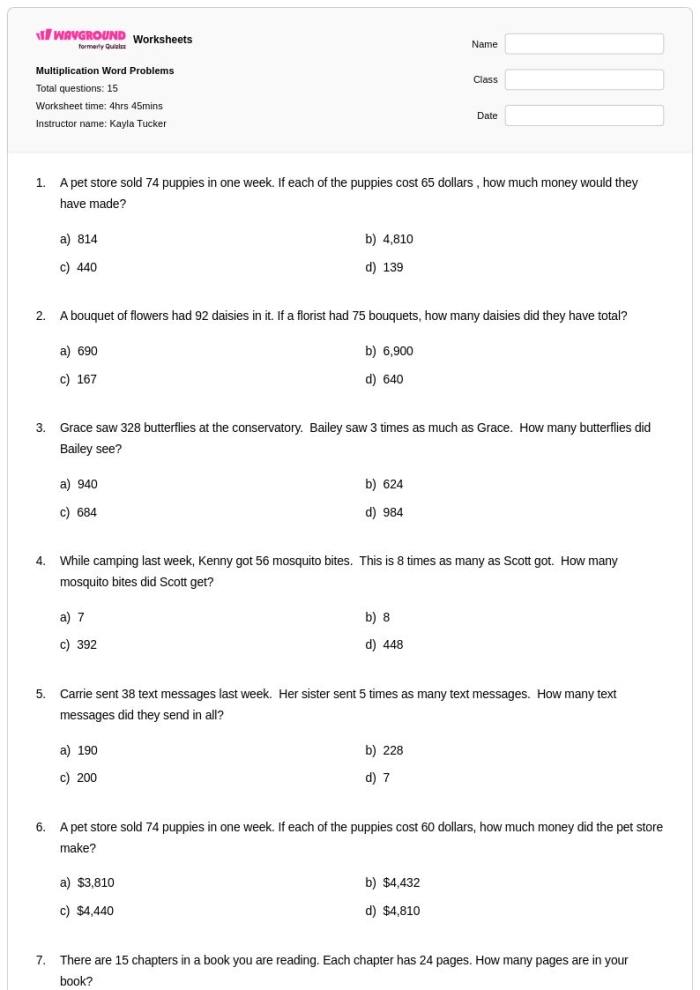
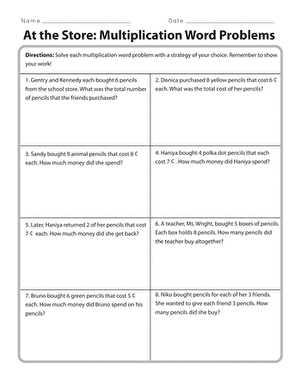
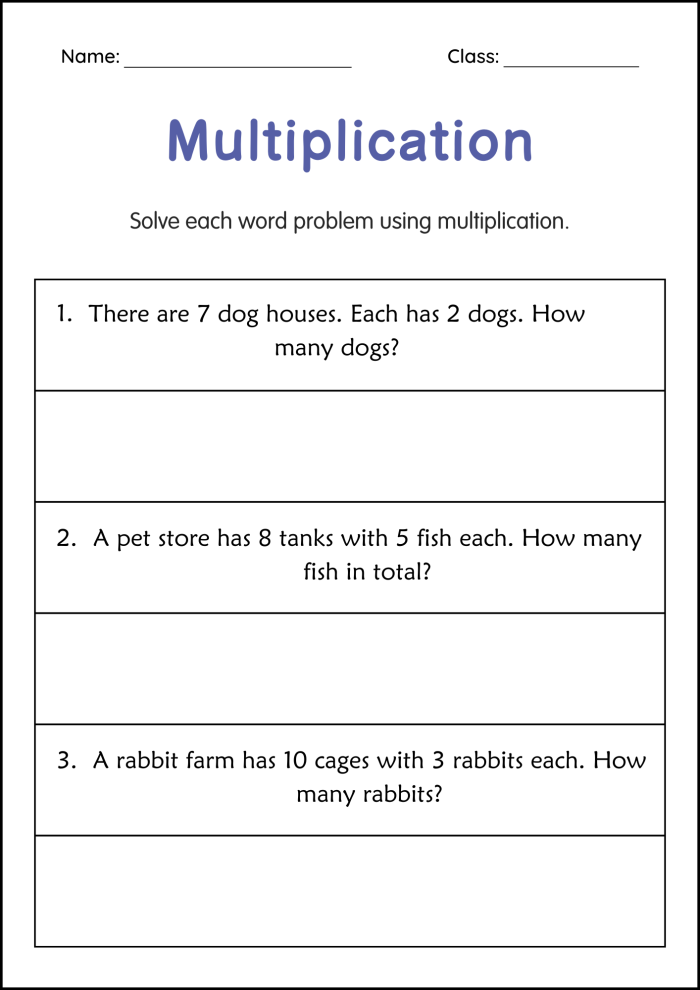
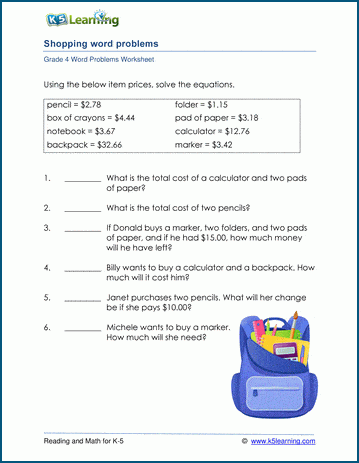
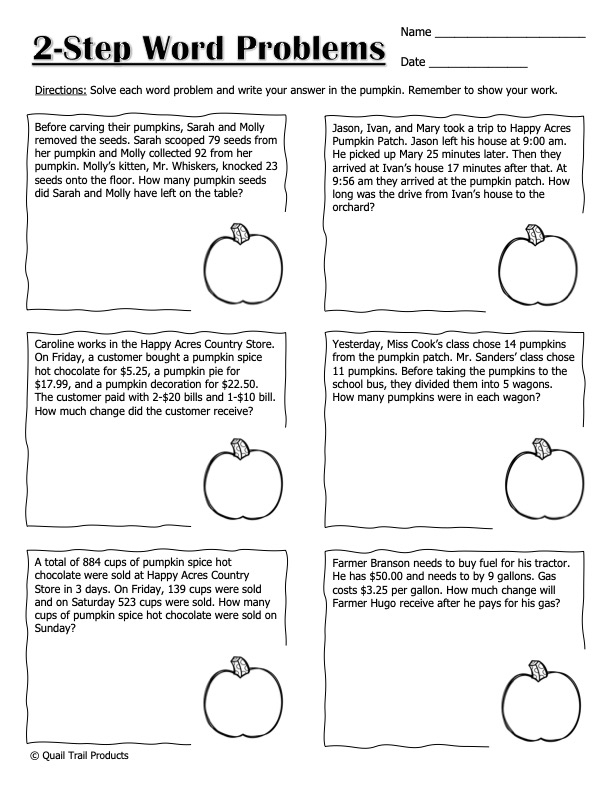
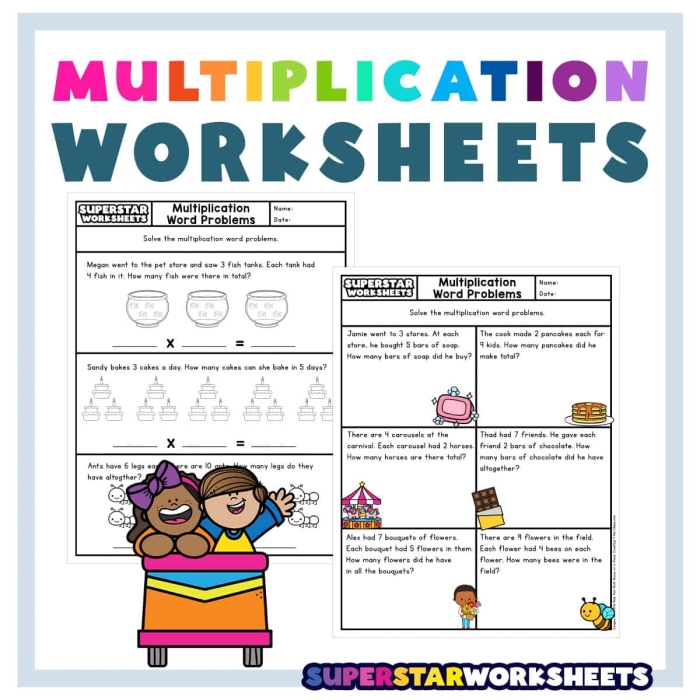
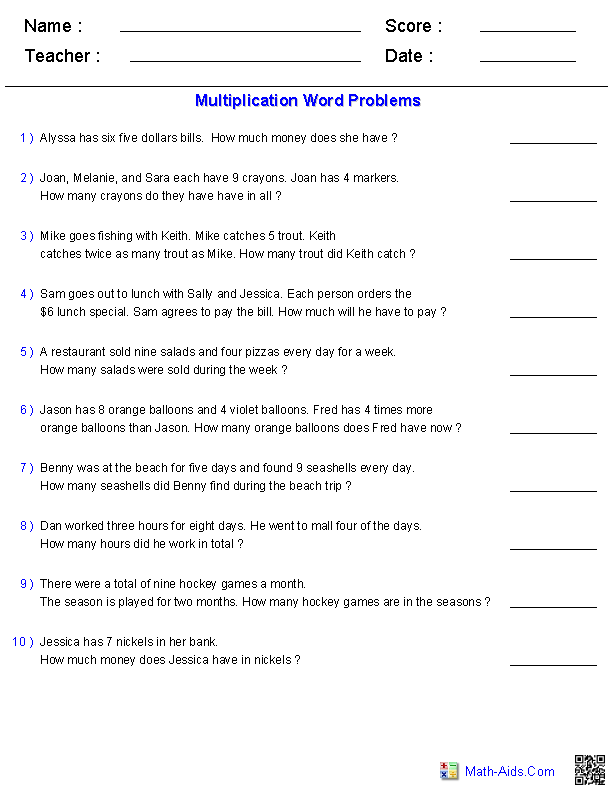
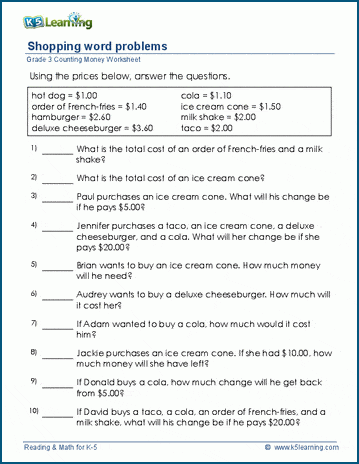
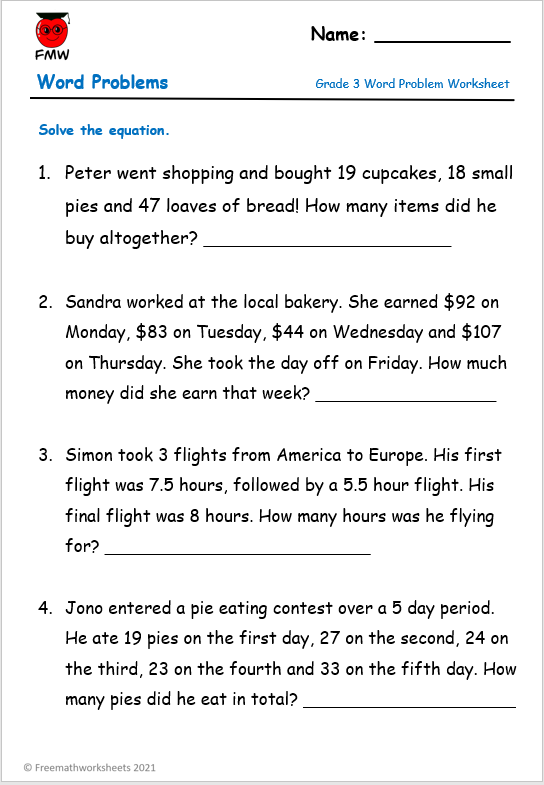
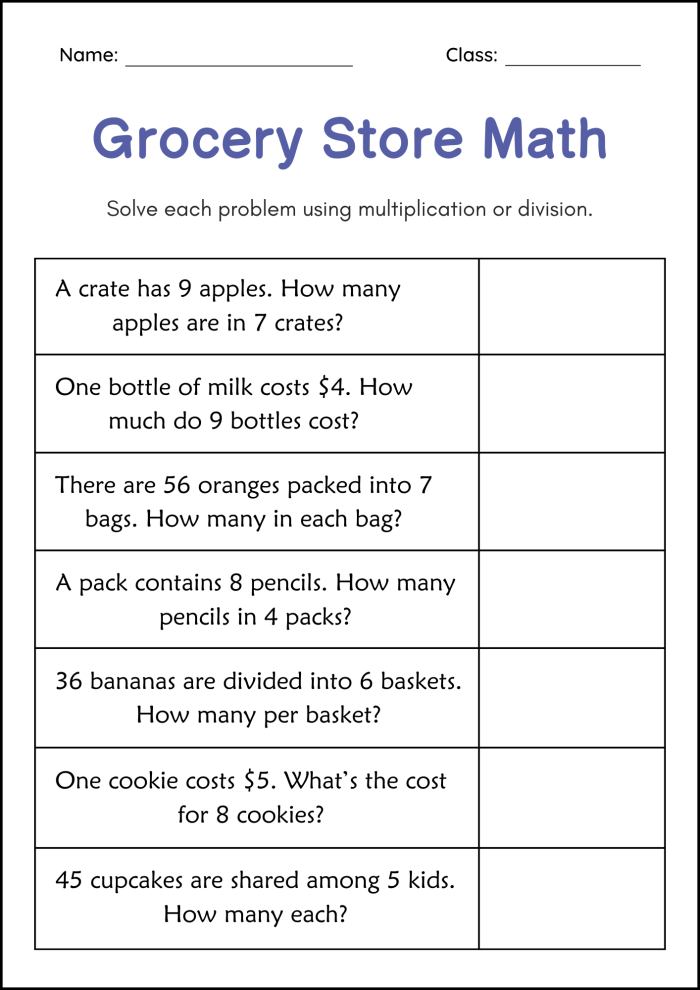
Money word problems offer a practical way to help your third grader build multiplication skills without the abstract feel of traditional math worksheets. When kids solve problems about buying items at a store, they connect multiplication to real situations they encounter in everyday life.
The strength of this approach lies in context. A child working through a problem like “If apples cost $2 each and you buy 4 apples, how much do you spend?” immediately understands why multiplication matters. They’re not just memorizing facts or following formulas. Instead, they’re discovering that multiplication is a tool for solving actual problems they care about.
Third graders often struggle with multiplication because it feels disconnected from anything meaningful. Money changes that dynamic. Most children have handled coins and bills, watched parents make purchases, and thought about what things cost. Building multiplication practice around shopping scenarios taps into this existing knowledge.
These worksheets typically feature scenarios involving different quantities and prices, which naturally reinforces multiplication facts while also developing financial literacy. A student might calculate the total cost of buying multiple items at different prices, which requires both multiplication and addition skills.
If your third grader is working through reading comprehension at the same time, pairing reading comprehension exercises with math practice creates a well-rounded learning session. You might also explore complementary skills like fraction practice with equivalent fractions to build number sense alongside multiplication.
The beauty of store-based multiplication problems is their flexibility. You can easily create variations based on items your child finds interesting, making the practice feel less like a worksheet and more like solving puzzles about the real world.
Start Practicing with These Worksheets