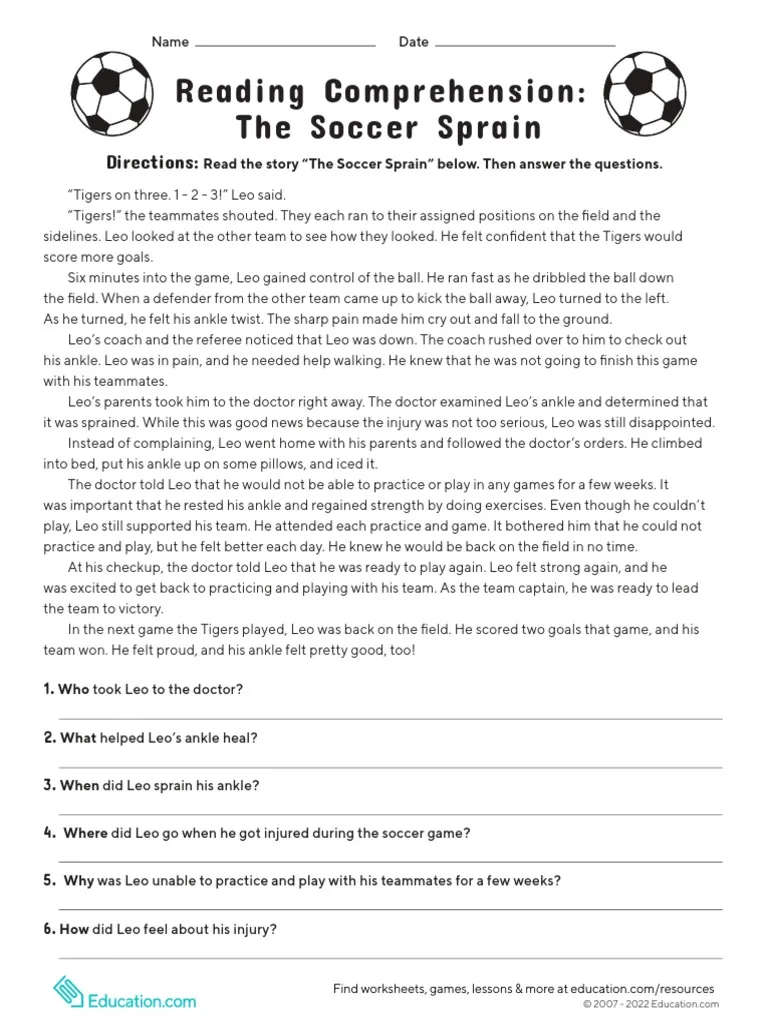
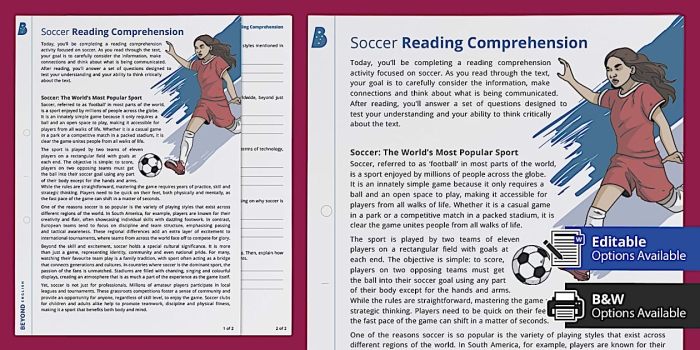
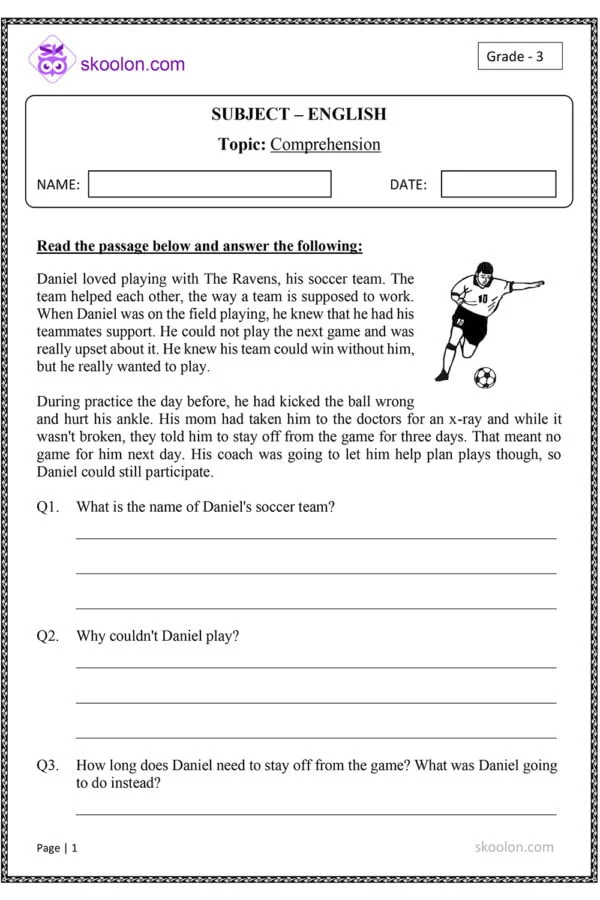
Engaging students in reading comprehension can be as simple as sharing a relatable story. Take, for example, the narrative of Leo, who faces a challenging soccer injury. This story isn’t just about sports; it’s about resilience and determination, qualities that resonate with third graders navigating their own challenges. After reading about Leo’s journey, students will have the opportunity to reflect on the text by answering essential questions: who, what, when, where, why, and how.
These questions are fundamental to understanding the narrative and encourage deeper thinking. For instance, students will identify who Leo is, what happened during his soccer game, when the injury occurred, and where the events took place. Exploring why Leo faced this challenge invites them to consider the emotional aspects of his experience. Finally, delving into how he overcame his injury fosters discussion about problem-solving and perseverance.
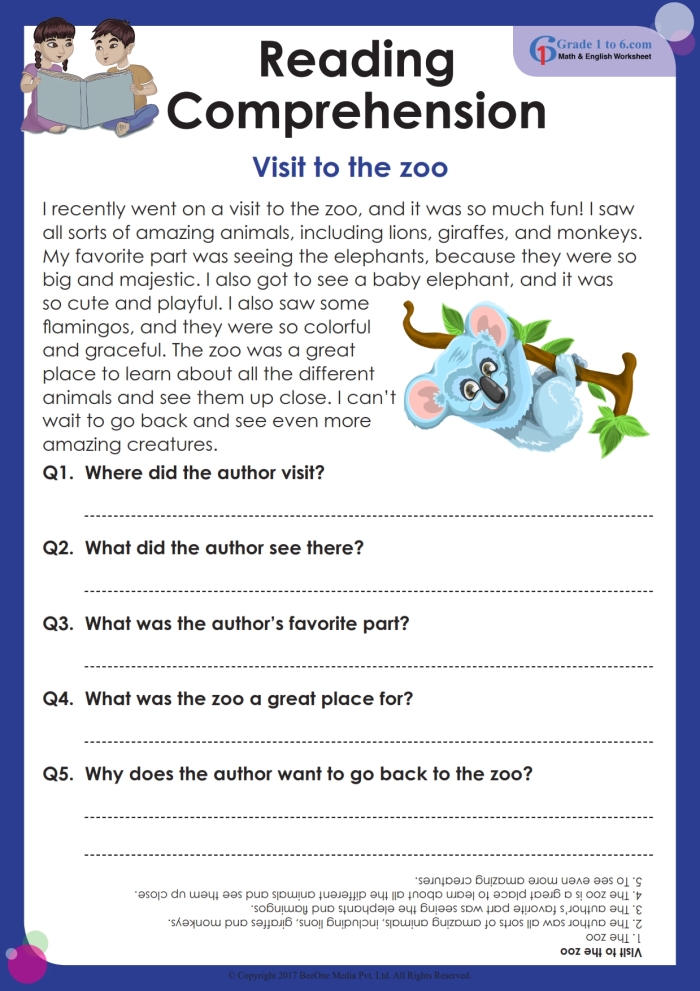
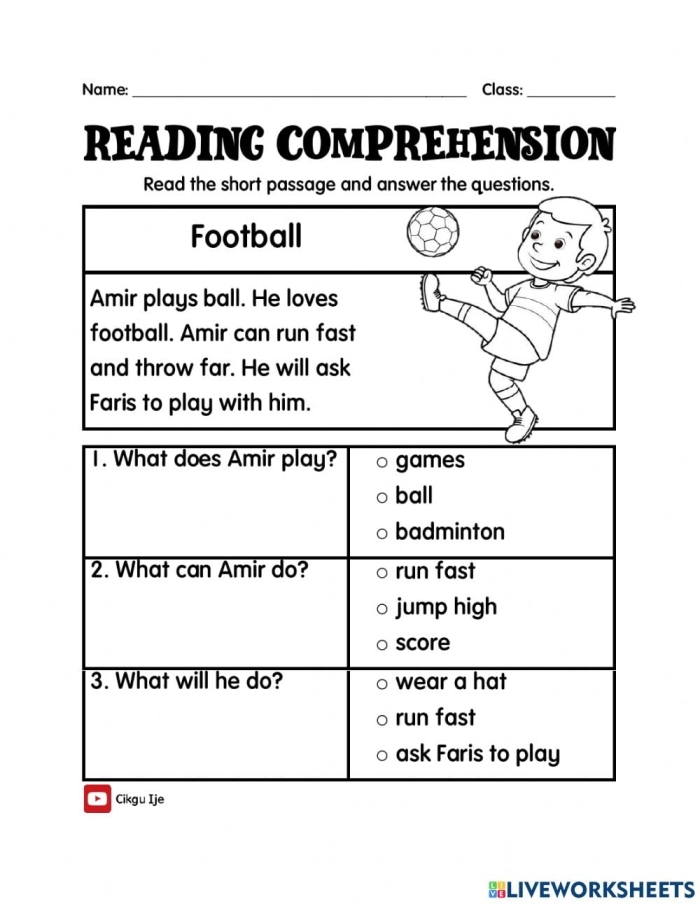
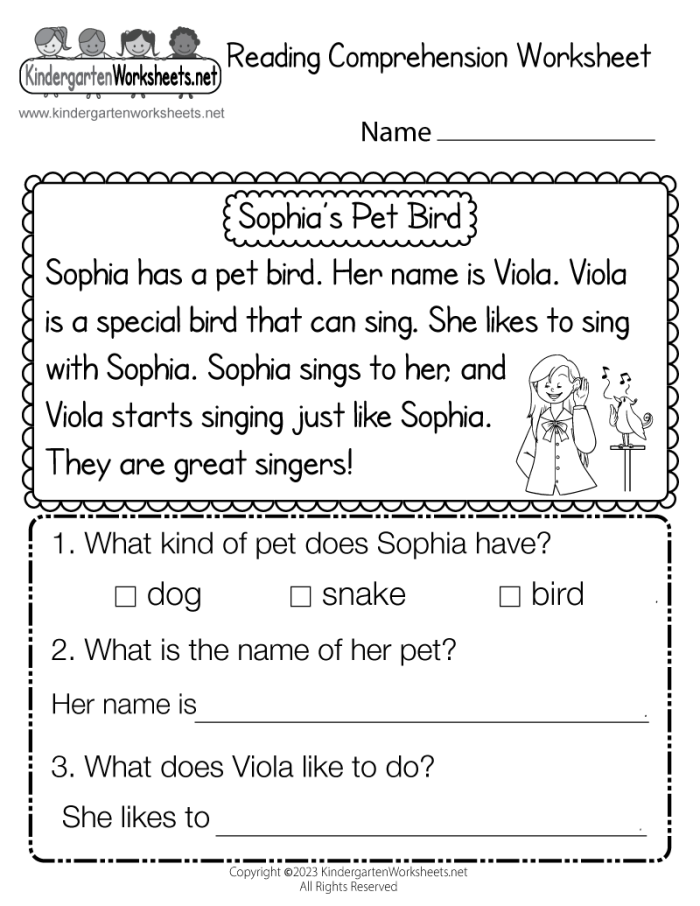
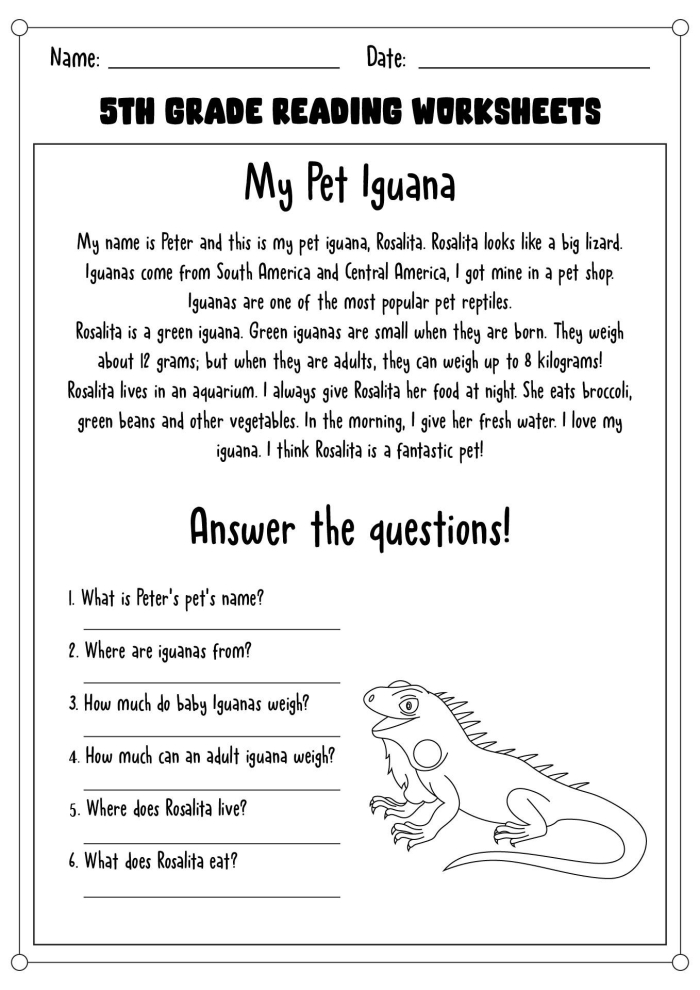
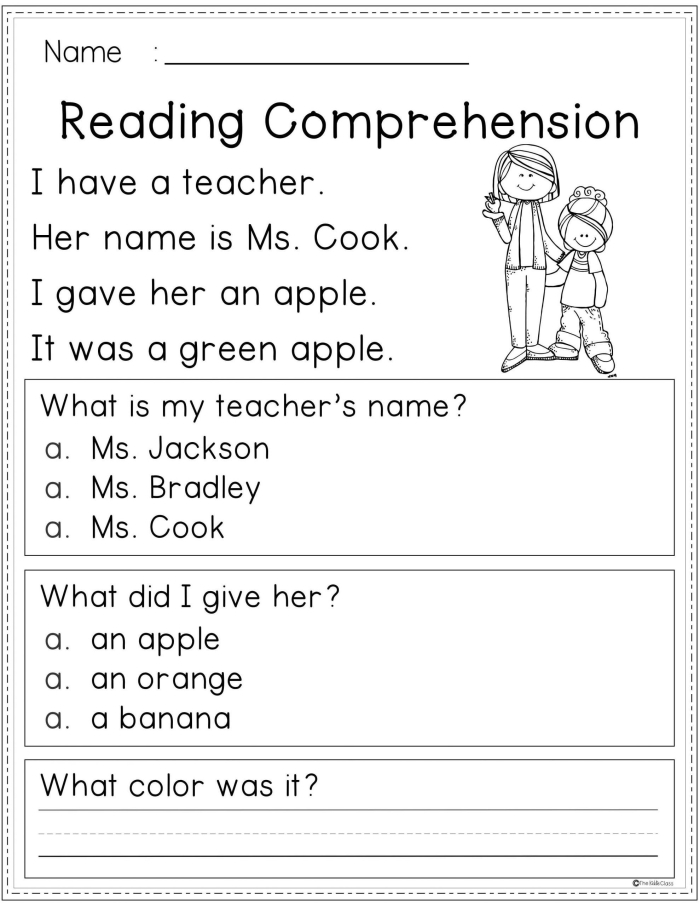
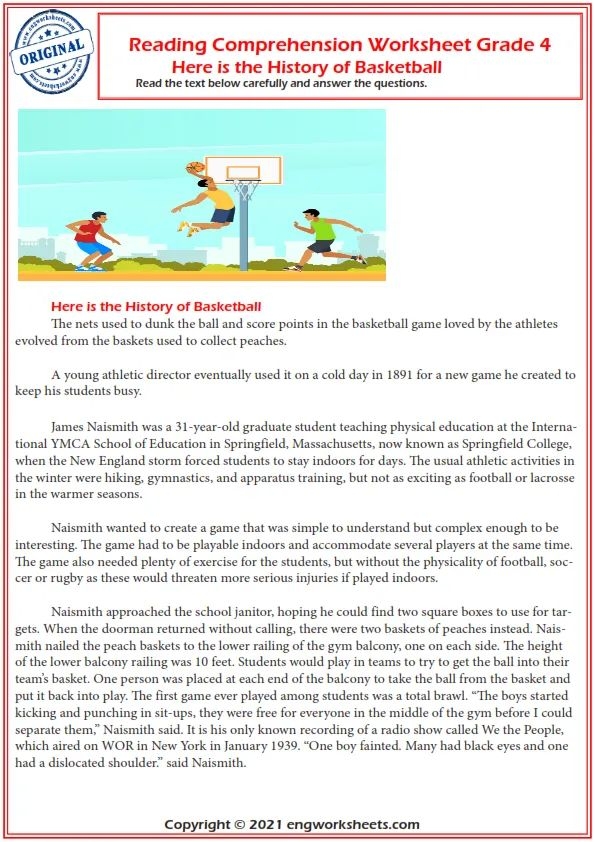
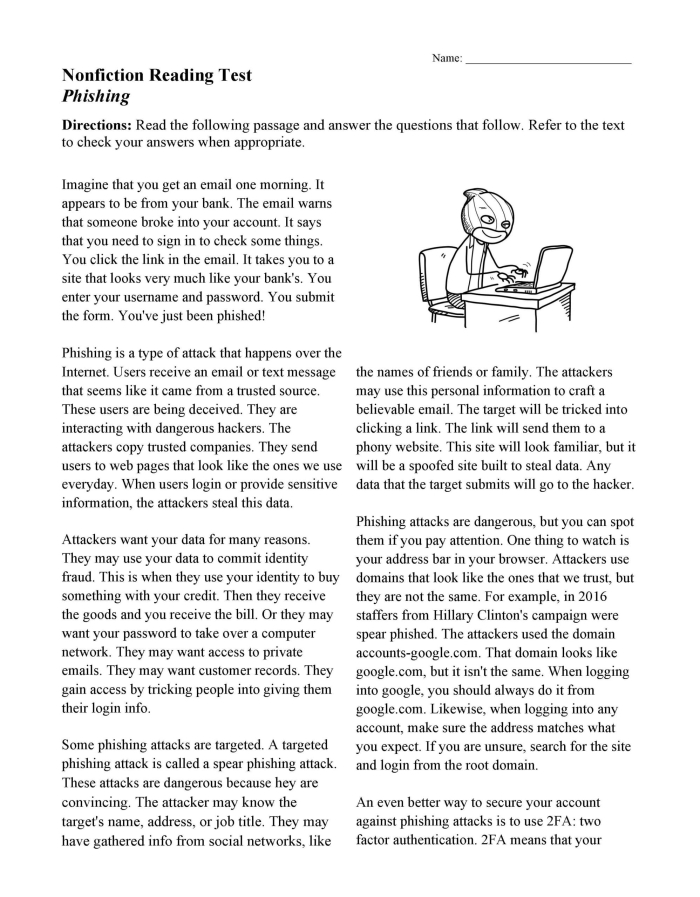
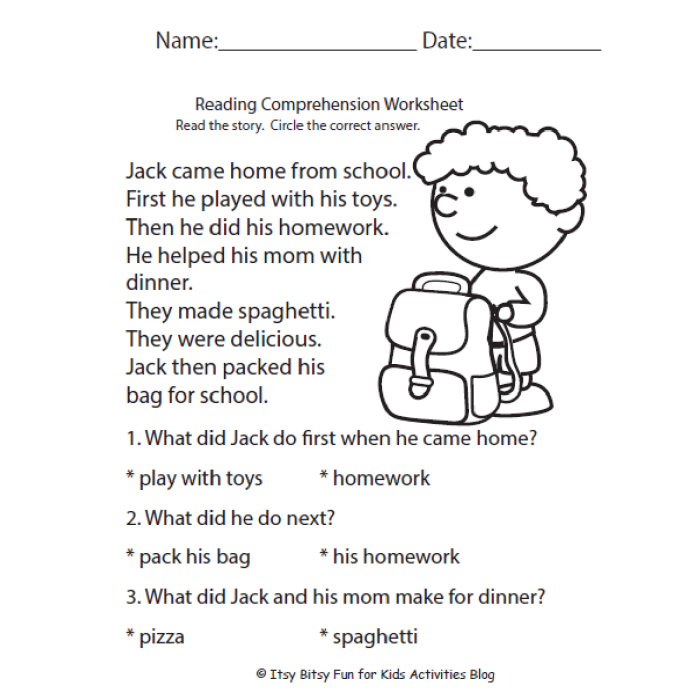
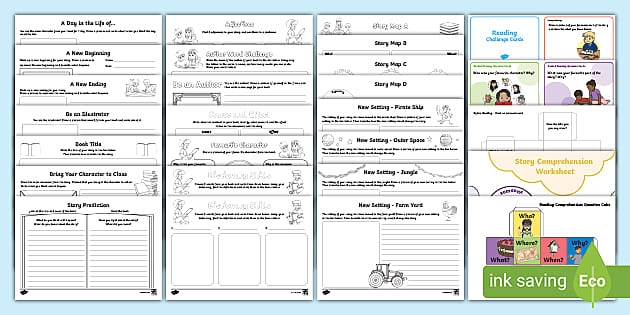
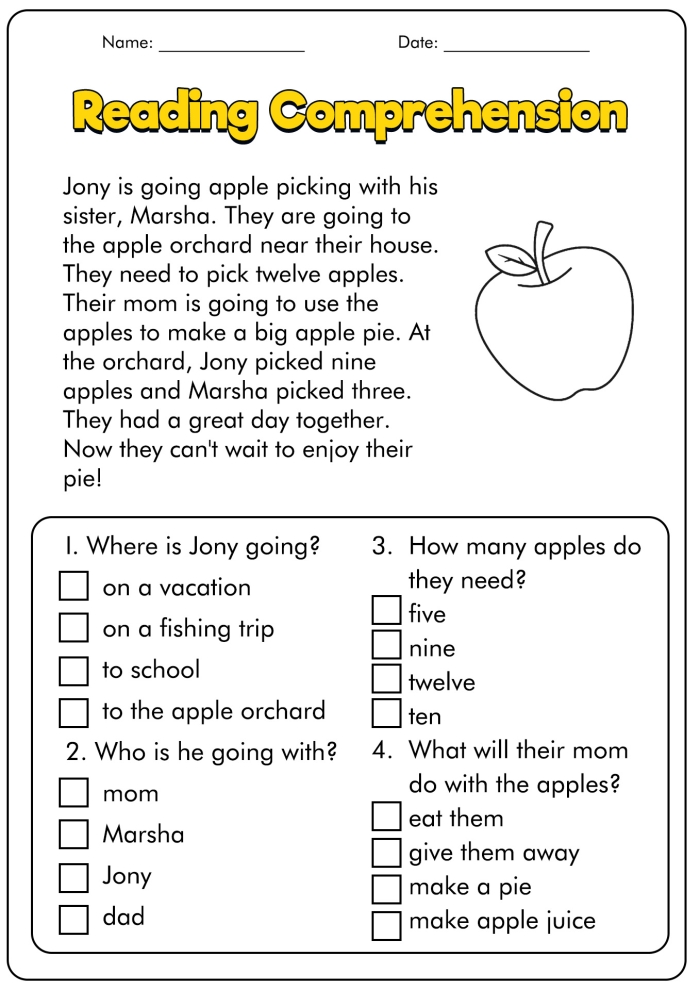
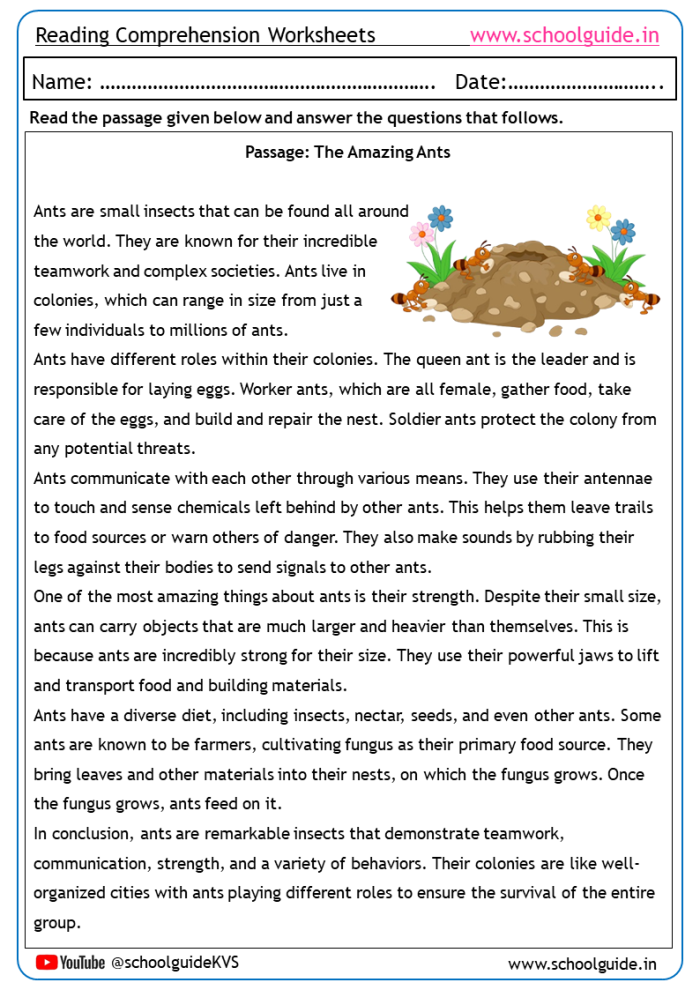
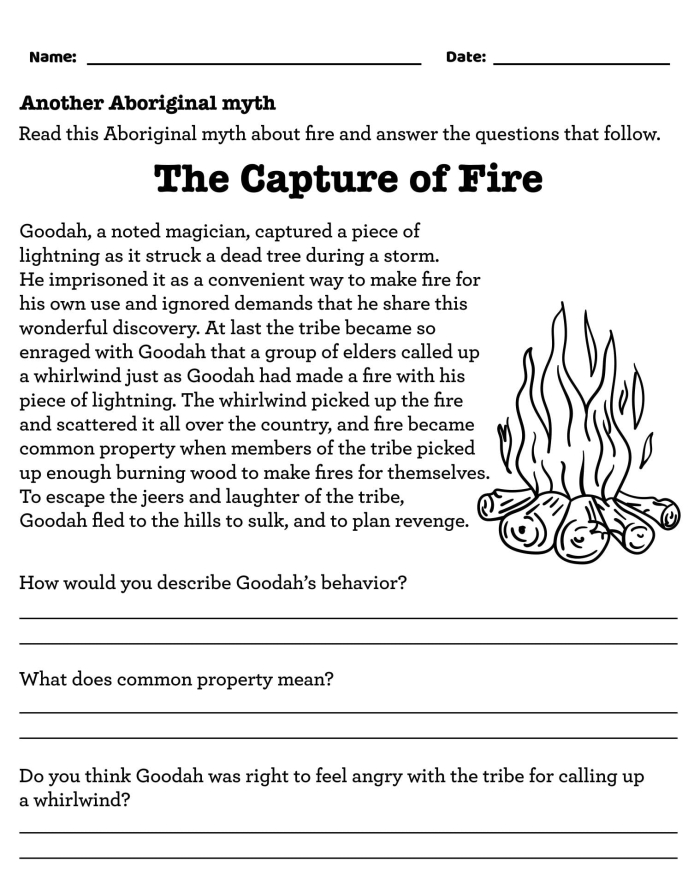
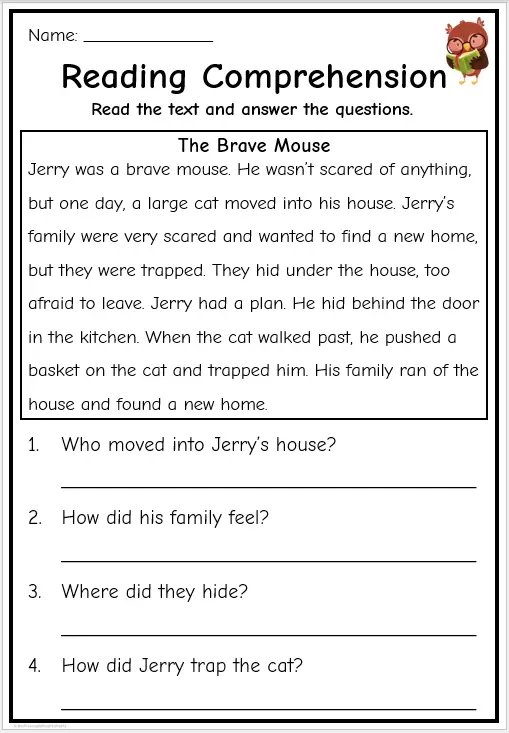
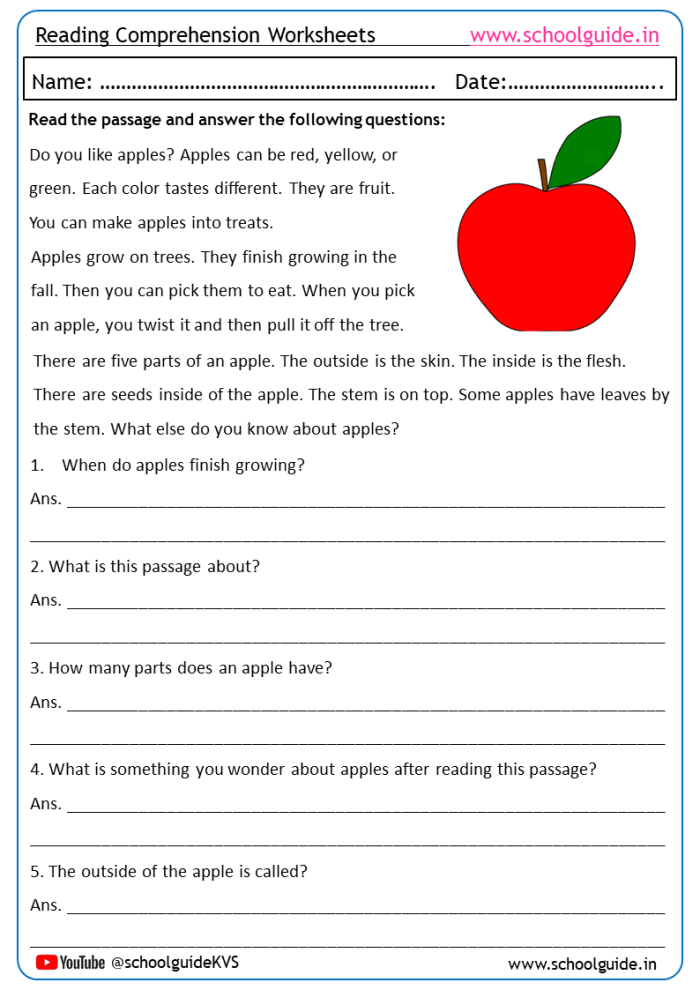
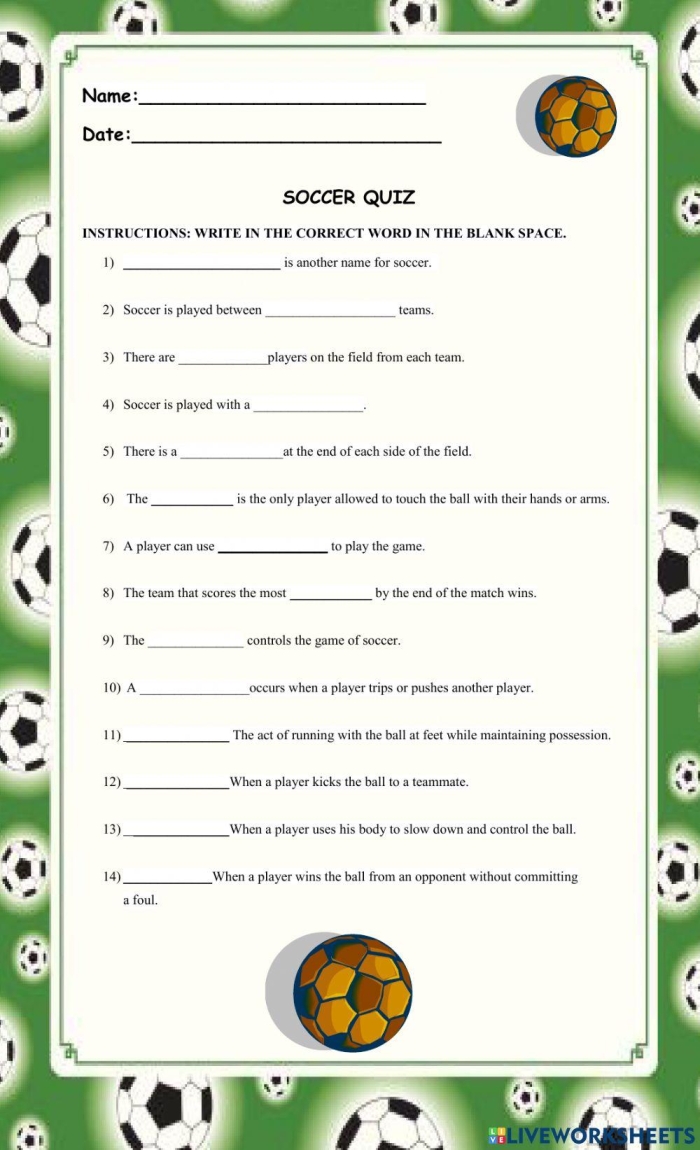
To enrich this learning experience, consider providing reading comprehension worksheets that align with the story. These resources reinforce the concepts and skills being taught. Additionally, students can relate this story to their own lives, making the lessons learned even more impactful. Encourage them to share personal stories of overcoming obstacles, whether in sports or other areas.
After discussing the story, you can extend the lesson by integrating other subjects. For example, explore the science of sports injuries and recovery with worksheets on light and color, or incorporate math by solving time-related problems relevant to game schedules.
Using Leo’s story as a foundation, you can help students develop critical thinking and comprehension skills while making learning enjoyable and relatable. This approach not only enhances their reading abilities but also prepares them for future challenges both in and out of the classroom.
Worksheet Practice Section