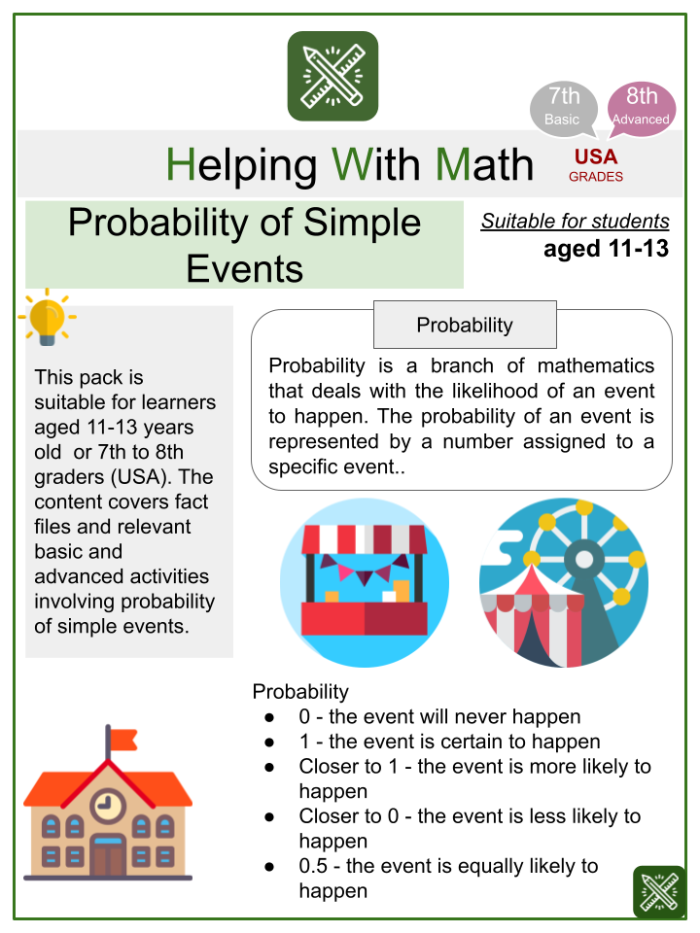
Most seventh grade students find probability confusing when it stays locked in abstract textbook problems. The moment you connect those same concepts to something they recognize, the fog clears. A one-page worksheet focused on real-world probability scenarios bridges that gap by grounding mathematical thinking in situations students actually encounter.
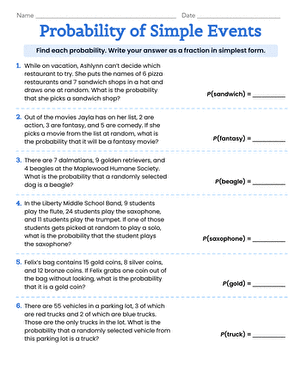
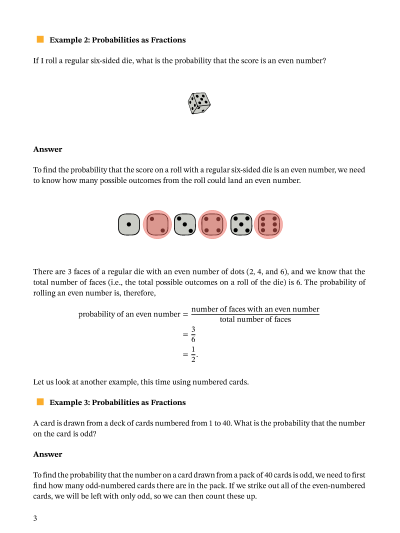
Real-world contexts make probability concrete. Instead of asking “what’s the chance of rolling a 3 on a die,” a better approach asks “if you’re choosing a lunch option randomly from five choices, what’s the probability you get pizza?” Students can visualize this immediately. They understand the setup, count the favorable outcomes, and see why the math matters. This approach to mixed operations reinforces not just probability rules but also how numbers describe actual decisions and events.
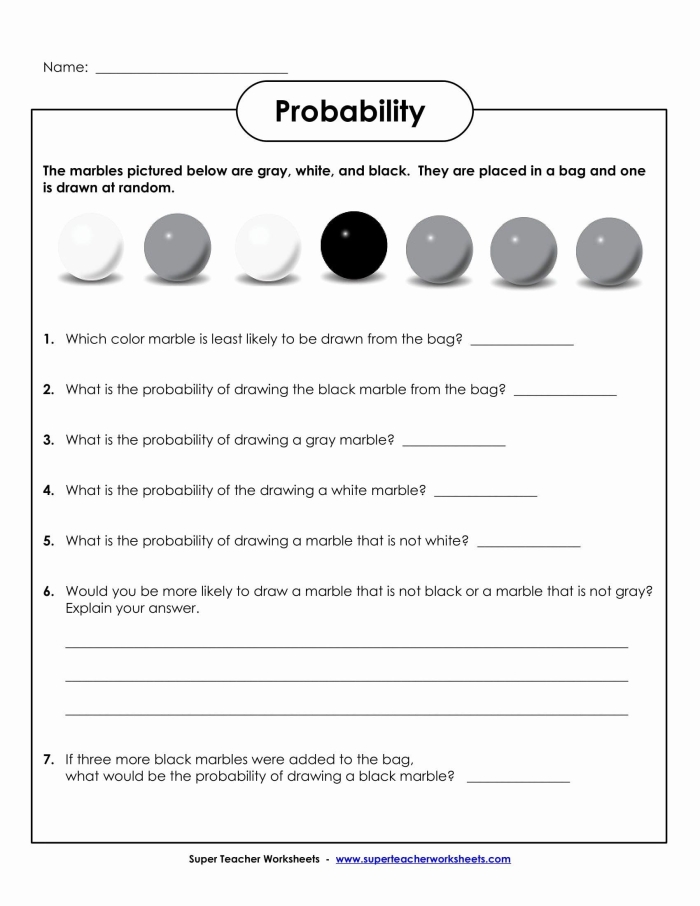
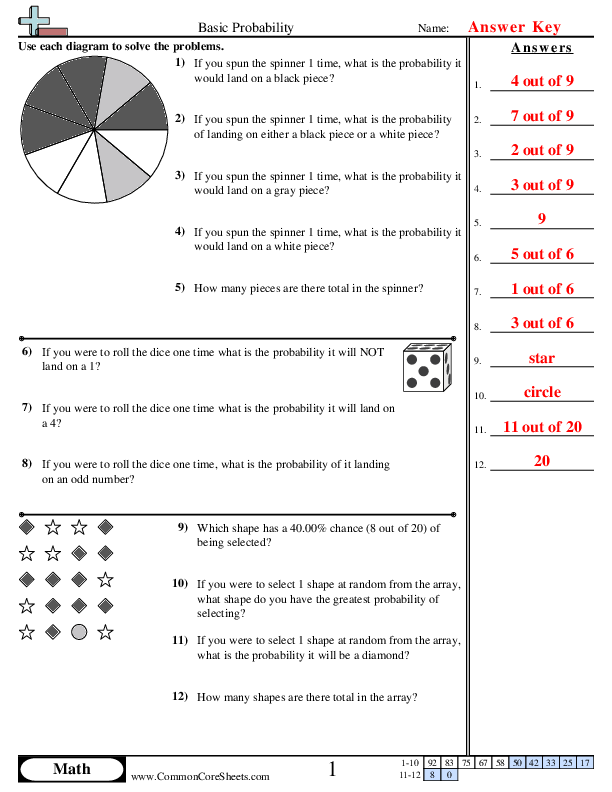
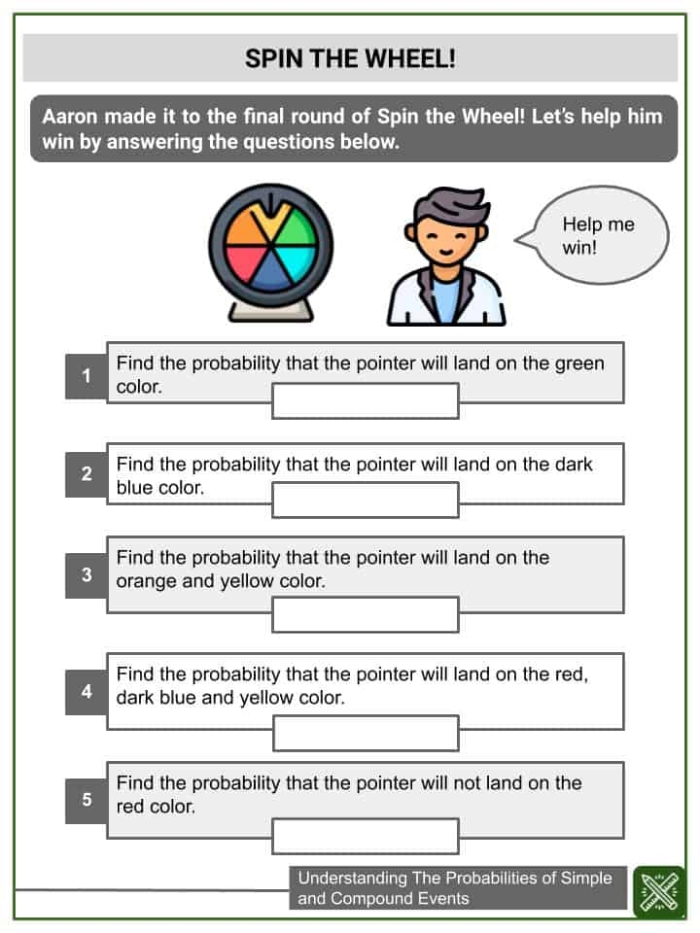
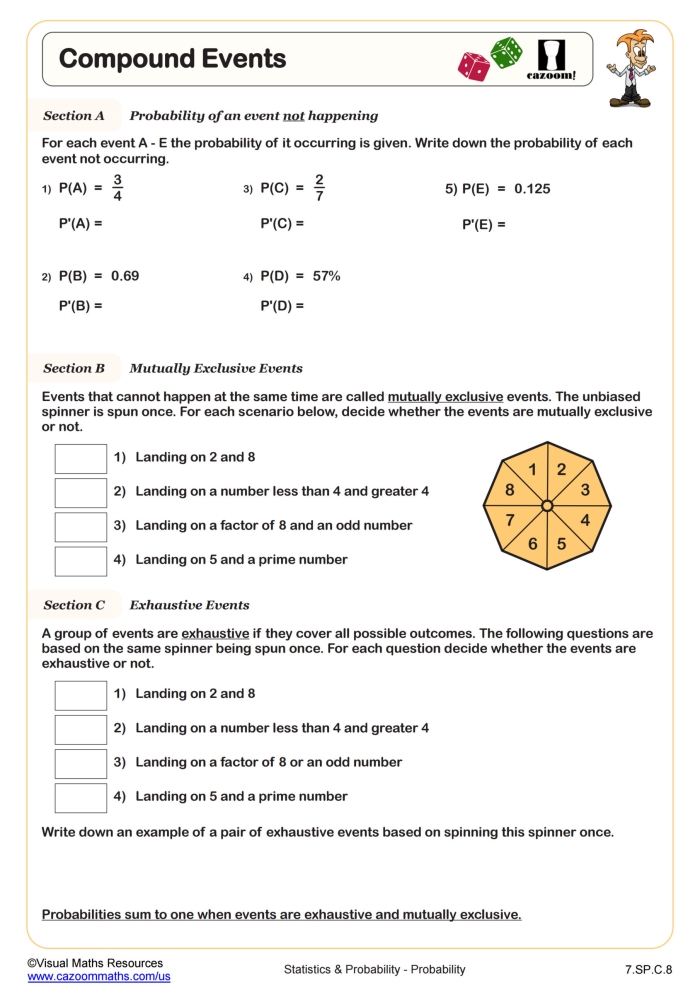
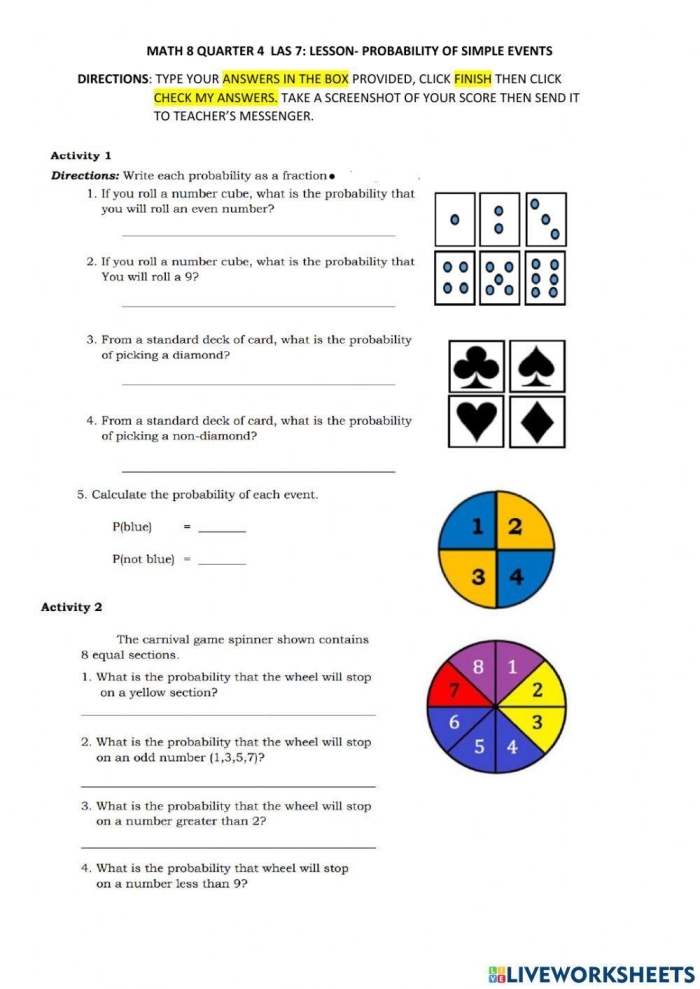
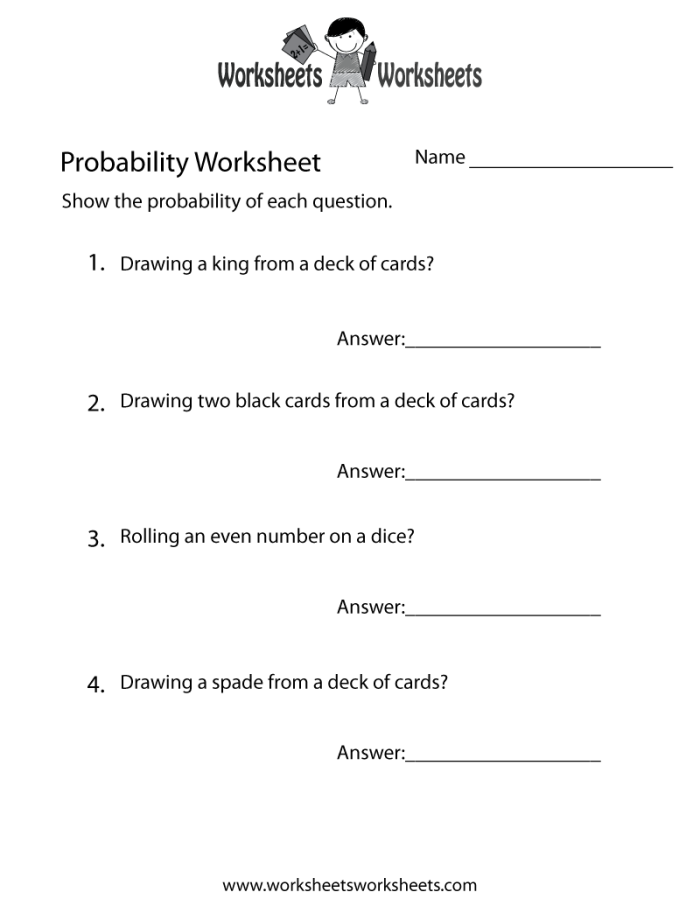
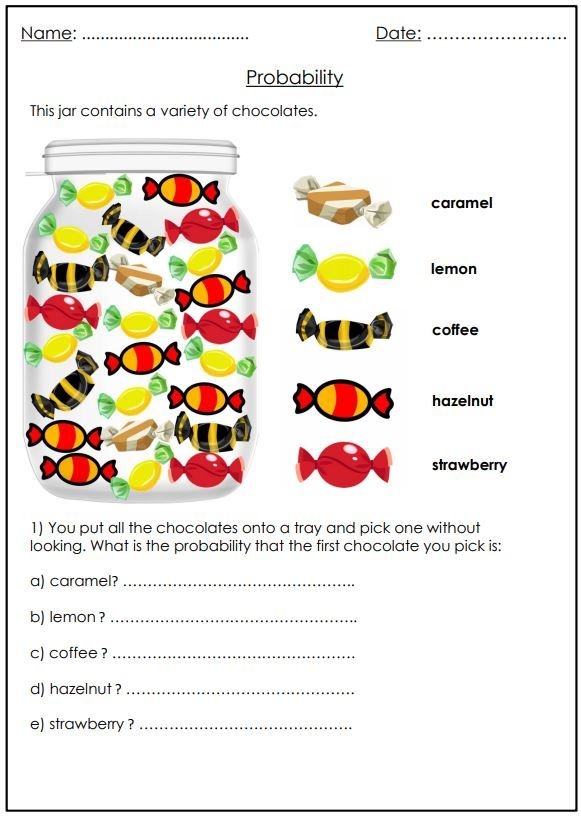
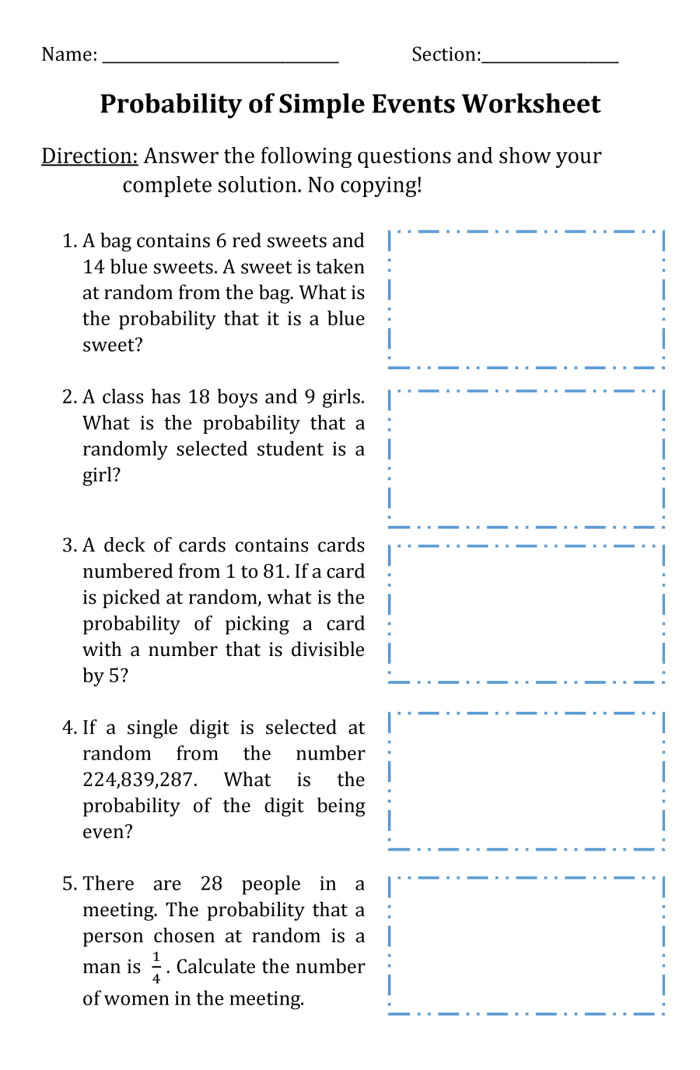
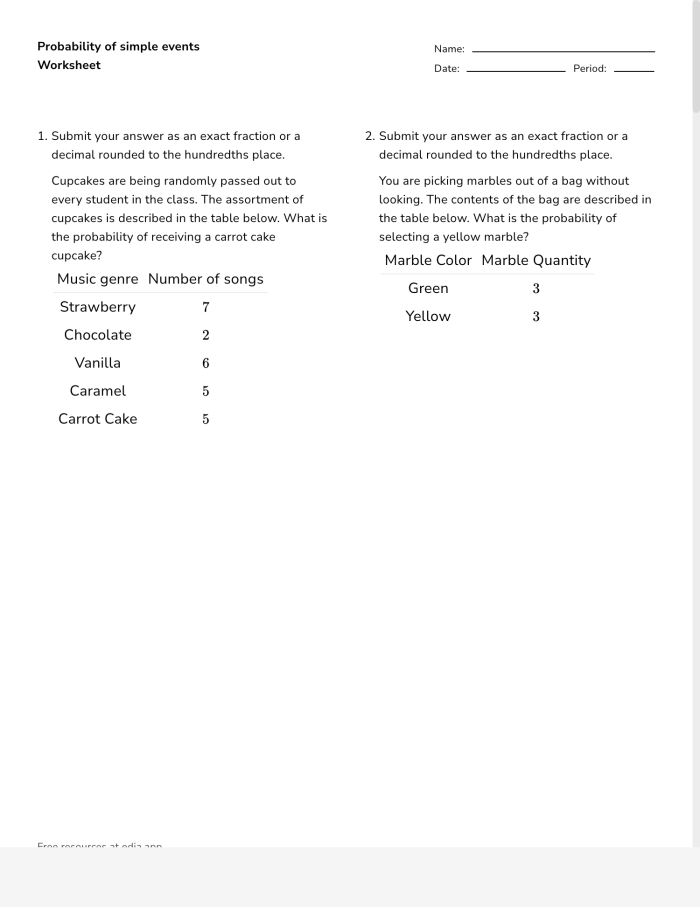
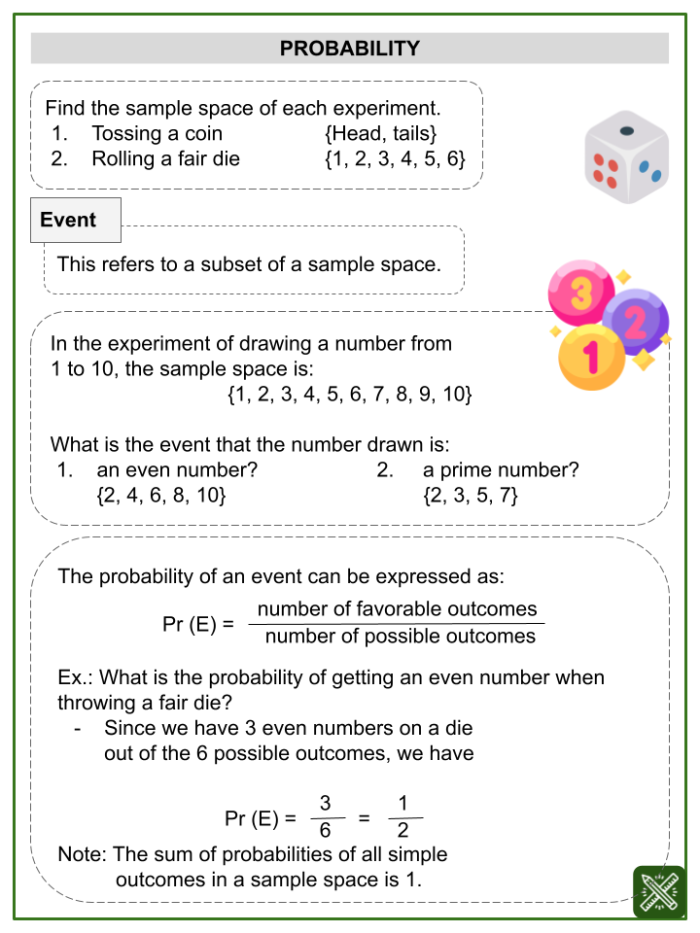
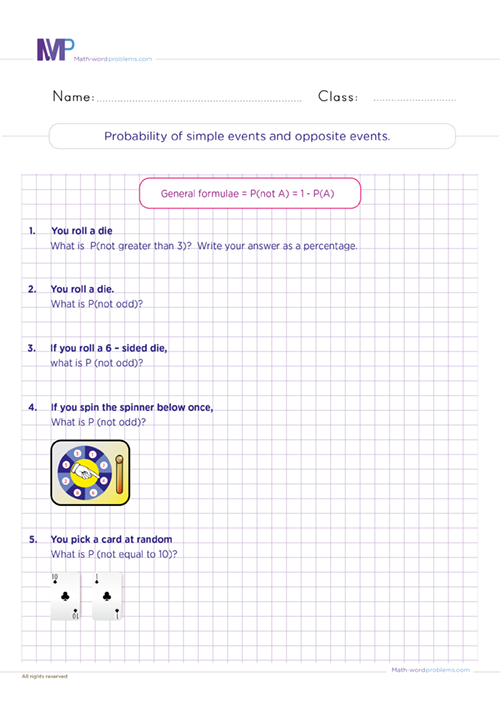
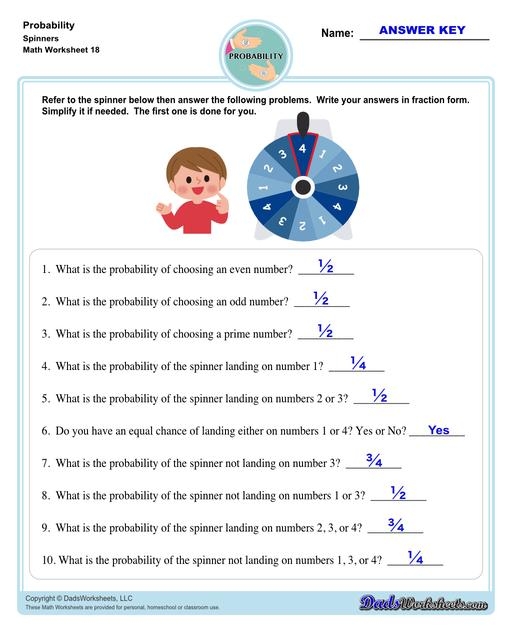
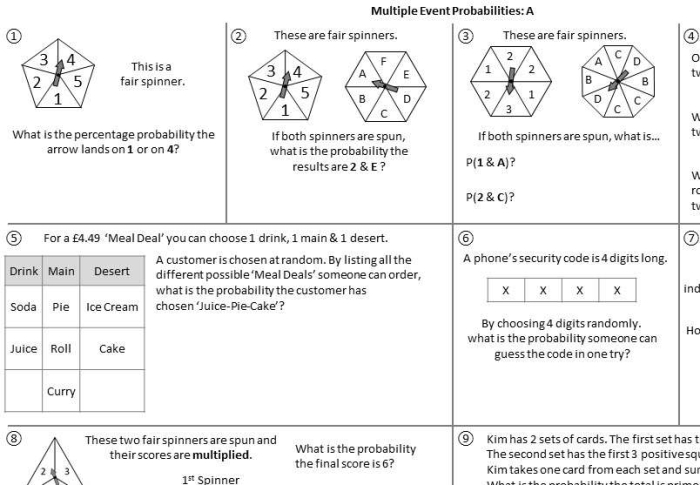
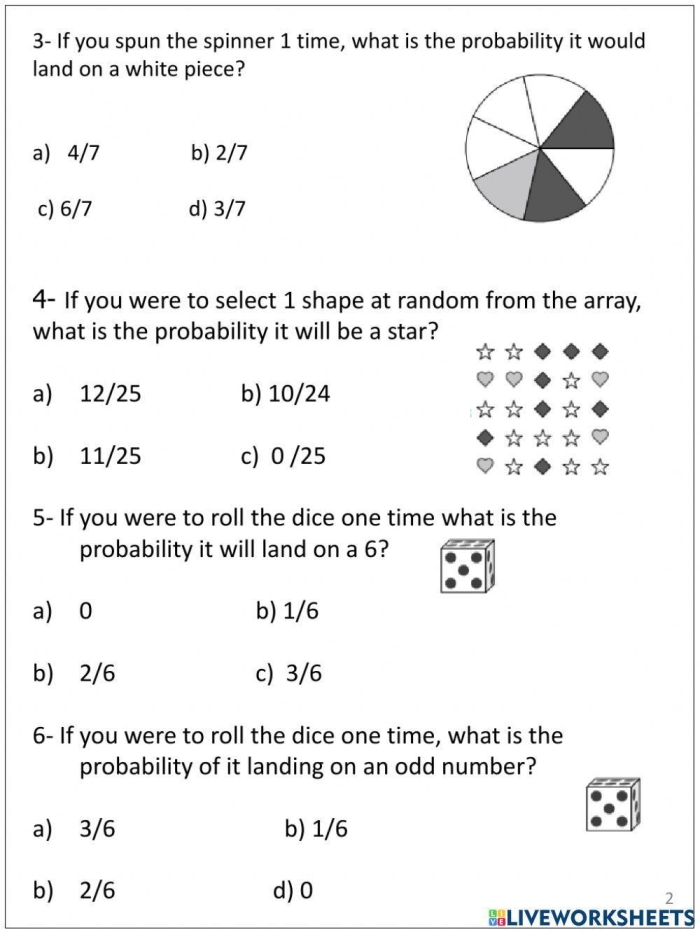
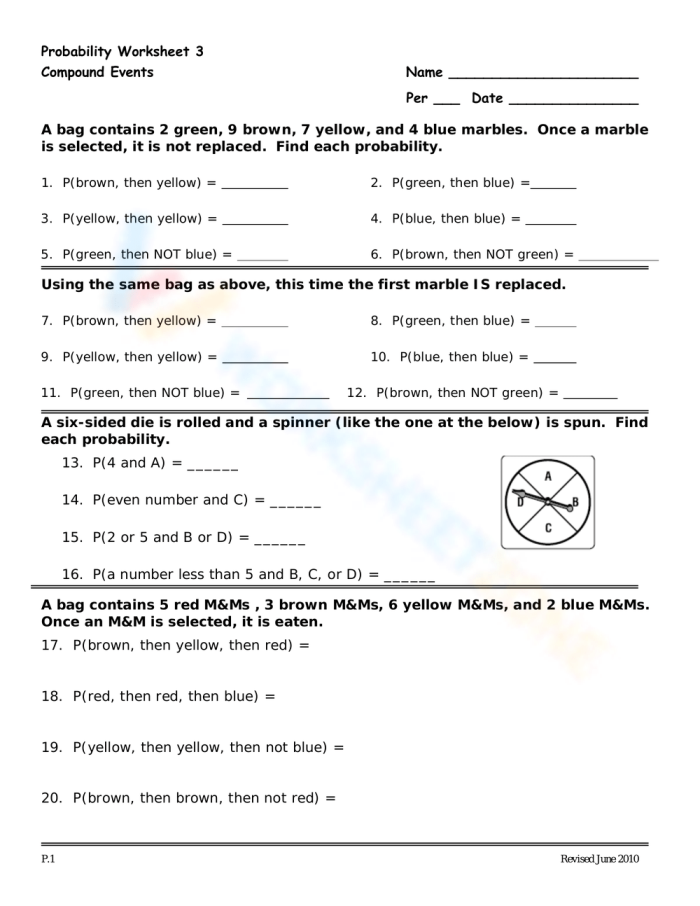
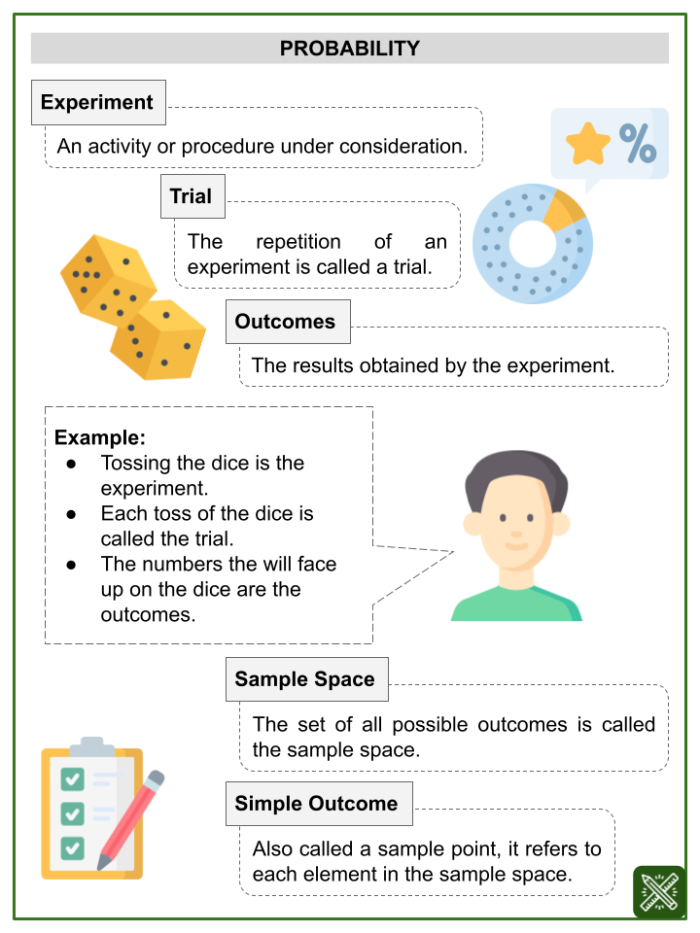
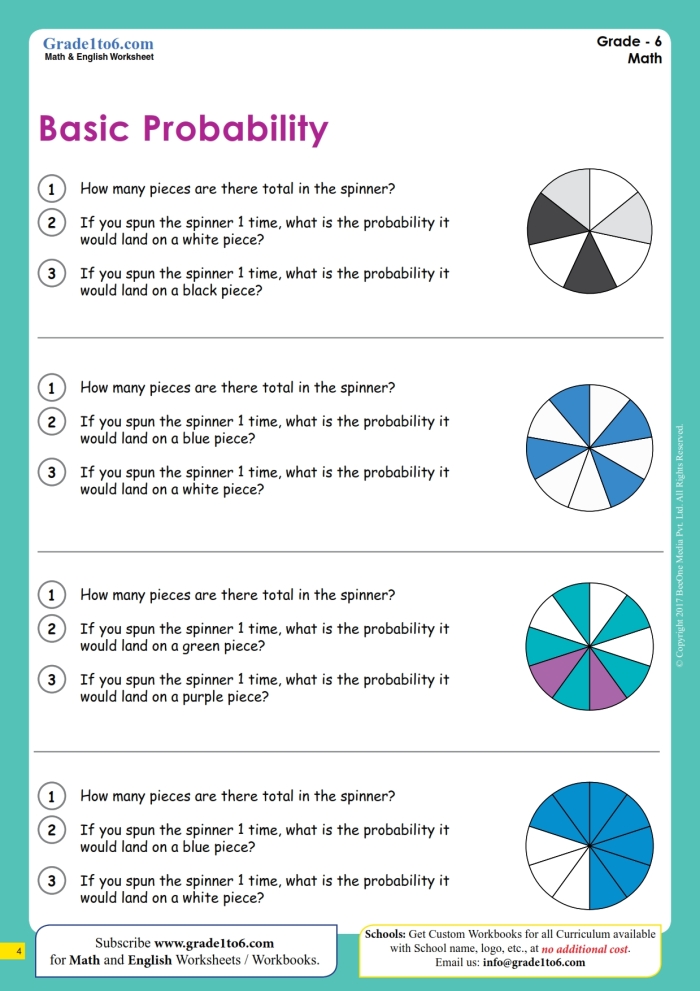
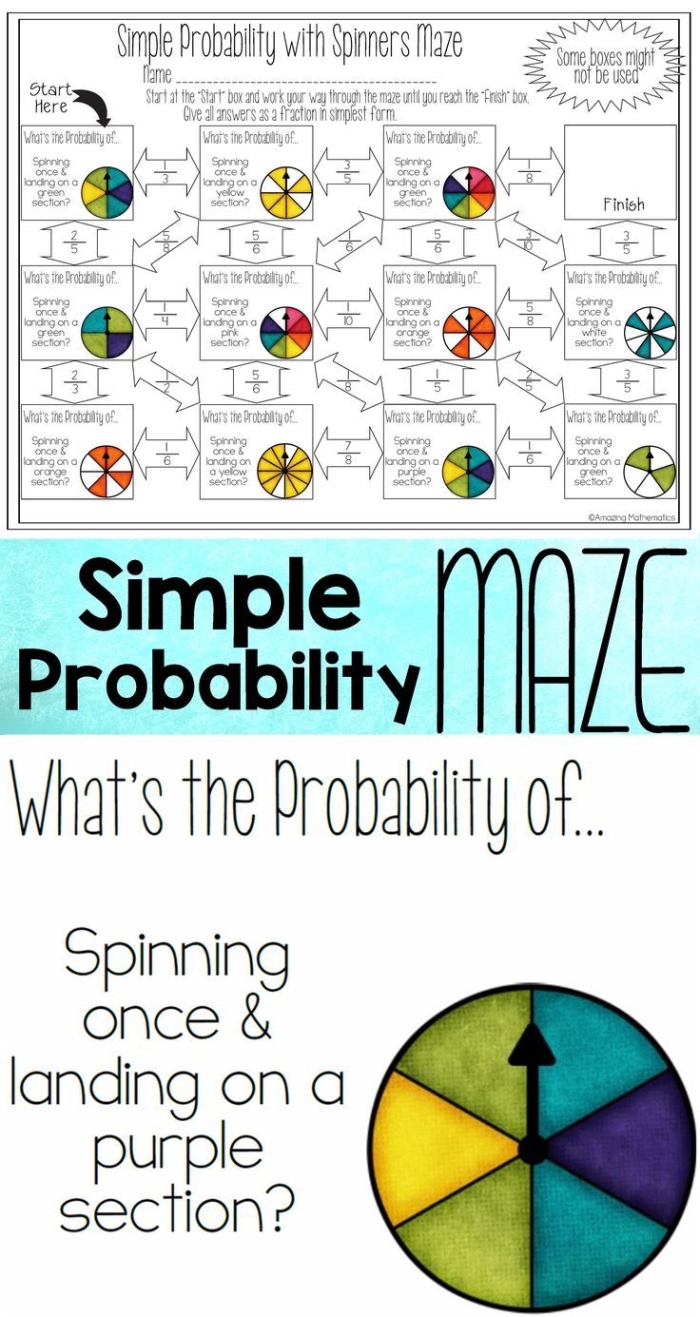
A focused worksheet covering simple events does several things well. It limits scope so students master one concept before moving forward. It provides enough repetition to build confidence without becoming tedious. Most importantly, it uses scenarios like drawing colored balls from a bag, spinning spinners with different sections, or selecting cards from a deck. These setups appear everywhere in probability instruction because they work.
The connection between probability and other math skills matters too. Working through these problems requires careful counting, fraction simplification, and sometimes basic algebra. If your students struggle with expanding and factoring expressions, probability work can actually reinforce those skills in a different context.
Using a single-page format keeps the work manageable. Students complete it in one sitting, stay focused, and see clear progress. Pairing this with activities like drawing inferences from data helps students understand how probability connects to the broader world of statistics and decision-making they’ll encounter throughout their education.
Try These Printable Worksheets