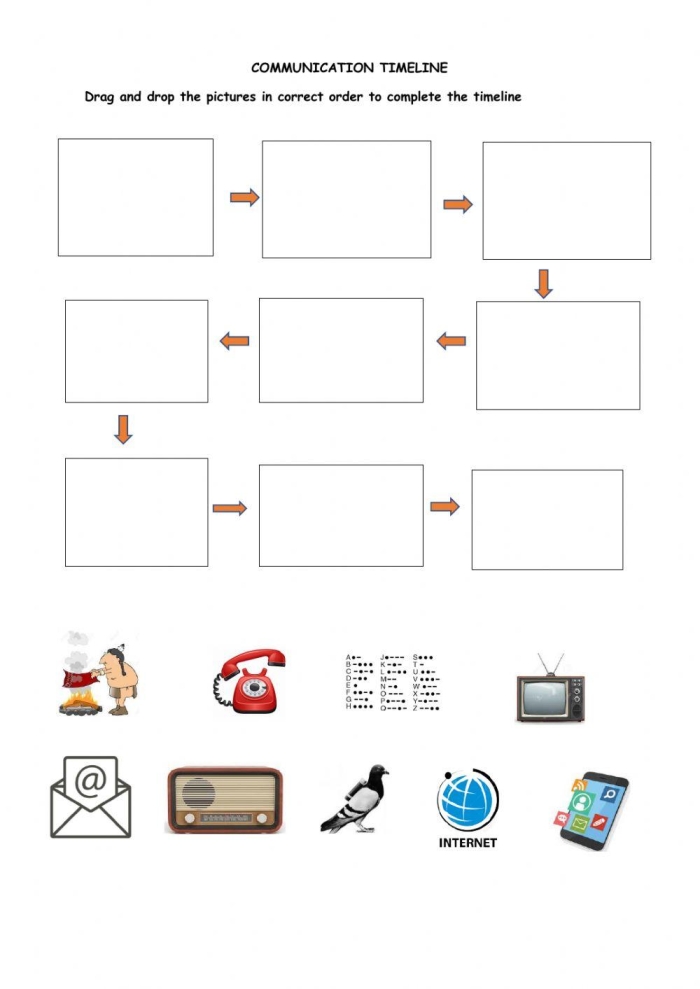
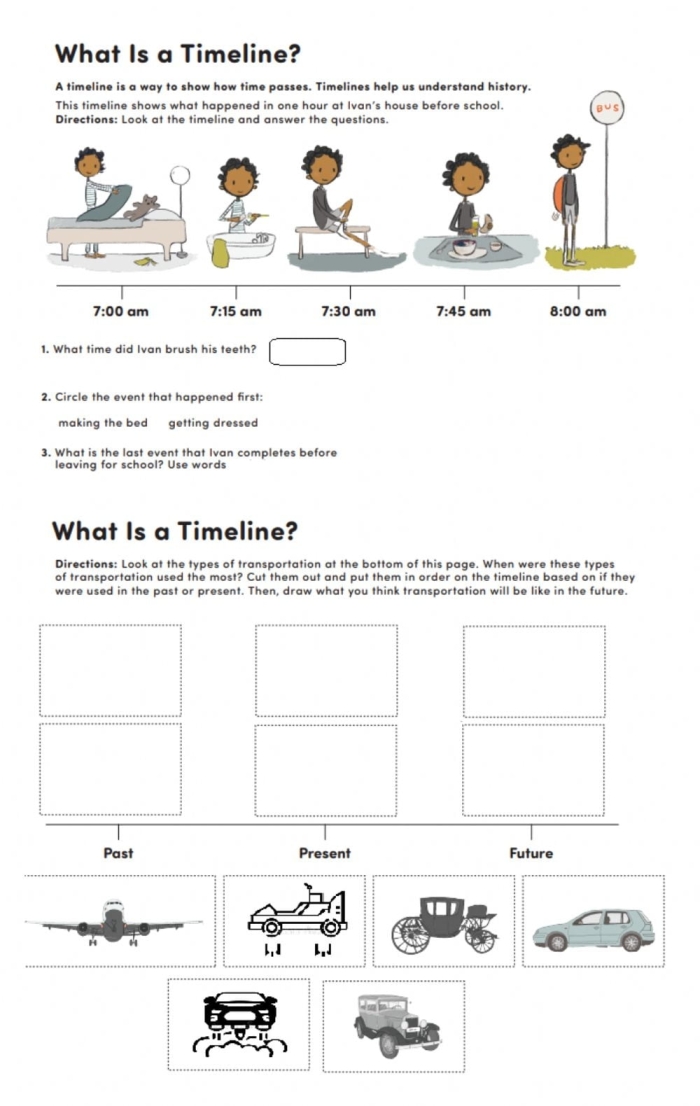
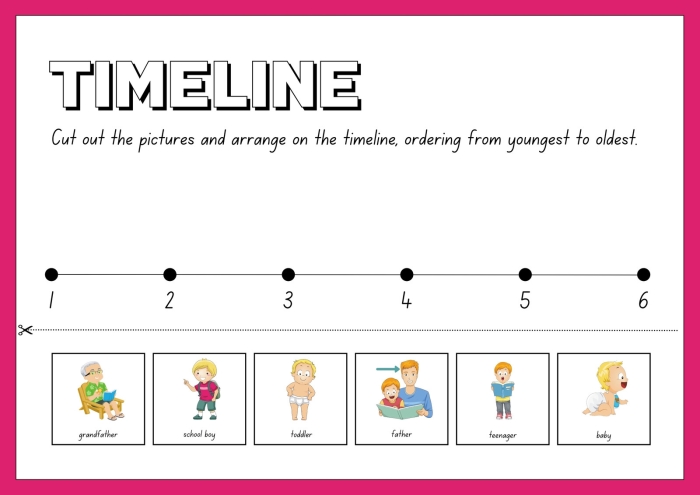
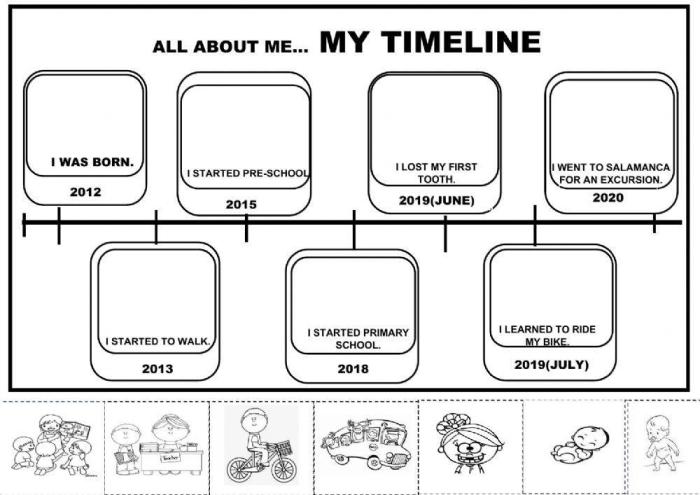
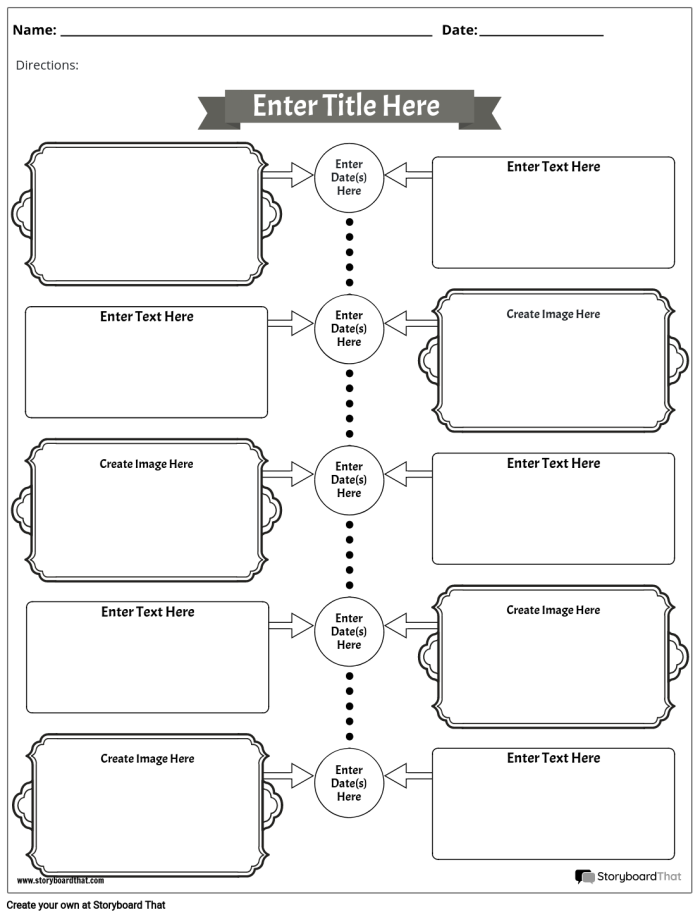
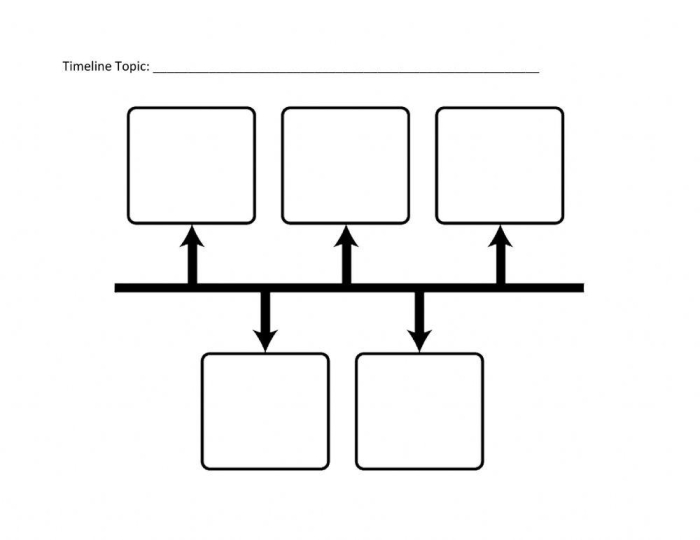
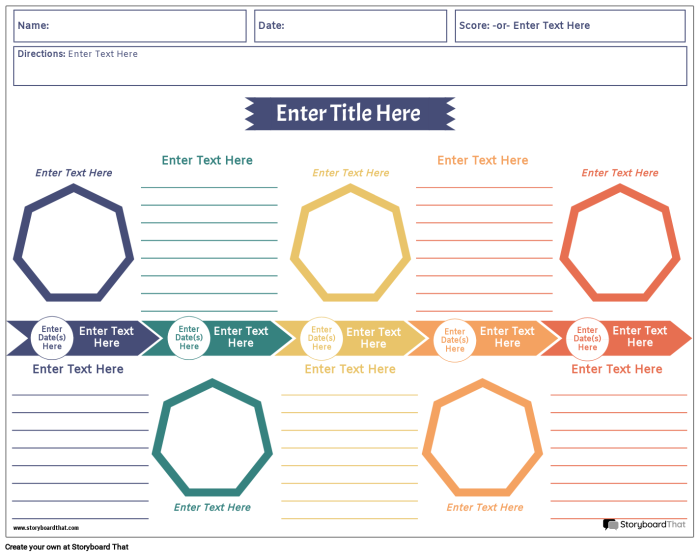
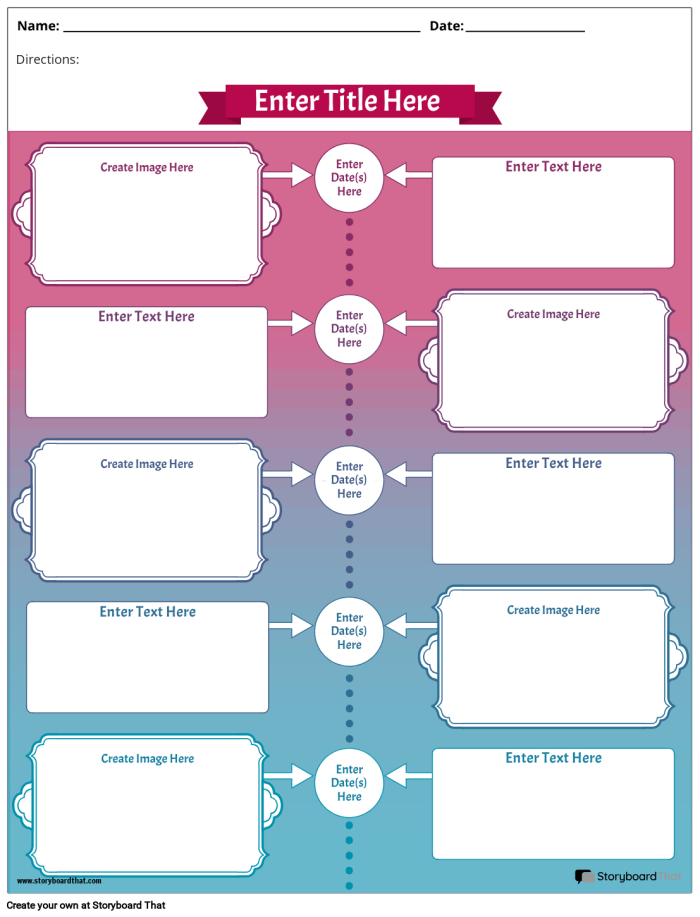
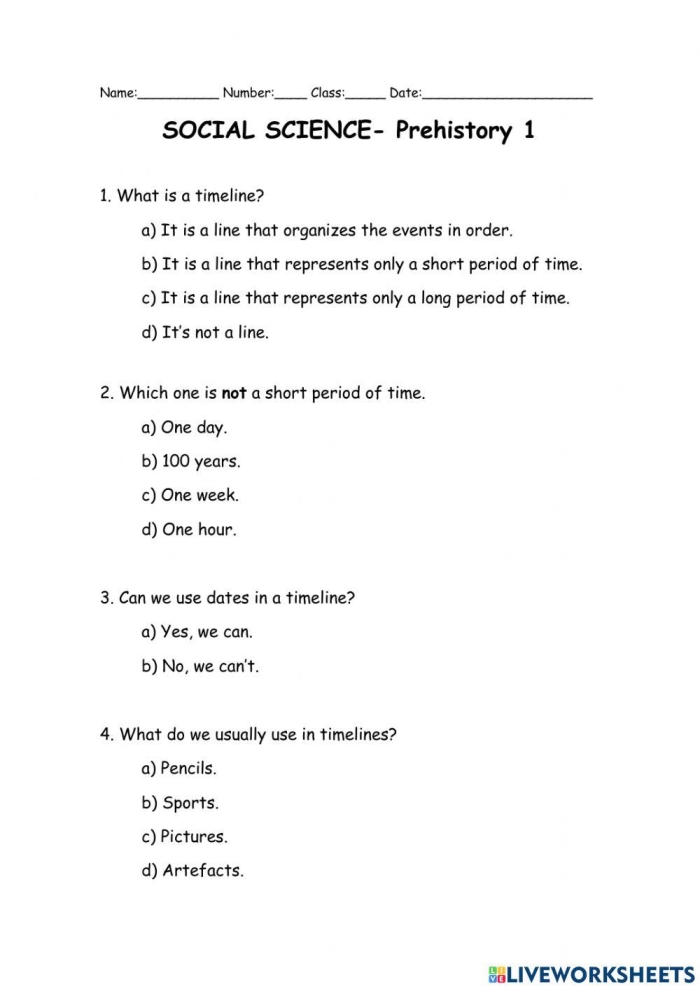
Making a timeline with your second grader doesn’t require fancy materials or complicated instructions. A simple craft approach helps children understand that events happen in order, and time moves in one direction. This concept, which sits at the intersection of history and basic sequencing skills, becomes much clearer when kids can physically build and touch their timeline.
Start by gathering paper, markers, and scissors. Have your child draw pictures or write words representing events from their own life: their birth, starting school, losing a tooth, or a recent birthday. The key is choosing moments that feel real and memorable to them. Arrange these images on a long strip of paper in the correct order, moving from left to right or top to bottom. This directional movement reinforces how time flows.
As you work together, talk about what happened first, what came next, and what’s happening now. You might ask questions like “Did you lose your tooth before or after you started second grade?” These conversations build understanding naturally. The physical act of arranging and gluing down the pictures creates a lasting memory aid that children can return to whenever they need to recall the sequence of events.
This craft pairs well with other learning activities. While working on sequencing through timelines, you might also explore place value concepts or practice identifying adverbs in sentences about time. You could even incorporate money concepts by discussing how much time costs or how time relates to planning activities.
Once complete, display the timeline where your child can see it regularly. They’ll develop a concrete understanding of how their personal history connects to the present moment, making abstract concepts like “yesterday” and “next week” feel tangible.
Boost Skills with These Worksheets