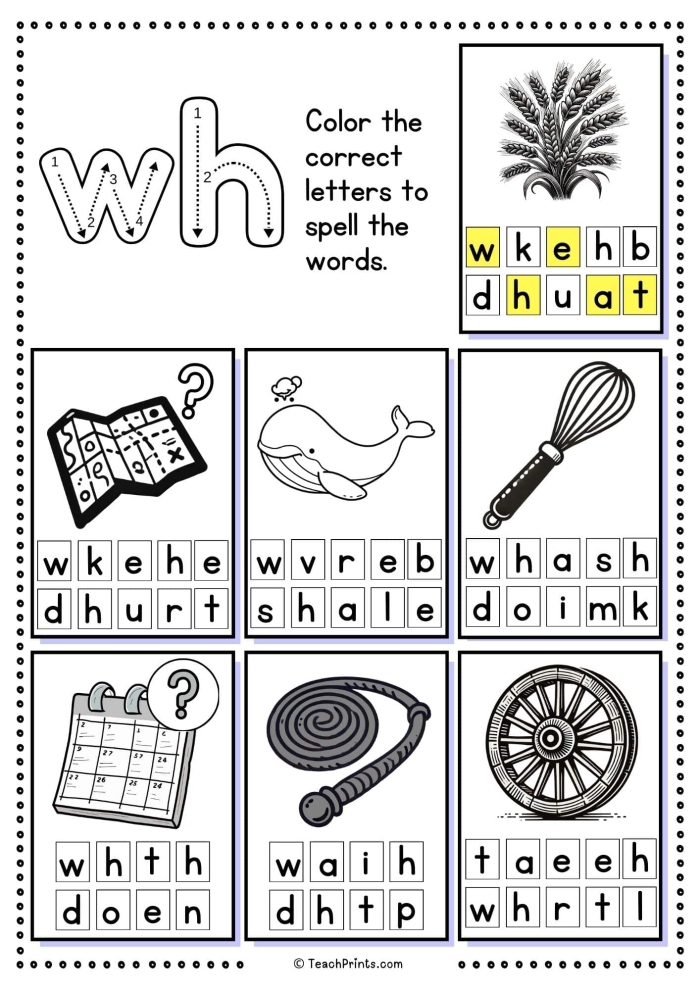
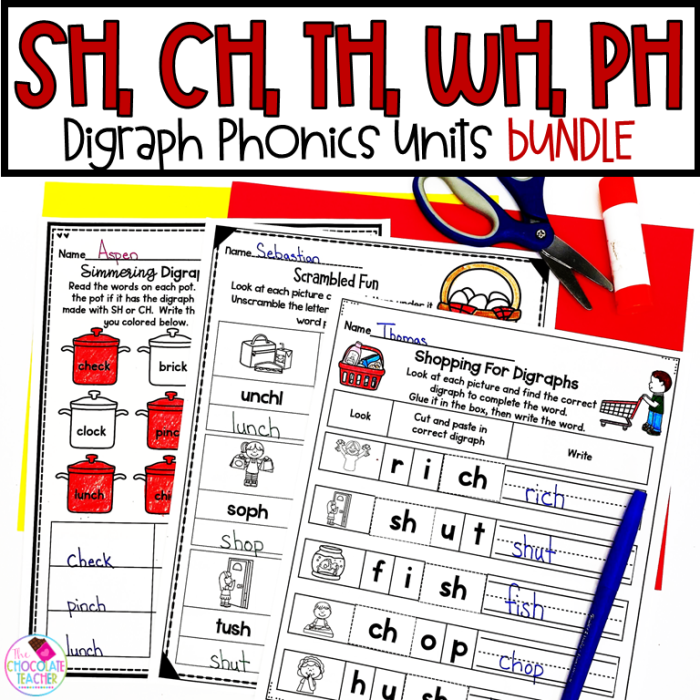
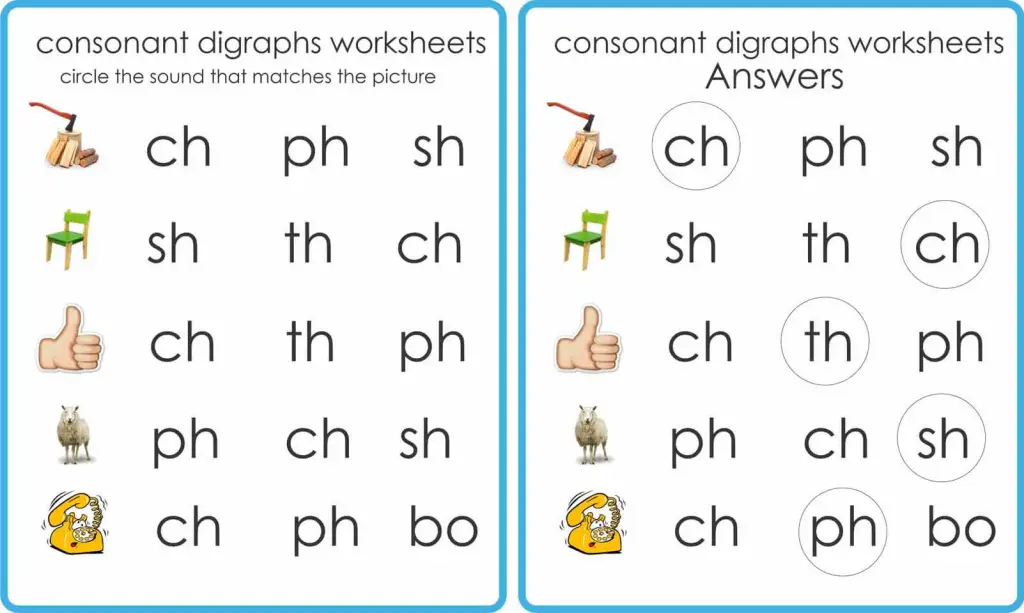
Teaching young learners to recognize letter sounds can feel tricky, especially with tricky combinations like “wh.” The good news is that hands-on activities make this concept stick far better than worksheets alone. When children actively search for words that start with the wh sound, they’re building phonemic awareness in a way that feels like play rather than instruction.
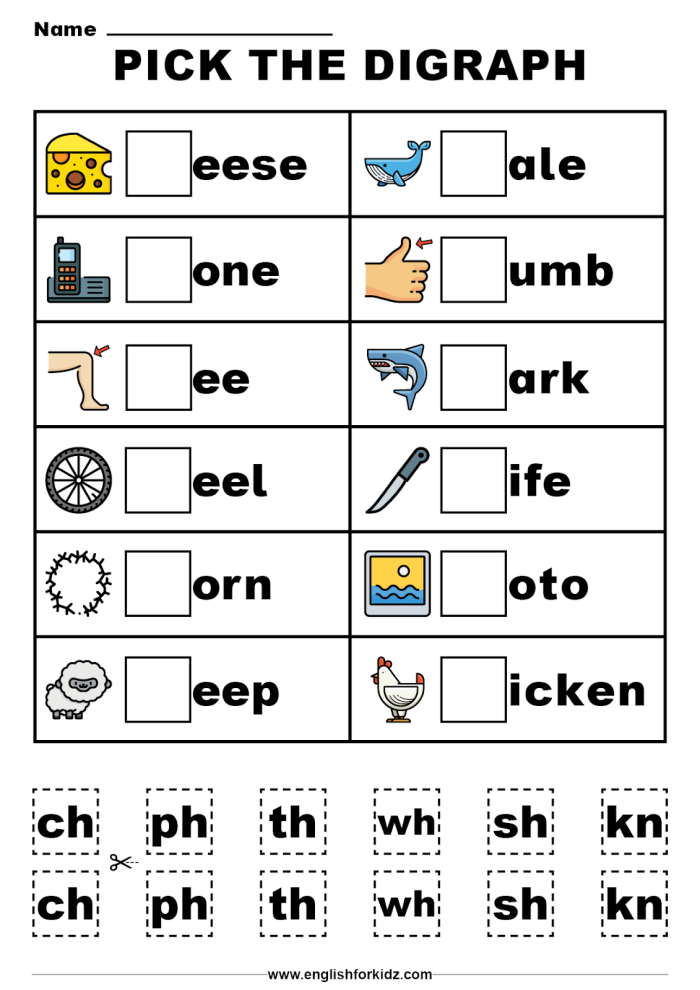
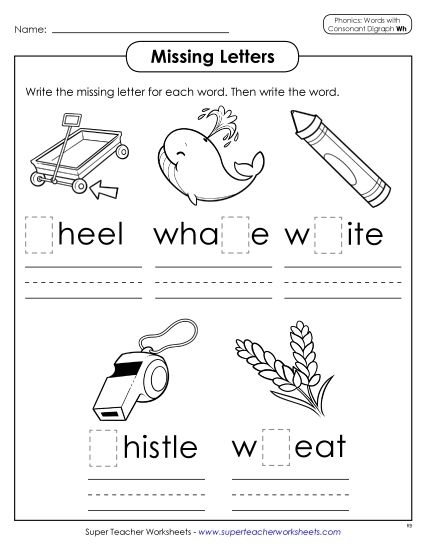
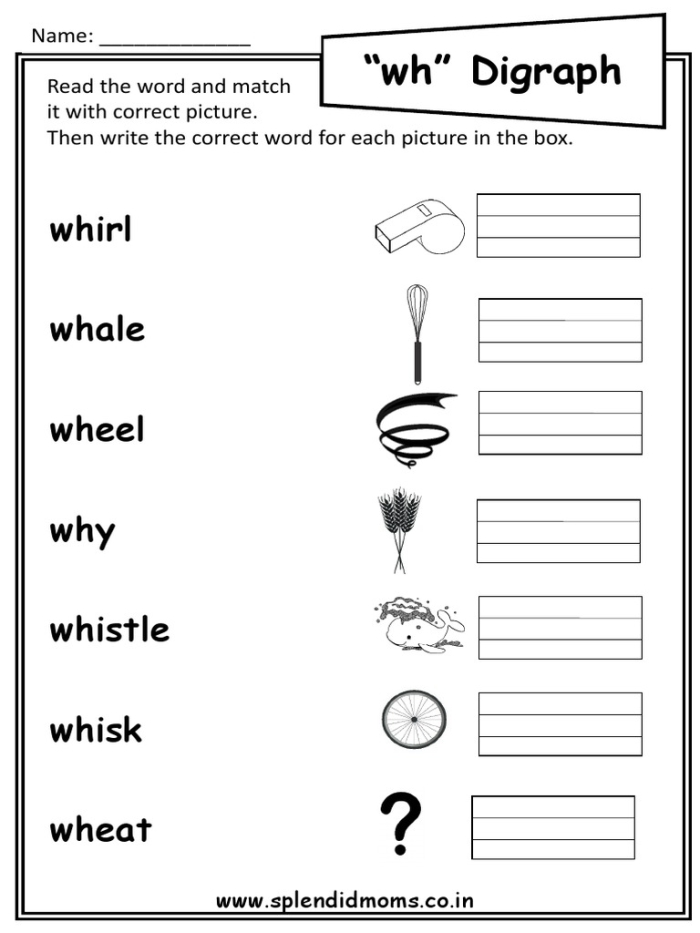
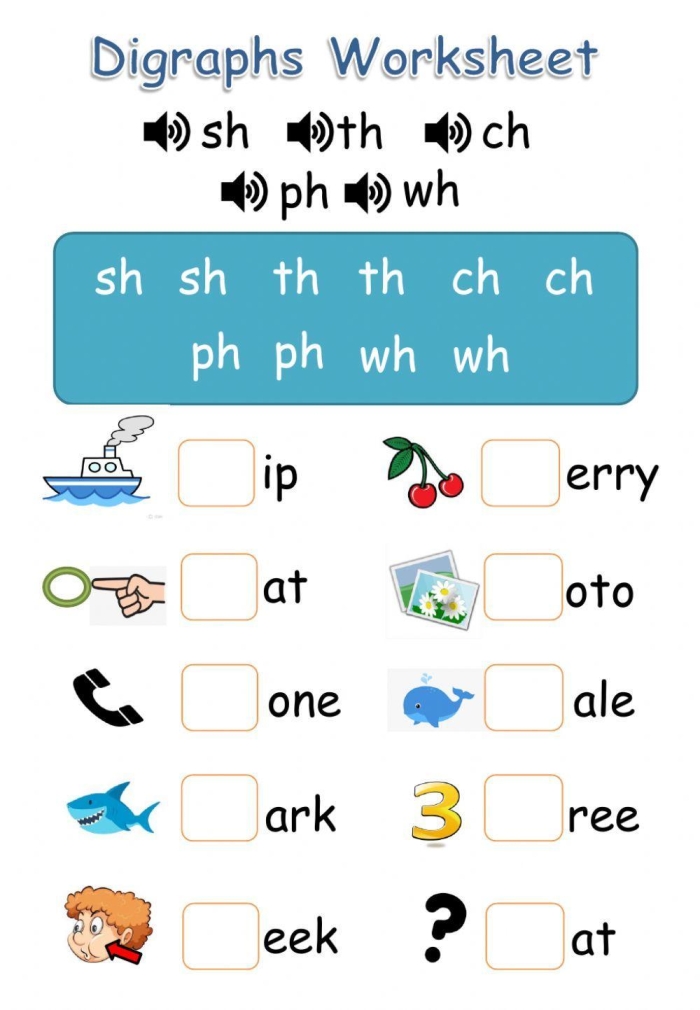
The wh sound appears in common words that children encounter daily: whale, wheel, whisper, white, and what. These are words preschoolers and kindergarteners hear regularly, so they already have a foundation to build on. The challenge lies in helping them connect the sound to the letters themselves. A letter book focused on wh gives structure to this discovery process.
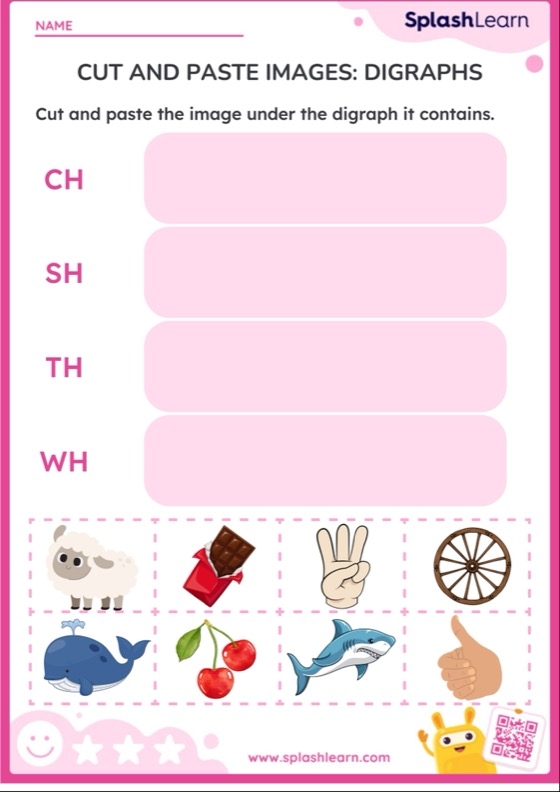
In a Pre-K reading activity, you might gather picture cards or objects representing wh words and have children sort them into a dedicated book or folder. Some teachers print images of whales, wheels, and whistles for students to paste onto pages. Others use a scavenger hunt approach, having kids find wh words around the classroom or in picture books.
The physical act of searching, pointing, and collecting creates memory anchors that passive learning doesn’t provide. When a child finds a picture of a wheel and says “wheel” aloud while placing it in their book, multiple senses engage simultaneously. This multisensory approach strengthens neural pathways associated with that sound and letter combination.
You can extend the activity by pairing it with other reading exercises. Try combining a wh word hunt with activities like sight word recognition practice or letter identification games to reinforce multiple skills in one session.
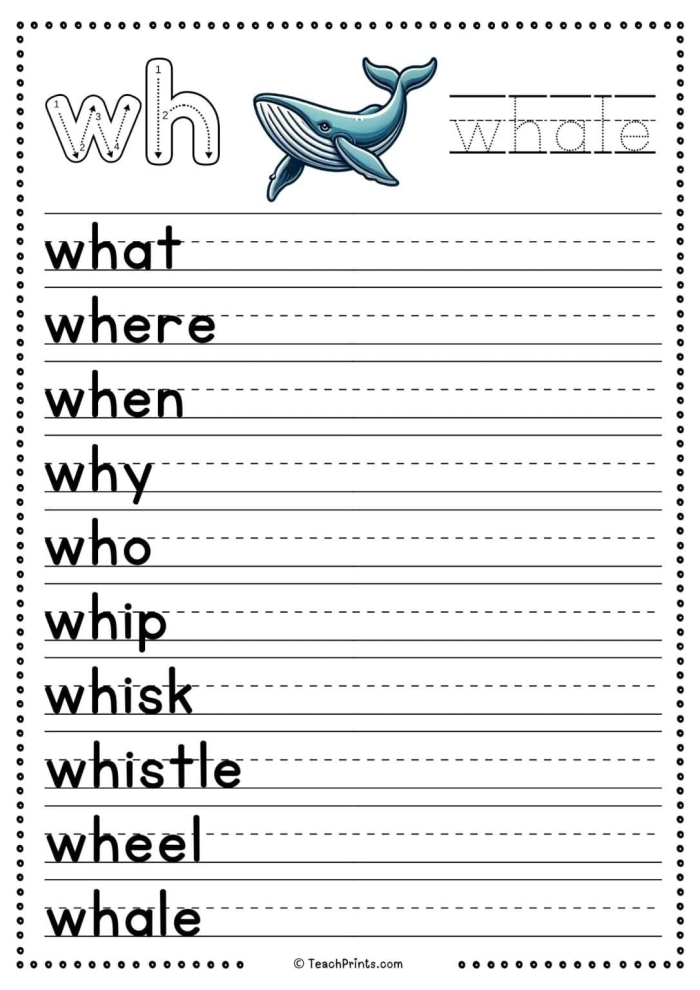
For first graders ready for more challenge, introduce writing activities where they copy or trace wh words, or create simple sentences using them. This bridges the gap between sound recognition and reading fluency, making the wh sound feel like a natural part of their growing literacy toolkit.
Grab These Worksheets Now