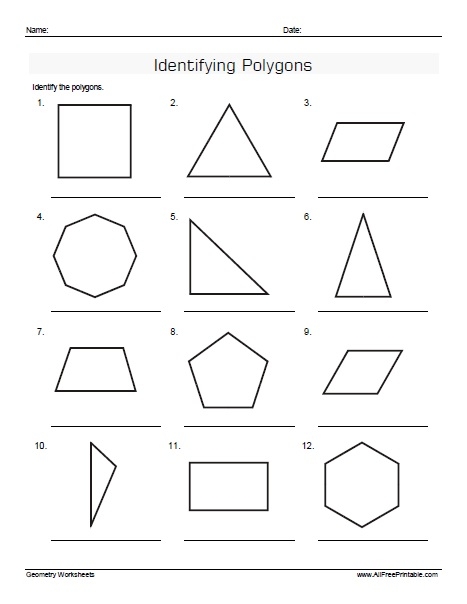
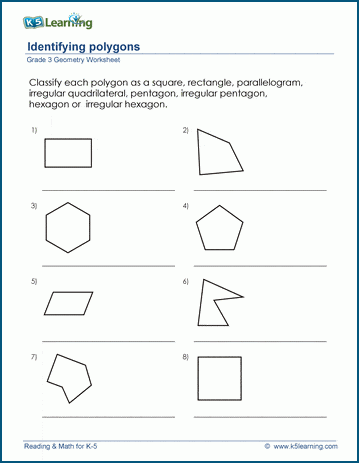
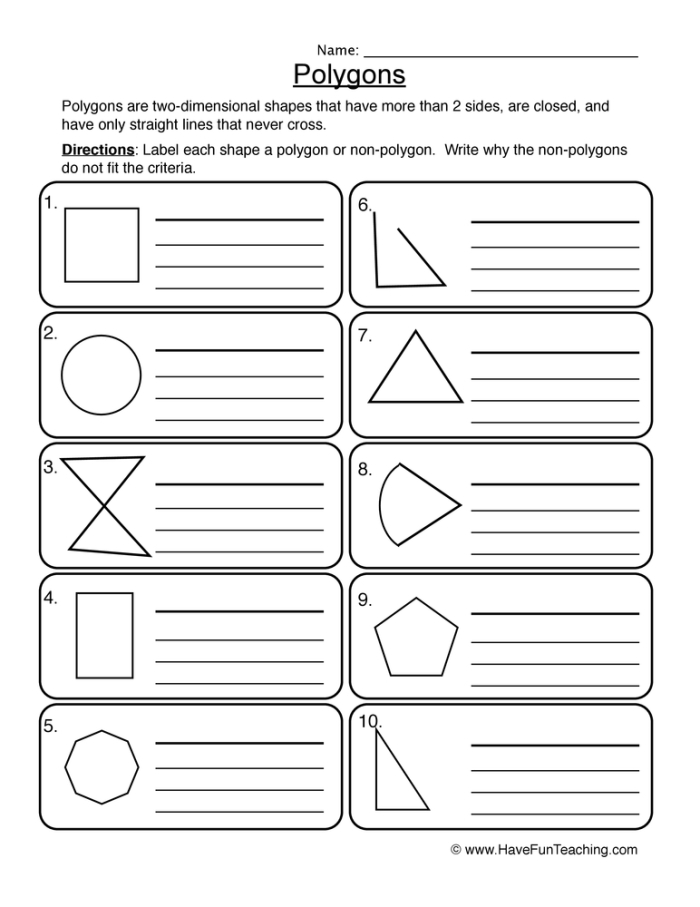
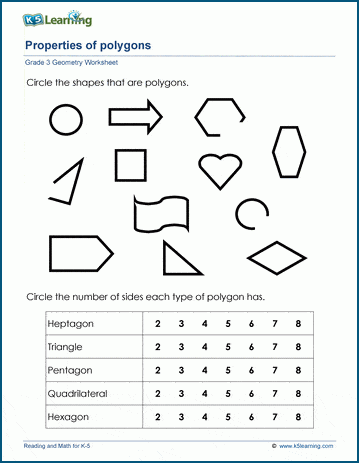
Understanding the unique characteristics of polygons is a fundamental aspect of geometry that third graders can master with the right resources. By using a dedicated worksheet, children can learn to identify various polygons and their features in a fun and engaging way.
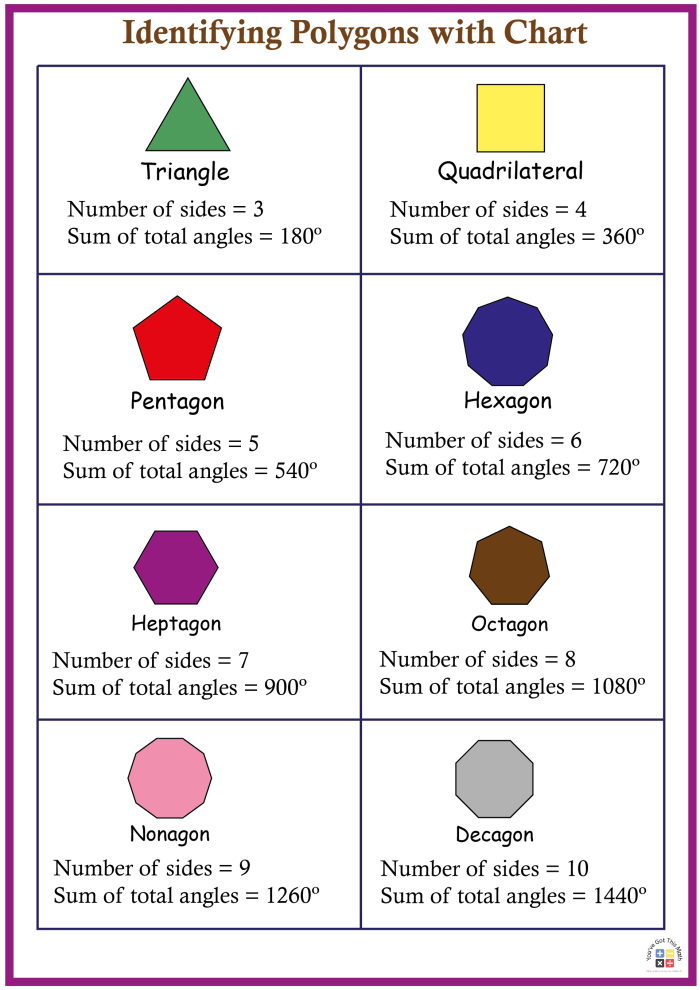
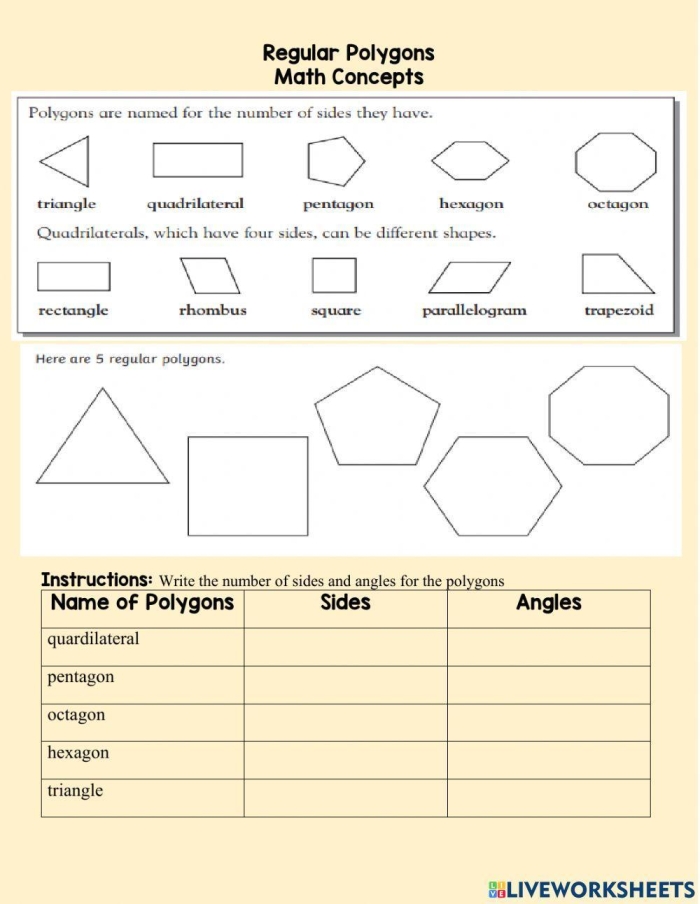
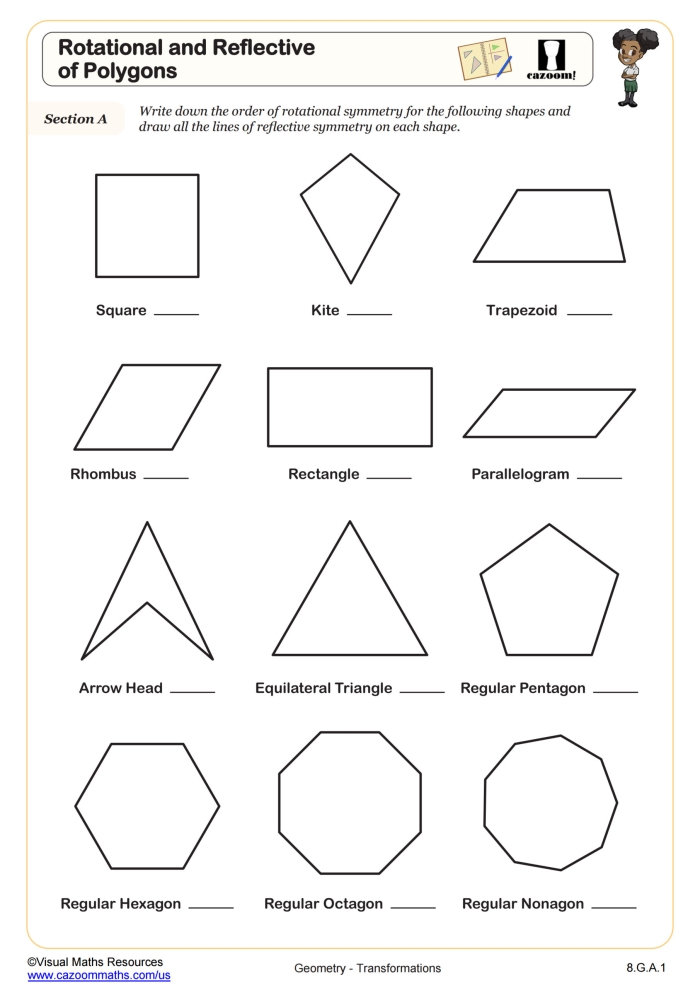
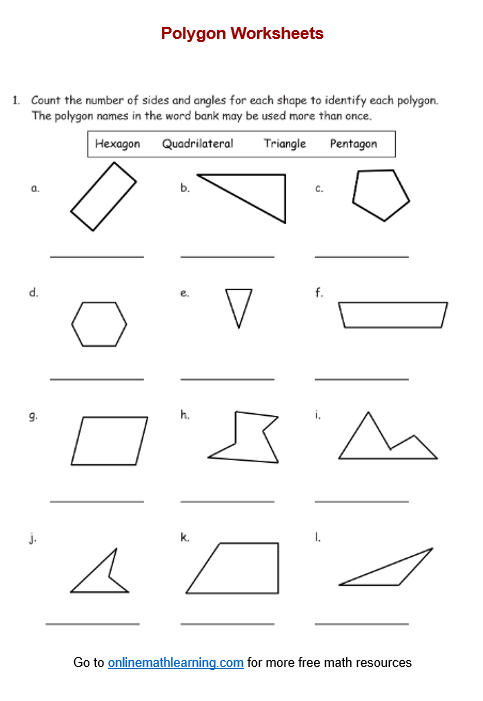
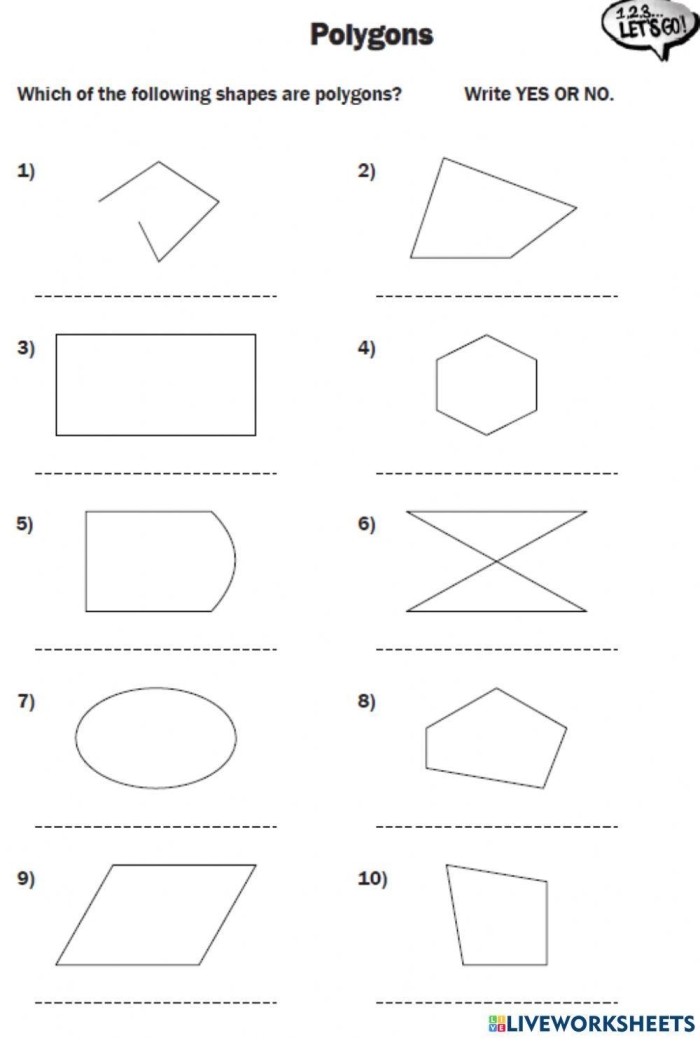
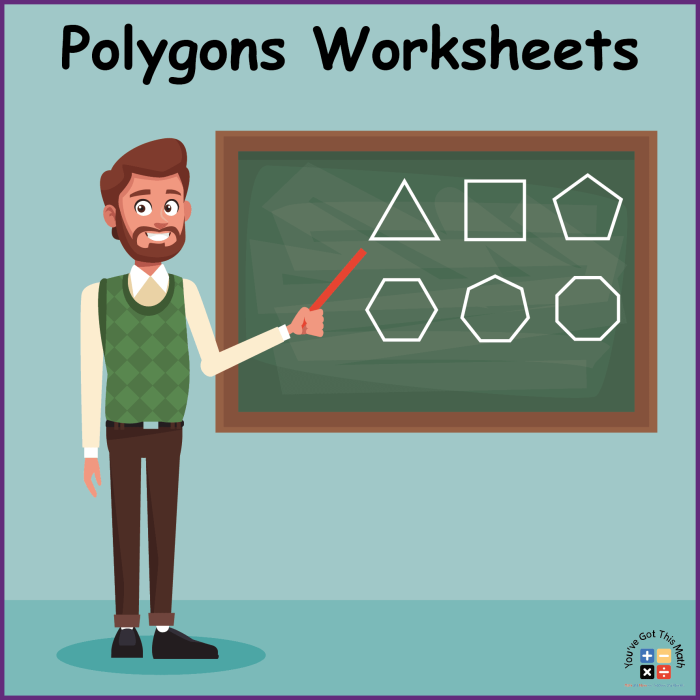
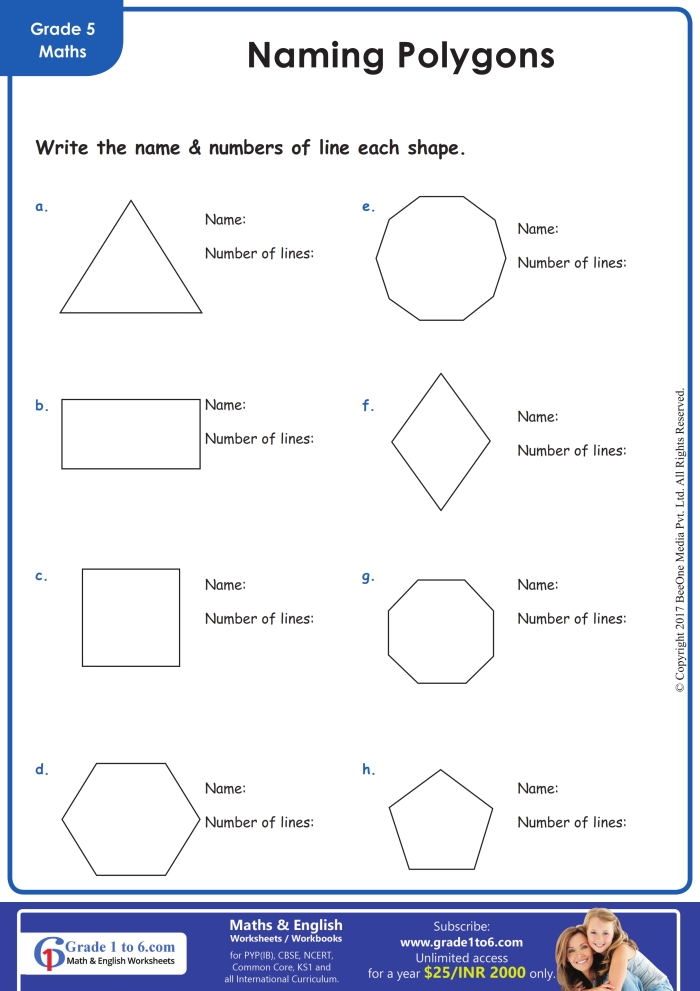
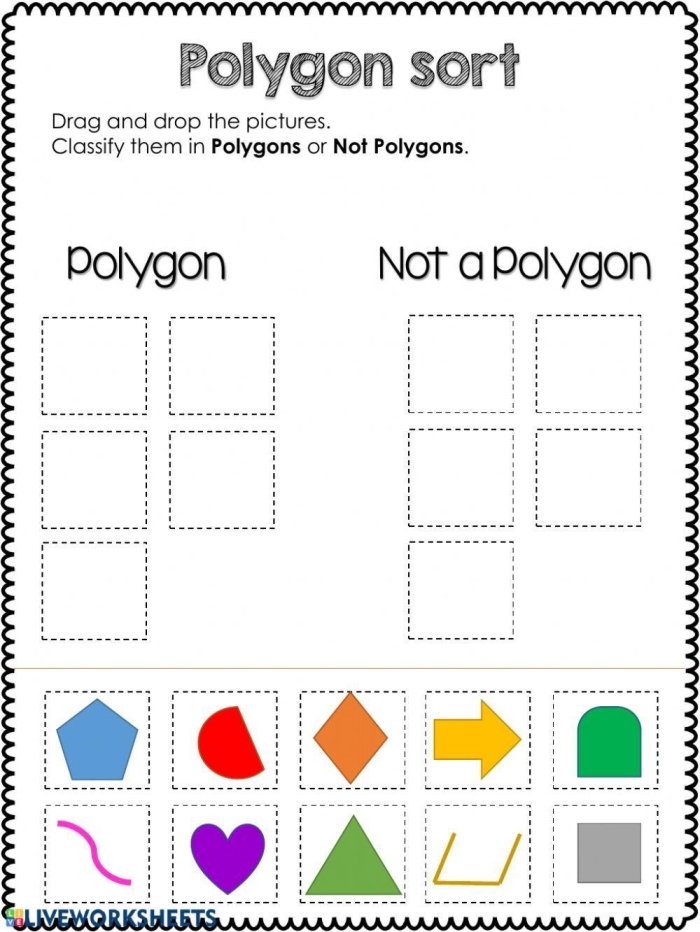
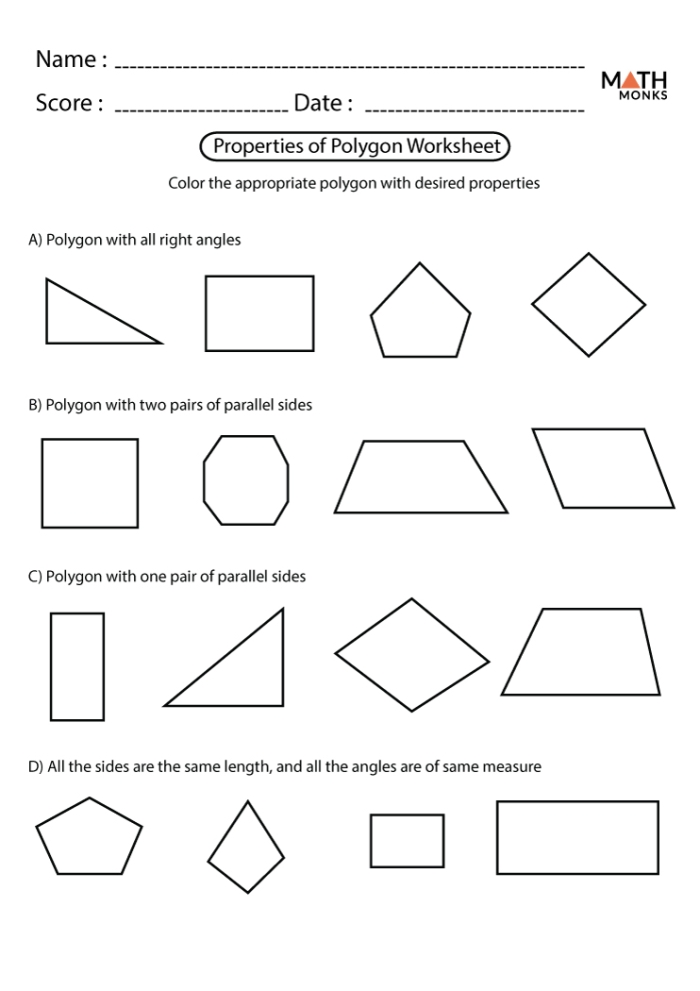
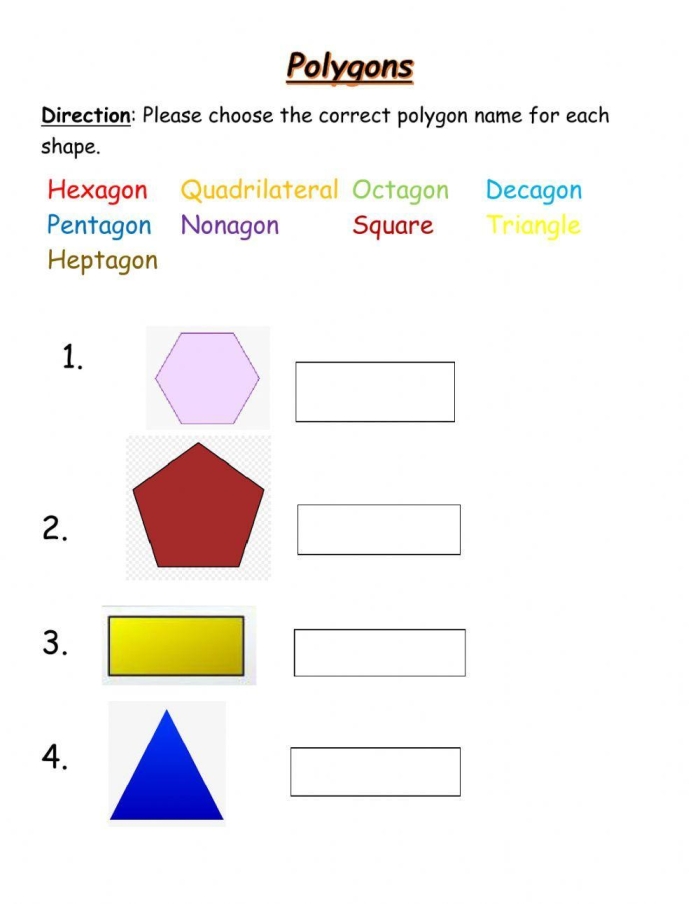
Polygons are two-dimensional shapes made up of straight sides that connect to form a closed figure. Common examples include triangles, squares, and rectangles. Each polygon has specific attributes that make it distinct. For instance, a triangle always has three sides and three angles, while a square has four equal sides and four right angles. Recognizing these features is crucial for young learners as they build their foundational knowledge in geometry.
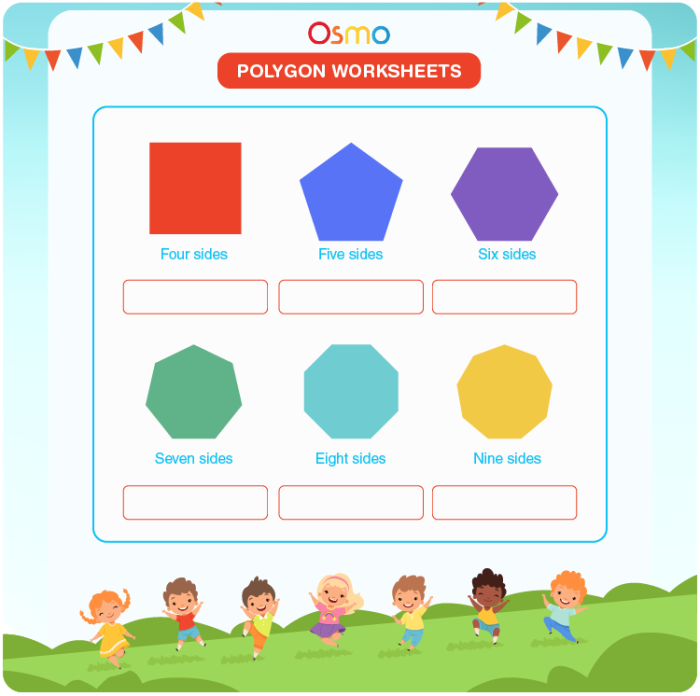
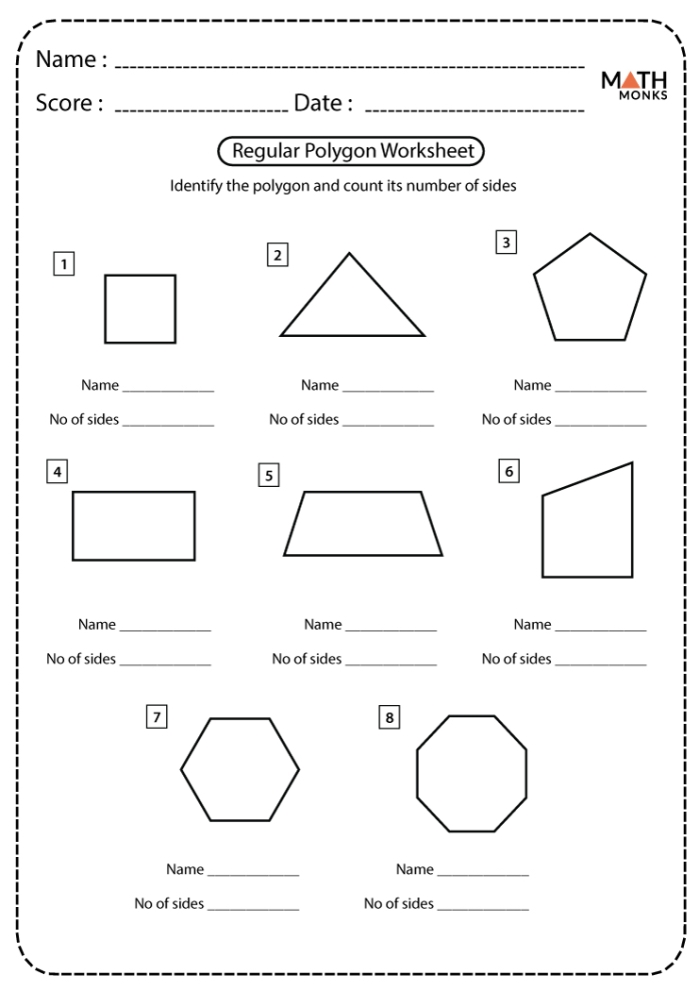
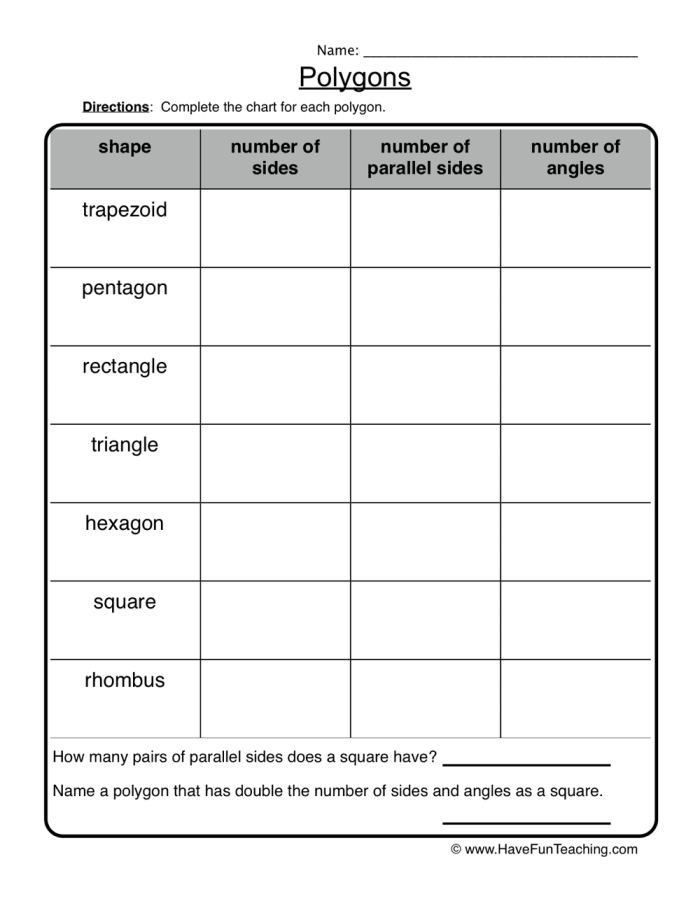
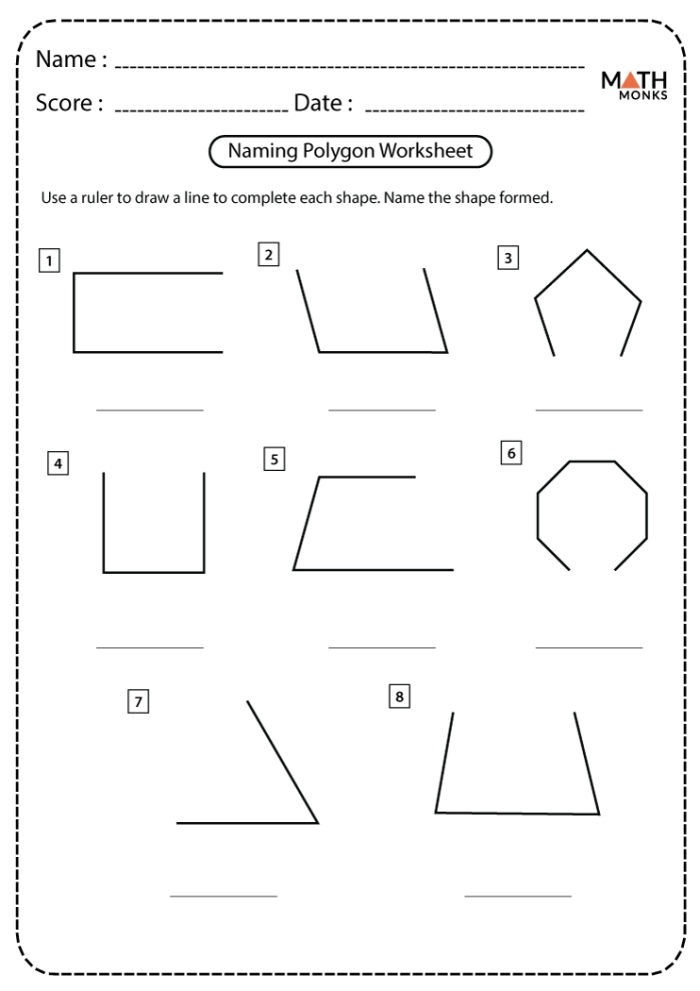
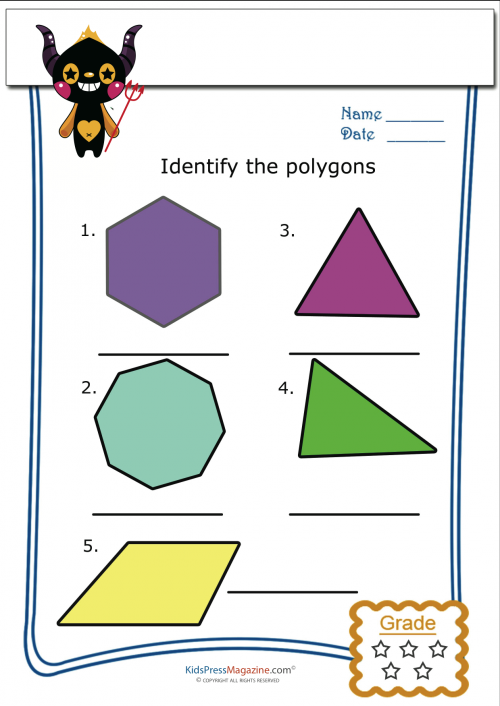
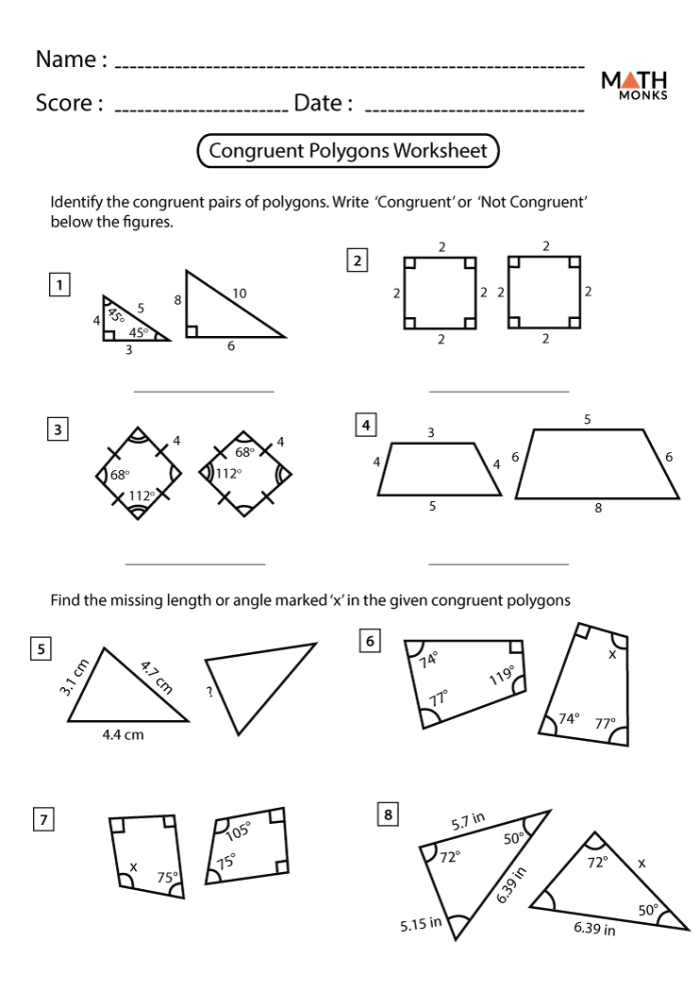
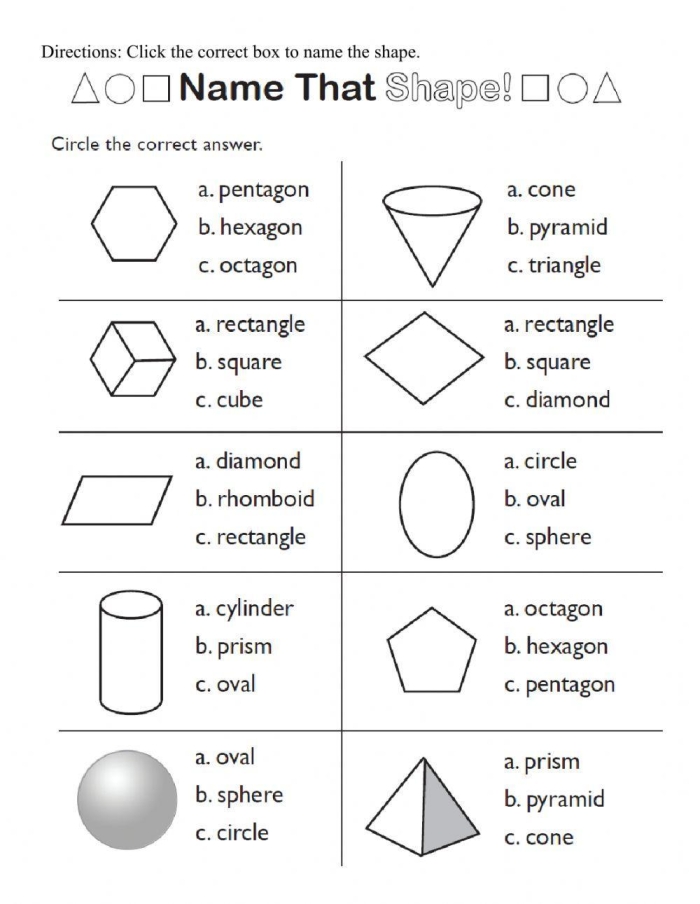
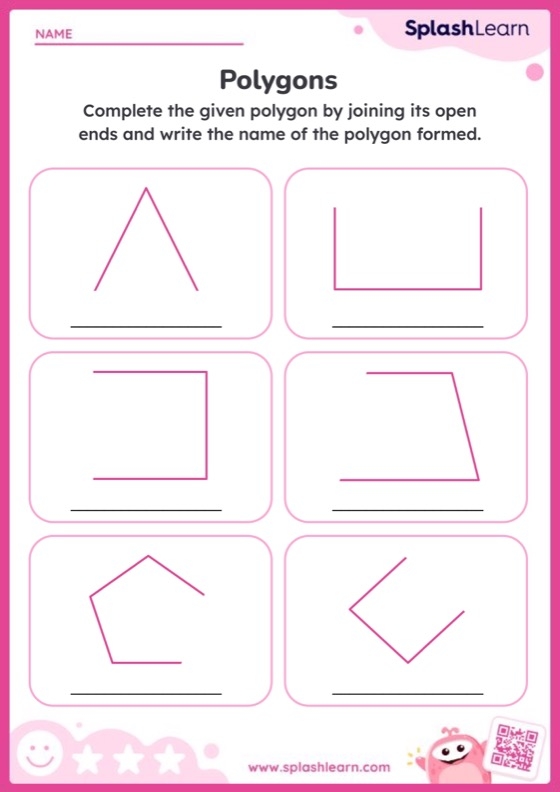
A well-designed worksheet can help third graders practice identifying these shapes. As they work through exercises, they can trace polygons, count sides, and label angles. This hands-on activity reinforces learning in a way that is both enjoyable and effective. Children often respond positively to visual and interactive elements, making worksheets an excellent tool for teaching concepts such as what defines a polygon.
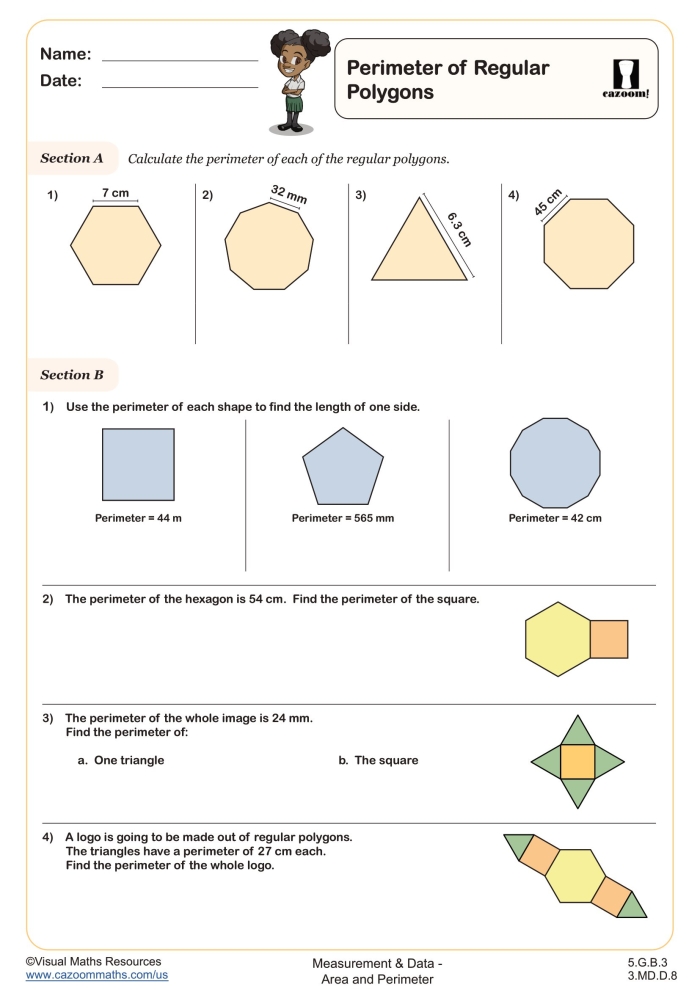
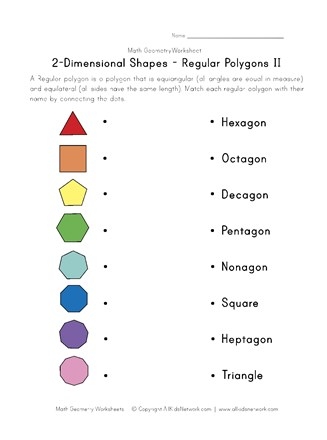
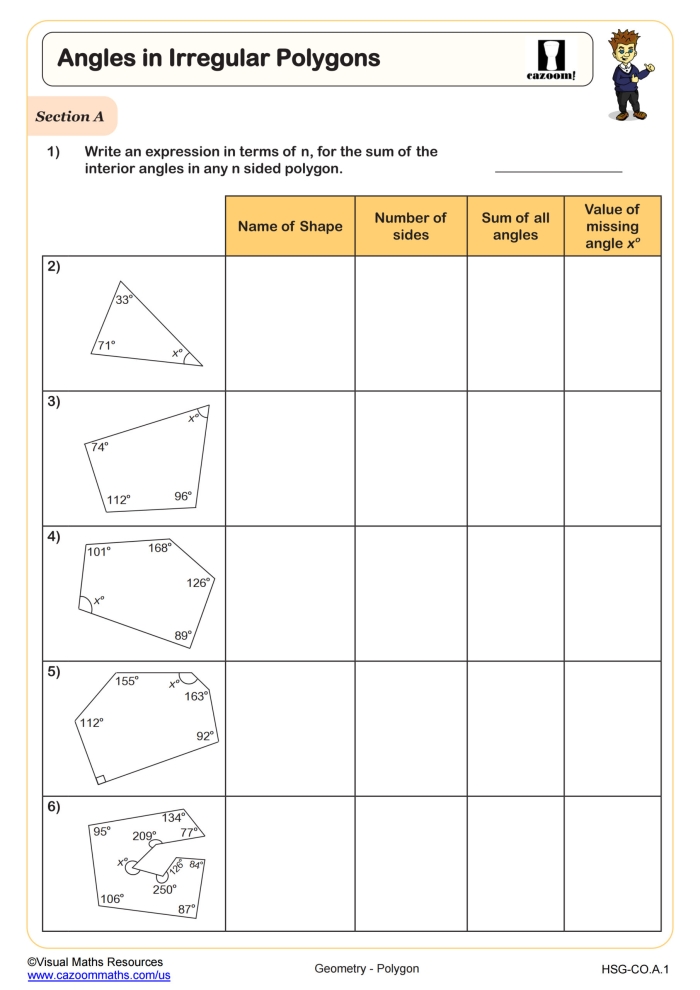
One interesting fact is that polygons can be classified as regular or irregular. Regular polygons have all sides and angles equal, like an equilateral triangle, while irregular polygons do not. This classification can spark curiosity and discussion among students, encouraging them to explore the characteristics of shapes further.
For additional practice, consider exploring other worksheets that complement geometry learning. For instance, you can find activities that focus on story elements in sentences or even fractions, which are essential skills at this grade level. Check out resources like the story elements worksheets and the measuring cups fractions worksheets to enhance your child’s learning experience.
By helping your third grader recognize the identifying features of polygons through a structured worksheet, you’re not just teaching them geometry; you’re also fostering critical thinking and problem-solving skills that will benefit them in their academic journey.
Start Practicing with These Worksheets