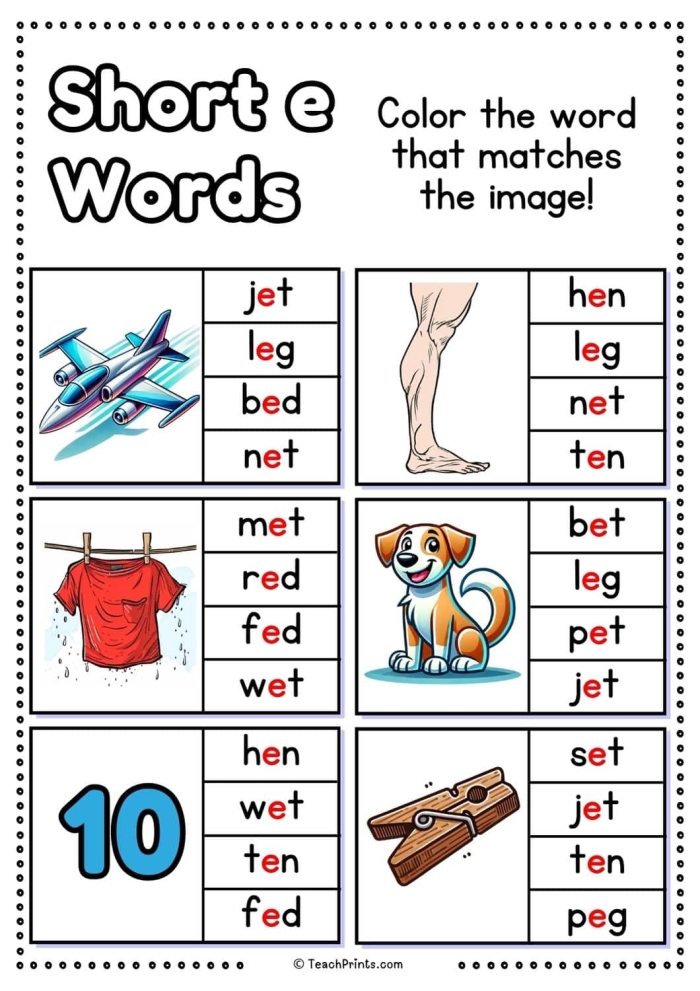
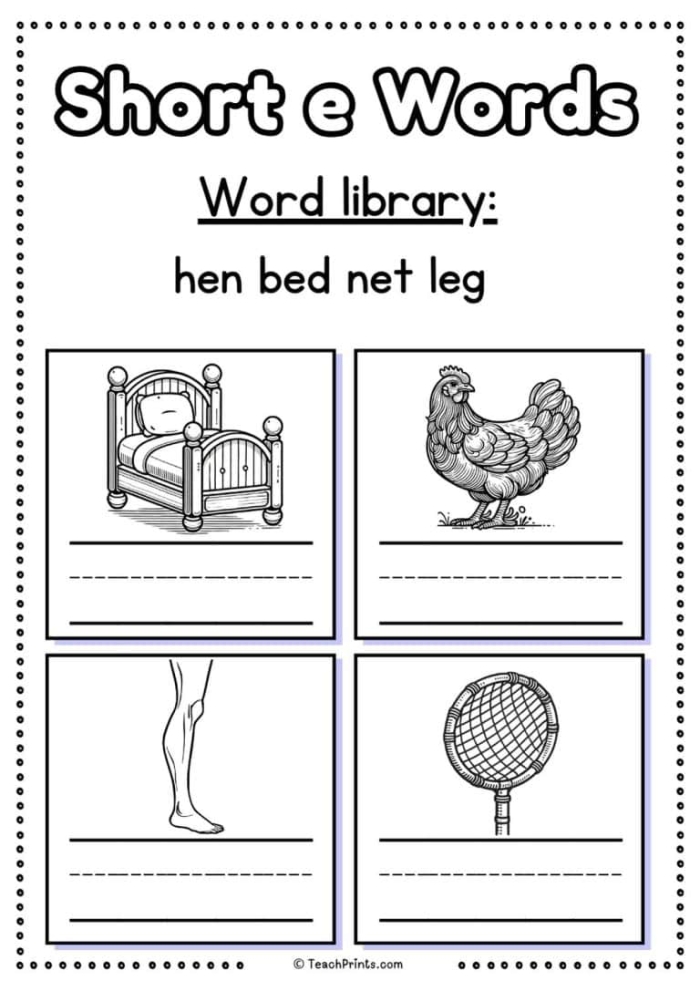
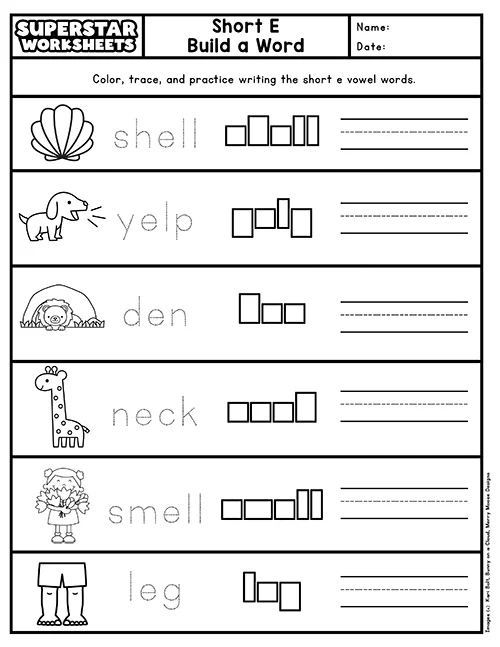
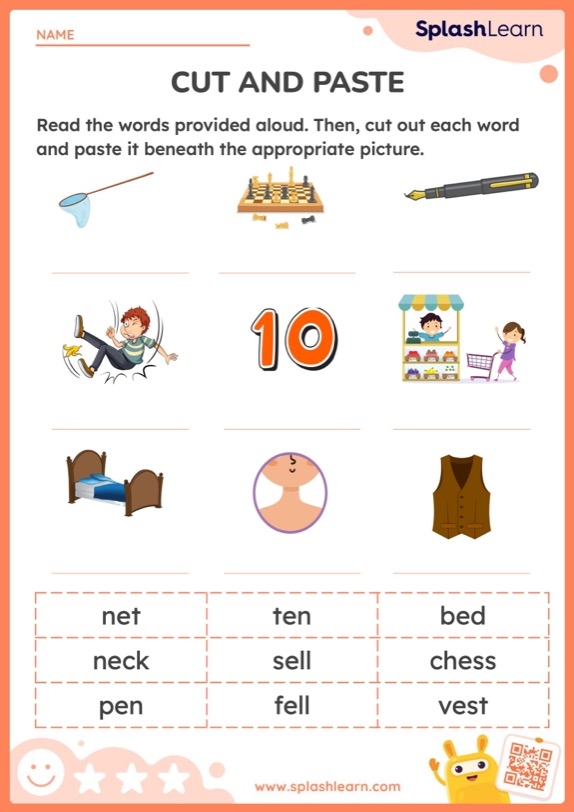
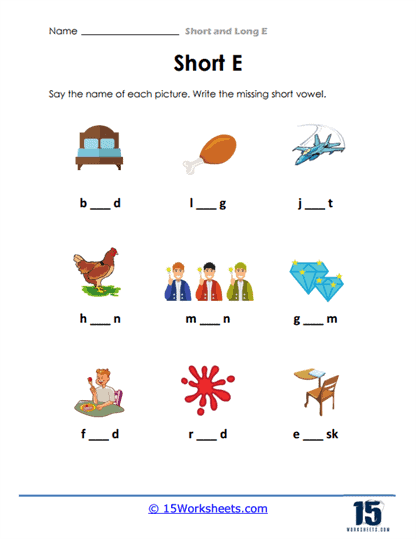
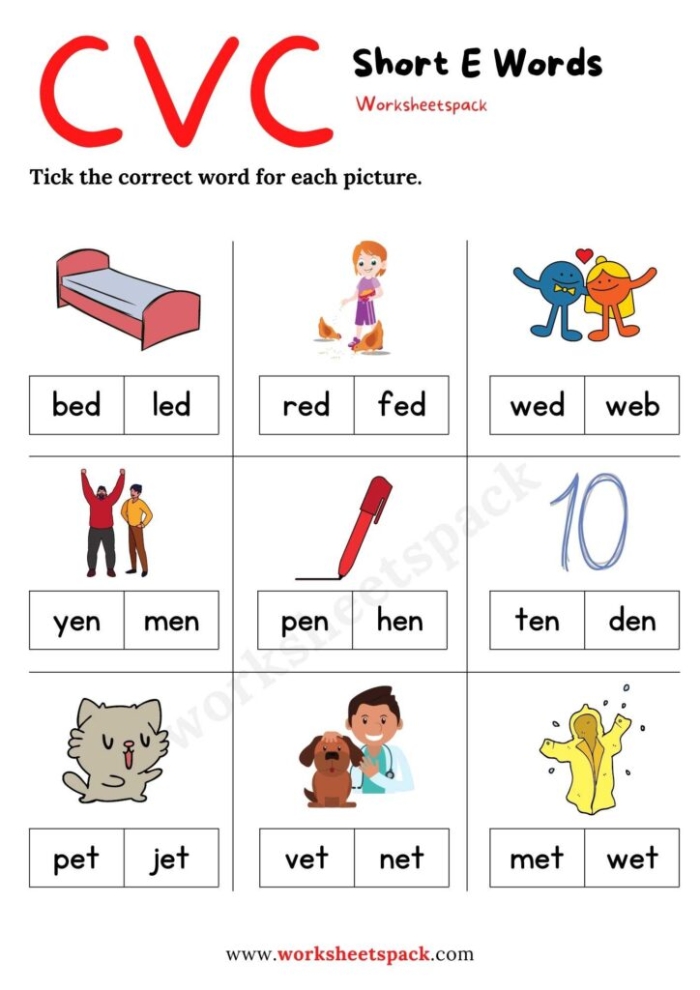
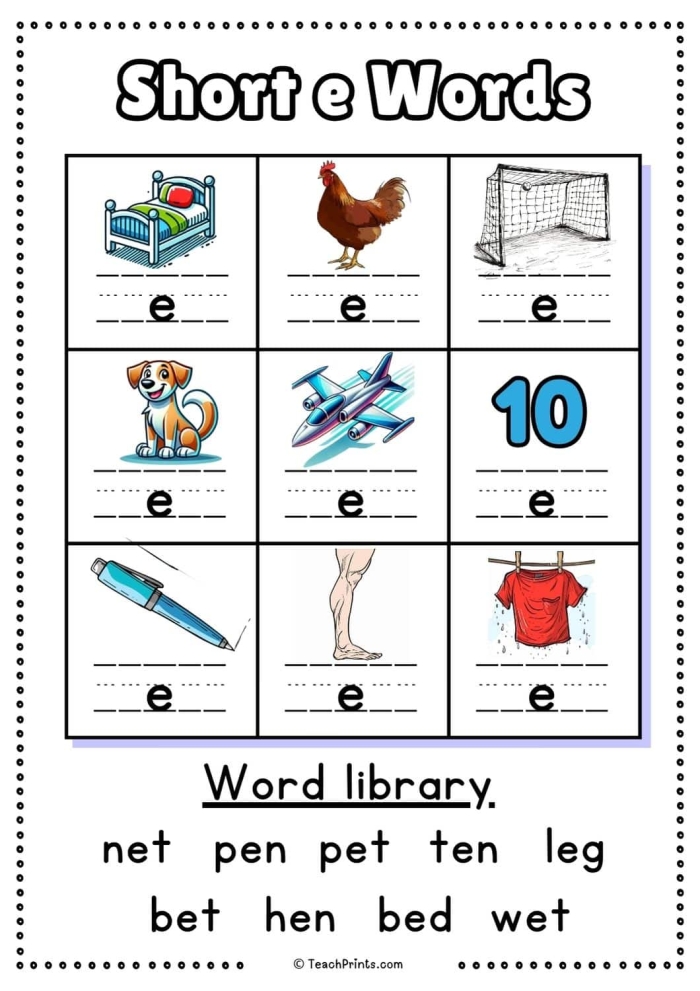
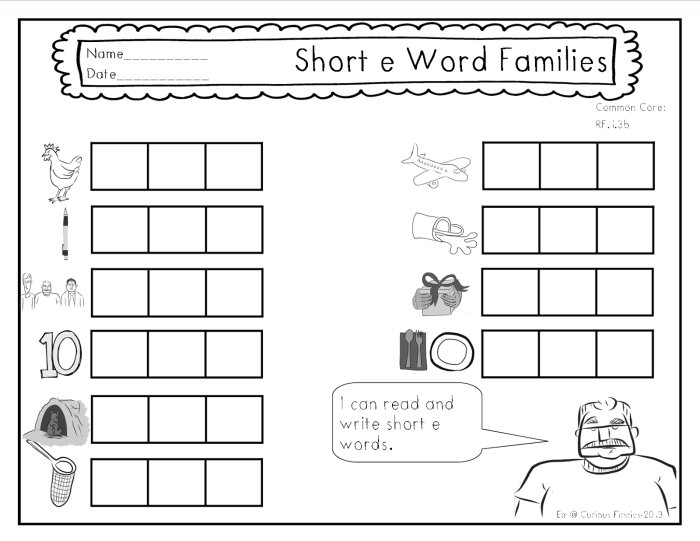
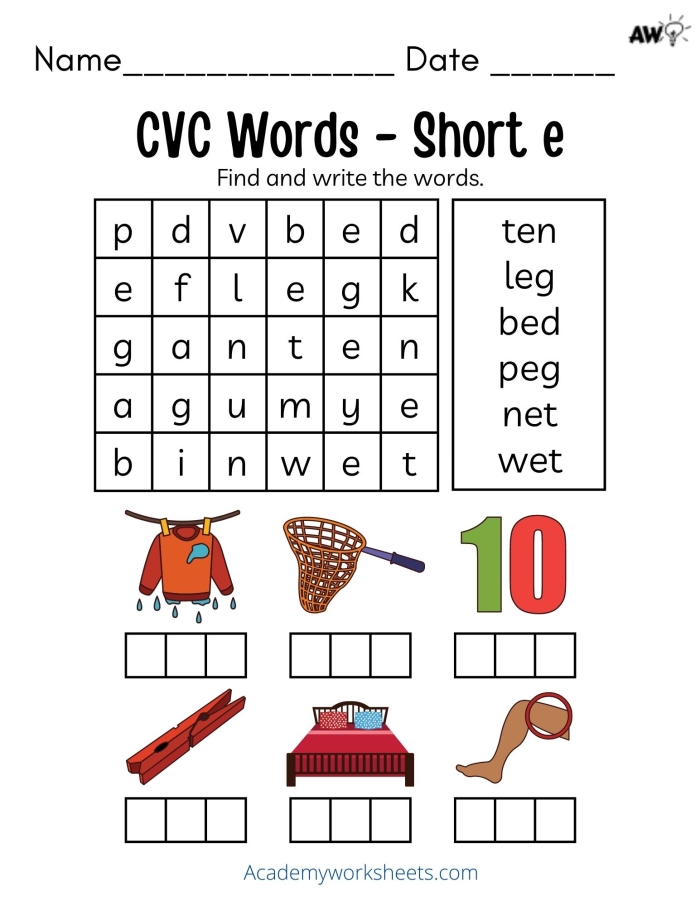
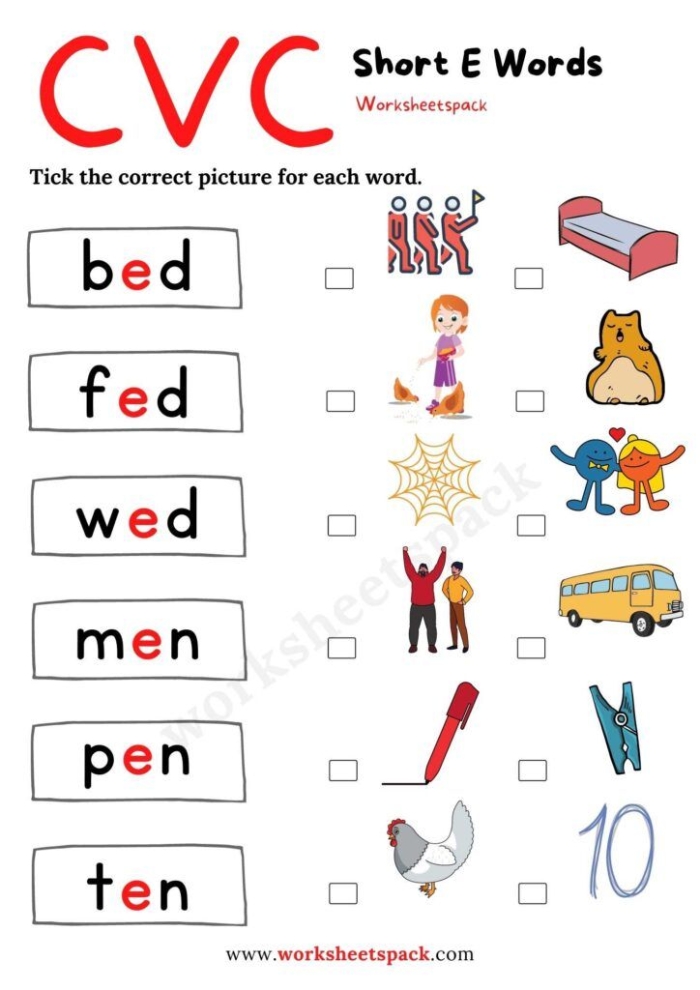
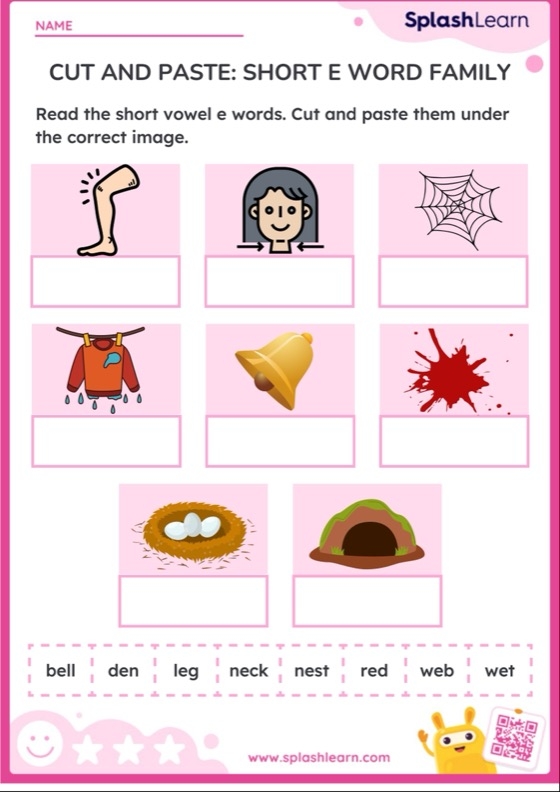
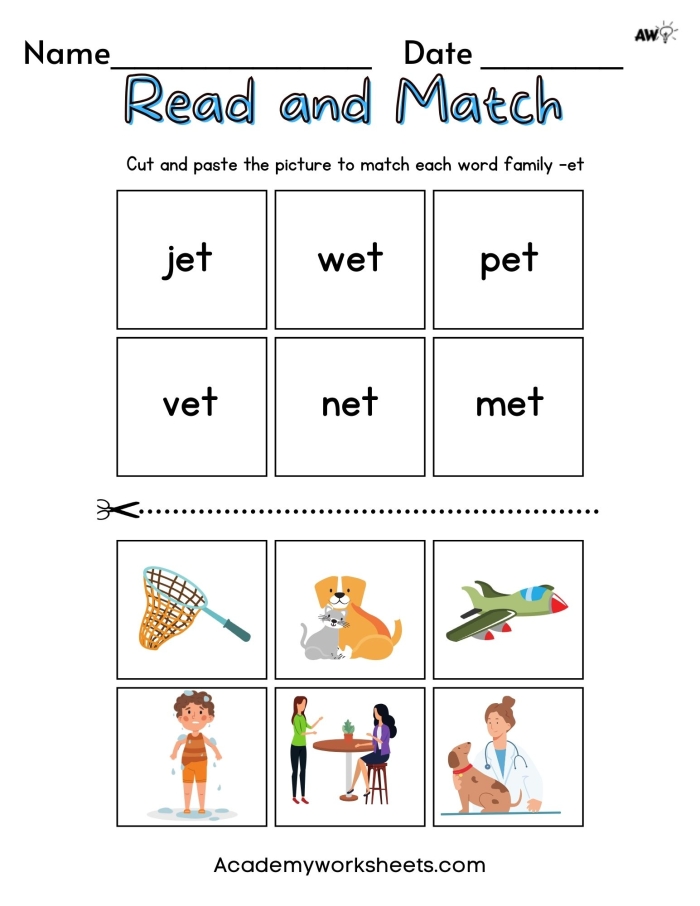
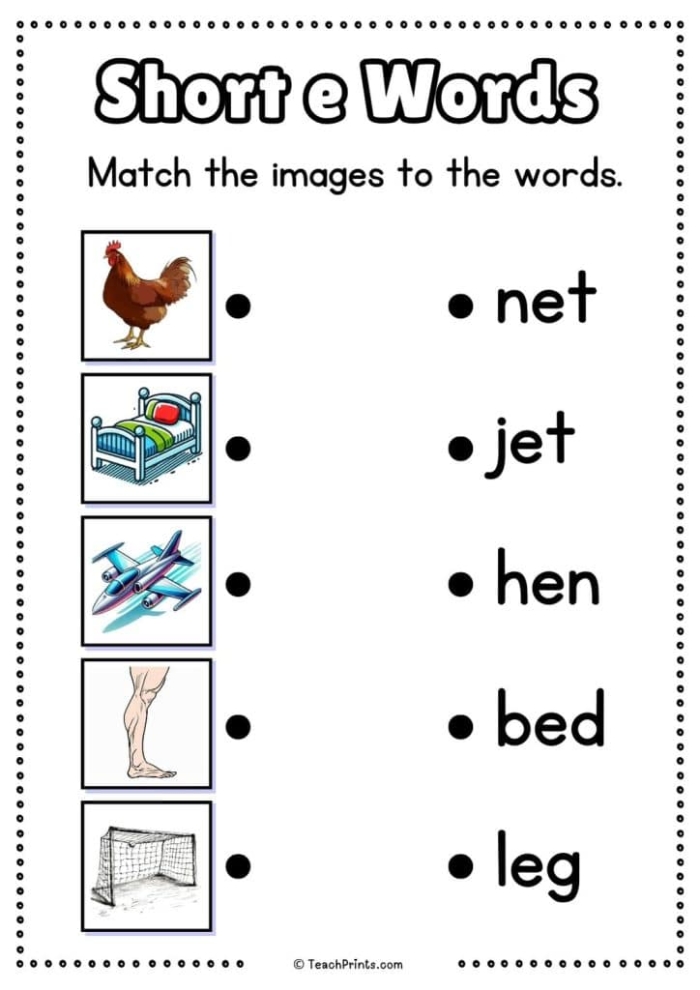
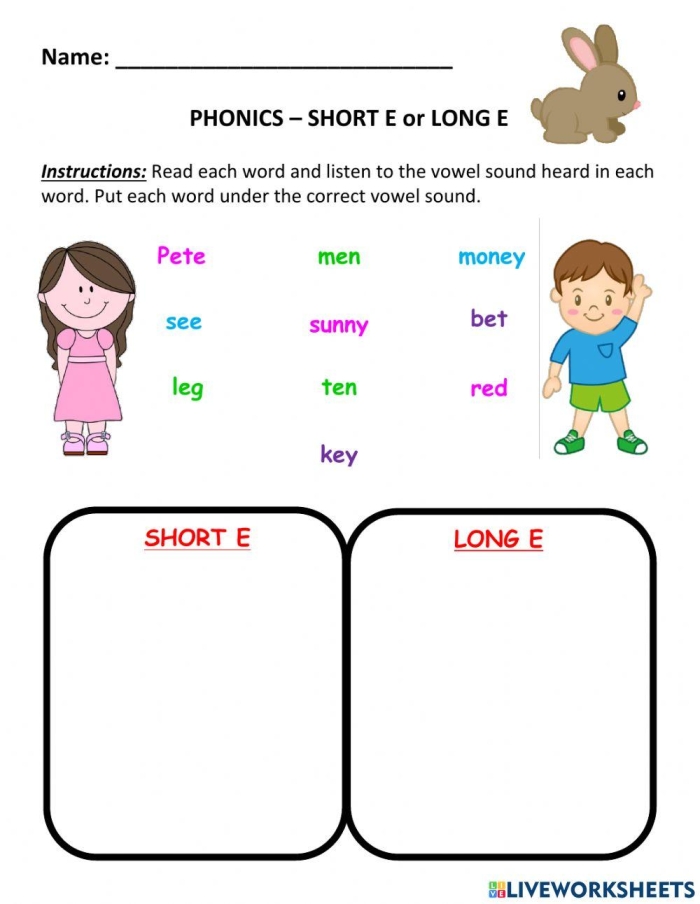
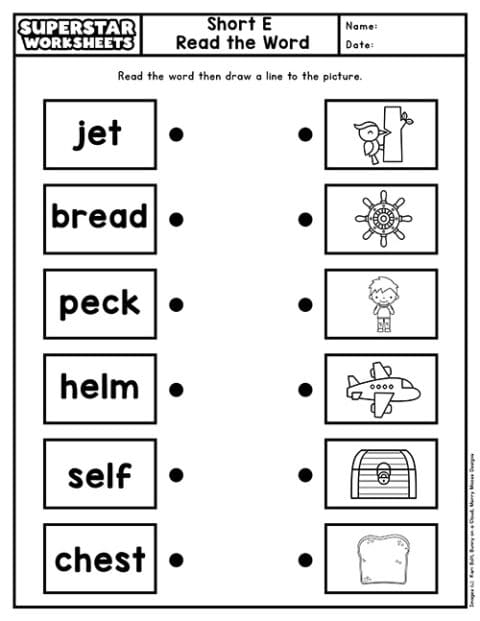
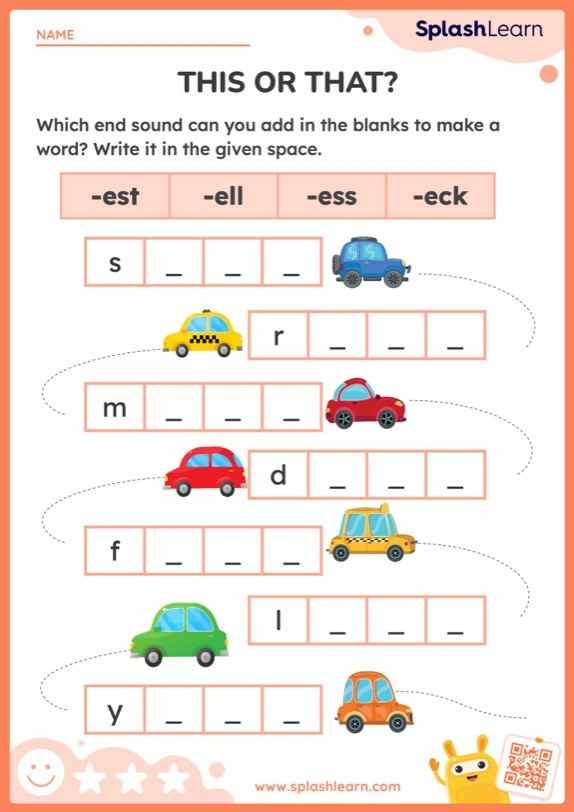
Encouraging kindergarteners to explore reading can be a delightful journey, especially when it involves hands-on activities. One effective way to help them practice their beginning reading skills is by creating their own CVC (consonant-vowel-consonant) short E words. This not only enhances their phonetic awareness but also engages them in a creative process that makes learning fun.
To get started, gather some basic materials like paper, scissors, and crayons. Ask the children to think of simple three-letter words that include a short E sound, such as “bed,” “pen,” and “net.” You can prompt them by providing some examples and encouraging them to sound out the letters. This exercise reinforces their understanding of how letters combine to form words, laying a solid foundation for their reading abilities.
Once they have a list of words, let them draw pictures that represent each word. For instance, after they create the word “red,” they can draw a red apple. This visual connection helps strengthen their memory of the word while making the learning experience enjoyable. Incorporating activities like this aligns well with the principles of life science, as they can also discuss colors and objects in nature, such as different types of flowers, using their newly formed words.
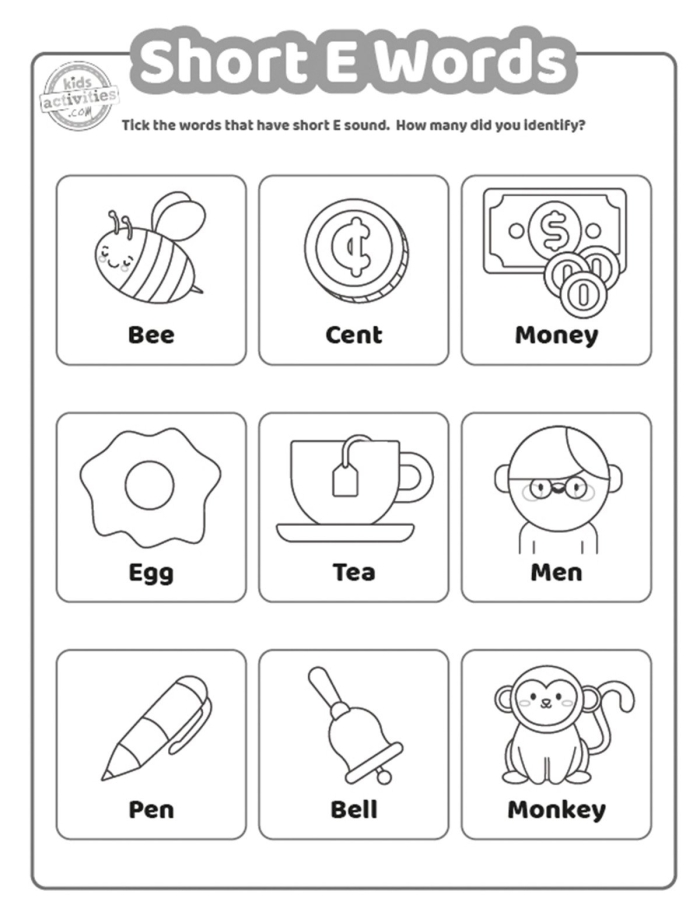
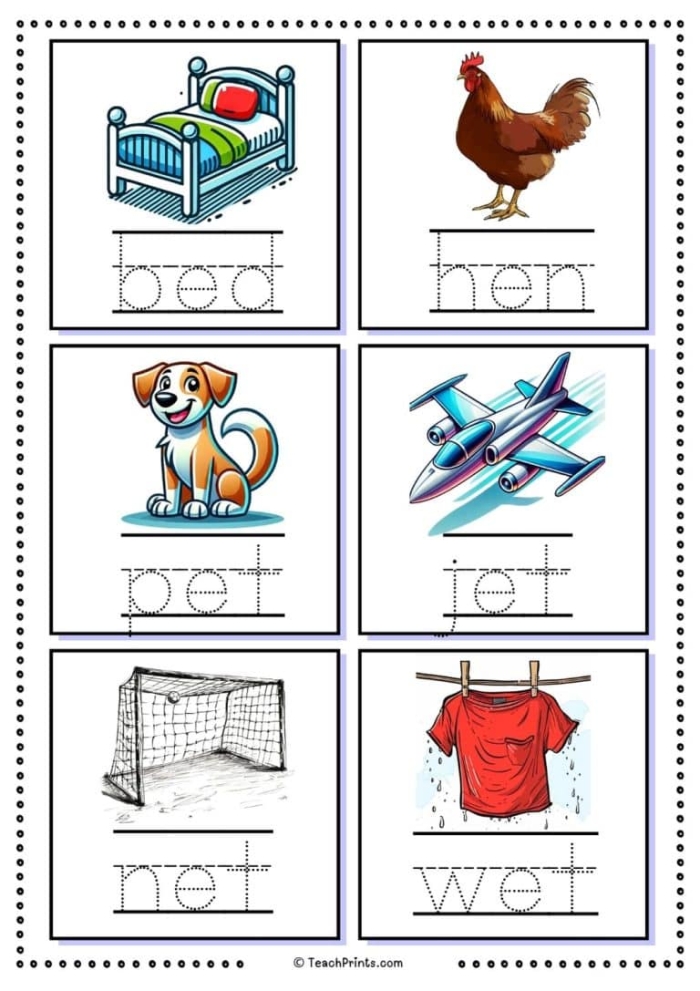
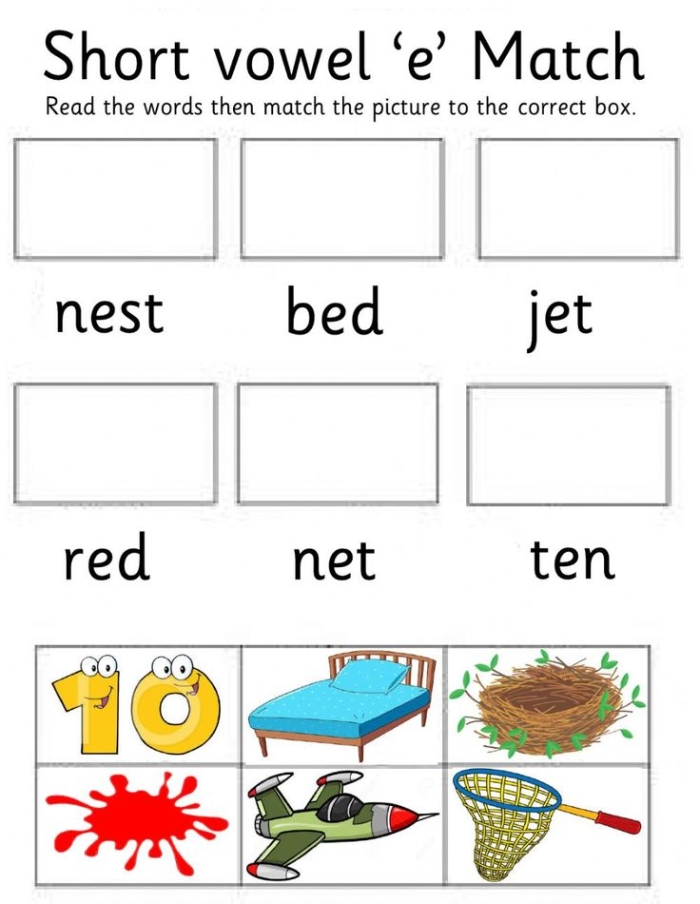
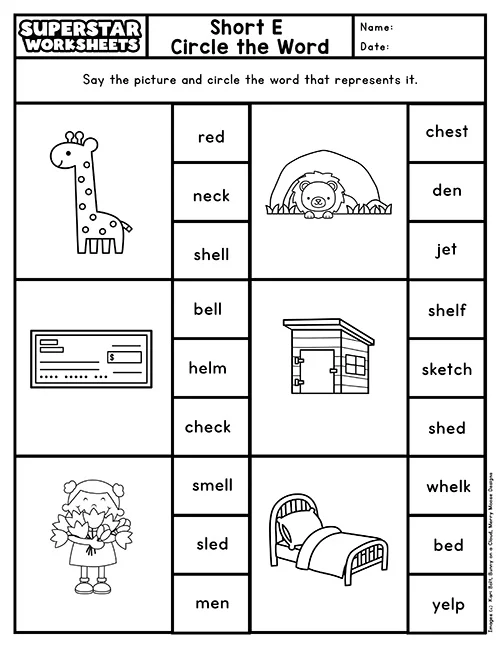
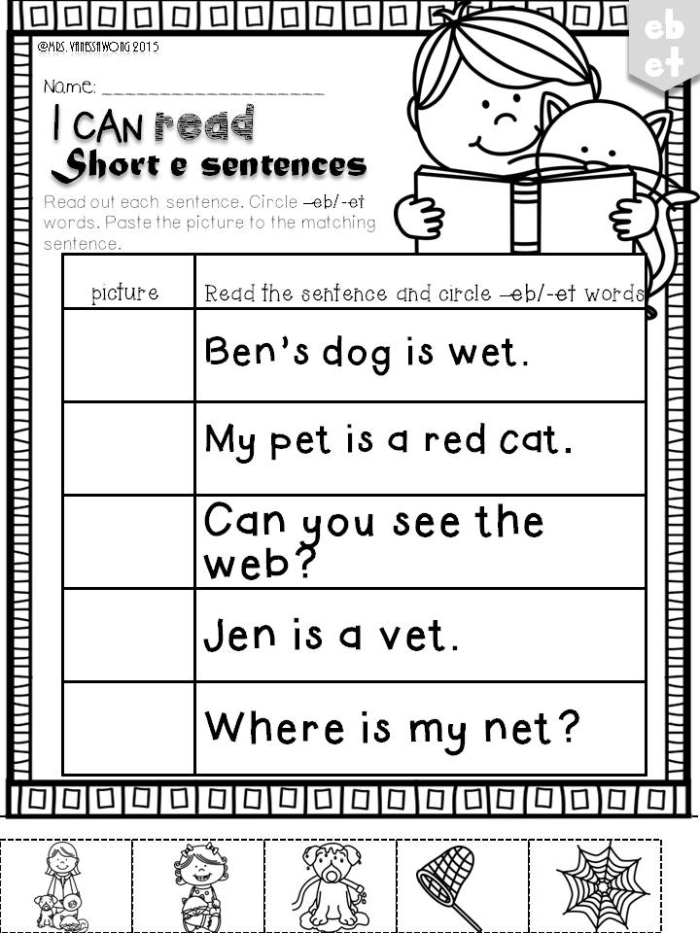
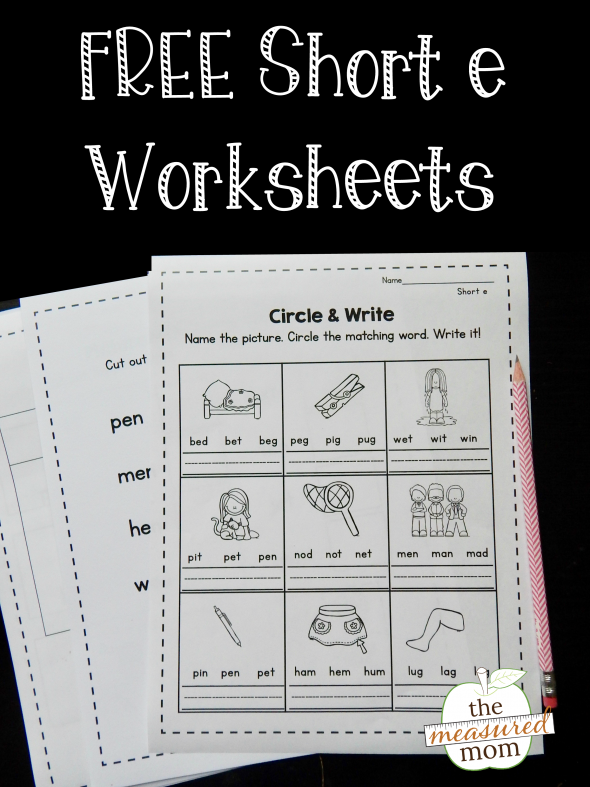
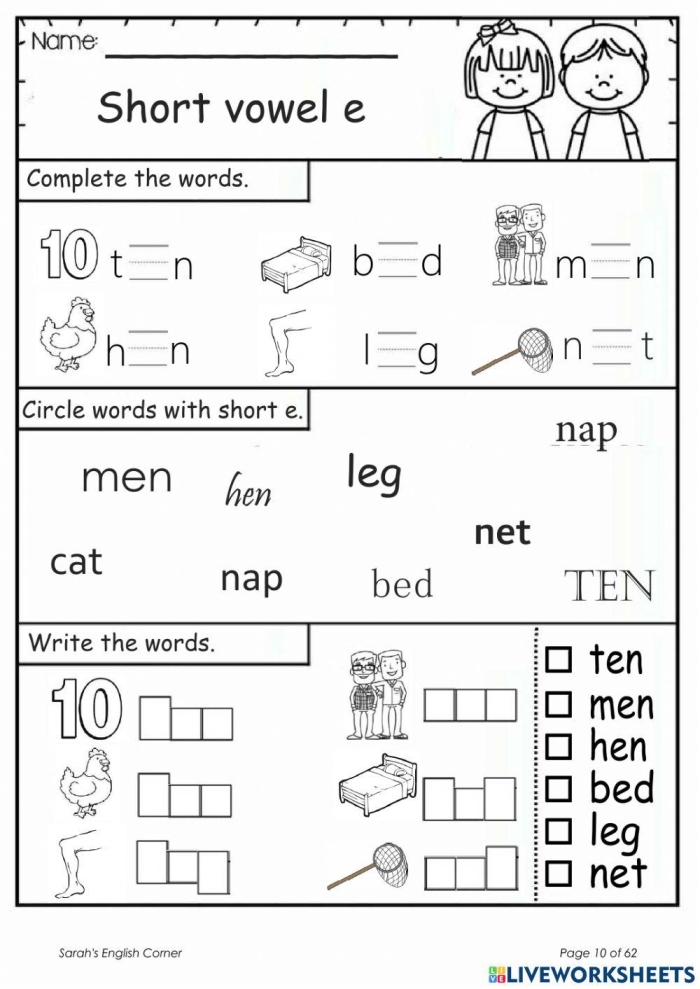
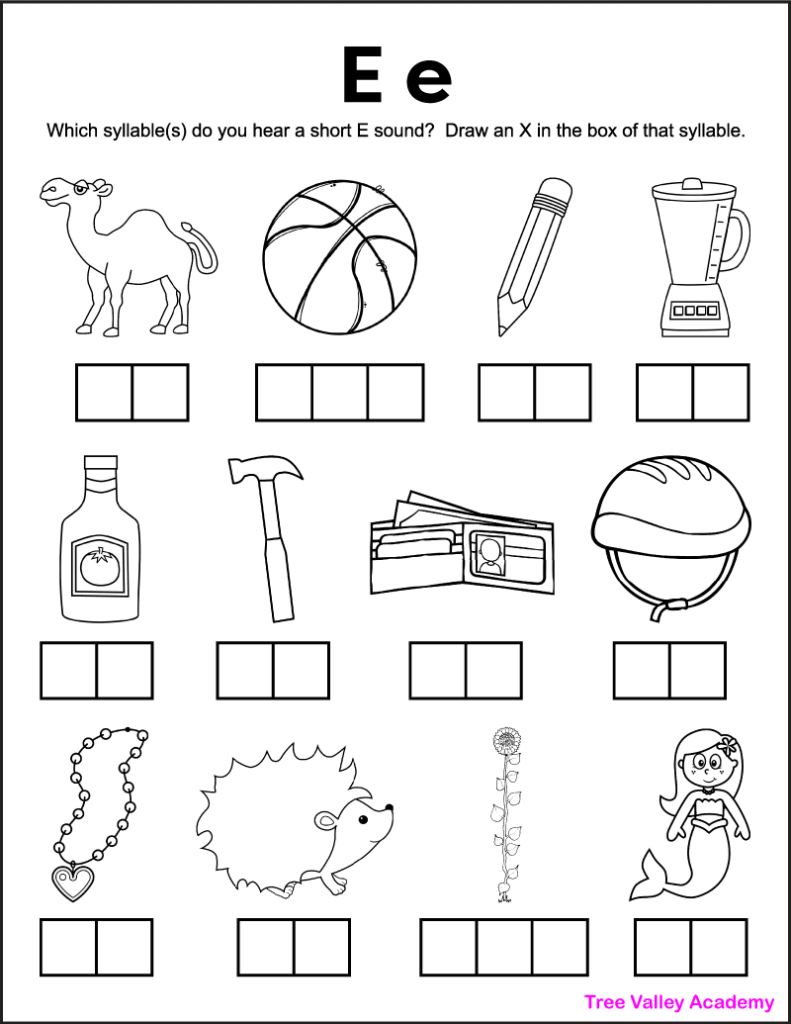
For additional resources, consider using printable worksheets that focus on making short E words. Websites like Luminaworksheets offer various engaging activities that can complement your lessons. These worksheets provide structured practice that reinforces the phonetic skills your students are developing.
Ultimately, by allowing kindergarteners to create their own CVC words, you’re not just teaching them to read, but also fostering a love for learning. This foundational skill will benefit them as they progress through their education, making reading a joyful and enriching experience.
Download These Worksheets for Practice