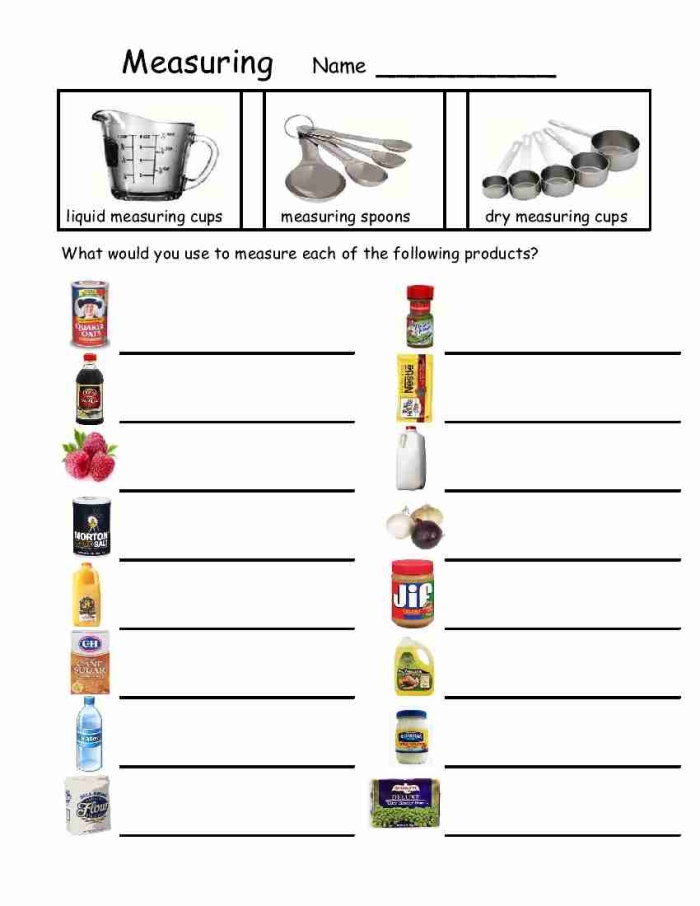
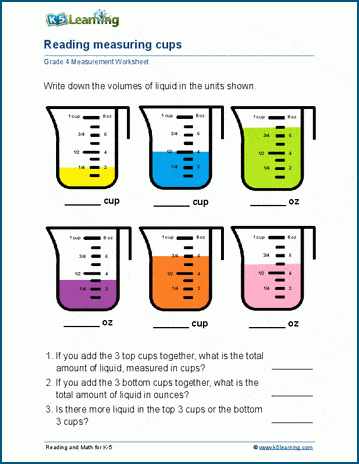
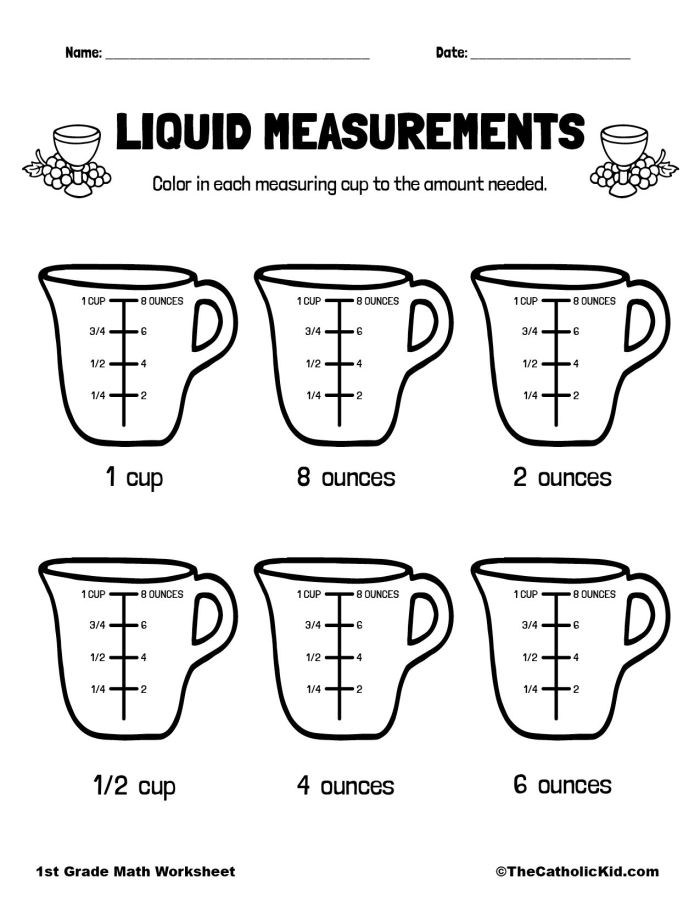
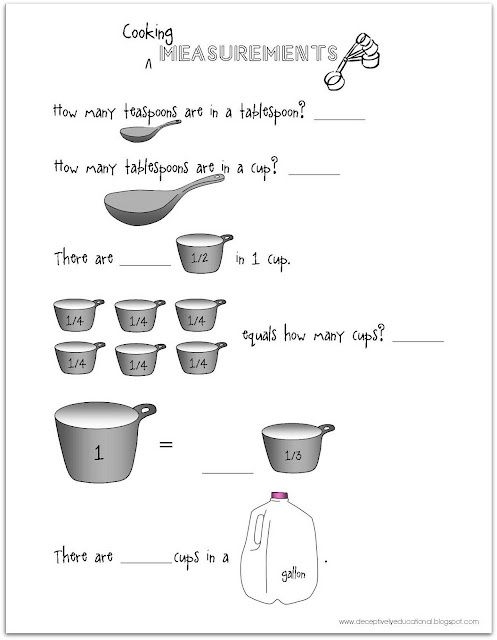
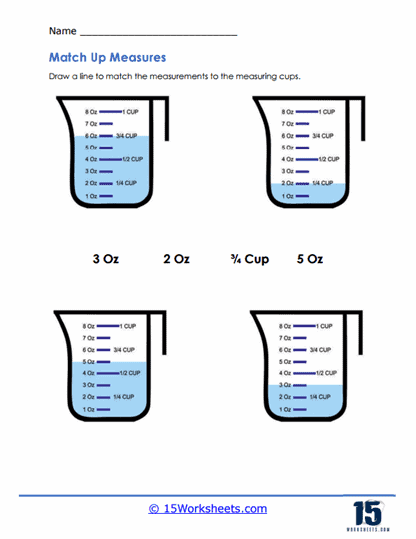
Measuring cups can be a delightful introduction to fractions, especially when cookies are involved. The magic of baking lies not just in the ingredients but in how they come together. Understanding how to use measuring cups helps bring recipes to life, and grasping fractions makes this task much easier.
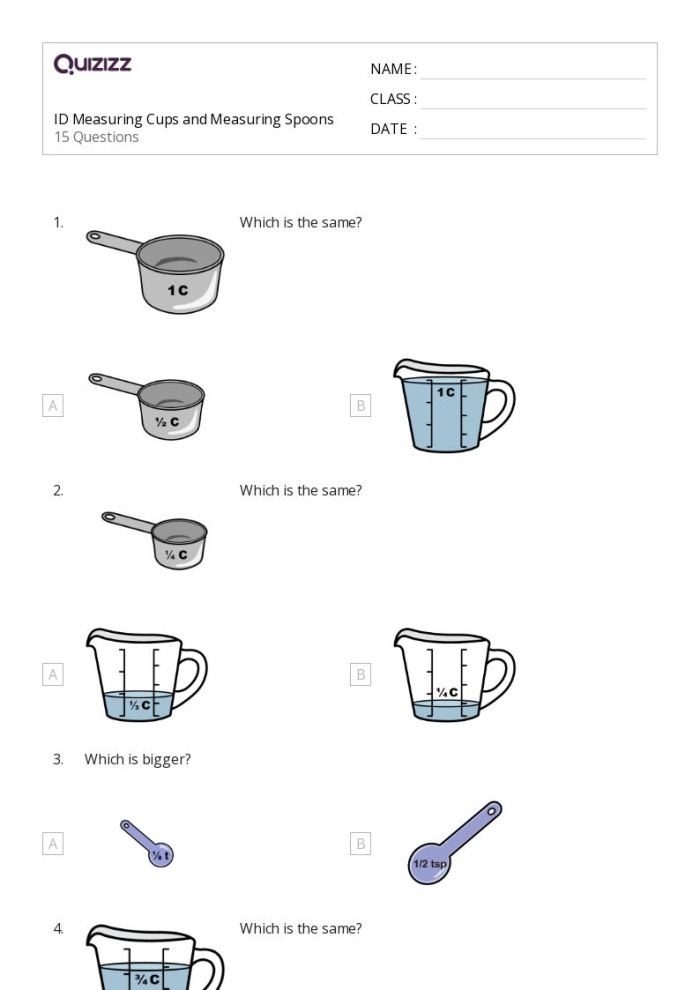
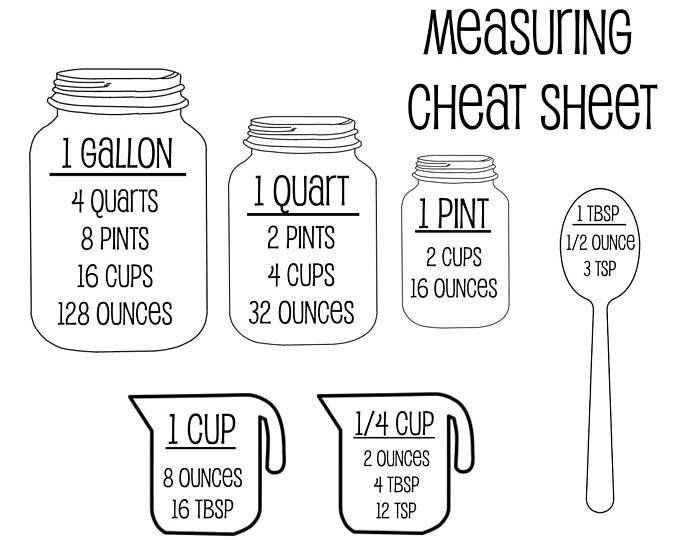
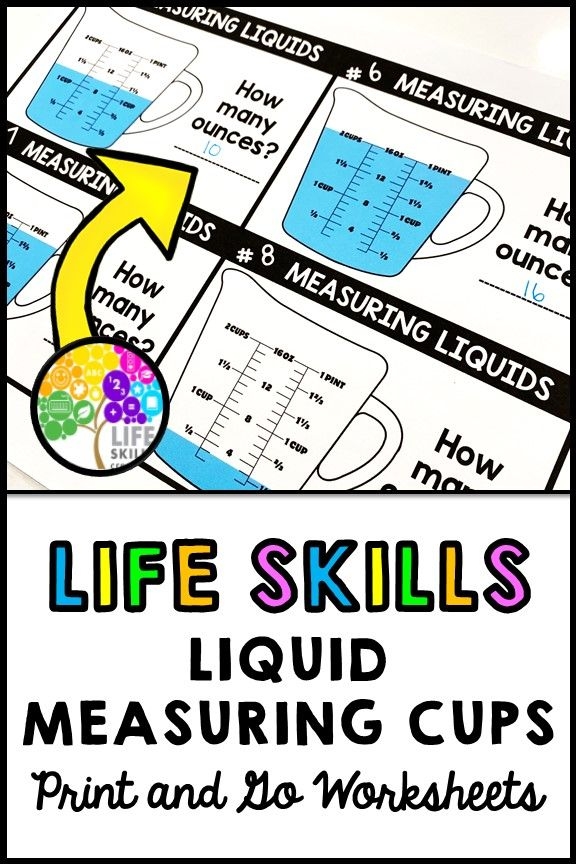
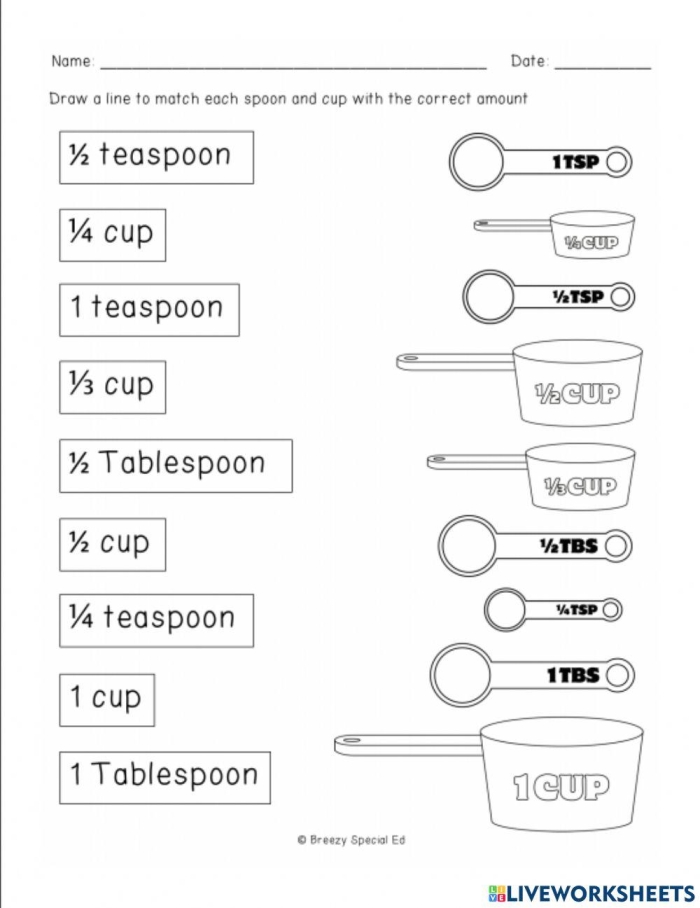
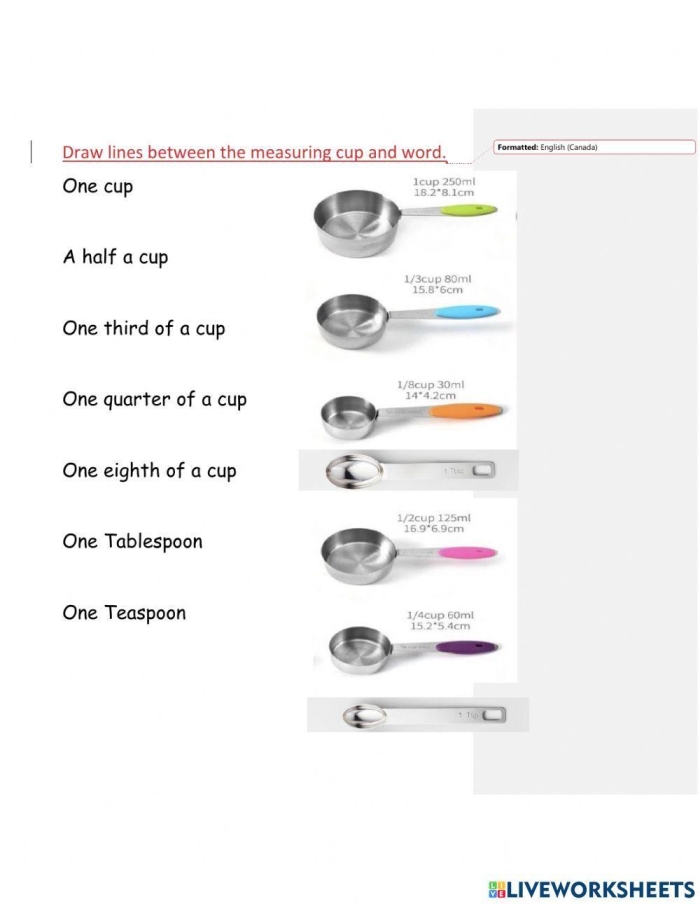
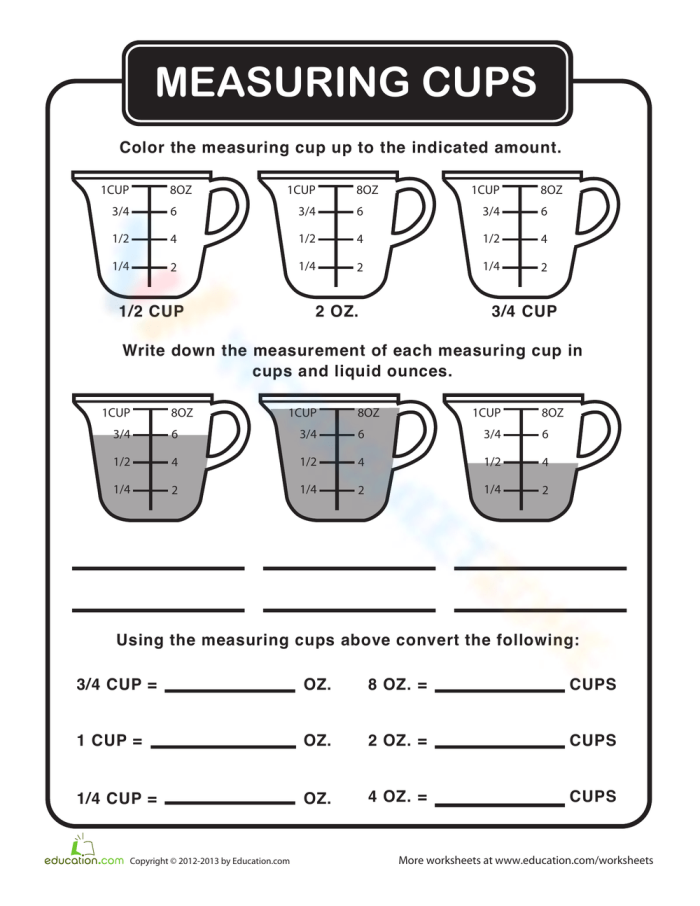
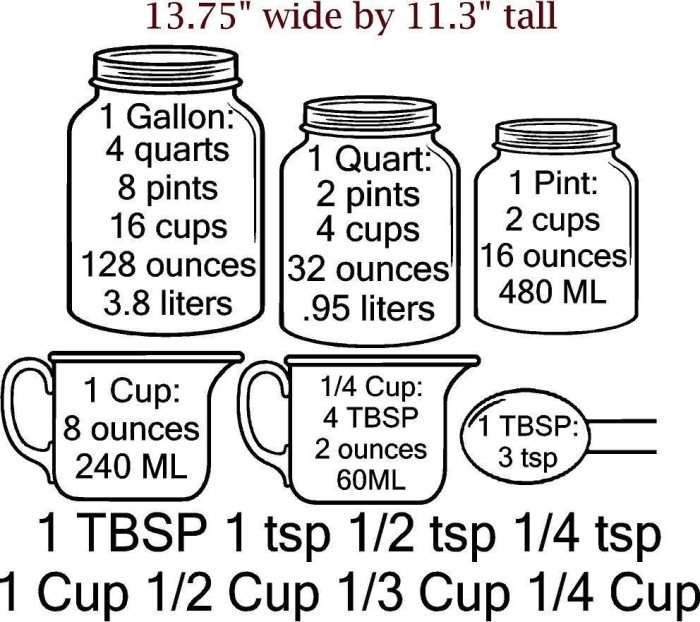
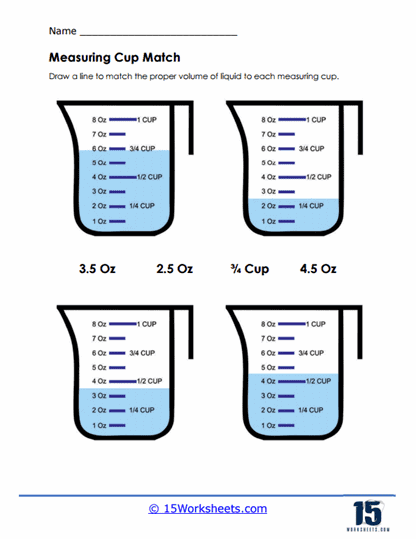
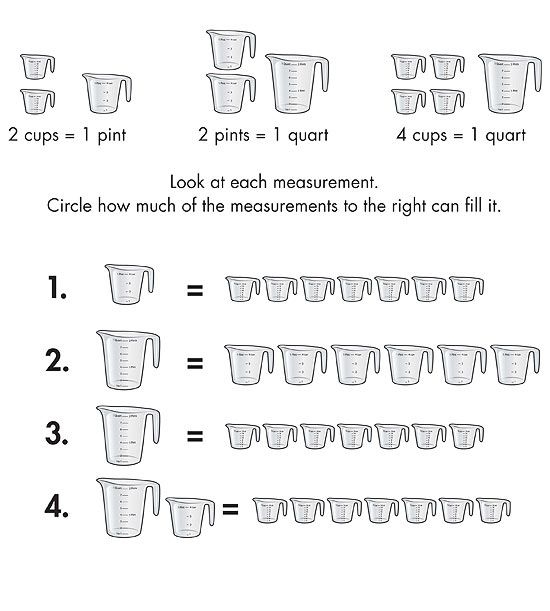
When you pick up a measuring cup, you’ll notice markings that indicate different measurements. For example, a standard cup might be labeled with 1 cup, ¾ cup, ½ cup, and ¼ cup. Each of these corresponds to a fraction of a whole cup. Third graders learning fractions can visualize these concepts practically. For instance, if a cookie recipe calls for 2 cups of flour and you only have a 1-cup measuring cup, you can fill it twice to reach the correct amount. This hands-on experience makes learning fractions exciting and memorable.
Let’s say you want to bake a batch of cookies that requires 1½ cups of sugar. To measure this using a 1-cup and a ½-cup measuring cup, you would fill the 1-cup cup once and the ½-cup cup once. This simple process shows how fractions work in real life—turning abstract numbers into delicious cookies. By connecting these measurements to baking, students can see the practical applications of their math lessons.
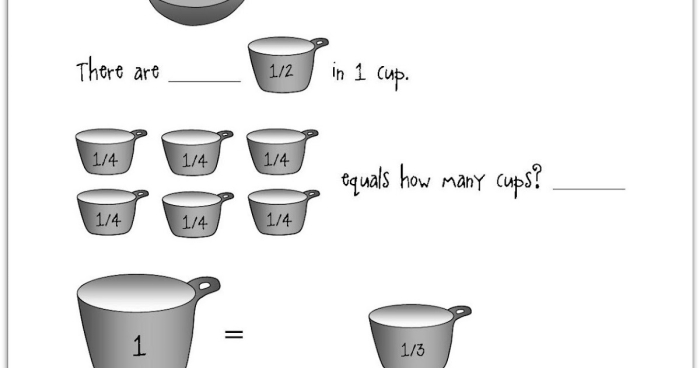
Using a measuring cup also reinforces concepts like equivalency. If you have a recipe that calls for 3/4 cup of butter, you can discuss how this is the same as 1/2 cup plus 1/4 cup. Engaging with these fractions through cooking makes math feel less daunting. For further practice, you can explore printable worksheets that cover fraction fundamentals, such as those available at Fraction Fundamentals.
Incorporating measuring cups and baking into the learning process enriches the educational experience. It transforms fractions from mere numbers on paper into a tasty adventure. So grab a measuring cup and some cookie dough—let the fraction fun begin!
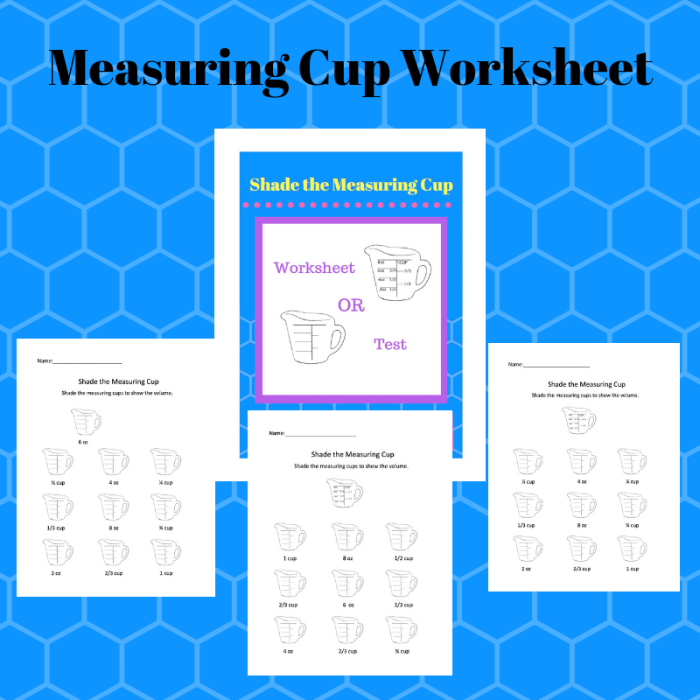
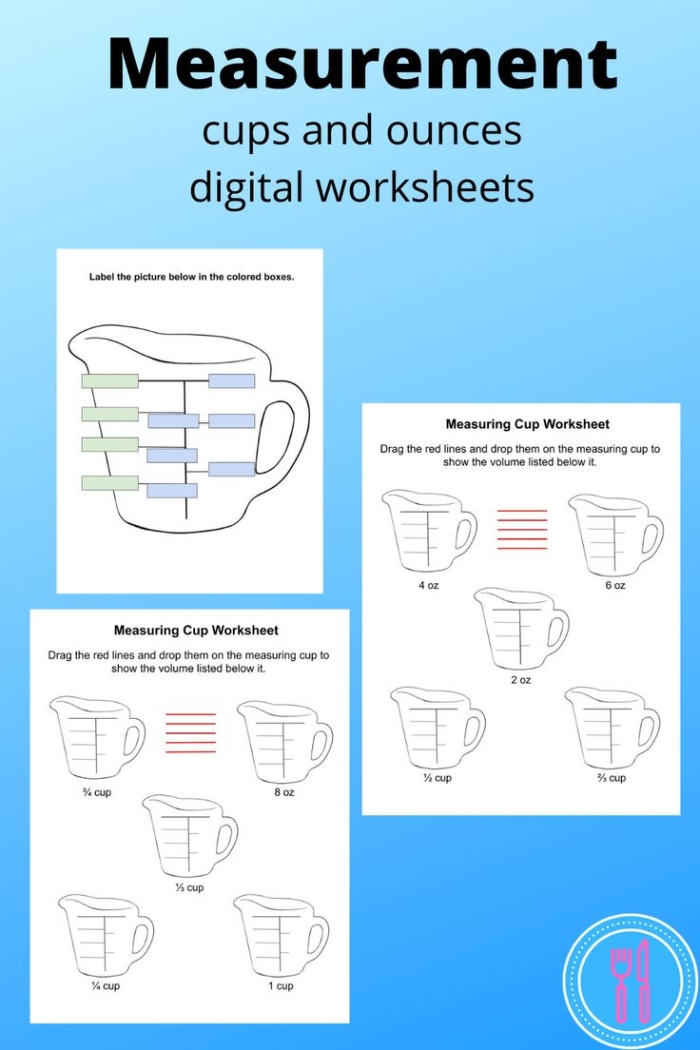
Download These Worksheets for Practice