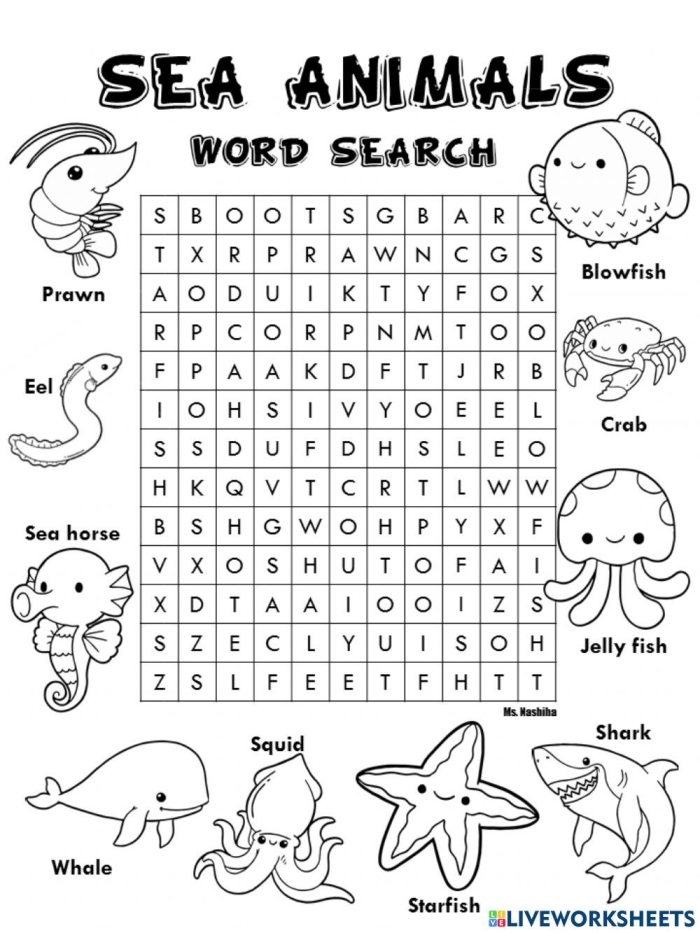
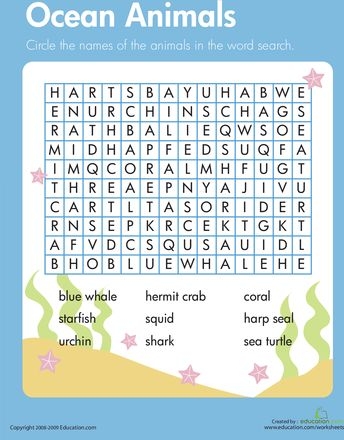
Where can you find magnificent creatures like the blue whale, the swift shark, and the elusive squid? In the ocean, of course! This vast and mysterious habitat is home to a diverse array of marine life, making it a fascinating subject for children, especially those in third grade learning about life science.
Exploring ocean habitats can be an exciting adventure for kids. They can learn about different ocean animals, their behaviors, and their environments. For instance, the blue whale is the largest animal on the planet and can weigh as much as 200 tons. It feeds primarily on tiny shrimp-like animals called krill. Sharks, on the other hand, are often known as the ocean’s top predators, playing a crucial role in maintaining the balance of marine ecosystems. Squids are intriguing too; some species can change color for camouflage, while others have impressive jet propulsion abilities to escape from predators.
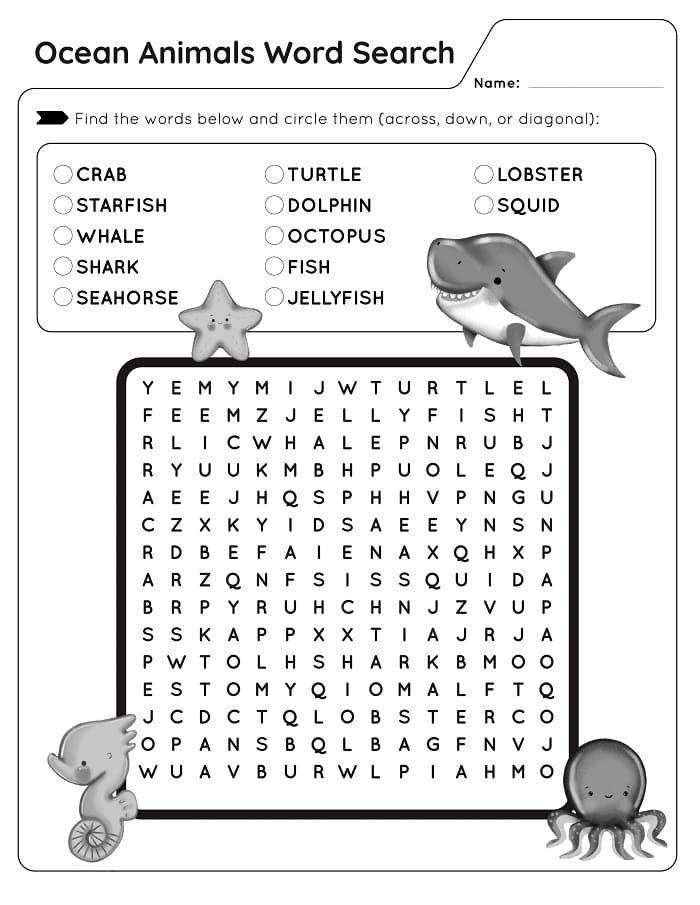
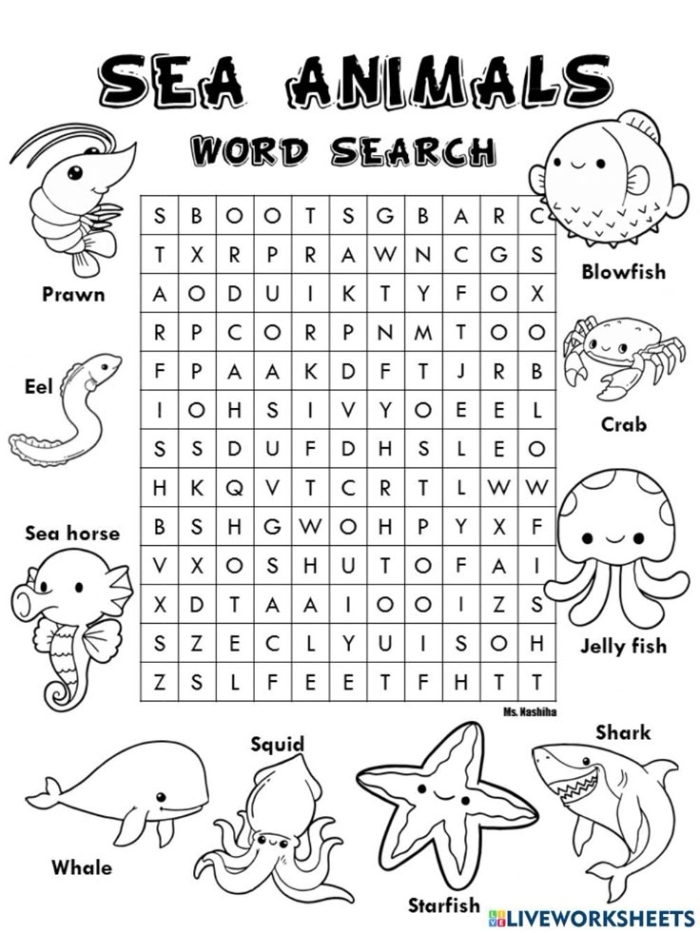
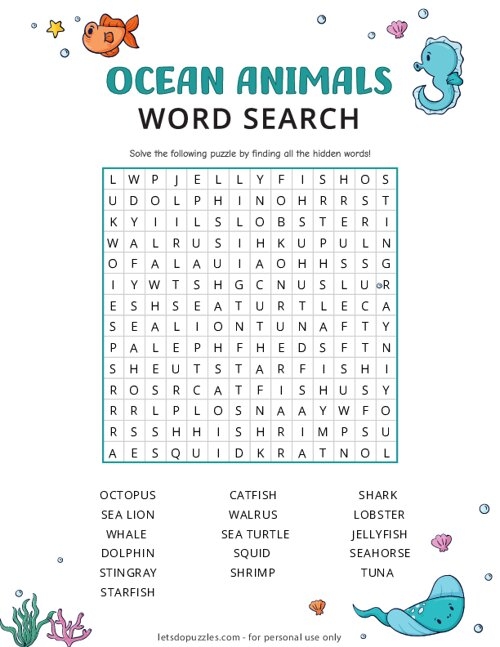
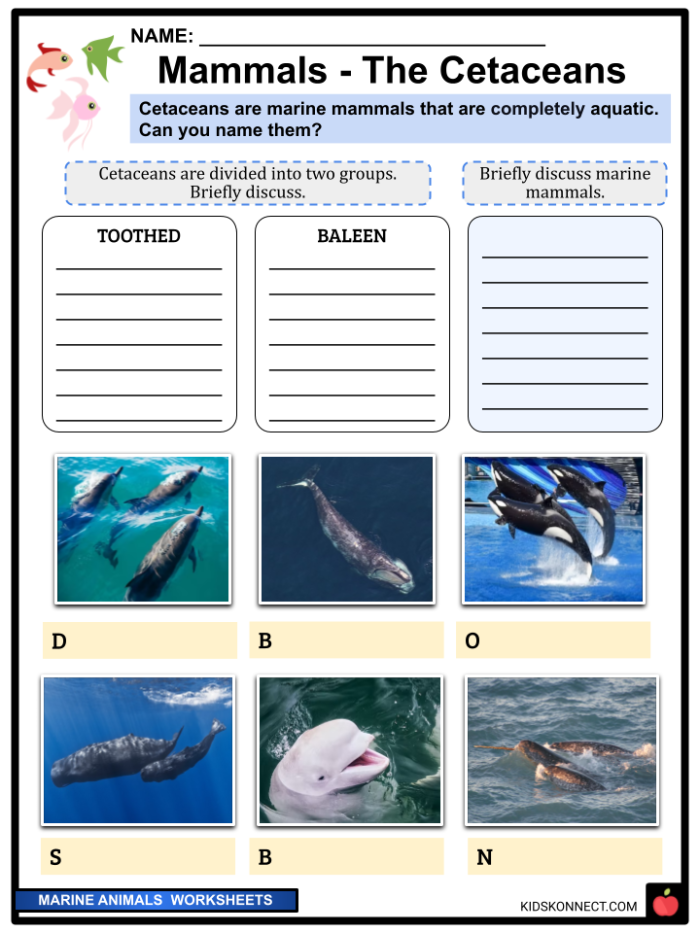
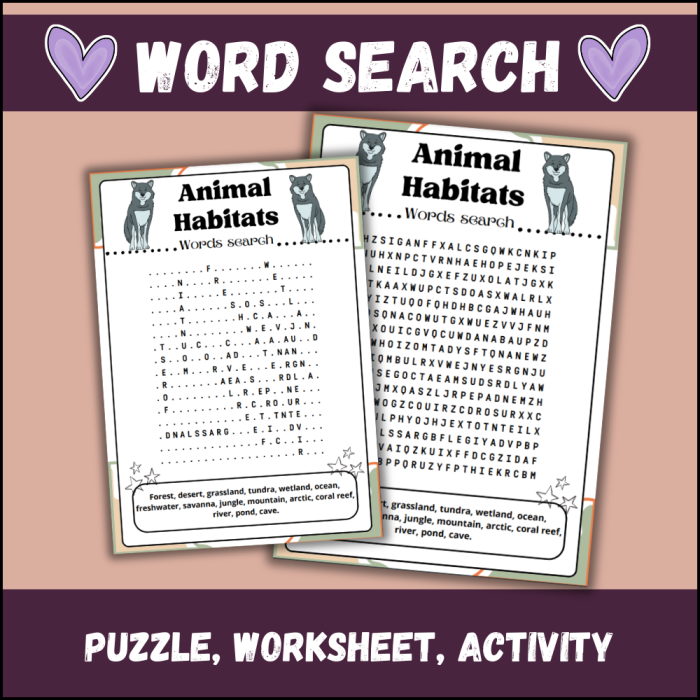
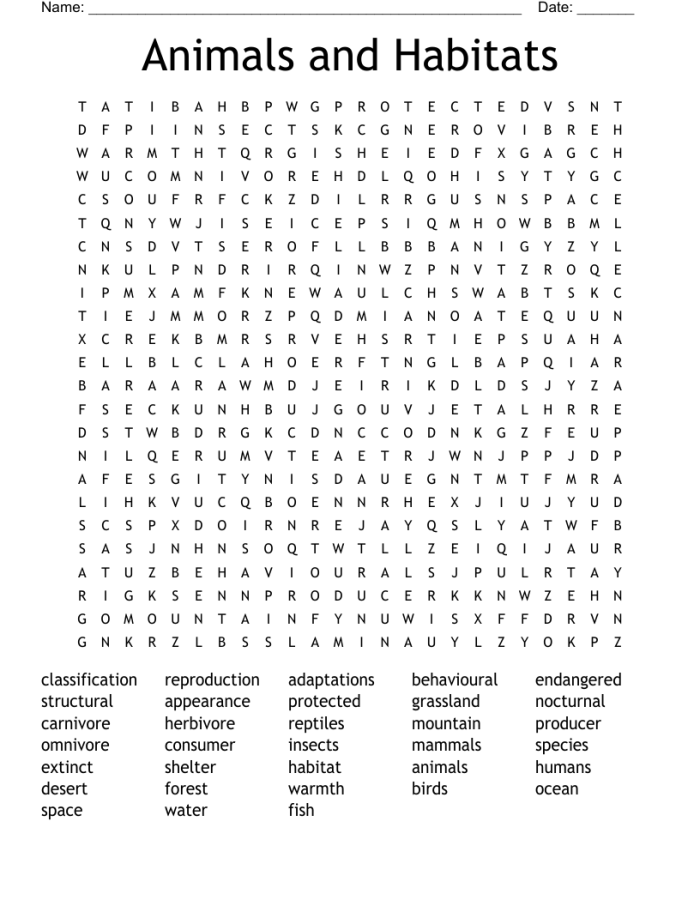
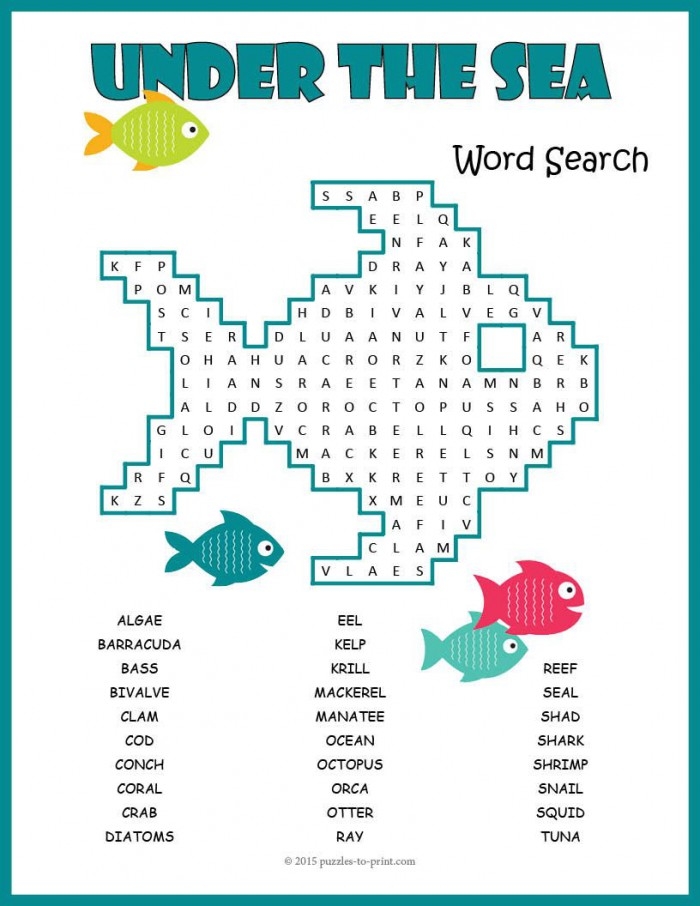
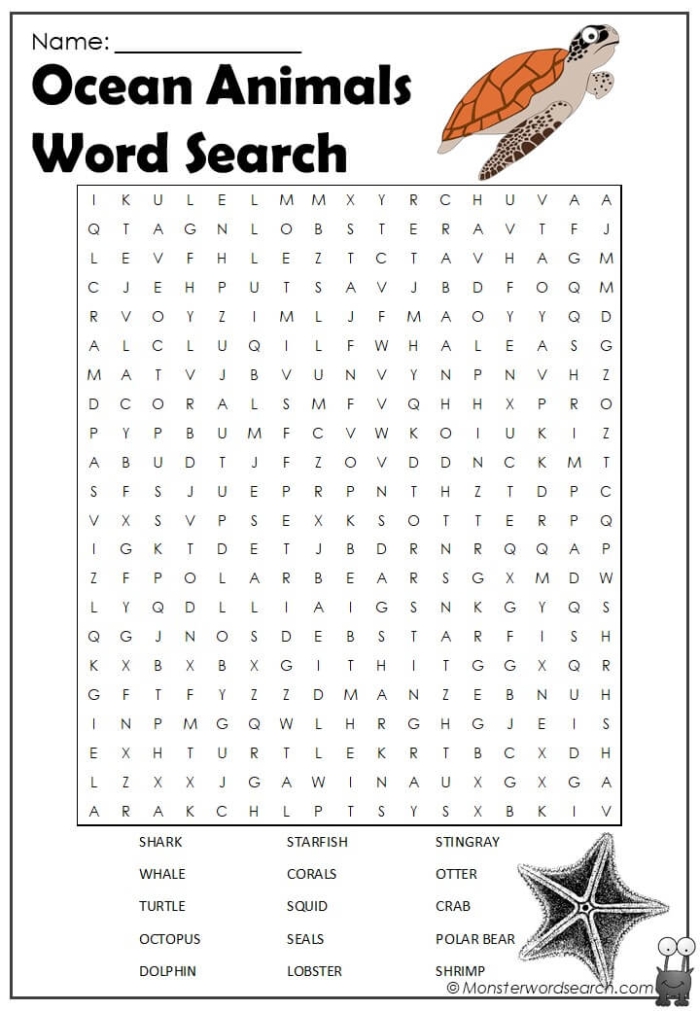
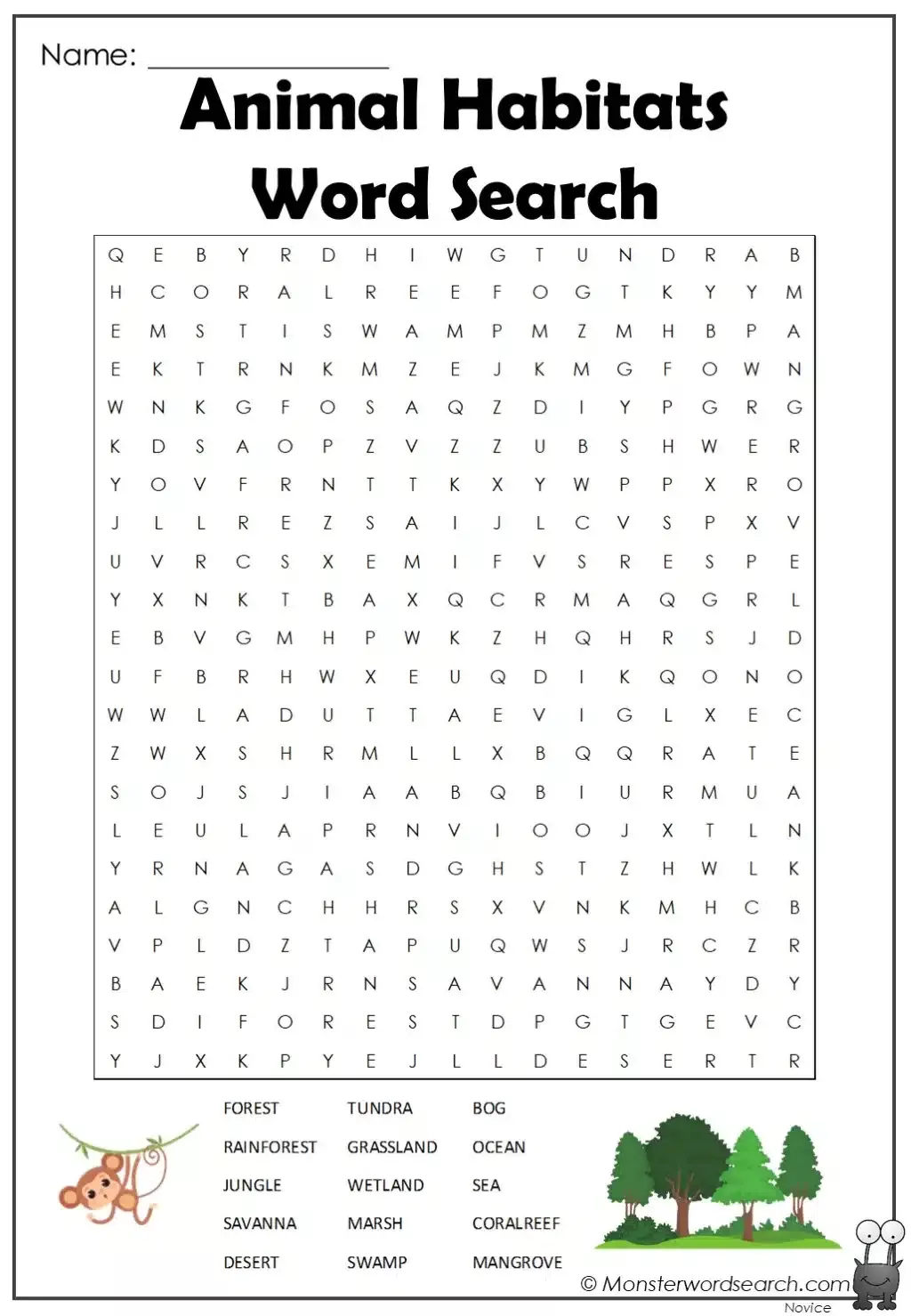
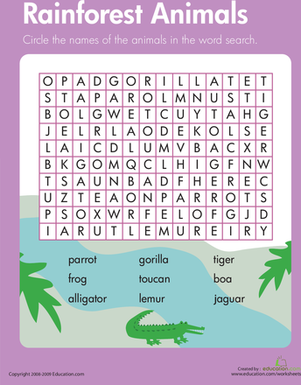
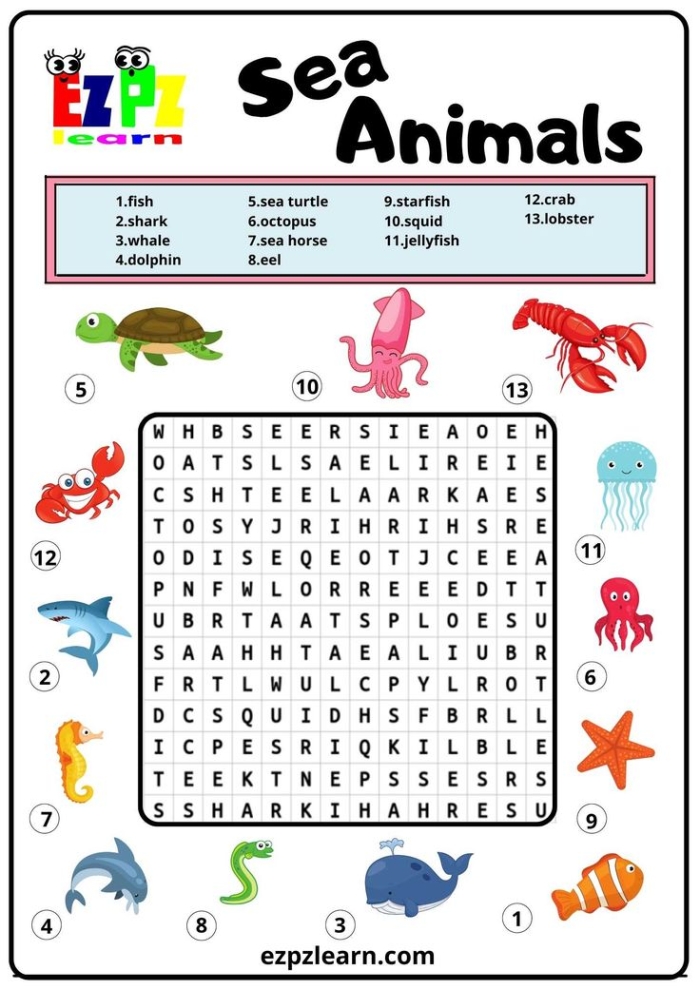
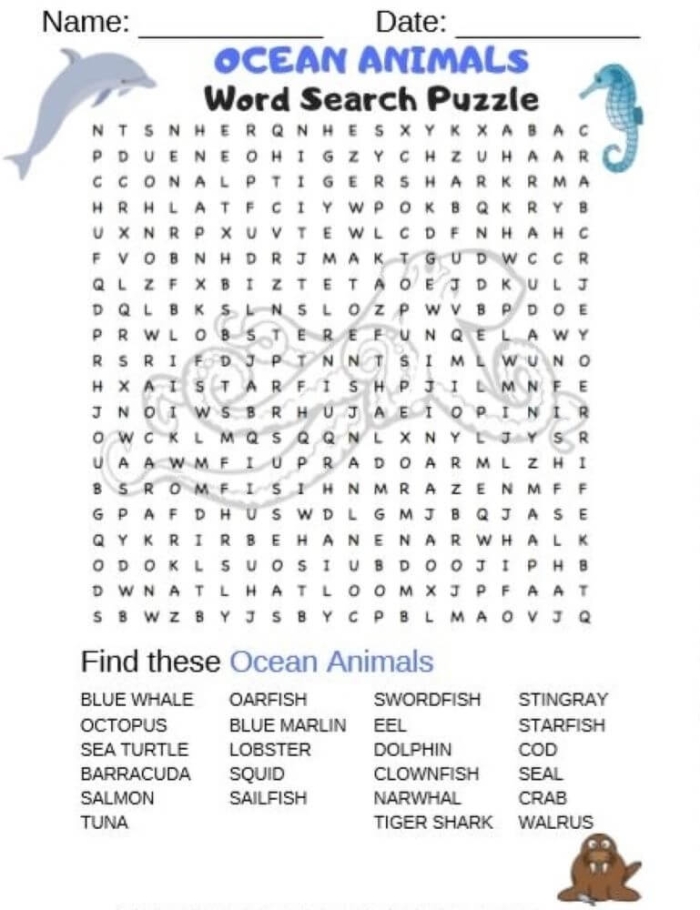
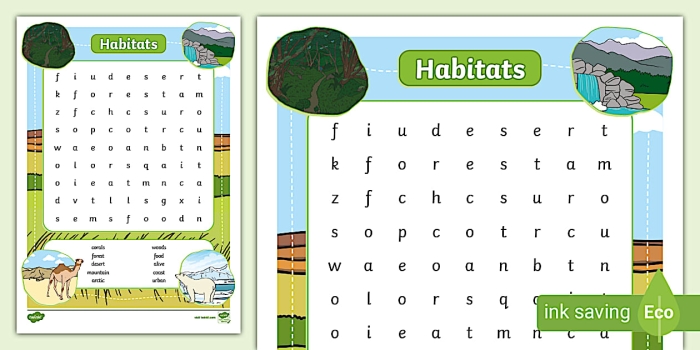
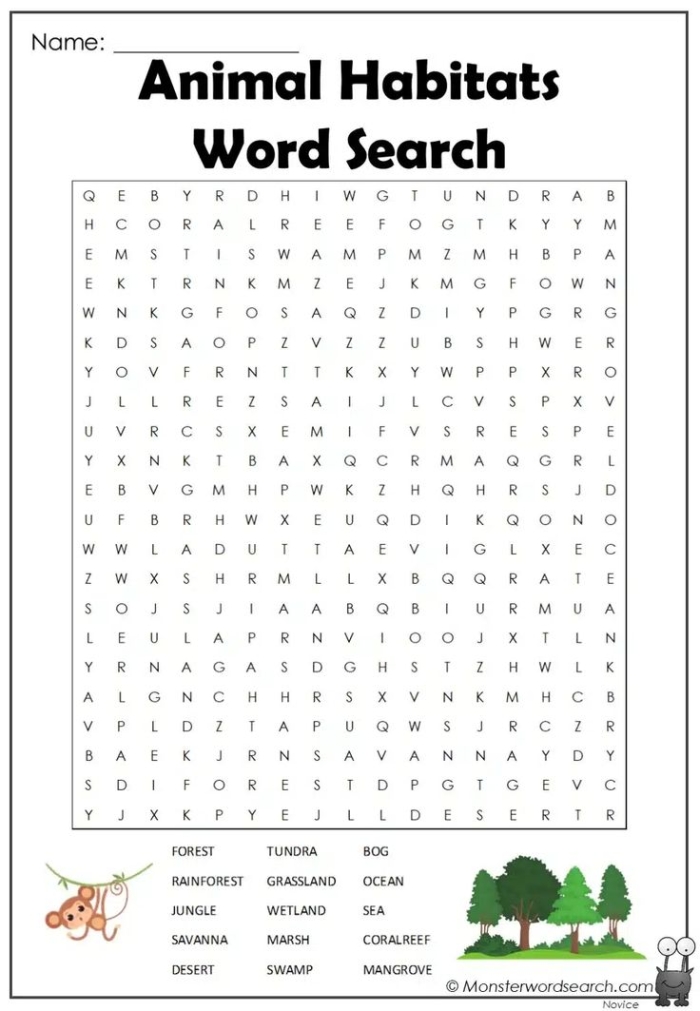
To make learning about these creatures even more engaging, consider using a printable habitats word search focused on ocean animals. This fun activity not only reinforces vocabulary but also helps children recognize various marine species and their unique characteristics. As they search for words related to the ocean, they will develop a greater appreciation for the diversity of life beneath the waves.
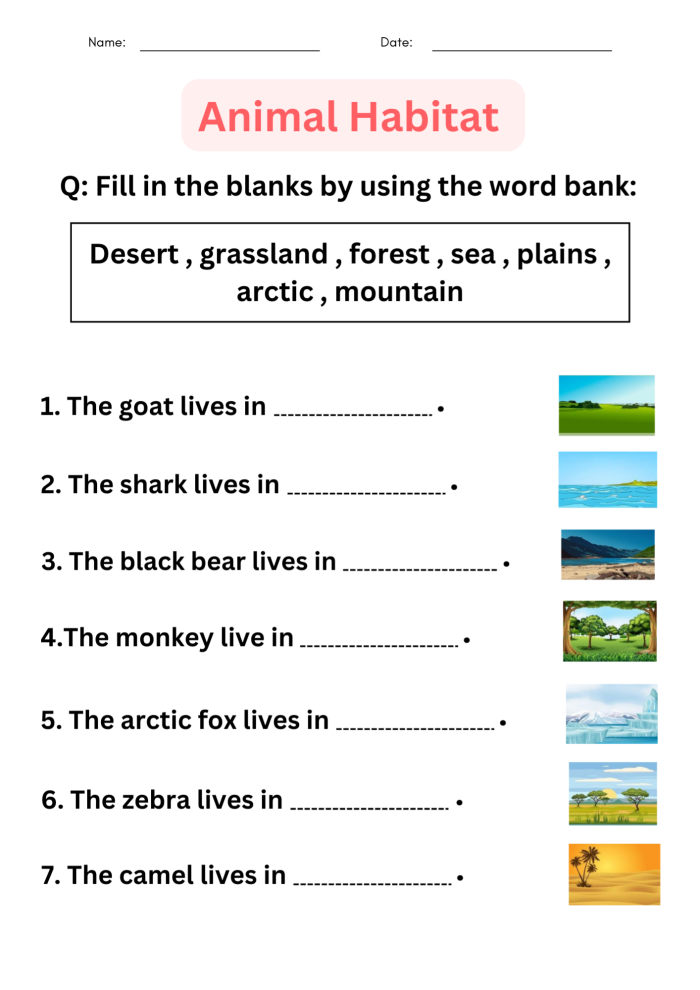
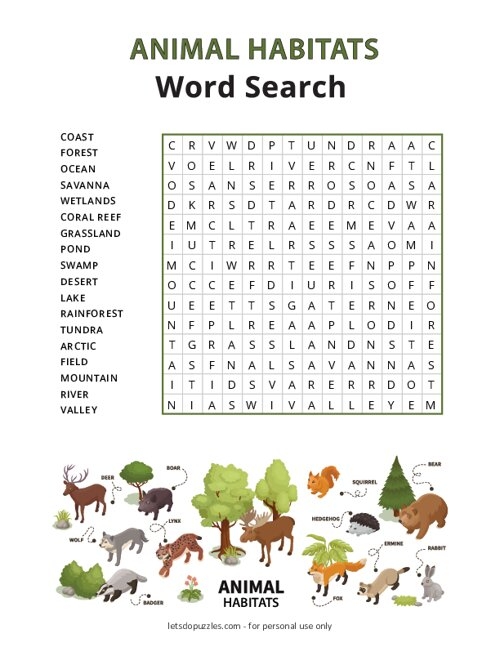
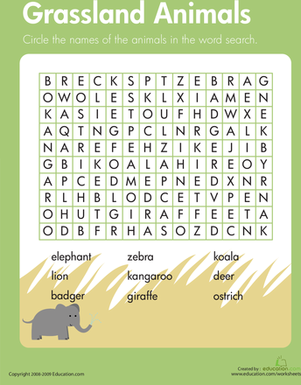
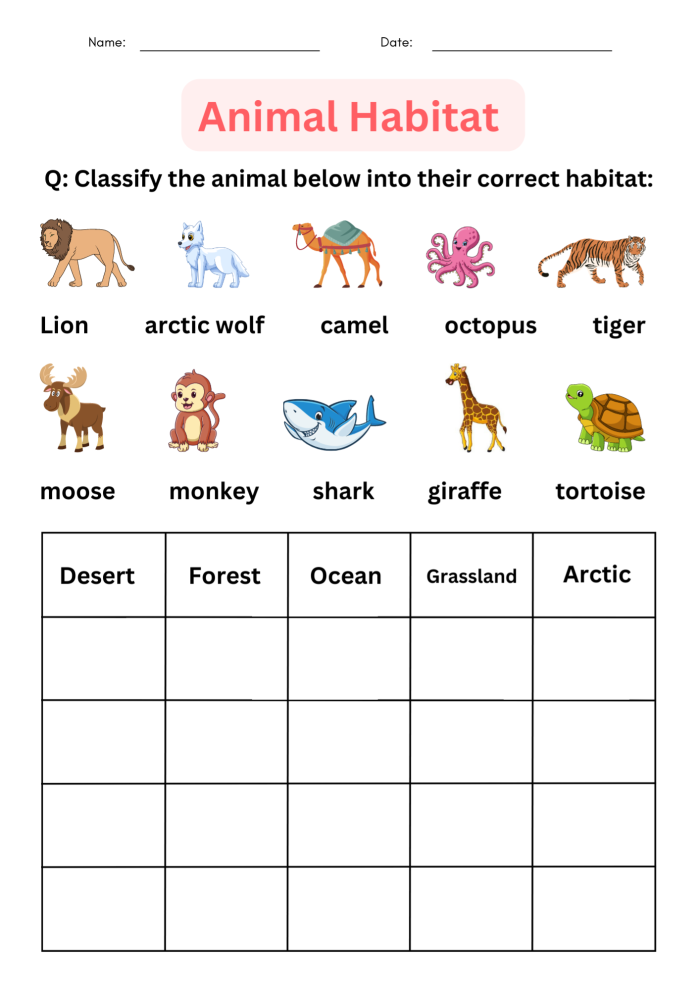
Incorporating worksheets like these into your child’s learning routine can provide practical benefits. For example, you can pair the word search activity with discussions about ocean ecosystems or conservation efforts. This multifaceted approach to education can spark curiosity and inspire a love for science. You can also find additional resources to support your child’s learning, such as worksheets that help identify supporting details in science topics or worksheets focused on solving time problems.
Engaging your child with hands-on learning experiences, like this ocean word search, can make complex concepts more relatable and enjoyable. By exploring the ocean together, you can nurture their curiosity and understanding of life science in an interactive way.
Worksheet Practice Section