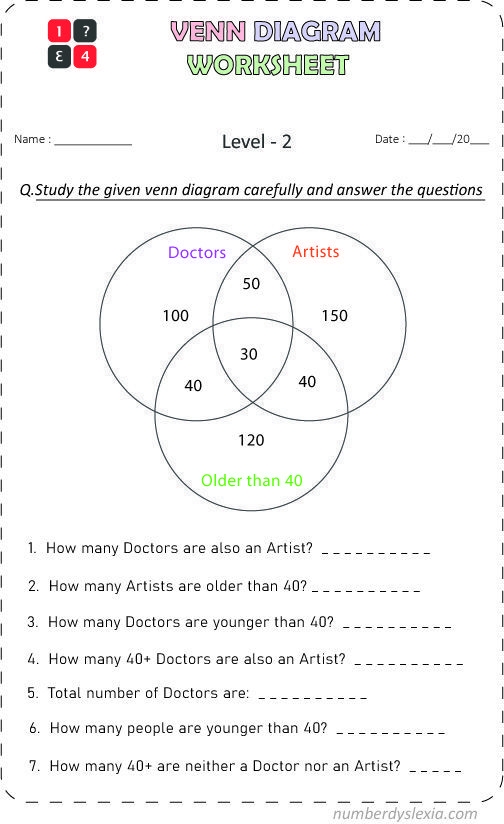
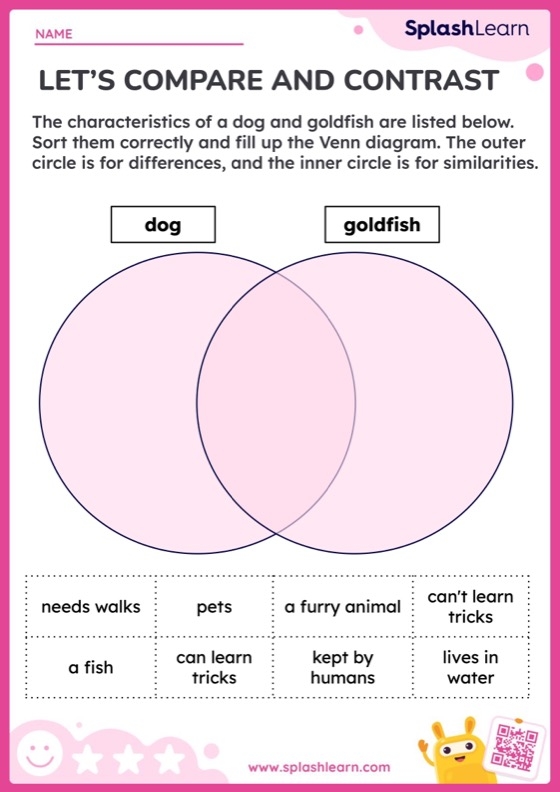
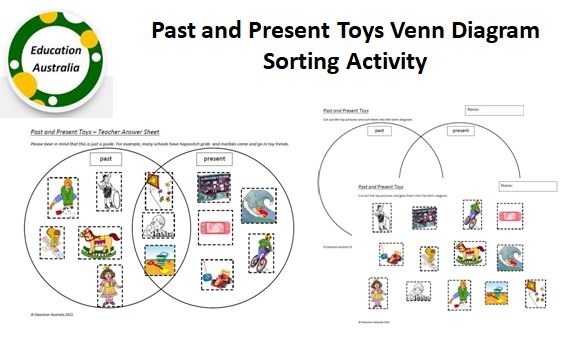
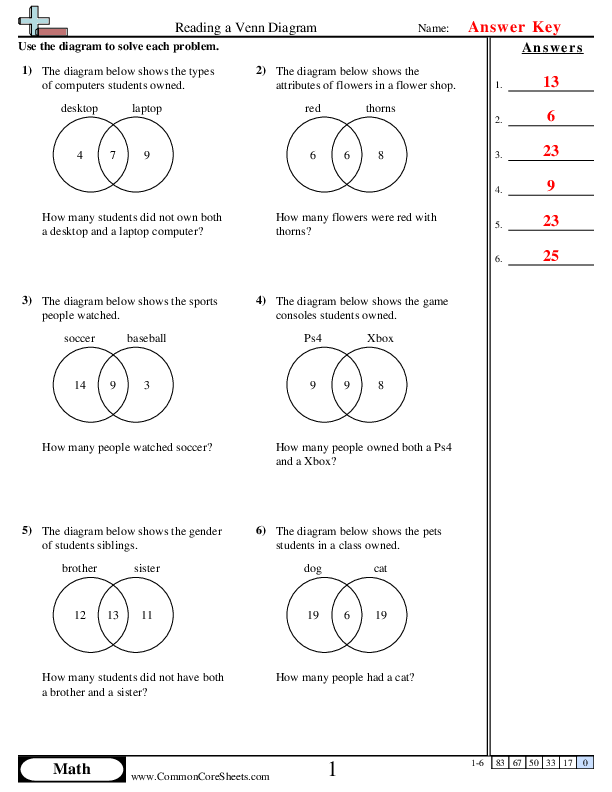
A Venn diagram sorting activity gives kindergarten children a concrete way to organize their thinking about time. Rather than simply memorizing that “past” means what already happened and “present” means what’s happening now, kids physically sort words, pictures, or actions into overlapping circles. This hands-on approach helps them build the foundational understanding they’ll need for more complex time concepts later.
The beauty of this activity lies in its flexibility. Teachers can use action words (ran, runs, jump, jumped), daily activities (eating breakfast, playing at recess), or pictures of objects in different states. When a child places “sleeping” on the left side for past activities and “playing” on the right for present ones, they’re not just filling in a worksheet. They’re making decisions about when things happen, which strengthens their grasp of verb tenses and temporal awareness.
In kindergarten classrooms, this type of sorting naturally connects to language development. As children discuss their placements, they use past and present tense verbs in conversation. A child might say, “I put ‘jumped’ here because we already did that at recess.” This verbal processing reinforces the concept far more effectively than passive instruction.
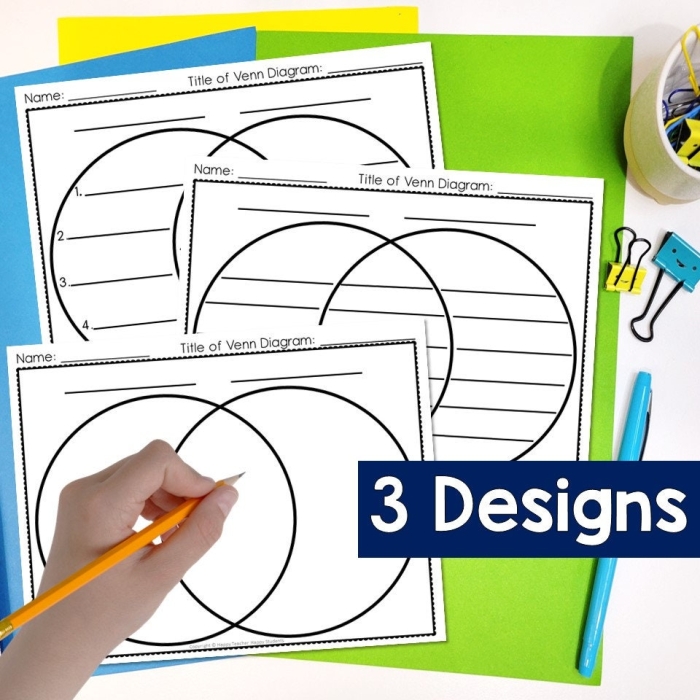
Printable versions of this activity work well for independent practice or small group instruction. A Venn diagram past or present activity gives children the structure they need while leaving room for their own thinking. Pairing this with other language-focused activities creates a well-rounded lesson. You might combine it with sentence correction practice or phonics review to address multiple skills in one session.
The real value emerges when children realize they can apply this sorting skill to their own experiences, recognizing which events belong to their past and which are happening in their present moment.
Boost Skills with These Worksheets