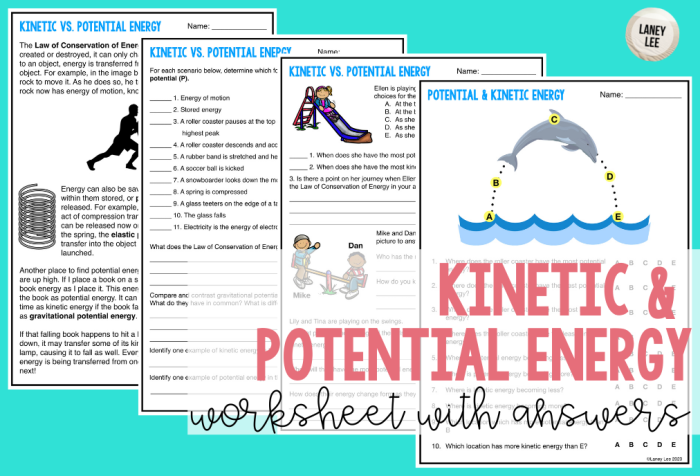
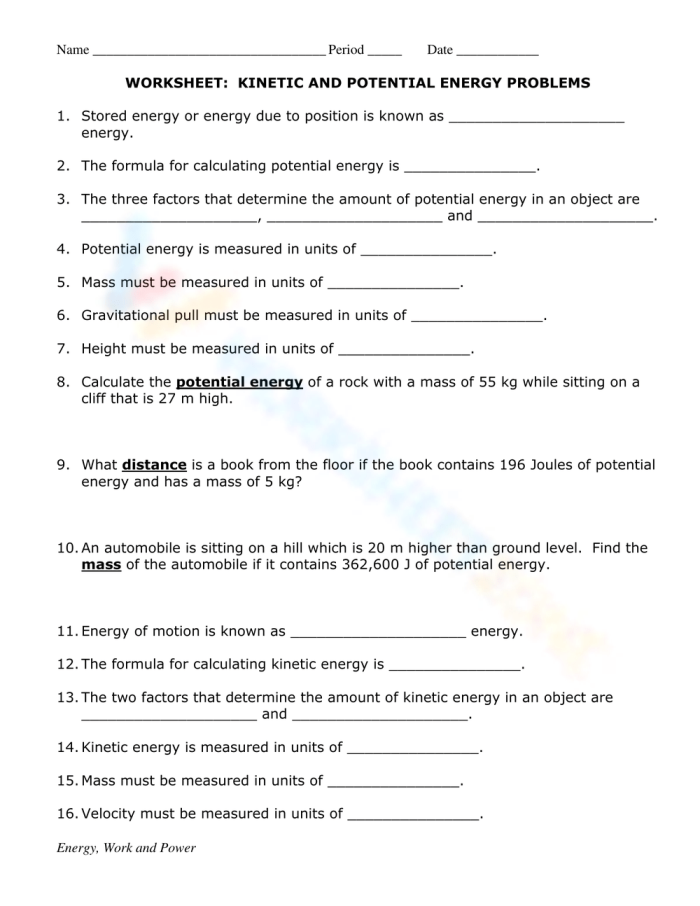
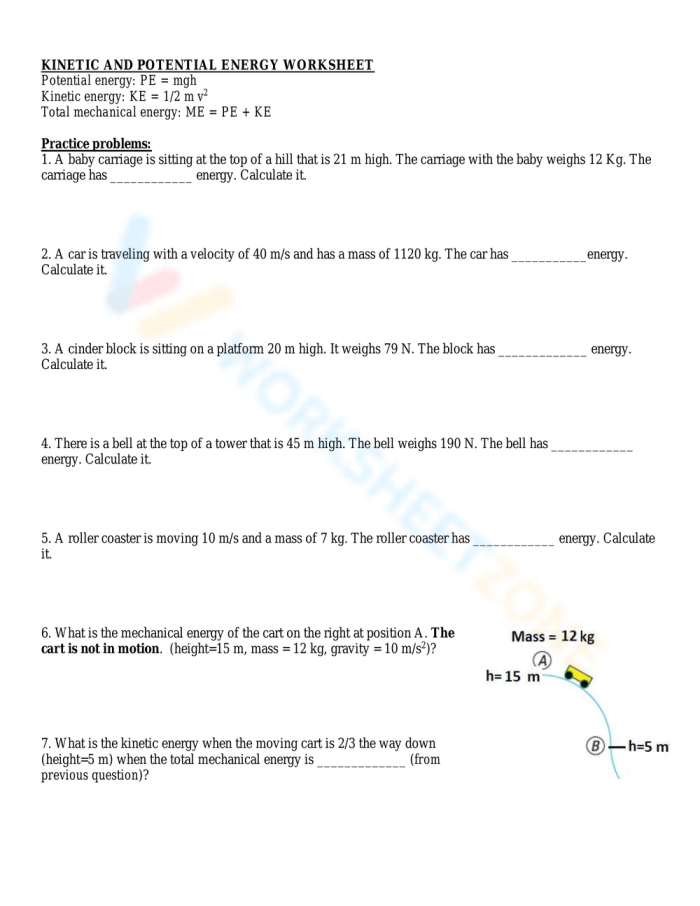
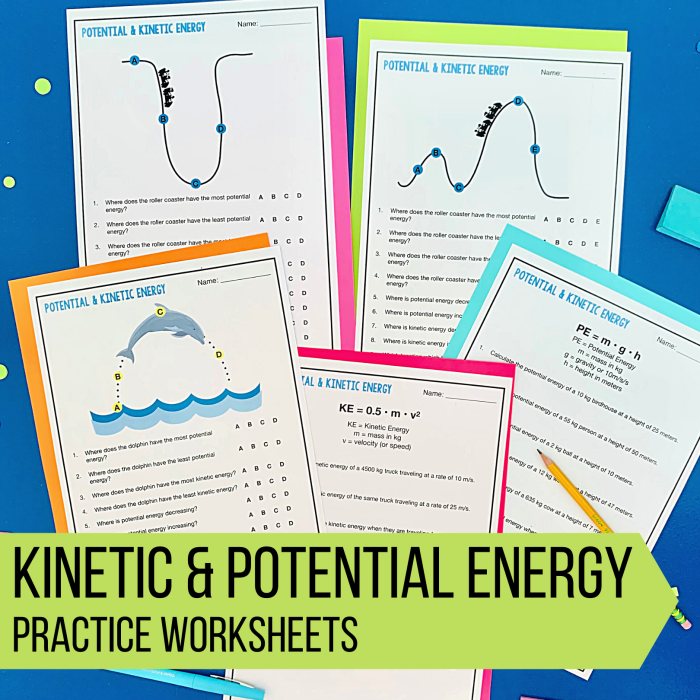
Kids often move through the world without thinking about the forces that power their play, but understanding energy opens up a whole new way of seeing everyday motion. One of the clearest ways to introduce this concept is by teaching the difference between potential and kinetic energy, two fundamental types that govern everything from a rolling ball to a stretched rubber band.
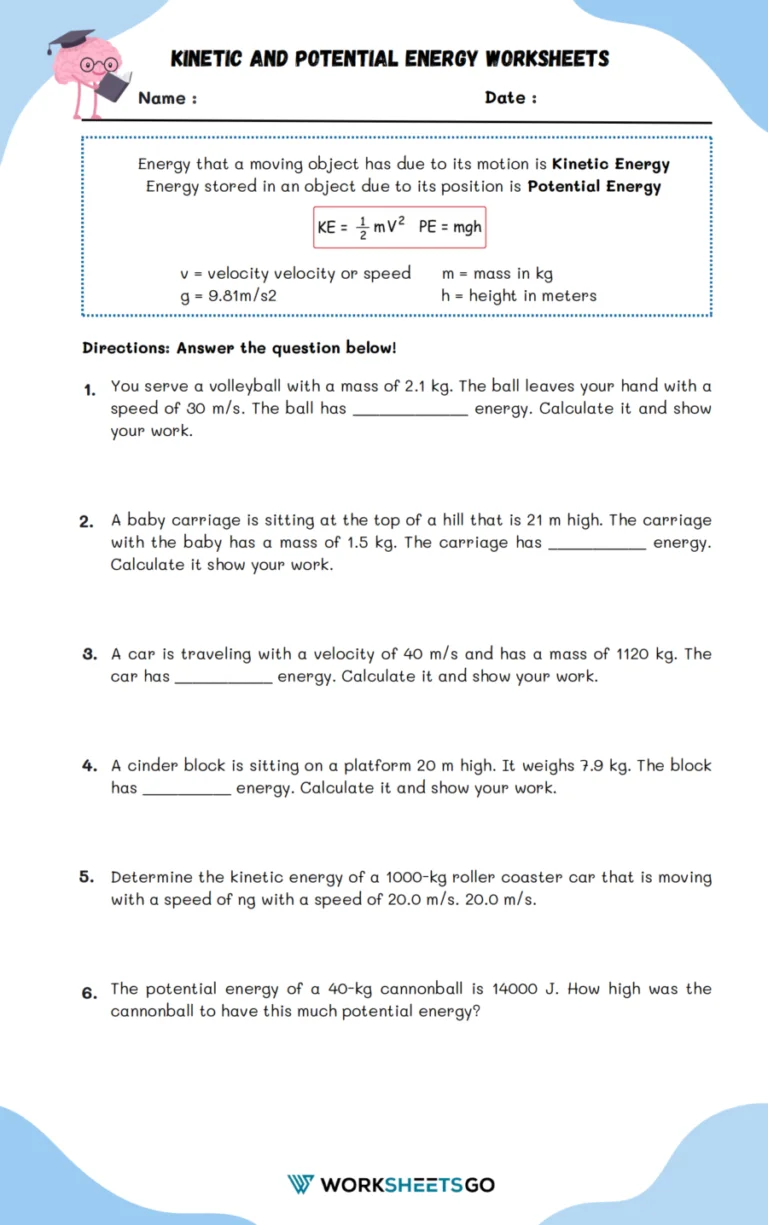
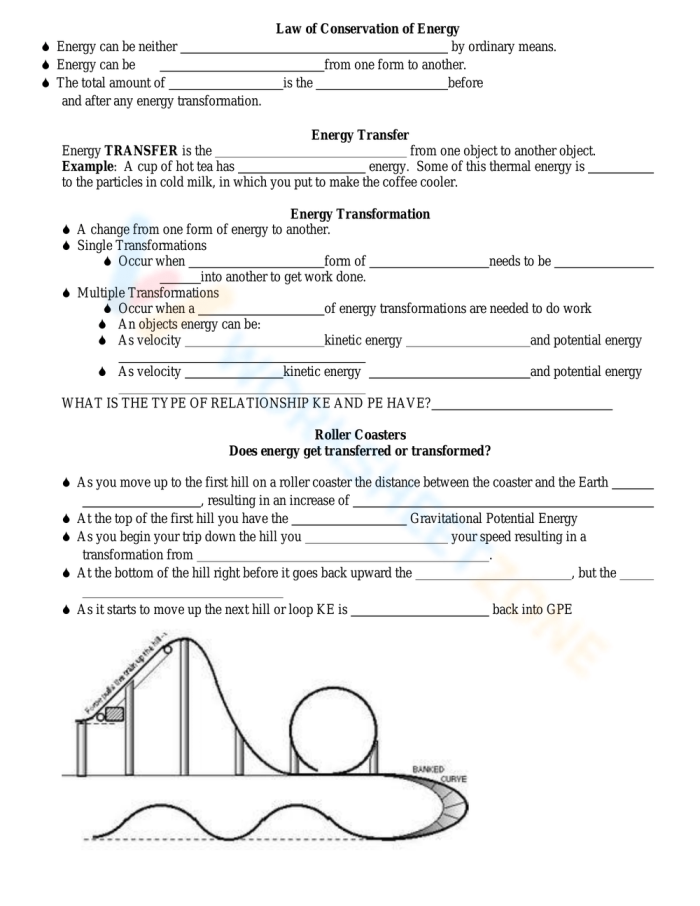
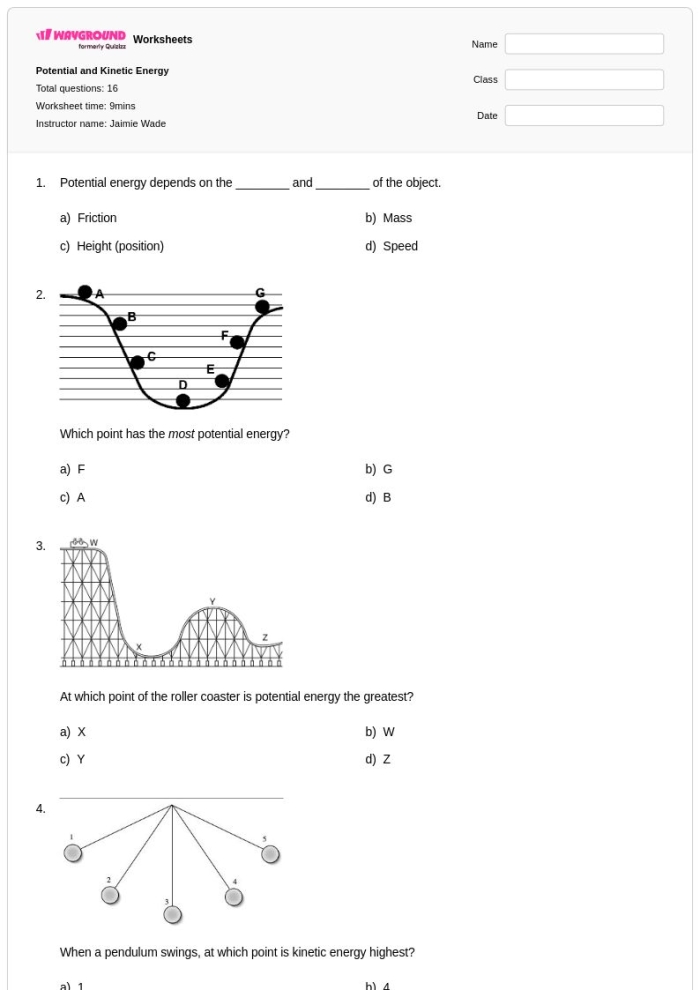
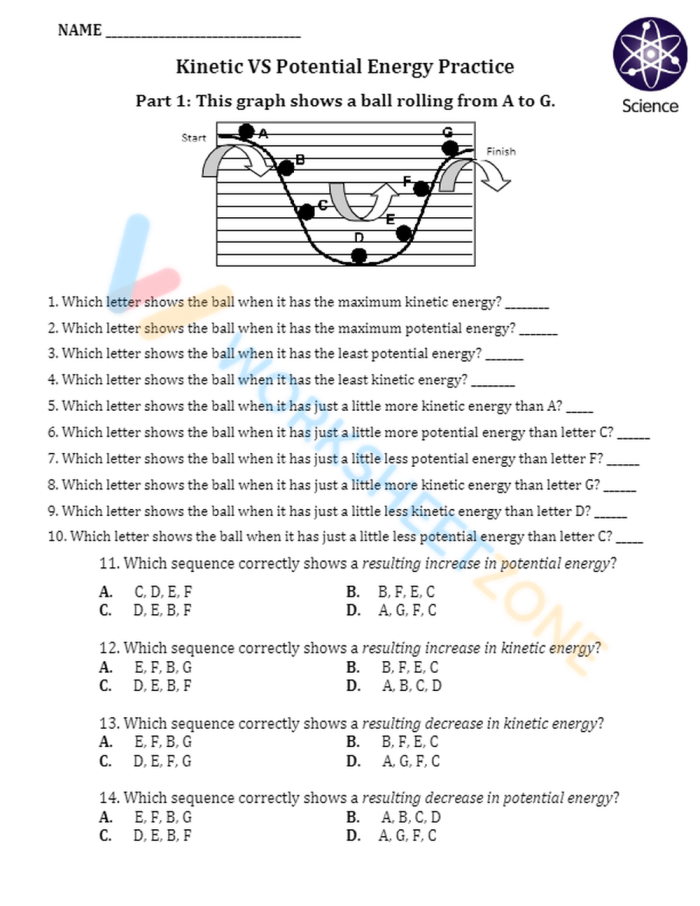
Potential energy is the energy something has because of its position or state. When your child holds a toy at the top of a ramp, that toy contains potential energy. It’s stored and waiting. The higher the toy sits, the more potential energy it holds. Kinetic energy, by contrast, is energy in action. The moment that toy slides down the ramp, its potential energy transforms into kinetic energy, the energy of motion itself.
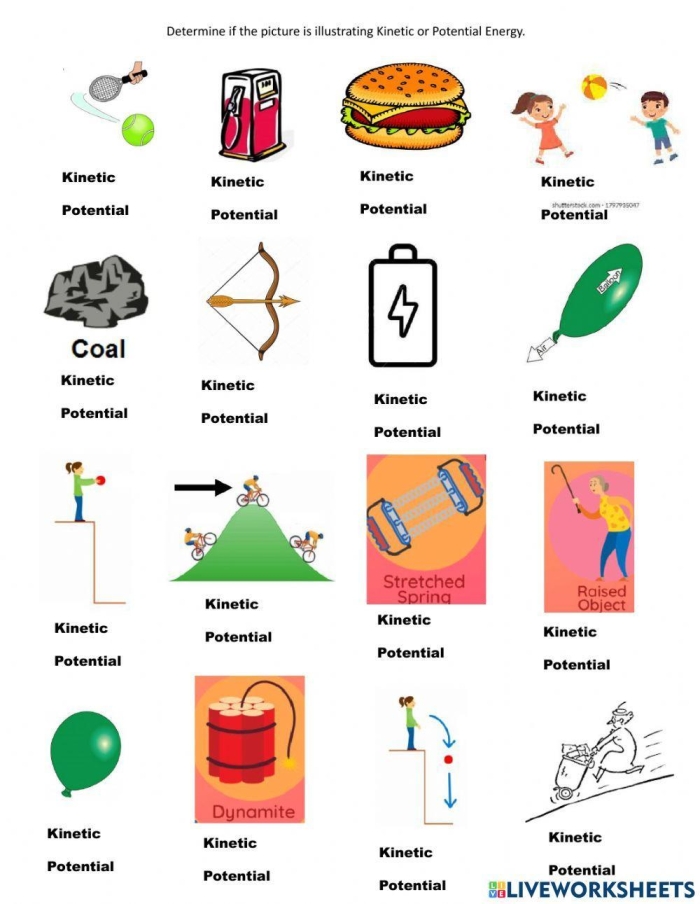
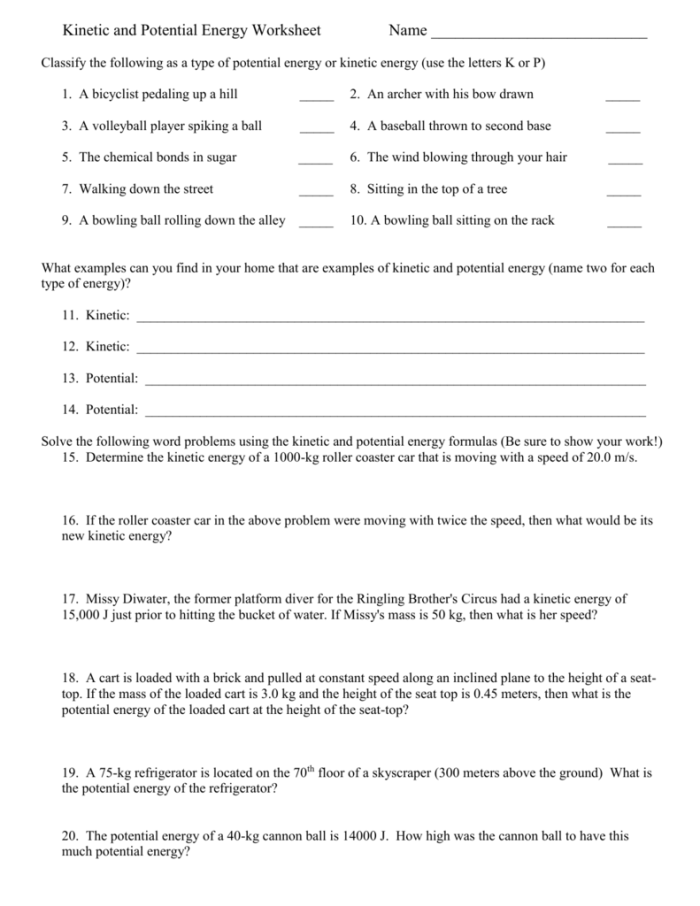
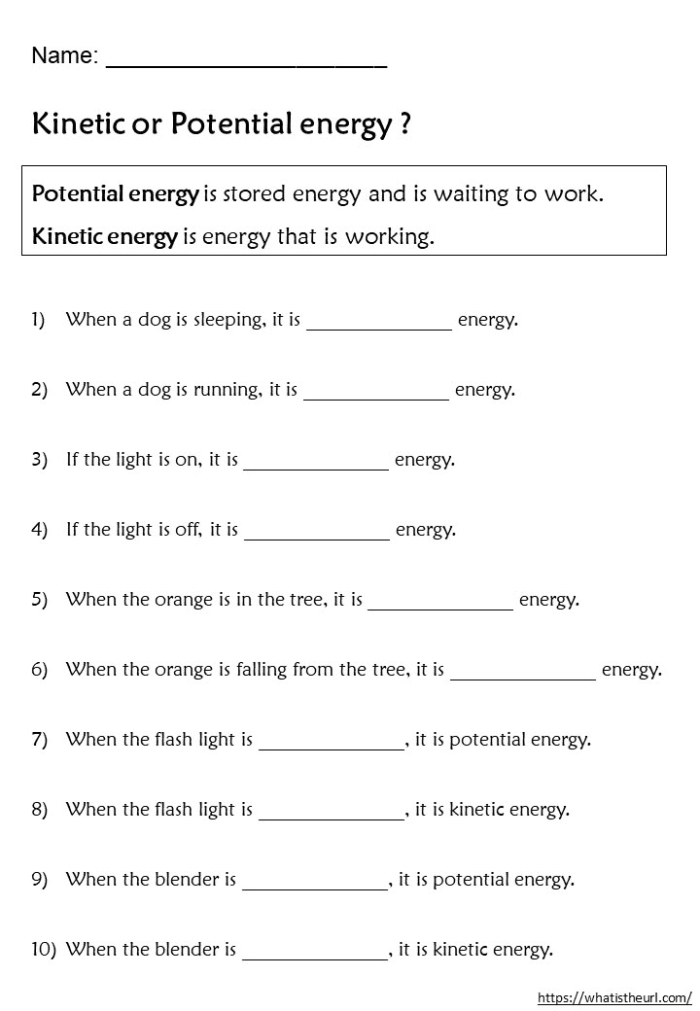
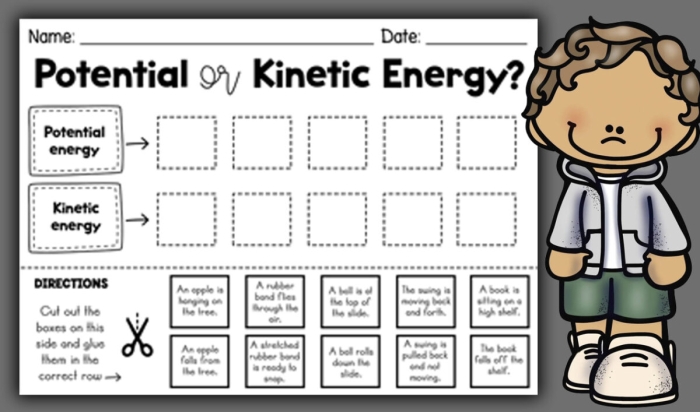
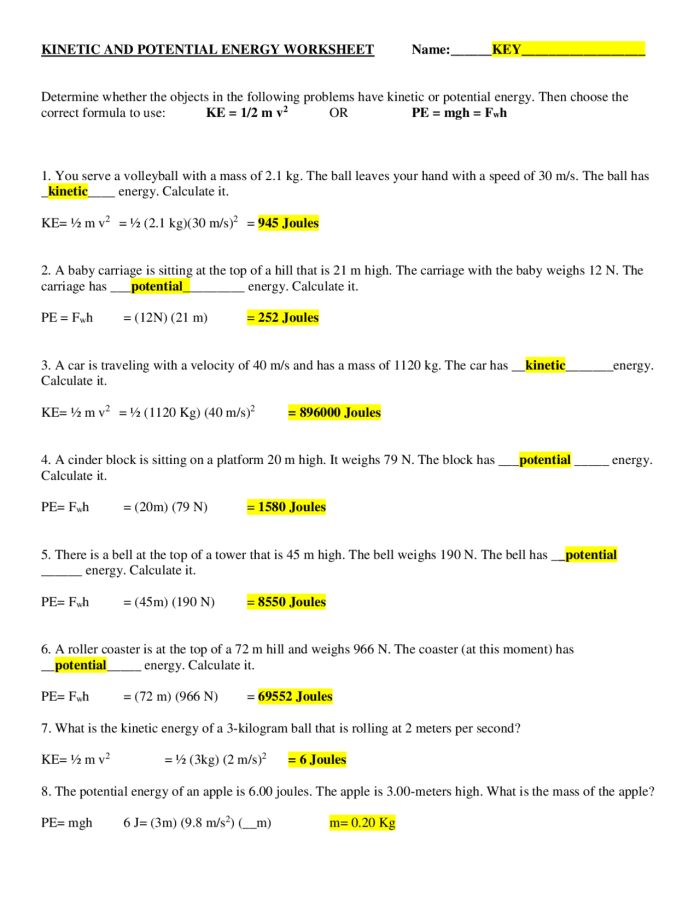
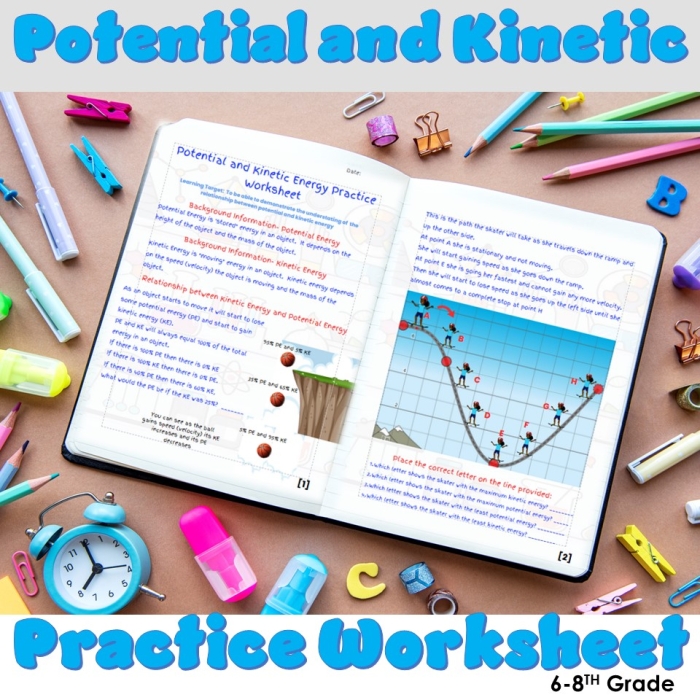
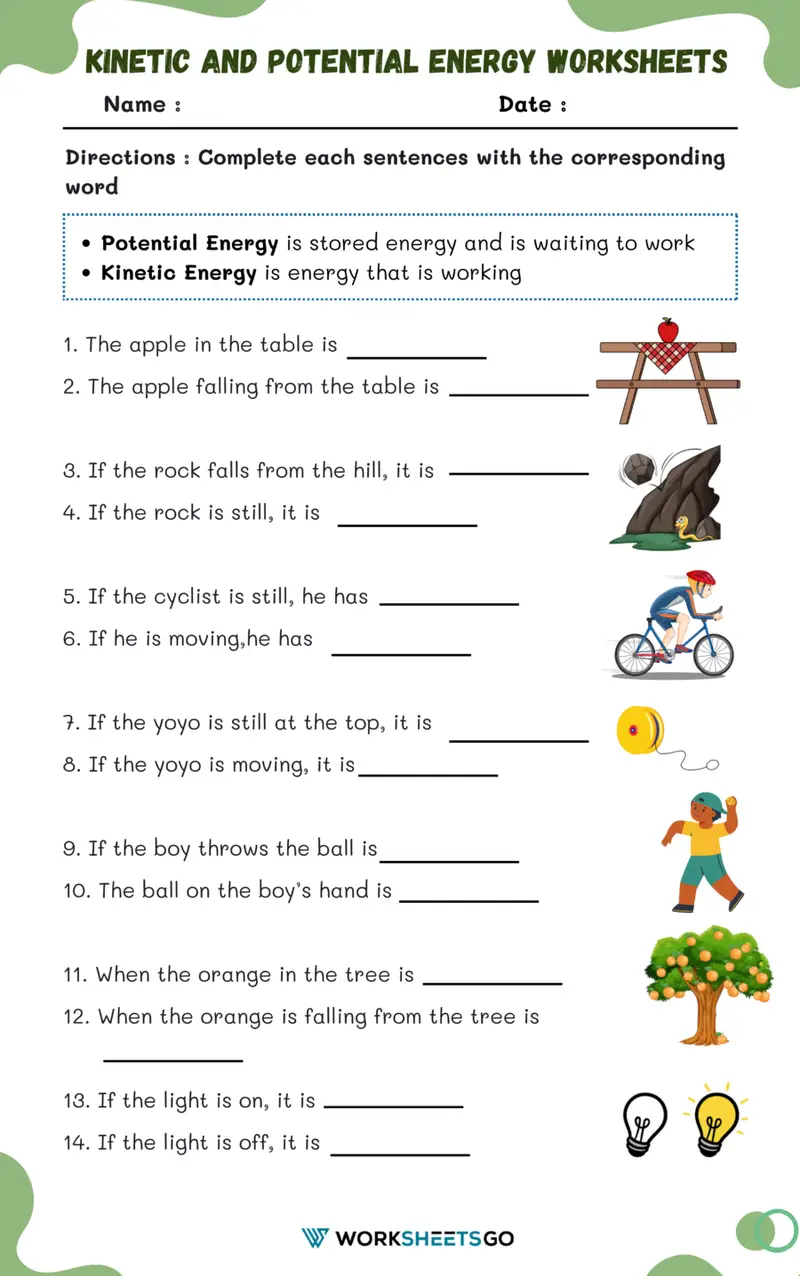
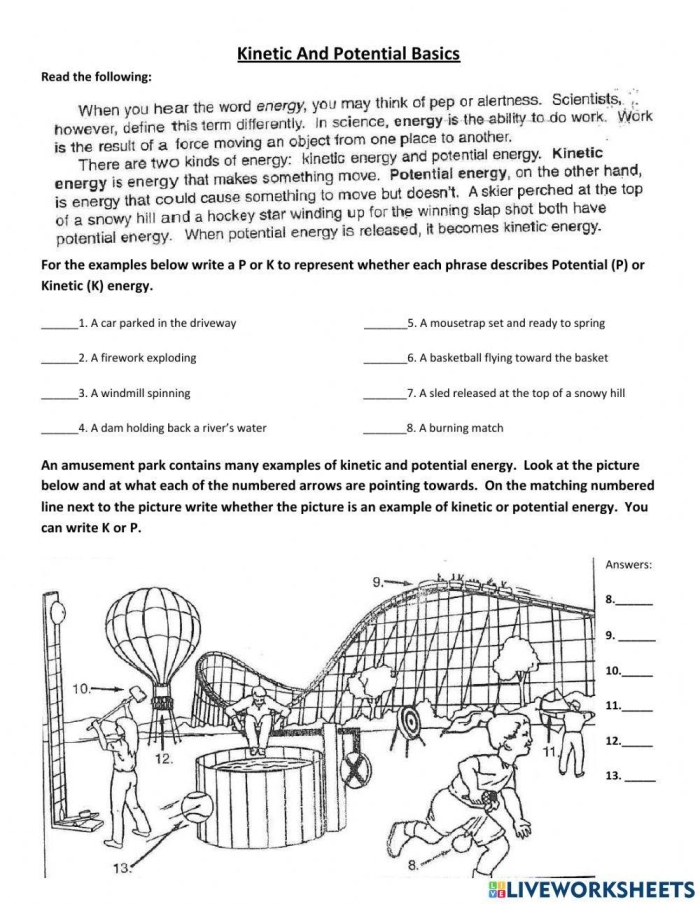
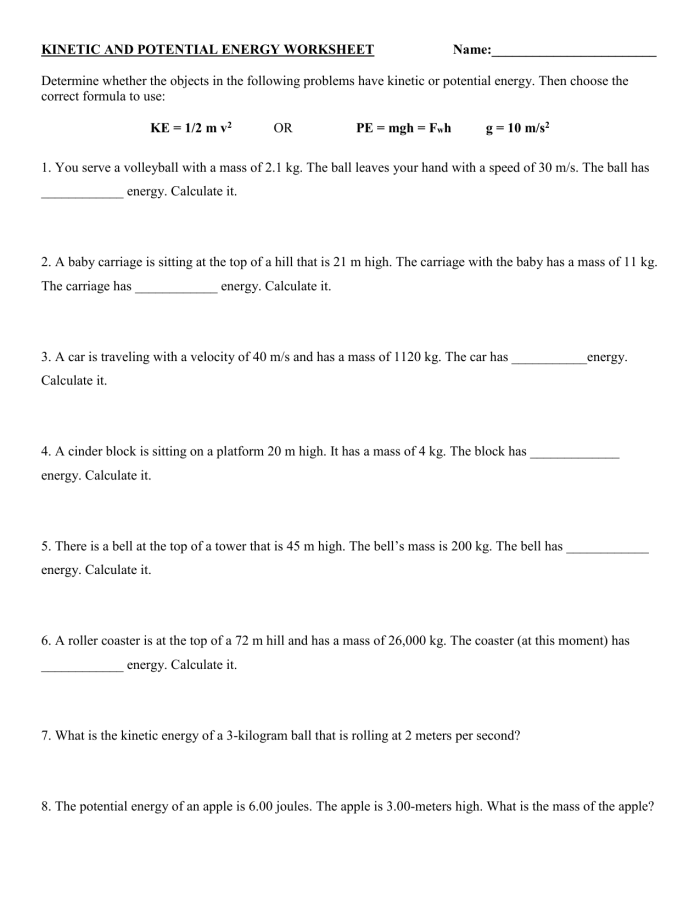
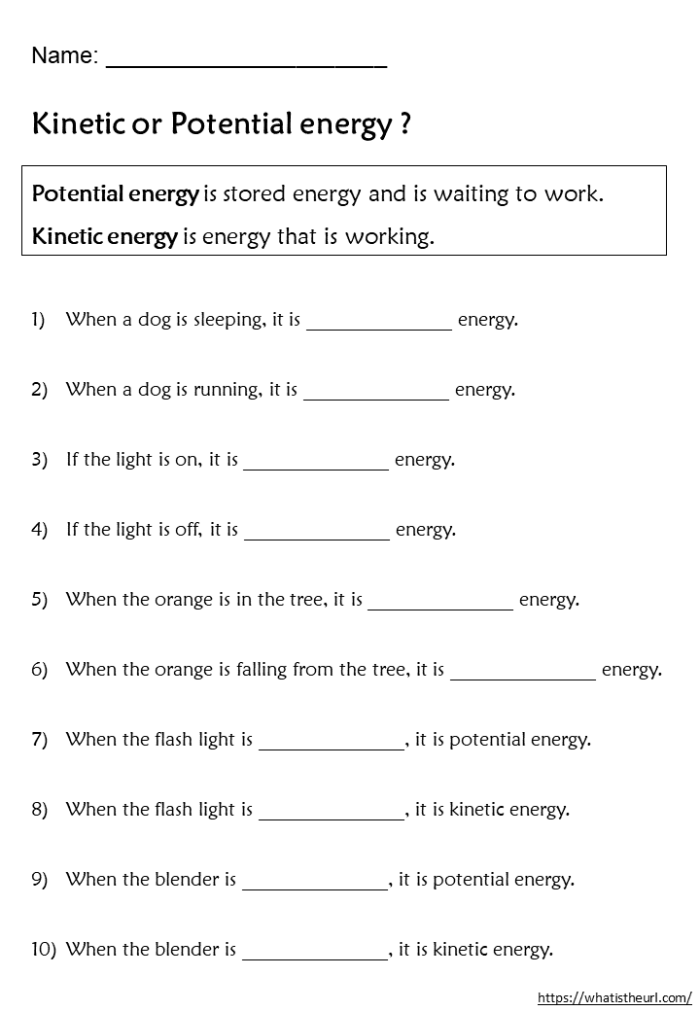
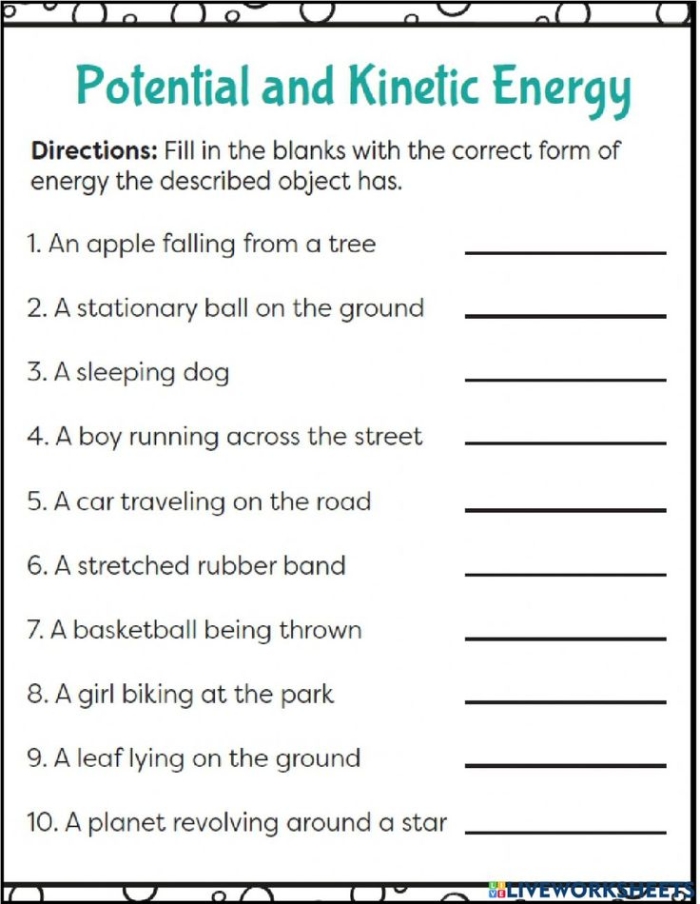
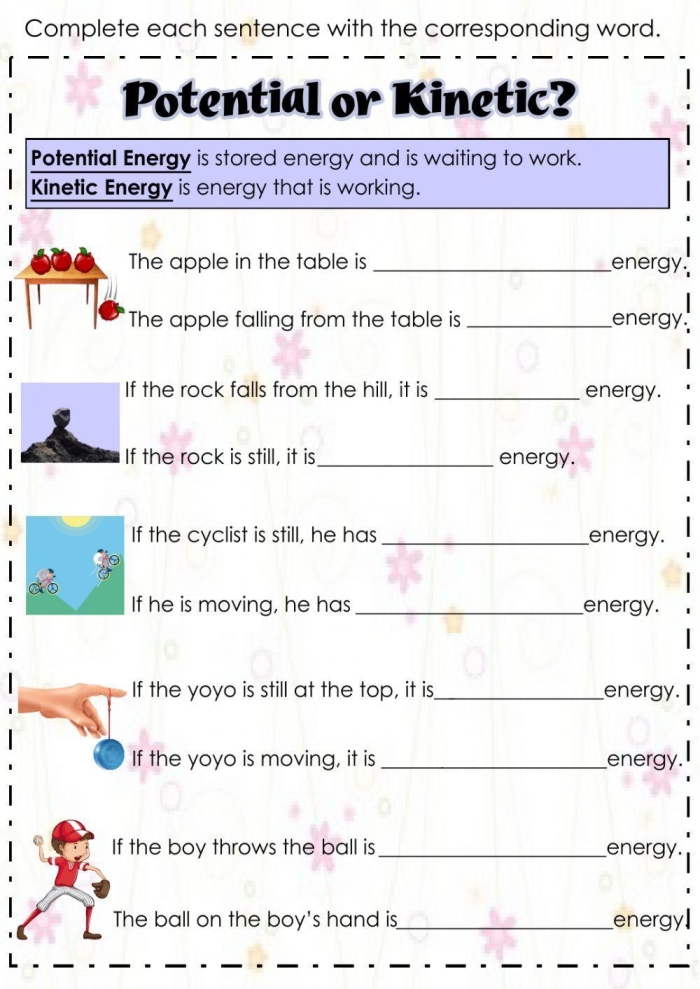
Third grade is the perfect time to introduce these ideas because children at this age can observe and describe physical changes in their environment. An introductory worksheet helps make these abstract concepts concrete by asking students to identify which type of energy applies to different scenarios. A ball sitting on a shelf? Potential. A ball rolling across the floor? Kinetic.
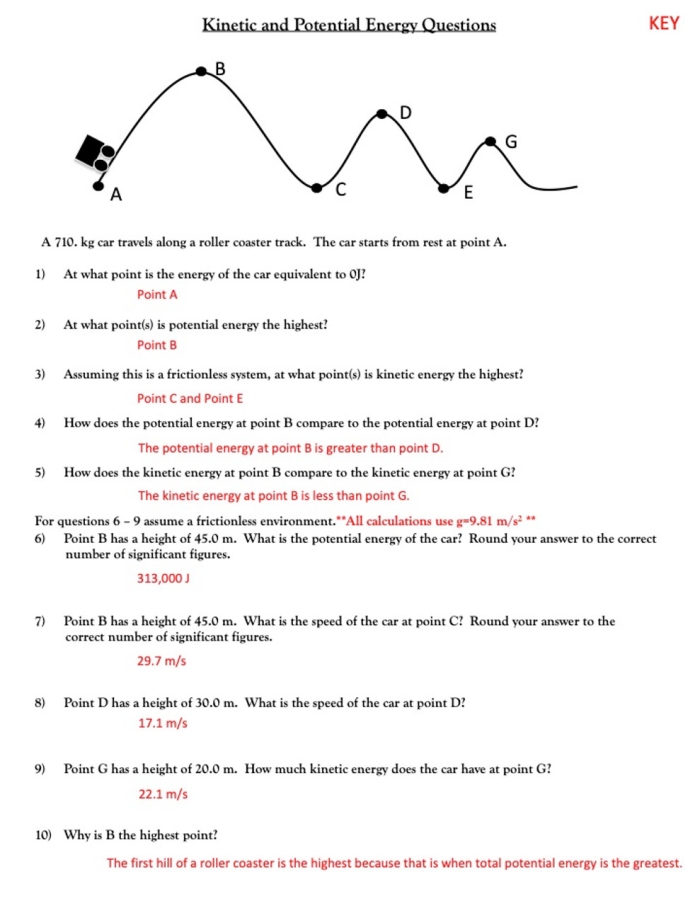
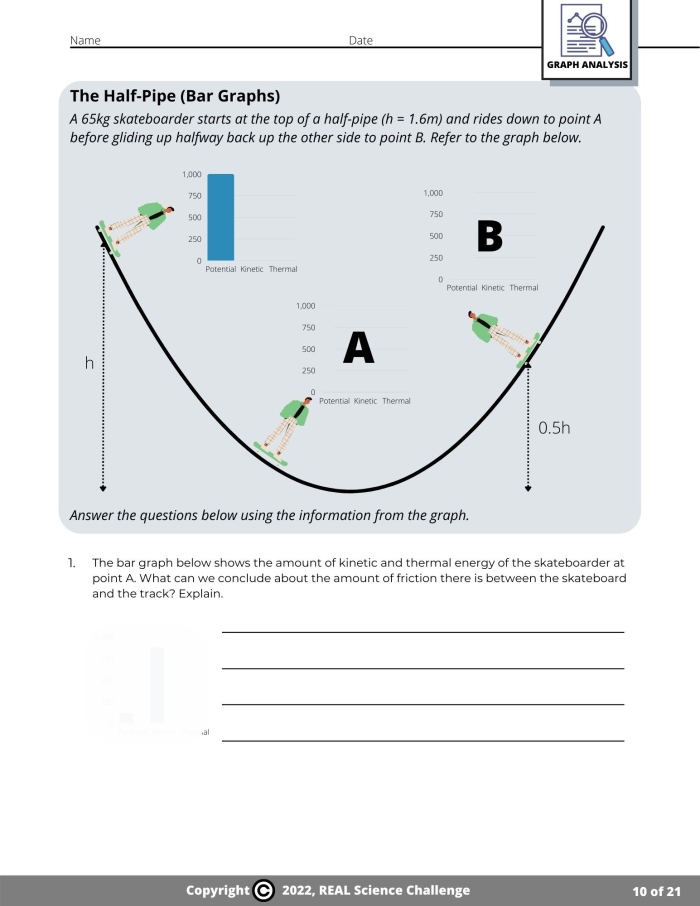
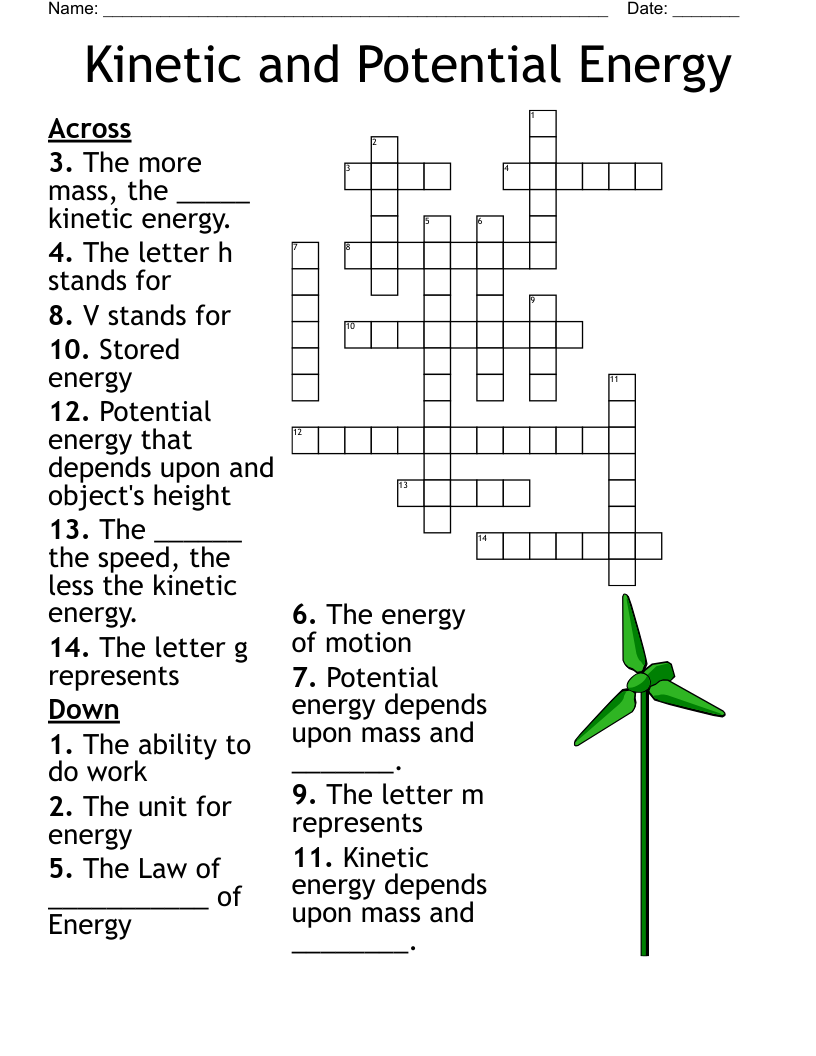
Using a worksheet allows your child to practice recognizing these energy types through simple illustrations and descriptions. The hands-on nature of worksheets complements other learning activities. For example, pairing energy worksheets with practice reading a bar graph helps students analyze data about motion, or exploring vocabulary related to forces and movement deepens their understanding of the language used in physics.
The beauty of this approach is that it builds a foundation for more complex physics concepts later. Your child learns that energy doesn’t disappear; it changes form. That’s a powerful realization that shapes how they understand the world around them.
Download These Worksheets for Practice