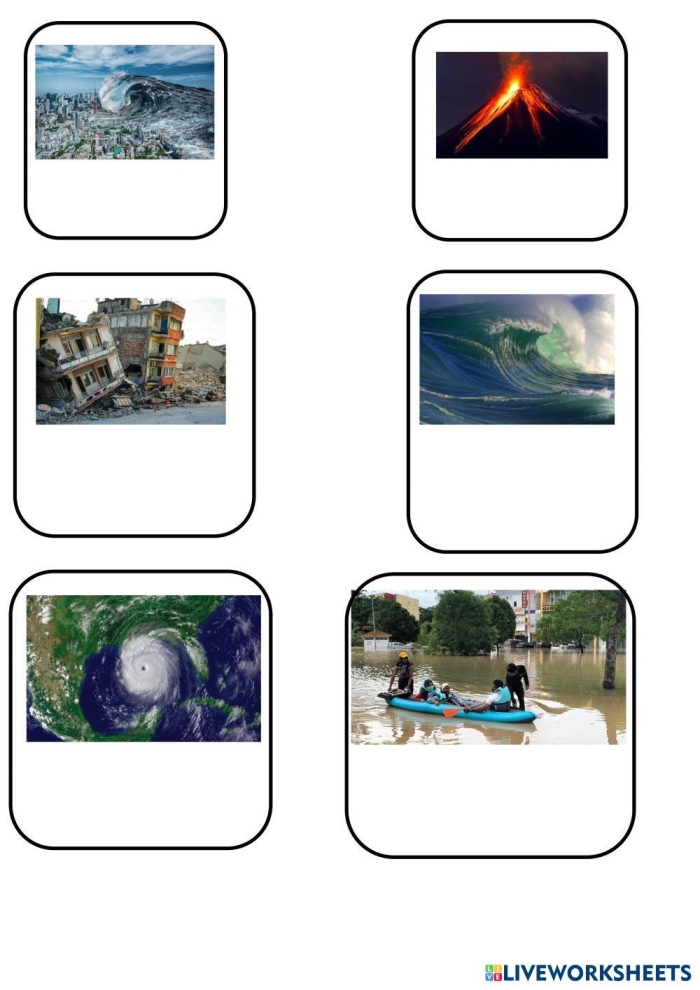
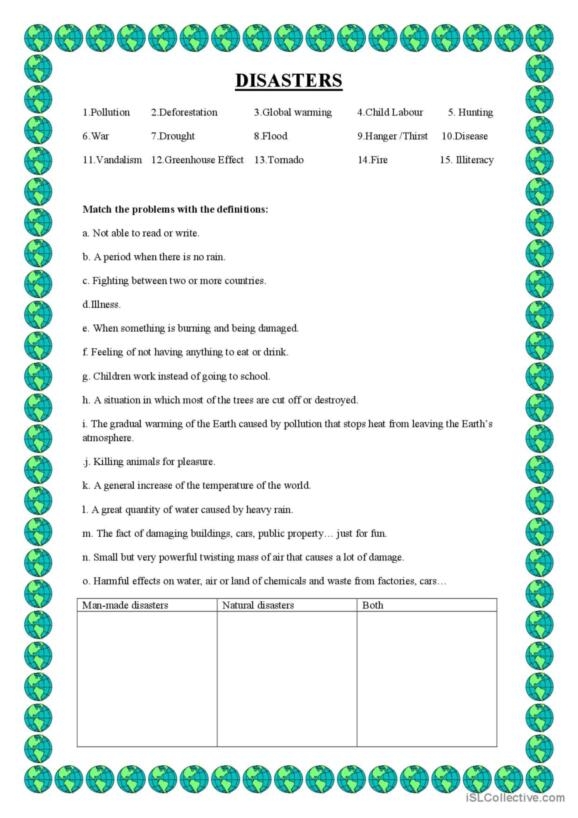
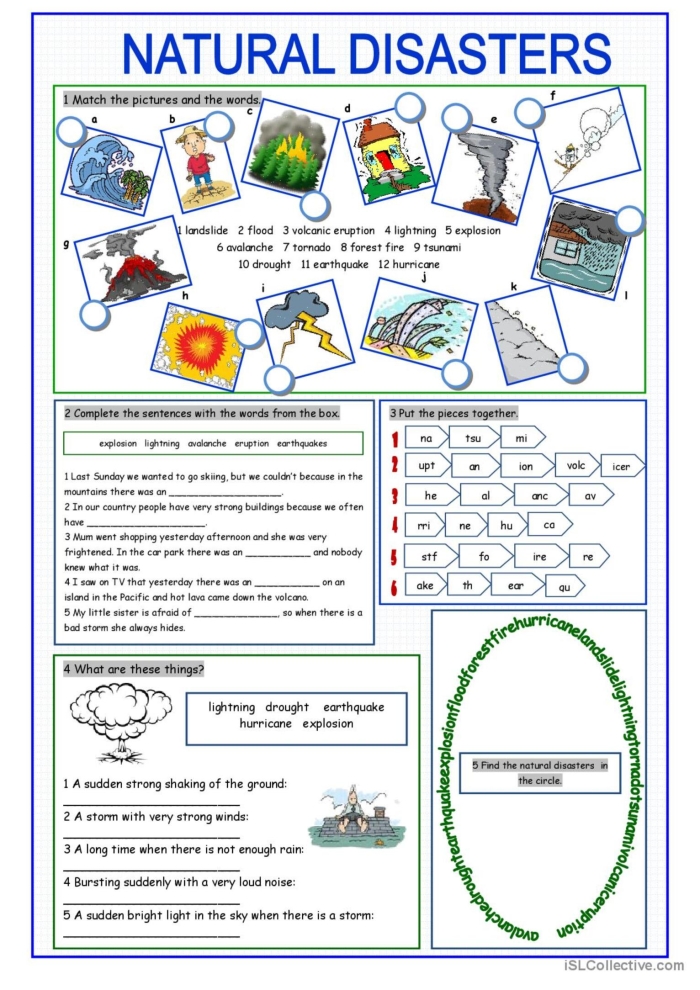
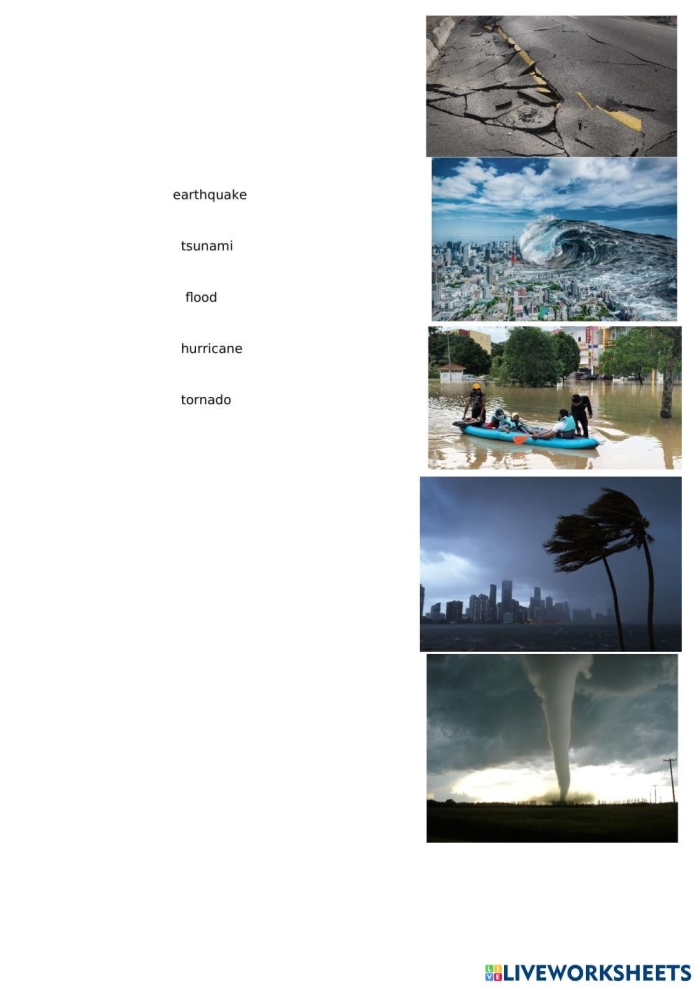
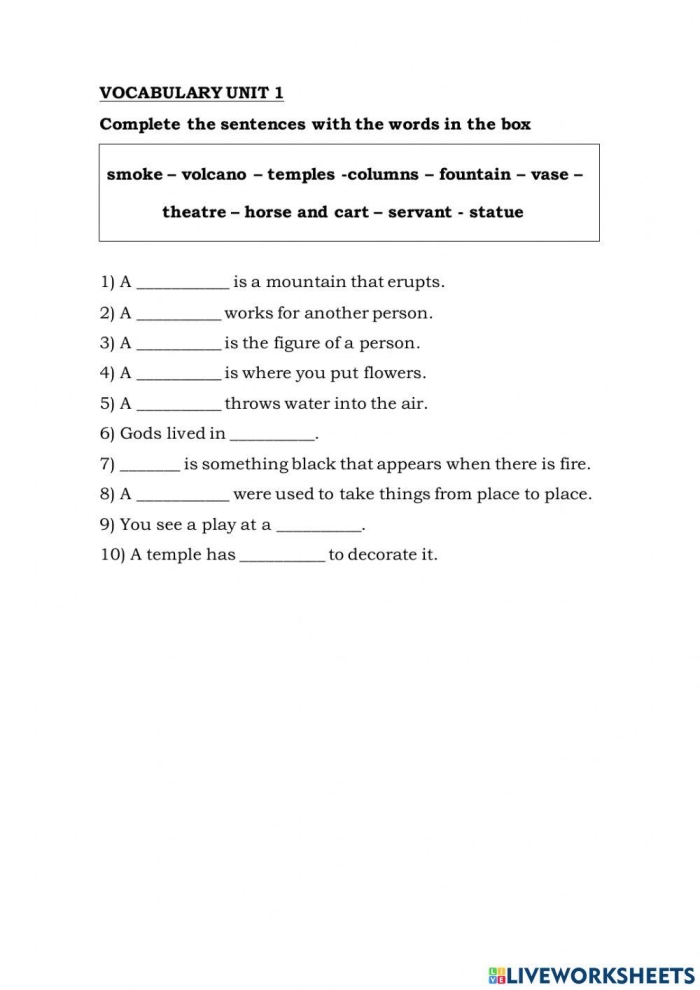
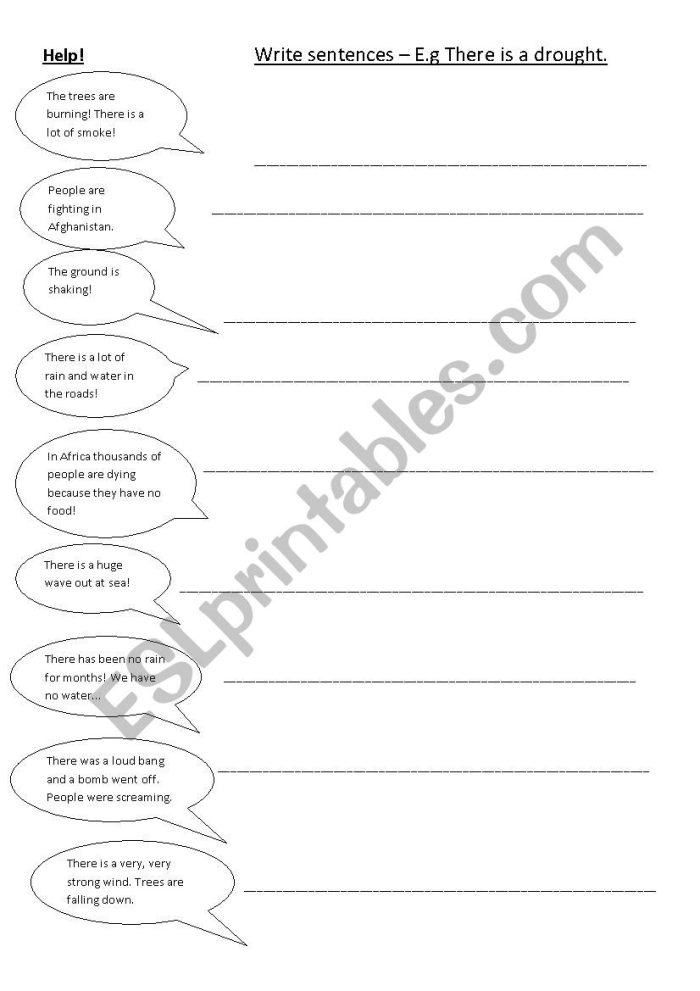
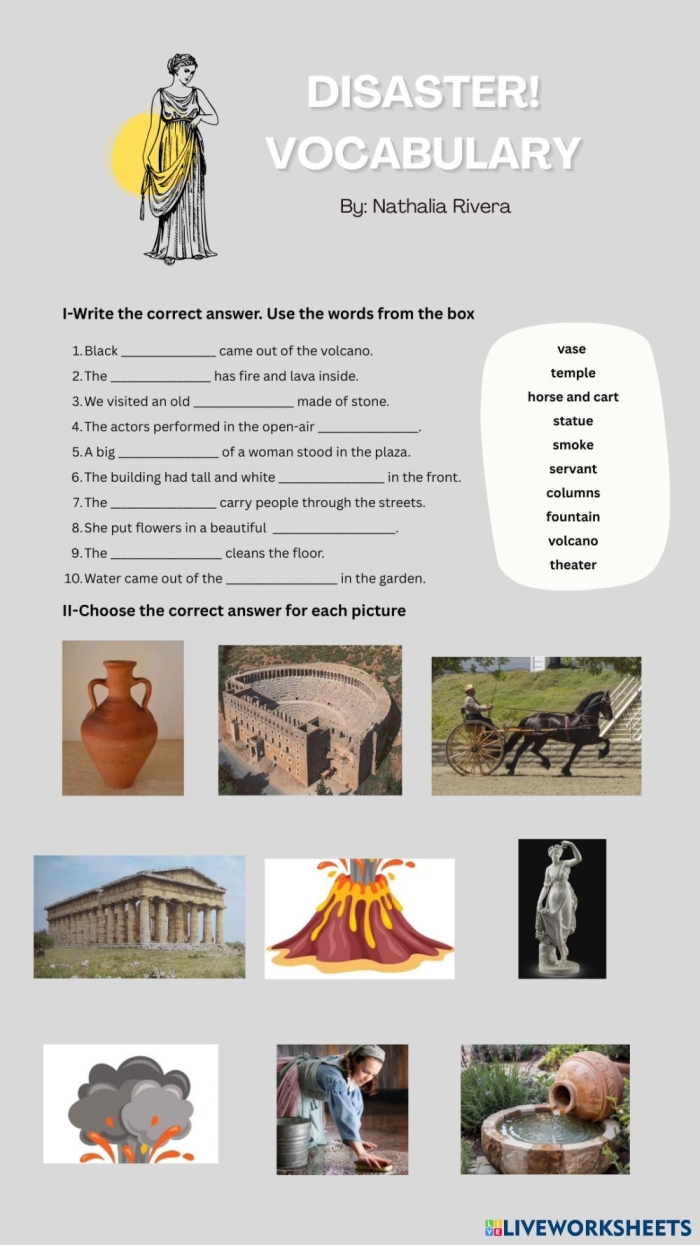
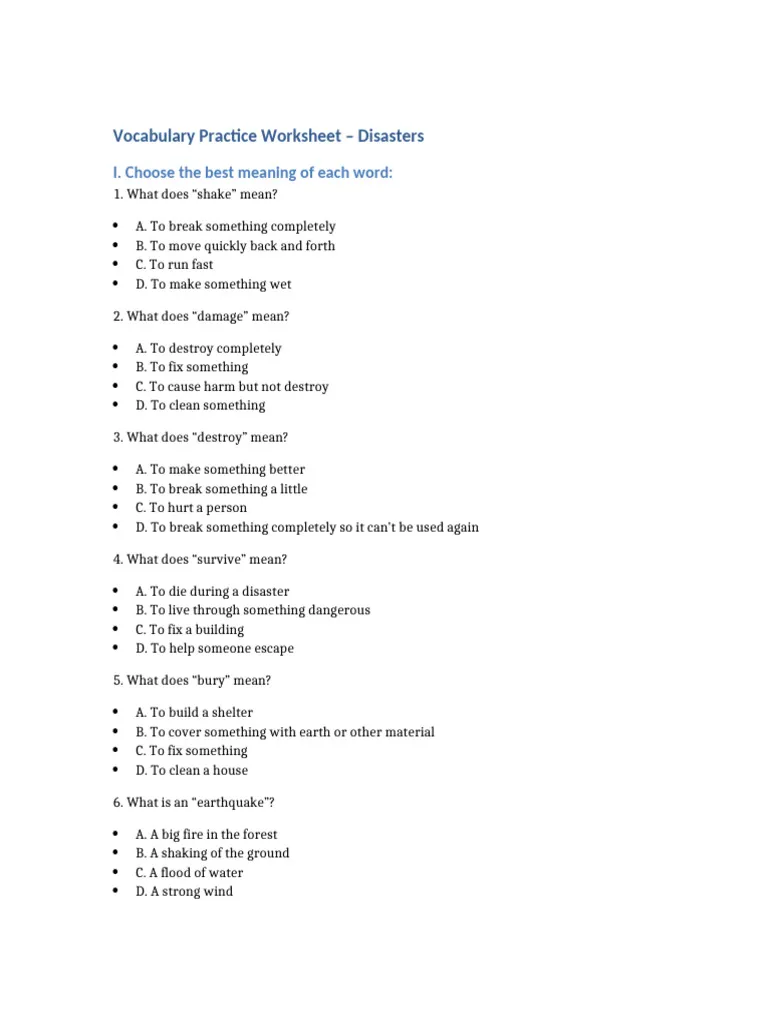
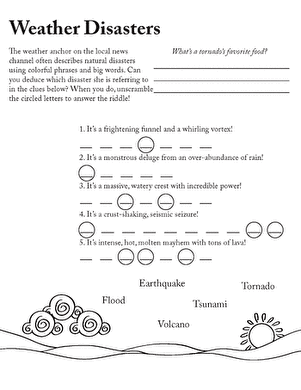
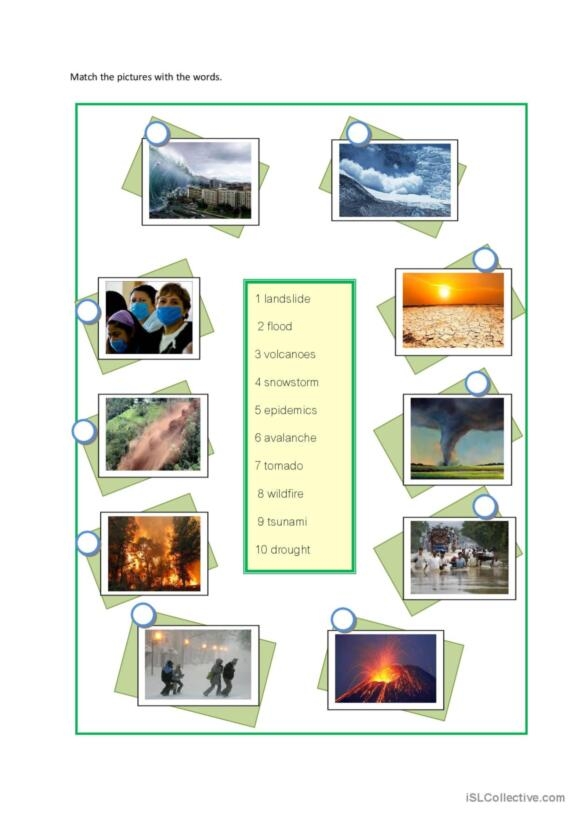
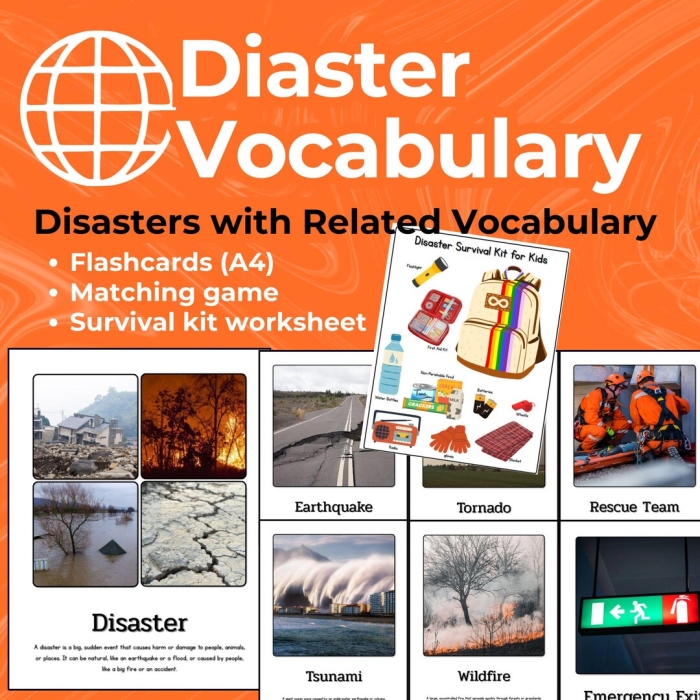
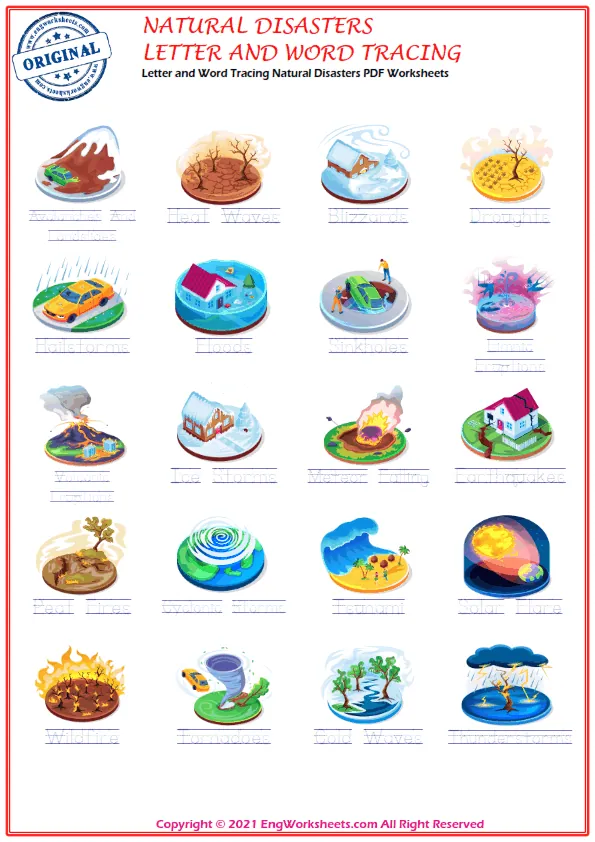
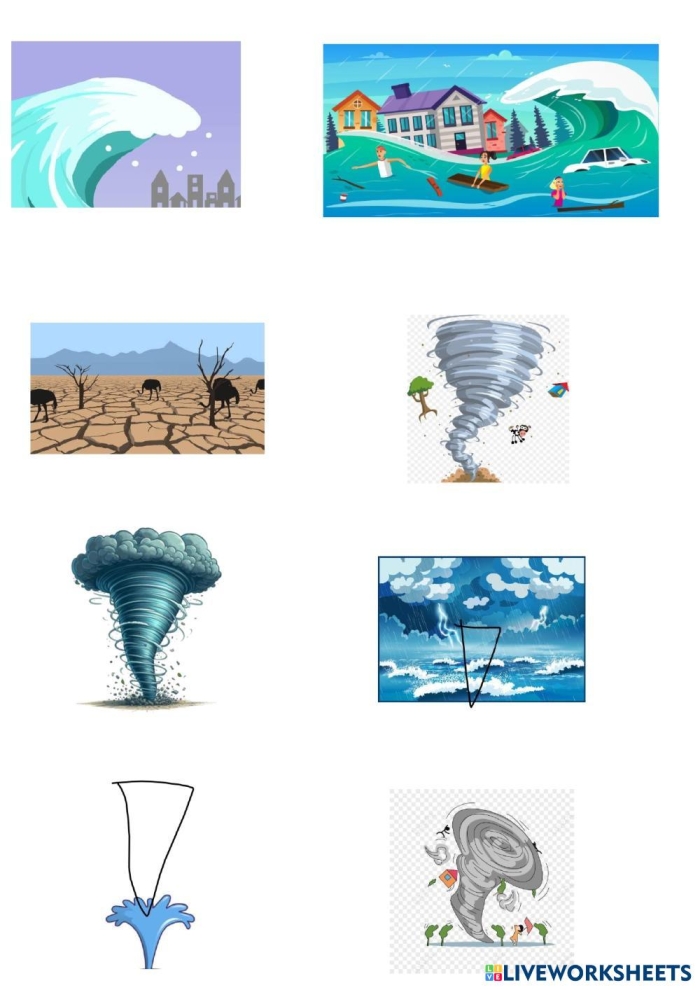
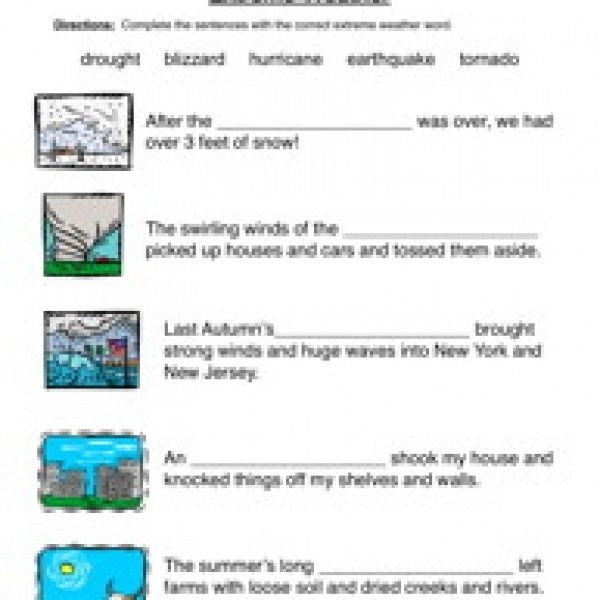
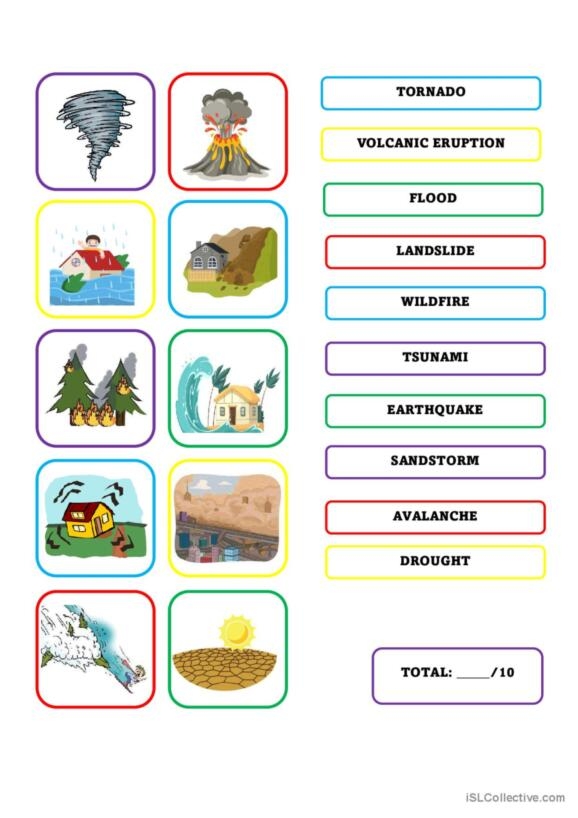
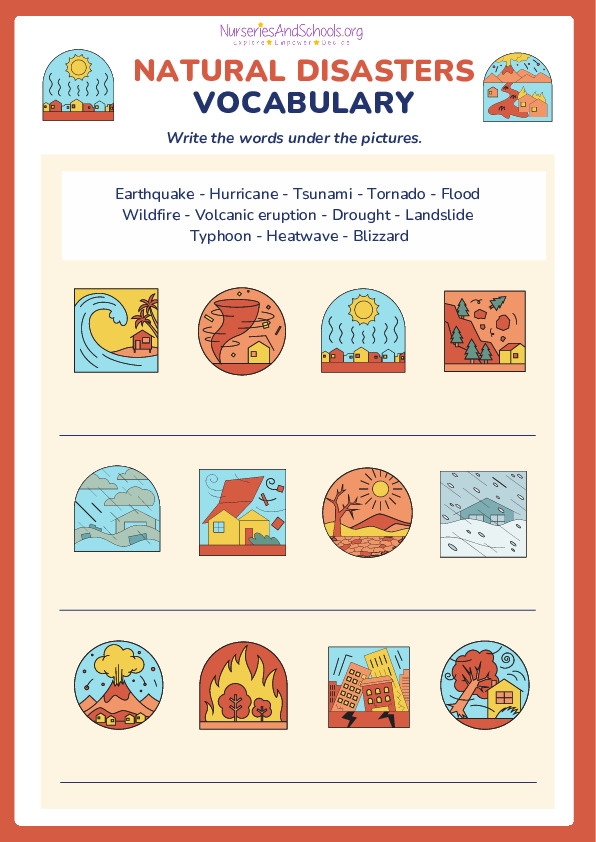
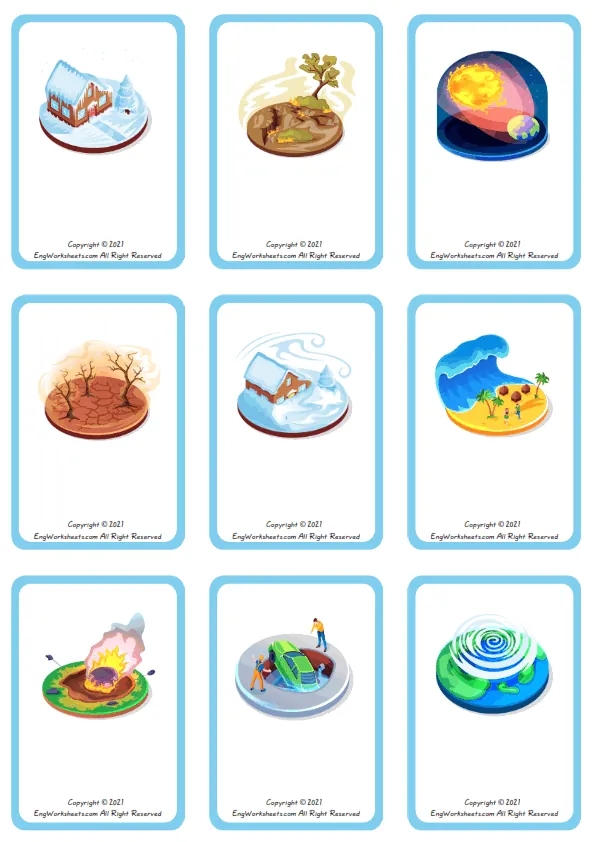
Understanding natural disasters is an essential part of science education, especially for third graders. Kids are naturally curious, and incorporating that curiosity into learning can make a significant difference. One effective way to enhance your child’s science skills is by using a worksheet that focuses on natural disaster vocabulary. This approach not only broadens their knowledge but also engages them in a fun and interactive manner.
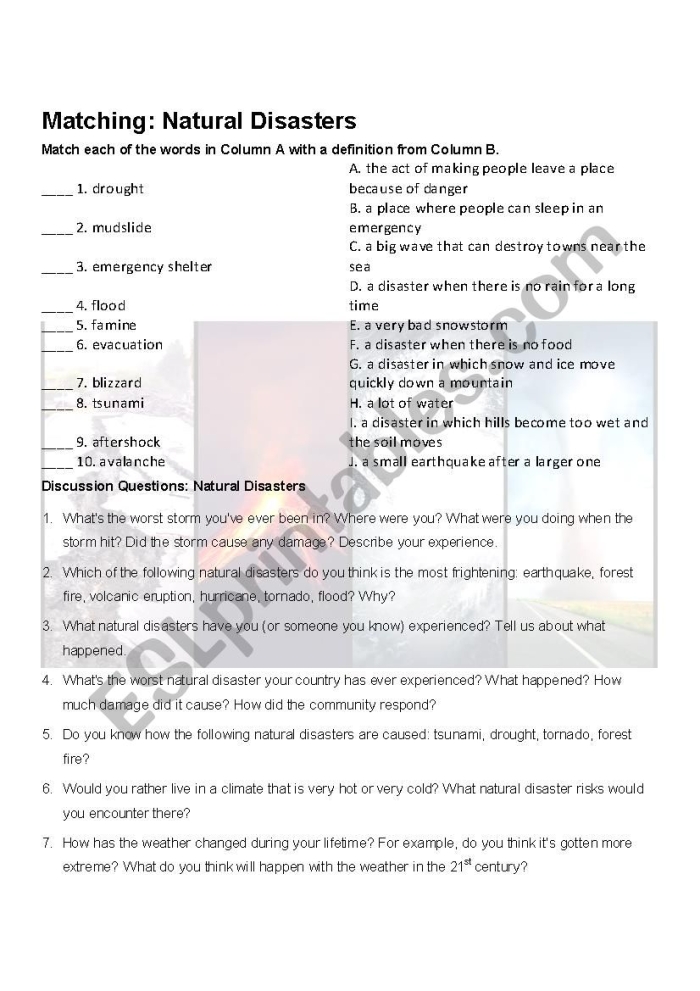
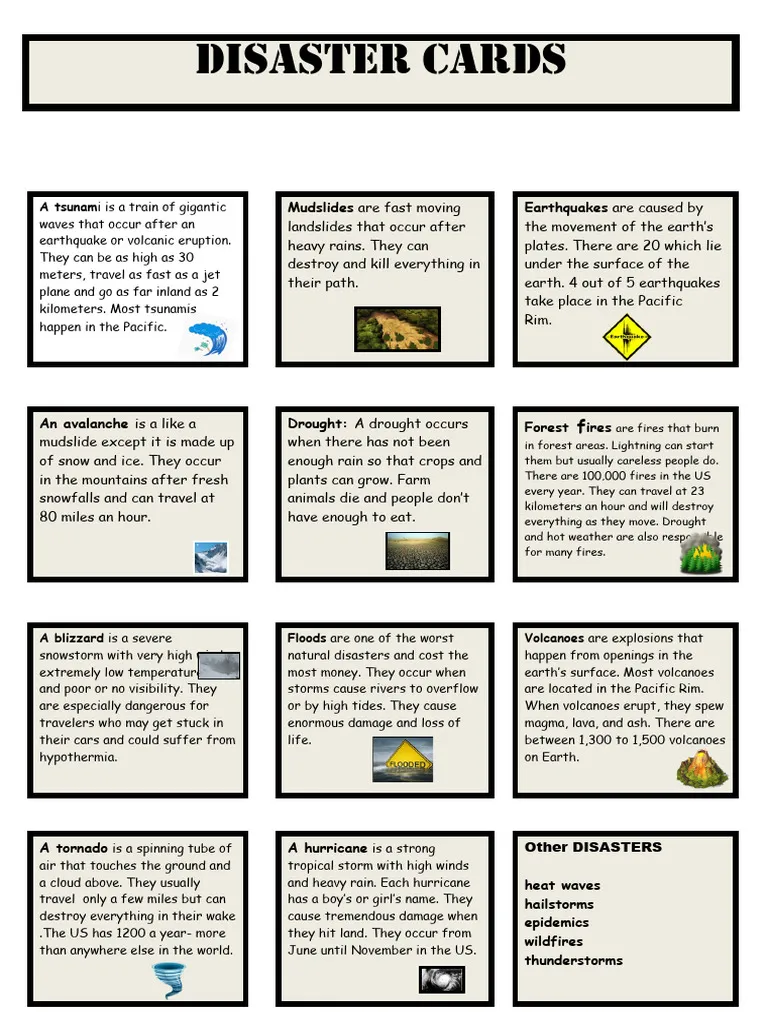
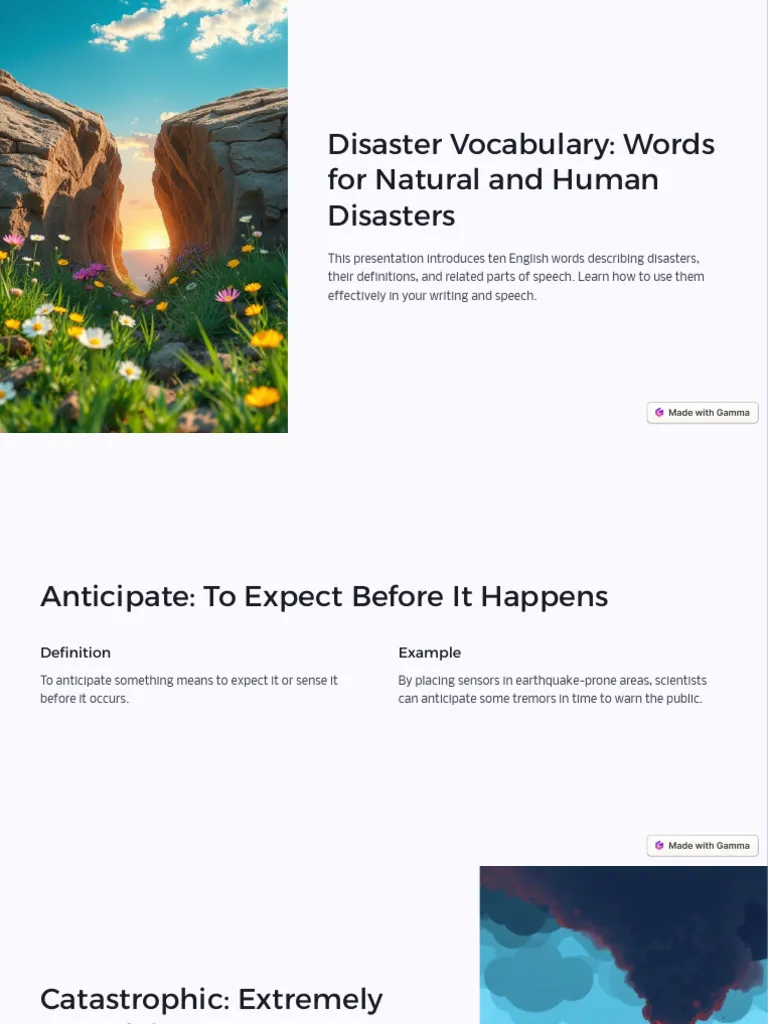
Natural disasters—like earthquakes, hurricanes, and floods—are often topics that can spark interest and provoke questions. By introducing specific vocabulary related to these events, children can better understand the causes and effects of disasters. For instance, terms such as “epicenter,” “evacuation,” and “aftershock” are crucial for grasping how these phenomena occur and how communities respond. Using a worksheet designed for this purpose can provide your child with the practice needed to master this vocabulary.
Worksheets can be more than just exercises; they can be an opportunity for discussion. As you work through the vocabulary with your child, encourage them to think about real-world examples of each term. Ask questions like, “What do you think happens during a hurricane?” or “How would people prepare for an earthquake?” This can lead to deeper conversations about safety and preparedness, which are important lessons in science education.
Additionally, you can complement this vocabulary practice with other engaging activities. For example, after completing a worksheet, you might explore related reading materials or videos that explain natural disasters in more detail. Resources that reinforce this learning, such as the Juice Time worksheet, can help in developing analytical skills alongside vocabulary building.
By incorporating worksheets that focus on natural disaster vocabulary into your child’s learning routine, you not only assist them in mastering essential scientific concepts but also make the learning process enjoyable and relevant. This combination of vocabulary practice and real-world application will help your third grader become more confident and informed about the world around them.
Start Practicing with These Worksheets