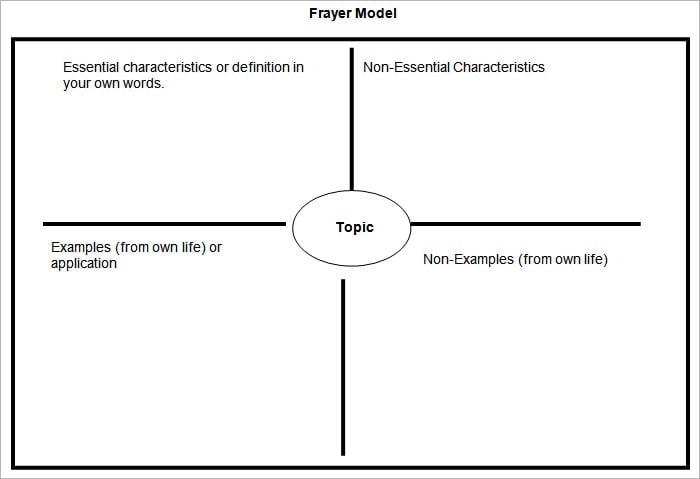
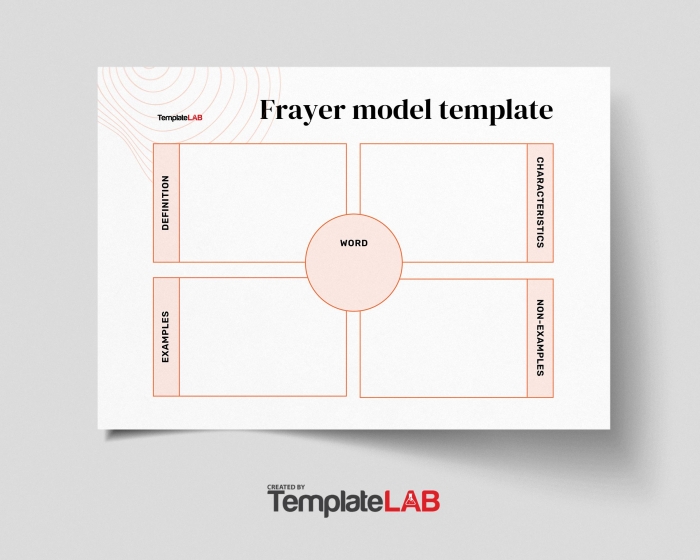
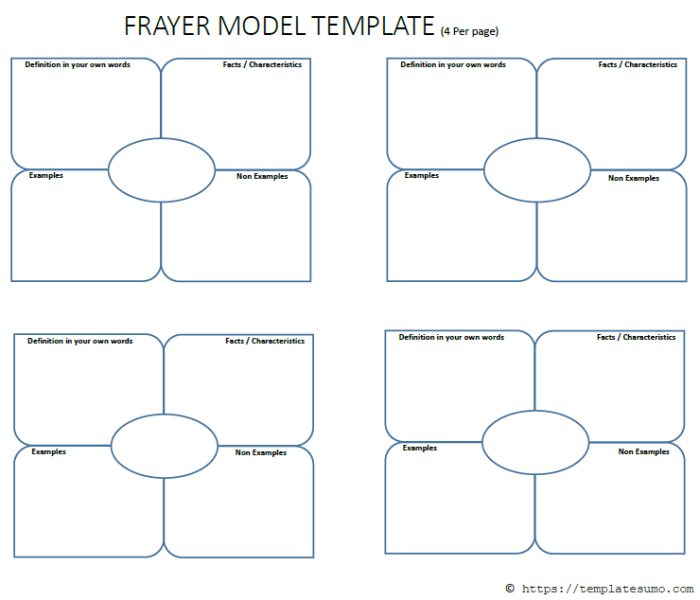
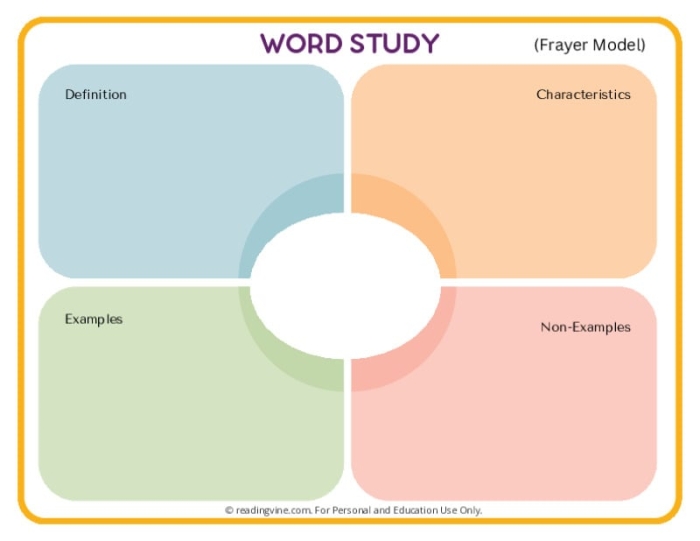
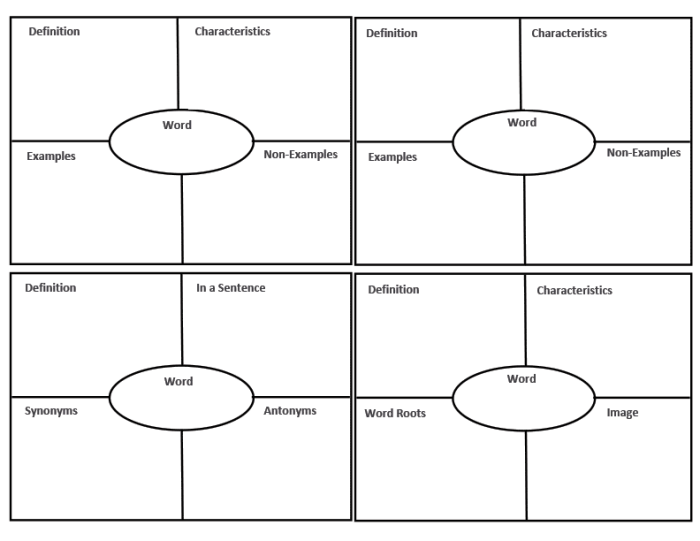
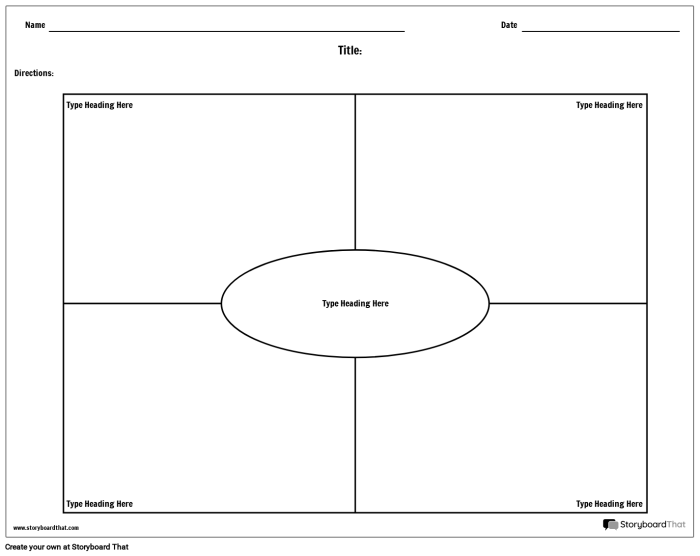
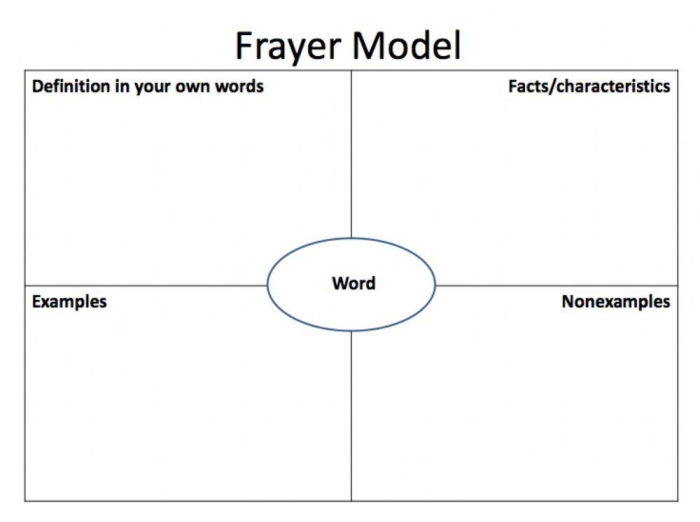
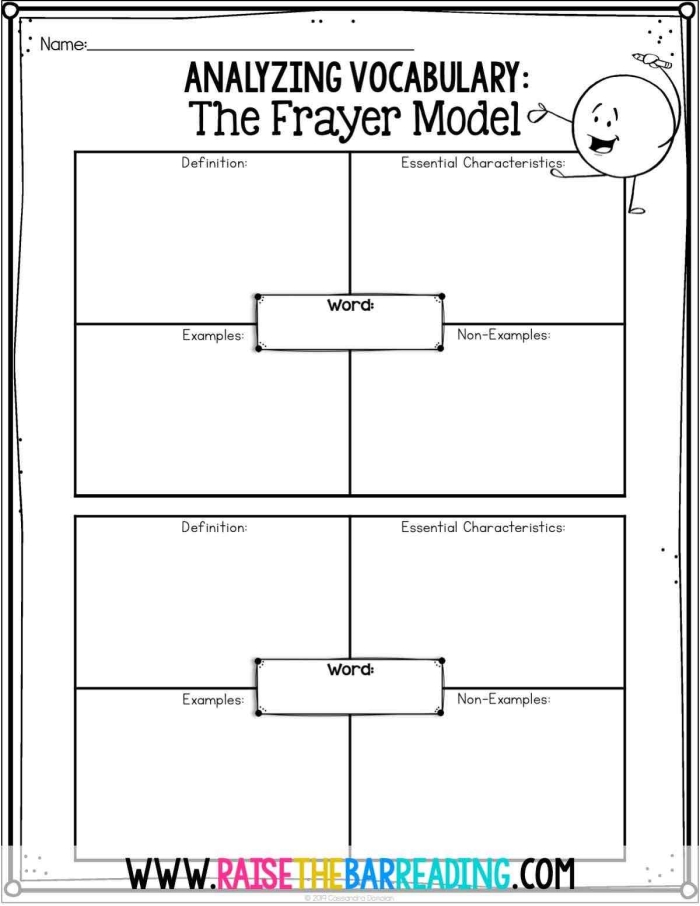
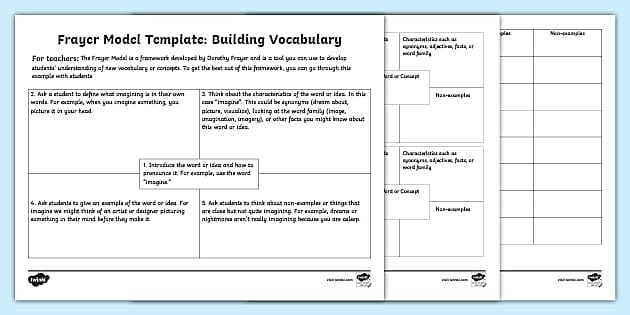
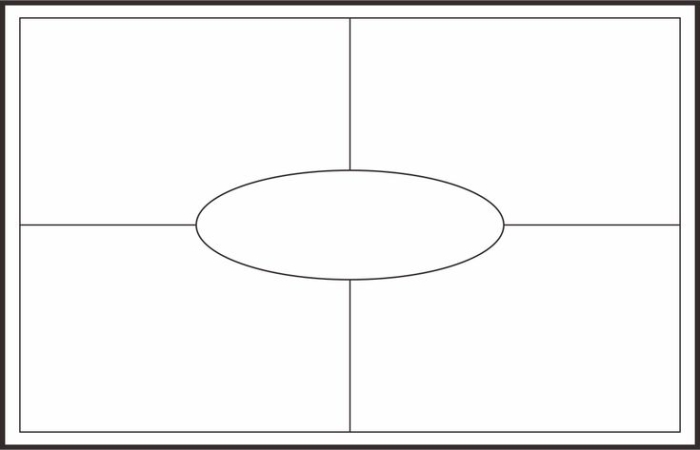
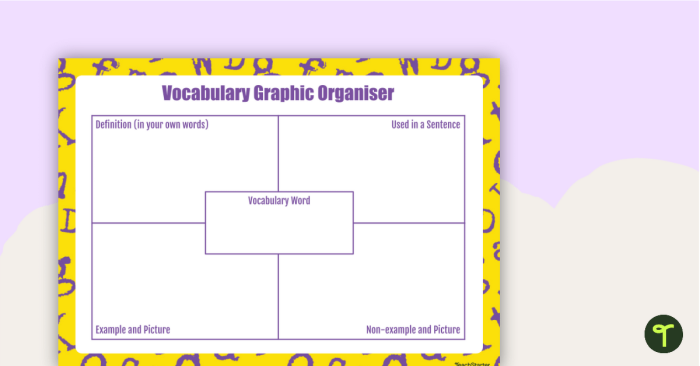
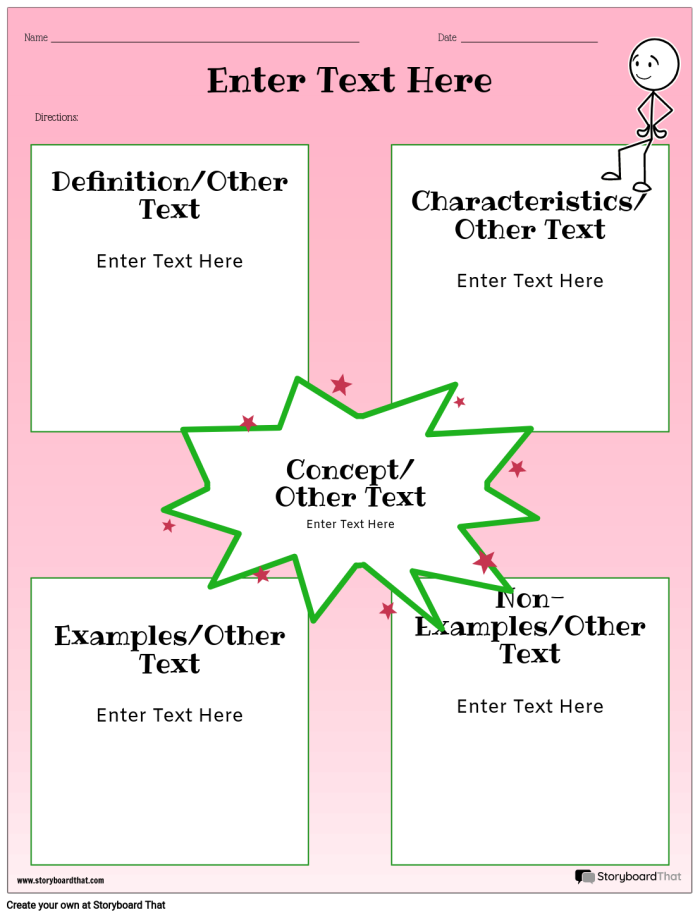
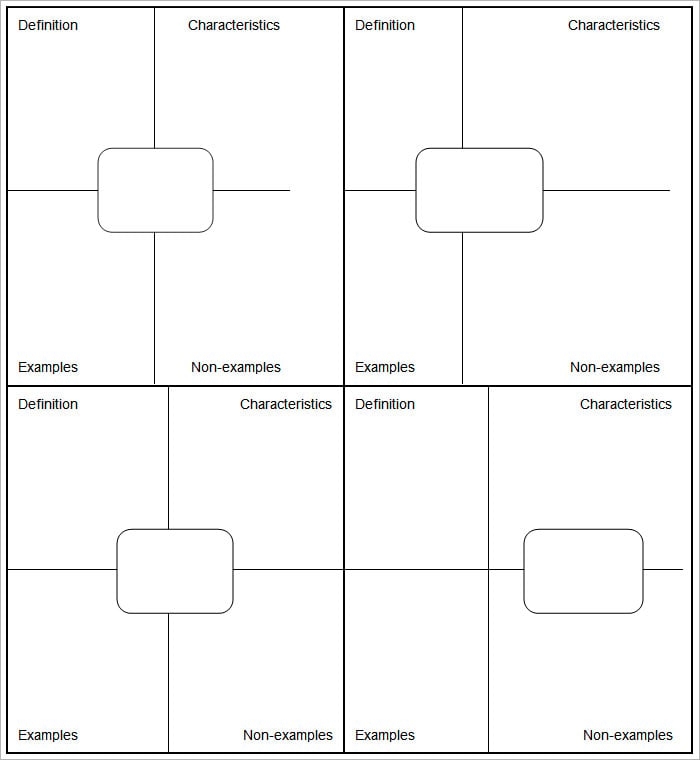
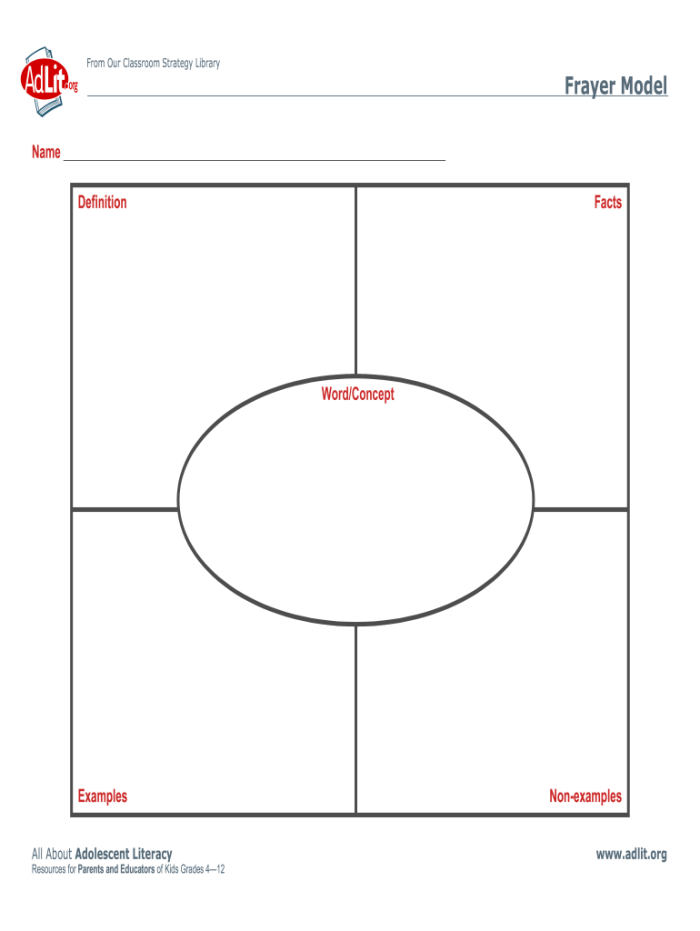
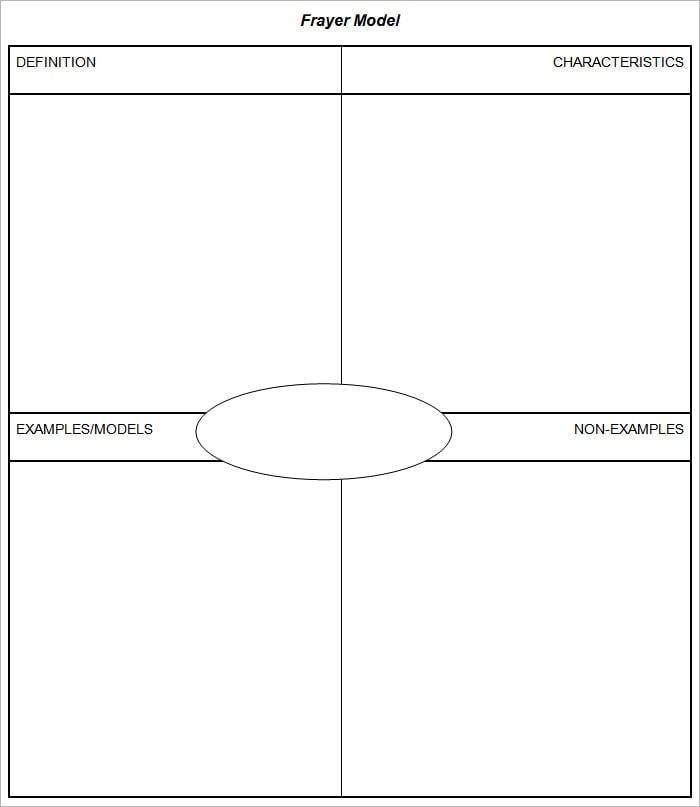
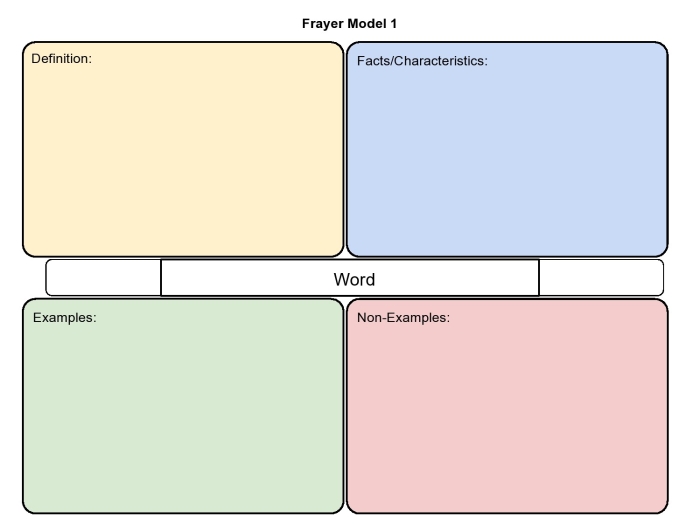
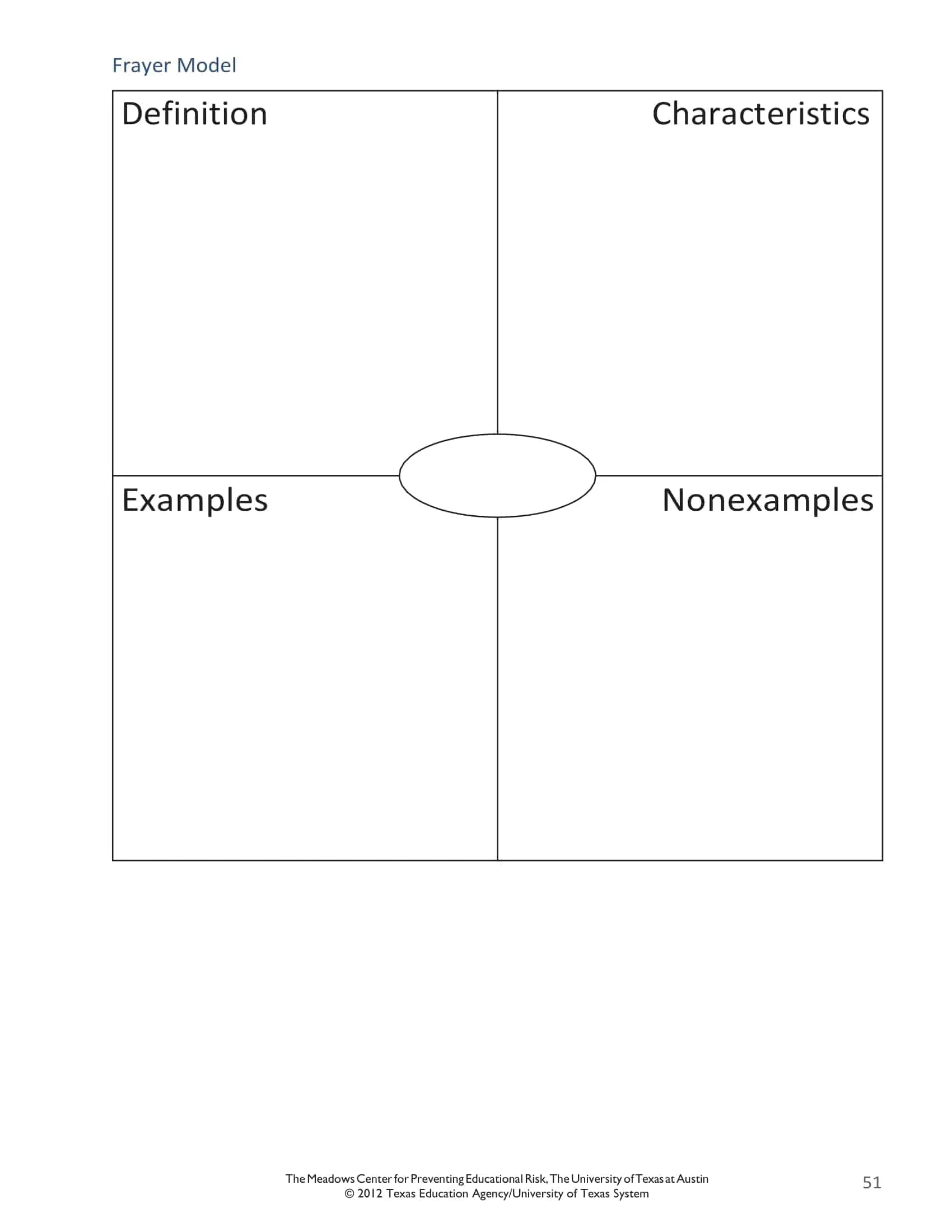
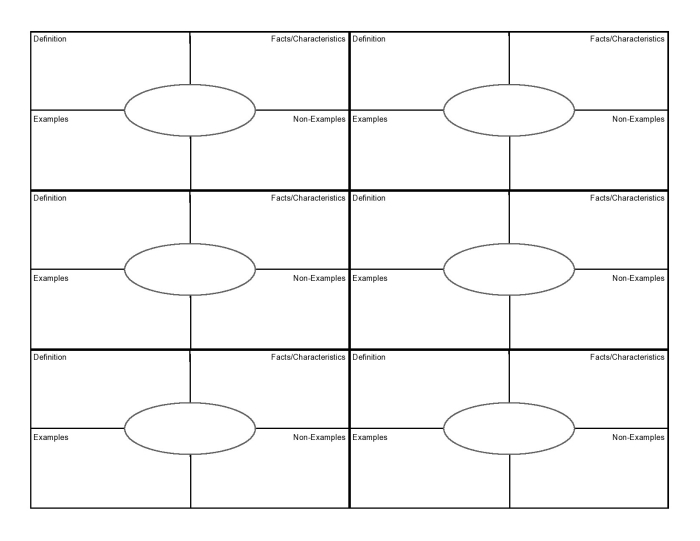
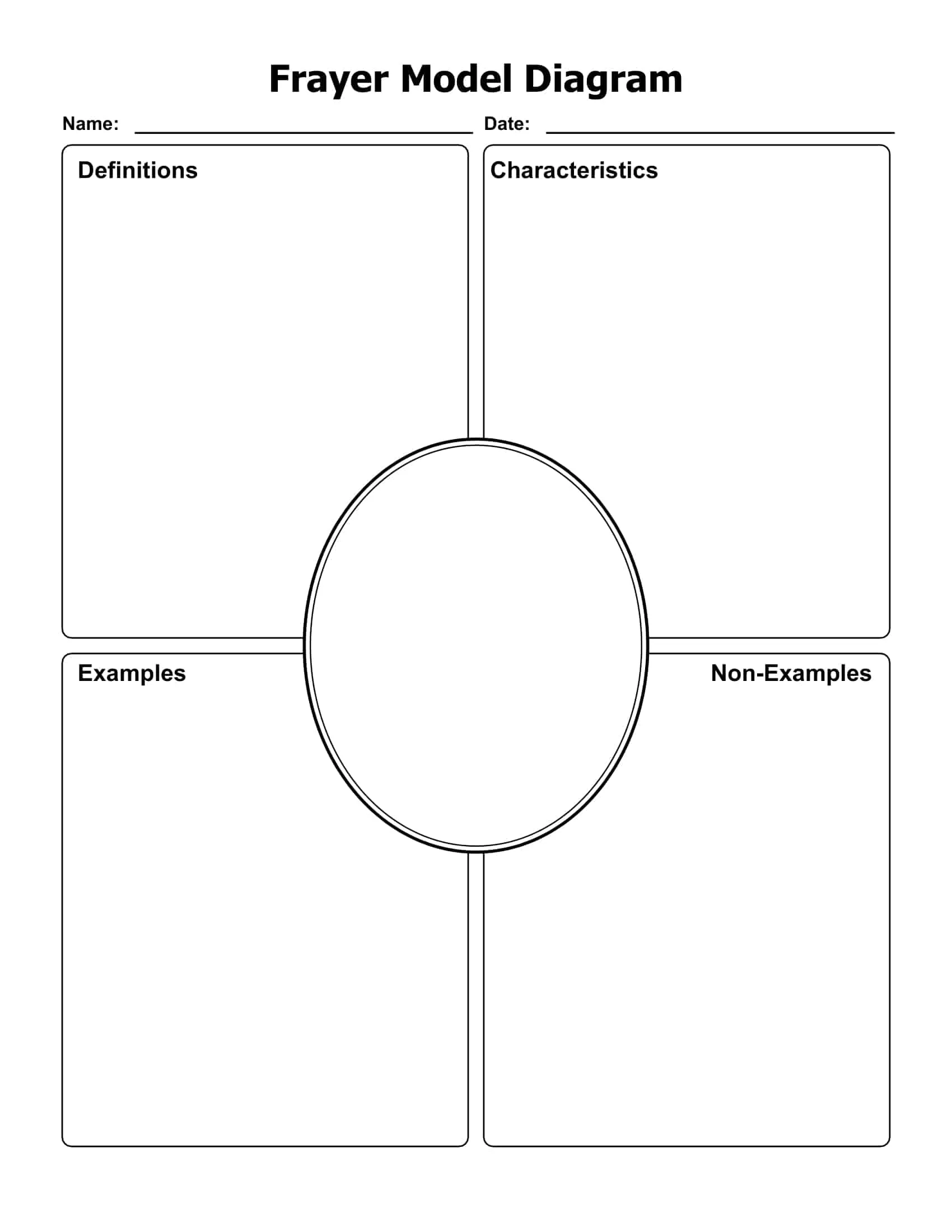
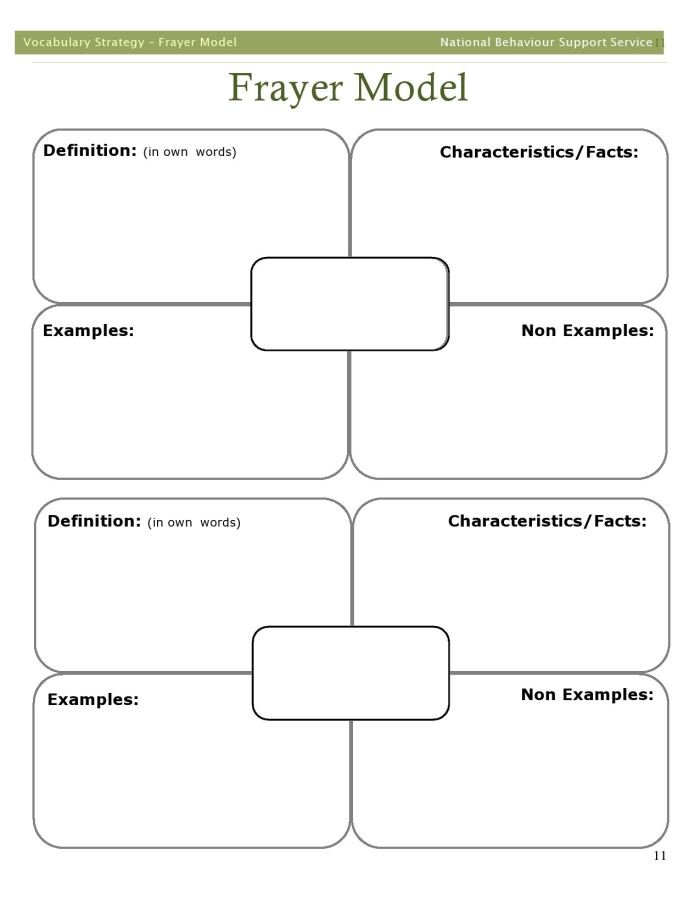
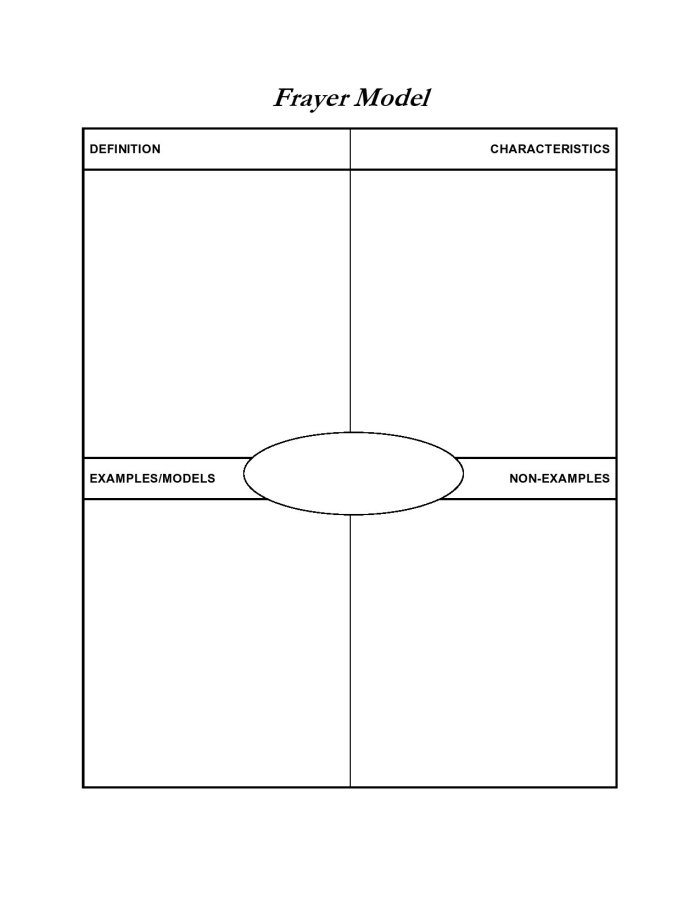
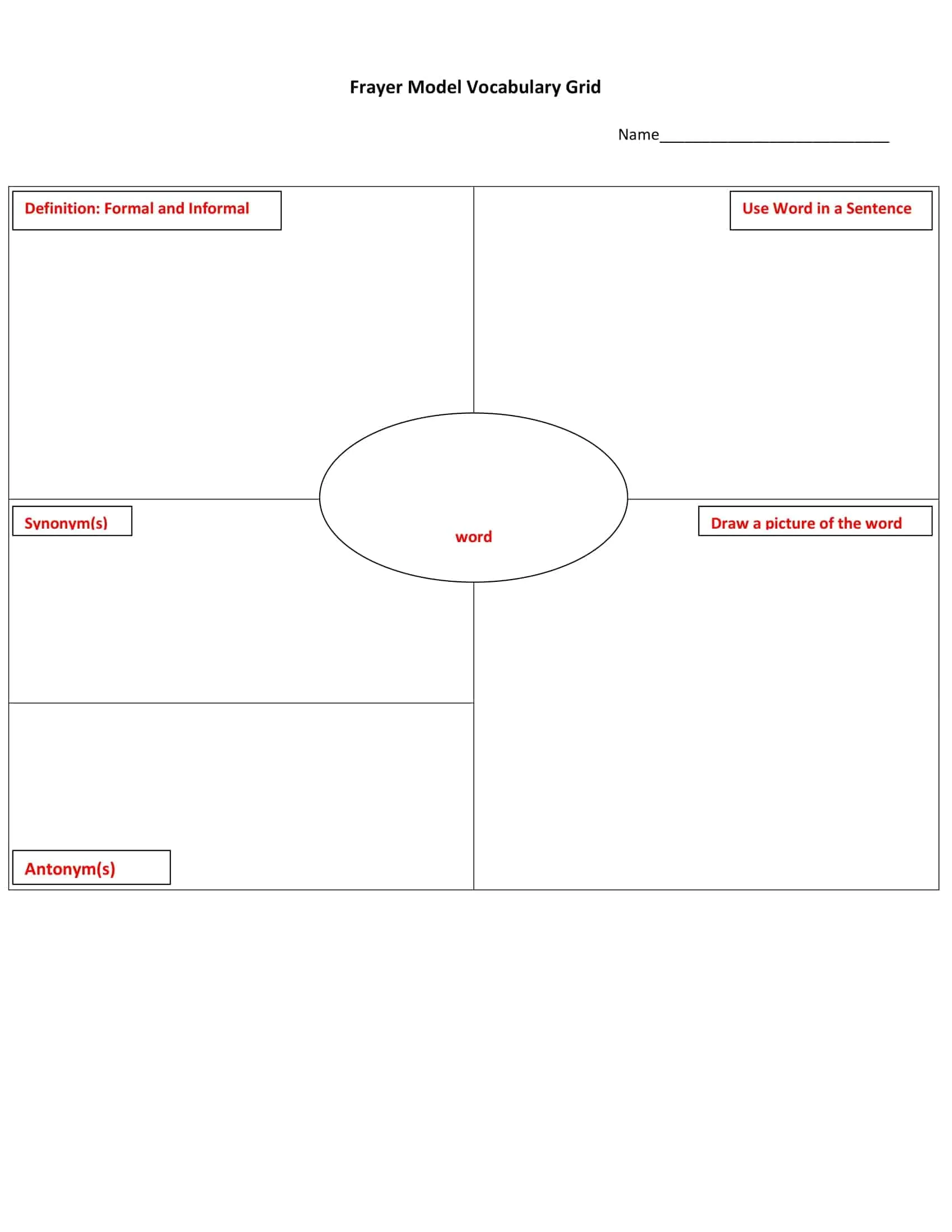
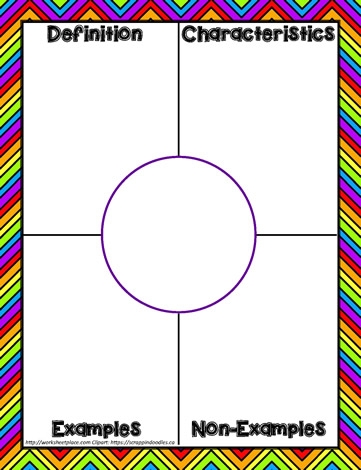
The Frayer Model works like a visual anchor for words that might otherwise slip away. Instead of memorizing definitions from a list, students break down vocabulary into four distinct sections: definition, characteristics, examples, and non-examples. This structure forces deeper thinking about what a word truly means.
For third grade students tackling concepts like time and money, this approach makes abstract ideas concrete. When learning the word “quarter,” for instance, a student writes the definition (25 cents), lists its characteristics (silver coin, 1/4 of a dollar), provides examples (paying for candy, making change), and identifies non-examples (a dime, a penny). The contrast between examples and non-examples is what sticks in memory.
The visual nature of the model appeals to how young learners actually process information. Rather than reading a sentence or two, they’re creating their own understanding through writing and organizing. Teachers often pair this strategy with printable Frayer Model worksheets that give students a structured template to follow.
What makes this particularly effective is the repetition built into the process. Writing the definition requires different language than listing characteristics. Coming up with examples demands retrieval practice. Non-examples force comparison and critical thinking. By the time a student finishes one Frayer Model, they’ve engaged with that word in multiple ways.
Third graders benefit from pairing vocabulary work with other literacy activities. Using synonym matching exercises alongside the Frayer Model helps students see how related words connect. Combining these strategies strengthens vocabulary retention far more than isolated worksheets ever could.
The model works across any subject or grade level, but it’s particularly valuable when introducing specialized vocabulary that students will encounter repeatedly throughout their academic careers.
Download These Worksheets for Practice