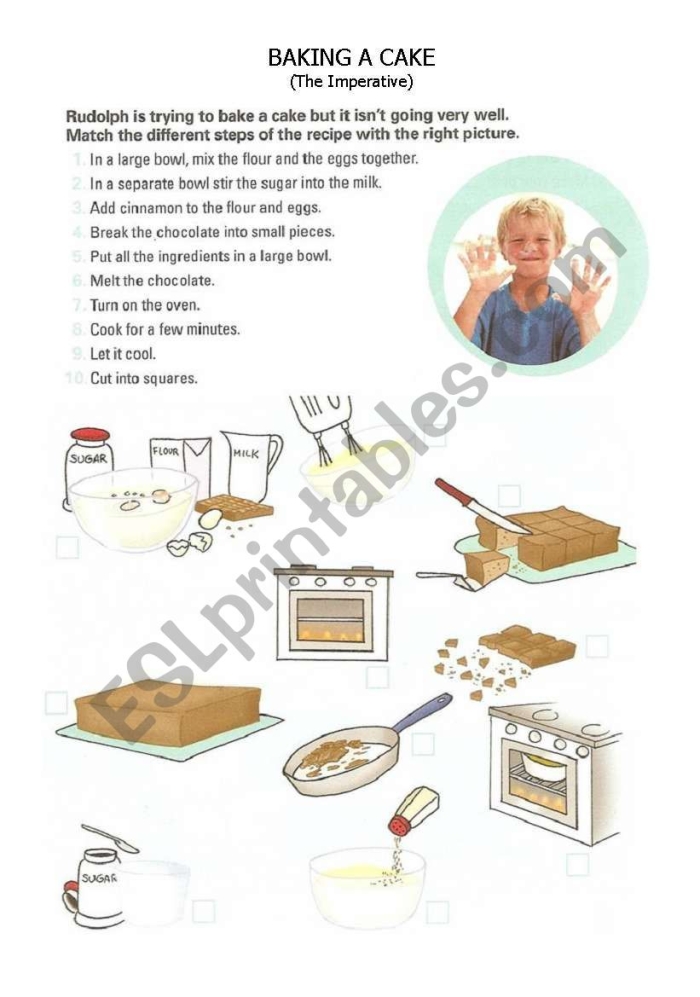
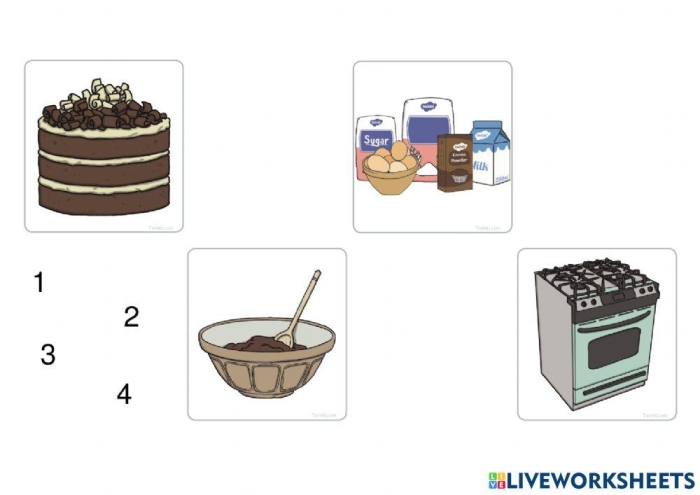
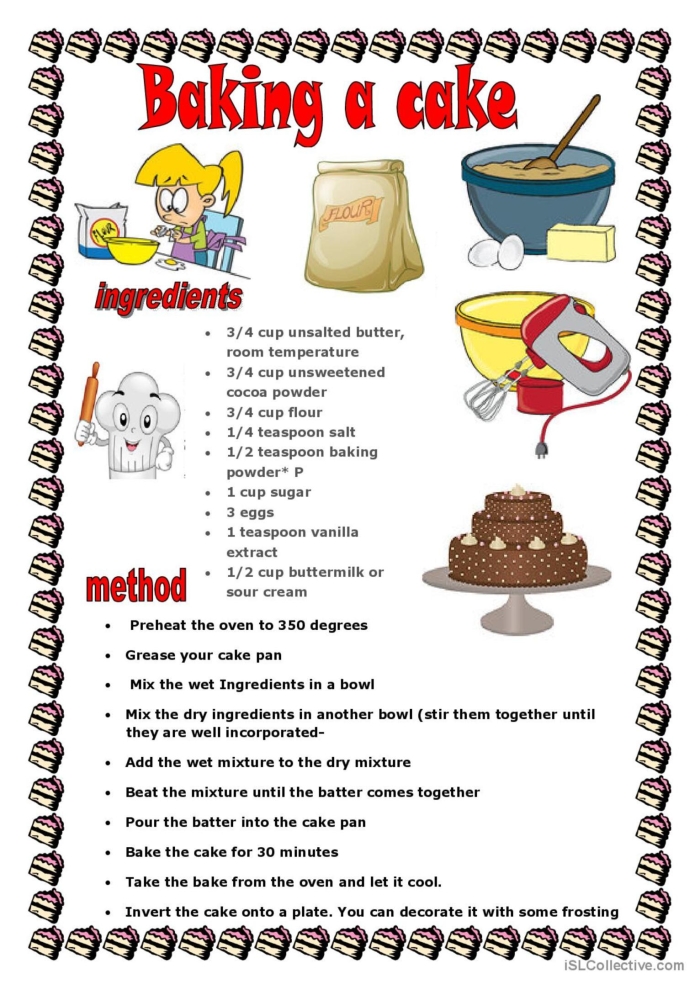
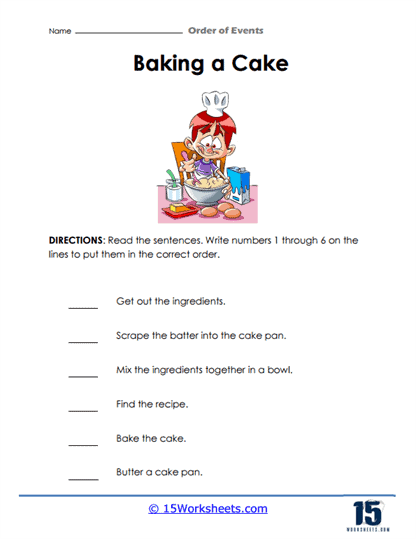
Baking a cake with Evan teaches kindergarten students far more than just following a recipe. When children work through the steps of mixing ingredients, pouring batter, and decorating, they’re actually building one of the most important reading and thinking skills: sequencing.
Sequencing is the ability to understand and arrange events in the order they happen. For Pre-K learners, this skill bridges the gap between recognizing individual words and comprehending how stories and instructions unfold. When your students help Evan bake a cake, they see firsthand that certain steps must come before others. You can’t frost a cake that hasn’t been baked yet. You can’t mix ingredients without gathering them first. This logical progression makes abstract sequencing concepts concrete and memorable.
The beauty of using a baking scenario is that it connects to something children already find exciting. Most kindergarteners have watched or helped someone bake before, so they bring prior knowledge to the activity. You can introduce sequencing vocabulary like “first,” “next,” “then,” and “last” while Evan’s story unfolds. This repetition across multiple contexts helps the words stick.
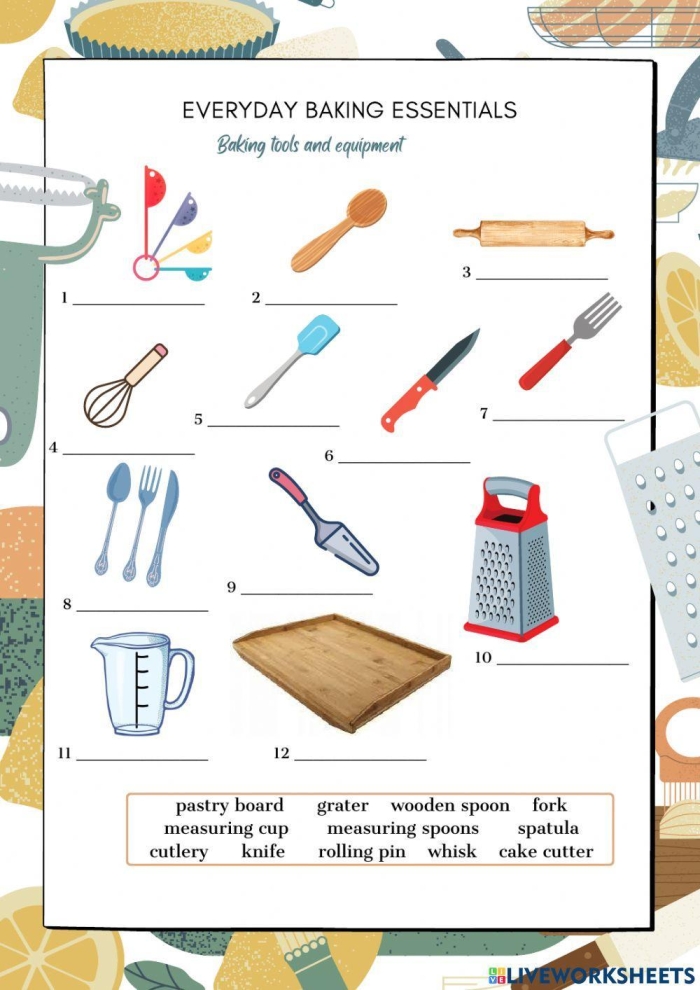
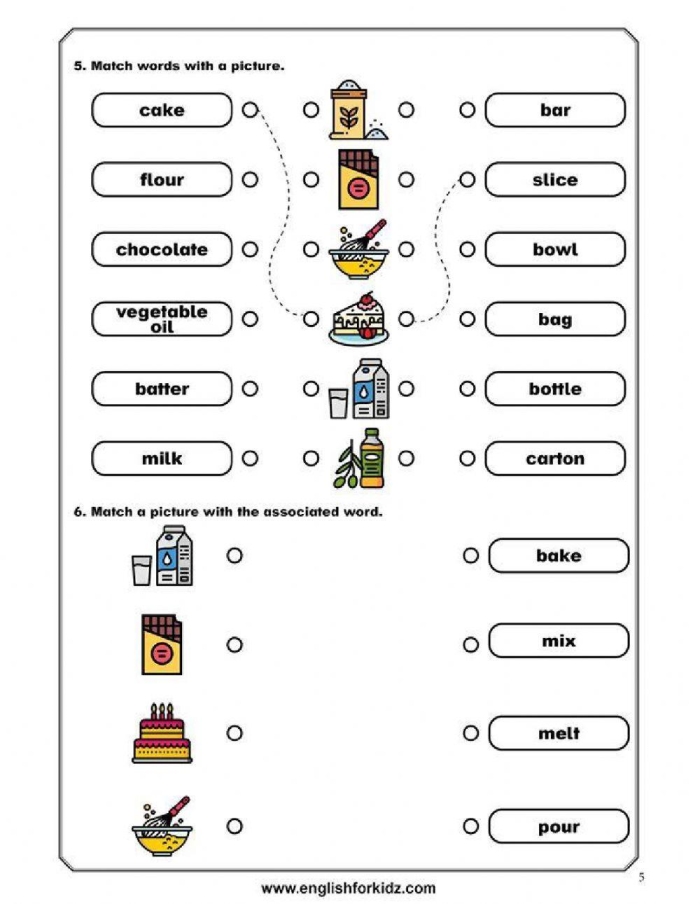
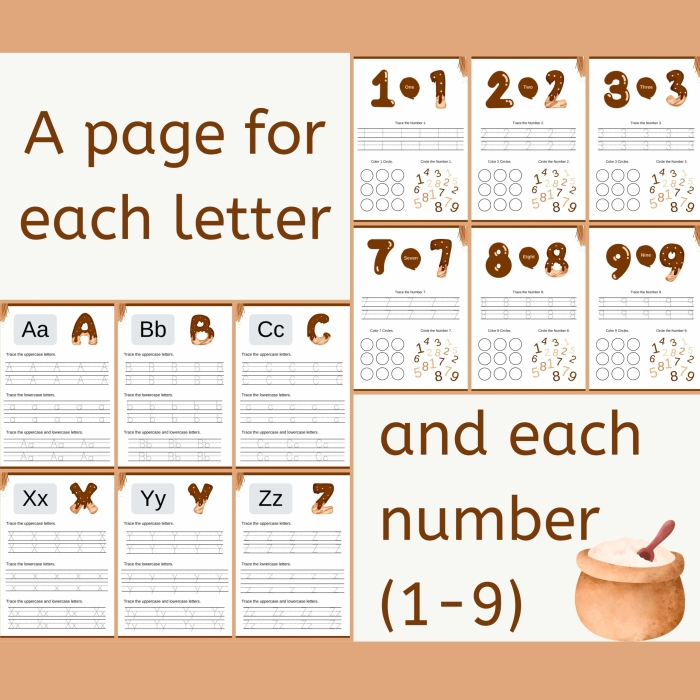
Beyond sequencing, baking activities naturally support early reading development. Children encounter action words, ingredient names, and directional language. You might pair this activity with other learning resources, like exploring letter recognition activities or word family practice to reinforce phonics alongside sequencing.
When your kindergarten class works through Evan’s cake-baking adventure, they’re not just learning to follow steps. They’re developing critical thinking patterns that will support reading comprehension for years to come. The combination of visual storytelling, hands-on engagement, and logical ordering creates a foundation that makes sense to young learners.
Hands-On Worksheet Activities