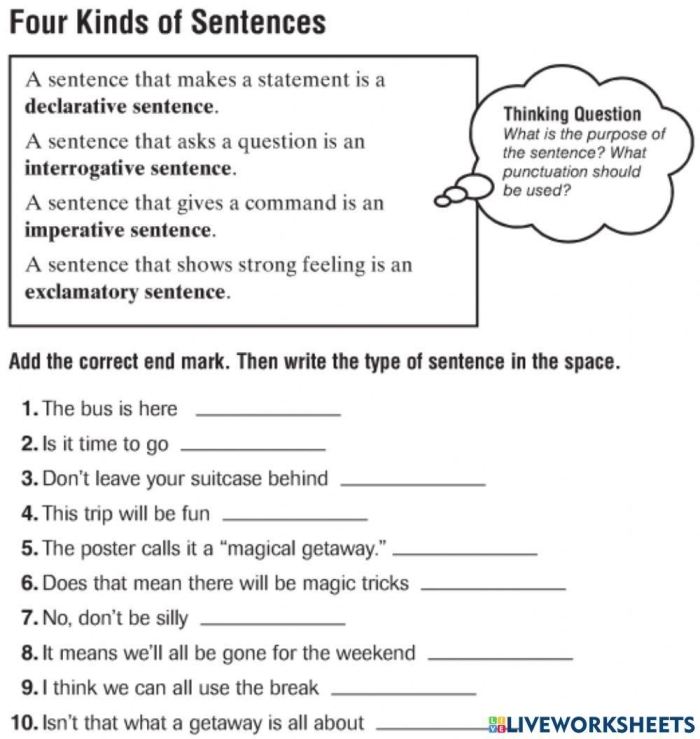
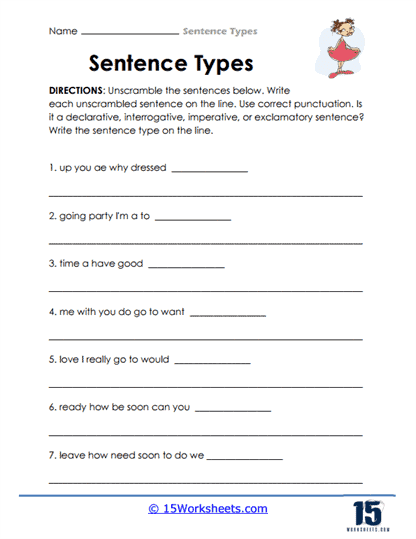
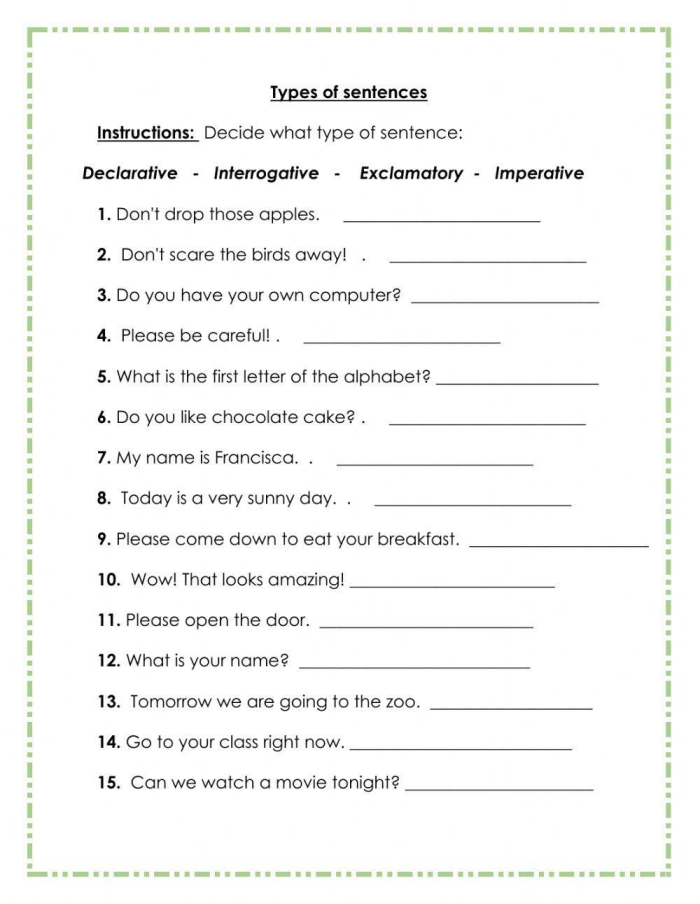
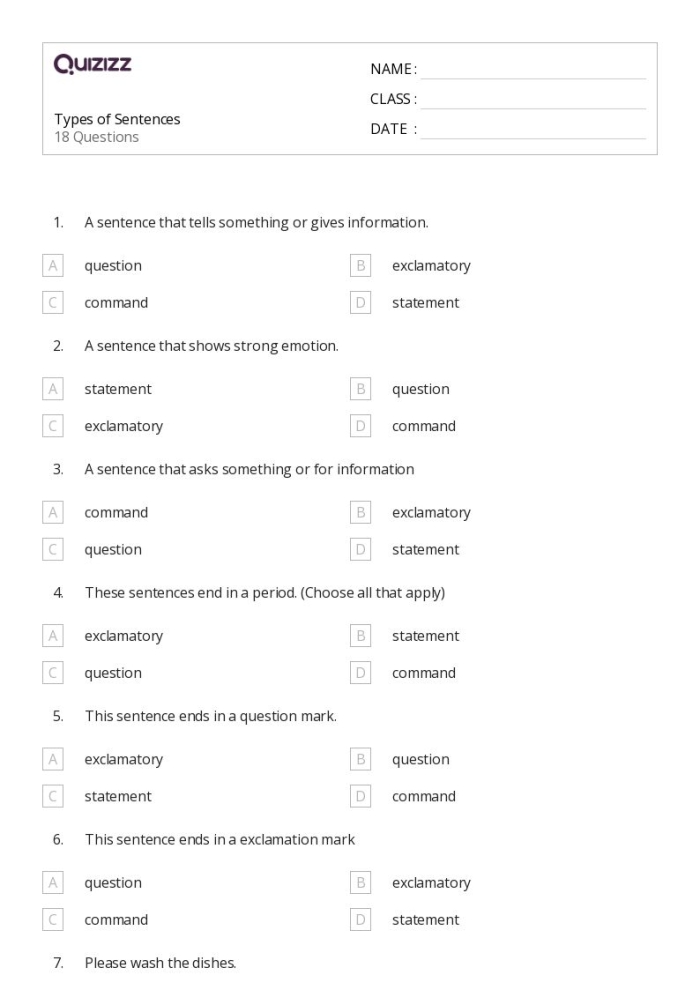
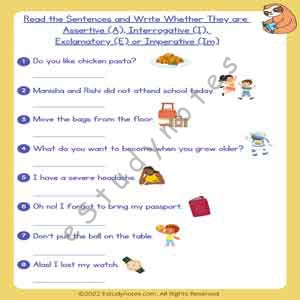
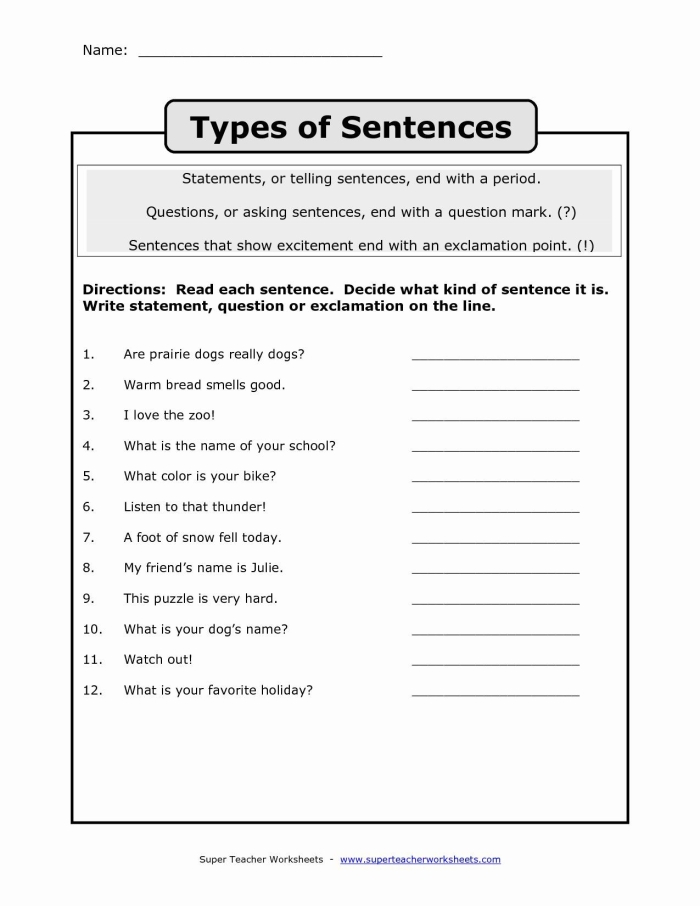
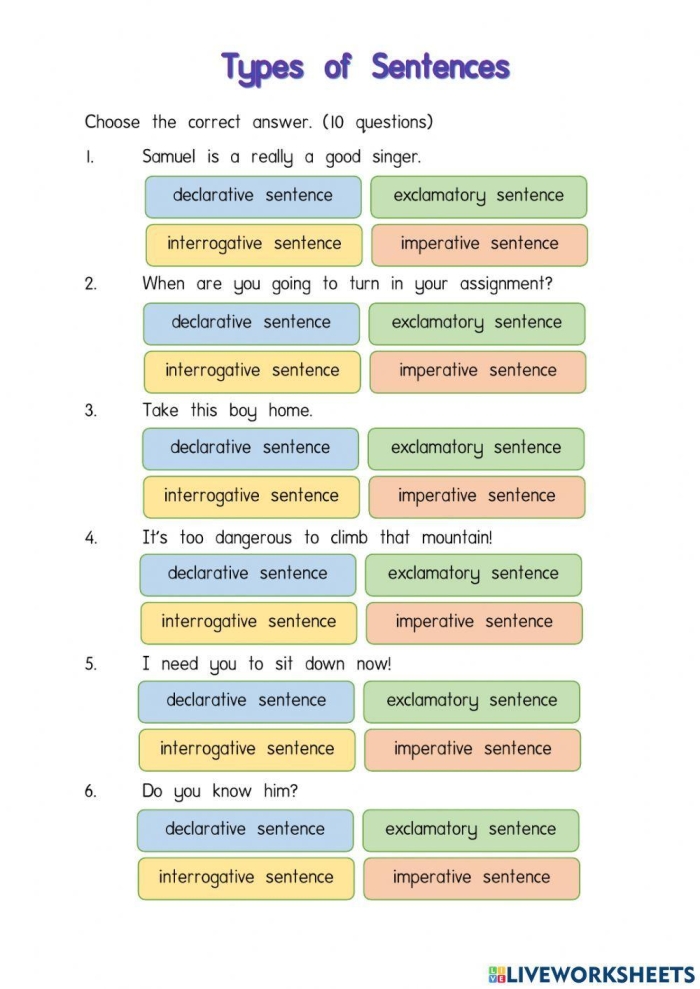
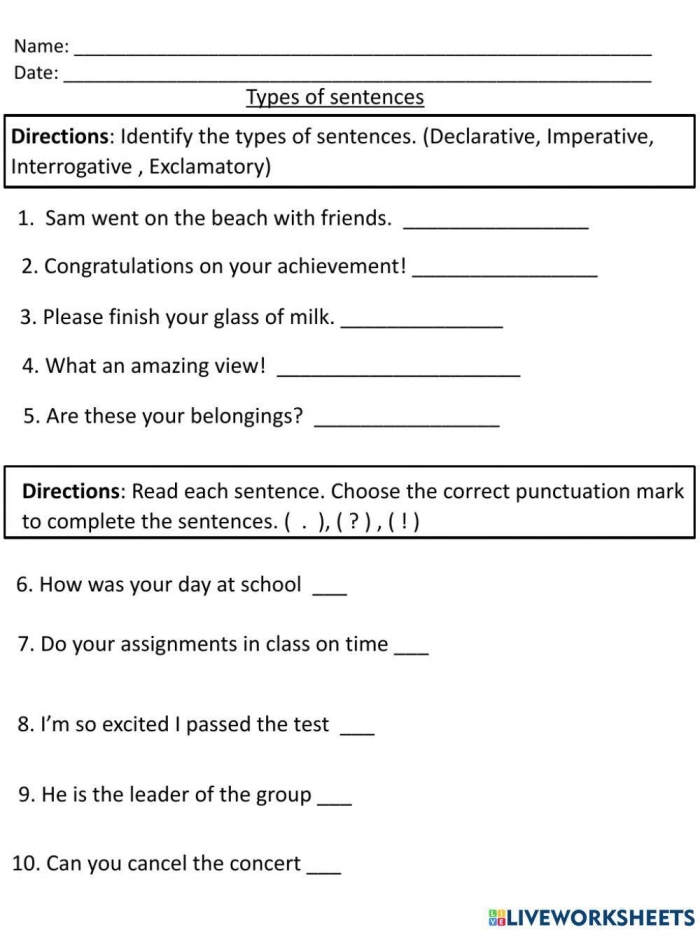
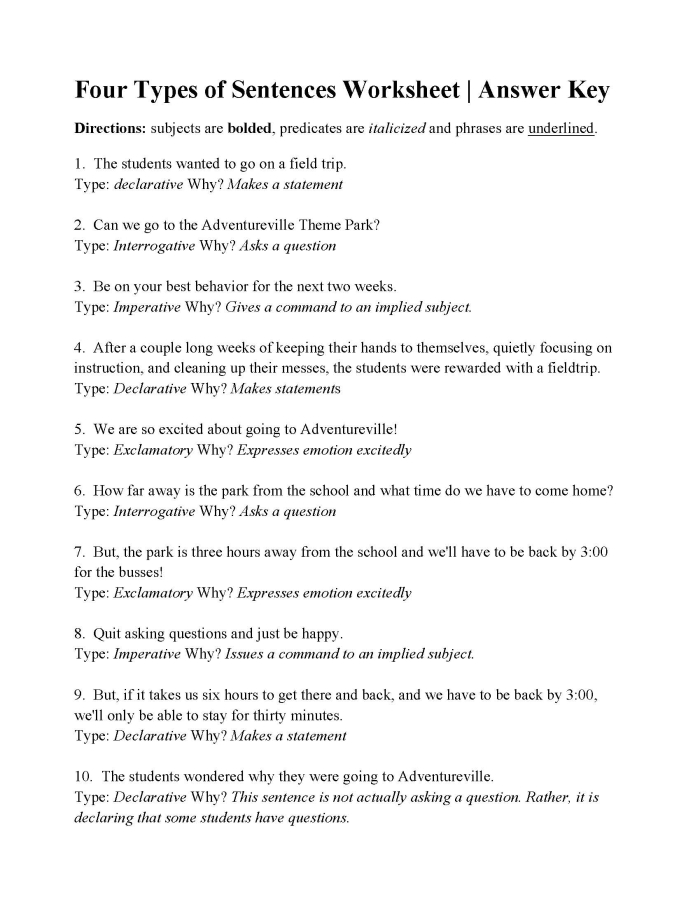
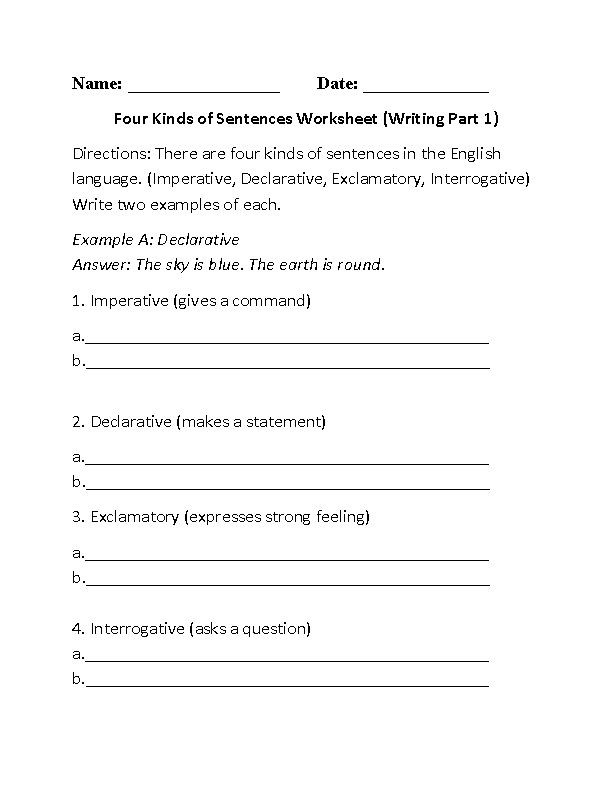
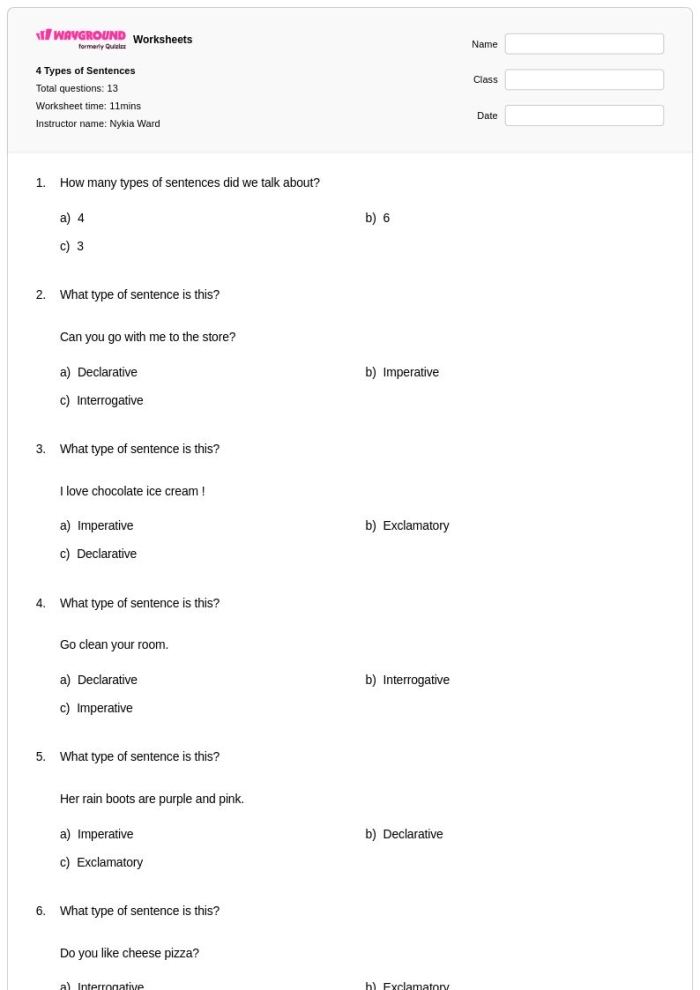
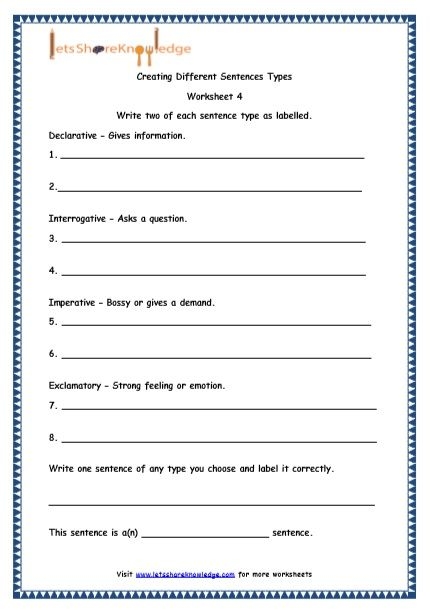
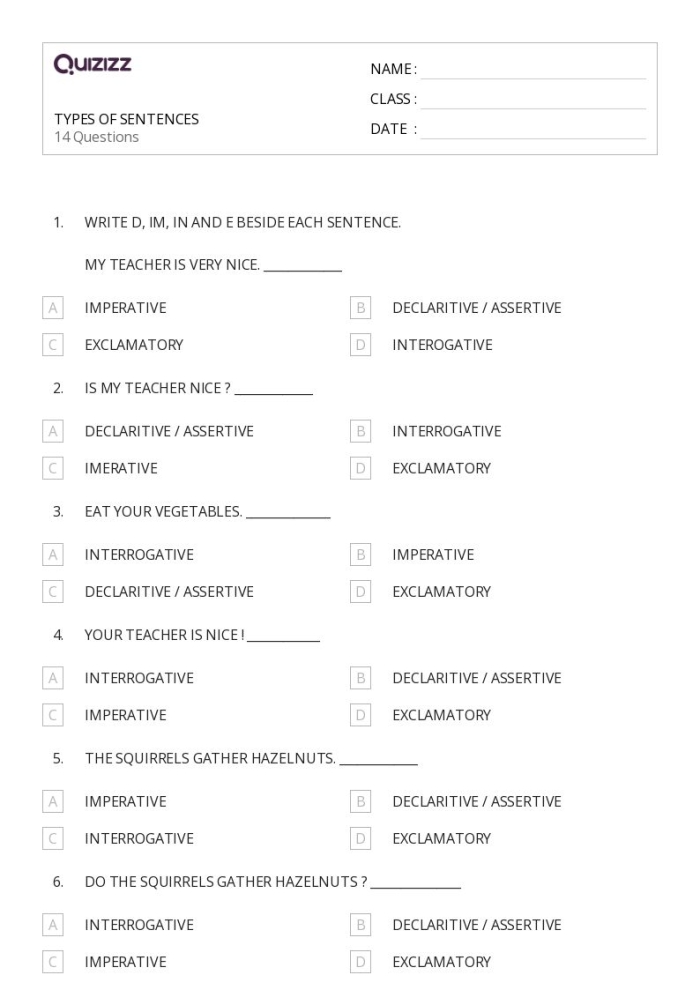
English learners in fourth grade often struggle to recognize that sentences serve different purposes, and this confusion can slow their writing development. Teaching the four types of sentences, declarative, imperative, exclamatory, and interrogative, gives ELs a concrete framework for understanding how language works in real communication.
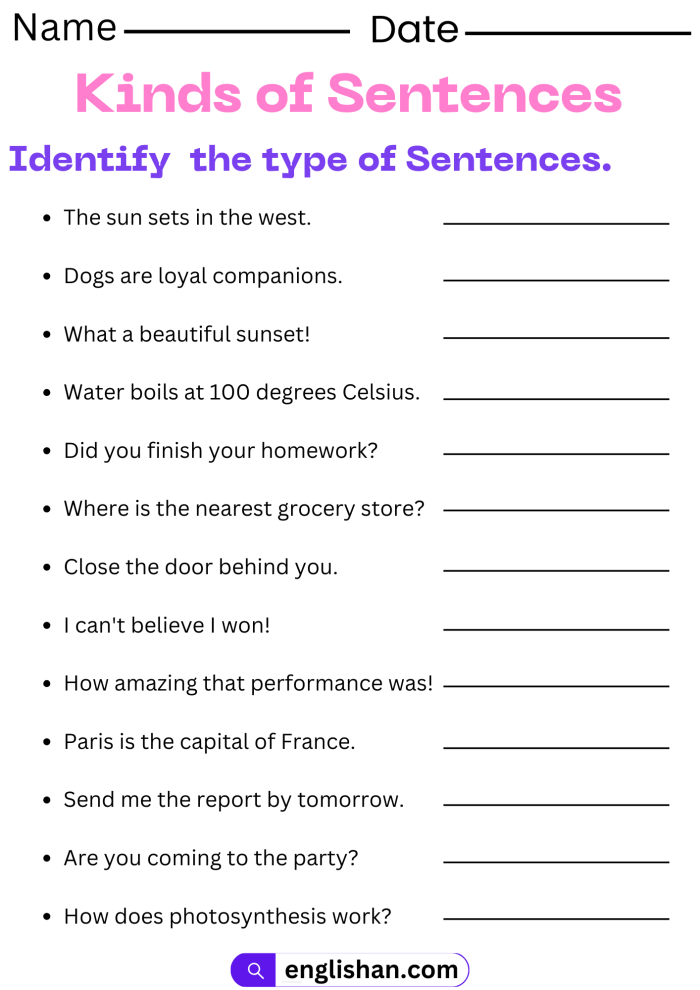
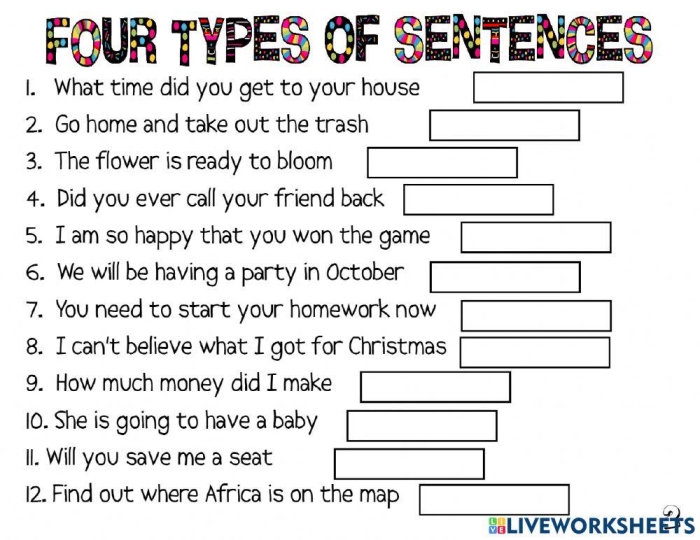
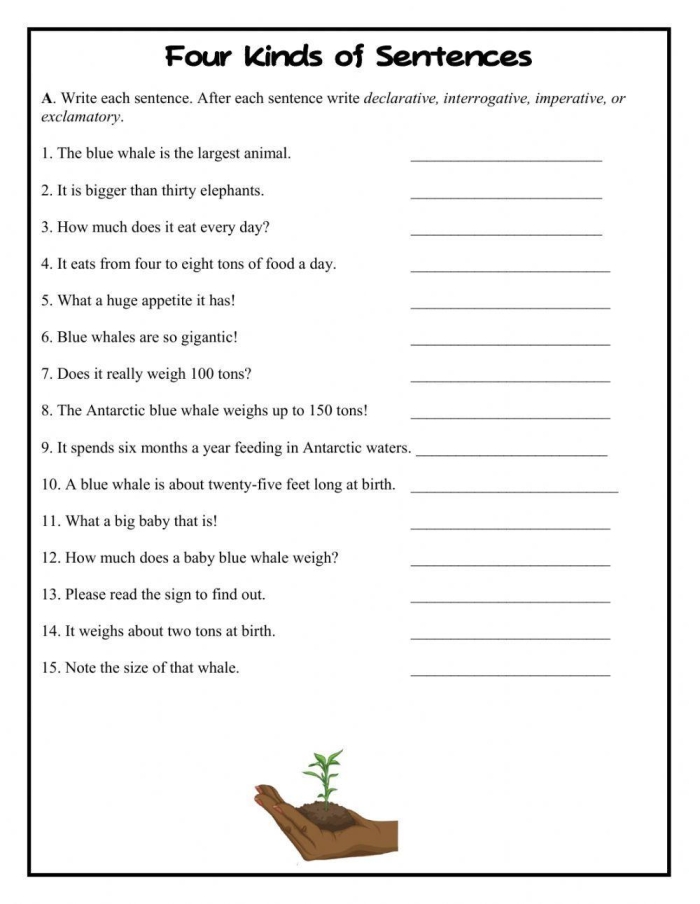
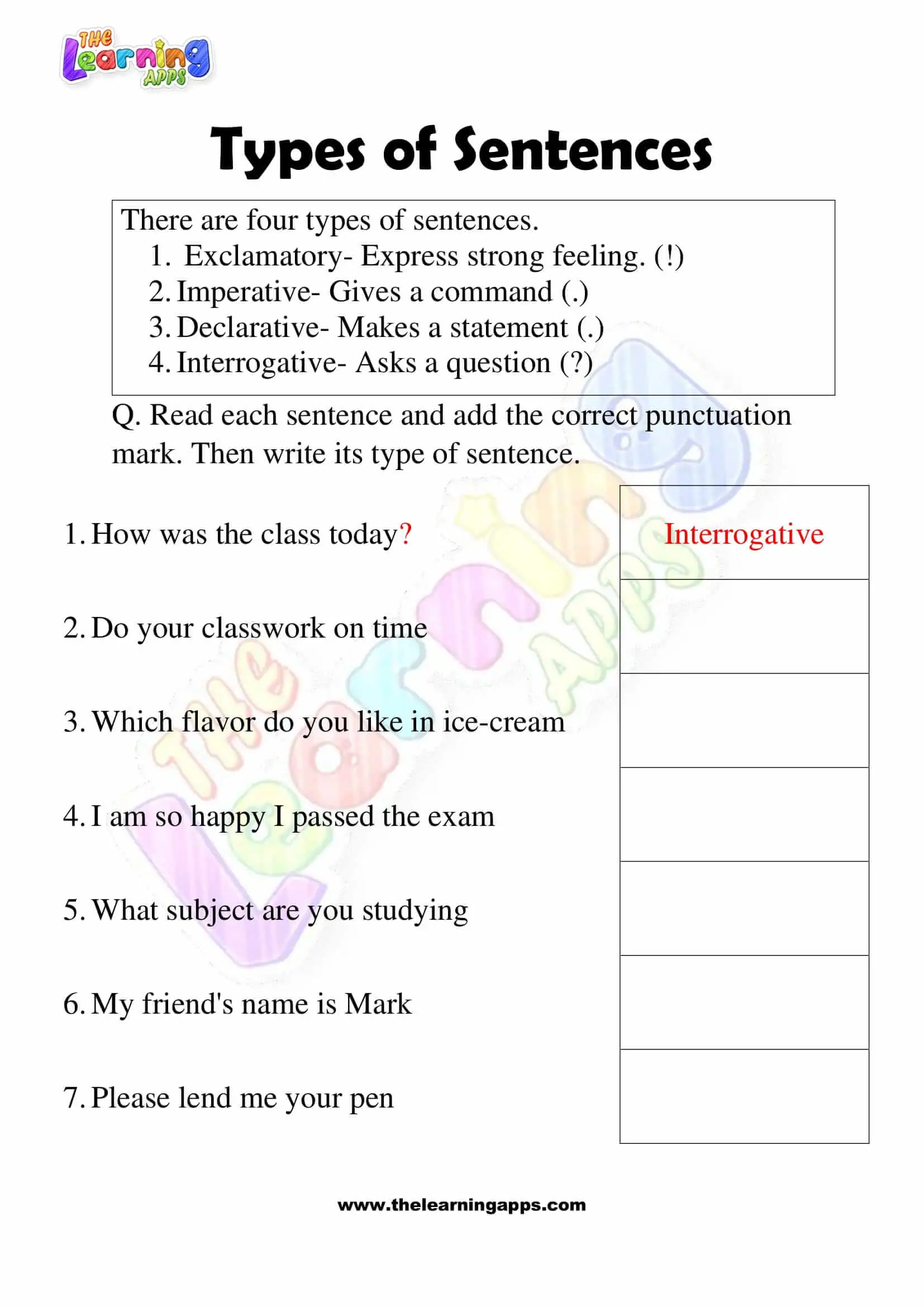
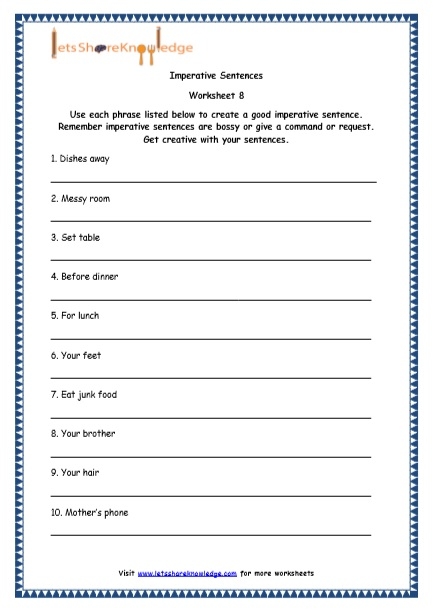
A declarative sentence makes a statement and ends with a period. It’s the most common sentence type students encounter: “The cat is sleeping.” An imperative sentence gives a command or makes a request, also ending with a period: “Please close the door.” The difference matters because imperative sentences often have an implied subject (you), which confuses learners who expect every sentence to name who is doing the action.
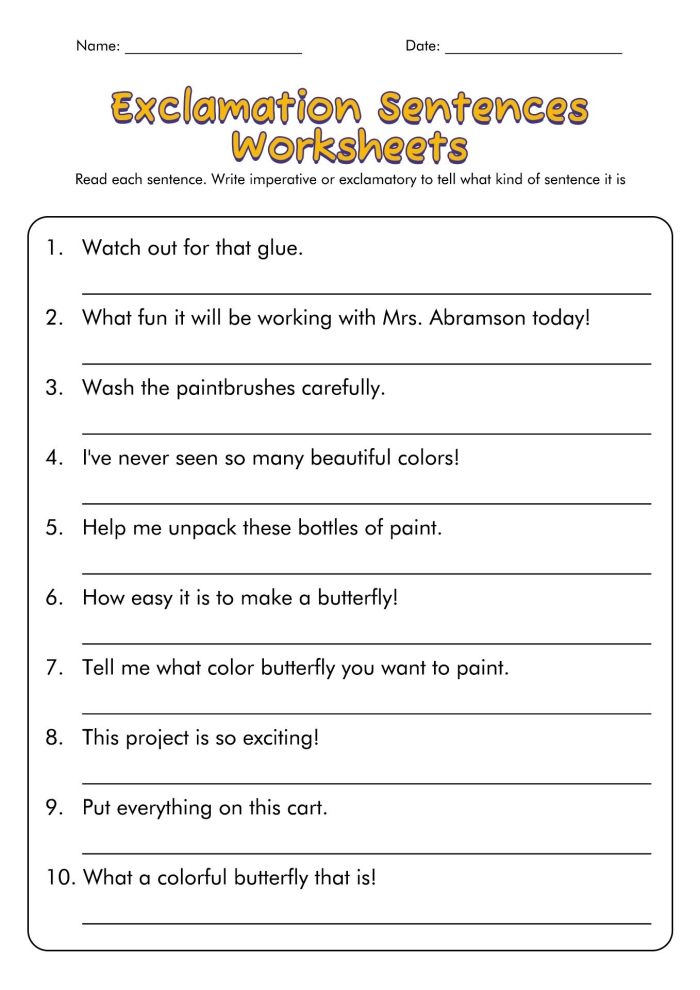
Exclamatory sentences express strong emotion and end with an exclamation mark: “What an amazing discovery!” Fourth graders often overuse these in their writing once they learn about them, so modeling appropriate use is essential. Finally, interrogative sentences ask questions and end with a question mark: “Where did you go?”
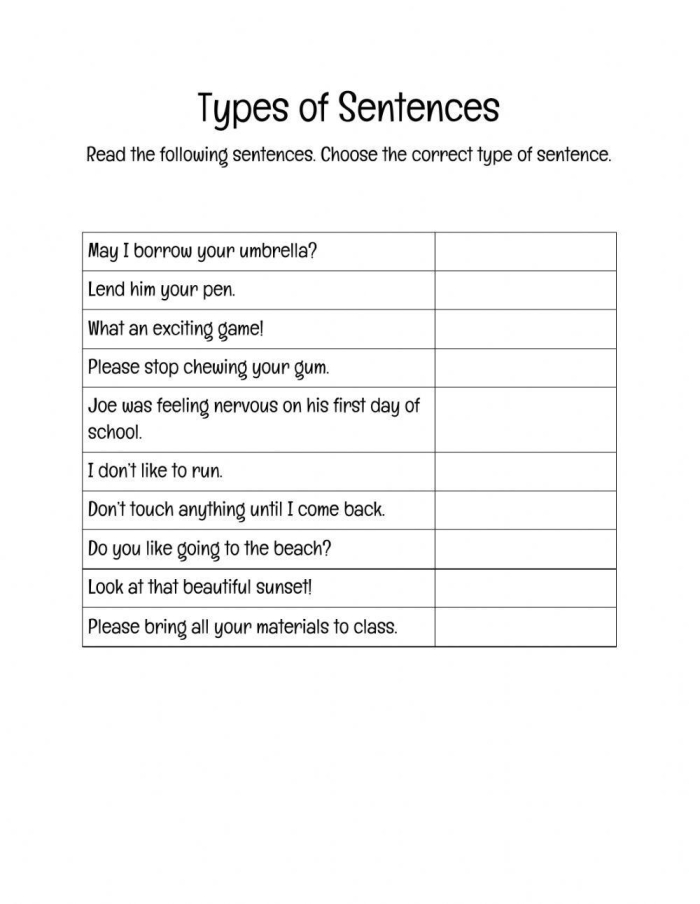
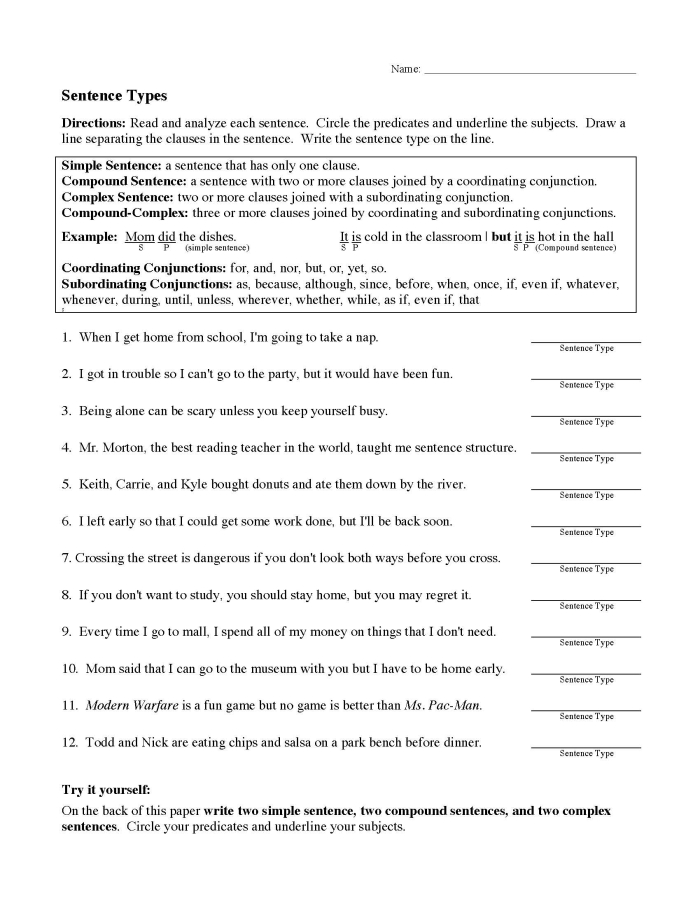
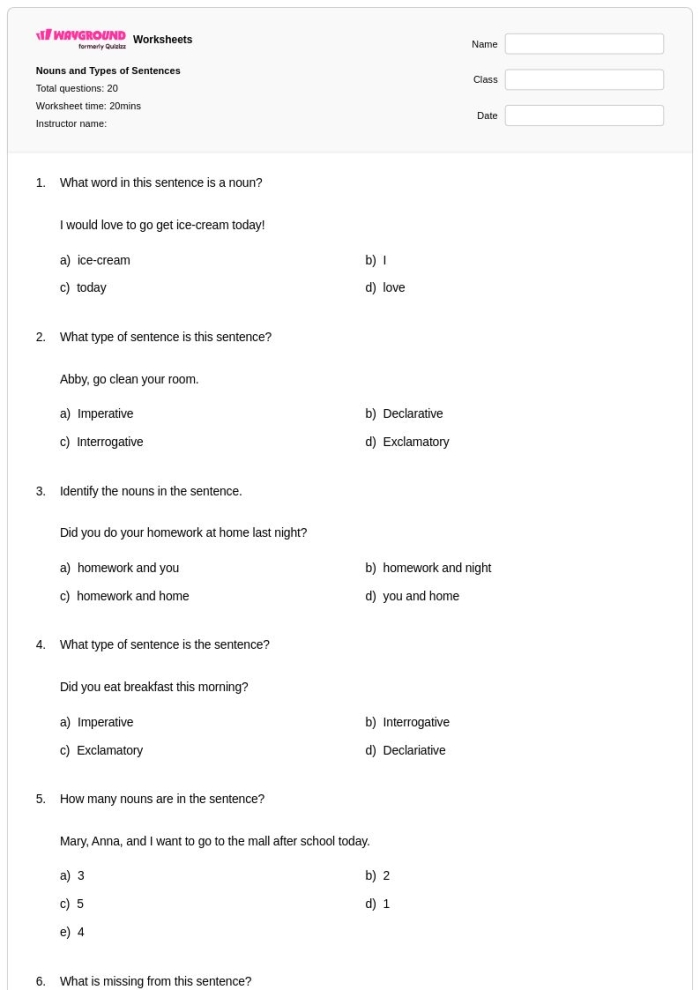
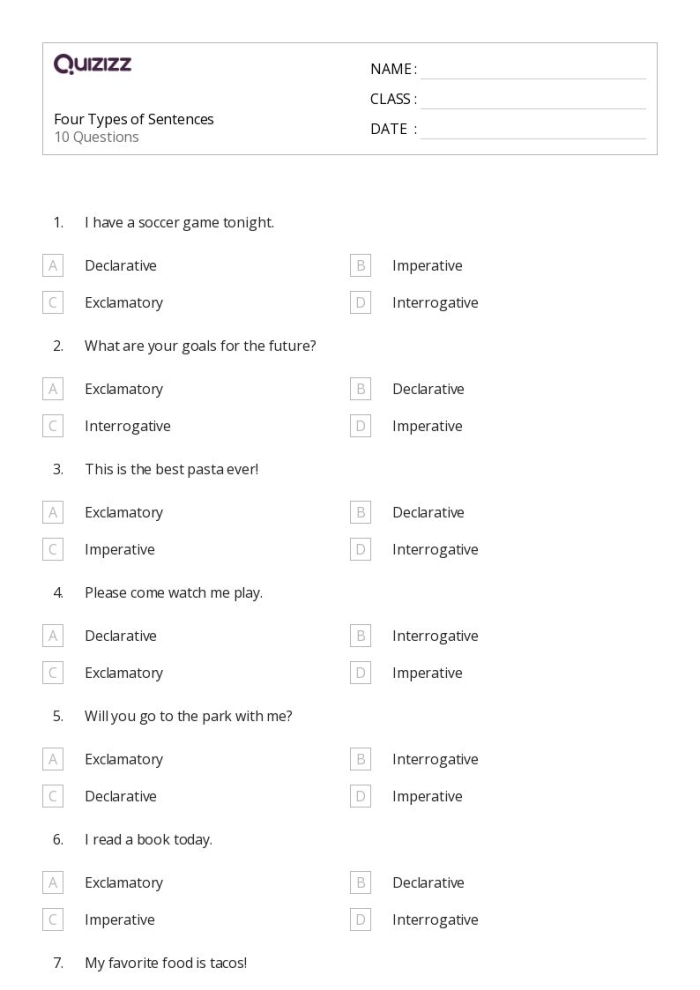
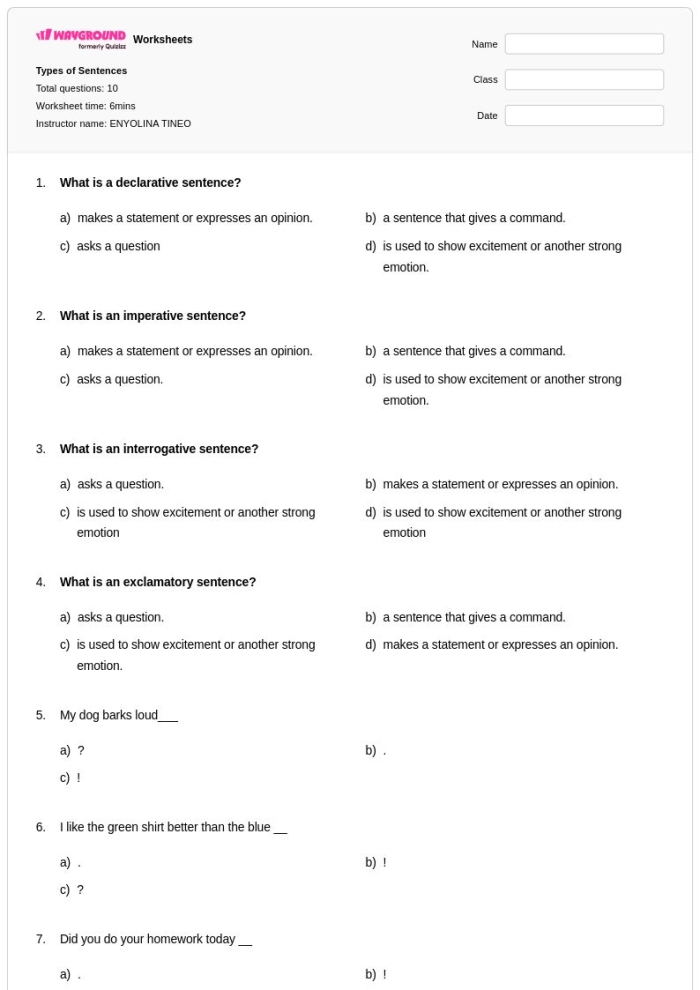
To help ELs internalize these patterns, use consistent visual cues. Draw a simple chart showing each type with its ending punctuation and purpose. Have students sort sentences into categories, then write their own examples for each type. Handwriting practice becomes more meaningful when students copy sentences they’ve created themselves, reinforcing both the mechanics and the grammar concept simultaneously.
Pairing sentence instruction with other fourth grade writing activities strengthens retention. When students work on projects like comparing and contrasting fairy tales or studying Wonder as a novel study, they naturally encounter all four sentence types in context. This real-world exposure helps ELs see that sentence types aren’t isolated grammar rules, but tools for expressing different ideas and emotions in their writing.
Use These Worksheets Today