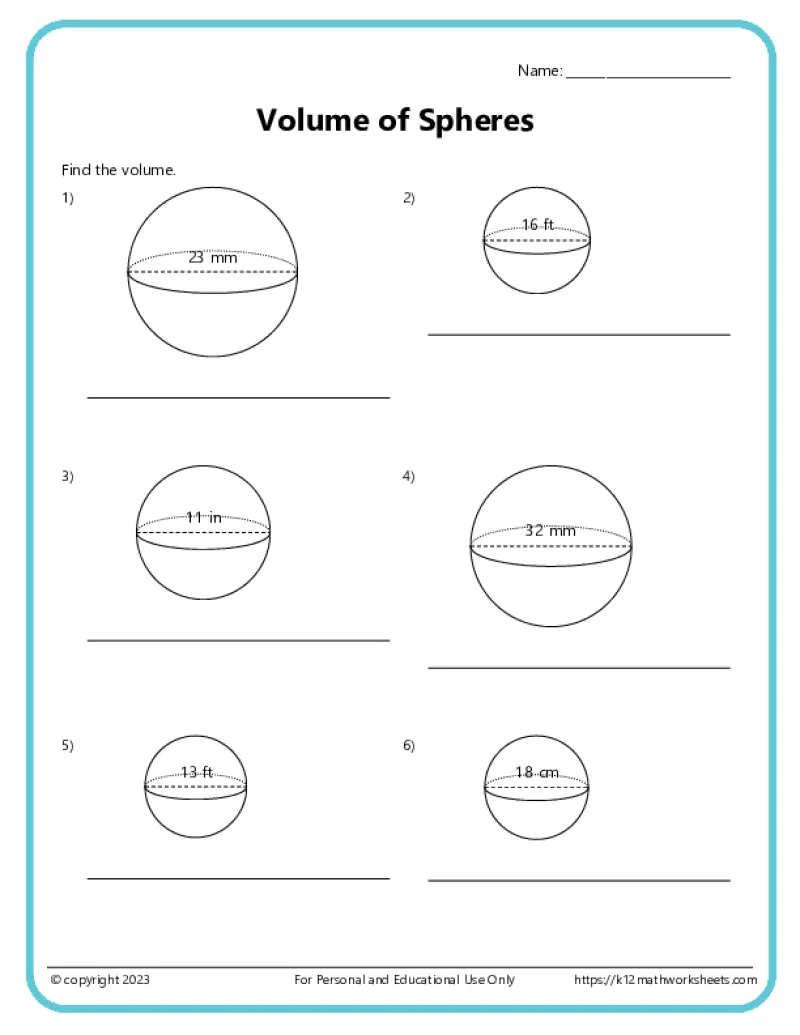
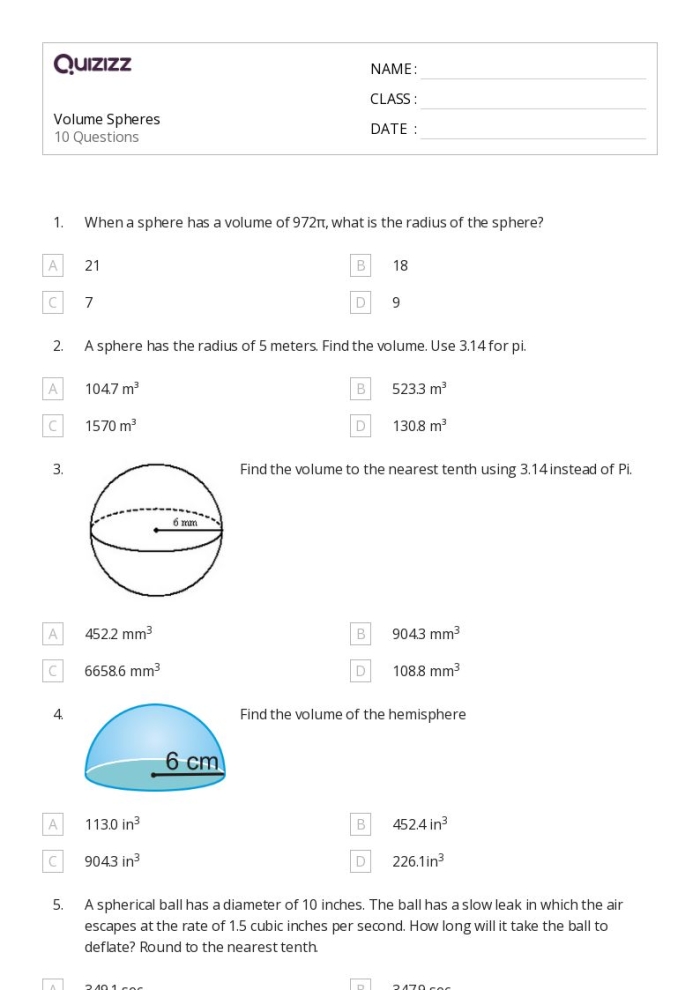
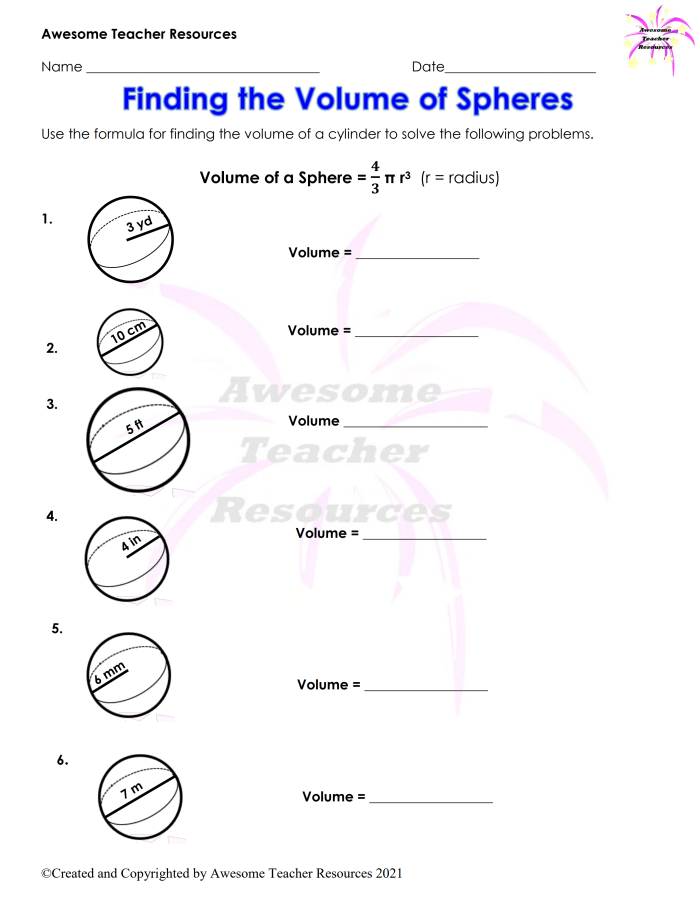
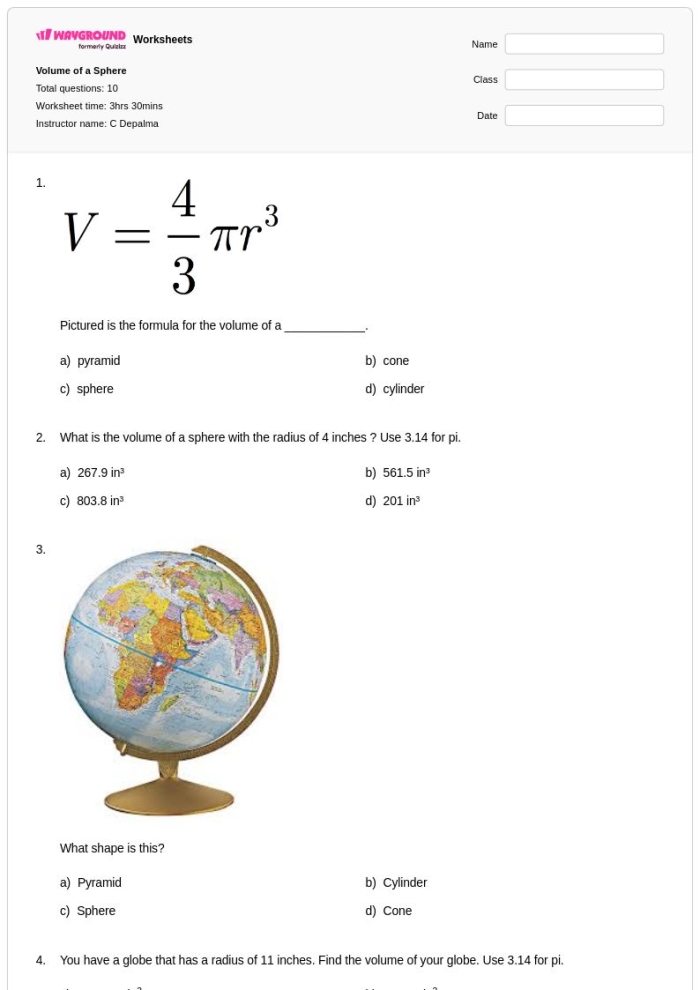
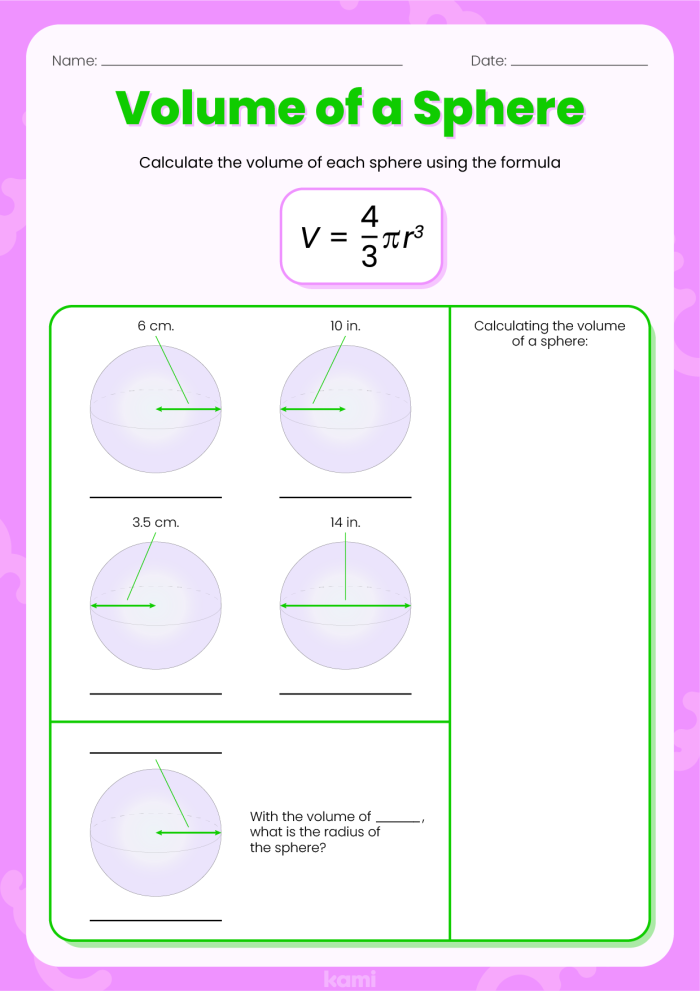
When eighth-grade students encounter geometry, the concept of volume often feels abstract until they work through a structured worksheet that breaks down the process step by step. A well-designed geometry worksheet on finding the volume of spheres transforms what could be intimidating into a manageable skill that students can actually understand and apply.
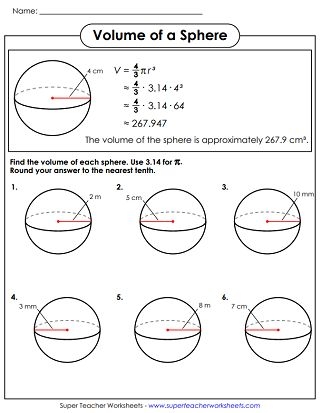
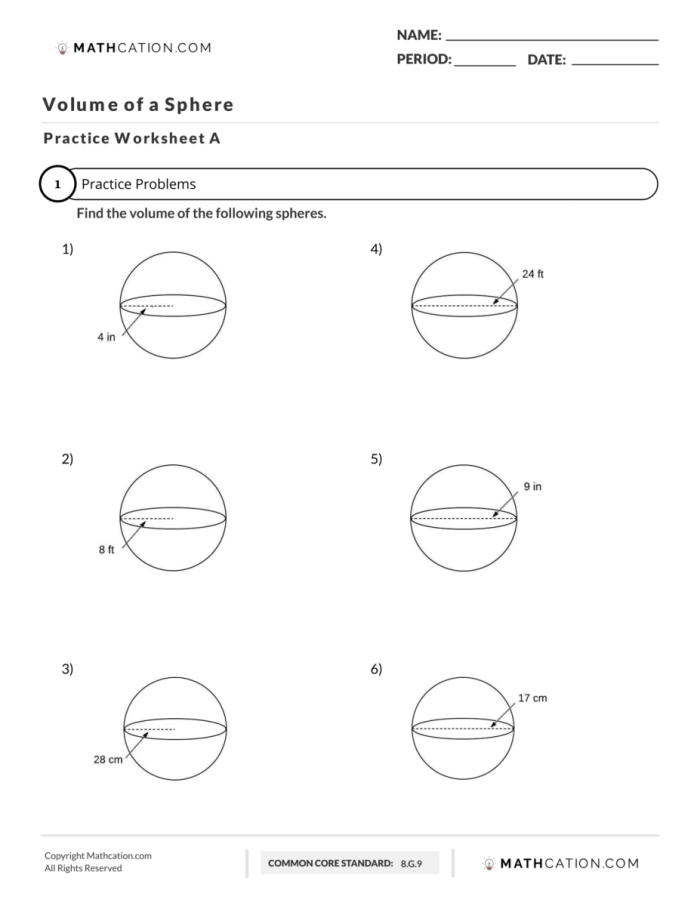
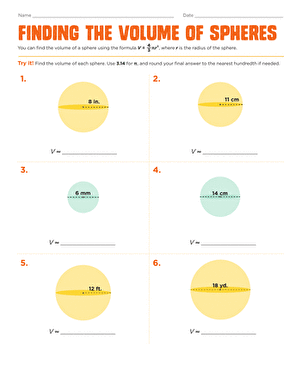
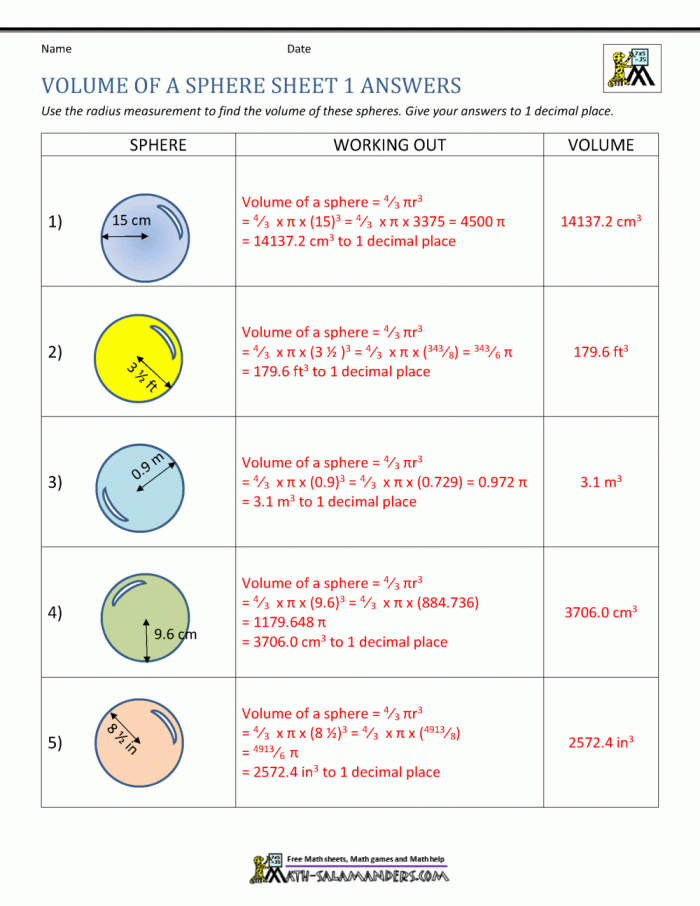
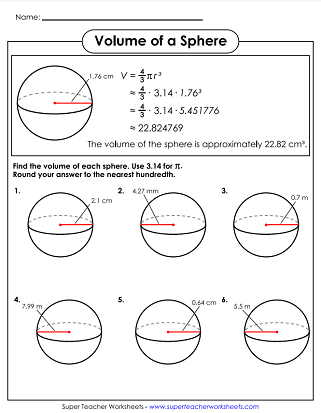
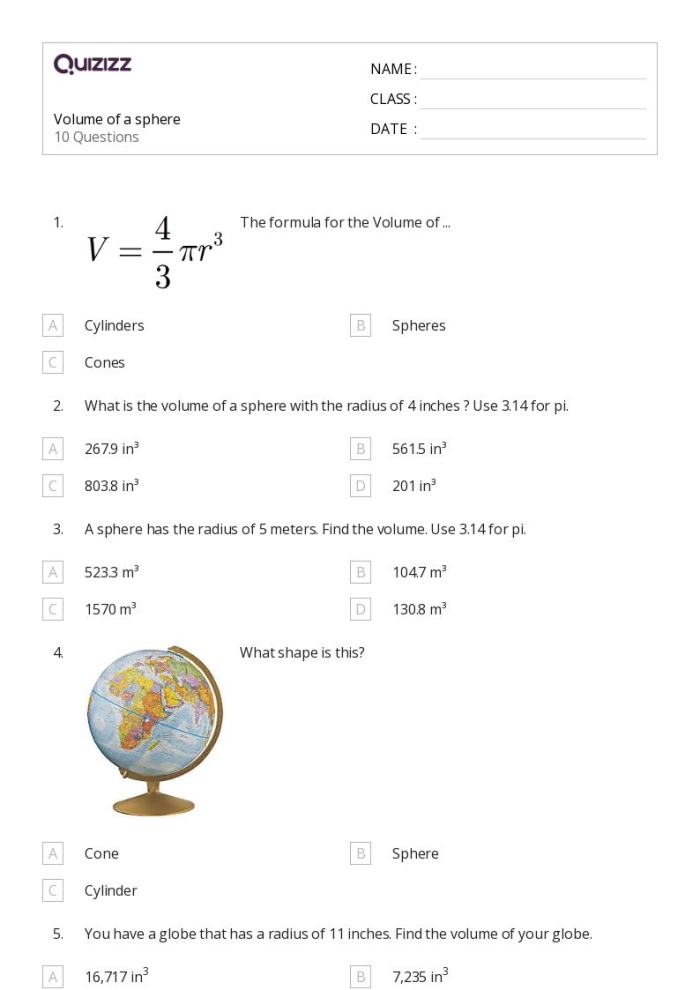
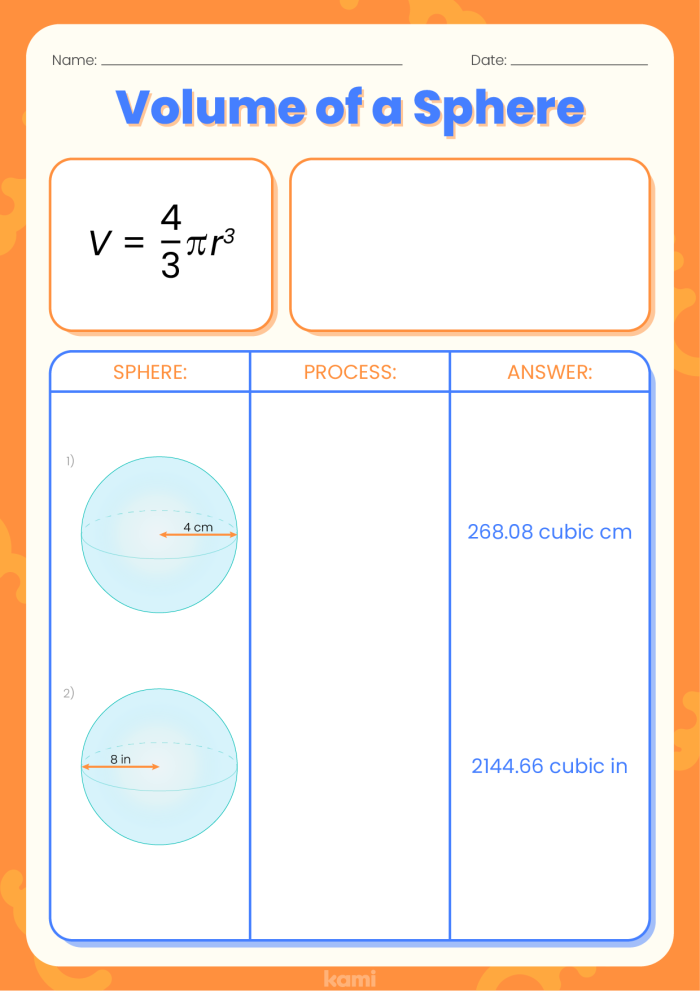
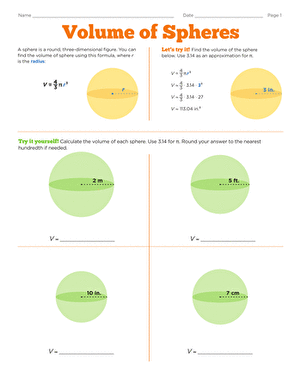
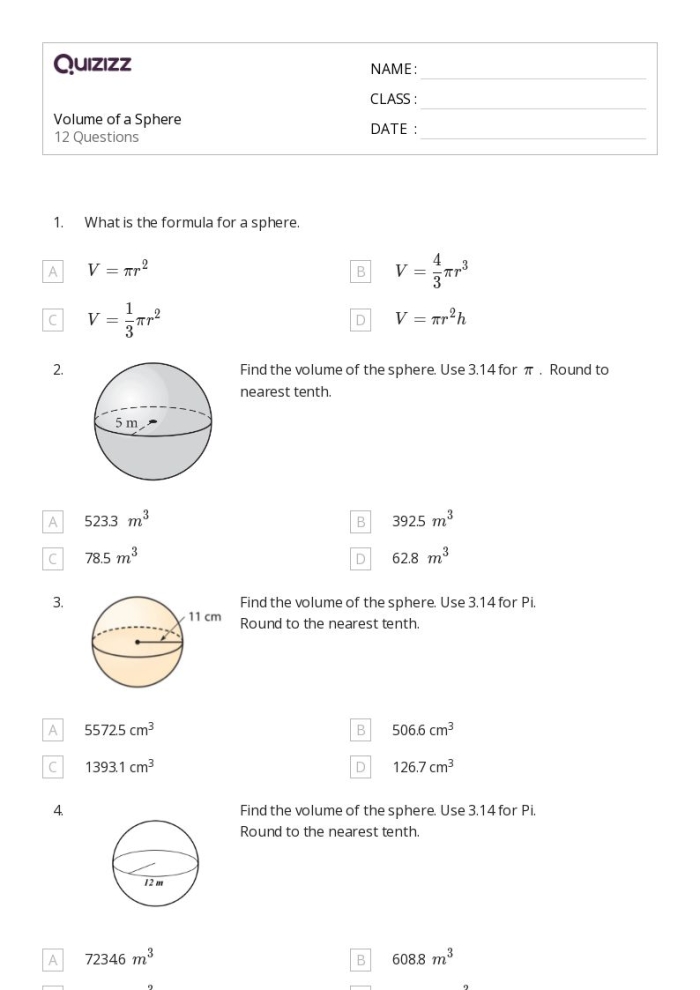
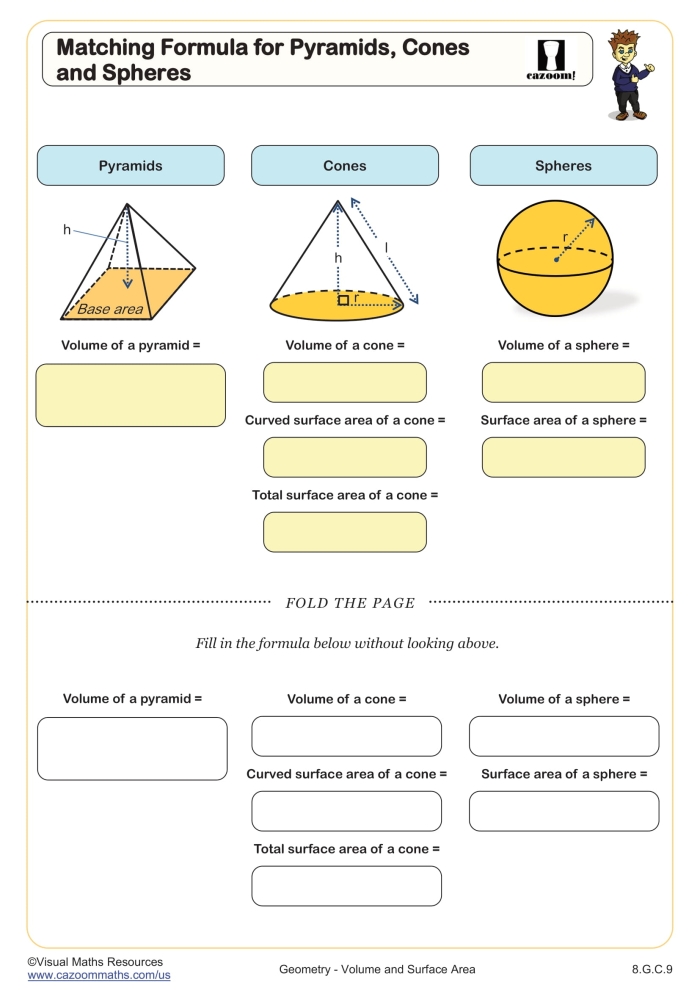
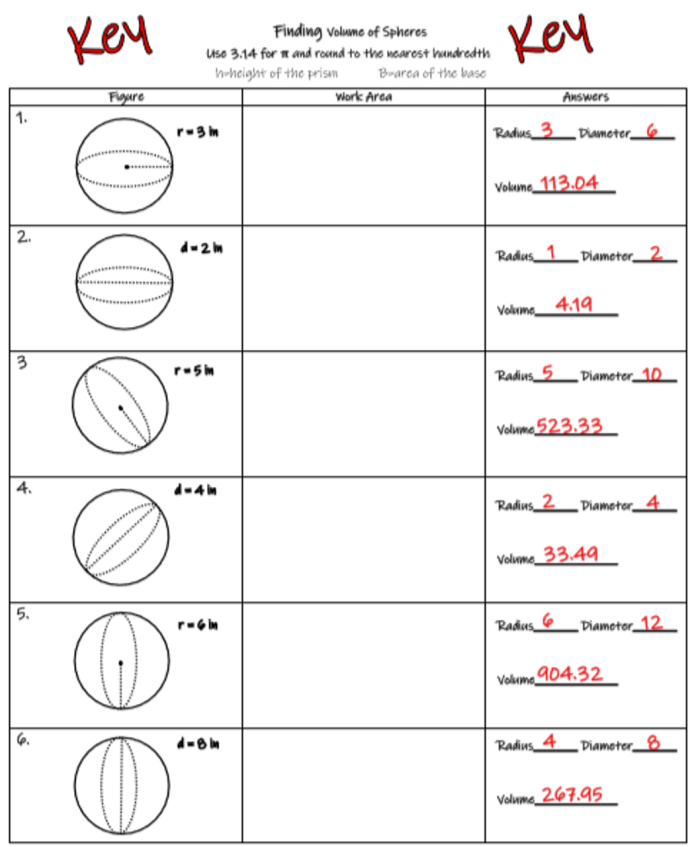
The formula for sphere volume, V = (4/3)πr³, looks deceptively simple on paper. The real learning happens when students practice using it repeatedly with different radius measurements. A solid worksheet guides them through each calculation, showing where the radius comes from, how to cube it properly, and why that (4/3) coefficient matters. This scaffolded approach helps eighth graders see the logic behind the formula rather than just memorizing it.
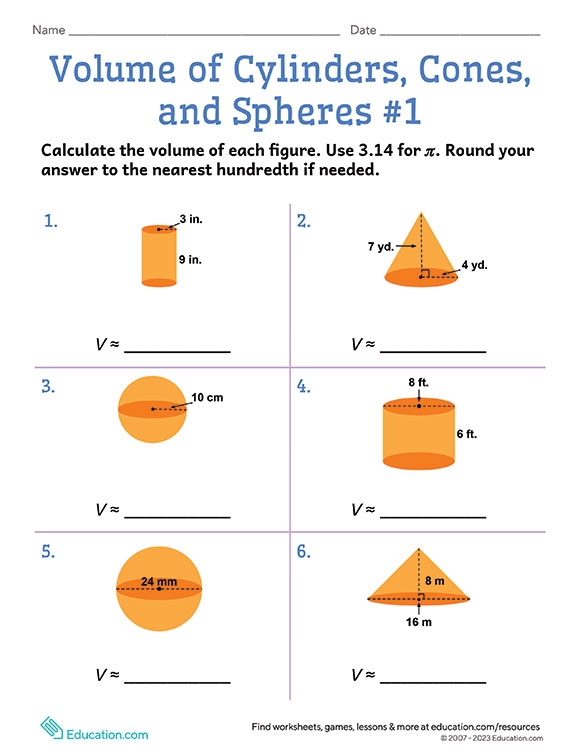
What makes these worksheets effective is their focus on mixed operations. Students don’t just plug numbers into a calculator. They work with exponents, multiplication, fractions, and sometimes decimals all within a single problem. This reinforces skills they’ve learned throughout the year while applying them to a new context. A student might calculate the volume of a sphere with a radius of 5 centimeters, then compare it to one with a radius of 10 centimeters, discovering how dramatically volume changes with radius.
The practical value extends beyond the classroom. Understanding volume matters for real situations: calculating how much air fills a basketball, determining capacity for spherical storage tanks, or estimating material needed for spherical objects. When eighth graders complete these worksheets, they’re building foundational spatial reasoning that supports higher mathematics.
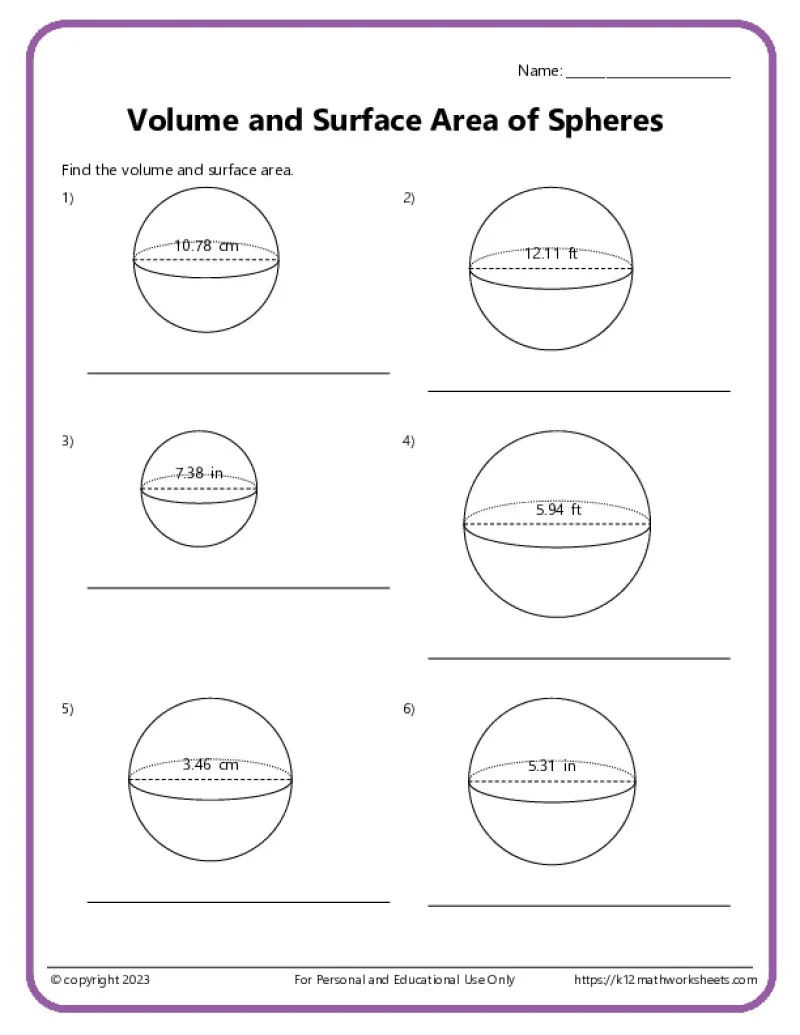
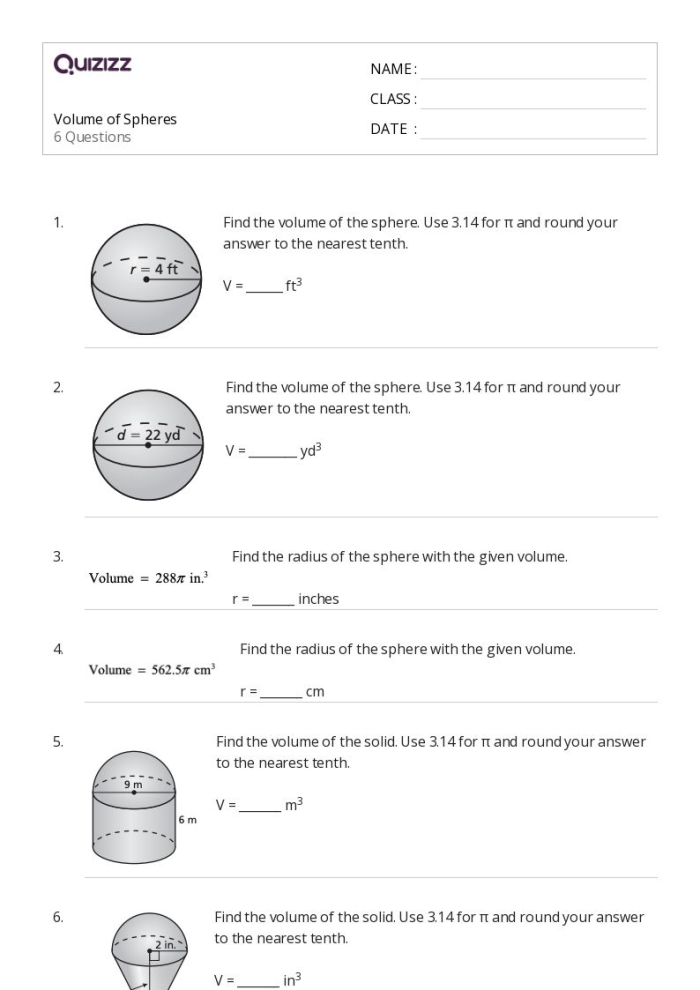
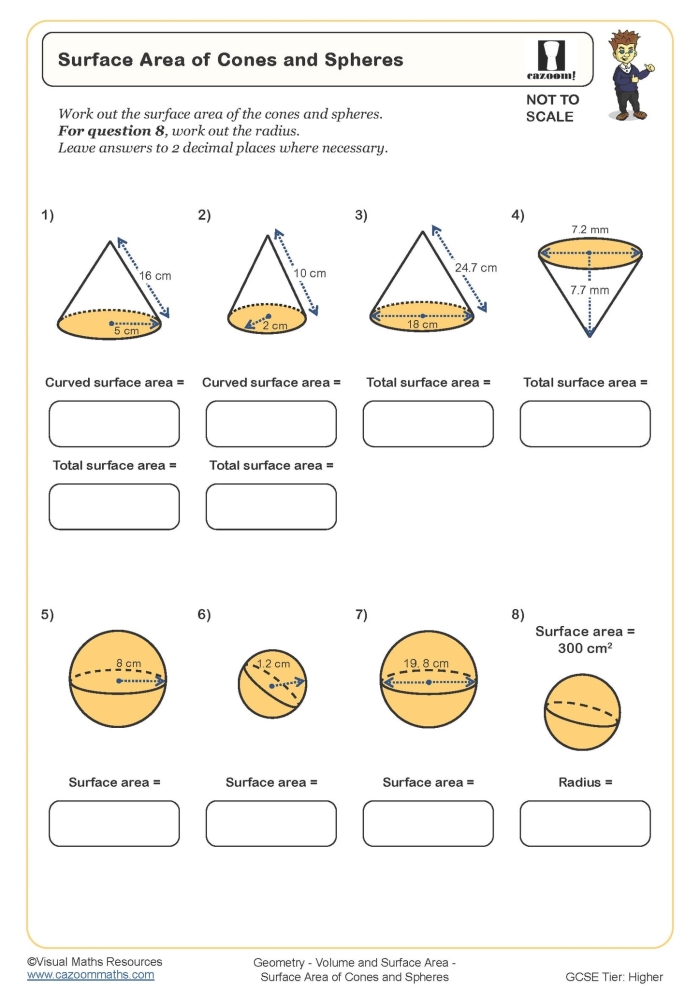
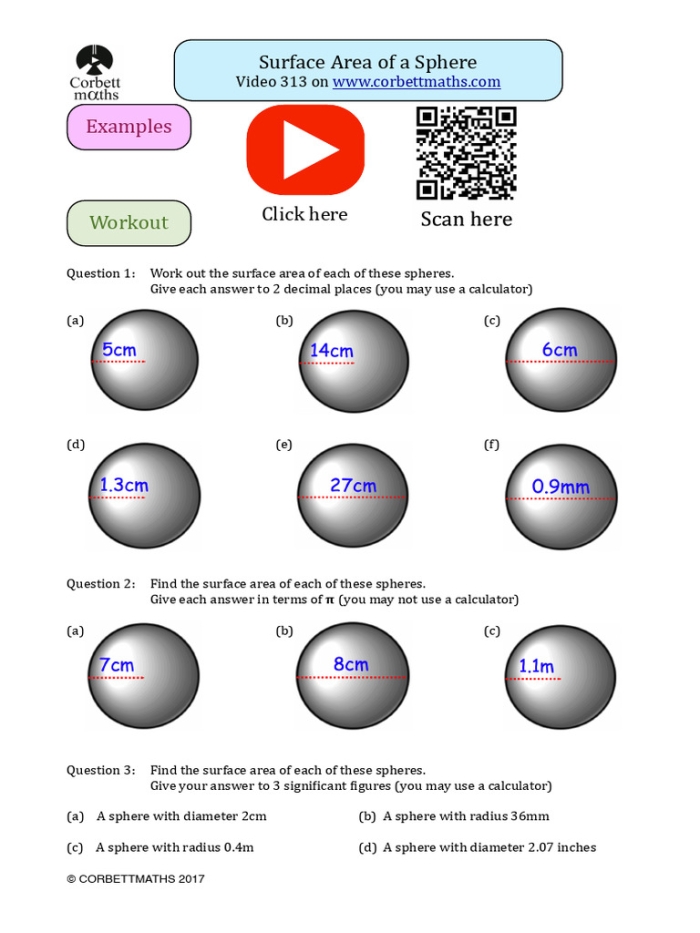
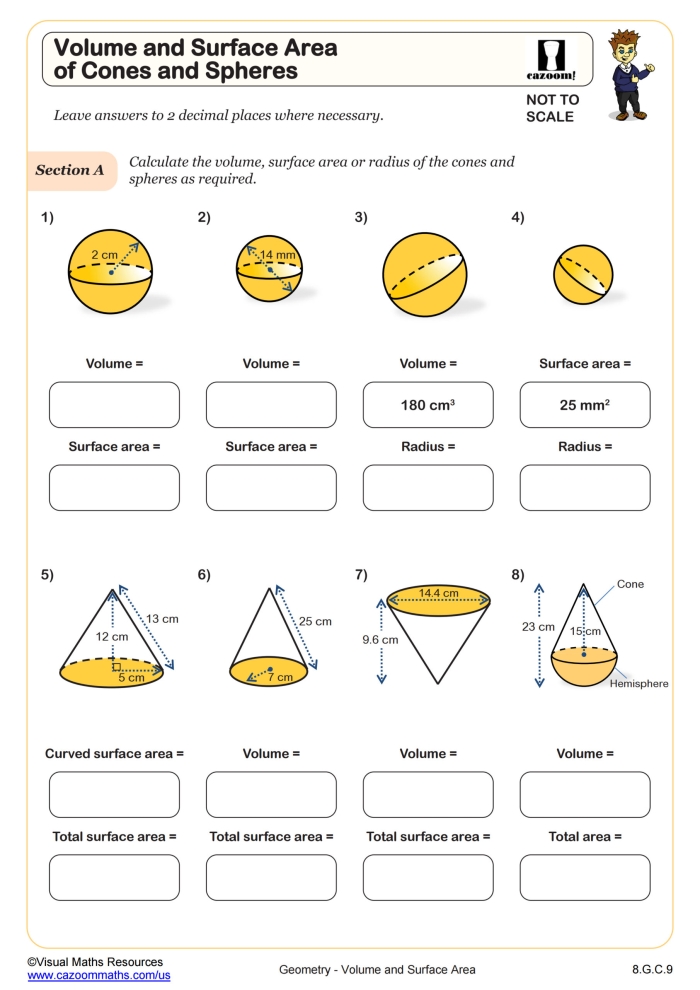
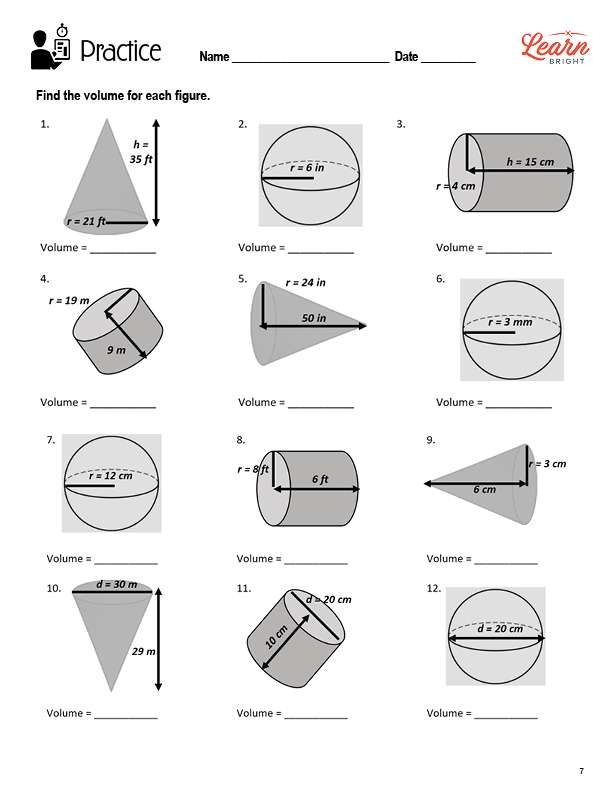
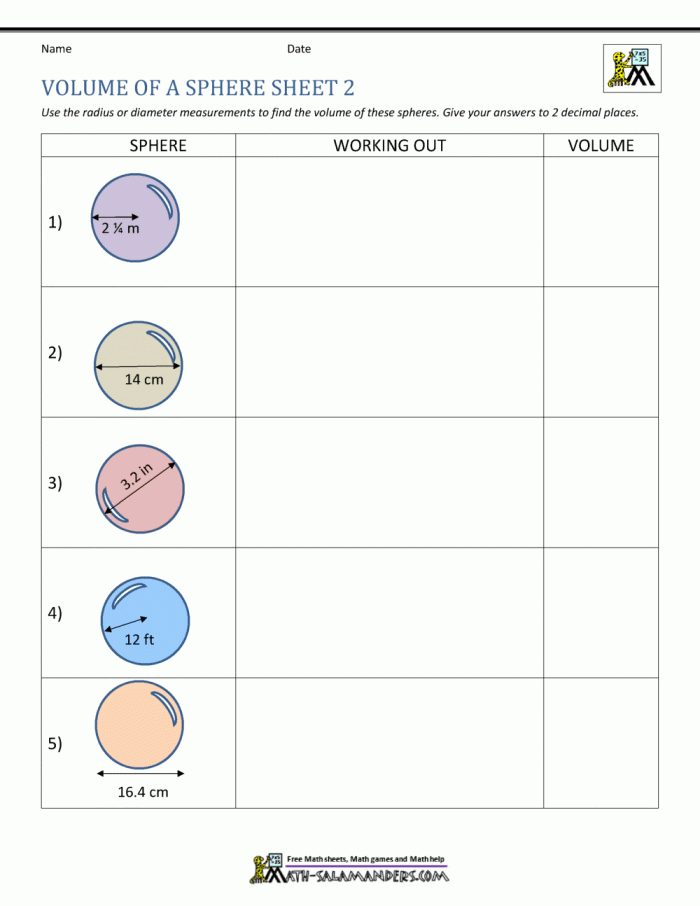
These geometry worksheets typically include 8 to 12 problems of varying difficulty, allowing teachers to assess whether students grasp the concept or need additional practice. Some problems give the radius directly, while others require students to find it from diameter first, adding that extra layer of problem-solving that strengthens their overall mathematical thinking.
Try These Printable Worksheets