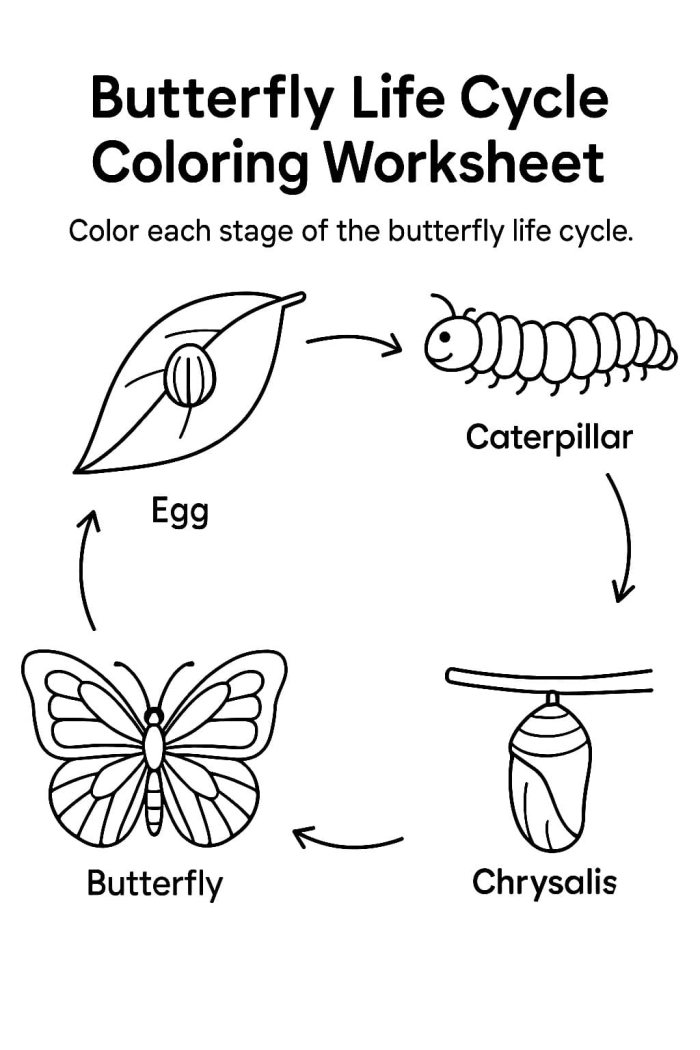
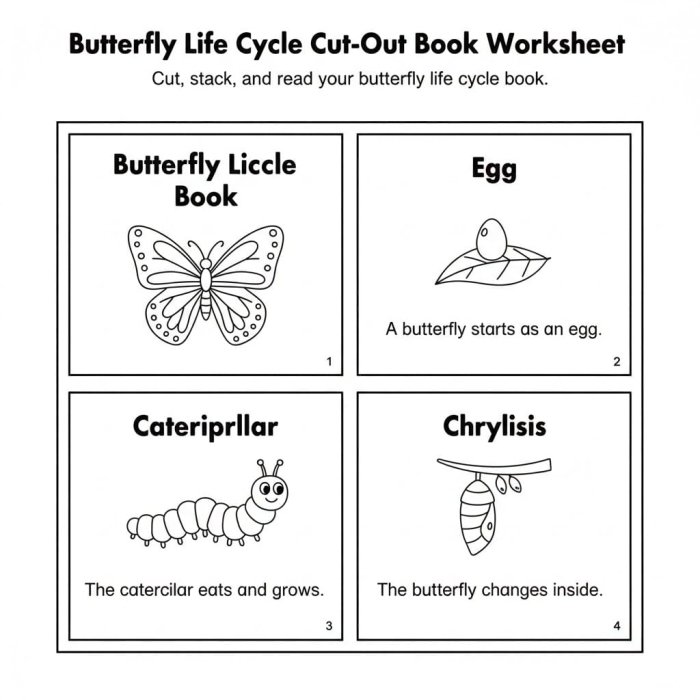
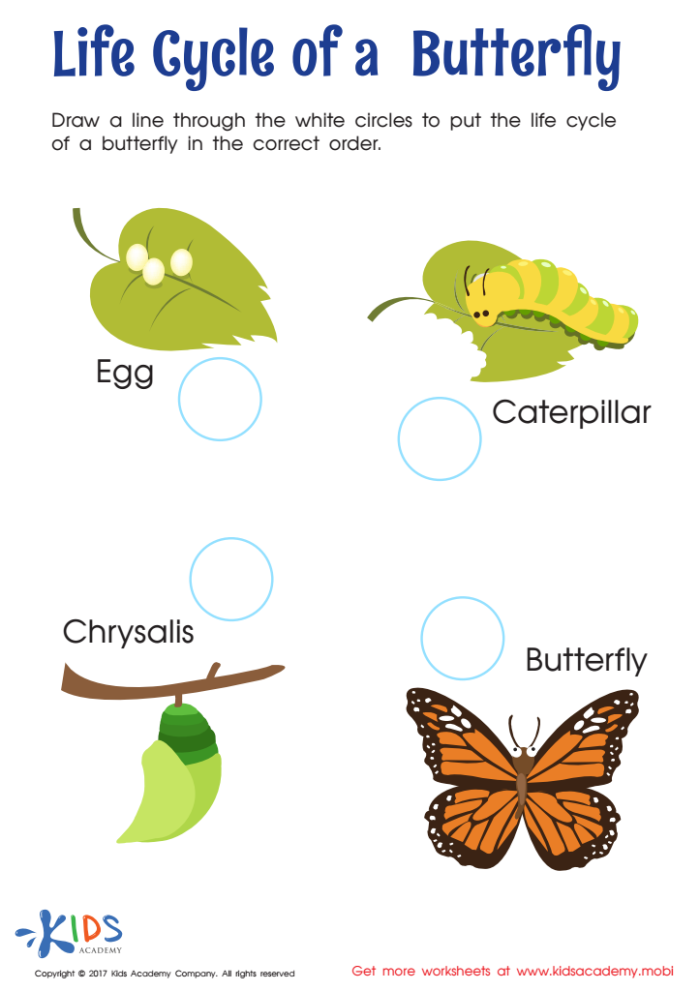
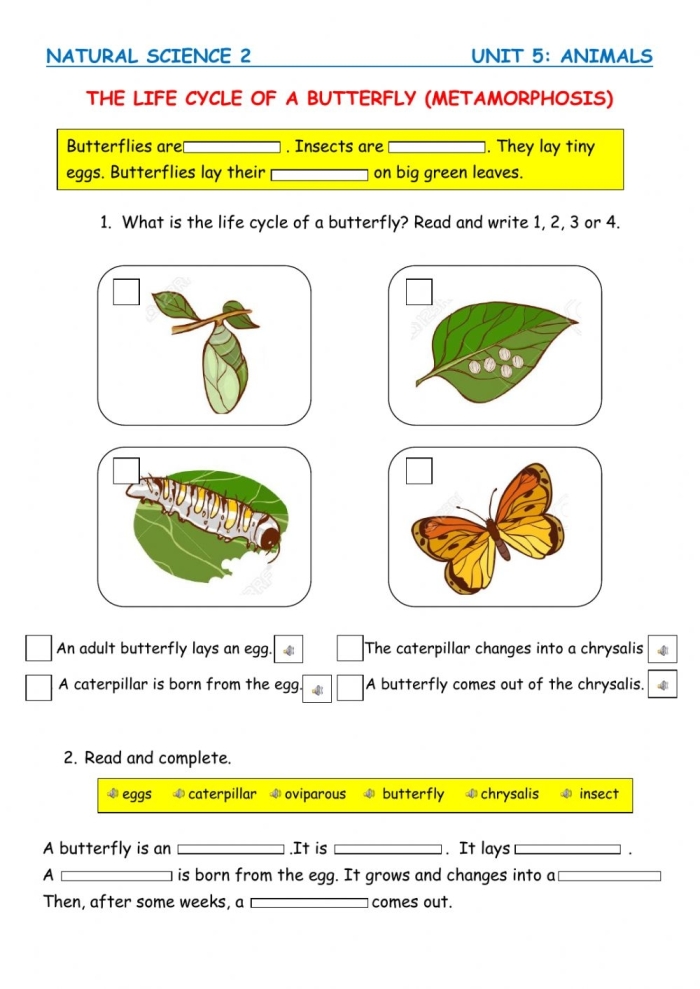
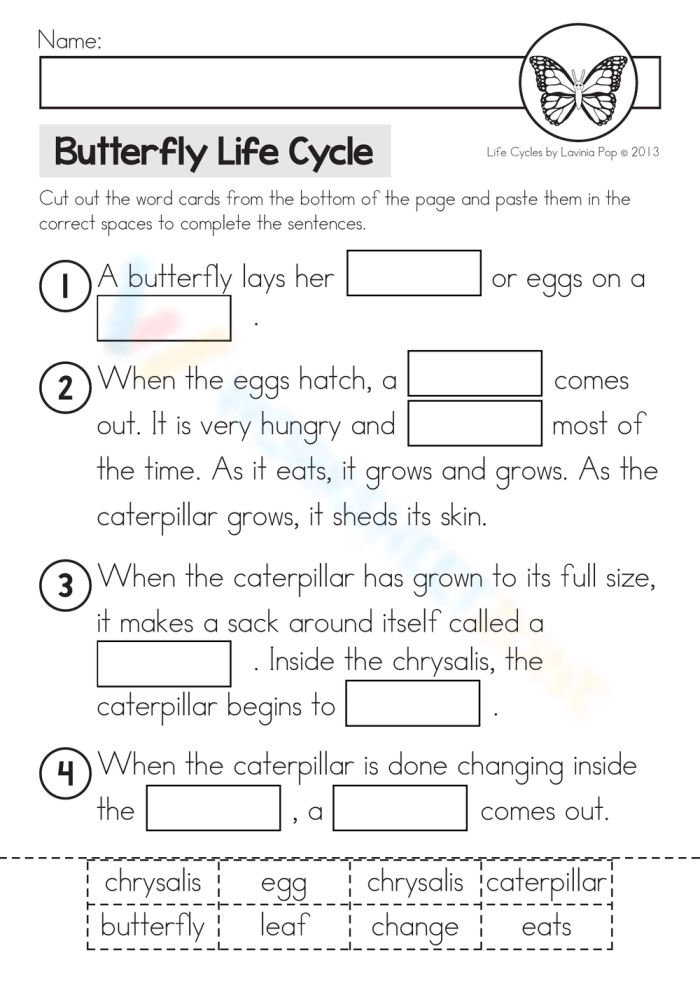
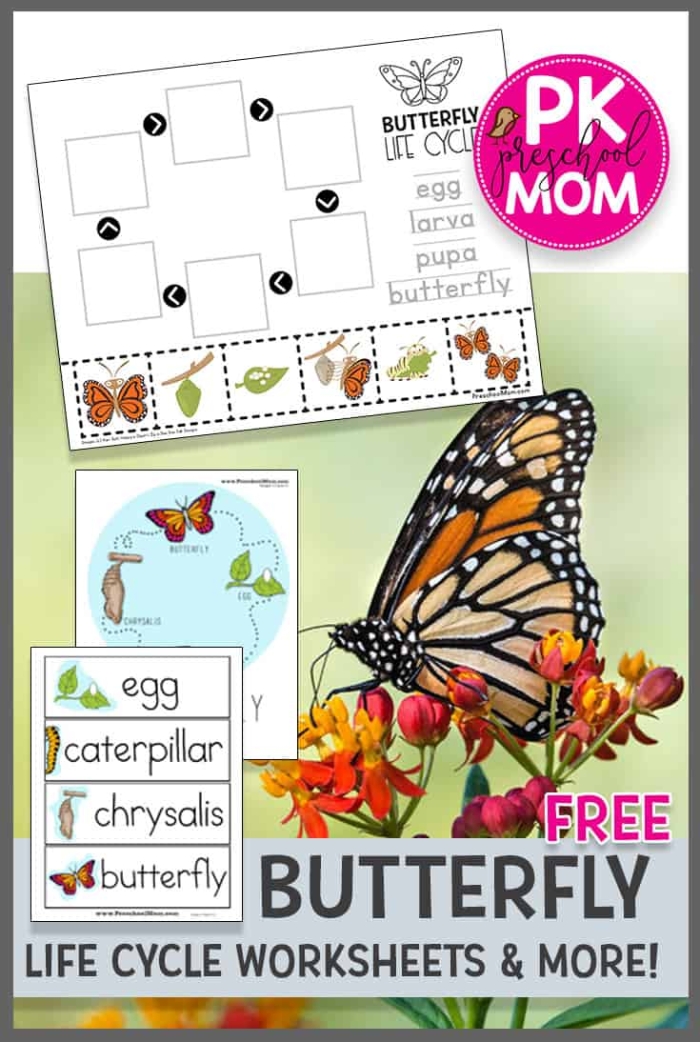
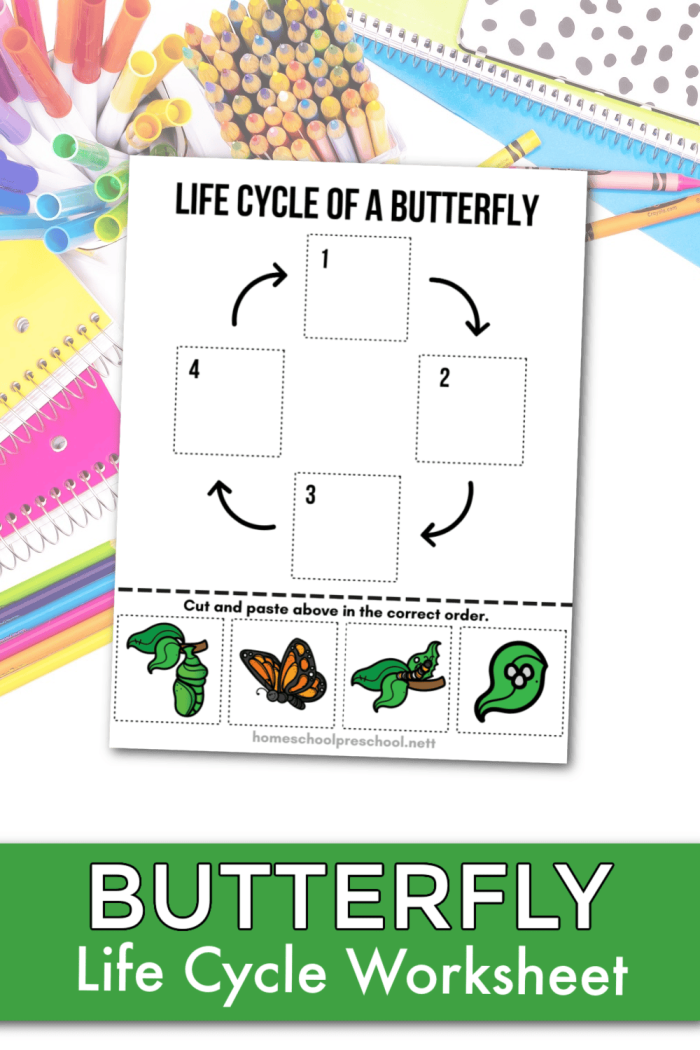
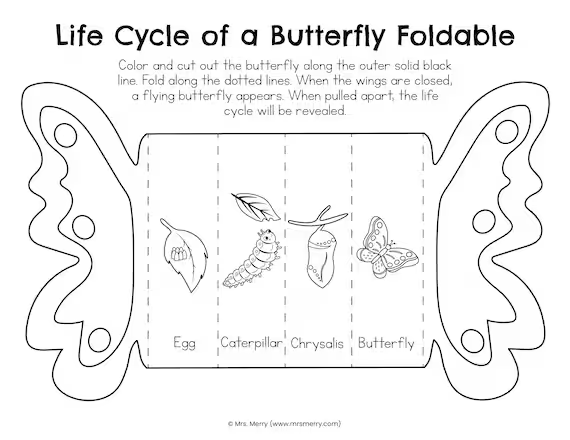
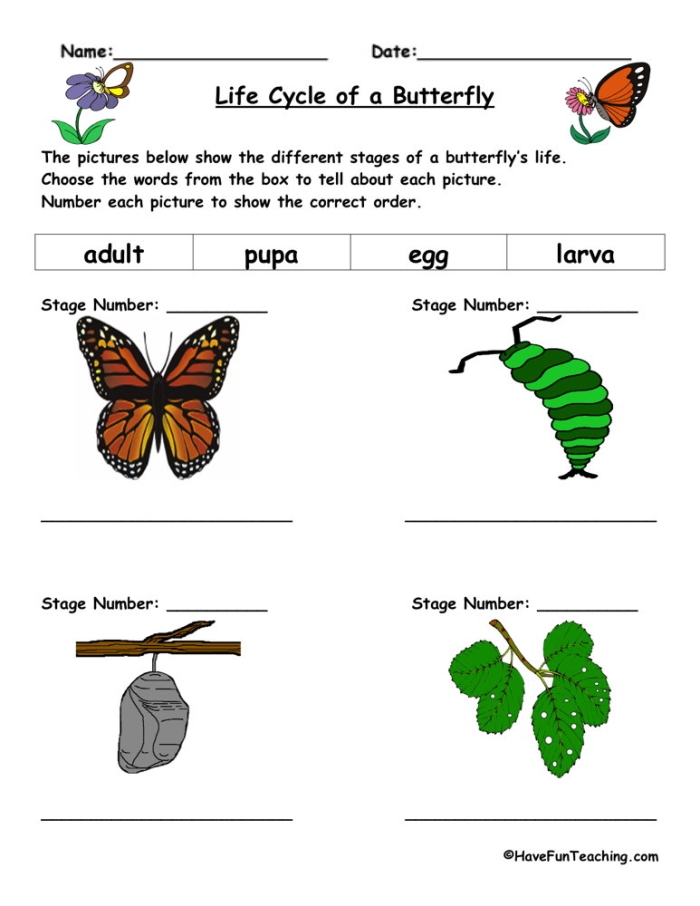
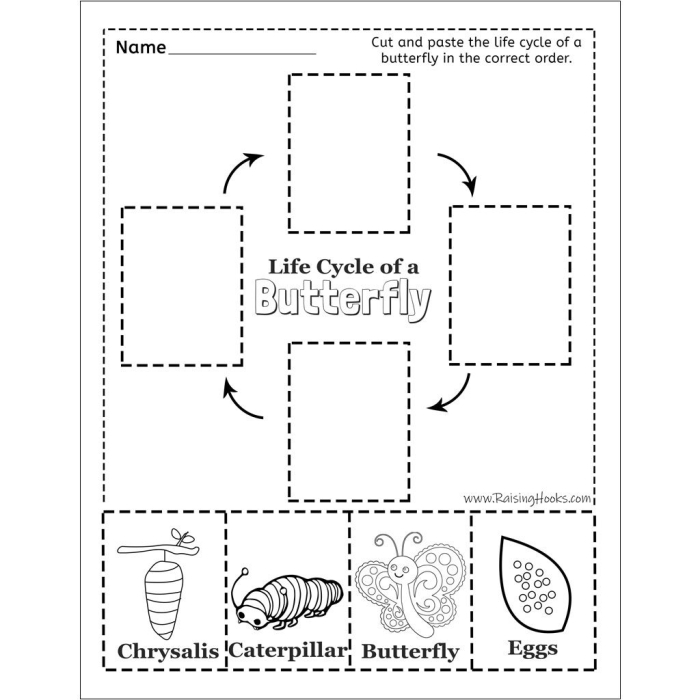
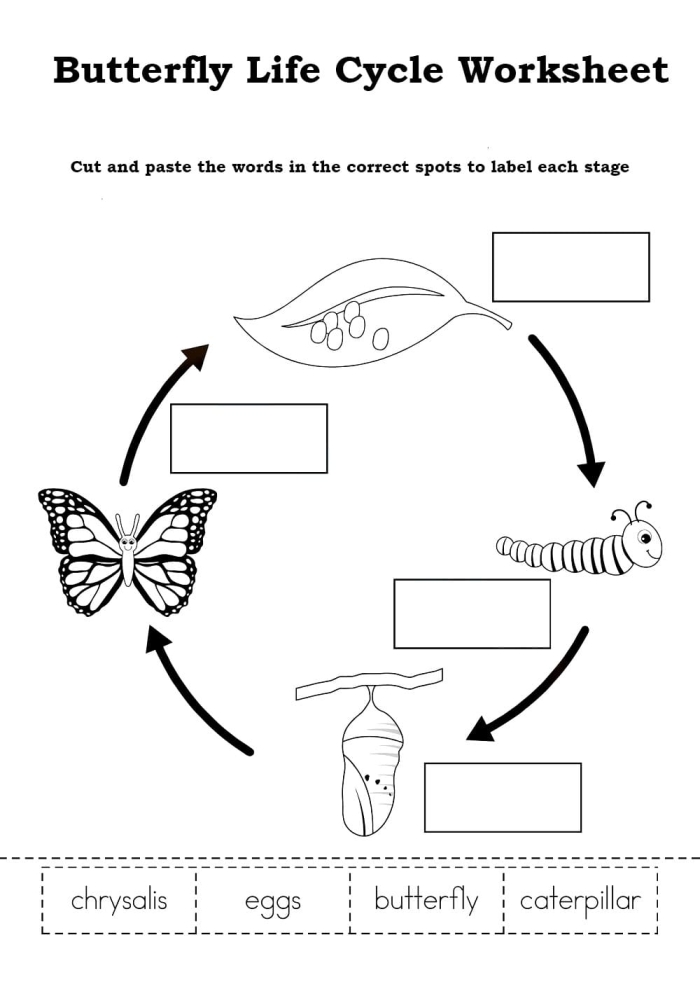
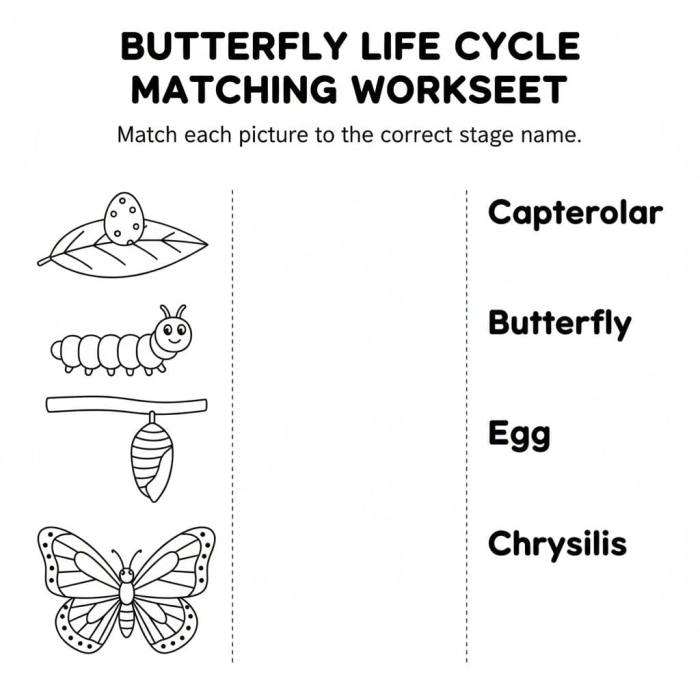
A butterfly’s vibrant wings seem to appear out of nowhere, but the truth is far more fascinating than magic. The transformation from a tiny egg to a winged insect happens through four distinct stages, each one building toward that spectacular final form. Understanding this process gives you insight into one of nature’s most reliable patterns.
Stage One: The Egg
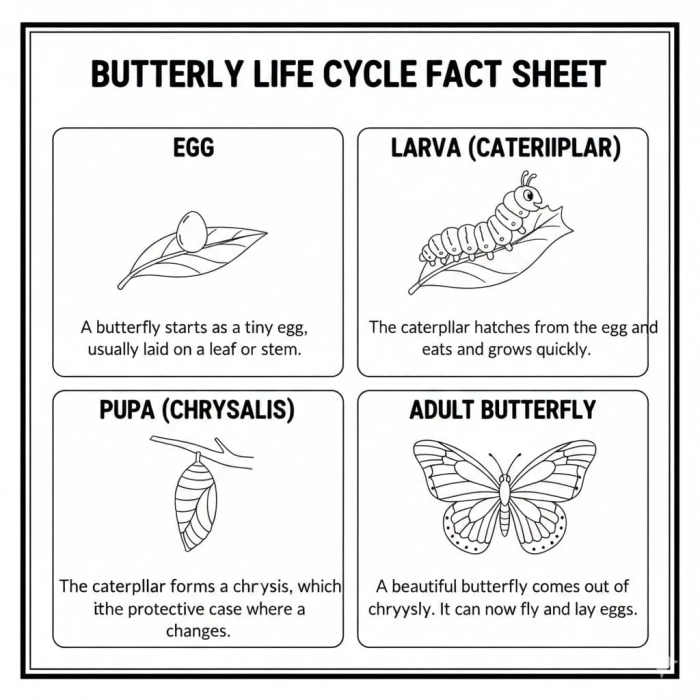
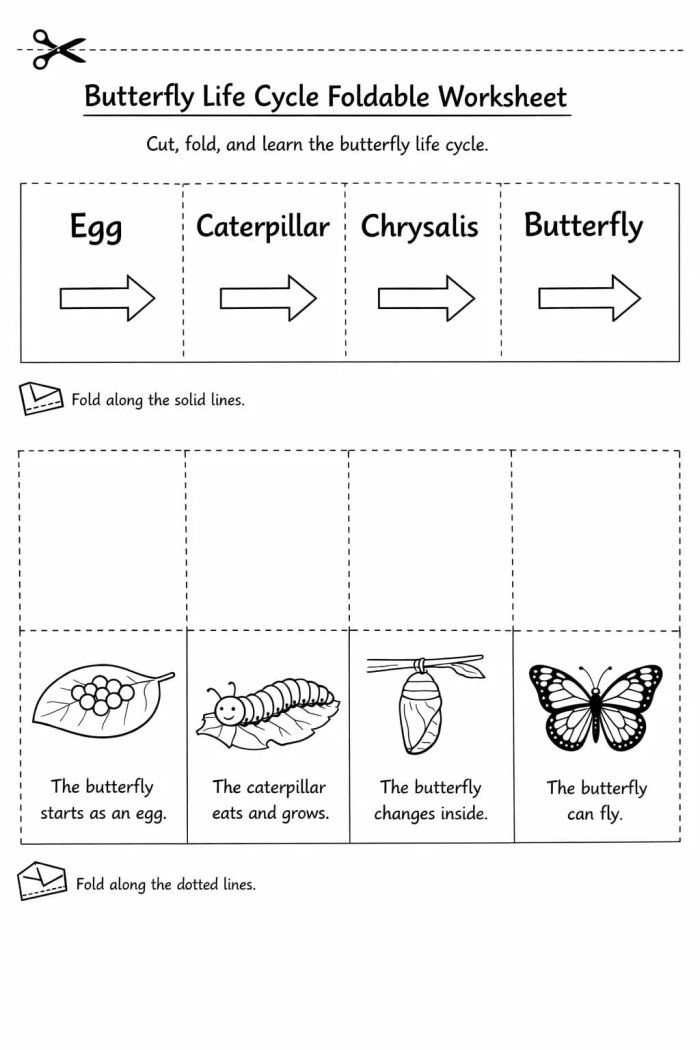
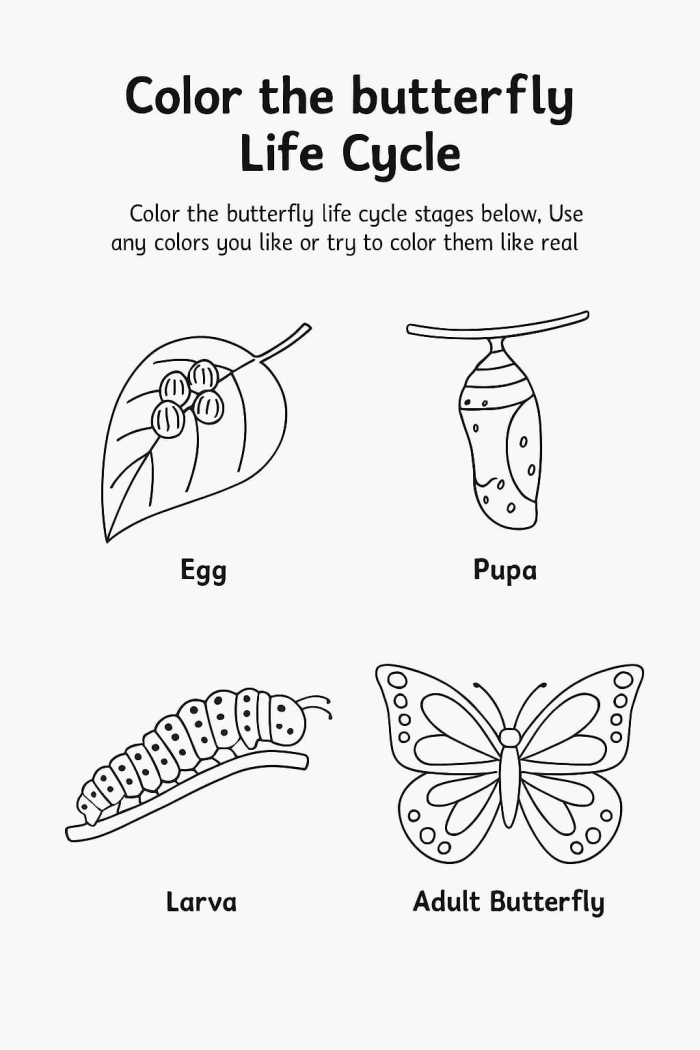
A butterfly’s life begins when a female lays eggs on a leaf, usually on a plant that will feed the emerging caterpillar. These eggs are incredibly small, often the size of a pinhead. The mother butterfly chooses the host plant carefully because the caterpillar that hatches will need to eat immediately. This stage lasts anywhere from three to five days before the next phase begins.
Stage Two: The Caterpillar
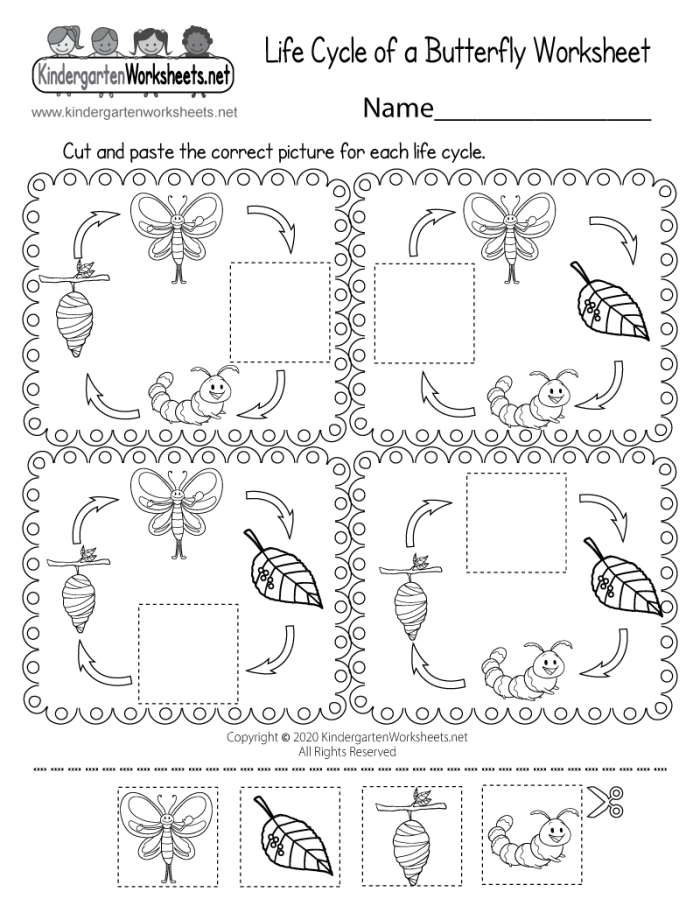
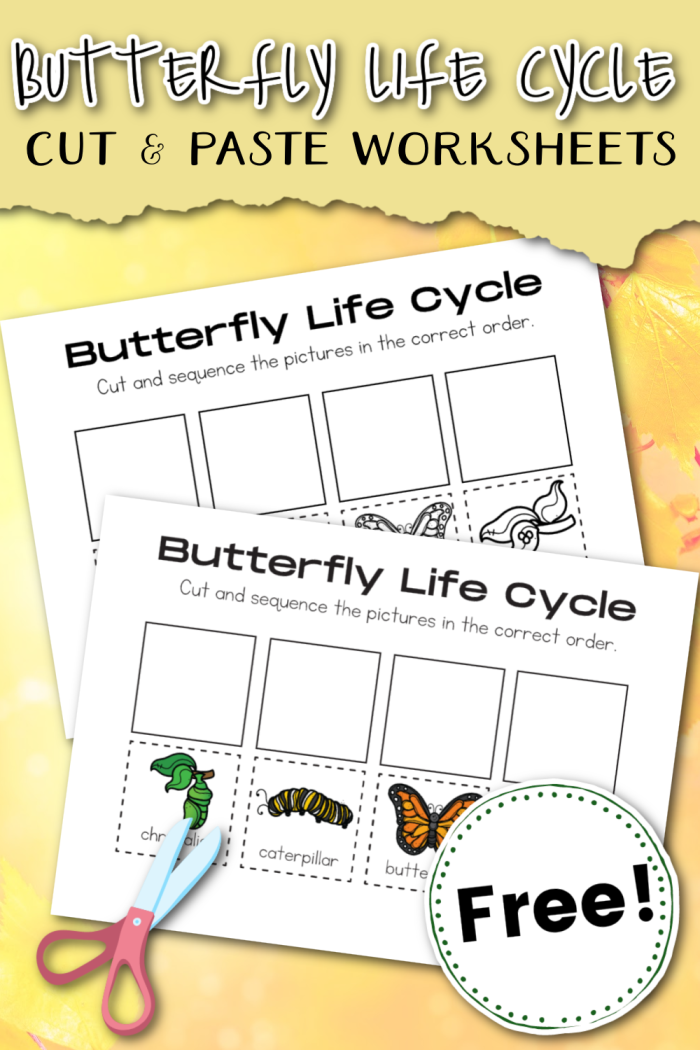
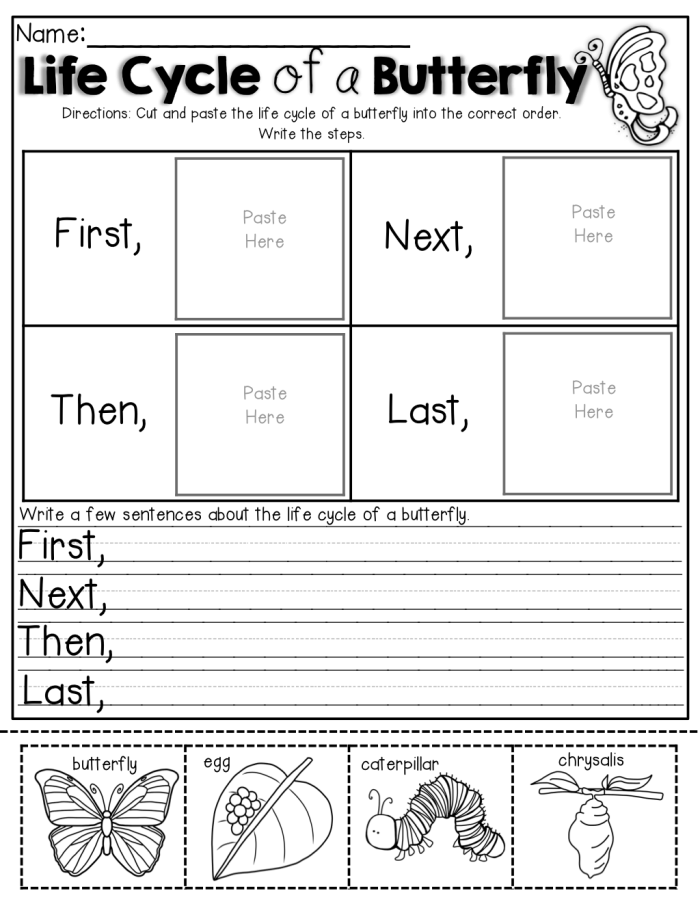
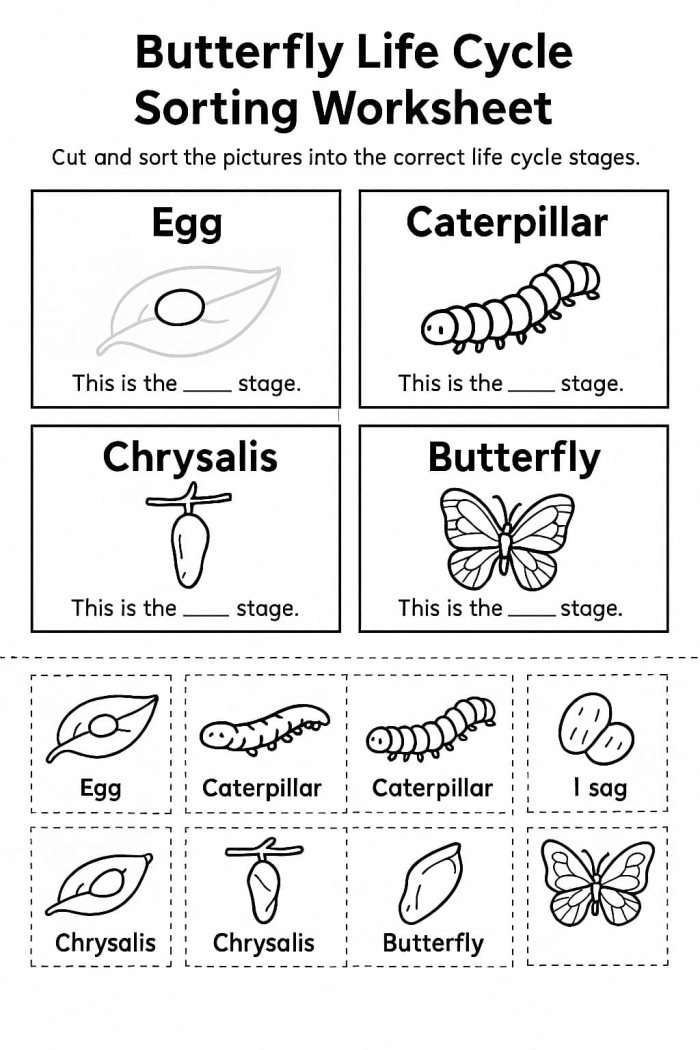
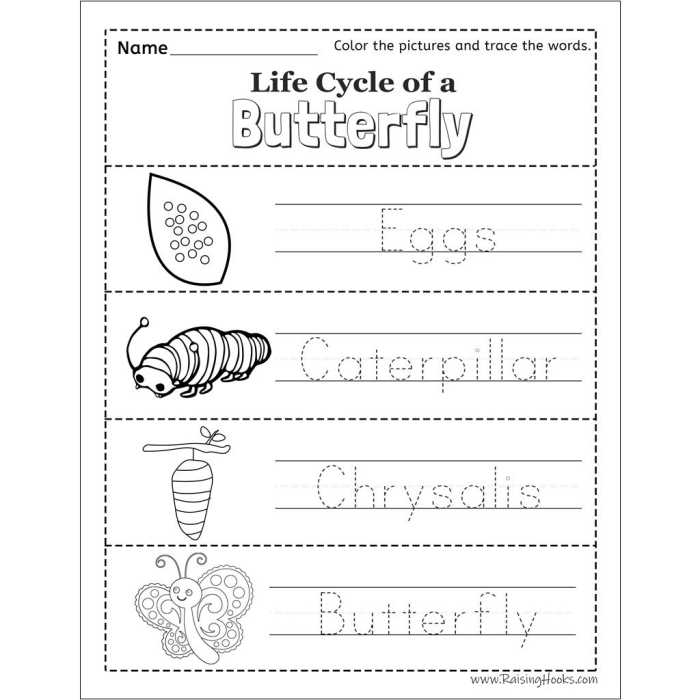
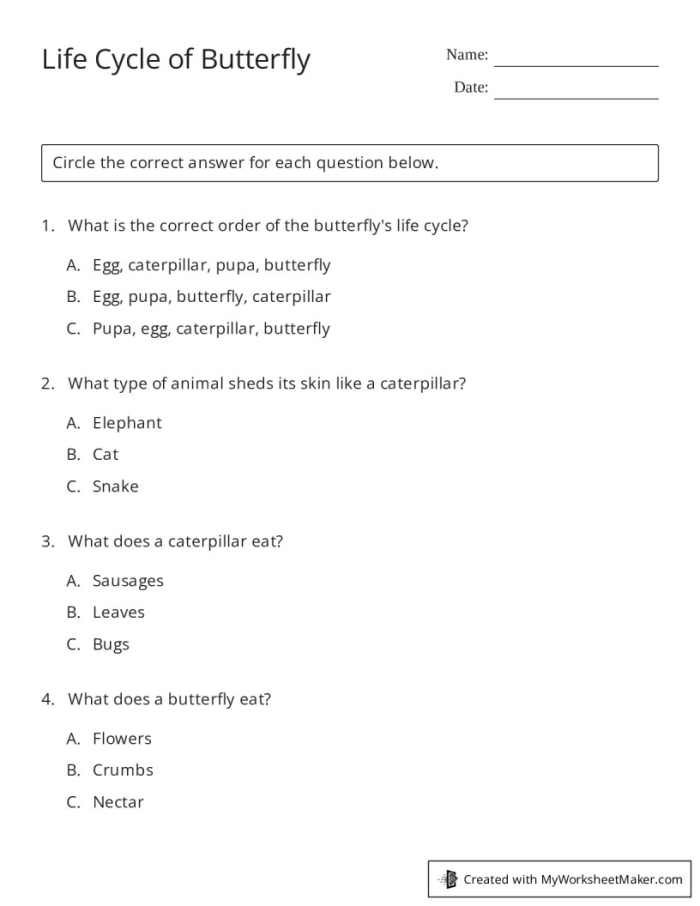
When the egg hatches, out comes a caterpillar, also called a larva. This stage is all about eating and growing. The caterpillar munches on leaves constantly, shedding its skin multiple times as it outgrows each version. This larval stage can last from two to five weeks, depending on the species and temperature. Teachers often use life cycle of a butterfly worksheets in second grade classrooms to help students track this rapid growth phase.
Stage Three: The Chrysalis
Once the caterpillar reaches full size, it forms a protective shell called a chrysalis or pupa. Inside this case, something remarkable happens. The caterpillar’s body completely reorganizes at the cellular level. Wings, antennae, and a completely different body structure develop over one to two weeks. This stage is the hidden masterpiece where all the beauty gets constructed.
Stage Four: The Butterfly
When the chrysalis opens, a wet butterfly emerges. Its wings are crumpled and fragile at first. The butterfly pumps fluid into its wings to expand them and lets them dry in the sun. Within a few hours, those magnificent wings are ready to fly. The entire cycle, from egg to adult butterfly, takes roughly one month.
Young learners can reinforce their understanding of this process through hands-on activities. Exploring freshwater habitat coloring exercises alongside butterfly studies helps second grade students see how insects fit into larger ecosystems. The beauty of a butterfly isn’t accidental, it’s the result of a carefully timed biological process that repeats thousands of times across nature every single day.
Practice with These Worksheets