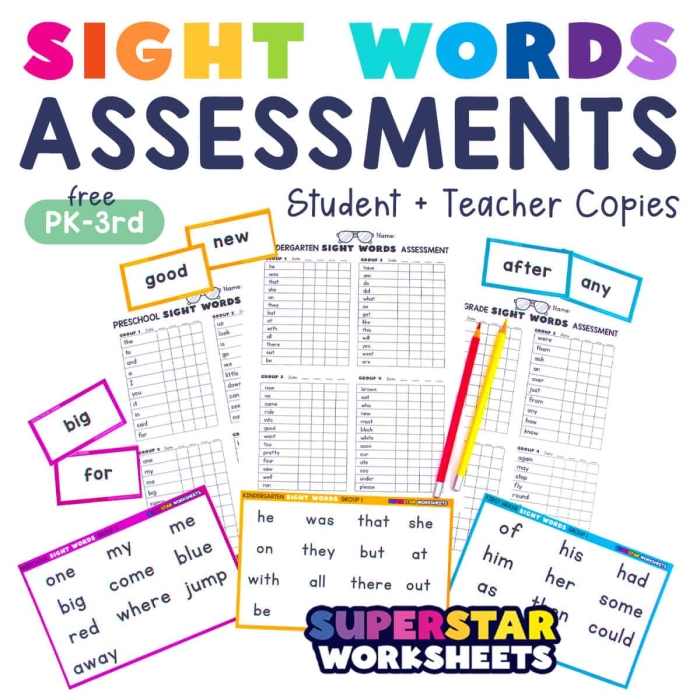
Kindergarteners genuinely love to learn, and their enthusiasm for reading is one of the most rewarding parts of early childhood education. When you observe a five-year-old recognizing a word they’ve seen before, their face lights up with genuine pride. That moment of recognition is exactly what you’re building toward with sight word instruction, and it’s the foundation for all future reading success.
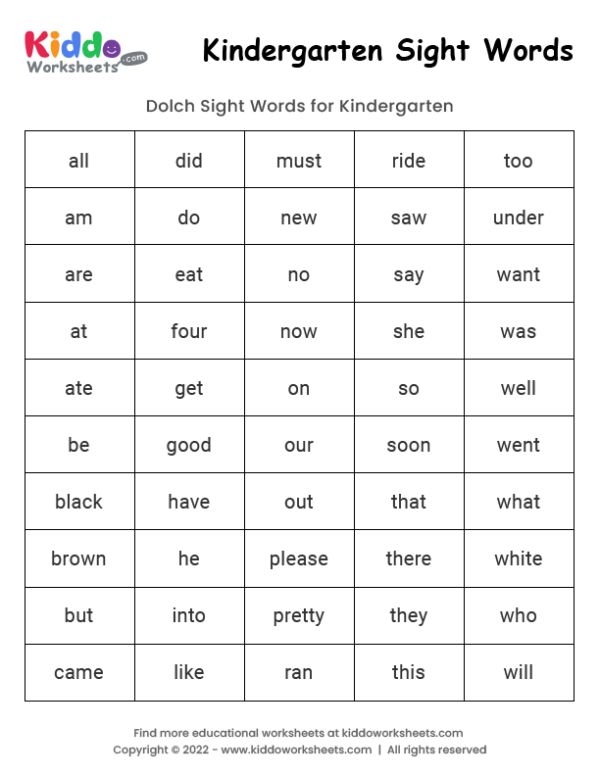
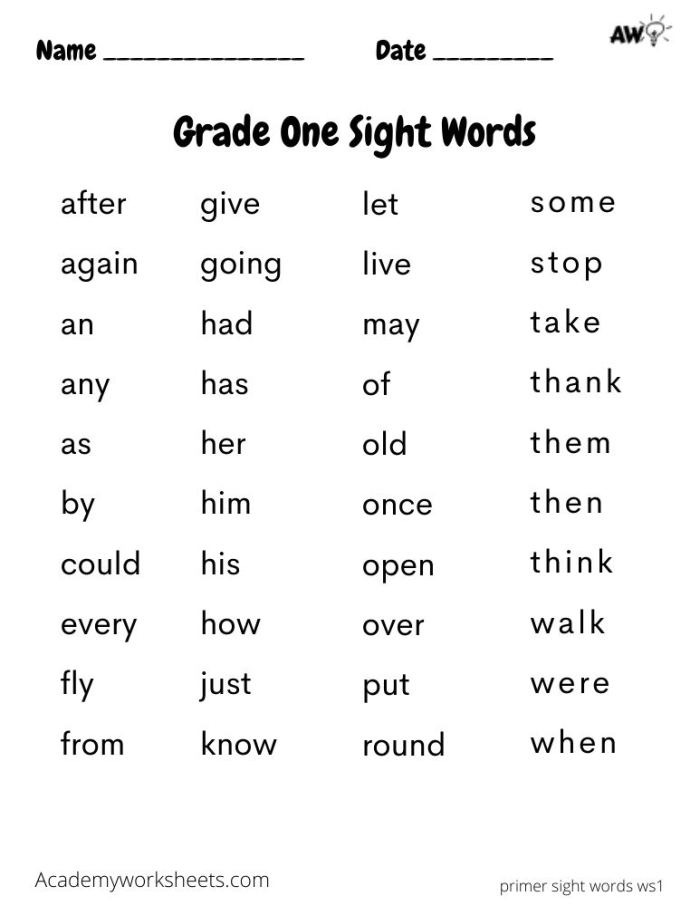
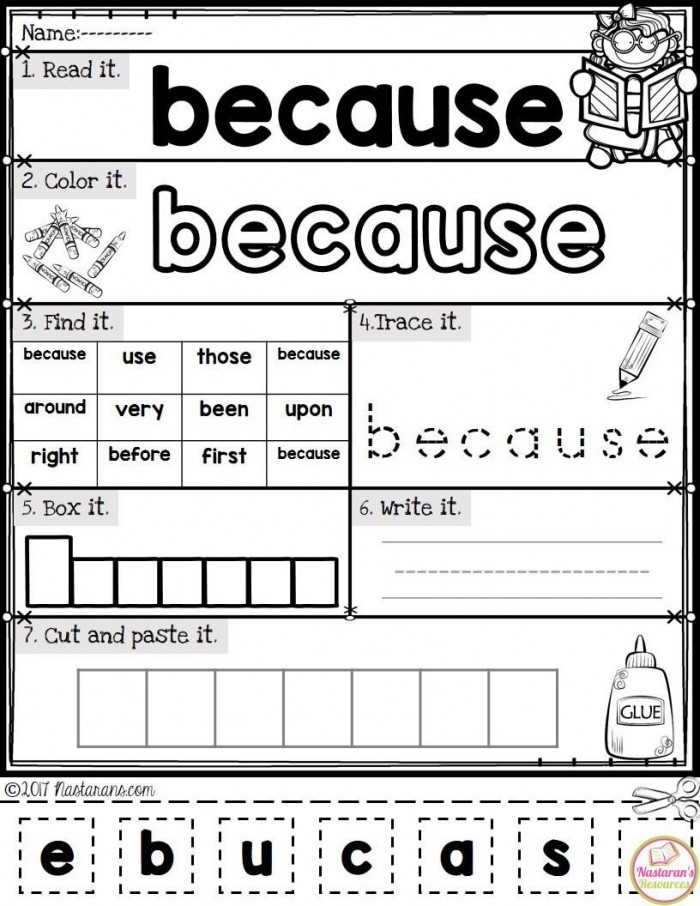
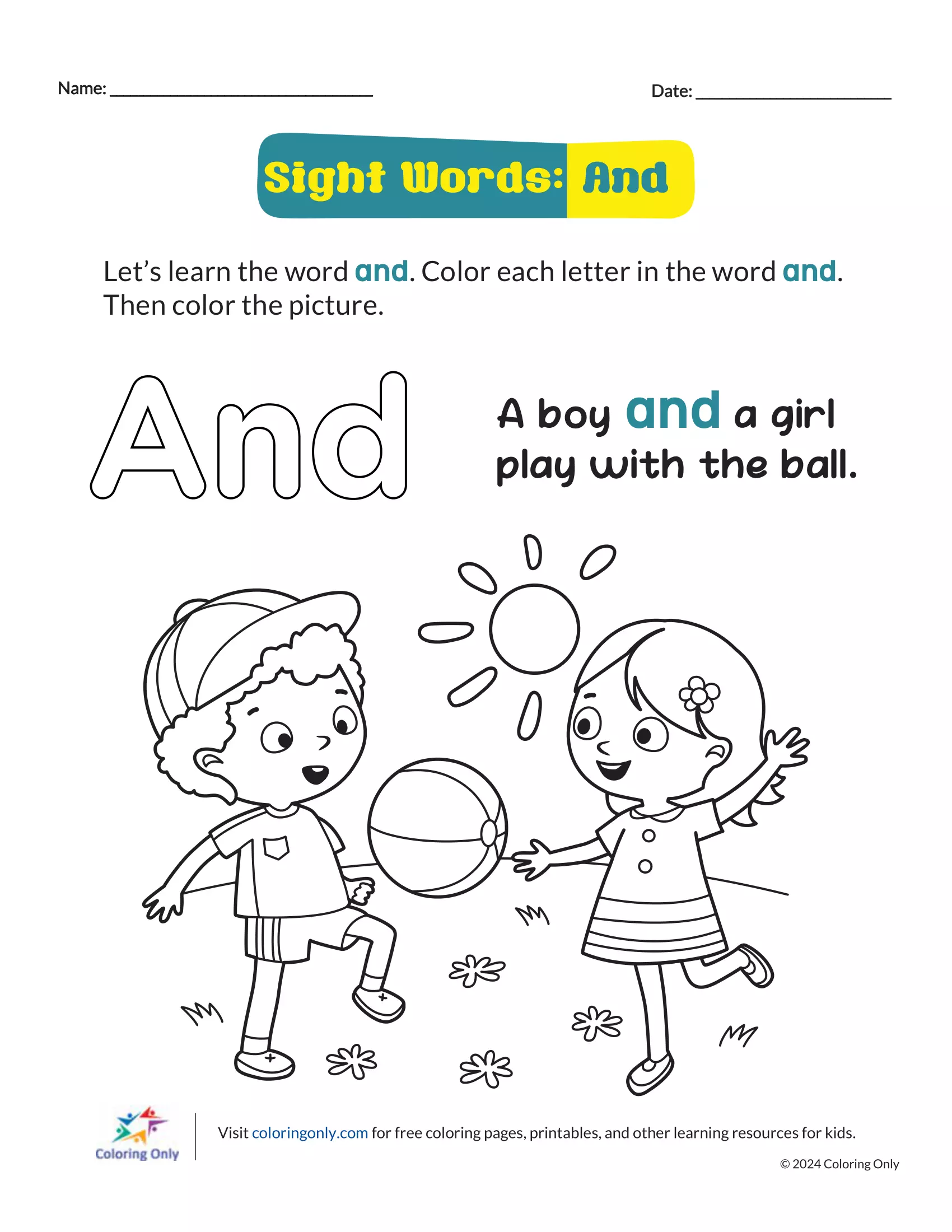
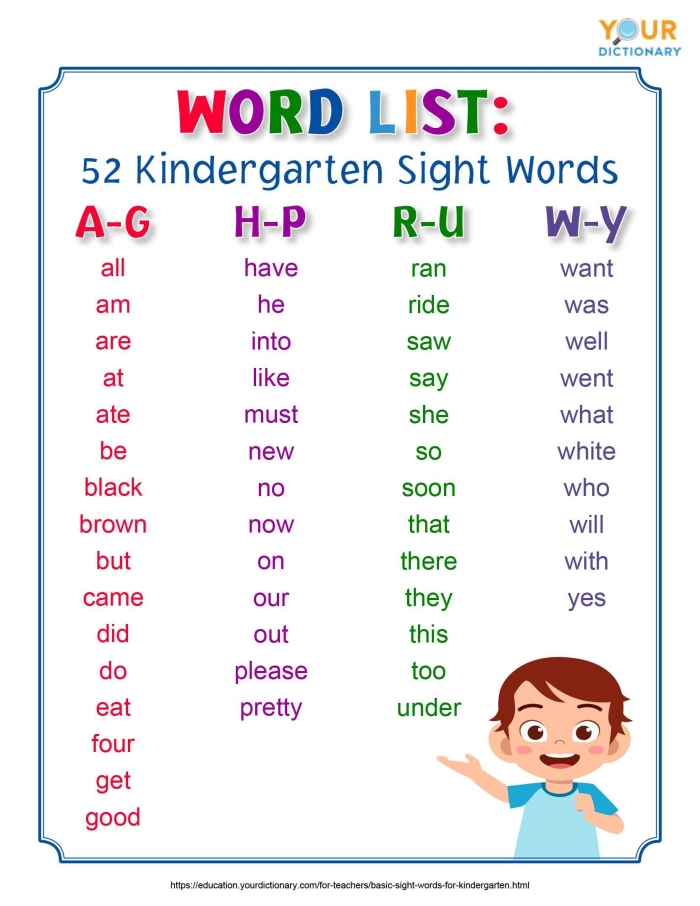
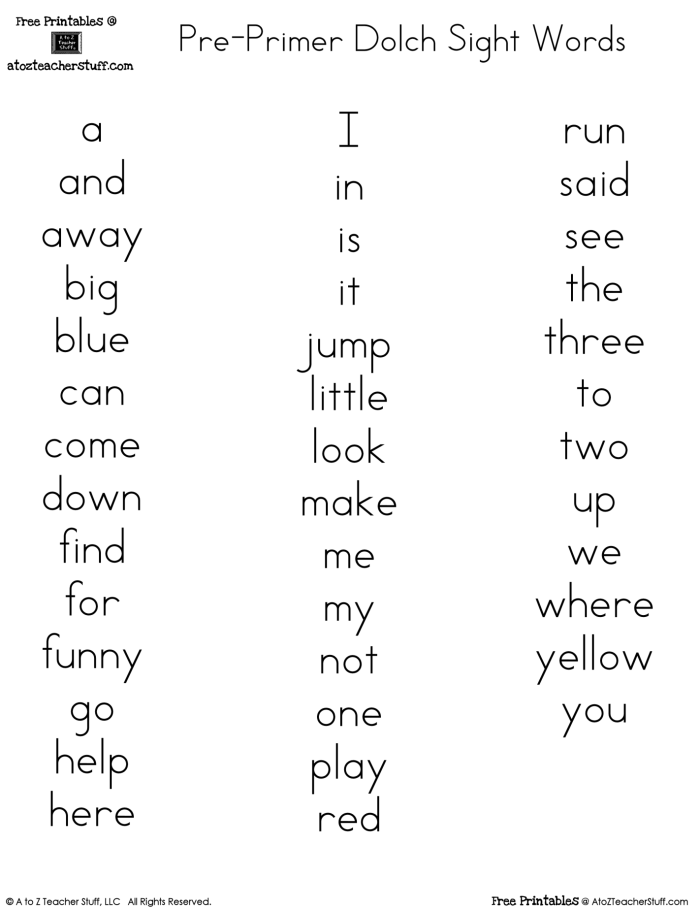
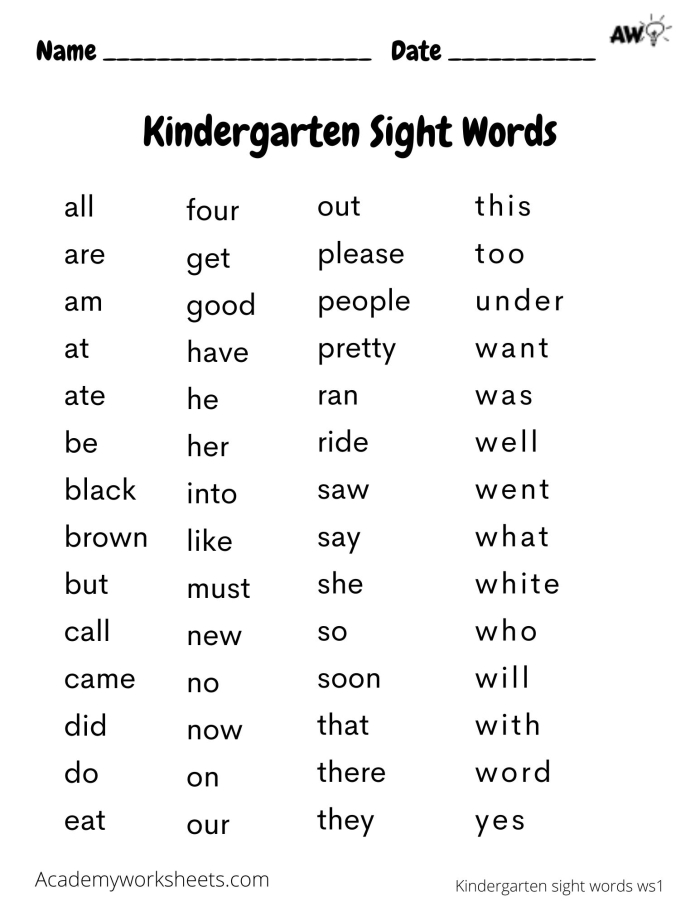
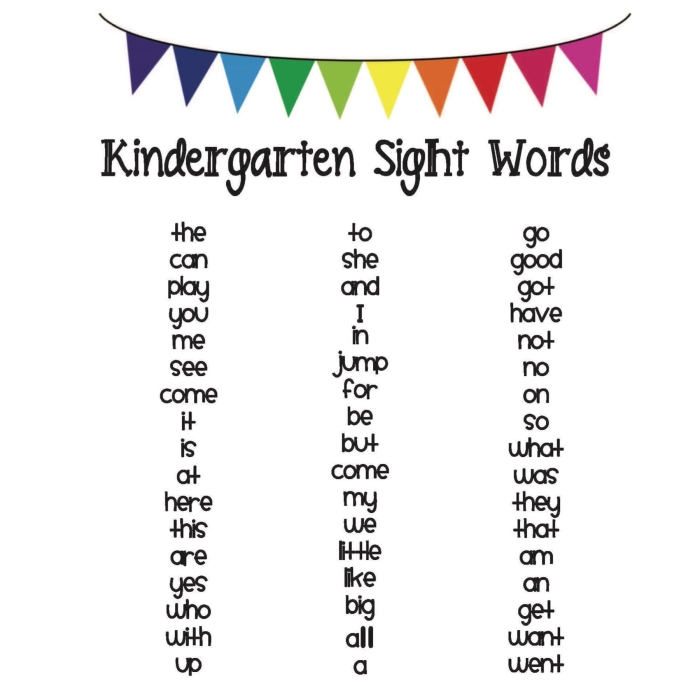
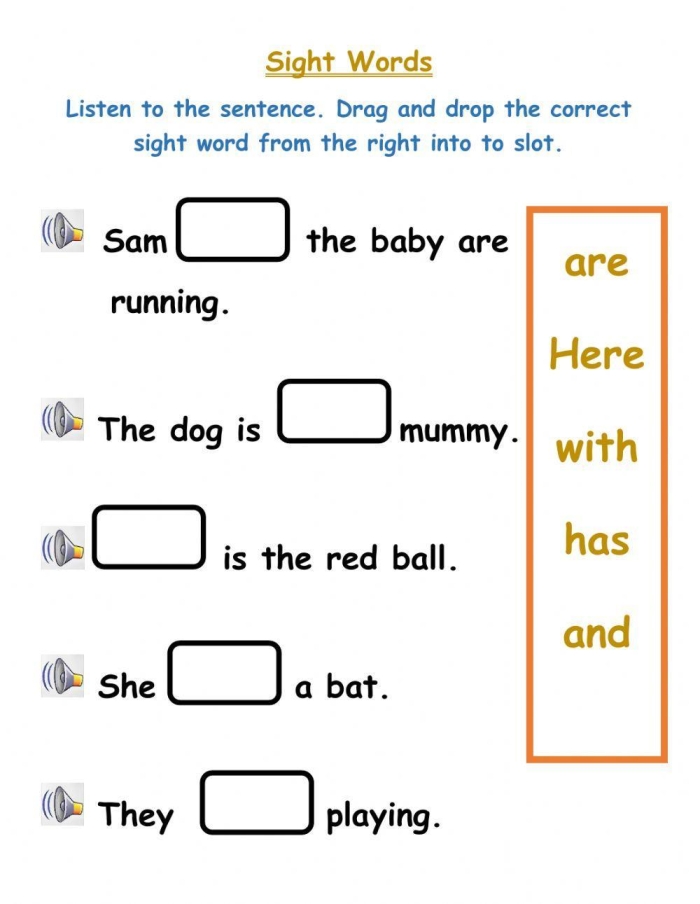
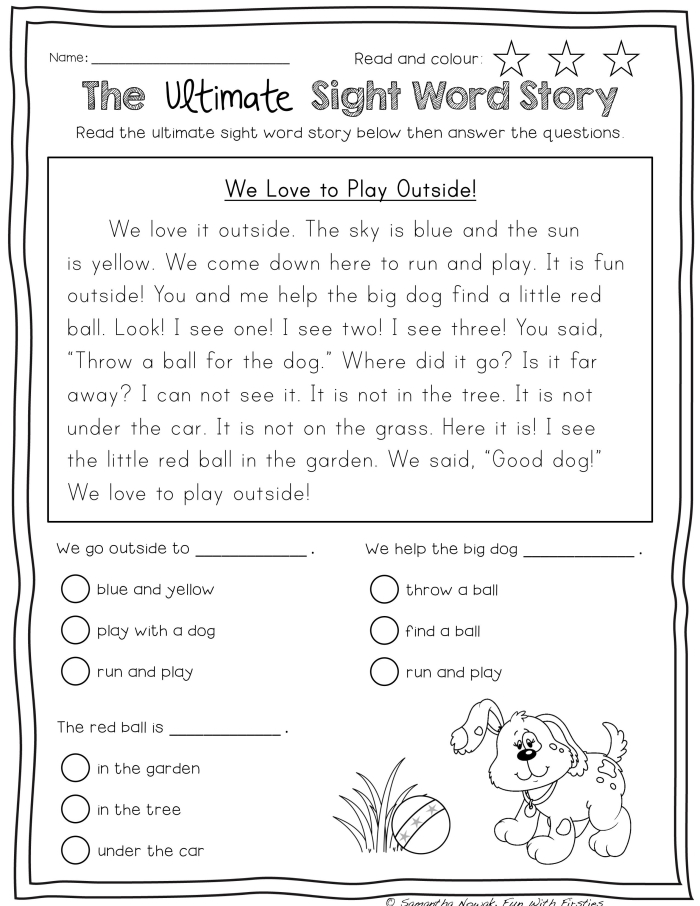
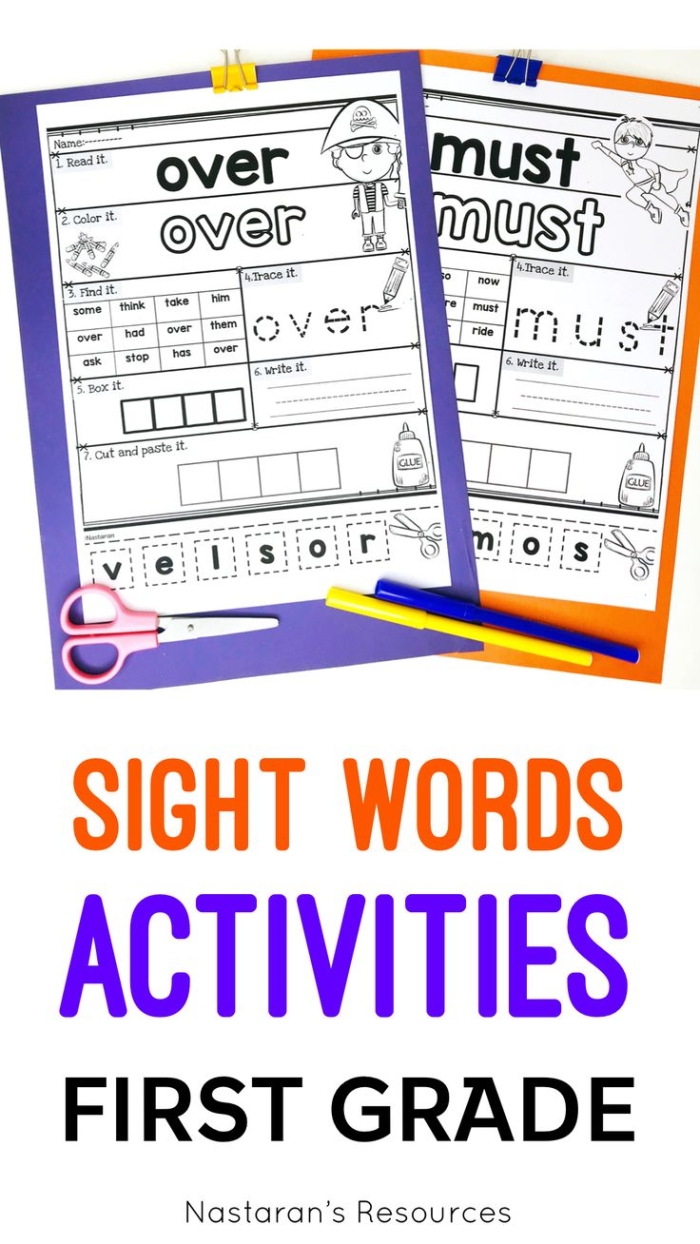
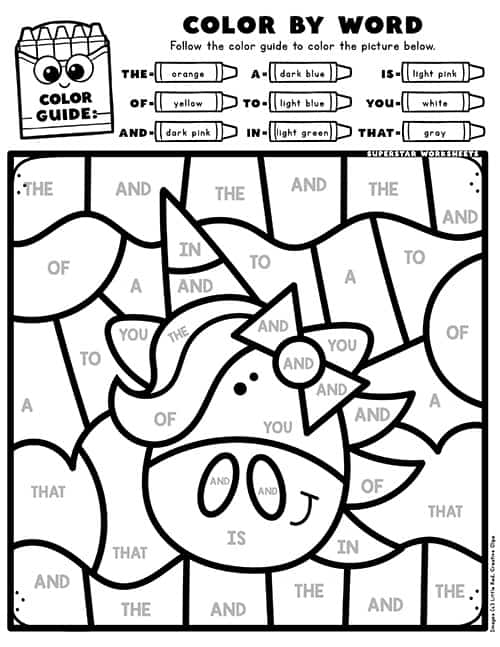
Sight words are the high-frequency words that appear constantly in children’s books and everyday text. These are words like “the,” “and,” “is,” and “to,” which don’t follow standard phonetic patterns and simply need to be memorized. Most kindergarten curricula focus on about 50 of these essential words, and assessing your students’ progress with these words gives you concrete data about their reading development.
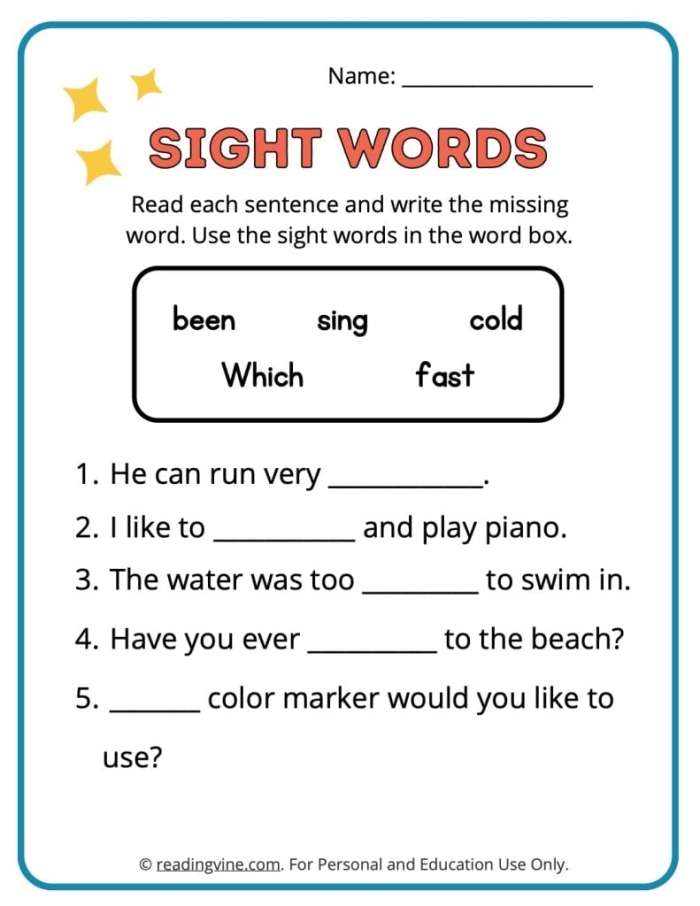
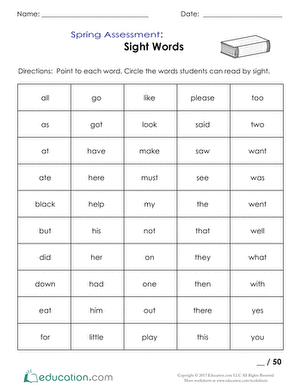
A printable spring assessment sheet for sight words serves multiple purposes in your classroom. First, it provides a quick snapshot of which students have mastered the words and which ones need additional practice. Second, it gives you documentation to share with parents during conferences, showing exactly where their child stands. Third, it helps you differentiate instruction by grouping students with similar needs together for targeted practice.
When administering the assessment, sit with each student individually and have them read the words aloud. This takes only a few minutes per child but gives you far more information than a written test would. You’ll notice which words they recognize instantly, which ones they attempt to sound out, and which ones they skip entirely.
The beauty of assessing in spring is that you can see the full year’s growth from fall to this midpoint. Students who struggled in September often surprise you with their progress. Use these results to adjust your instruction for the final stretch of kindergarten, ensuring every child builds confidence in their emerging reading abilities.
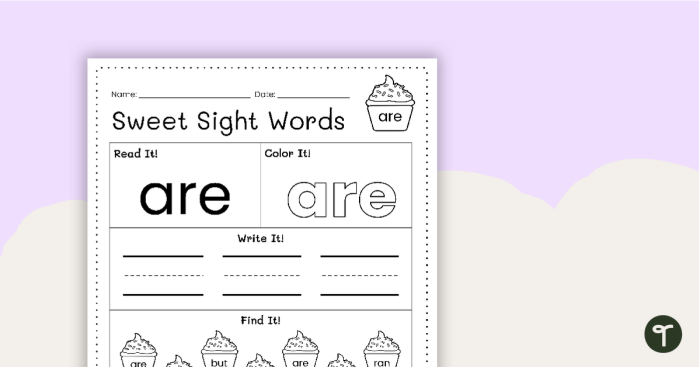
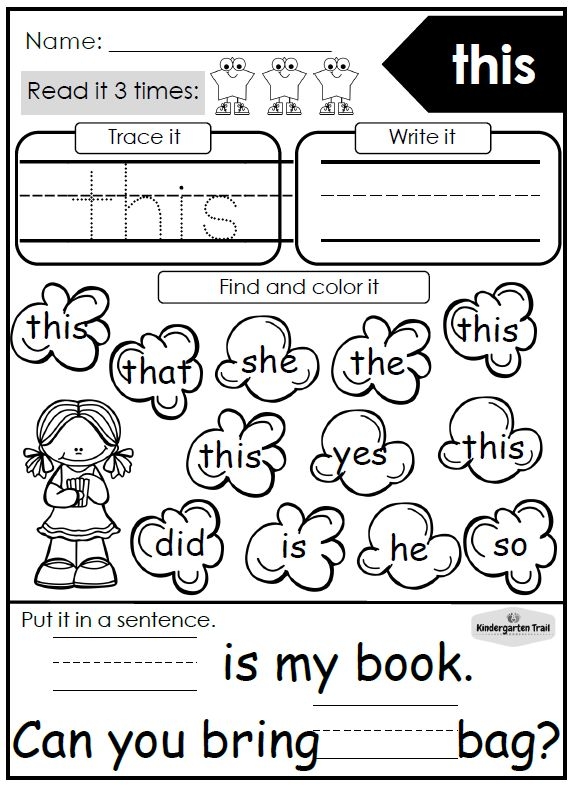
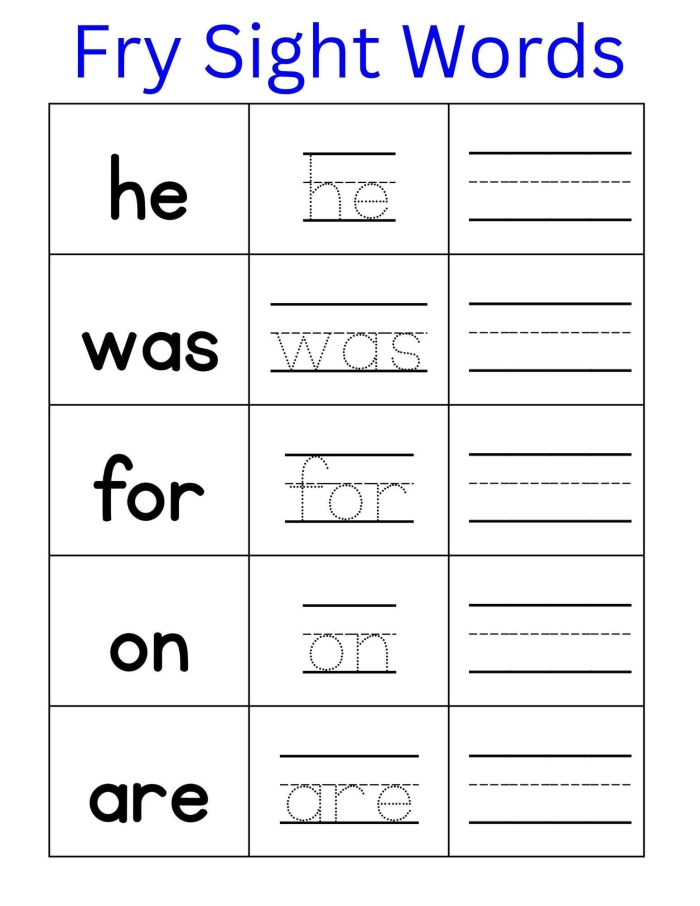
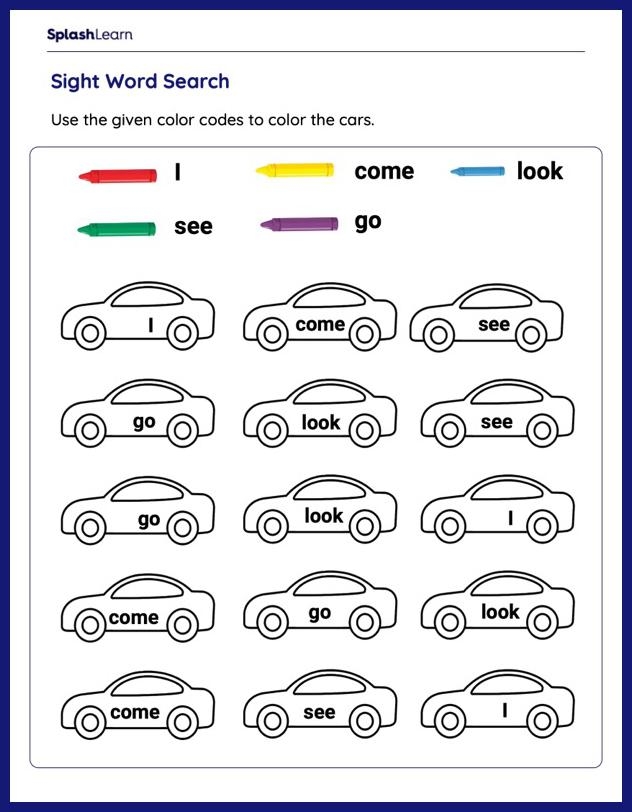
Boost Skills with These Worksheets