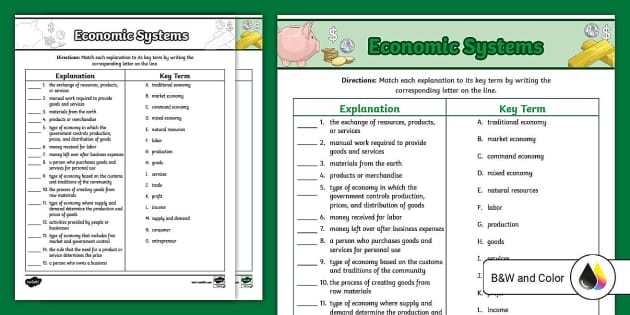
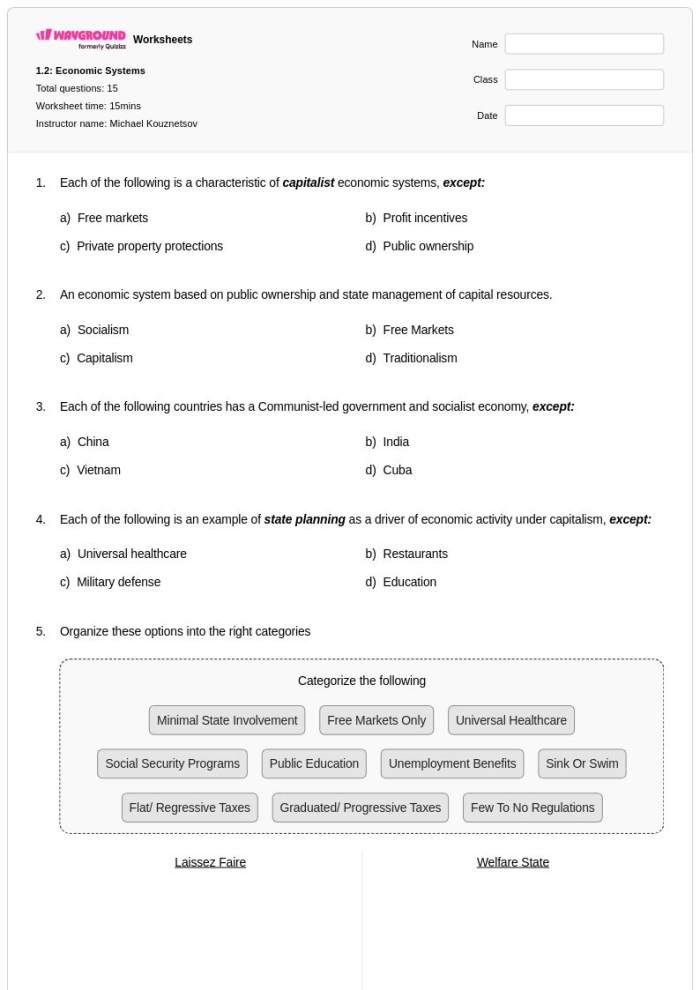
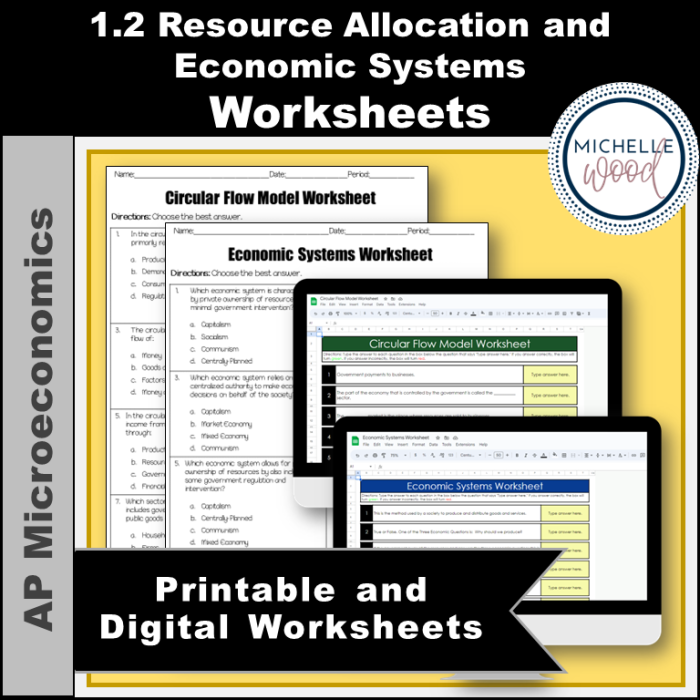
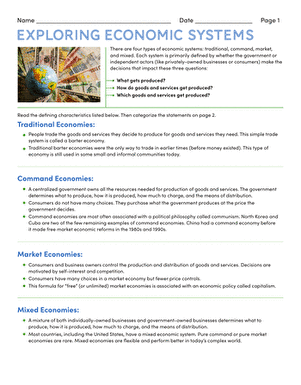
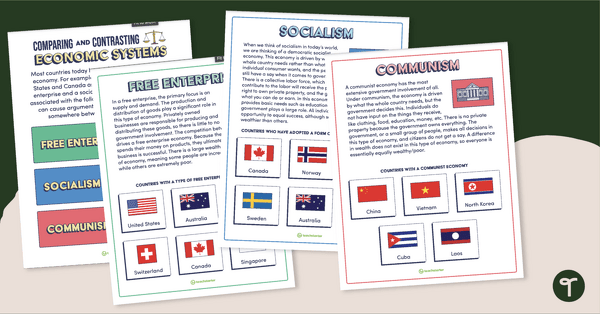
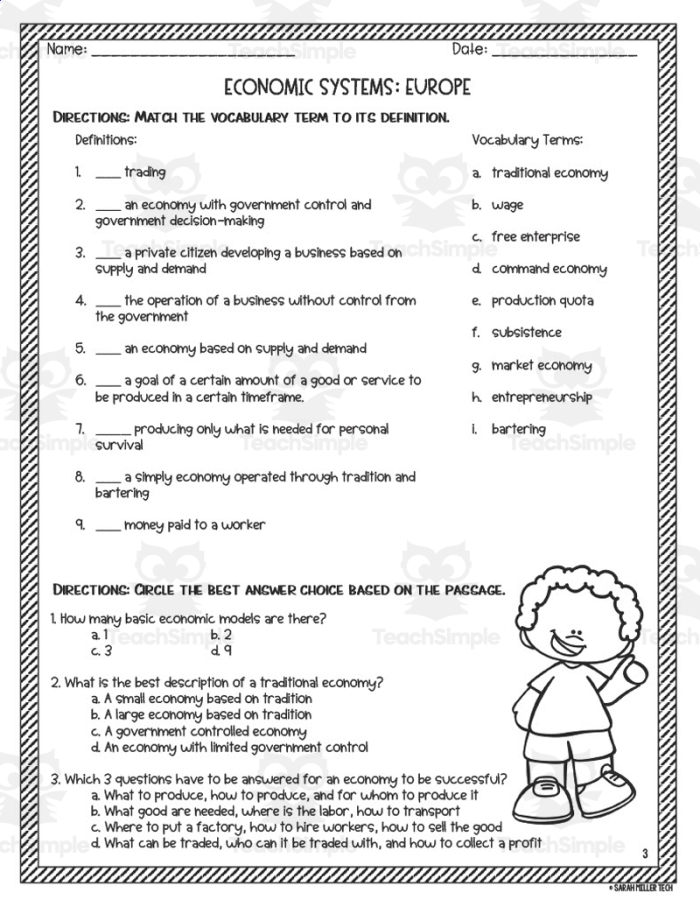
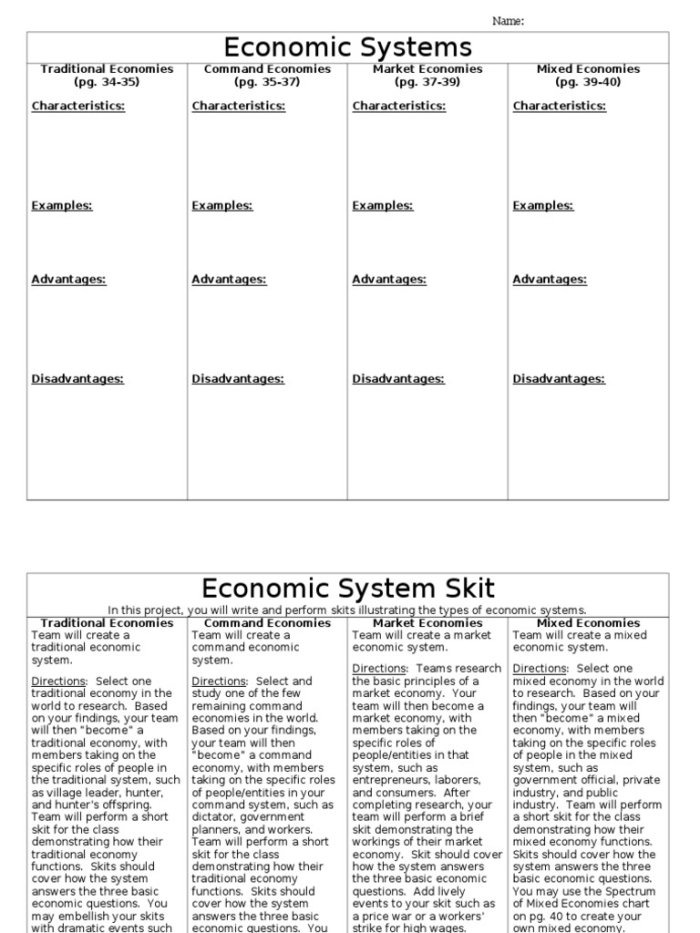
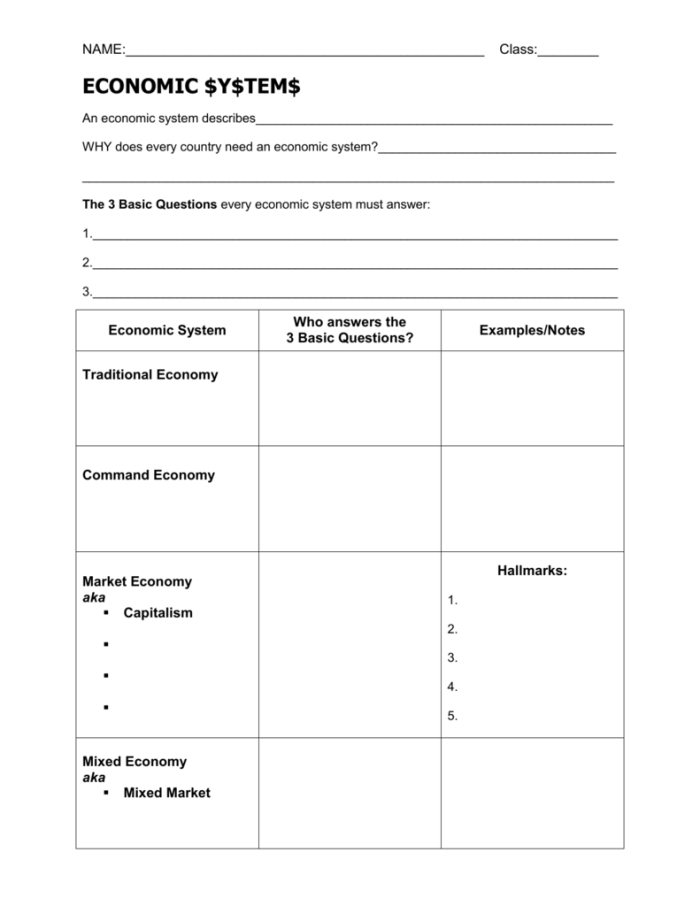
Understanding different economic systems is crucial for middle school students as they begin to navigate the complexities of the world around them. Using a two-page social studies worksheet can effectively introduce sixth graders to the four primary types of economic systems: traditional, market, command, and mixed. This approach not only enhances their knowledge but also encourages critical thinking about how these systems impact everyday life.
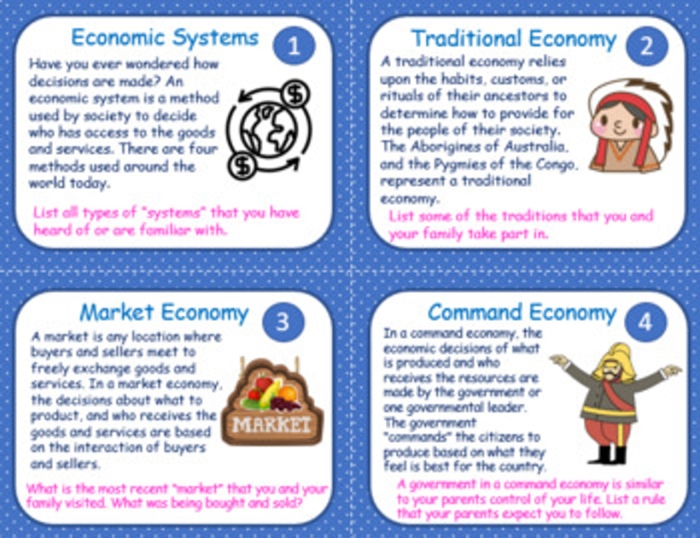
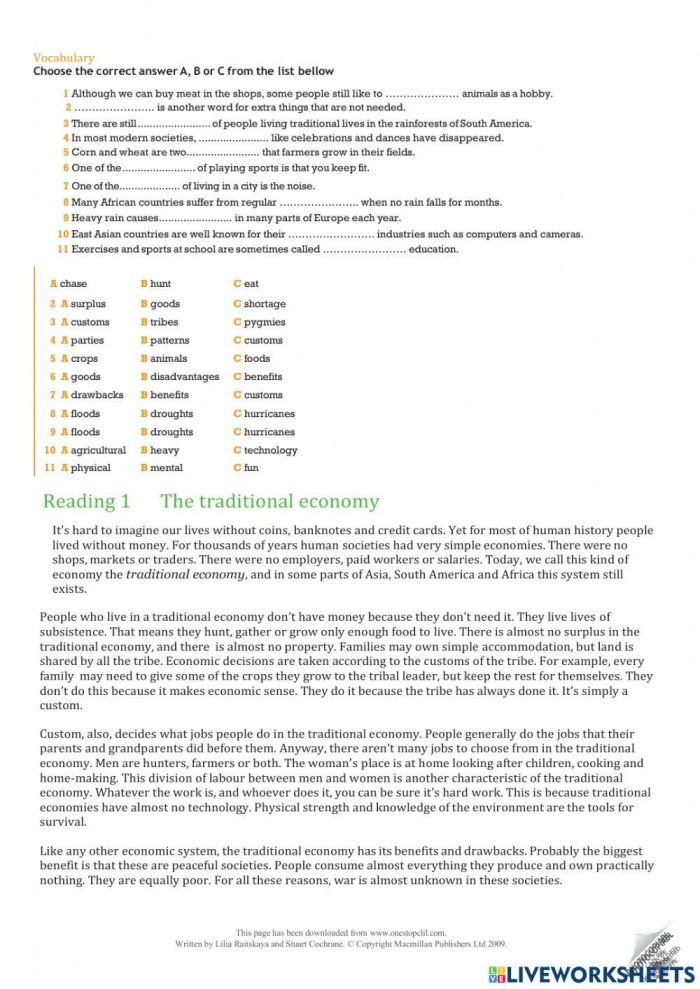
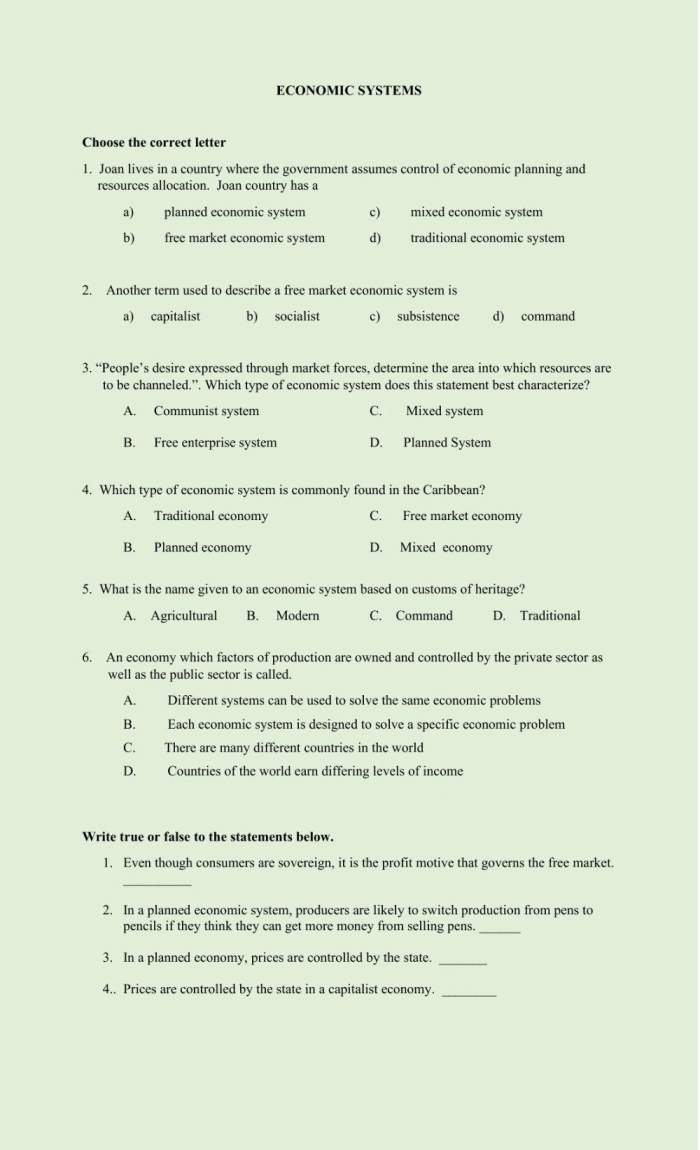
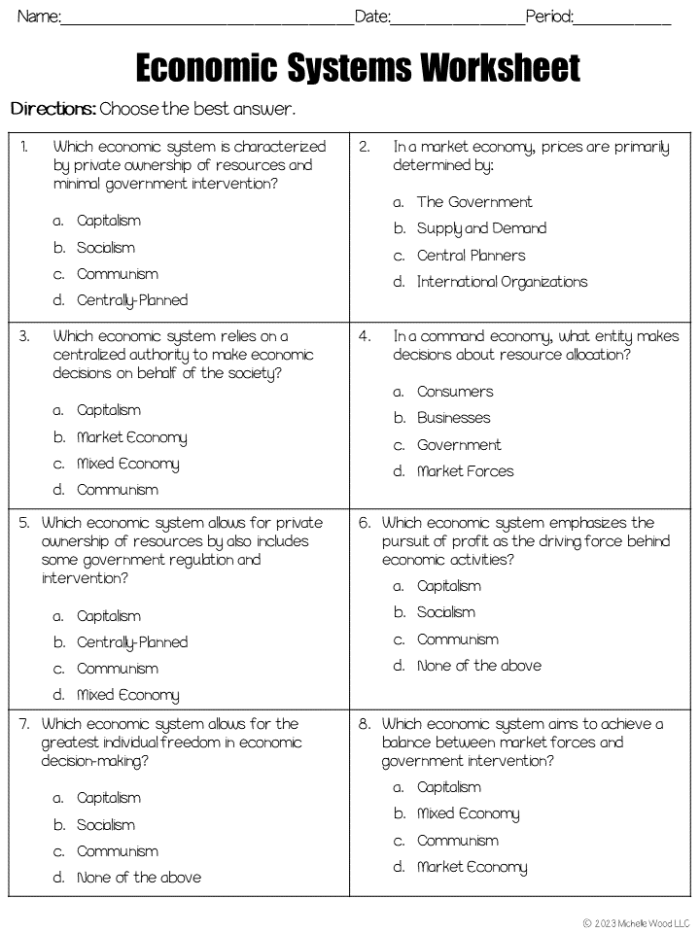
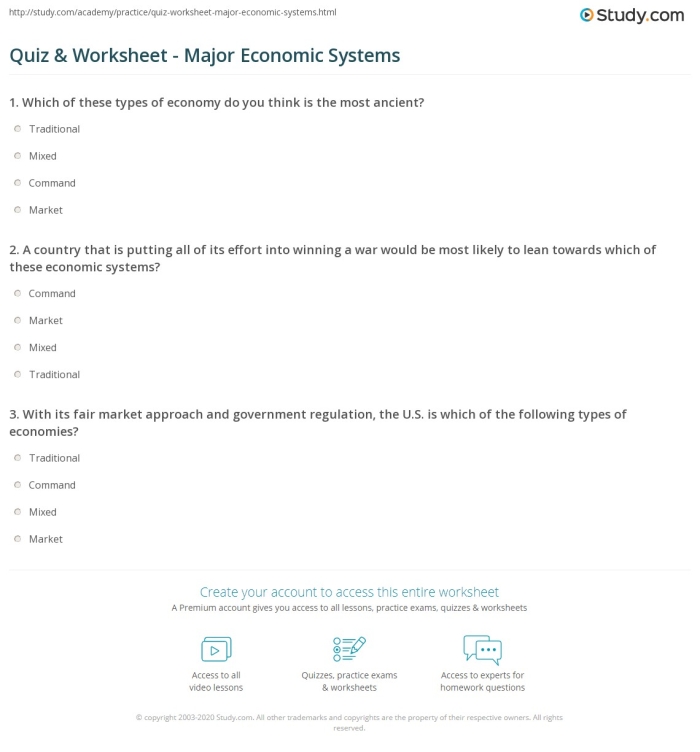
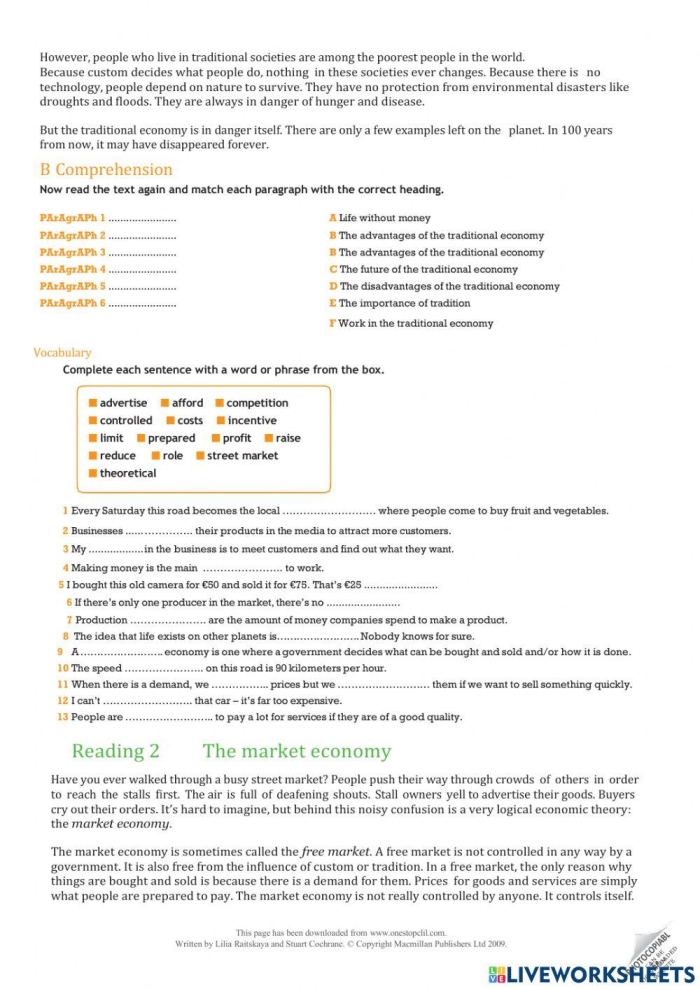
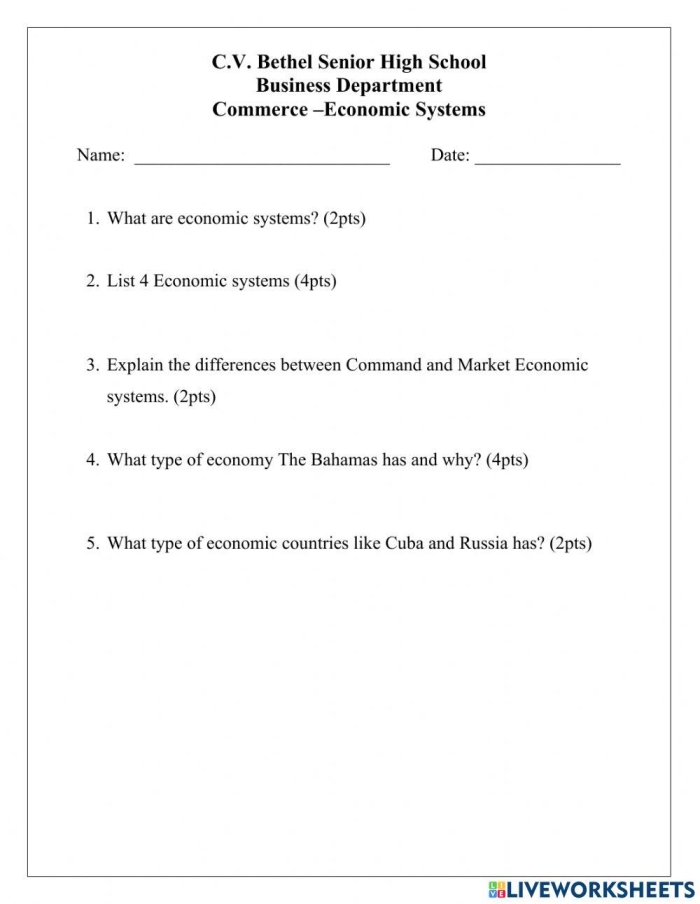
A traditional economic system relies on customs and practices that have been passed down through generations. In this system, communities often engage in subsistence farming or barter trade. For example, in many indigenous societies, people may grow their own food and trade with neighbors, reflecting their cultural values and historical context. This system can provide students with a clear understanding of how economies can function based on tradition rather than market forces.
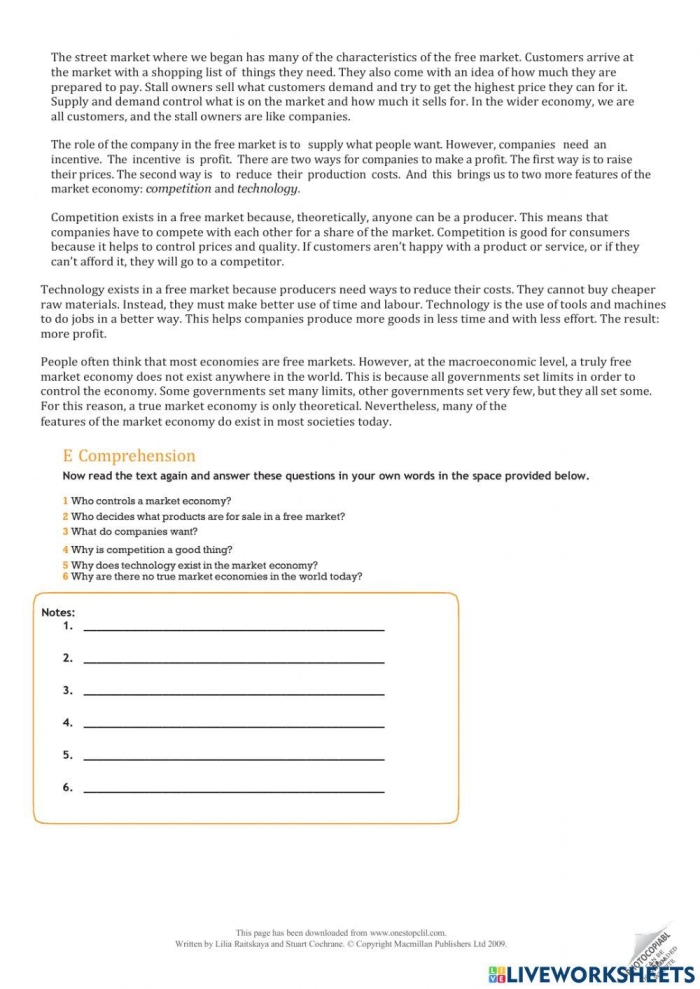
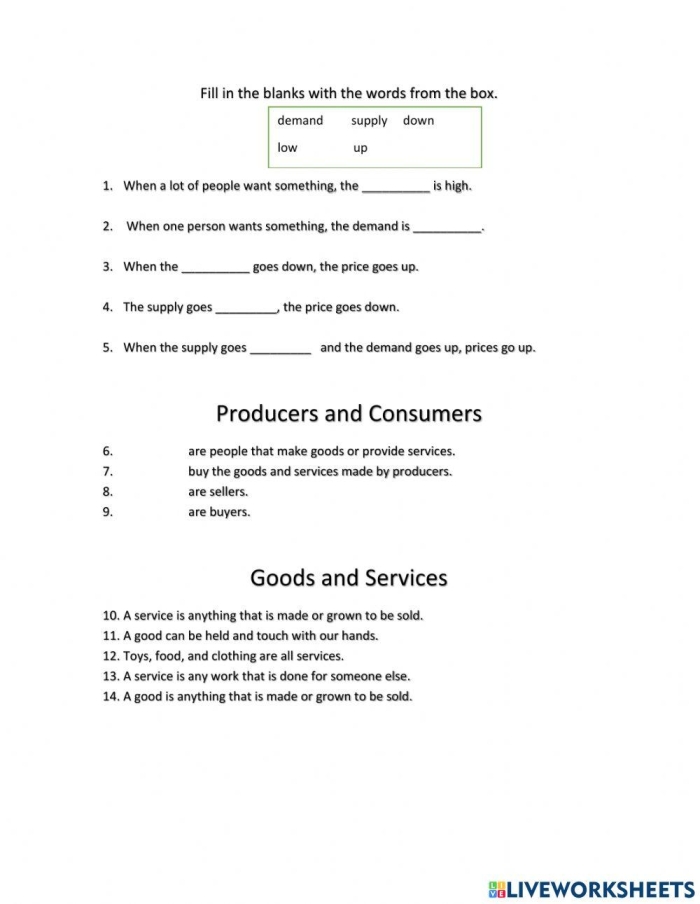
In contrast, a market economic system emphasizes individual choice and competition. Here, supply and demand dictate prices, and businesses operate to maximize profits. Introducing students to real-world examples, like how grocery stores adjust prices based on seasonal produce, can help them grasp the dynamics of a market economy. Discussing the role of entrepreneurs and innovation can also spark their interest in how this system drives economic growth.
Command economies, on the other hand, are characterized by government control over resources and production. Students can explore historical examples, such as the former Soviet Union, to understand how centralized planning works. Highlighting both the advantages and disadvantages of this system can encourage thoughtful discussions about its effectiveness in meeting citizens’ needs.
Finally, mixed economies combine elements of both market and command systems. Most modern economies, including the United States, fall into this category, showcasing a blend of private enterprise and government regulation. This concept can be further explored through practical applications like taxes and public services, linking economic theory to their daily experiences.
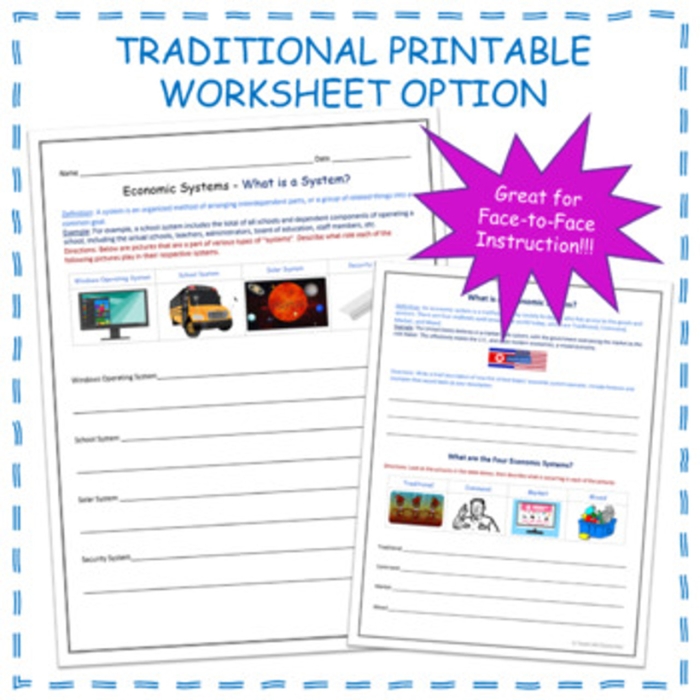
By engaging with this printable worksheet, students will not only learn about economic systems but also develop a deeper appreciation for how these frameworks influence their lives. Understanding these concepts prepares them for future studies in social studies and algebra, as they start to connect mathematics with real-world applications.
Printable Worksheets for Practice