Spelling accuracy drops noticeably when students encounter plurals and possessives for the first time. Middle grades mark the moment when sixth grade students need to move beyond basic spelling and tackle the trickier rules that govern how words change form. This is where targeted practice makes the real difference.
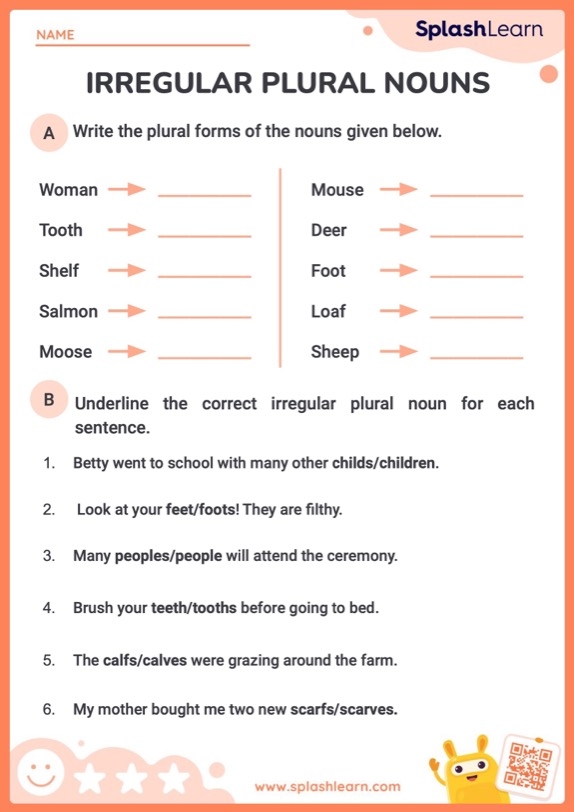
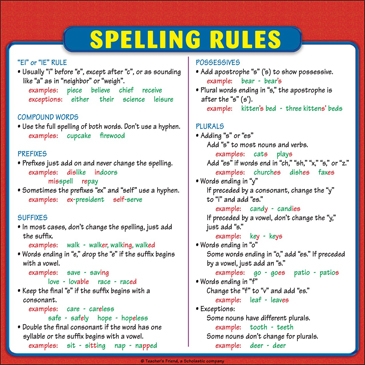
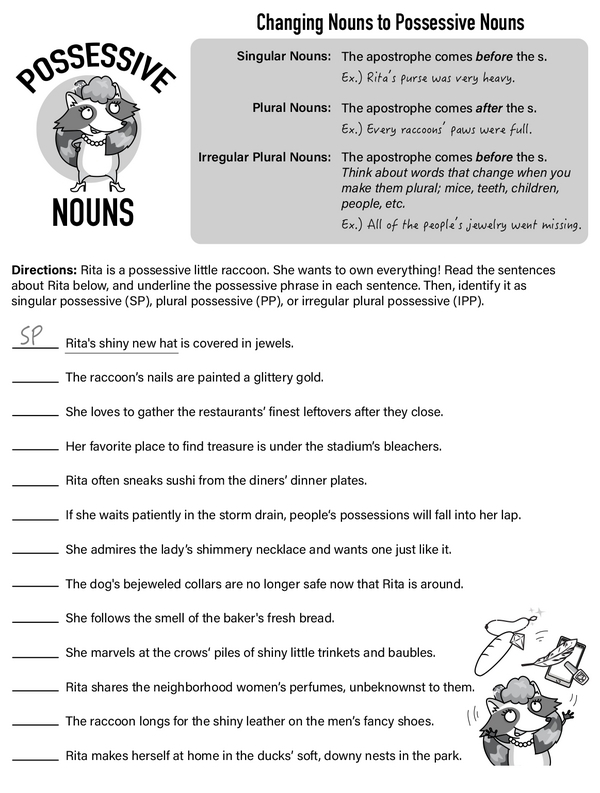
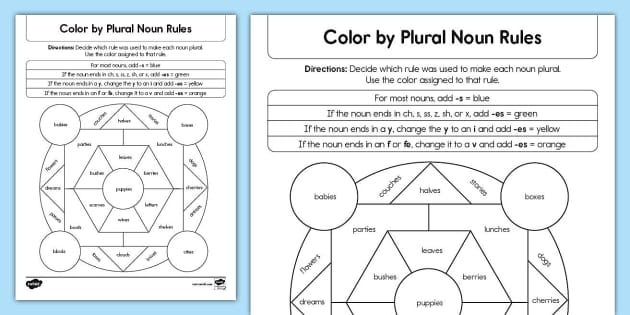
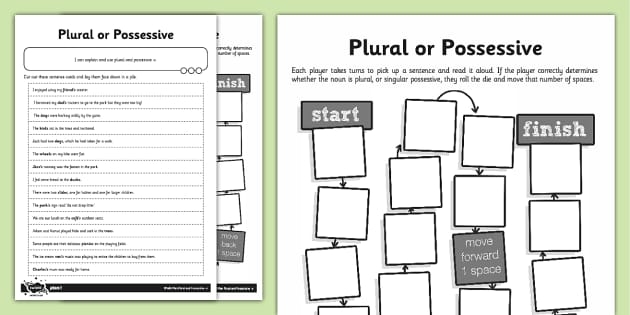
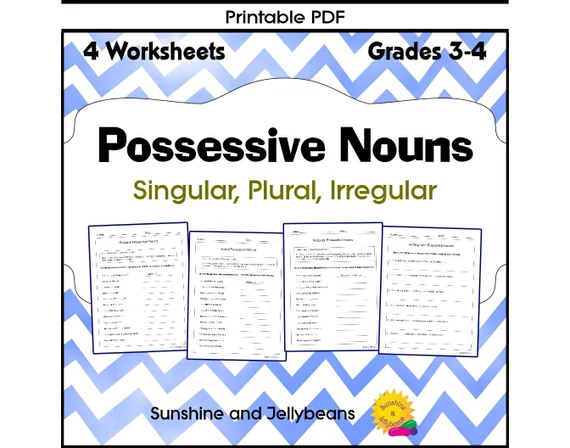
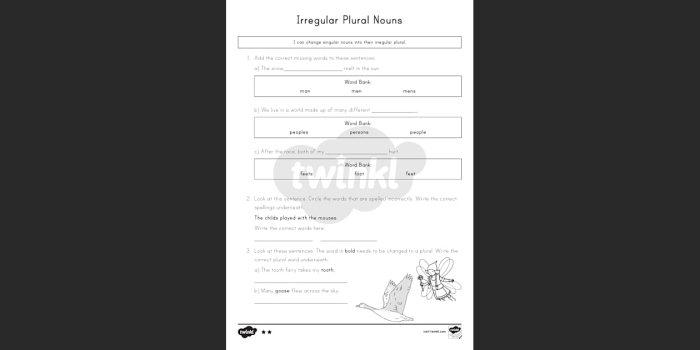
Plurals seem straightforward until students realize that not every word simply adds an “s.” Words ending in “y” change to “ies,” words ending in “f” become “ves,” and irregular plurals like “child” and “children” refuse to follow any pattern at all. Possessives add another layer of complexity. The difference between “the girls’ soccer team” and “the girl’s soccer team” carries real meaning, yet many students treat apostrophes as optional decorations rather than grammar tools that signal ownership and belonging.
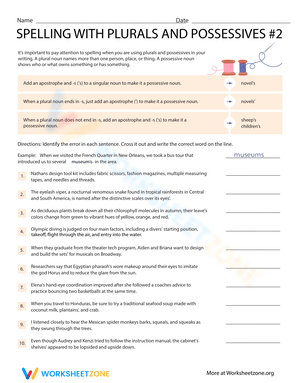
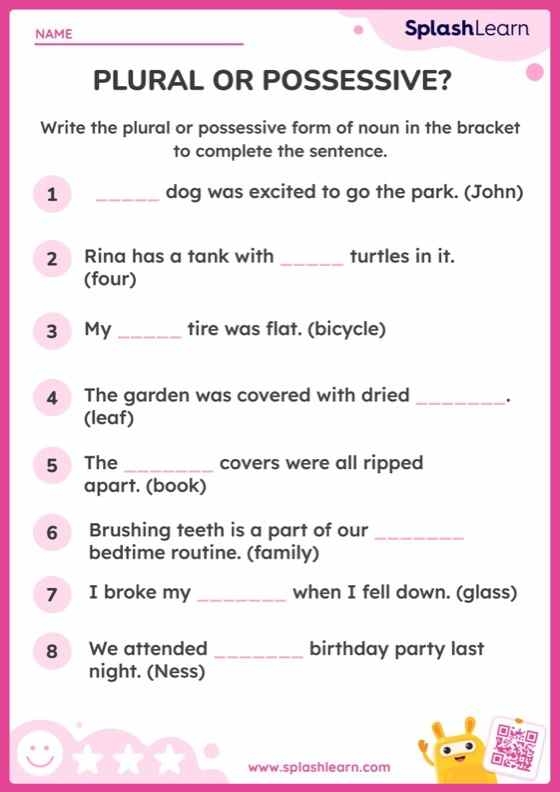
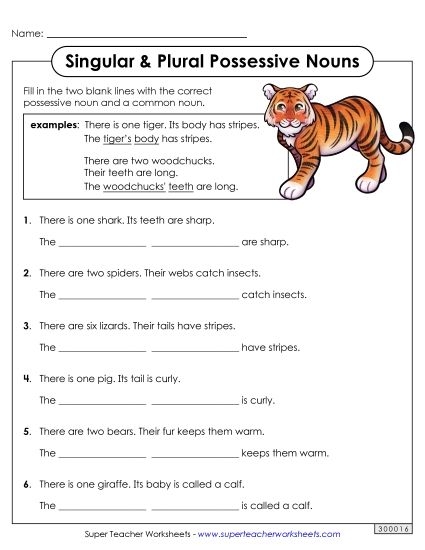
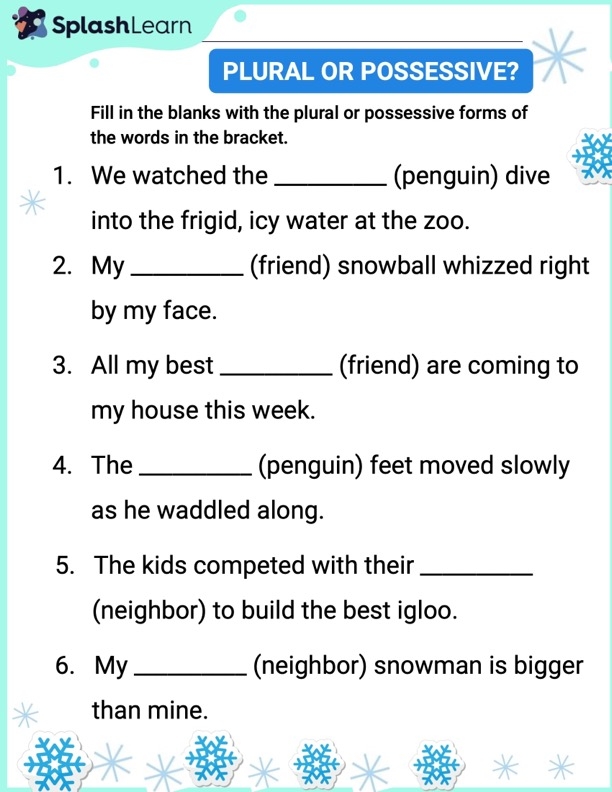
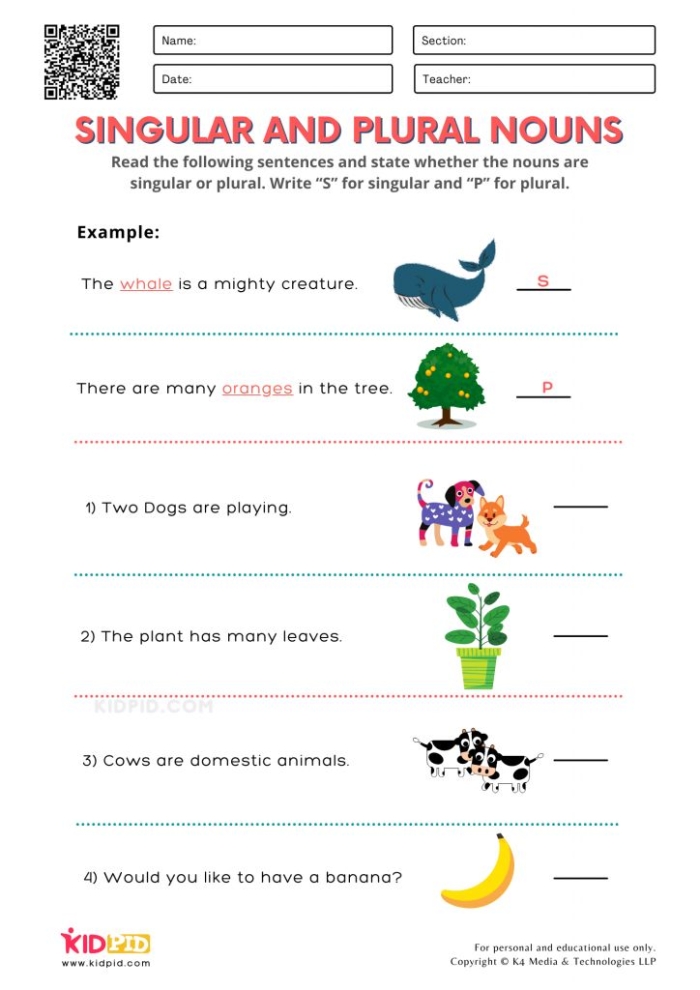
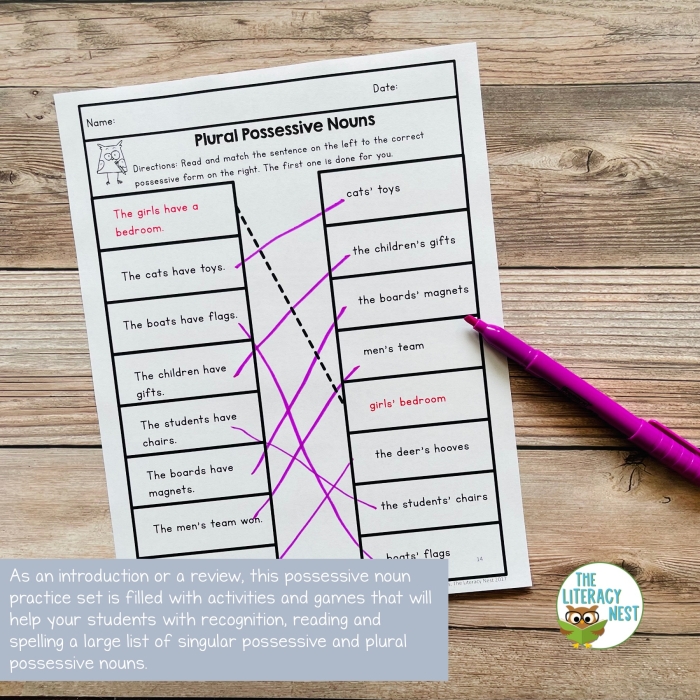
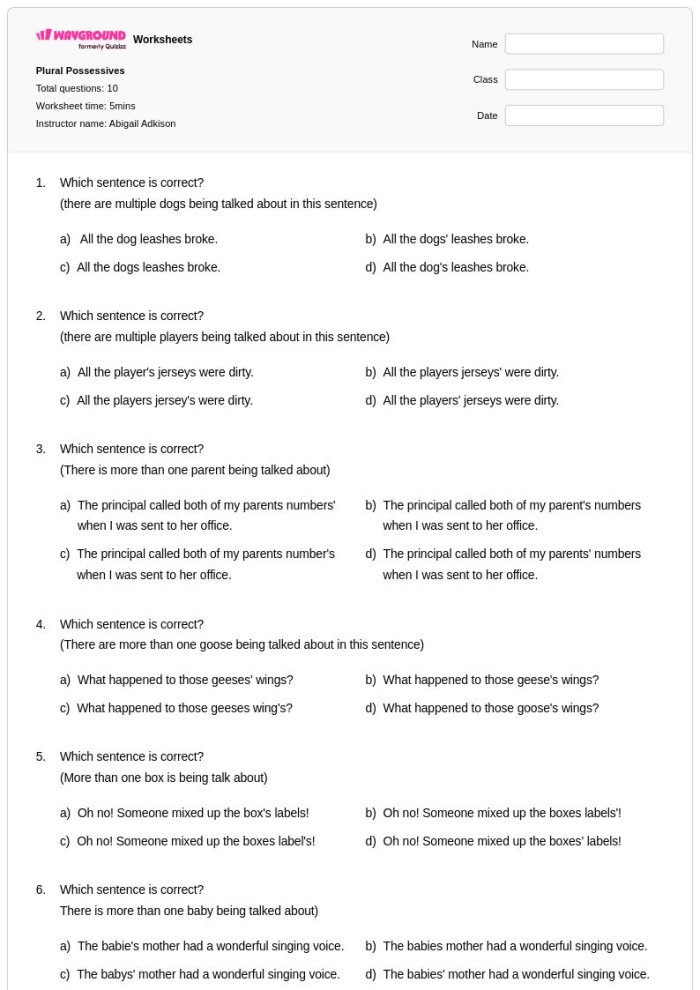
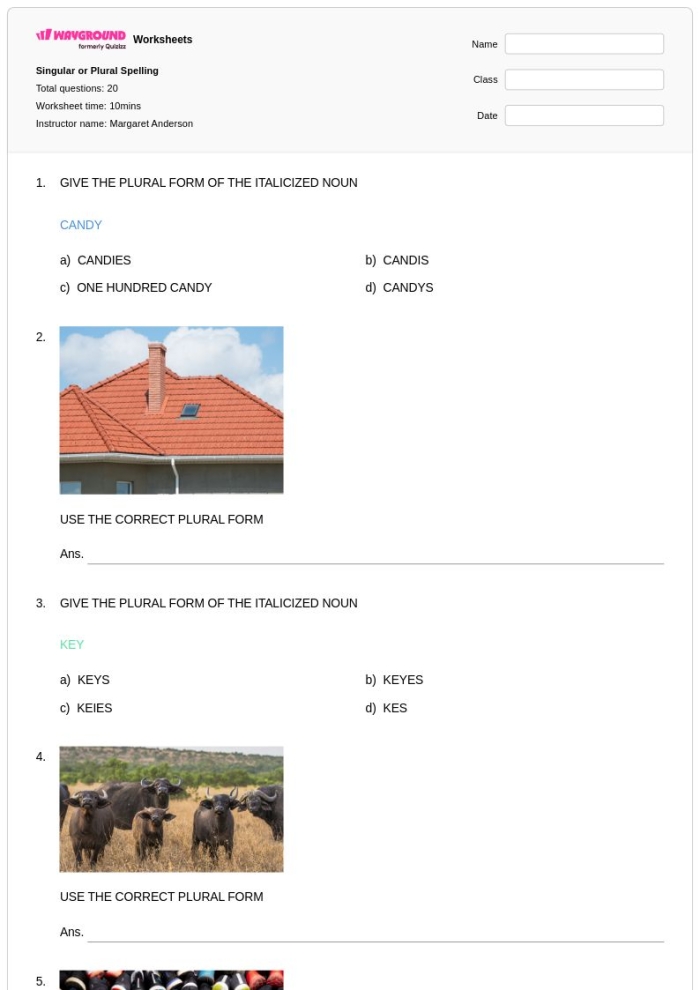
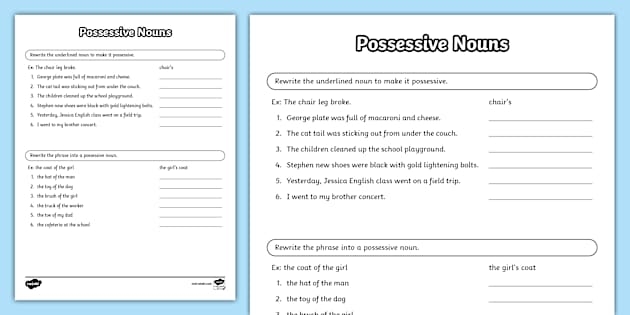
A focused worksheet on these patterns helps students see the rules in action. When sixth graders work through multiple examples side by side, they begin to recognize which plurals follow standard rules and which ones demand memorization. Possessive forms become less confusing when students practice placing apostrophes correctly in both singular and plural contexts.
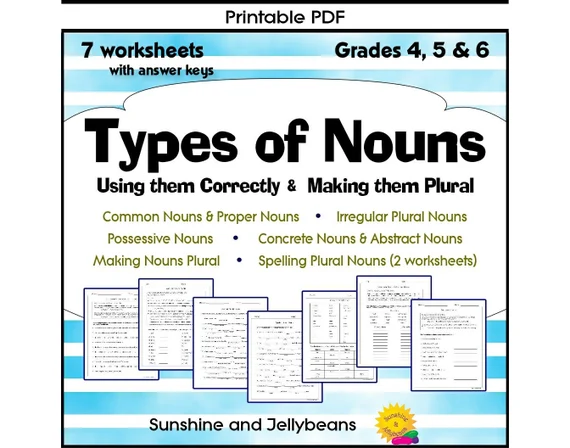
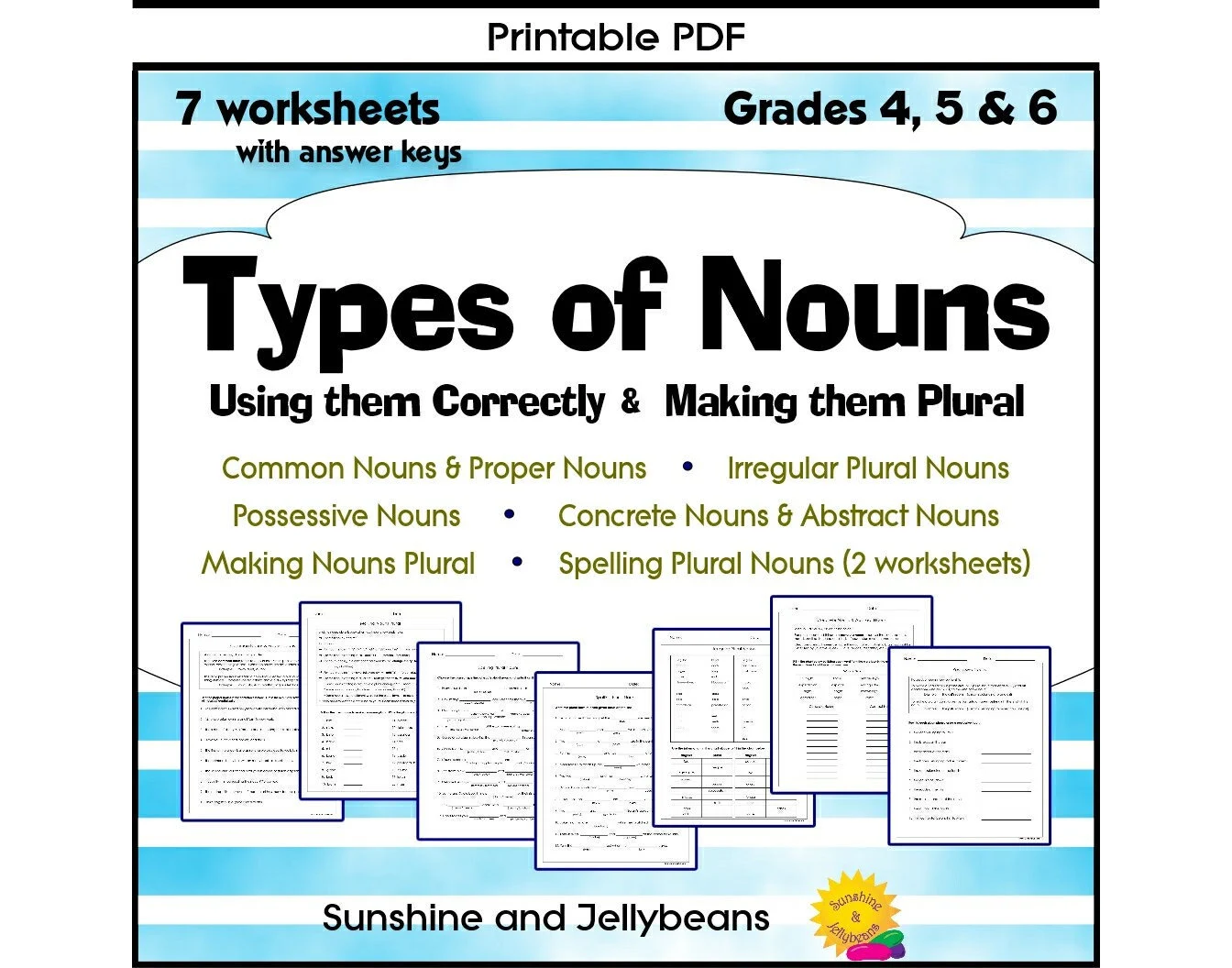
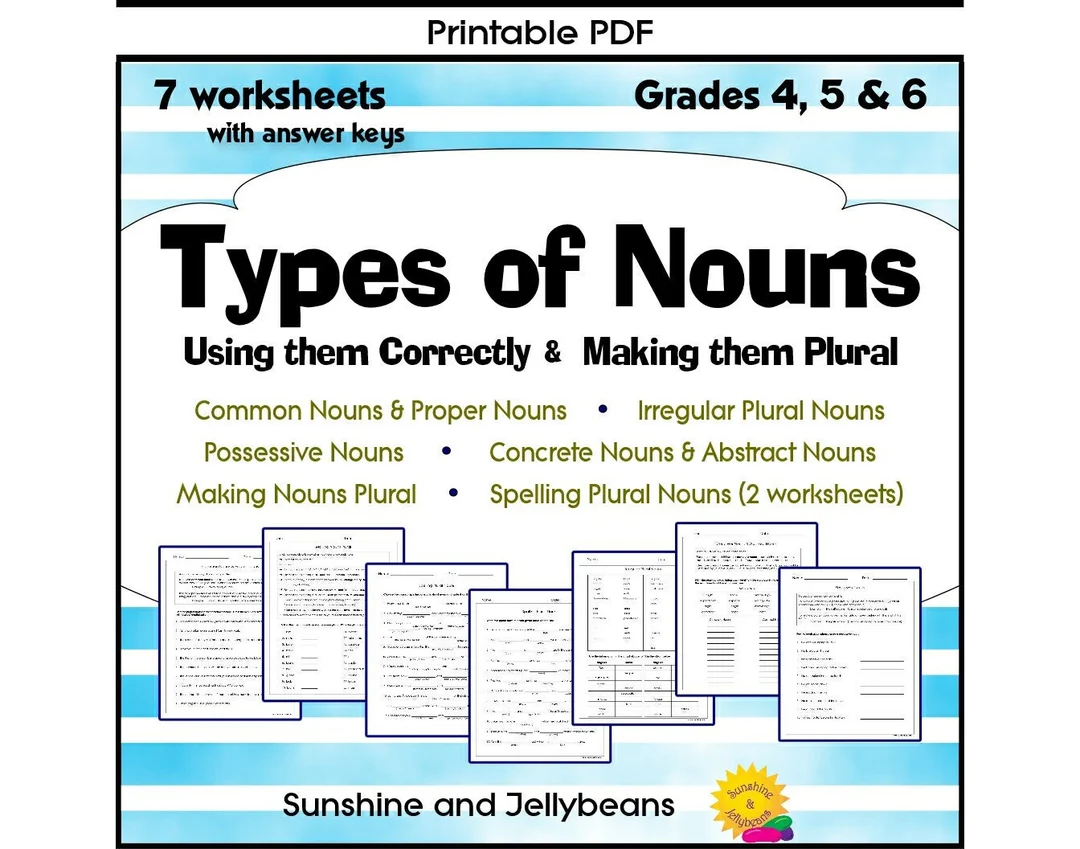
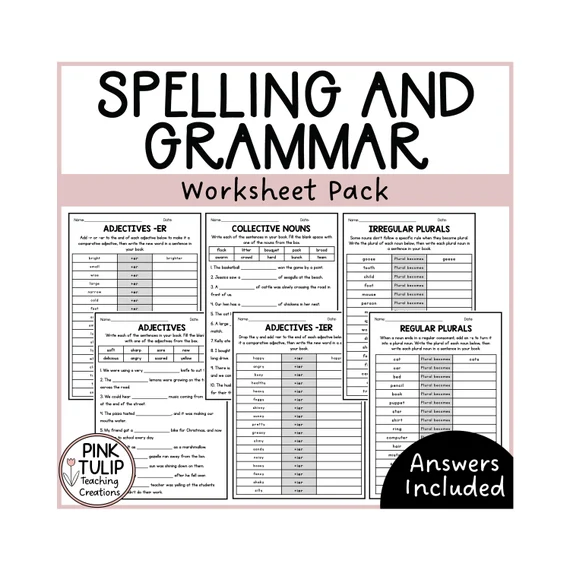
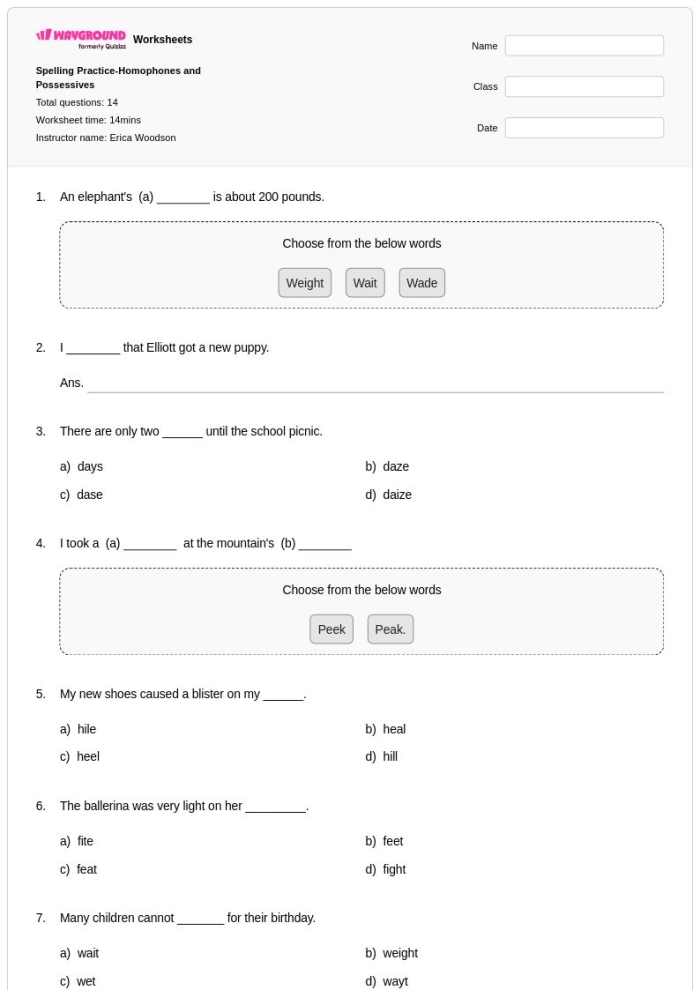
Printable spelling with plurals and possessives worksheets work best when they include a mix of regular and irregular cases. Students benefit from seeing patterns repeated across different word families, then testing their understanding with application exercises. This approach strengthens retention far more effectively than memorizing isolated rules.
For teachers building comprehensive grammar instruction, these materials complement other sixth grade skill areas. Pairing this practice with related work like volume of rectangular prisms and cubes with fractions patterns or graphing inequalities patterns creates a well-rounded curriculum that addresses multiple learning objectives throughout the year.
Worksheet Practice Section