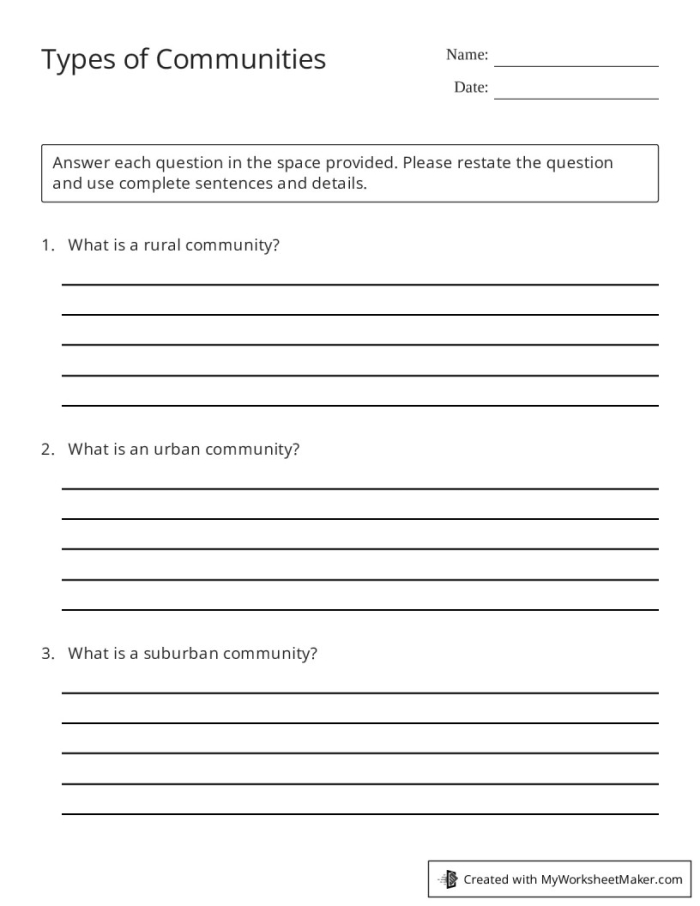
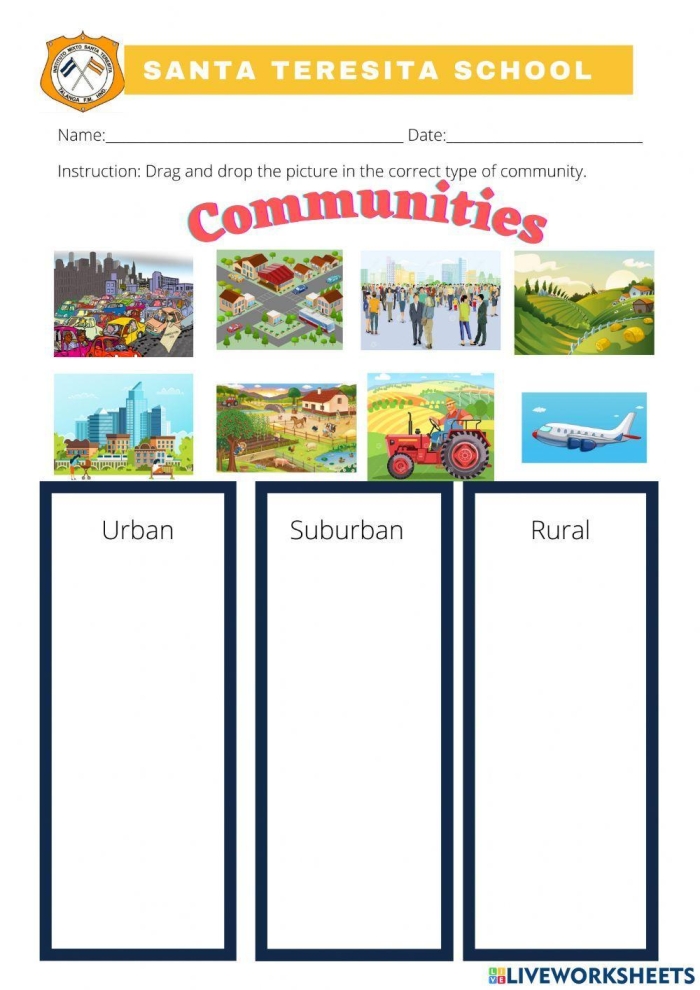
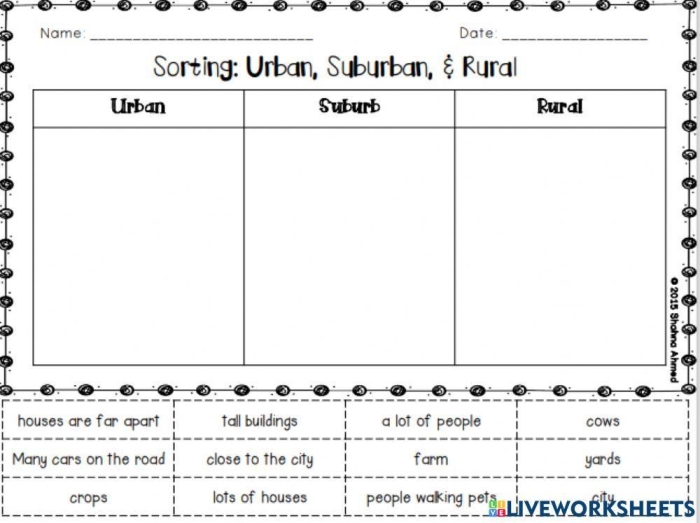
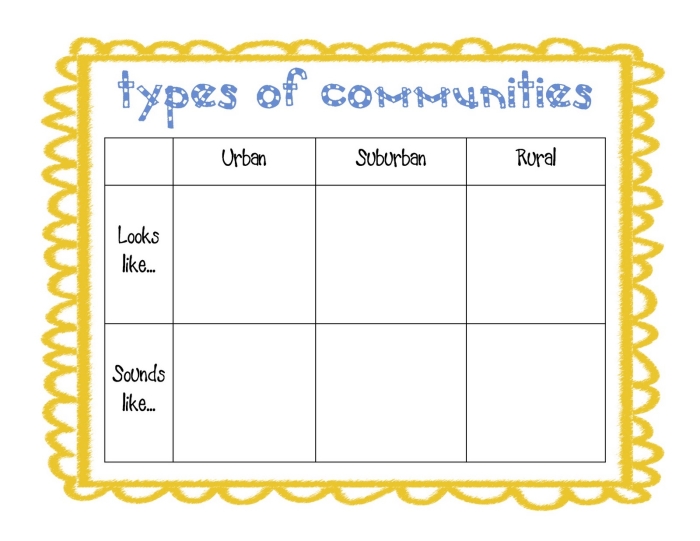
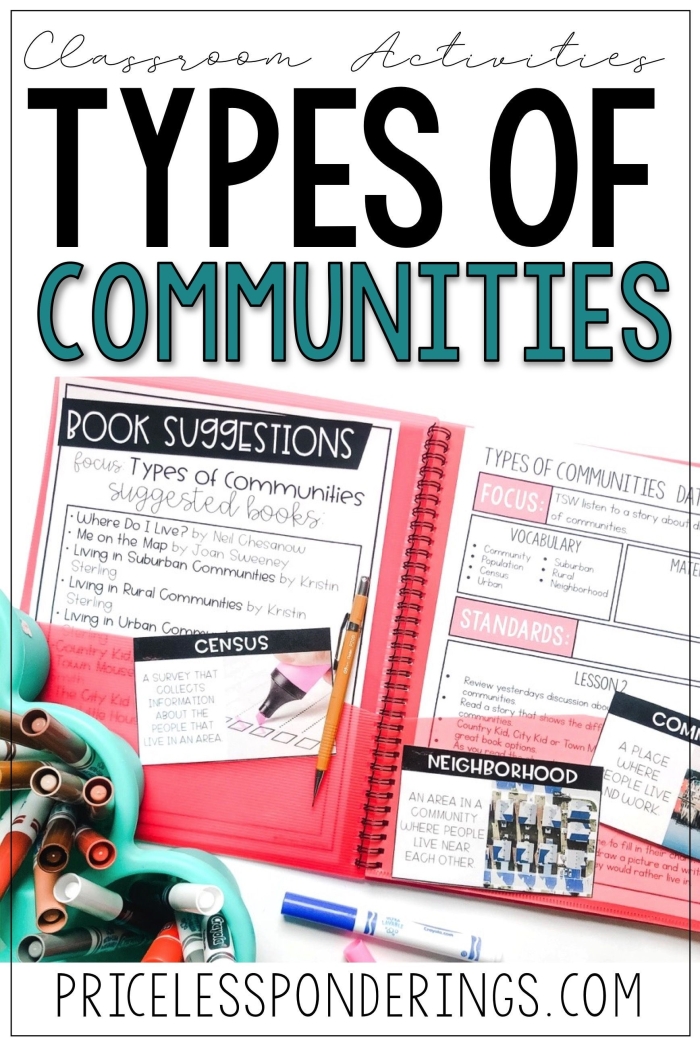
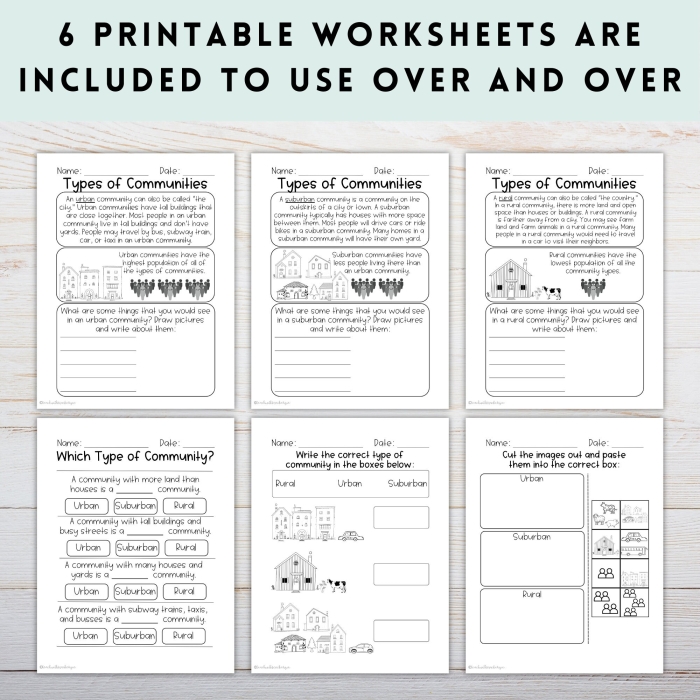
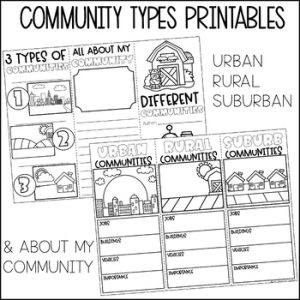
Understanding the different types of communities is essential for second graders as they begin to explore their world. One effective way to engage your students is to challenge them with a vocabulary worksheet that focuses on rural, urban, and suburban communities. This approach not only builds their vocabulary but also encourages critical thinking about the environments they live in.
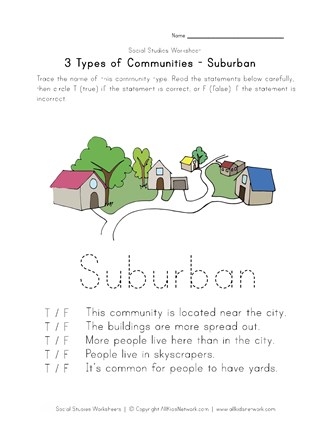
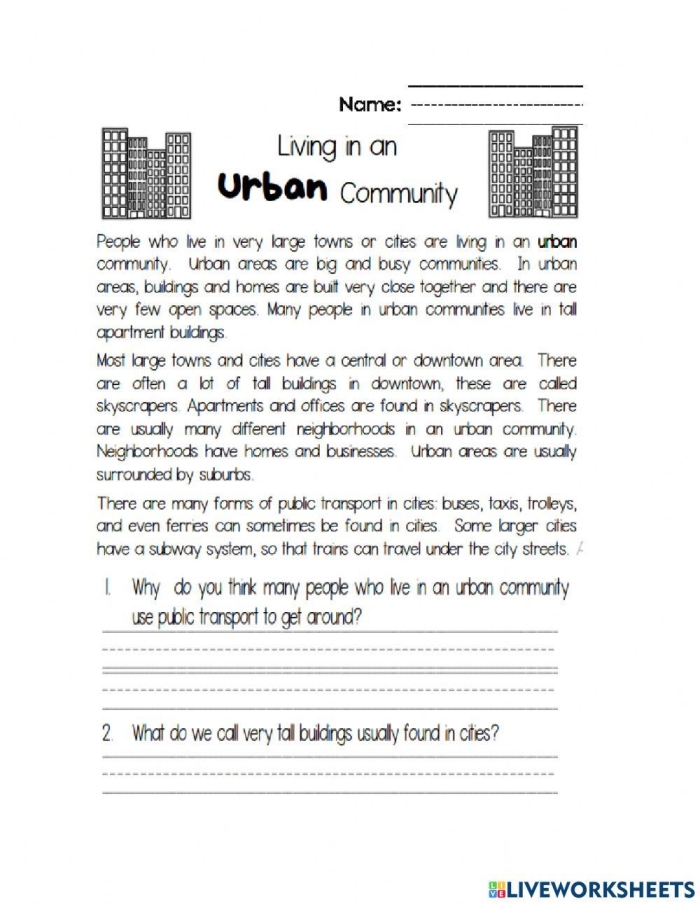
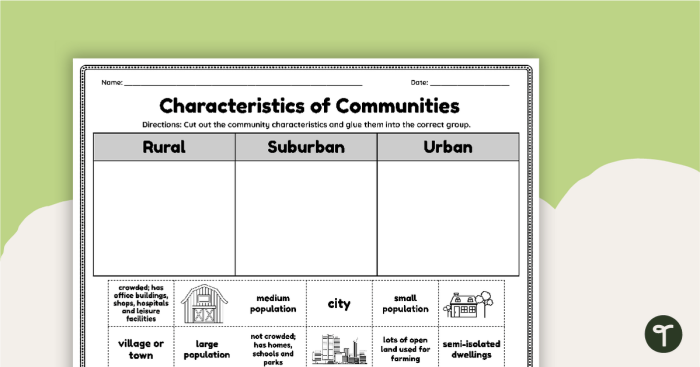
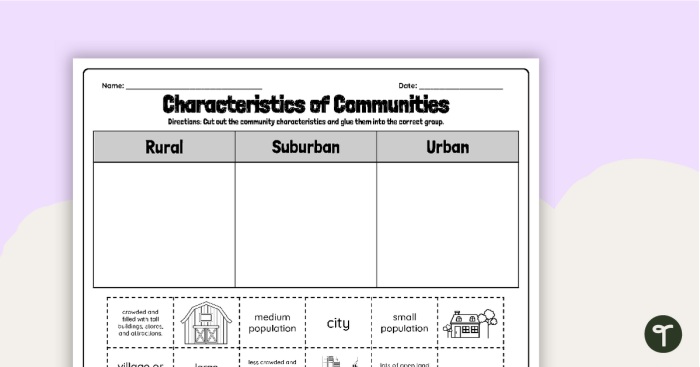
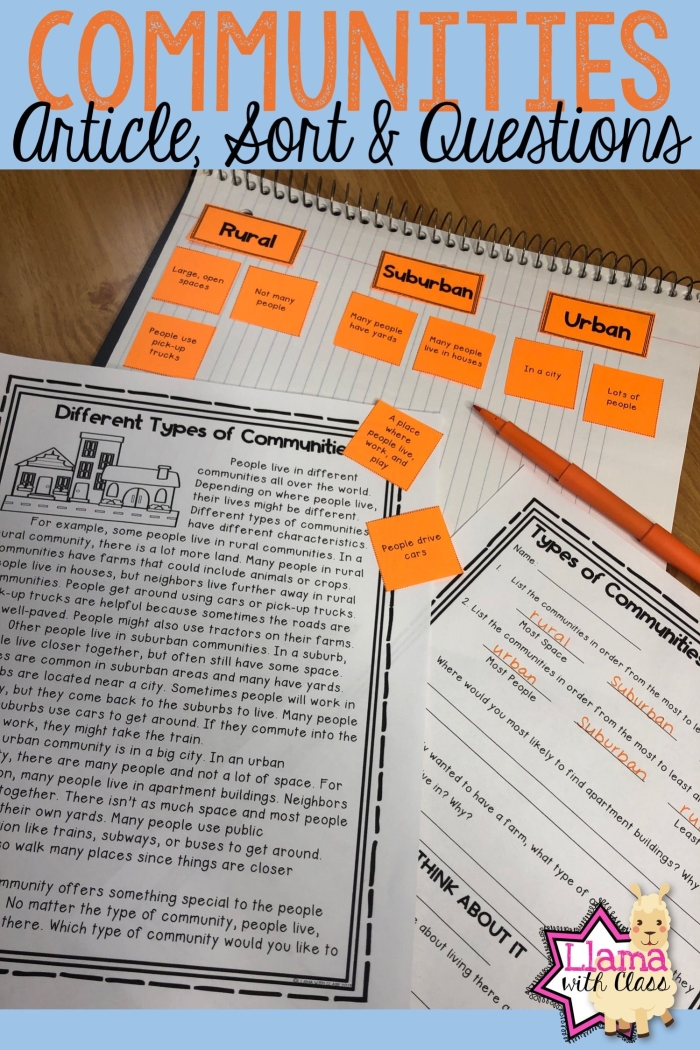
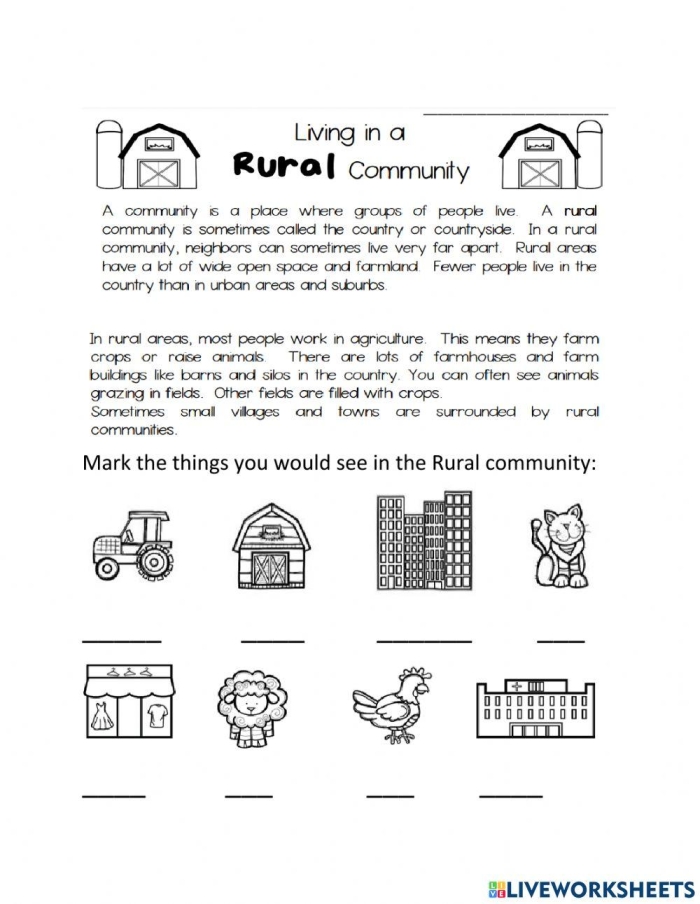
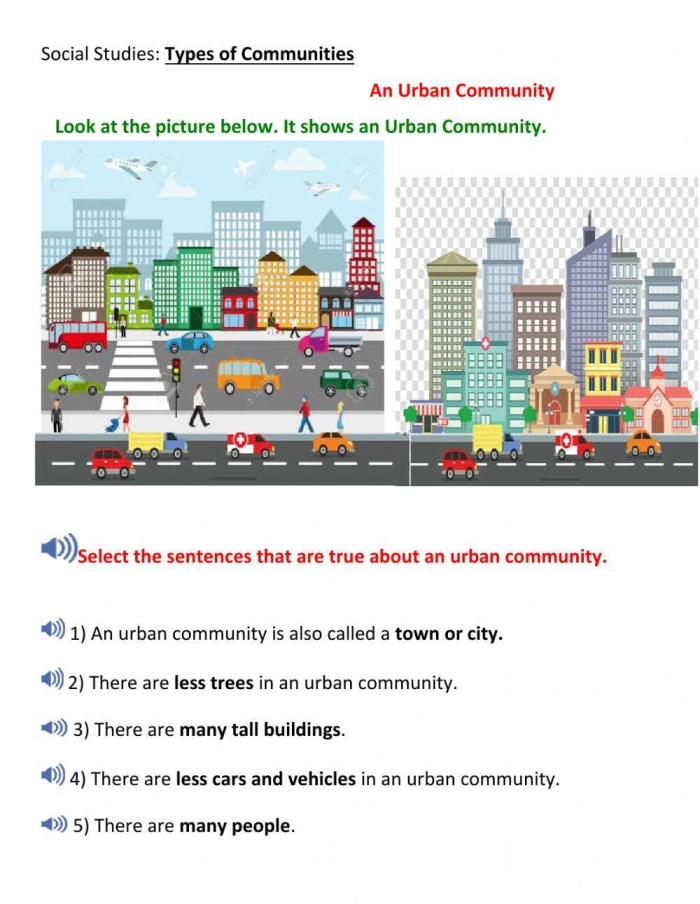
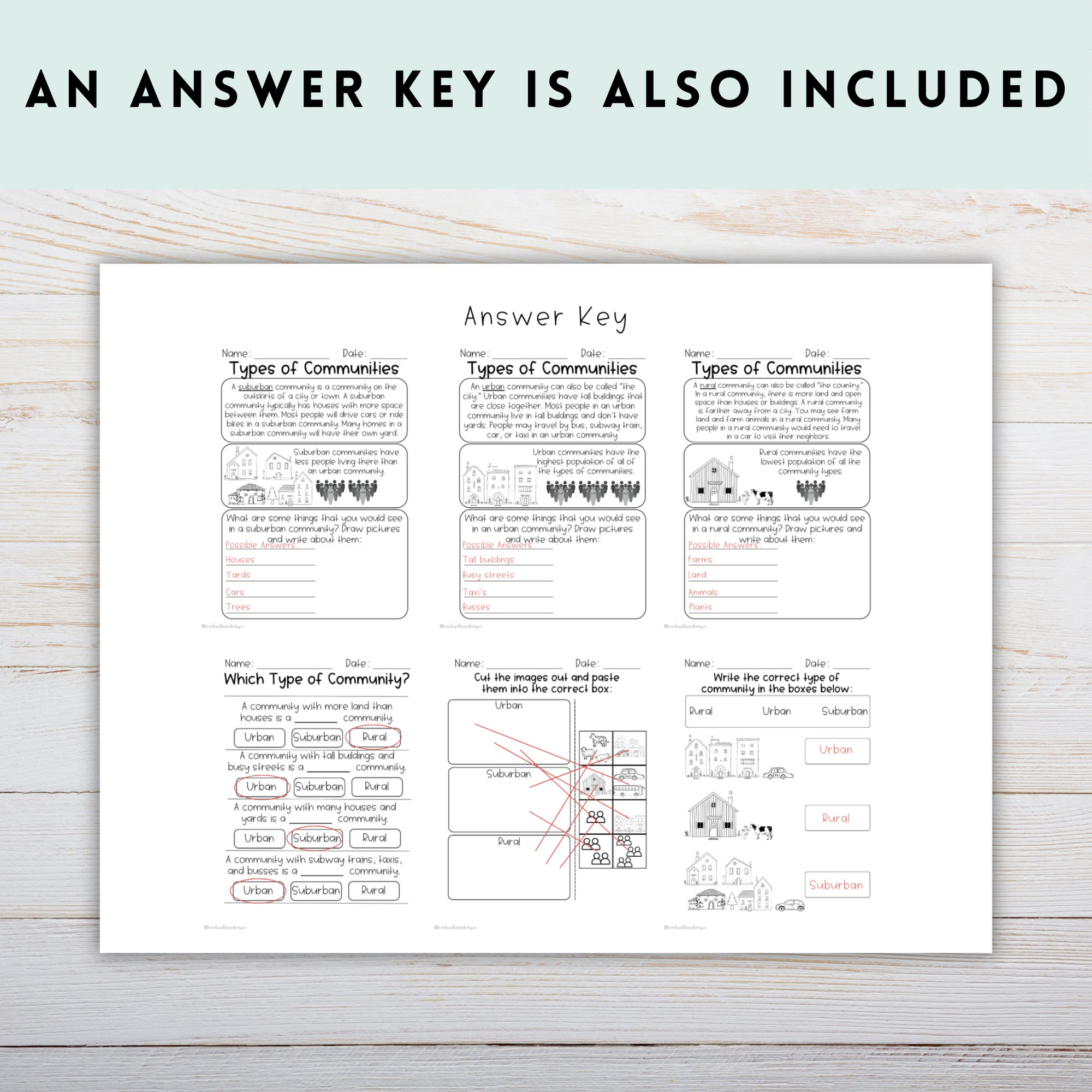
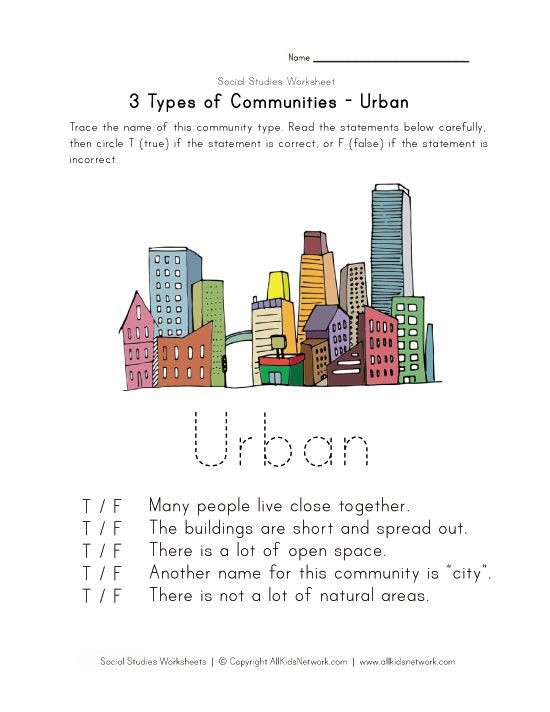
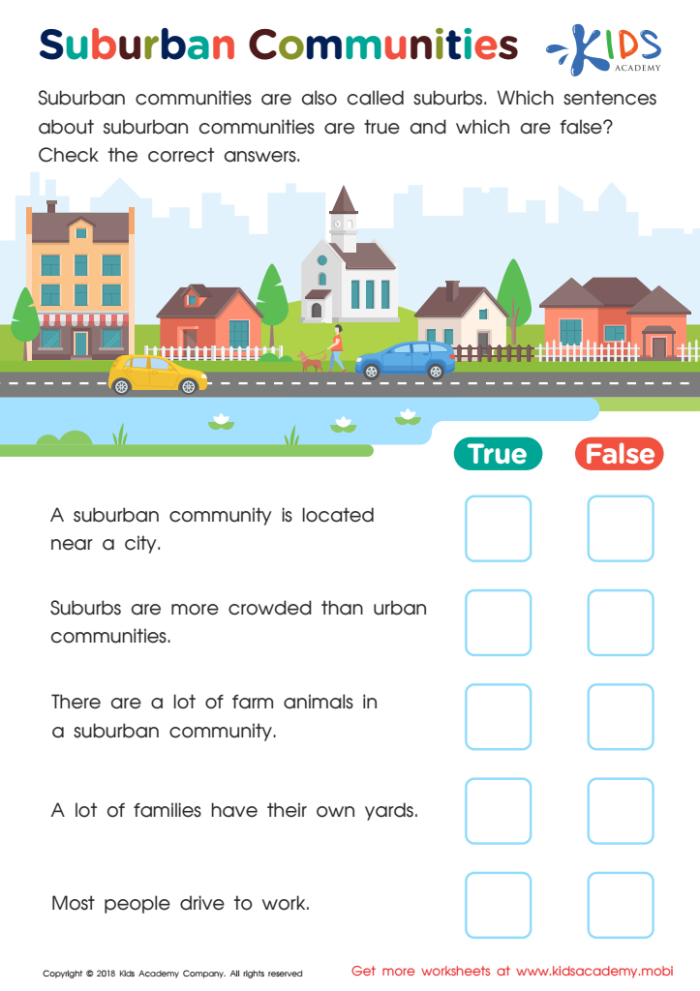
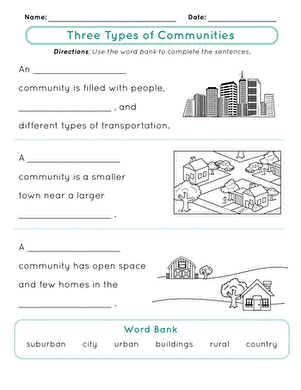
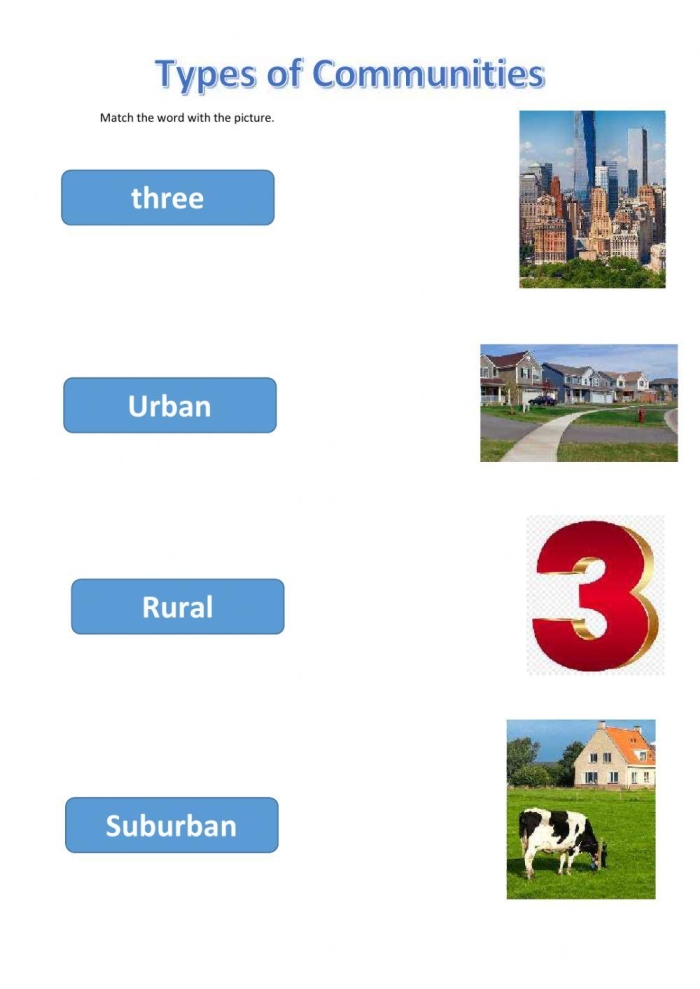
Each community type has unique characteristics that can be explored through simple, relatable examples. For instance, rural communities often feature wide-open spaces and farmland, while urban areas are bustling with tall buildings and diverse populations. Suburban settings typically combine elements of both, offering residential neighborhoods with easy access to city amenities. By using a worksheet that prompts students to define and identify these types of communities, you help them connect the concepts to their own experiences.
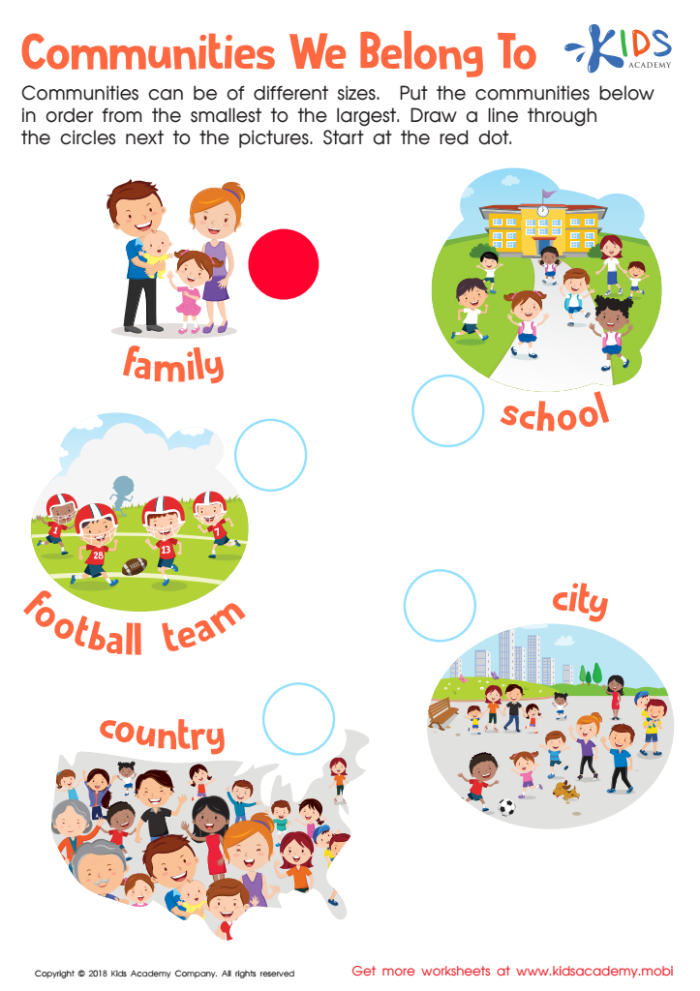
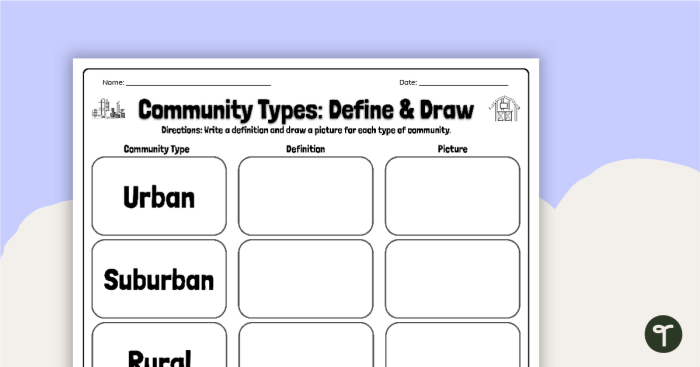
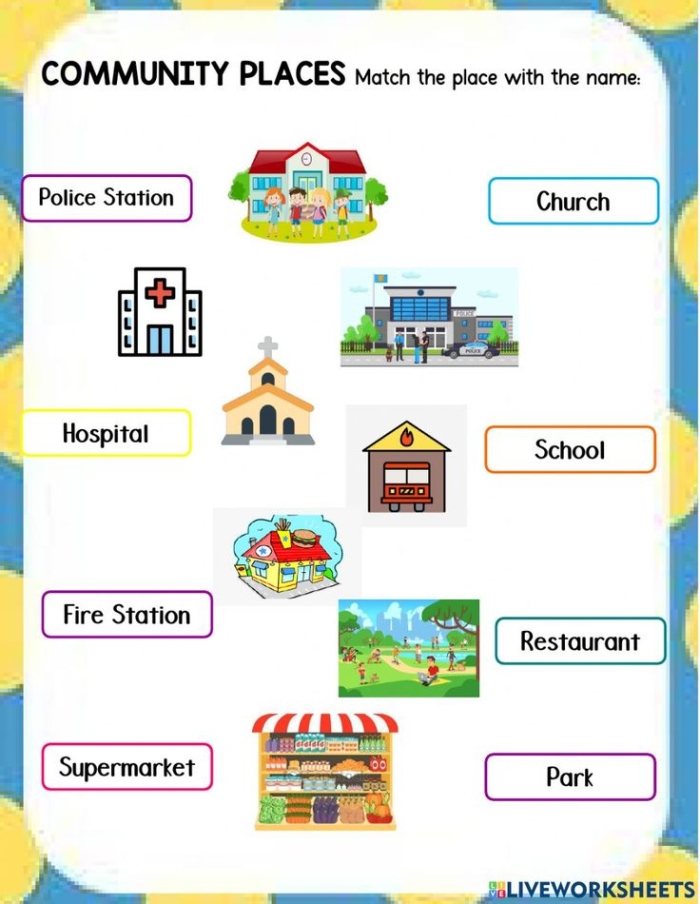
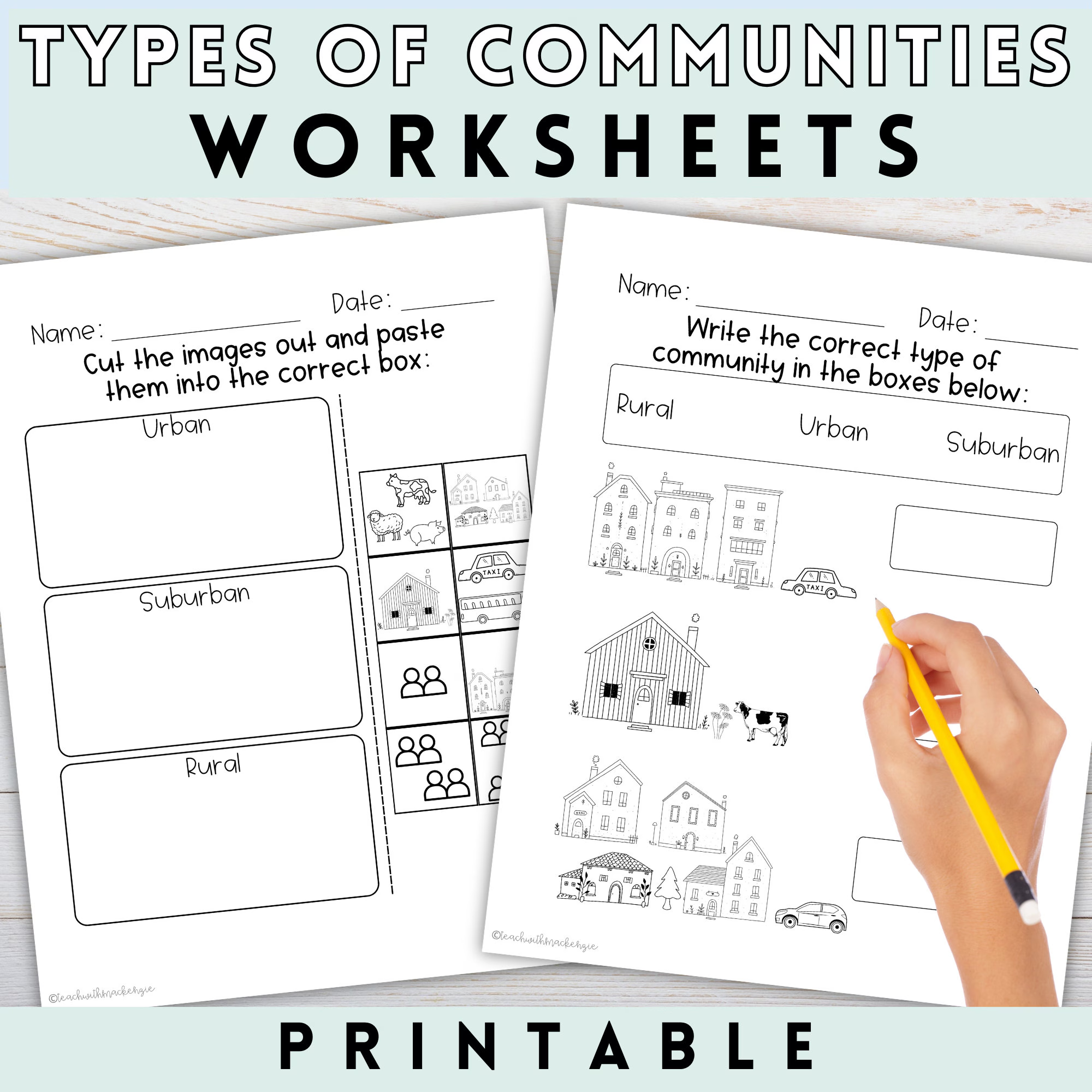
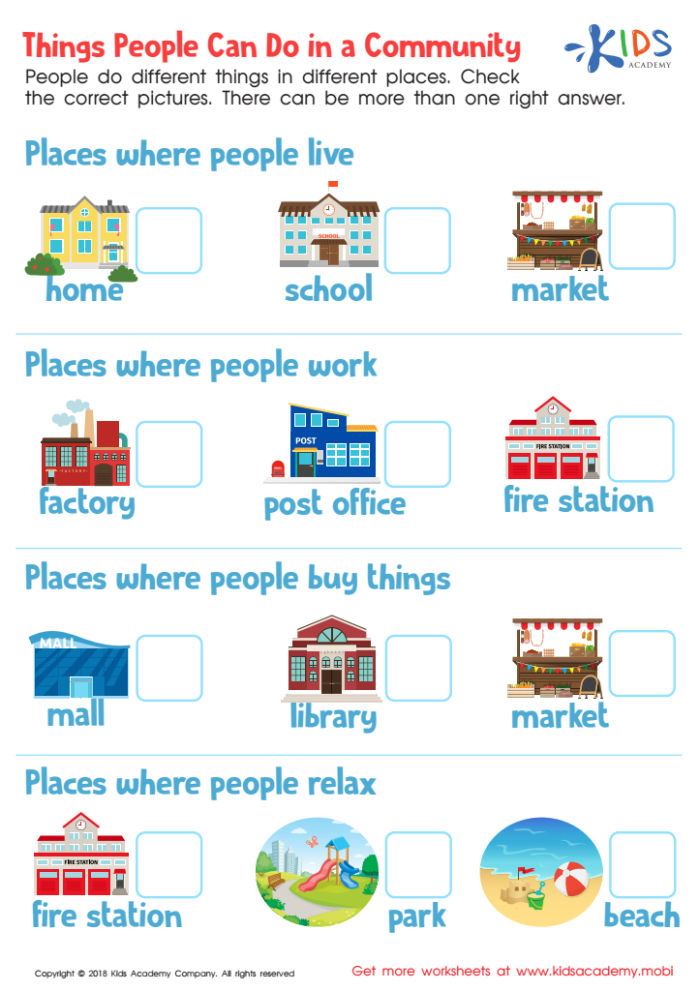
A well-designed vocabulary worksheet can include activities like matching terms to definitions, filling in blanks, or even drawing their own representations of each community type. These tasks not only reinforce their learning but also make the process enjoyable and interactive. Incorporating fun visuals can further enhance engagement, making the lesson memorable.
In addition to vocabulary, discussions around the advantages and challenges of each community type can enrich students’ understanding. For example, students might consider how living in an urban area provides access to more services, while rural areas might offer a quieter lifestyle. This kind of dialogue fosters a deeper comprehension of the material and encourages students to think critically about their surroundings.
To complement this lesson, you might explore other related topics through printable worksheets available at sites like Luminaworksheets. Whether it’s identifying states of matter or planning a persuasive paragraph, integrating various subjects can enhance your students’ overall learning experience. Engaging students in this way not only helps them understand their communities but also builds essential sight words and vocabulary skills they will carry with them throughout their education.
Printable Worksheets for Practice